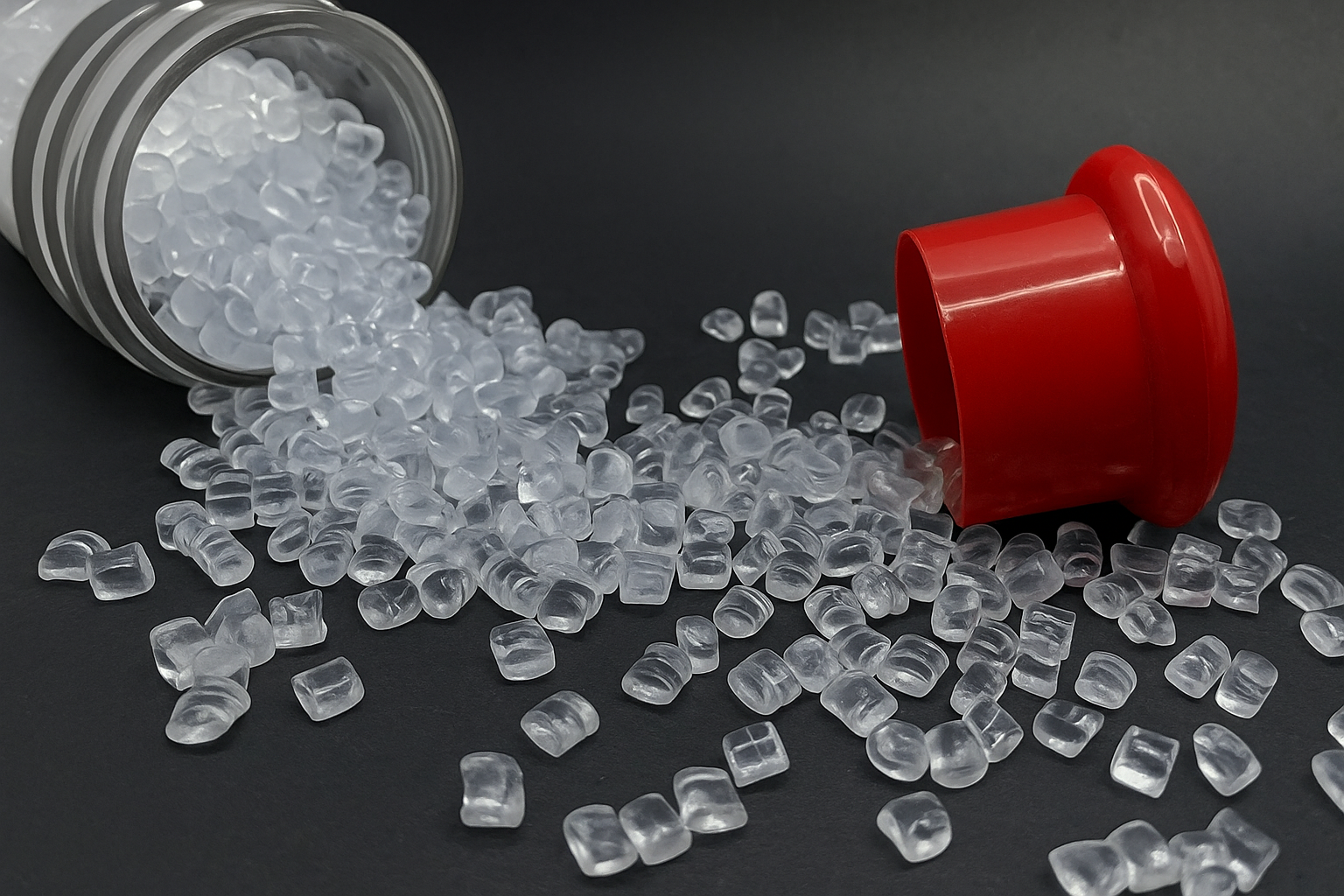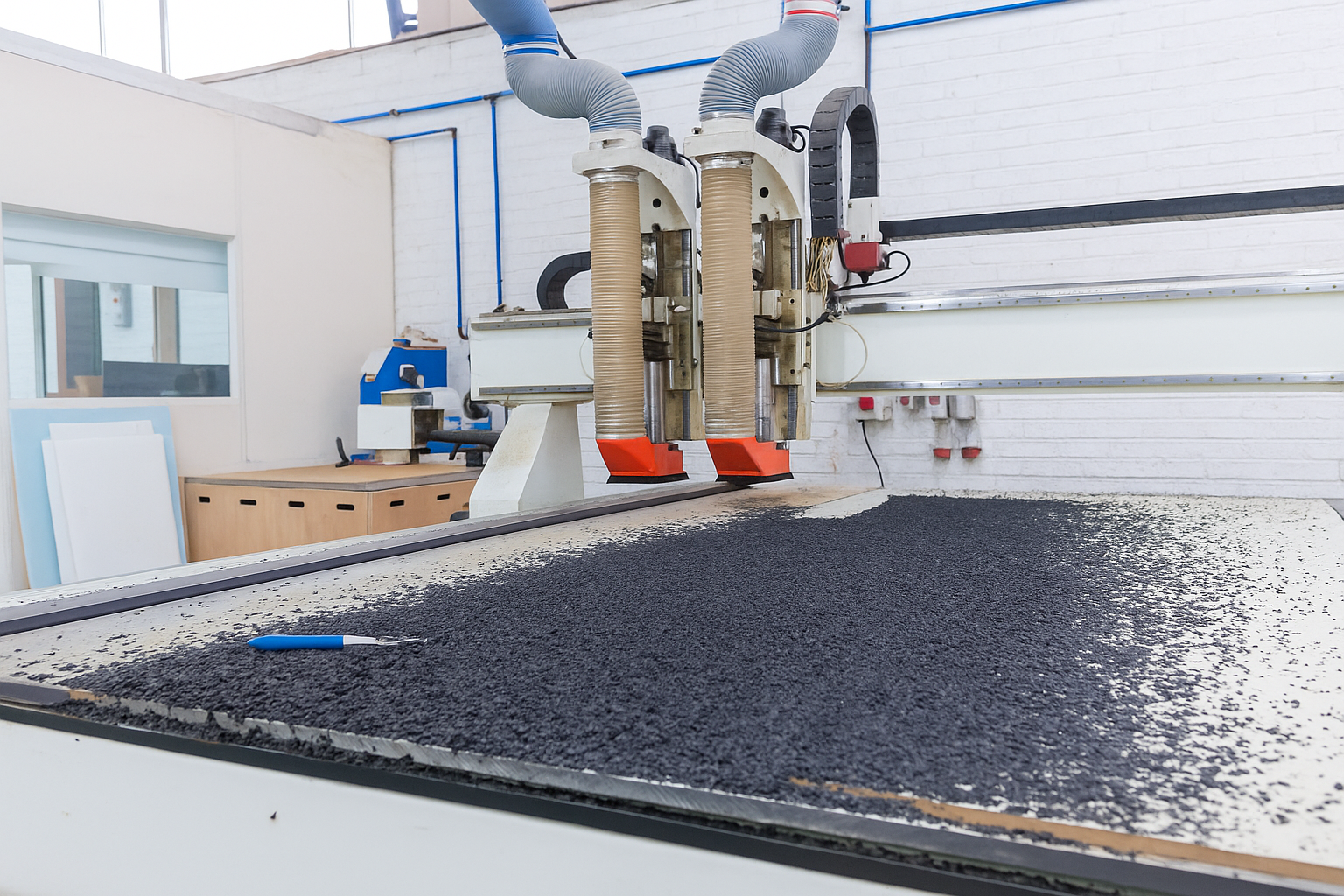
Policarbonato (computer) Servizi di lavorazione CNC | Custom Clear & High-Impact Plastic Parts

Precision CNC Machined Polycarbonate Parts for Optical, Industriale & Safety Applications

    • Tolleranze strette fino a ±0,02 mm
    • Crystal-clear finishing available
    • Prototipi veloci in 3–7 giorni
    • Fresatura CNC, girando, routing & lucidatura
    • Controllo qualità ISO

Invia la tua richiesta oggi

    Need durable, trasparente, impact-resistant plastic parts? TOPS Precision machines custom polycarbonate components for enclosures, lenti, guardie, aerospace panels, and medical devices with high precision and fast turnaround.

    Our machine parts made from polycarbonate are dependable and can be repeated in volume for aerospace and medical products. Our expert staff and the latest CNC machinery make sure your complex polycarbonate ideas become exact and useful parts.

    What Is Polycarbonate CNC Machining?

    What Is Polycarbonate CNC Machining?

    Polycarbonate CNC machining means using computer-operated tools to cut polycarbonate sheets, aste, or blocks into the required shapes. Compared to injection molding, CNC machining can make fewer parts with high levels of accuracy and good detail. Since polycarbonate is easily affected by stress and heat, precision machining necessitates controlling the tooling speed, using very sharp tools, and applying advanced techniques to keep the surface and lenses clear.

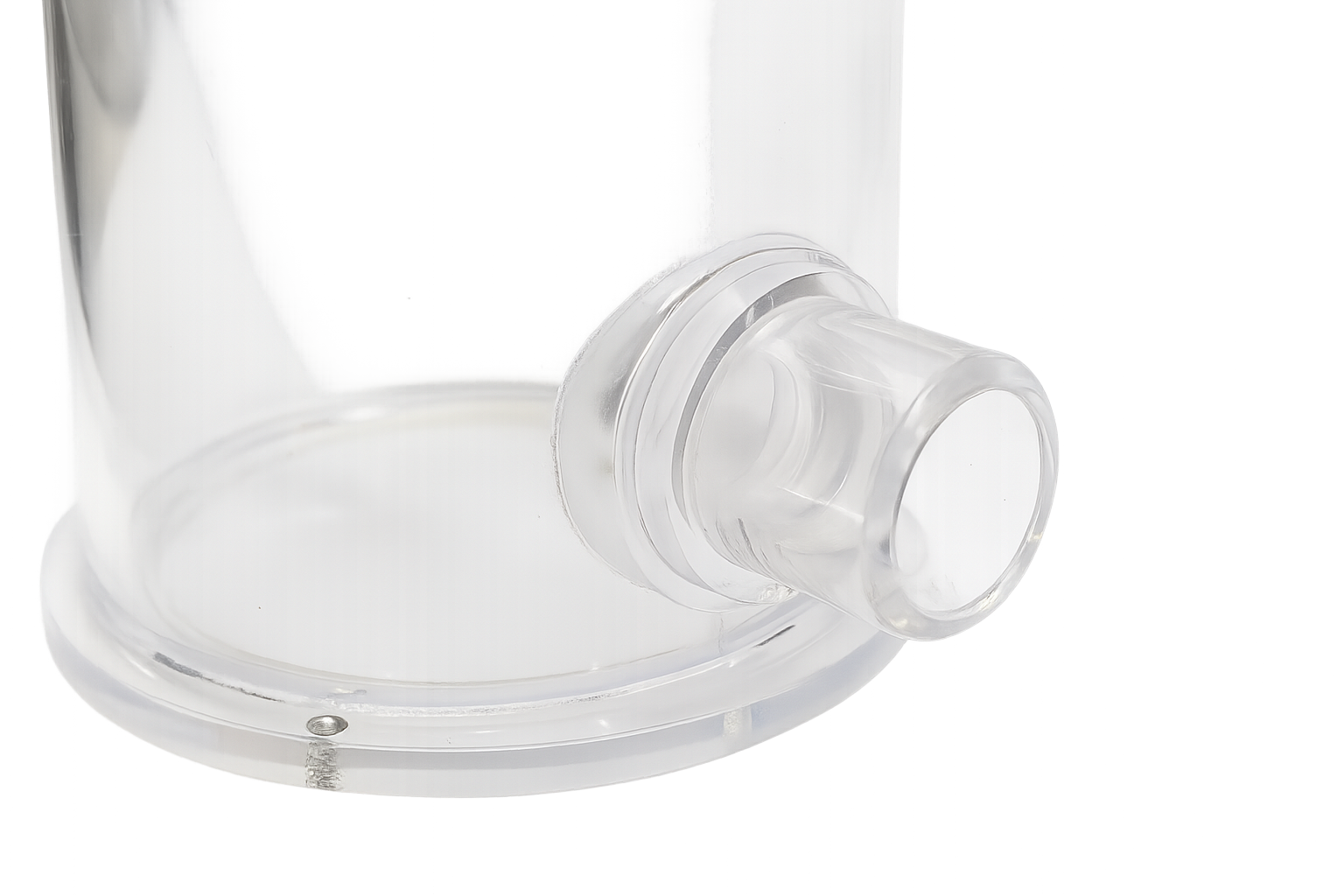
    Invia la tua richiesta oggi

      How Does Polycarbonate CNC Machining Work?

      You begin by putting the CAD file together, and then do CAM programming to choose the most suitable tool paths for polycarbonate. Carbide-tipped tools, velocità rapida, and low movement give us better results than melting the material. Coolant mist or compressed air is used to control heat and evacuate chips. Correct clamping and fixing help lower stress inside the workpiece, which creates sharp edges, nice finishes, and strong parts, no matter how complicated the shape.

      Invia la tua richiesta oggi

        Diversi metodi per lavorare il policarbonato nella lavorazione CNC

        Ecco i diversi processi CNC che possiamo utilizzare per la lavorazione del policarbonato:

        Different Methods to Process Polycarbonate in CNC Machining

        Fresatura CNC

        La fresatura con una macchina CNC è il modo consueto per produrre disegni e caratteristiche complicate sul policarbonato. Sono necessarie velocità del mandrino elevate e utensili affilati in metallo duro per evitare la fusione del materiale. Per i migliori risultati, è necessario mantenere controllati i percorsi utensile e rimuovere correttamente tutti i trucioli.

        Tornitura CNC

        La tornitura CNC è particolarmente adatta per realizzare boccole e raccordi in policarbonato tondo. Ruotando gli utensili e seguendo le velocità e gli avanzamenti corretti, è possibile prevenire la distorsione termica, e la finitura diventa liscia senza causare crepe.

        Instradamento CNC

        L'utilizzo della fresatura è particolarmente utile per la lavorazione di lastre di policarbonato, così come oggetti pesanti e piatti. Router che si muovono velocemente, when used with vacuum tables, allow for great stability and straight edge shapes. Per segnaletica, pannelli, and enclosures that have to be cut along straight lines and with fine shapes, it is very useful.

        Foratura CNC

        Drilling holes in polycarbonate requires being careful so that chips and cracks do not appear. For perfect results, choose a high-speed spindle, sharp bits, and reduce the feed rate. People often use peck drilling to decrease heat and get holes that are both smooth and clean.

        Taglio laser (Only Occasionally Used)

        If used on thin polycarbonate sheets, laser cutting can help create well-defined or Detailed profiles and intricate geometries. Ancora, when you Use the laser, you have to be careful with the settings, as high heat may lead to color changes, bends, or burnt edges. When it comes to cutting structural components, mechanical methods are usually chosen.

        Sbavatura E Lucidatura

        Generalmente, dopo la lavorazione, la lucidatura a fiamma o vapore viene utilizzata sulle parti in policarbonato per renderne più netti i bordi. La rimozione manuale delle bave migliora due aspetti: le parti diventano sicure e più belle da vedere.

        Invia la tua richiesta oggi

          Proprietà del policarbonato lavorato

          Ecco alcune delle proprietà importanti che possiamo optare per la lavorazione del policarbonato;

          Altamente resistente agli urti

          Il policarbonato è molto resistente, più forte infatti del vetro fino a 250 volte. Per questo motivo, protezioni della macchina, coperture di sicurezza, o le recinzioni in luoghi pubblici spesso utilizzano il policarbonato, poiché il materiale resiste bene alle crepe causate da vibrazioni o urti.

          Proprietà del policarbonato lavorato

          Trasparenza

          Poiché la velocità di trasmissione della luce è dell'88-90%, il policarbonato lavorato sembra ancora chiaro e simile al vetro. Grazie alla sua trasparenza, funziona bene nella realizzazione di lenti, finestre, e scudi che dovrebbero essere chiari e attraenti.

          Stabilità dimensionale

          Quando il clima è caldo o freddo, polycarbonate remains the same size and shape. Because it has a slower rate of thermal expansion, parts in encasing and precision machinery will stay accurate throughout and over time.

          Resistenza al calore

          Polycarbonate is able to work nonstop even when the temperature reaches 120°C (248°F) without becoming deformed. Such resistance means it is right for use in hot places like lighting cases, electronic equipment, and vehicle parts.

          Isolamento elettrico

          Because of its superb dielectric strength, it is very good at preventing electrical current. That is why polycarbonate is commonly used as an electrical insulator, is found in circuit board parts, and serves as a shell for electronic devices.

          Basso assorbimento di umidità

          This resin doesn’t take in water and won’t be affected by changes in humidity levels. It is commonly found in outdoor, on the water, or medical settings where keeping moisture at bay matters a lot.

          Invia la tua richiesta oggi

            Polycarbonate Classifications and Key Properties

            Polycarbonate exists in various levels of quality and designs to suit specific needs like powerful performance, excellent clarity, flame resistance, or ease of machining. This table shows the most common types and what their main traits are:

            Polycarbonate Classifications and Key Properties

            Grado / Tipo

            Caratteristiche chiave

            Applicazioni

            Resistenza al calore (°C)

            Forza d'impatto

            Trasparenza

            Scopo generale (GP)

            High clarity, balanced toughness, e rigidità

            Machine guards, lenti, recinzioni

            Up to 120°C

            Very High – 250x stronger than glass

            ~90%

            PC pieno di vetro

            Increased rigidity and dimensional stability

            Parti strutturali, alloggiamenti, and load-bearing parts

            Up to 135°C

            Moderare

            Opaque

            Ritardante di fiamma (FR)

            Meets UL 94 V-0 fire safety standards

            Elettronica, pannelli, and electrical housings

            Up to 115°C

            Alto

            ~88%

            FDA-Approved PC

            Safe for food and medical use, good chemical resistance

            Contenitori di cibo, medical trays, e attrezzature da laboratorio

            Up to 120°C

            Alto

            Chiaro

            UV-Stabilized PC

            Improved resistance to yellowing and degradation under sunlight

            Outdoor panels, segnaletica, greenhouse glazing

            Up to 120°C

            Alto

            ~88%

            Antistatic/ESD PC

            Progettato per dissipare le cariche elettrostatiche

            Produzione elettronica, parti per camere bianche

            Up to 115°C

            Moderare

            Semitrasparente

            Invia la tua richiesta oggi

              Applicazioni della lavorazione CNC per il policarbonato

              Le parti in policarbonato lavorate a CNC sono utilizzate in numerosi settori.

              • Lenti e coperture di protezione
              • Strumenti e custodie mediche
              • Involucri e pannelli nel settore aerospaziale
              • Protezioni macchina e scudi di sicurezza
              • Illuminazione e cruscotto nelle auto
              • Componenti elettronici e isolanti
              • Contenitori realizzati appositamente, parentesi, e infissi

              Parti in policarbonato che produciamo

                • Protezioni macchina trasparenti
                • Scudi di sicurezza
                • Coperture ottiche
                • Finestre di ispezione
                • Lenti per illuminazione
                • Custodie mediche
                • Contenitori elettronici
                • Pannelli trasparenti aerospaziali
                • Parentesi personalizzate & infissi

              Invia la tua richiesta oggi

                Vantaggi dell'utilizzo della lavorazione CNC in policarbonato

                Non ci sono spese per gli utensili quando hai bisogno solo di un numero limitato di articoli.

                • Molto accurato e con superfici dettagliate
                • Allow the use of various design options for tricky or sensitive components.
                • It’s done much faster than the process of making parts by molding.
                • It can deal with both big and small sizes.
                • A design that is both clear and long-lasting in all areas
                Advantages of using Polycarbonate CNC Machining

                Invia la tua richiesta oggi

                  Common Challenges in Polycarbonate CNC Machining

                  • Melting may occur if your candles are not cooled properly.
                  • It can develop cracks along its edges when tools are not in good condition.
                  • Poor clamping methods can result in your board warping.
                  • Scratches noticed on the surface must be cared for after machining has finished.
                  • Dust can collect on clean areas due to static buildup.

                  Invia la tua richiesta oggi

                    Tips to Save Money on CNC Machining with Polycarbonate

                    Here are some of the common tips that are crucial for saving money:

                    • Simplify Geometries:Stay away from very narrow radii, deep spaces, or angles inside the part that need complicated tools or take a long time to shape.
                    • Opt for Standard Stock Sizes:Go with common sizes for polycarbonate sheets or rods. Then there will be less waste, and you will spend less on purchasing.
                    • Tolerances Guided by a Purpose: Applying tight tolerances should be limited to situations where it is required. Strict standards should be for important machine parts; the rest can be loose, so there is less time and expense spent on machines and inspection.
                    • Avoid secondary processes:Include features that allow the parts to snap or self-align to make assembly and post-machining requirements smaller.
                    • Purchase in Bulk:Reducing the steps of setting up the tools for each part reduces the cost for each product.

                    Invia la tua richiesta oggi

                      Comparison Section

                      Policarbonato vs Acrilico

                      Proprietà
                      Policarbonato
                      Acrilico
                      Resistenza agli urtiEccellenteModerare
                      ClarityMolto altoPiù alto
                      RobustezzaMeglioMore brittle
                      Machining for GuardsMeglioLess ideal

                      Policarbonato vs addominali

                      PC = stronger + clearer
                      ABS = cheaper + easier cosmetic parts

                      Policarbonato vs SBIRCIARE

                      PC = transparent + Costo inferiore
                      PEEK = extreme heat + premium engineering use

                      Invia la tua richiesta oggi

                        Our Policarbonate Machining Capability Table

                        Capacità
                        Valore
                        Dimensione massima di fresatura254mm x 177.8mm x 95.3mm
                        Diametro di rotazione3mm up to 160mm
                        Tolleranza standard±0,05 mm
                        Tolleranza stretta±0,02 mm
                        Moq1 pezzo
                        Tempi di consegna3–15 giorni
                        File TypesFARE UN PASSO / IGES / STL / PDF

                        Invia la tua richiesta oggi

                          Our Polycarbonate Machining Services are Guaranteed

                          We are confident in every product we make. All machining activities are carried out under ISO brand regulations, and the final step is careful inspection using CMMs, calibri, and image tools. What we do is backed by your satisfaction.

                          • High standards for quality and very precise measurements
                          • Share information openly at every step of the project
                          • Lead times that are quick and low prices
                          • Good help after you have implemented the product

                          Invia la tua richiesta oggi

                            Why Choose TOPS for Polycarbonate Machining?

                            • 10+ years machining engineering plastics
                            • Experience preventing cracking, crazing & fusione
                            • Tight tolerance CNC capability
                            • Optical polishing for clear surfaces
                            • Prototype to mass production support
                            • Ispezione di qualità ISO
                            • Global export shipping

                            Invia la tua richiesta oggi

                              Need Custom Polycarbonate Parts Fast?

                              Upload your CAD file today and receive:

                              • Fast manufacturability review
                              • 24-hour quotation
                              • Material recommendation
                              • Lead time estimate
                              • Prototype or production pricing

                              Invia la tua richiesta oggi

                                FAQs About Polycarbonate CNC Machining

                                SÌ. Polycarbonate has much higher impact resistance.

                                SÌ. TOPS uses optimized tooling and stress-controlled machining methods.

                                Depending on geometry, tight tolerances up to ±0.02 mm.

                                SÌ. Lucidatura alla fiamma, lucidatura a vapore, and fine finishing options available.

                                SÌ. Prototype lead times often 3–7 days.

                                FARE UN PASSO, IGES, STL, DWG, PDF.

                                Let's Start A New Project Today

                                Invia la tua richiesta oggi

                                  Inizia a digitare per visualizzare i post che stai cercando.