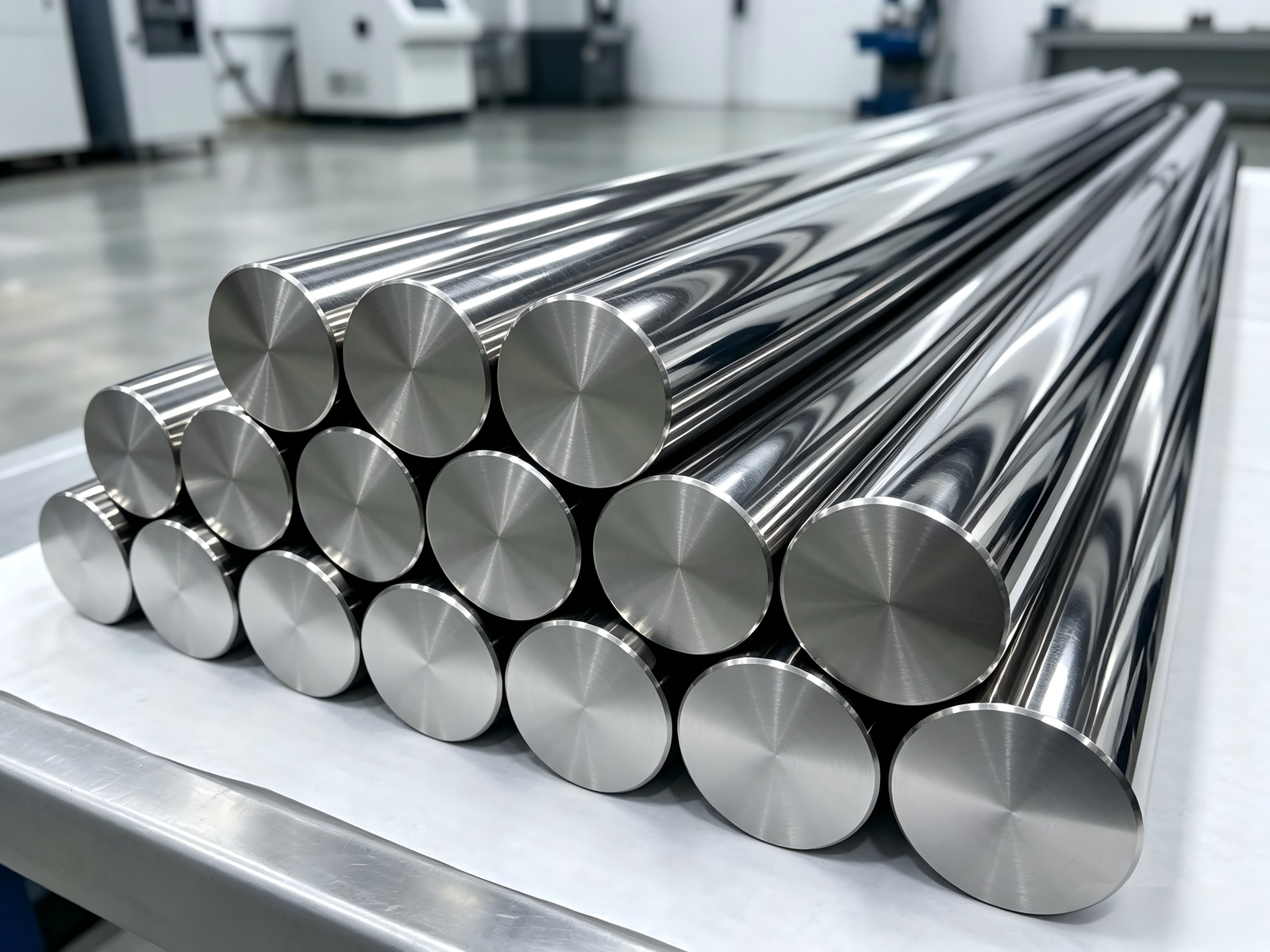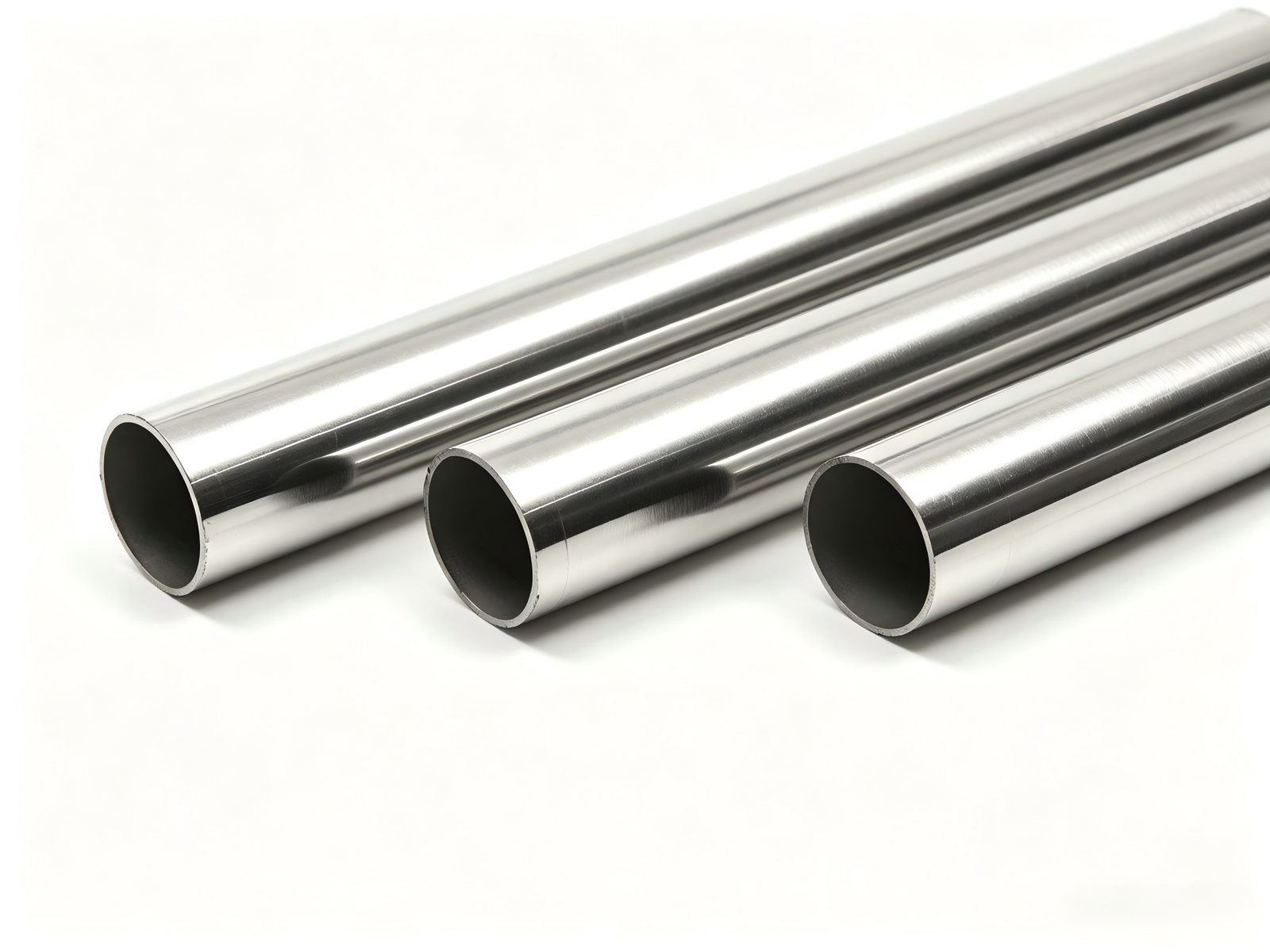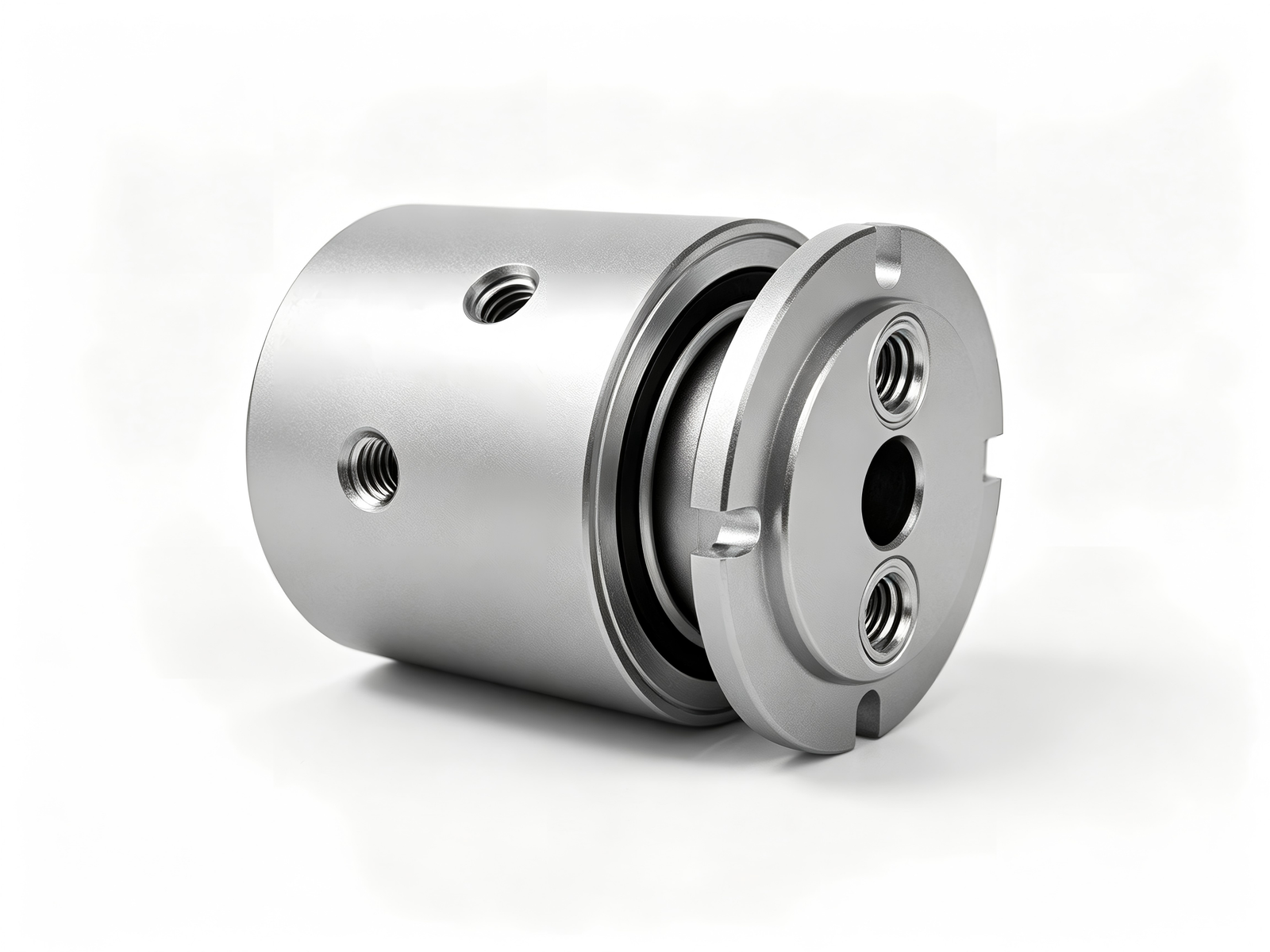

Compared with standard 304 ステンレス鋼, 321 stainless steel offers better resistance to intergranular corrosion after exposure to elevated temperatures. This makes it a popular material for aerospace components, 排気システム, 化学処理装置, 熱交換器, 圧力容器, and other high-temperature applications.
For manufacturers and engineers, しかし, selecting the right stainless steel grade is only the first step. The final performance of a 321 stainless steel component also depends on the manufacturing process, CNC加工を含む, 溶接, 形にする, 熱処理, および表面仕上げ.
This guide explains the 321 stainless steel properties, 化学組成, 利点, アプリケーション, machining considerations, and fabrication methods to help engineers and purchasing teams determine whether this material is suitable for their next project.
とは何ですか 321 ステンレス鋼?
321 ステンレス鋼, とも呼ばれます UNS S32100, is an austenitic stainless steel containing chromium and nickel, with titanium added as a stabilizing element.
The addition of titanium is the defining characteristic of Grade 321. During exposure to high temperatures, carbon in stainless steel can combine with chromium to form chromium carbides, particularly along grain boundaries. This phenomenon can reduce corrosion resistance in certain environments and increase the risk of intergranular corrosion.
Titanium has a stronger affinity for carbon than chromium. By preferentially combining with carbon, titanium helps reduce the formation of chromium carbides at grain boundaries.
これにより、 321 stainless steel particularly useful for components that:
- Operate continuously at elevated temperatures
- Experience repeated heating and cooling cycles
- Require good resistance to oxidation and scaling
- Need corrosion resistance after welding
- Require good mechanical strength and dimensional stability
- Are exposed to thermal stress
の組み合わせ high-temperature performance, 耐食性, 溶接性, そして耐久性 makes 321 stainless steel an important engineering material for demanding industrial applications.
321 Stainless Steel Chemical Composition
The exact chemical composition may vary slightly depending on the applicable material standard and product form, but typical Grade 321 stainless steel contains:
| 要素 | Typical Role |
| クロム | Provides corrosion and oxidation resistance |
| ニッケル | Stabilizes the austenitic structure and improves toughness |
| チタン | Stabilizes carbon and reduces chromium carbide precipitation |
| 炭素 | Contributes to strength but must be controlled |
| マンガン | Improves processing and contributes to strength |
| ケイ素 | Helps with deoxidation and oxidation resistance |
| 鉄 | Primary balance of the alloy |
The titanium stabilization is especially important when the material is subjected to elevated temperatures or welding.
For critical applications, buyers should always specify the required material standard and certification. Depending on the project, this may include requirements for ASTM, ASME, で, or other applicable specifications.
321 Stainless Steel Properties
Understanding the physical and mechanical properties of 321 stainless steel is essential when selecting it for CNC machining or custom fabrication.
Typical properties include:
| 財産 | 典型的な値 |
| 材料の種類 | Austenitic stainless steel |
| 密度 | 約 7.9 g/cm3 |
| Minimum Yield Strength | 約 205 MPa |
| Minimum Tensile Strength | 約 515 MPa |
| 伸長 | 約 40% |
| 硬度 | Typically up to approximately 217 HB |
| 熱伝導率 | 約 16 W/m·K at 100°C |
| Magnetic Behavior | Generally non-magnetic in the annealed condition |
Actual mechanical properties depend on the applicable specification, product form, 熱処理, and manufacturing condition.
For precision CNC machining, the material condition can also influence cutting performance and dimensional stability. したがって, manufacturers should consider not only the stainless steel grade but also the 材料認証, 硬度, stock condition, and required final tolerances.
Why Is 321 Stainless Steel Suitable for High-Temperature Applications?
The biggest advantage of 321 stainless steel is its ability to maintain reliable performance in elevated-temperature environments.
When conventional austenitic stainless steels are exposed to certain temperature ranges for extended periods, chromium carbide precipitation can occur at grain boundaries. This can reduce the chromium concentration around those boundaries and potentially make the material more susceptible to intergranular corrosion.
321 stainless steel addresses this issue through titanium stabilization.
The titanium combines preferentially with carbon, helping prevent chromium from being depleted at grain boundaries. 結果として, 321 stainless steel provides improved resistance to intergranular corrosion following exposure to elevated temperatures.
This characteristic is particularly valuable for:
- Welded assemblies
- Exhaust components
- 熱交換器
- Furnace equipment
- 航空宇宙部品
- High-temperature piping
- 化学処理装置
321 stainless steel is therefore often selected when a component must maintain corrosion resistance and structural integrity during prolonged thermal exposure.
Key Benefits of 321 ステンレス鋼
1. Excellent High-Temperature Performance
321 stainless steel is designed for applications where components are exposed to elevated temperatures and thermal cycling.
It offers good resistance to oxidation and maintains useful mechanical properties under demanding thermal conditions. This makes it suitable for components such as exhaust systems, furnace fixtures, aircraft engine parts, and high-temperature processing equipment.
エンジニア向け, the key advantage is not simply the ability to withstand a high temperature for a short period. The more important consideration is how the material performs during long-term exposure, repeated thermal cycling, and thermal stress.
2. 優れた耐食性
321 stainless steel provides good general corrosion resistance in many industrial environments.
Its titanium-stabilized structure also improves resistance to intergranular corrosion after exposure to certain elevated temperatures.
しかし, 321 stainless steel is not universally the best choice for every corrosive environment. For applications involving severe chloride exposure or highly aggressive chemical media, other stainless steel grades or corrosion-resistant alloys may be more appropriate.
Material selection should therefore consider:
- Chemical concentration
- Operating temperature
- Chloride exposure
- 水分
- プレッシャー
- 洗浄剤
- Service life requirements
3. 優れた耐久性
321 stainless steel combines corrosion resistance, 強さ, 靭性, および熱安定性.
This makes it suitable for components that must operate reliably for long periods under demanding conditions.
産業用バイヤー向け, improved durability can provide several practical benefits:
- Longer component service life
- Reduced maintenance
- Lower replacement frequency
- Improved equipment reliability
- ダウンタイムの削減
The final service life, しかし, depends on the actual operating environment and manufacturing quality.
4. Good Weldability
321 stainless steel generally has good weldability and can be fabricated using common stainless steel welding processes.
Its stabilization with titanium makes it particularly useful for welded components exposed to elevated temperatures.
Typical welding processes may include:
- TIG溶接
- ミグ溶接
- Gas tungsten arc welding
- Gas metal arc welding
- 抵抗溶接
For critical applications, welding procedures should be carefully controlled to avoid distortion, 汚染, and defects.
After welding, appropriate cleaning and passivation may also be required to restore the corrosion resistance of the surface.
5. 良好な成形性
As an austenitic stainless steel, 321 stainless steel offers good ductility and can be formed into various shapes.
It can be used for:
- チューブ
- パイプ
- Sheet metal components
- ブラケット
- カバー
- Custom fabricated assemblies
しかし, like other austenitic stainless steels, it can experience work hardening during forming and machining. Manufacturing parameters should therefore be selected carefully.
6. Resistance to Oxidation and Scaling
321 stainless steel offers good resistance to oxidation and scaling at elevated temperatures.
This property is particularly useful in:
- 炉のコンポーネント
- Heat-treatment equipment
- 排気システム
- High-temperature ducts
- Thermal processing equipment
A stable surface helps maintain component integrity and reduces the risk of premature degradation.
321 ステンレス鋼の用途
Because of its combination of corrosion resistance, 熱安定性, and mechanical performance, 321 stainless steel is used across several demanding industries.
1. 航空宇宙産業
Aerospace applications often require materials that can withstand high temperatures, 熱サイクル, 振動, and corrosive environments.
321 stainless steel can be used for:
- Aircraft exhaust components
- エンジンコンポーネント
- Combustion-related components
- エキゾーストマニホールド
- High-temperature ducts
- Structural components exposed to elevated temperatures
The material’s high-temperature capability and resistance to intergranular corrosion make it attractive for aerospace applications.
For aerospace projects, しかし, material traceability and certification are particularly important. Manufacturers should be able to provide appropriate material certificates and quality documentation when required.
2. 化学処理装置
Chemical processing equipment often operates under combinations of heat, プレッシャー, and corrosive chemicals.
321 stainless steel may be used for:
- 熱交換器
- Reactor components
- 圧力容器
- Piping
- Process equipment
- High-temperature tanks
Its resistance to intergranular corrosion can be particularly beneficial for welded equipment exposed to elevated temperatures.
The suitability of Grade 321 should always be verified against the specific chemical environment because corrosion resistance varies significantly depending on the chemical medium and operating conditions.
3. 石油およびガス産業
The oil and gas sector uses stainless steel components in equipment exposed to high temperatures and demanding operating conditions.
Potential applications include:
- Refinery equipment
- 炉のコンポーネント
- High-temperature piping
- 熱交換器
- Process equipment
- Exhaust and combustion systems
The material’s ability to maintain performance during thermal exposure makes it a useful option for selected refinery and processing applications.
4. 自動車産業
321 stainless steel is often associated with high-temperature automotive components, especially exhaust-related systems.
Applications can include:
- エキゾーストマニホールド
- Exhaust pipes
- Muffler components
- Turbocharger-related components
- Catalytic converter components
- High-temperature brackets and supports
Compared with conventional materials, 321 stainless steel can provide improved resistance to oxidation and thermal cycling.
This can help extend component service life in demanding exhaust environments.
5. Heat Treatment Equipment
Heat-treatment equipment requires materials capable of operating at elevated temperatures without excessive deformation, 酸化, または劣化.
321 stainless steel can be used for:
- 炉のコンポーネント
- Annealing covers
- Heat-treatment fixtures
- Thermocouple protection components
- High-temperature trays
- Supports and brackets
Its resistance to scaling and thermal stress makes it suitable for selected heat-treatment applications.
6. Power Generation and Industrial Equipment
Additional applications can include selected power-generation and industrial systems where components experience elevated temperatures and corrosive environments.
例には含まれます:
- Boiler-related components
- Heat recovery systems
- Thermal processing equipment
- Industrial heating systems
- High-temperature piping components
The exact suitability depends on temperature, プレッシャー, corrosion conditions, and applicable industry standards.
321 Stainless Steel vs. 304: What Is the Difference?
The comparison between 321 そして 304 stainless steel is one of the most common material-selection questions.
Both are austenitic stainless steels and offer good corrosion resistance, 成形性, and weldability. The main difference is that 321 ステンレス鋼は titanium stabilized, その間 304 is not.
| 特徴 | 304 ステンレス鋼 | 321 ステンレス鋼 |
| Basic Structure | オーステナイト系 | オーステナイト系 |
| Titanium Stabilization | いいえ | はい |
| General Corrosion Resistance | 素晴らしい | 素晴らしい |
| High-Temperature Applications | 良い | Better suited |
| Intergranular Corrosion Resistance After Thermal Exposure | より低い | 改善 |
| 溶接性 | 素晴らしい | 素晴らしい |
| 成形性 | 素晴らしい | 良い |
| Typical Cost | 一般に低い | Generally higher |
| 一般的なアプリケーション | 一般的な製造, 食べ物, 建築 | High-temperature and thermal applications |
When Should You Choose 304?
選ぶ 304 stainless steel when:
- The application operates at moderate temperatures
- General corrosion resistance is the main requirement
- Cost is an important consideration
- Excellent forming characteristics are required
- High-temperature stabilization is not necessary
When Should You Choose 321?
321 stainless steel may be a better choice when:
- The component operates at elevated temperatures
- The component experiences repeated thermal cycling
- The component is welded and subsequently exposed to high temperatures
- Resistance to intergranular corrosion is important
- Long-term thermal stability is required
The best material depends on the actual operating conditions rather than simply choosing the more expensive grade.
321 Stainless Steel vs. 316
316 ステンレス鋼 is widely recognized for its excellent resistance to chloride-induced corrosion due to the addition of molybdenum.
321 ステンレス鋼, 一方で, is primarily selected for its titanium stabilization and high-temperature performance.
A simplified comparison is:
- 321:Better suited to many high-temperature applications and thermal cycling
- 316:Often preferred for chloride-rich and marine environments
- 304:A cost-effective choice for many general-purpose applications
If the main challenge is 高温, 321 may be the better option.
If the main challenge is chloride corrosion, 316 より適切かもしれません.
For demanding projects, engineers should evaluate both the operating environment and temperature before selecting the material.
321 Stainless Steel vs. 347
321 そして 347 stainless steels are both stabilized austenitic stainless steels designed for applications where resistance to intergranular corrosion after elevated-temperature exposure is important.
The key difference is the stabilization element:
- 321 stainless steel uses チタン
- 347 stainless steel uses ニオブ (columbium)
Both grades can be used in high-temperature environments, but their specific performance, 可用性, and manufacturing requirements may differ.
Material selection should consider:
- Operating temperature
- Welding requirements
- Material availability
- Corrosion environment
- Industry specifications
- Project cost
は 321 Stainless Steel Easy to Machine?
321 stainless steel can be CNC machined, but it is generally considered more challenging to machine than free-machining materials.
Like many austenitic stainless steels, it can experience 加工硬化 機械加工中.
If cutting conditions are not properly controlled, the machined surface can become harder, making subsequent cutting more difficult.
Common machining challenges include:
- 作業硬化
- Heat generation
- ツールウェア
- 切りくず管理
- Surface damage
- Dimensional instability caused by thermal expansion
For precision CNC machining, selecting the correct cutting parameters is therefore critical.
CNC加工 321 ステンレス鋼: 重要な考慮事項
加工時 321 ステンレス鋼, the goal is to remove material efficiently while controlling heat, 加工硬化, ツールウェア, and dimensional variation.
1. Use Sharp Cutting Tools
Sharp cutting edges help reduce unnecessary friction and heat generation.
Carbide tools are commonly considered for production machining because they provide good wear resistance and can maintain cutting performance under appropriate conditions.
The correct tool geometry depends on the operation, 部分ジオメトリ, and required surface finish.
2. Avoid Excessive Tool Dwell
Allowing the cutting tool to remain stationary while contacting the material can generate excessive heat and promote work hardening.
A stable cutting process with consistent feed and engagement is generally preferable.
3. Maintain Proper Cutting Conditions
Cutting speed and feed rate should be optimized based on:
- 工具材質
- Tool diameter
- Machine rigidity
- Part geometry
- Material condition
- Depth of cut
- Coolant strategy
There is no single cutting parameter that works for every 321 stainless steel CNC machining project.
Experienced machinists typically optimize parameters through tooling recommendations and production trials.
4. Use Effective Coolant and Lubrication
Coolant can help control heat and improve tool life.
精密部品用, proper coolant delivery can also help improve chip evacuation and reduce the risk of chips damaging the finished surface.
The exact coolant type should be compatible with the machining process and subsequent surface treatment requirements.
5. Control Work Hardening
Work hardening is one of the main challenges when machining 321 ステンレス鋼.
To reduce the risk:
- Maintain a consistent feed
- Avoid rubbing the tool against the material
- 鋭利な工具を使用する
- Avoid unnecessary tool dwell
- Maintain sufficient depth of cut when appropriate
- Optimize tool paths
A stable machining strategy can significantly improve productivity and part quality.
CNC Machining Processes for 321 ステンレス鋼
321 stainless steel can be processed using various CNC manufacturing methods.
CNC旋削加工
CNC旋削加工 is suitable for producing:
- シャフト
- ブシュ
- Sleeves
- ピン
- 継手
- フランジ
- Cylindrical components
Swiss-type CNC turning may be considered for small, 長さ, or highly precise components.
CNCフライス加工
CNCフライス加工 is suitable for complex geometries, 含む:
- ハウジング
- ブラケット
- Mounting components
- 航空宇宙部品
- Custom fixtures
- Precision industrial components
3-軸, 4-軸, and 5-axis CNC machining can be selected depending on the geometry and tolerance requirements.
CNC Drilling and Tapping
321 stainless steel can be drilled and tapped, but tool selection and cutting conditions must be carefully controlled.
Poor machining conditions can lead to:
- Tool breakage
- 作業硬化
- Poor thread quality
- Excessive heat
- Dimensional inaccuracies
CNC研削
Grinding may be used when extremely tight dimensional tolerances or specific surface finishes are required.
Grinding parameters should be carefully selected to control heat generation and prevent surface damage.
321 Stainless Steel Surface Finishing Options
After CNC machining or fabrication, 321 stainless steel components can be processed using various finishing methods.
ブラシ仕上げ
A brushed finish creates a directional surface texture and is commonly used when appearance and surface uniformity are important.
It can also help reduce the visual impact of minor surface marks.
洗練された仕上げ
Polishing produces a smoother and more reflective surface.
It may be selected for:
- 装飾コンポーネント
- Equipment requiring smooth surfaces
- Certain sanitary applications
- Components where surface appearance is important
マット仕上げ
Matte finishes provide a non-reflective appearance and are often preferred for industrial applications.
Depending on the required result, processes such as bead blasting may be considered.
危険性
Passivation is commonly used for stainless steel components to improve the cleanliness and corrosion resistance of the surface by removing free iron and other contaminants introduced during manufacturing.
For precision stainless steel components, passivation can be an important post-machining process when corrosion resistance and surface cleanliness are critical.
エレクトロポリッシング
Electropolishing removes a controlled amount of material from the surface and can improve surface smoothness and cleanliness.
It may be considered for applications where:
- Low surface roughness is required
- Cleanability is important
- Surface contamination must be minimized
- A high-quality surface finish is required
The appropriate finishing method should be selected based on the component’s function rather than appearance alone.
Frequently Asked Questions About 321 ステンレス鋼
とは 321 ステンレス鋼?
321 stainless steel is a titanium-stabilized austenitic stainless steel designed for applications requiring good corrosion resistance and reliable performance at elevated temperatures.
は 321 stainless steel good for high-temperature applications?
はい. 321 stainless steel is widely used in high-temperature applications because of its titanium stabilization, resistance to intergranular corrosion after thermal exposure, and good resistance to oxidation and scaling.
違いは何ですか 304 そして 321 ステンレス鋼?
The primary difference is titanium stabilization. 321 stainless steel is stabilized with titanium, making it particularly suitable for certain high-temperature applications and thermal cycling. 304 stainless steel is generally more economical and is widely used for general-purpose corrosion-resistant applications.
は 321 stainless steel easy to machine?
321 stainless steel can be CNC machined, but it requires careful process control. Its tendency to work harden can increase tool wear and machining difficulty. Sharp tools, stable cutting conditions, effective coolant, and appropriate machining parameters are important.
は 321 stainless steel suitable for welding?
はい. 321 stainless steel generally has good weldability and is widely used in welded components that operate at elevated temperatures.
は 321 stainless steel magnetic?
321 stainless steel is generally non-magnetic in the annealed condition. しかし, cold working can increase its magnetic response to some degree.
What surface finishes are available for 321 ステンレス鋼?
Common options include brushed, 磨きました, マット, bead-blasted, ground, passivated, and electropolished finishes. The appropriate finish depends on the component’s functional and aesthetic requirements.
は 321 stainless steel corrosion resistant?
はい. 321 stainless steel provides good corrosion resistance in many environments. Its titanium stabilization also improves resistance to intergranular corrosion after certain high-temperature exposures. しかし, the exact environment should always be evaluated before material selection.
What industries use 321 ステンレス鋼?
321 stainless steel is commonly used in aerospace, 自動車, 化学処理, 石油とガス, 発電, 熱処理, and industrial equipment applications.
How do I choose between 321, 304, 316, そして 347 ステンレス鋼?
The choice depends on the application. 304 is a versatile general-purpose grade, 316 is often selected for improved chloride resistance, 321 is well suited to many high-temperature applications, そして 347 is another stabilized austenitic grade used in certain high-temperature environments.
最終的な考え: は 321 Stainless Steel Right for Your Project?
Its titanium-stabilized composition makes it particularly valuable for components exposed to elevated temperatures and thermal cycling. This is why it is widely considered for aerospace components, 排気システム, 化学処理装置, 熱交換器, furnace components, and other demanding industrial applications.
しかし, choosing the right material is only part of the engineering process. The quality of the final component also depends on the manufacturing method, machining strategy, 公差, 表面仕上げ, inspection requirements, および品質管理.
Need custom 321 stainless steel parts? Send your 2D図, 3D CAD model, required quantity, material specification, and tolerance requirements for a professional DFM review and quotation. Our engineering team can evaluate your project and recommend the most suitable CNC加工 or fabrication process for your application.