



CNC 加工は 2 つの幅広い材料ファミリーに対応します: 金属とプラスチック. 材質の選択によって強度が決まります, 重さ, 耐食性, 被削性, 表面仕上げ, そしてコスト. 正しい選択は常に部品の負荷に依存します, 環境, および公差 - 単一の特性に基づくことはありません. このガイドでは一般的な金属とプラスチックについて説明します。, 選び方, そしてそれぞれがコストを稼ぐとき.
CNC 加工材料の選び方
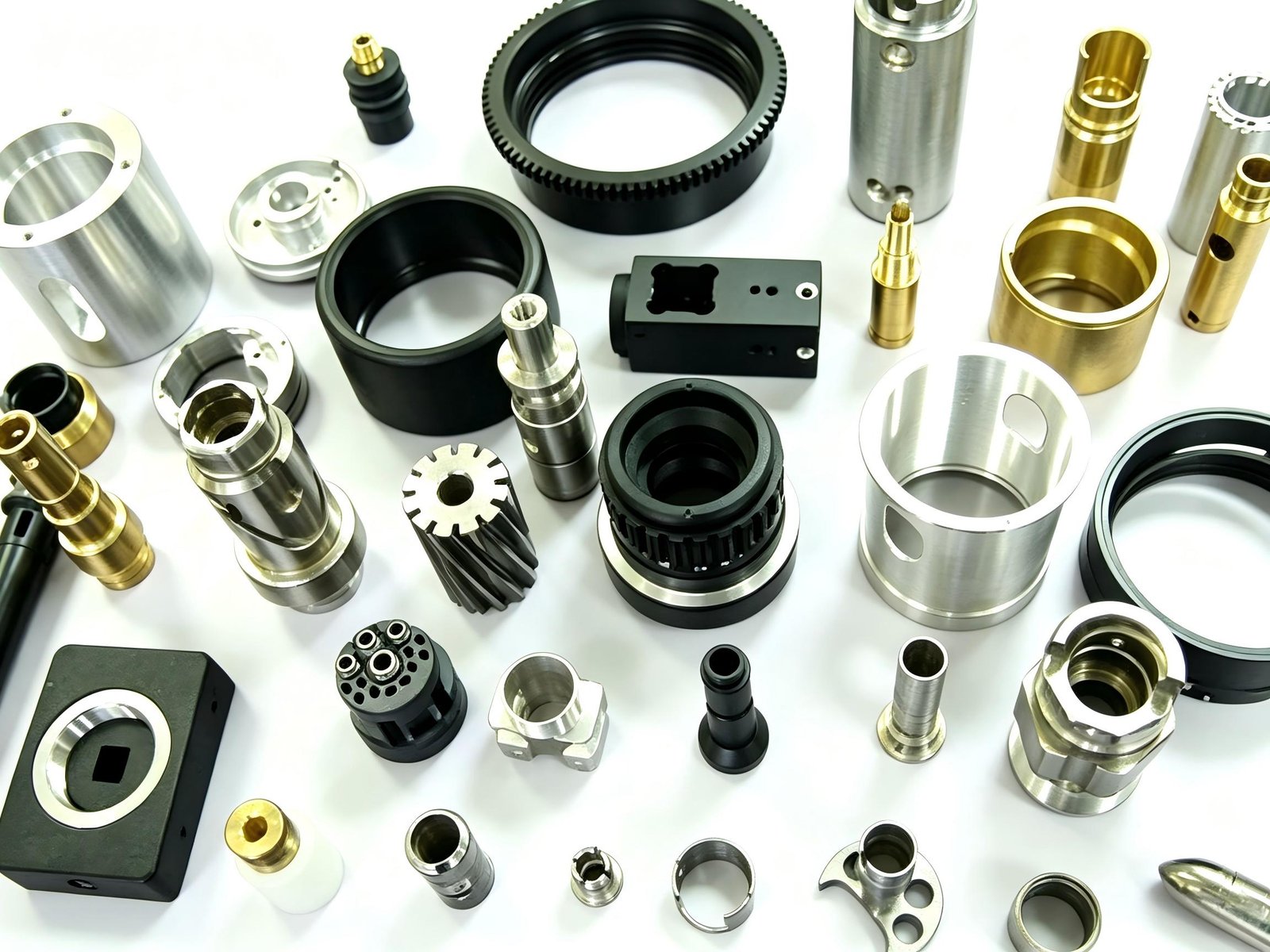
まずはこれら 5 つの重要な要素を評価することから始めます:
- 使用条件.温度を確認する, 化学薬品, 水分, 紫外線, および食品または医療との接触.
- 機械的性質.必要な強度を定義する, 硬度, 剛性, そして耐衝撃性.
- 被削性.材料がどのくらい速く、きれいに切断されるかを推定します.
- 表面仕上げ.加工のままの粗さの決定, 陽極酸化処理, メッキ, またはコーティング.
- 料金.原材料価格を比較する, サイクル時間, そして工具の磨耗.
材料のグレードと状態が重要
CNC 加工材料を指定する場合、合金名だけでは必ずしも十分とは限りません. 気性, 熱処理, 硬度, 材料の状態は強度に大きな影響を与える可能性があります, 被削性, 寸法安定性, そしてコスト.
- アルミニウム 6061 6061-T6 とは異なります. 「-T6」焼き戻しは、材料が溶体化熱処理され、人工的に時効処理されたことを意味します, 強度と被削性の両方が変化します.
- ステンレス鋼 17-4 PHは一般的なステンレスではありません. 経年変化により強度や硬さが変化します, H900 と H1150 など.
- 4140 熱処理により鋼が変化する. 焼き鈍し 4140 簡単に機械を動かす. 硬化した 4140 より強力ですが、切断に時間がかかり、コストが高くなります.
フルグレードを指定してください, 気性, あなたの図面の条件. この 1 行で引用の曖昧さが解消されます, 機械加工, そして検査, ショップが正しい材料証明書を照合できるようになります.
CNC 金属加工
金属は強度を提供するため、CNC 加工の主流を占めています, 厳しい許容範囲, 再現可能な仕上がり.
| 材料 | 一般的なグレード | 主な利点 | 代表的なアプリケーション |
| アルミニウム | 6061-T6, 7075-T6 | 軽量, 機械加工可能, 耐食性 | 航空宇宙, エレクトロニクス, 自動車 |
| 鋼鉄 | 1018, 4140, 4340, 工具鋼 | 高強度, 硬化可能な, 厳しい | シャフト, ツーリング, 構造部品 |
| ステンレス鋼 | 303, 304, 316, 17-4 PH | 耐食性, 衛生, 強い | 医学, 食べ物, 海洋 |
| チタン | 学年 5 (Ti-6Al-4V) | 優れた強度重量比, 生体適合性のある | 航空宇宙, 医学 |
| 銅 | C110 | 優れた導電性 | 電気部品 |
| 真鍮 | C360 | 自由加工, 導電性 | 継手, コネクタ |
| ブロンズ | C932 | 耐摩耗性, 低摩擦 | ブシュ, ベアリング |
| マグネシウム | AZ31B | 非常に低い密度と優れた重量比強度の可能性 | 軽量ハウジング |
| 亜鉛 | 重荷 3 | 低コスト, 寸法安定性 | 小さな部品 |
| 鋳鉄 | グレー, 延性のある | 振動減衰, 耐摩耗性 | 機械ベース, ツーリング |
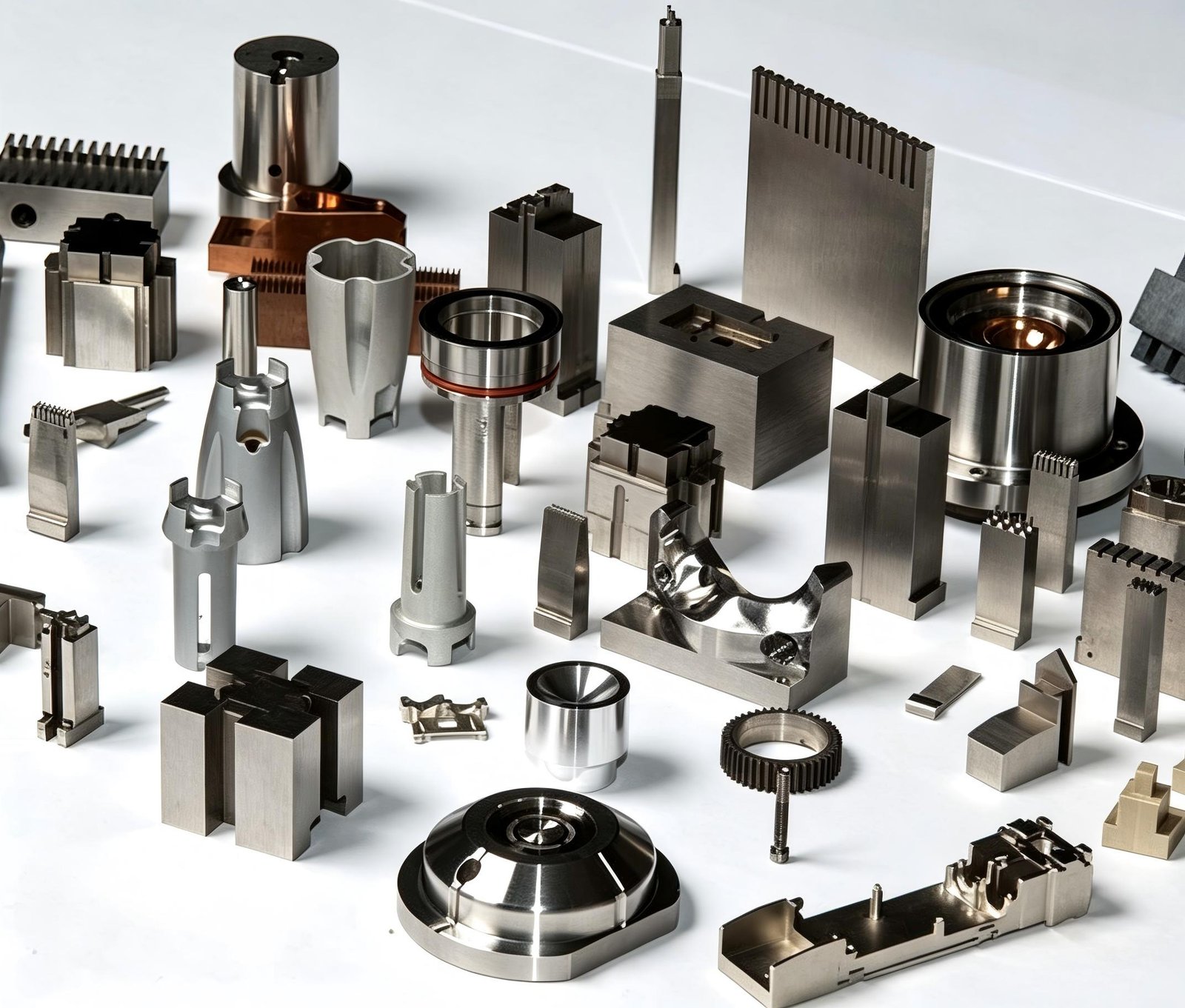
6061-T6アルミニウム 汎用構造部品や機械部品に最も広く使用されている CNC 加工材料の 1 つ. 使用 7075 アルミニウム より高い強度が必要な場合. 選ぶ 304 または 316 ステンレス鋼 腐食と衛生のために. 選ぶ チタン 強度対重量比が, 耐食性, 生体適合性, または、温度性能が高い材料費と加工費を正当化する. 合金鋼 そして 工具鋼 高強度および摩耗用途に適しています.
CNC 加工プラスチック
軽量化のためにプラスチックを選択, 電気断熱, 耐薬品性, または低コスト.
| プラスチック | エンジニアがそれを選ぶ理由 |
| ABS | 厳しい, 低コスト, 機械加工が簡単 |
| アクリル (PMMA) | クリア, 硬い, よく磨く |
| ナイロン (PA) | 強い, 耐摩耗性 |
| デルリン / アセタール (POM) | 硬い, 低摩擦, 優れた加工性 |
| ピーク | 高強度と耐熱性 |
| PTFE | 低摩擦, 耐薬品性, 食品と接触する多くの用途に適しています |
| ポリカーボネート (パソコン) | 厳しい, 透明, 耐衝撃性 |
| HDPE / UHMW-PE | 低摩擦, 耐薬品性 |
| PPS | 高い耐熱性と耐薬品性 |
| 究極 (PEI) | 難燃性, 高強度 |
| トルロン (パイ) | 温度下での非常に高い強度 |
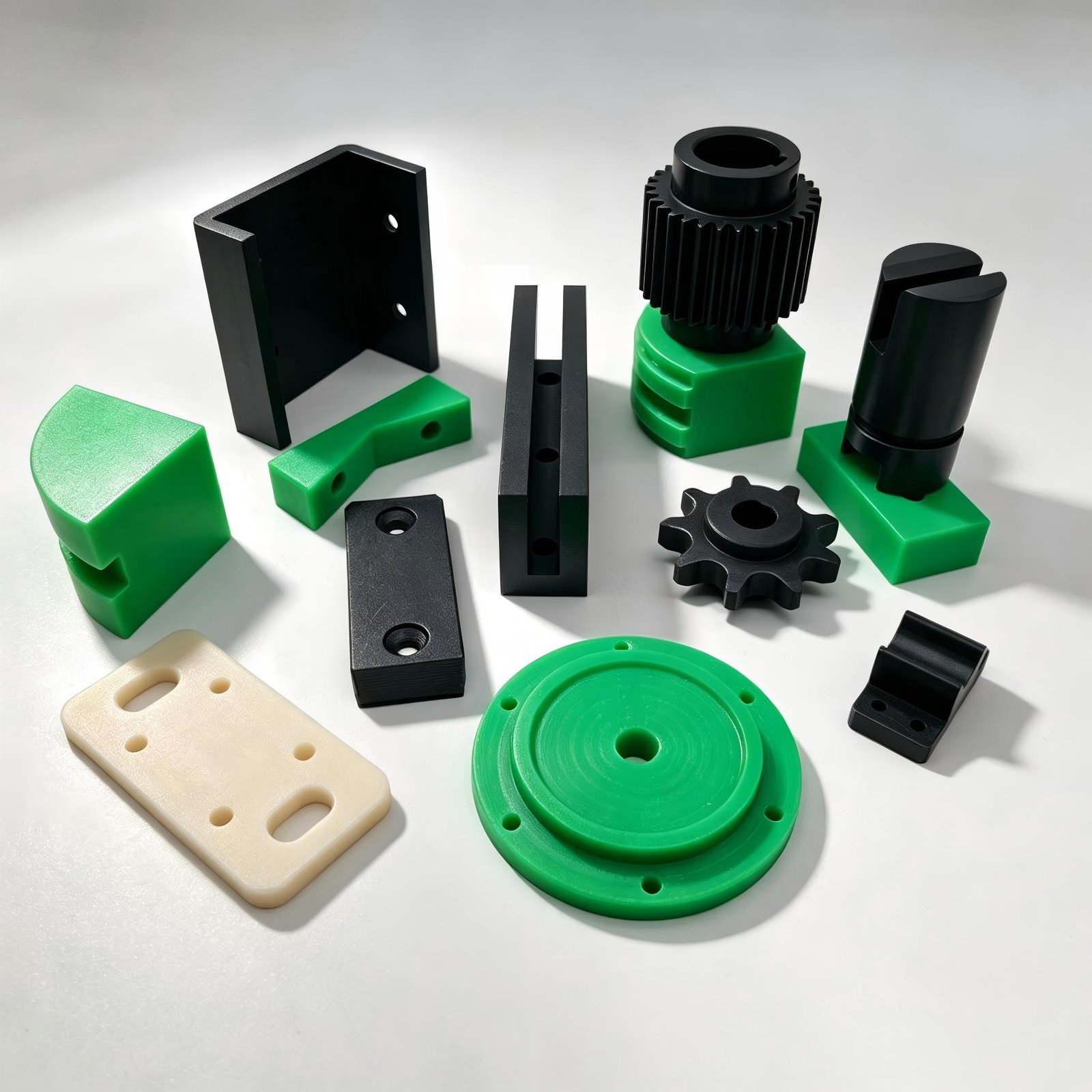
デルリン そして ナイロン ほとんどの汎用プラスチック部品をカバー. 使用 ピーク または 究極 高温または医療作業用. PTFE そして HDPE 化学薬品および食品に接触するサービスに適しています. アクリル 透明感を与えます, 磨かれた部品.
CNC 材料選択クイックガイド
| 必要な場合は… | 考慮する… |
| 低コストで加工も容易 | 6061 アルミニウム, 真鍮, デルリン |
| 高い強度重量比 | 7075 アルミニウム, チタン |
| 耐食性 | 316 ステンレス鋼, チタン |
| 電気伝導率 | 銅, 真鍮, アルミニウム |
| 高温耐性 | ピーク, PEI, PPS |
| 低摩擦 | POM, PTFE, UHMW-PE |
| 耐摩耗性 | 工具鋼, POM, UHMW-PE |
| 透明性 | アクリル, ポリカーボネート |
| 医療用途 | 316Lステンレス, チタン, ピーク |
用途別CNC機械加工材料
| 応用 | 考慮すべき事項 | なぜ |
| 航空宇宙 | 7075 アルミニウム, チタン, ピーク, 究極 | 重量に対する強度と耐熱性 |
| 医学 | 316Lステンレス, チタン, ピーク | 生体適合性と洗浄性 |
| 食品との接触 | 304/316 ステンレス, デルリン, PTFE, HDPE | 洗浄可能, 無毒な表面 |
| 電気 | 銅, 真鍮, アルミニウム | 導電率 |
| 高温 | チタン, 工具鋼, ピーク, トルロン | 耐熱性 |
| 化学サービス | 316 ステンレス, PTFE, HDPE, PPS | 耐薬品性 |
| プロトタイピング | 6061 アルミニウム, ABS, デルリン | 早くて低コスト |
| 摩耗部品 | 焼き入れ工具鋼, デルリン, UHMW-PE | 耐摩耗性 |
機械加工性と表面仕上げ
被削性は、材料がどれだけ容易に切断できるかを表します。. サイクルタイムを短縮します, ツールウェア, 仕上げる, そしてコスト.
- 快削材.黄銅C360, 303 ステンレス, 6061 アルミニウム, デルリンは素早くカットし、仕上がりも良好です.
- 難しい材料.チタン, 硬化した鋼, 超合金には遅い送りとより多くの工具摩耗が必要です.
- 金属仕上げ.アルミニウムは陽極酸化することができます; ステンレスは不動態化または電解研磨が可能; スチールはメッキ可能.
- プラスチック仕上げ.プラスチックは通常、ツールマークを除去するために研磨または蒸気研磨が必要です.
詳細については、ガイドをご覧ください。 材料の機械加工性 そして CNC加工用の表面仕上げ.
CNC 加工材料のコスト
材料費は原材料価格から発生します, 学年, 可用性, および加工廃棄物. 機械加工性により労働力と工具コストが増加します.
- 通常、アルミニウムと自由加工真鍮は最もコスト効率の高い金属です。.
- ステンレス鋼はアルミニウムよりも購入コストが高く、切断が遅い.
- チタンの価格がまた高くなる, 材料とサイクルタイムの両方において.
- ピーク, トルロン, およびウルテムは ABS やデルリンよりもコストが高く、加工が遅くなります.
正確な価格はジオメトリによって異なります, 学年, 仕上げる, そしてボリューム. 見積もりから実際の数値がわかります.
機械加工可能な材料を選択するための DFM のヒント
薄壁を完成させる前に材料を選択してください, スレッド, と公差. 各材料の加工方法は異なります.
- グレードと規格を指定してください. 「アルミニウム」や「ステンレス」だけを書かないでください。.
- 柔らかい場合は深いポケットや薄い壁を避けてください, ゴム状プラスチック.
- 厳しい公差を機械加工性に適合させる. チタンの公差が厳しいとコストが高くなります.
- 見積り前に表面仕上げまたはコーティングを決定する. 材料の選択が変わります.
- プラスチックを選択する前に、温度と化学物質への曝露を確認してください.
特定の材料を使用してはいけない場合
材料によっては簡単に加工できても使用できない場合があります. 他の製品は性能は良いが、機械加工にコストがかかりすぎる.
- 6061 アルミニウムは強い塩化物や海水環境では苦戦します.
- 304 ステンレスはかじり、加工硬化する可能性があります. 選ぶ 303 機械加工性が優先される場合はステンレス鋼; 選ぶ 304 または 316 耐食性がより重要な場合.
- チタンは高価で機械加工が遅い. 重量または生体適合性が正当な場合にのみ使用してください.
- PTFE と UHMW は負荷がかかるとクリープし、厳しい公差を維持するのが困難です.
- アクリルは脆く、鋭い角でひび割れが発生します。.
- マグネシウムの切り粉は可燃性であるため、管理された加工が必要です.
- 普通の炭素鋼は錆びます. 硬化または不動態化されていない限り、コーティングまたはメッキが必要です.
よくある質問
CNC加工できる材質は何ですか?
アルミニウムなどの金属, 鋼鉄, ステンレス鋼, チタン, 銅, 真鍮, そしてマグネシウム, ABSなどのプラスチックも, アクリル, ナイロン, デルリン, ピーク, およびPTFE.
CNC加工に最適な材質は何ですか?
部位にもよりますが. ほとんどの汎用部品に対応, 6061-T6 アルミニウムは強力なデフォルトです. 材料を負荷に合わせて選択する, 環境, そして終わります.
最も一般的な CNC 加工材料は何ですか?
6061-T6アルミニウム. 強さを兼ね備えています, 耐食性, 高速な加工性.
CNC機械加工が最も簡単な材料は何ですか?
金属の中でも真鍮C360と快削アルミニウム. プラスチックの中でもデルリンまたはアセタール.
最強のCNC加工材とは何ですか??
単一の最強の CNC 加工材料はありません. 高強度合金鋼, 工具鋼, 要求の厳しい金属用途にはチタン合金が一般的に選択されます, 一方、PEEK と Torlon は高性能プラスチック部品のオプションです. 正しい選択は引張強度に依存します, 硬度, 温度, 着る, および負荷要件.
アルミニウムはステンレス鋼よりも機械加工が安価ですか?
一般的に, はい. アルミニウムはより速く機械加工を行い、工具の摩耗を軽減します, そのため、ほとんどの形状において部品あたりのコストが低くなります.
焼入れ鋼をCNC加工できますか?
はい. 頑丈な機械が必要です, 超硬ツーリング, そして遅いフィード.
材料証明書を提供していますか?
はい. 指定したグレードの証明書をリクエストする場合は、 お問い合わせ.
あなたのパートの材料に関する推奨事項を取得する
私たちは機械を作ります 100+ ISO に基づく金属とプラスチック 9001:2015 品質システム. 当店は3軸をカバーします, 4-軸, および5軸フライス加工, 旋回, および放電加工. プロトタイプは 1 ~ 3 日で完成し、見積書を返送します。 24 時間. 達成可能な公差は形状によって異なります, 材料, 機械, 及び検査方法.
CADを送信してください, PDF, または無料の DFM レビューと材料推奨のためのサンプル図面.


1 「」について考えましたCNC加工材料: 適切な素材の選び方”