
Home / Services / Mass Production

APPROVED DESIGN. CONTROLLED SCALE.

Mass Production Services for Custom Parts

Scale approved metal and plastic components into stable, repeatable production.

TOPS Precision provides mass production and high-volume manufacturing services for custom metal and plastic components. We help OEM and engineering customers move from approved samples into controlled repeat production using CNC machining, die casting, sheet metal fabrication and plastic injection molding.

Processes are selected and optimized according to geometry, material, tolerances, annual volume, tooling requirements, quality standards and target cost.

Send your drawing, target batch quantity, annual demand, material, finish and inspection requirements.

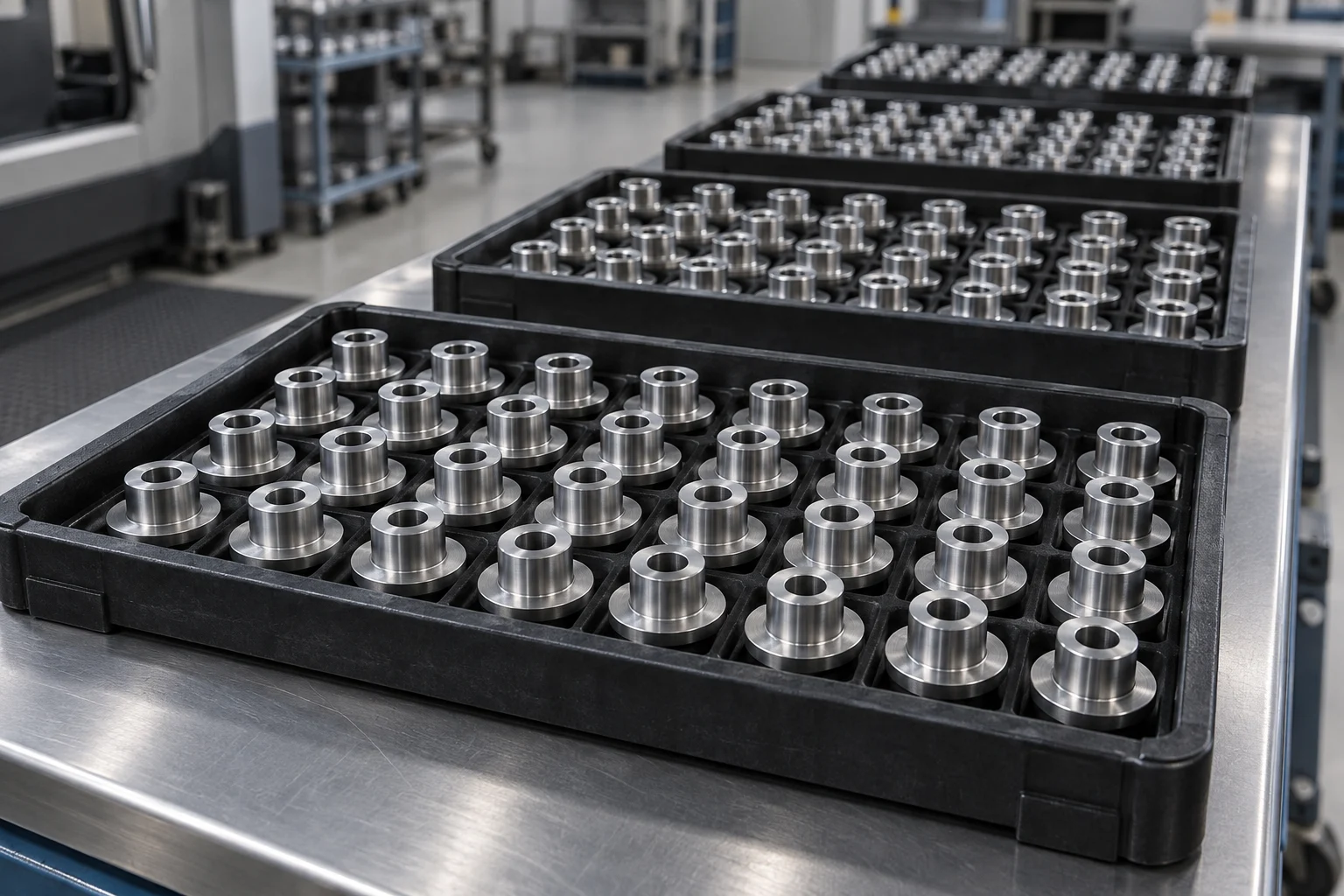
Illustrative repeat-production trays of identical precision turned metal bushings
Repeat the process.
Control the release.
Tooling · Inspection · Scheduled supply
ISO 9001:2015Quality management
Prototype → ProductionScalable manufacturing
±0.005 mm CNCSuitable features only
Metal + PlasticFour in-house processes
Global OEM/ODMInternational supply

A stable route for recurring demand

What Is Mass Production?

Mass production is the repeat manufacturing of large quantities of standardized or approved components using controlled production processes, dedicated tooling or fixtures where appropriate, and defined quality-inspection methods.

Compared with prototype or low-volume manufacturing, it places greater emphasis on process stability, cycle time, unit cost, production capacity, repeatability, traceability and supply continuity.

TOPS Precision provides mass production and repeat production for custom metal and plastic parts using in-house CNC machining, die casting, sheet metal fabrication and plastic injection molding in Dongguan, China.

The production route is reviewed against approved drawings and actual recurring demand, rather than a universal volume threshold.

Confirm the inputs before releasing the batch

When Is Your Product Ready for Mass Production?

Tick the requirements you have confirmed. This checklist helps prepare an RFQ; it does not authorize production.

0 of 6 production inputs confirmed.

If several elements are still changing, pilot or low-volume manufacturing may be more economical before committing to full production.

Explore Low-Volume Manufacturing →

Four in-house routes. Different production economics.

Mass Production Manufacturing Capabilities

Production CNC Machining component illustration

Production CNC Machining

High-precision metal and engineering-plastic parts, complex geometry and recurring batches where machining remains the appropriate route.

  • CNC milling, turning and multi-axis machining
  • Production fixtures and repeat setups
  • Secondary operations and inspection
Explore Production CNC Machining →
Plastic Injection Molding component illustration

Plastic Injection Molding

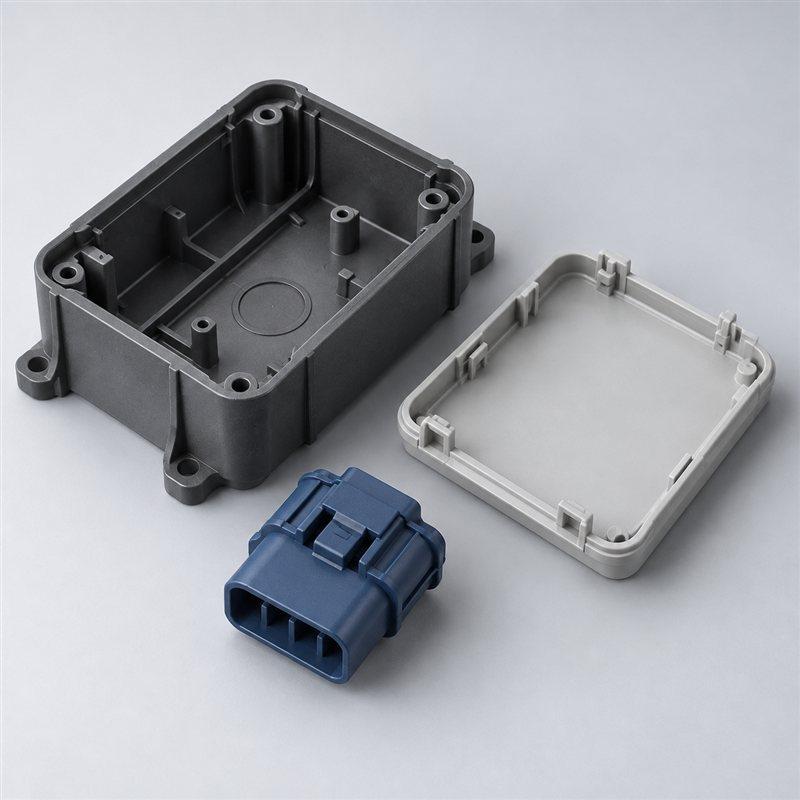
Stable recurring plastic requirements that can justify mold investment and validation.

  • Mold making and injection molding
  • Insert, overmolding and two-color molding
  • Secondary finishing as specified
Explore Plastic Injection Molding →
Die Casting component illustration

Die Casting

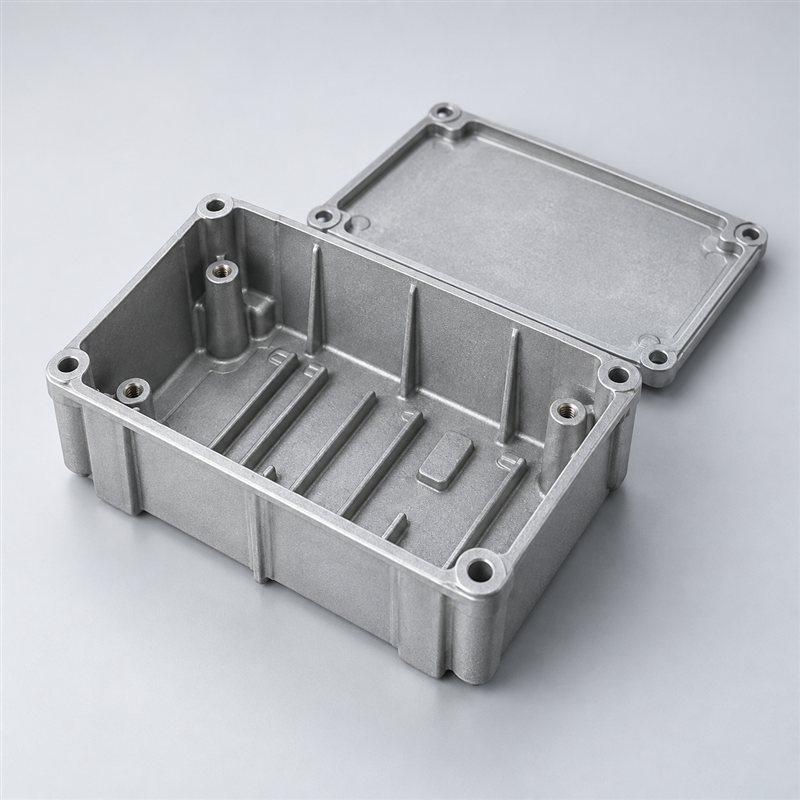
Recurring aluminum, zinc and magnesium parts with suitable cast geometry and tooling economics.

  • Tooling, casting and trimming
  • CNC post-machining
  • Surface finishing and inspection
Explore Die Casting →
Sheet Metal Production component illustration

Sheet Metal Production

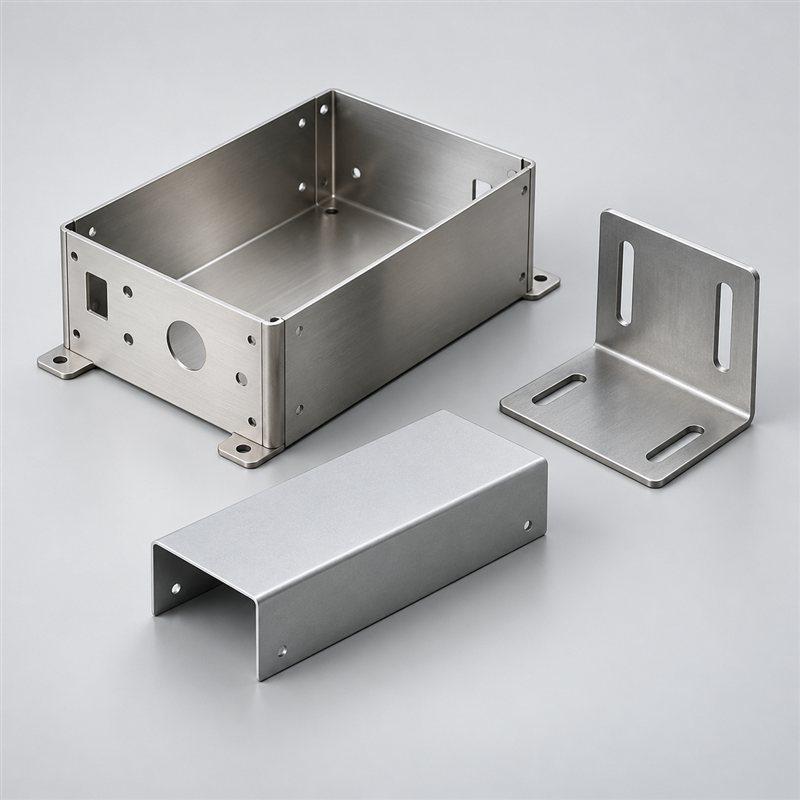
Repeated enclosures, brackets, panels, chassis and fabricated structures.

  • Laser cutting, bending and forming
  • Welding and hardware installation
  • Finishing to an agreed specification
Explore Sheet Metal Production →

CNC production

Often needs less dedicated hard tooling than molding or casting, but machine time and unit cost can remain significant.

Injection molding

Requires mold and validation investment. A stable forecast can spread that cost over enough repeat parts.

Die casting

Requires tooling and process development. Cast geometry, annual demand and secondary machining affect the economic case.

CNC Milling → · CNC Turning → · 4-Axis CNC Machining → · 5-Axis CNC Machining →

The production release gates

From Approved Samples to Repeat Mass Production

Before mass production, drawings, material, critical dimensions, finish, production method, inspection requirements and approved samples are confirmed according to the project.

  1. 01

    Drawing Freeze

    Approve drawing revision, CAD, material, tolerance and finish.

  2. 02

    Tooling & Fixtures

    Prepare suitable molds, dies, dedicated fixtures, gauges and process documents.

  3. 03

    First Article Production

    Manufacture initial production-intent parts using the proposed route.

  4. 04

    First Article Inspection

    Verify agreed critical dimensions, material, appearance and functional requirements.

  5. 05

    Customer Approval

    Resolve deviations and release the approved requirements before the next stage.

  6. 06

    Production Ramp-Up

    Increase quantity under controlled settings and designated verification checkpoints.

  7. 07

    Batch Production

    Run repeat production to the approved route and parameters.

  8. 08

    Final Inspection & Shipping

    Release against the agreed inspection, identification and packaging requirements.

The approval stages, customer hold points and evidence required at each gate are agreed before manufacture. Increasing quantity does not remove the inspection requirements.

Select for the full lifecycle

Which Manufacturing Process Is Best for High-Volume Production?

Component requirementPotential approachEngineering review
Tight-tolerance complex metal partProduction CNC machiningCritical dimensions, access and setup count
Large recurring plastic volumeInjection moldingStable design, resin, mold investment and validation
High-volume aluminum housingDie casting where suitableCast alloy, geometry, tooling and post-machining
Repeated sheet enclosureSheet metal fabricationThickness, nesting, bends and assembly
Precision cylindrical partCNC turningDiameters, runout, finish and repeat workholding
Complex multi-face metal partMulti-axis CNC machiningDatum strategy and fixture access
Plastic insert componentInsert moldingInsert retention, resin and loading method
Cast geometry with tight featuresDie casting + CNC machiningCasting allowances, datums and final-condition inspection

The correct process depends on geometry, material, tolerance, annual demand, tooling investment, cycle time and lifecycle cost—not quantity alone.

Review My Production Route ↗

Control the setup, then repeat it

Production Tooling, Fixtures & Process Optimization

Dedicated Production Fixtures

For CNC work, suitable fixtures can reduce setup variation and handling, improve repeatability and support multi-part machining. Datum location, clamping, tool access and changeover are reviewed together.

Molds & Dies

Injection molds, casting dies and forming tools are selected around material, geometry, expected lifetime, production volume and maintenance. Ownership, modification and transfer requirements should be agreed.

Inspection Fixtures & Gauges

Suitable fixtures and go/no-go gauges can speed repeat checks of defined characteristics. They complement an agreed inspection plan and do not automatically verify every drawing requirement.

Tooling and fixture optimization is reviewed together with cycle time, handling, tool wear and the inspection method. A change that improves speed still needs to preserve critical quality requirements.

Lower total cost through a reviewed production route

How We Reduce Cost in Volume Production

Design for Manufacturing

Simplify difficult features where engineering requirements allow, with approval before changing the drawing.

Cycle Time Optimization

Review manufacturing sequence, cutting strategy, setup and process flow.

Multi-Part Fixtures

Machine multiple components per setup where access, rigidity and quality requirements allow.

Tooling Optimization

Match tooling investment, cavity or fixture strategy and maintenance to forecast quantity and lifecycle.

Material Utilization

Review stock sizes, sheet nesting or near-net-shape routes to reduce unnecessary waste.

Secondary Process Consolidation

Coordinate finishing and post-processing around batch flow and final acceptance requirements.

Cost reduction must preserve critical tolerances, material requirements and functional performance.

Engineering changes and revised acceptance criteria require approval. Cost-saving percentages are not promised without a measured project comparison.

Piece price is one line in the cost model

Compare Total Landed Manufacturing Cost

The cheapest piece price does not always produce the lowest total landed manufacturing cost.

Tooling

Investment, amortization, maintenance and change cost

Material

Grade, stock condition, sourcing and utilization

Scrap

Yield, rework and rejected parts

Inspection

Methods, frequency, reports and acceptance

Packaging

Protection, identification and handling

Freight

Agreed shipment mode and destination

Inventory

Release size, holding cost and obsolescence

Quality risk

Disruption, containment and corrective action

Engineering changes

Tool modifications, stock disposition and revalidation

Compare quotations on the same scope, Incoterms, inspection plan and release schedule. An annual forecast helps evaluate the route; it does not itself authorize stock purchases or production commitments.

Make the control plan visible

Quality Control for Mass Production

Existing TOPS Precision inspection photography showing measurement equipment

CMM · Optical measurement · Micrometers · Calipers · Gauges · XRF where applicable

First Article Inspection Before Full Production

Where first article approval is required, initial production-intent parts are checked against the specified critical dimensions and other agreed requirements. Deviations are reviewed and corrected before larger quantities are released.

ISO 9001:2015 concerns quality management. FAI, material certificates, dimensional reports, RoHS documentation and CoC are agreed per project; industry references do not imply medical or aerospace regulatory certification.

Review Quality & Inspection →
  1. 01

    Incoming Material Verification

    Check the specified grade and condition using agreed evidence and applicable tests.

  2. 02

    First Article Inspection

    Verify initial production parts against agreed requirements and approval hold points.

  3. 03

    Production Setup Verification

    Confirm released programs, workholding, tooling, datums and checks before the run.

  4. 04

    In-Process Inspection

    Measure designated characteristics at agreed stages and intervals.

  5. 05

    Process Monitoring

    Review applicable settings, tool condition and process changes during production.

  6. 06

    Batch Sampling / Defined Inspection

    Apply the agreed sampling or 100% inspection requirements; do not assume every feature is checked on every part.

  7. 07

    Final Inspection

    Review dimensions, appearance, identification and delivery condition.

  8. 08

    Quality Documentation

    Prepare the reports and certificates specified in the order.

  9. 09

    Shipment Release

    Release accepted parts using the agreed packaging and documentation checks.

Same requirements. Each release.

Maintaining Consistency Across Production Batches

Drawing Revision Control

Manufacture against the current approved revision and identify the effective release.

Process Parameters

Maintain the released settings and process documents where appropriate.

Tool & Fixture Control

Review wear, maintenance, replacement and setup condition.

Material Control

Verify specified grades and approved substitutions; do not change material silently.

Inspection Records

Retain the required records according to customer and project requirements.

Nonconformance Management

Separate and evaluate parts that fail defined requirements before disposition.

Repeat Orders

Confirm approved specifications and review changes before the next release.

Traceability requirements are defined during quotation according to customer and project needs.

Specify the relationship required between raw-material records, work orders, part marking, batch identification and inspection reports. Full lot traceability is not assumed for every order.

A sourcing reference, not a universal guarantee

Mass Production Capabilities at a Glance

CapabilityTOPS support
Production typesRepeat batch and larger-volume manufacturing
Main processesIn-house CNC machining, die casting, injection molding and sheet metal fabrication
MetalsAluminum, stainless steel, steel, titanium, copper, brass and suitable other alloys
PlasticsABS, POM, PC, Nylon, PEEK, PP, PTFE and suitable other grades
PrecisionDefined according to drawing, geometry, material, finish and process
CNC capabilityTolerances down to ±0.005 mm for suitable features, subject to engineering review
InspectionCMM, optical systems, gauges, micrometers and other applicable methods
Surface finishingAnodizing, plating, passivation, powder coating, polishing and other specified processes
DocumentationProject-dependent inspection and material documentation
Production stageApproved production-intent sample through repeat production

The CNC tolerance is not a blanket tolerance for molding, casting, sheet metal or every CNC feature. Critical dimensions, GD&T and final-condition inspection must be agreed before manufacture.

Material follows the manufacturing route

Materials for Mass Production

Aluminum

6061 · 5052 · 7075 · Appropriate casting alloys

Stainless Steel

304 · 316 · 17-4 PH · 420

Carbon & Alloy Steel

1045 · A36 · Alloy steels

Copper & Brass

Copper · C360 · C260 · C280

Advanced Alloys

Titanium · Inconel · Invar · Kovar

Engineering Plastics

ABS · POM · PC · Nylon · PEEK · PP · PTFE · PMMA

Grade, temper and condition matter. Wrought machining grades, sheet grades and casting alloys are not interchangeable. A machined polymer prototype may not reproduce a molded part’s properties. Suitability and availability are confirmed at quotation.

Explore Materials →

Release the part in its specified final condition

Secondary Operations & Surface Finishing

Volume production includes the downstream requirements that make the part ready for its intended use. Final dimensions, surface requirements and appearance are reviewed together.

Specify coating thickness, masked areas, heat-treatment condition, hardness and any required inspection after processing. The quotation defines responsibilities and any outside operations.

Explore Surface Finishing →

CNC Post-Machining

Define datums and tight interfaces on cast or molded parts.

Deburring

Agree edge breaks and burr acceptance without changing critical geometry.

Anodizing

Specify alloy, coating thickness, color and masking.

Hard Anodizing

Review thickness, wear requirements and dimensional allowance.

Powder Coating

Define thickness, color, gloss, masking and adhesion requirements.

Passivation

Specify stainless grade, process and acceptance; appearance alone is not proof.

Plating

Specify metal layers, thickness and applicable embrittlement controls.

Electropolishing

Review material, finish and dimensional allowance.

Heat Treatment

Define material condition, hardness, distortion and verification.

Polishing

Agree roughness, cosmetic criteria and protected dimensions.

Laser Marking

Review content, location, legibility and process feasibility.

Assembly, Where Agreed

Confirm scope, BOM, fit, handling and acceptance before including assembly.

A repeat order needs a release plan

Production Planning for Repeat Orders

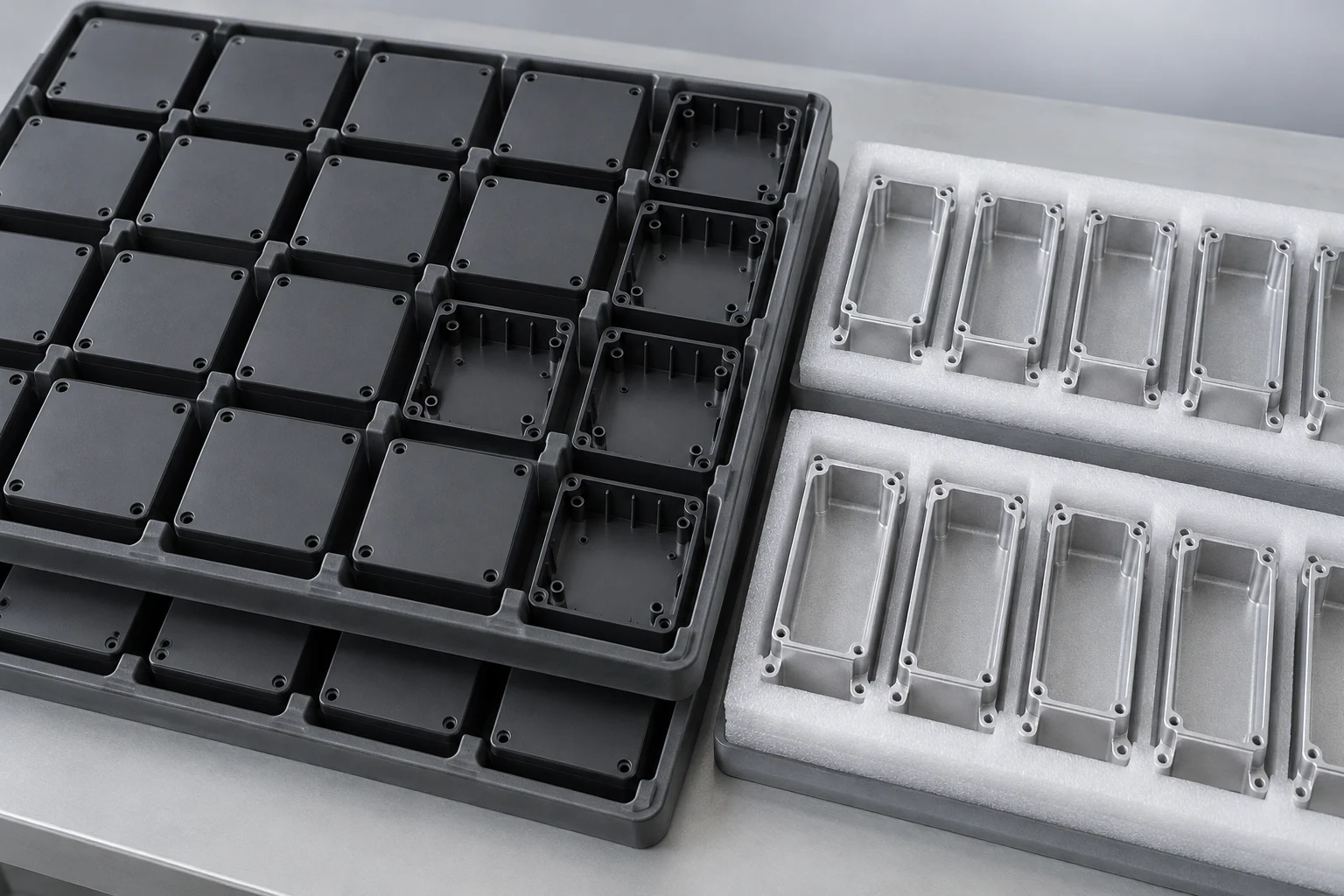
Illustrative organized repeat-production metal and molded components in protective trays

Forecasts, releases and shipping arrangements are confirmed for the project.

Production Forecast

Annual demand, part mix and forecast confidence help determine the manufacturing strategy.

Batch Scheduling

Plan releases around actual requirements, setup, inspection and production loading.

Material Procurement

Align specified material sourcing and lead time with the agreed production schedule.

Tooling Maintenance

Review molds, dies, cutting tools and fixtures to maintain the released process.

Delivery Planning

Coordinate accepted batch release, packaging and international shipment dates.

Inventory commitments require a separate agreement.

Safety stock, stockholding, reserved capacity, minimum releases and ownership are not presented as standard services without confirmed arrangements.

Review evidence before committing a forecast

Production Capacity & Supply Review

Production capacity is part-specific. Cycle time, setup, process mix, yield, inspection, maintenance and existing loading all affect the achievable schedule.

Existing TOPS workshop photograph
Evidence to reviewRequired basis
CNC equipment and machine hoursMachine count, process type and available monthly hours
Molding and casting resourcesMachine list, size/tonnage and suitable process range
Production loadingCurrent commitments, shifts, maintenance and part-specific cycle time
Repeat-production volumesVerified part-specific batch size, annual releases and production history
Inspection resourcesRelevant CMM / measurement equipment and QC staffing
Manufacturing facilityVerified floor area and production layout

Applications defined by the component

High-Volume Manufacturing for OEM Industries

Aerospace machining applications → require review of customer specifications and qualification requirements. No specialist regulatory certification is implied by these application categories.

Manufacturing routes to discuss for your approved design

Mass Production Program Examples

These examples illustrate production planning for component families. They are not claims of completed customer projects, verified quantities or measured results.

CNC Production Component illustrative component family

PROGRAM EXAMPLE 1

CNC Production Component

Material
Drawing-specified metal or engineering plastic
Part dimensions
Approved CAD and dimensional drawing
Batch quantity
Agreed quantity per release
Annual volume
Reviewed annual forecast
Key tolerance
Agreed critical CNC features
Fixture strategy
Datum-controlled repeat workholding
Surface finish
Per approved specification
Inspection method
First article and batch checks as agreed

Confirm the drawing revision, production route, approval hold points and repeat-order requirements before release.

Die-Cast Housing illustrative component family

PROGRAM EXAMPLE 2

Die-Cast Housing

Alloy
Approved casting alloy
Tooling
Reviewed die design and ownership
Casting route
Released casting route and settings
CNC post-machining
Machining allowances and datums
Surface finish
Per approved specification
Dimensional controls
Agreed cast and machined feature verification

Confirm the drawing revision, production route, approval hold points and repeat-order requirements before release.

Injection-Molded Component illustrative component family

PROGRAM EXAMPLE 3

Injection-Molded Component

Resin
Drawing-specified resin and condition
Mold
Reviewed mold design and ownership
Cavity count
Cavity strategy reviewed against forecast
Production quantity
Agreed releases and annual demand
Critical dimensions
Agreed molded-feature requirements
Appearance requirements
Approved appearance criteria and reference

Confirm the drawing revision, production route, approval hold points and repeat-order requirements before release.

Choose the production stage you actually need

Low-Volume vs. Mass Production

FactorLow-volume manufacturingMass production
Main goalFlexibility and validationScale, consistency and efficiency
DemandLower, specialized or uncertainStable and recurring enough to justify the route
Tooling investmentOften lower without dedicated production toolingOften higher when dedicated tooling is justified
Design changesOften easier before tooling releaseMay need tool modification, stock review and revalidation
Unit costOften higher per partMay be lower at sufficient volume
Inventory commitmentSmaller releases can limit exposureLarger batches can increase exposure
Dedicated fixturesUsed where neededCommon for repeatability and handling
Process optimizationFit for the smaller-batch requirementGreater focus on repeated cycle and production flow
Production validationMay be developing during pilot buildsEstablished before larger releases
Best usePilot, bridge, variants and niche demandMature stable production programs

These are typical tendencies. Actual economics depend on the part and quotation.

Not Ready for Mass Production? Explore Low-Volume Manufacturing →

Scale and outsourcing are different decisions

Mass Production and Contract Manufacturing

Mass Production

Describes production scale, process stability and manufacturing economics for a repeat component.

Contract Manufacturing

Describes outsourcing an agreed manufacturing responsibility. A contract manufacturing program can be low, medium or high volume.

Explore Contract Manufacturing → for managed OEM production responsibilities. View Precision Manufacturing → for detailed technical capabilities.

This is a buyer journey, not a requirement to move through every stage. Contract manufacturing can cover any production volume.

Support built around the released production program

Why OEM Buyers Choose TOPS for Mass Production

Prototype-to-Production Continuity

Carry reviewed manufacturing knowledge and approved requirements from early builds into production.

Multi-Process Capability

Choose in-house machining, casting, molding or fabrication around the production economics.

Production Engineering

Review tooling, fixtures, manufacturing methods and repeat-order requirements.

First Article & In-Process Inspection

Check agreed characteristics before and during larger production quantities.

Secondary Processing Coordination

Coordinate specified finishing, heat treatment and other downstream requirements.

International OEM Support

Agree inspection, protective packaging, documentation and global delivery arrangements.

Engineering Change Support

Review revisions, tooling impacts, work in progress and effective releases before applying changes.

From drawing review to accepted delivery

How Our Mass Production Process Works

  1. 01

    Send Drawings & Forecast

    Provide CAD, 2D drawing, revision, material, batch quantity, annual volume, finish and quality requirements.

  2. 02

    DFM & Production Review

    Review geometry, process, tolerance, tooling, fixtures, cycle time and manufacturing risk.

  3. 03

    Quote & Production Plan

    Confirm manufacturing route, tooling, unit pricing, expected lead time and inspection scope.

  4. 04

    Sample / First Article

    Produce initial production-intent parts and verify the agreed requirements.

  5. 05

    Sample Approval

    Resolve deviations and freeze the approved specifications before volume release.

  6. 06

    Production Ramp-Up

    Review process stability as quantities increase under the agreed plan.

  7. 07

    Mass Production

    Manufacture using the approved route and released requirements.

  8. 08

    Quality Inspection

    Verify agreed dimensions, finish, quality records and acceptance criteria.

  9. 09

    Packaging & Delivery

    Package, identify and ship accepted parts according to the order.

Direct answers for engineering and sourcing teams

Frequently Asked Questions About Mass Production

What is mass production?

Mass production is the repeat manufacturing of large quantities of standardized or approved components using controlled processes, dedicated tooling or fixtures where appropriate, and defined inspection methods. It emphasizes process stability, cycle time, repeatability, cost and supply continuity. There is no single quantity threshold that makes every part or process a mass-production project.

What is the difference between mass production and low-volume manufacturing?

Mass production focuses on stable demand, repeatability and efficient supply at scale, while low-volume manufacturing often prioritizes flexibility, pilot validation or bridge supply. The practical boundary depends on geometry, process, tooling and demand. A specialized machined part and a molded commodity part can have very different economical production volumes.

When should a product move from low-volume to mass production?

Consider mass production when the design, material, approved sample, quality criteria and recurring demand are sufficiently stable. Compare tooling, fixtures, inventory, release schedules and total lifecycle cost before committing. If key requirements still change, a pilot or low-volume route may reduce unnecessary tooling changes and stock exposure.

Which manufacturing processes are suitable for mass production?

CNC production machining, plastic injection molding, die casting and sheet metal fabrication can all suit repeat production under the right conditions. Geometry, material, critical dimensions, annual demand, tooling investment, cycle time and total cost determine the route. TOPS provides these four core manufacturing processes in-house; required downstream responsibilities are defined in the quotation.

Can CNC machining be used for mass production?

Yes. CNC machining can be used for mass production when geometry, tolerance, material, annual volume and tooling economics make machining appropriate. Dedicated fixtures, repeat setups, tool management and in-process measurement can support recurring batches. It does not automatically become cheaper than casting or molding simply because quantity increases.

When does injection molding become more economical than CNC machining?

Injection molding may become economical when stable recurring demand offsets mold, validation and maintenance costs. There is no universal break-even quantity. Compare tooling investment, part price, releases, engineering changes, inventory and material behavior. Draft, wall thickness, shrinkage and molded properties also need review before replacing a machined plastic part with a molded version.

How does TOPS control quality during large production runs?

TOPS uses agreed drawing and material requirements, first article verification, production setup checks, in-process inspection and final acceptance checks according to the project quality plan. Inspection frequency, sampling, documentation and traceability are defined during quotation or order review. CMM, optical measurement and appropriate gauges are selected around the characteristics being verified.

Do you perform first article inspection before full production?

Yes. First article inspection can be included before full production according to the agreed project requirements. Initial production-intent parts are checked against specified characteristics, and deviations are reviewed before release. Customer approval hold points, report format and any functional testing should be agreed in advance; first article approval does not replace batch inspection.

Can TOPS manufacture repeat production orders?

Yes. TOPS supports recurring production orders against approved drawings and agreed acceptance requirements. Provide the batch quantity, annual forecast, expected releases and target delivery schedule. Drawing changes, tooling condition, material availability and production loading are reviewed before a new release. No fixed capacity reservation, safety stock or delivery guarantee is implied without a separate agreement.

Can you coordinate surface finishing and secondary operations?

Yes. Required finishing and secondary operations can be coordinated within the agreed manufacturing scope. Define coating type and thickness, masked areas, critical final dimensions, hardness, appearance and documentation. The quotation identifies processing responsibilities and any outside operations. Assembly and laser marking are reviewed for feasibility rather than assumed for every part.

What information should I provide for a mass-production quotation?

Provide CAD and a 2D drawing with part number and revision, material, batch quantity, annual volume, releases per year, finish, critical tolerances, quality documents, delivery dates and destination. State whether production tooling and approved samples already exist, including ownership or transfer requirements. Identify packaging, labeling and traceability requirements and discuss confidentiality before sending restricted files.

Can TOPS support production after prototype approval?

Yes. TOPS can review approved prototypes and requirements for a production route using machining, molding, casting or fabrication. Prototype approval does not automatically validate the final manufacturing process. Production-intent samples, tooling, critical dimensions, material differences, inspection criteria and ramp-up checks should be reviewed before larger releases.

Quote the program, not an isolated piece price

Request a Mass Production Quote

Share the approved design and the production forecast. Annual quantity, release frequency, existing tooling and approved-sample status help define the right production route.

  • 2D drawing and 3D CAD with part number and revision
  • Current batch quantity and estimated annual demand
  • Expected releases per year and required delivery dates
  • Tooling availability, ownership and transfer requirements
  • Approved samples, critical tolerances and inspection documents
  • Material, surface finish, packaging, labeling and destination

Prefer email?
info@tops-precision.com

For multi-part programs or larger files, contact us for a suitable transfer option. Price, feasibility, capacity, lead time and production responsibilities are confirmed by quotation and order review.

    Request a quote

    STEP, STP, IGES, PDF, DWG or DXF; up to 10 MB.

    Your details and files are used to review and respond to your enquiry. Discuss any NDA requirements before sending confidential information.

    Let's Start A New Project Today

    Send Your Inquiry Today

      Request a quote

      STEP, STP, IGES, PDF, DWG or DXF; up to 10 MB.

      Your details and files are used to review and respond to your enquiry. Discuss any NDA requirements before sending confidential information.

      Start typing to see posts you are looking for.