

Esteja você projetando um novo projeto de fundição sob pressão ou adquirindo componentes de alumínio de precisão, compreender as características do alumínio A380 pode ajudá-lo a escolher o material certo, ao mesmo tempo que reduz os custos de fabricação e melhora o desempenho do produto.
Neste guia abrangente, você aprenderá tudo sobre a liga de alumínio A380, incluindo sua composição química, propriedades mecânicas e físicas, vantagens, limitações, processos de fabricação, e como ela se compara a outras ligas de fundição sob pressão populares.
O que é liga de alumínio A380?
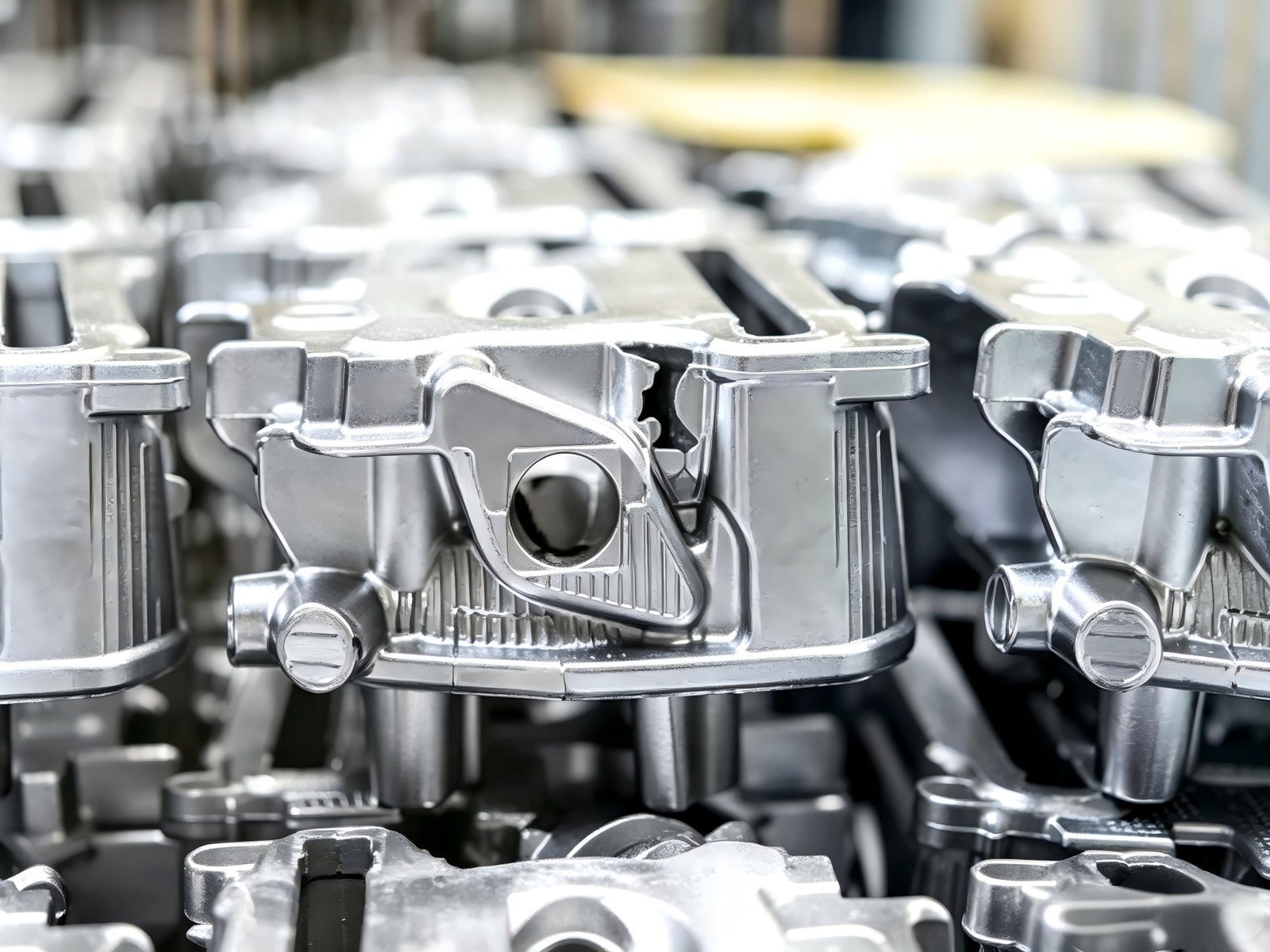
A liga de alumínio A380 é uma liga de alto desempenho alumínio-silício-cobre (Al-Si-Cu) liga de fundição desenvolvida especificamente para fundição sob pressão de alta pressão (HPDC). É designado pela Associação de Alumínio (AA) padrão e se tornou referência na indústria na fabricação de componentes complexos de alumínio com excelente precisão dimensional.
Os fabricantes usam o A380 para produzir componentes com paredes finas, geometrias complexas, e tolerâncias restritas, mantendo excelente eficiência de produção. A liga preenche cavidades complexas do molde rapidamente durante a fundição sob pressão, reduzindo defeitos como encolhimento, porosidade, e preenchimento incompleto.
Hoje, O alumínio A380 é amplamente utilizado em indústrias, incluindo:
Automotivo
Veículos elétricos (VEs)
Eletrônica de consumo
Telecomunicações
Automação industrial
Equipamento médico
Eletrodomésticos
Robótica
Iluminação LED
Ferramentas elétricas
Sua versatilidade o torna uma das primeiras escolhas de materiais para engenheiros que desenvolvem componentes de alumínio leves, porém duráveis..
Composição Química de Alumínio A380
A composição química típica é mostrada abaixo.
| Elemento | Conteúdo típico | Função Primária |
| Alumínio (Al) | Equilíbrio | Metal base leve com resistência à corrosão |
| Silício (E) | 7.5–9,5% | Melhora a fluidez, resistência ao desgaste, e moldabilidade |
| Cobre (Cu) | 3.0–4,0% | Aumenta a força e a dureza |
| Ferro (Fé) | Até 1.3% | Reduz a aderência da matriz e melhora a liberação do molde |
| Zinco (Zn) | Até 3.0% | Contribui para a força |
| Magnésio (mg) | Até 0.10% | Melhora a dureza e a resistência mecânica |
| Manganês (Mn) | Até 0.50% | Aumenta a resistência e reduz a fragilidade |
| Níquel, Estanho, Titânio & Outros | Rastreamento | Melhore as características de desempenho especializadas |
Alumínio (Al)
O alumínio serve como elemento primário, representando aproximadamente 80-90% da liga. Ele fornece as características de leveza que tornam o alumínio ideal para substituir o aço em muitas aplicações de engenharia.
A camada de óxido de alumínio de formação natural também proporciona boa resistência à corrosão em muitos ambientes operacionais..
Silício (E)
O silício é o elemento de liga mais importante no A380.
Seus principais benefícios incluem:
Melhor fluxo de metal fundido
Melhor preenchimento do molde
Encolhimento de fundição reduzido
Maior resistência ao desgaste
Estabilidade dimensional aprimorada
O teor relativamente alto de silício permite que os fabricantes produzam componentes fundidos sob pressão altamente detalhados, com paredes finas e características internas complexas..
Cobre (Cu)
O cobre aumenta significativamente a resistência mecânica da liga.
Os benefícios incluem:
Maior resistência à tração
Maior dureza
Melhor resistência à fadiga
Melhor desempenho em altas temperaturas
Embora um teor mais elevado de cobre possa reduzir ligeiramente a resistência à corrosão em comparação com algumas ligas com baixo teor de cobre, o trade-off proporciona um desempenho estrutural muito mais forte.
Ferro (Fé)
O ferro é intencionalmente controlado dentro de uma faixa específica.
Sua função principal é reduzir a soldagem entre o alumínio fundido e as matrizes de aço durante a fundição sob pressão..
Excesso de ferro, no entanto, pode reduzir a ductilidade e aumentar a fragilidade, tornando essencial o controle preciso da composição.
Magnésio (mg)
Embora o magnésio esteja presente em quantidades relativamente pequenas, isso contribui para:
Maior dureza
Melhor força
Melhor resistência ao desgaste
Seu efeito complementa o fortalecimento proporcionado pelo cobre.
Zinco (Zn)
O zinco fornece fortalecimento adicional, mantendo uma boa moldabilidade.
Os fabricantes controlam cuidadosamente o teor de zinco porque quantidades excessivas podem afetar negativamente o desempenho da corrosão a longo prazo.
Manganês (Mn)
O manganês ajuda a melhorar a tenacidade e refina a estrutura interna do grão.
Também minimiza os efeitos nocivos do excesso de ferro, modificando as fases intermetálicas dentro da liga.
Propriedades Mecânicas do Alumínio A380
| Propriedade | Valor típico |
| Resistência à tracção | 310–345MPa |
| Força de rendimento | 140–170MPa |
| Alongamento | 1–3% |
| Dureza Brinell | 80–95 HB |
| Densidade | 2.71 g/cm³ |
| Módulo Elástico | Aproximadamente 71 GPa |
| Força de cisalhamento | Aproximadamente 180 MPa |
| Força de fadiga | Em volta 140 MPa |
Essas propriedades tornam o A380 adequado para aplicações estruturais que exigem desempenho mecânico confiável e, ao mesmo tempo, minimizam o peso total.
Propriedades físicas da liga de alumínio A380
Além do excelente desempenho mecânico, A liga de alumínio A380 oferece um conjunto bem equilibrado de propriedades físicas que a tornam adequada para aplicações de engenharia exigentes. Estas características contribuem para uma gestão eficiente do calor, estabilidade dimensional, e durabilidade a longo prazo em uma ampla variedade de ambientes operacionais.
| Propriedade | Valor típico |
| Densidade | 2.71 g/cm³ |
| Faixa de fusão | 555–595ºC (1,031–1.103°F) |
| Condutividade térmica | 96–105 W/m·K |
| Condutividade elétrica | Aproximadamente 23–28% SIGC |
| Coeficiente de Expansão Térmica | 21–22 × 10⁻⁶ /°C |
| Capacidade Específica de Calor | Aproximadamente 960 J/kg·K |
Esses acabamentos melhoram significativamente a resistência à corrosão em condições úmidas, costeira, ou ambientes quimicamente agressivos.
Por que A380 é a liga de alumínio preferida para fundição sob pressão
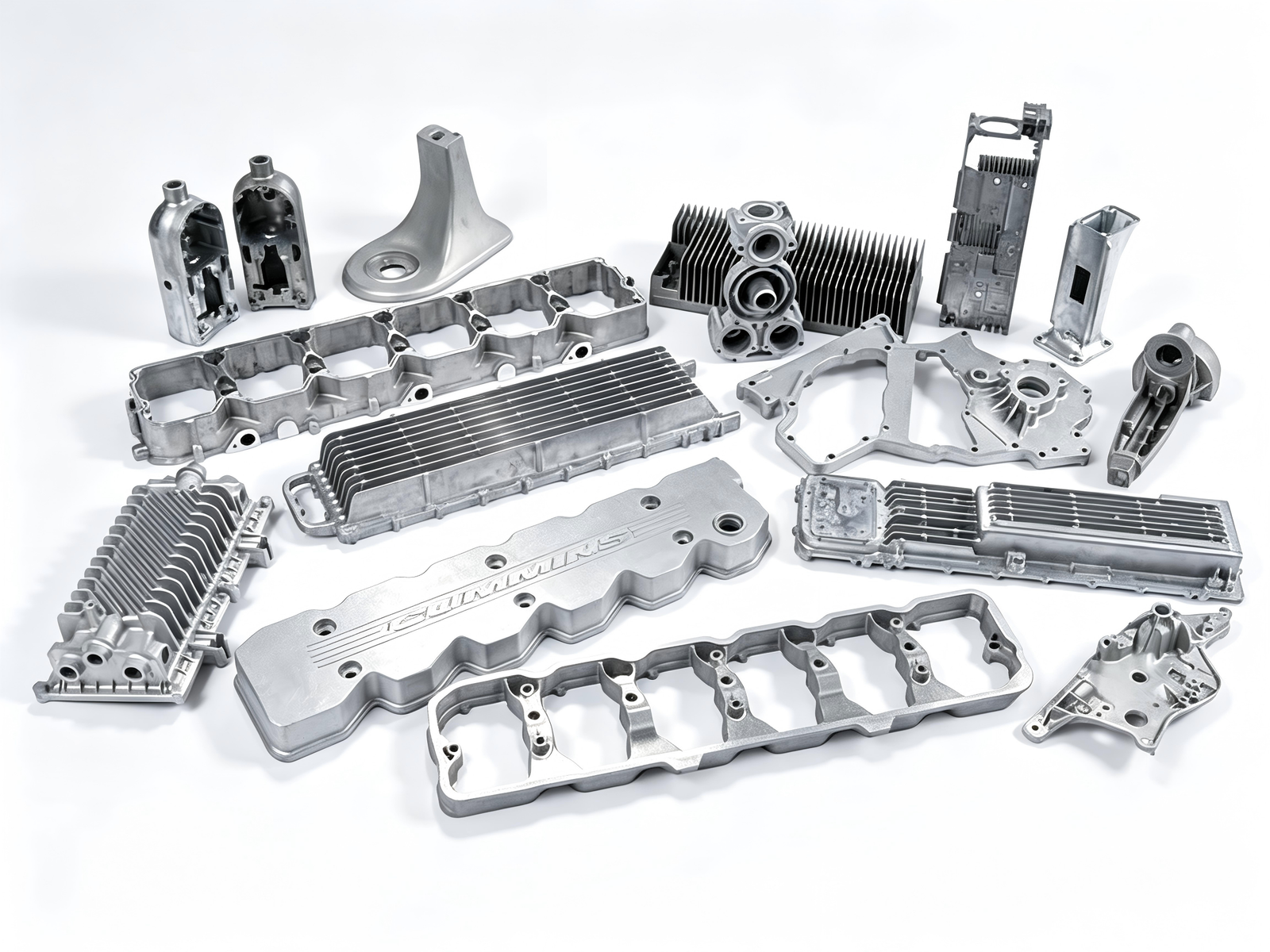
Entre centenas de ligas de alumínio disponíveis hoje, A380 continua sendo o padrão da indústria para fundição sob pressão.
Sua popularidade não é acidental. A liga oferece um equilíbrio excepcional entre eficiência de fabricação, desempenho mecânico, e custo de produção.
Excelente fluidez de fundição
Um dos maiores pontos fortes do A380 é a sua excelente fluidez no estado fundido.
Durante a fundição sob pressão, o alumínio fundido deve preencher rapidamente as intrincadas cavidades do molde antes que a solidificação comece.
O alto teor de silício do A380 permite:
Preencha seções extremamente finas
Reproduza geometrias complexas
Forme costelas e saliências intrincadas
Minimize os fechamentos a frio
Reduzir erros de execução
Isto permite aos projetistas maior liberdade no desenvolvimento de componentes leves e altamente integrados.
Excelente desempenho de enchimento de matrizes
A fundição sob pressão geralmente envolve componentes com:
Paredes finas
Cavidades profundas
Vários recursos de montagem
Canais de resfriamento internos
Costelas estruturais complexas
A380 flui suavemente sob pressão de injeção, garantindo o preenchimento completo do molde mesmo em matrizes complicadas.
Como resultado, os fabricantes alcançam:
Taxas de rendimento mais altas
Melhor acabamento superficial
Taxas de defeitos mais baixas
Maior eficiência de produção
Baixo encolhimento durante a solidificação
A contração da fundição é uma importante fonte de defeitos em componentes metálicos.
Porque o A380 apresenta contração de solidificação relativamente baixa, os fabricantes enfrentam menos problemas, como:
Porosidade interna
Marcas de afundamento na superfície
Distorção
Variação dimensional
Essa característica contribui diretamente para melhorar a qualidade das peças e reduzir os índices de refugo.
Excelente usinabilidade
Embora muitos componentes fundidos exijam pós-processamento mínimo, certos recursos ainda precisam de usinagem secundária.
Exemplos incluem:
Furos de precisão
Assentos de rolamento
Furos roscados
Vedação de superfícies
Faces de montagem críticas
Máquinas A380 facilmente usando equipamentos CNC convencionais.
Sua boa usinabilidade oferece diversos benefícios:
Velocidade de corte mais rápida
Maior vida útil da ferramenta
Melhor acabamento superficial
Custos de usinagem mais baixos
Isso o torna uma excelente escolha para componentes de precisão que exigem tolerâncias restritas.
Alta eficiência de produção
Para produção em massa, poucos materiais correspondem à produtividade do A380.
A fundição sob pressão combinada com A380 permite:
Tempos de ciclo de apenas segundos por peça
Excelente repetibilidade
Desperdício mínimo de material
Alta capacidade de automação
Custos trabalhistas mais baixos
Essas vantagens tornam o A380 ideal para a fabricação de centenas de milhares – ou mesmo milhões – de componentes idênticos a cada ano..
Vantagens da liga de alumínio A380
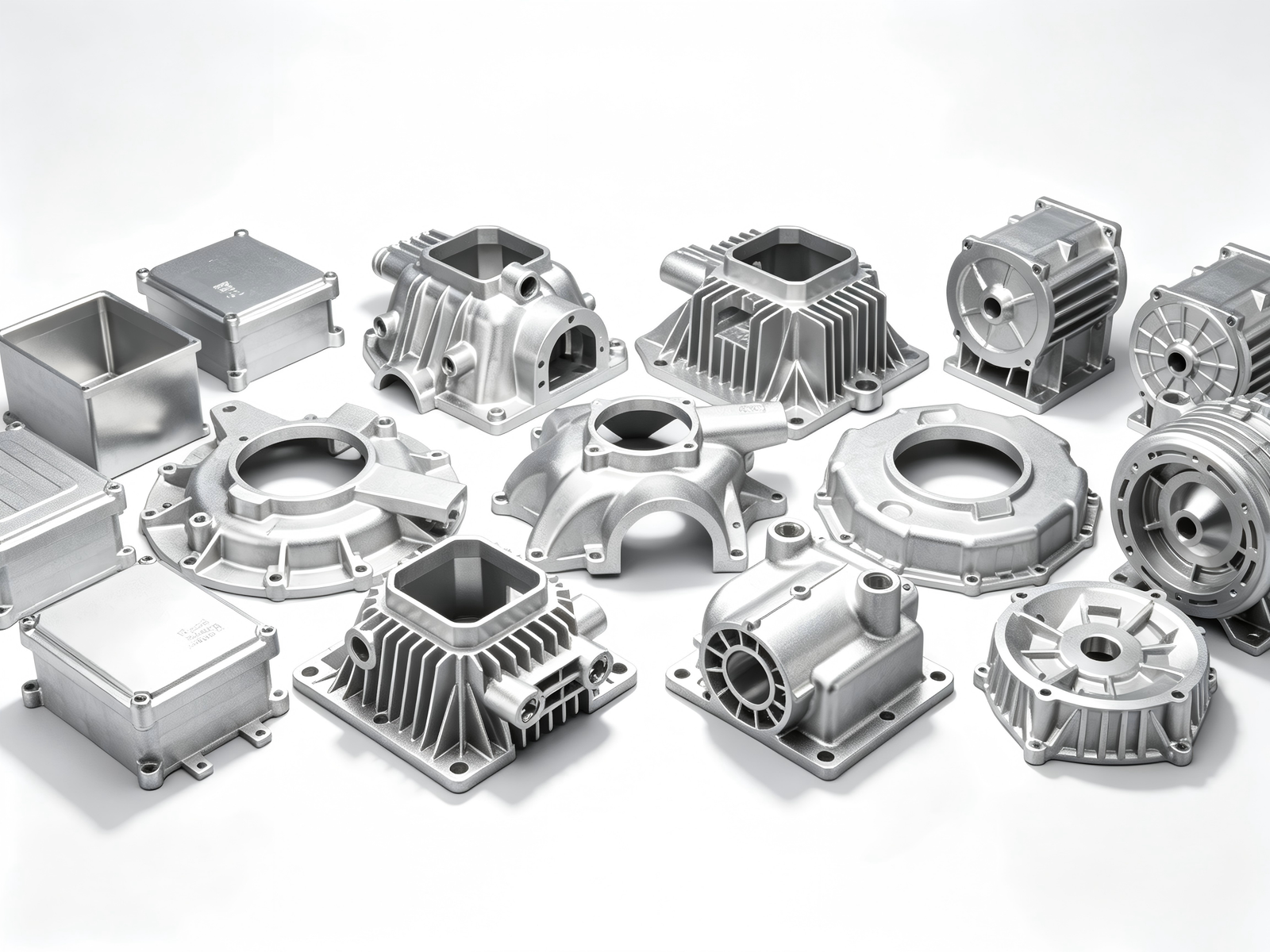
A combinação de excelentes características de fundição e propriedades mecânicas confiáveis fez do A380 o material preferido para inúmeras indústrias.
1. Excelente relação resistência-peso
O A380 oferece resistência mecânica impressionante enquanto permanece leve.
Comparado com componentes de aço, peças fundidas em alumínio podem reduzir significativamente o peso geral do produto sem comprometer a integridade estrutural.
Os benefícios incluem:
Melhor economia de combustível
Custos de transporte reduzidos
Instalação mais fácil
Melhor eficiência do equipamento
2. Castabilidade Superior
A380 foi projetado especificamente para fundição sob pressão.
Suas excelentes características de fluxo permitem que os fabricantes produzam:
Componentes de parede fina
Geometrias complexas
Estruturas internas complexas
Superfícies lisas
Alta precisão dimensional
Isso reduz os requisitos de usinagem e reduz o tempo de produção.
3. Excelente acabamento superficial
A liga produz superfícies de fundição lisas diretamente da matriz.
Como resultado, muitos componentes requerem pouco ou nenhum acabamento adicional antes da pintura ou revestimento.
Um melhor acabamento superficial também melhora a aparência do produto e melhora a adesão do revestimento.
4. Boa resistência ao desgaste
Graças ao seu conteúdo de silício, A380 oferece melhor resistência ao desgaste do que muitas outras ligas de alumínio.
Isto o torna adequado para componentes expostos a fricção ou contato mecânico repetido, como:
Caixas de engrenagens
Corpos da bomba
Coberturas de motor
Equipamento industrial
5. Dissipação de calor confiável
Dispositivos eletrônicos modernos geram quantidades significativas de calor.
O A380 transfere efetivamente o calor para longe de componentes sensíveis, tornando -o ideal para:
Iluminação LED
Baterias
Eletrônica de potência
Controladores de motor
Afotos de calor
6. Fabricação econômica
A380 é um dos materiais de fundição sob pressão de alumínio mais econômicos disponíveis.
A economia de custos vem de vários fatores:
Alta eficiência de produção
Excelente enchimento de molde
Baixa taxa de sucata
Usinagem reduzida
Vida longa
Material reciclável
Para produção de alto volume, essas vantagens podem reduzir significativamente o custo geral por peça.
7. Excelente precisão dimensional
A precisão é essencial em indústrias como a automotiva, Robótica, e eletrônica.
A380 produz consistentemente componentes com:
Tolerâncias apertadas
Excelente planicidade
Dimensões estáveis
Qualidade repetível
Isso minimiza problemas de montagem e melhora a confiabilidade geral do produto.
8. Altamente reciclável
Como a maioria das ligas de alumínio, A380 é totalmente reciclável.
O alumínio reciclado requer apenas uma fração da energia necessária para produzir alumínio primário, tornando-o uma escolha ecologicamente correta para a fabricação sustentável.
Limitações da liga de alumínio A380
Embora o A380 seja altamente versátil, nenhum material é perfeito. Compreender suas limitações ajuda os engenheiros a selecionar a liga mais adequada para cada aplicação.
Ductilidade Limitada
Comparado com ligas de alumínio forjado, A380 tem alongamento relativamente baixo.
Apresenta bom desempenho sob cargas estáticas, mas é menos adequado para aplicações que exigem deformação significativa ou resistência ao impacto.
Não é ideal para soldagem
Devido ao seu conteúdo de silício e cobre, A380 geralmente não é recomendado para soldagem estrutural.
As juntas soldadas podem sofrer:
Força reduzida
Aumento da porosidade
Rachadura
Menor desempenho de fadiga
Para estruturas soldadas, ligas de alumínio forjado, como as séries 5xxx ou 6xxx, costumam ser escolhas melhores.
Resistência moderada à corrosão
Embora o A380 resista bem à corrosão na maioria dos ambientes industriais, não é a melhor opção para exposição contínua à água do mar ou a produtos químicos altamente corrosivos.
Em tais condições, revestimentos de superfície protetores são fortemente recomendados.
Capacidade limitada de tratamento térmico
Ao contrário de algumas ligas de fundição, A380 é usado principalmente na condição de fundido.
Embora certos tratamentos térmicos sejam possíveis, a liga não responde tão eficazmente quanto ligas como A356, que são projetados especificamente para tratamento térmico.
Próxima parte: A380 versus. A360 versus. A383 versus. ADC12, Processos de Fabricação, Opções de acabamento superficial, Formulários, Dicas de design, Perguntas frequentes, e Conclusão.
A380 versus. A360 versus. A383 versus. ADC12
Escolher a liga de alumínio certa é uma das decisões mais importantes em um projeto de fundição sob pressão. Embora o A380 seja frequentemente considerado o padrão da indústria, outras ligas como A360, A383, e ADC12 têm vantagens exclusivas dependendo da aplicação.
A comparação a seguir pode ajudar engenheiros e gerentes de compras a selecionar a liga mais adequada com base no desempenho, fabricante, e custo.
| Propriedade | A380 | A360 | A383 | ADC12 |
| Padrão Primário | ASTM | ASTM | ASTM | Ele é |
| Castabilidade | Excelente | Bom | Excelente | Excelente |
| Fluidez | Excelente | Bom | Fora do comum | Excelente |
| Força mecânica | Alto | Alto | Médio-alto | Médio-alto |
| Resistência à corrosão | Bom | Excelente | Bom | Bom |
| Estanqueidade à Pressão | Excelente | Excelente | Muito bom | Bom |
| Maquinabilidade | Excelente | Bom | Excelente | Excelente |
| Dissipação de calor | Bom | Bom | Bom | Bom |
| Aplicações Típicas | Automotivo, eletrônicos, maquinaria | Marinho, aeroespacial, peças estanques à pressão | Fundições de parede fina | Eletrônica de consumo, automotivo |
Processos de fabricação para peças de alumínio A380
Uma das razões pelas quais o A380 continua tão popular é a sua compatibilidade com vários processos de fabricação. Embora a fundição sob pressão seja o principal método de produção, várias operações secundárias são comumente realizadas para atingir as especificações finais.
Fundição sob pressão de alta pressão
Fundição de dado de alta pressão (HPDC) é o processo de fabricação preferido para liga de alumínio A380.
Durante esse processo:
O alumínio é derretido em uma fornalha.
O metal fundido é injetado em uma matriz de aço endurecido sob alta pressão.
O metal solidifica rapidamente dentro do molde.
O elenco é ejetado.
Portões, corredores, e o flash são cortados.
A peça segue para usinagem secundária ou acabamento, se necessário.
Benefícios do HPDC
Alta velocidade de produção
Excelente precisão dimensional
Acabamento superficial liso
Capacidade de parede fina
Baixo custo por peça na produção em massa
Excelente repetibilidade
Essas vantagens tornam o HPDC ideal para a produção de grandes quantidades de componentes de alumínio de precisão.
Usinagem CNC
Embora a fundição sob pressão produza peças com formato quase perfeito, muitos componentes ainda exigem usinagem de precisão.
As operações de usinagem comuns incluem:
Fresagem
Virando
Perfuração
Alargamento
Tedioso
Rosqueamento
Recursos críticos, como assentos de rolamento, furos roscados, superfícies de vedação, e faces de montagem de precisão normalmente são acabadas usando usinagem CNC.
Perfuração e tapping
Muitos componentes do A380 requerem furos roscados para montagem.
Graças à sua excelente usinabilidade, A380 permite:
Posicionamento preciso do furo
Formação de fio limpo
Desgaste reduzido da ferramenta
Alta eficiência de usinagem
Isto torna a liga particularmente adequada para componentes montados com parafusos, parafusos, ou inserções.
Moagem de superfície
O lixamento de superfície é usado quando são necessárias superfícies de vedação ou montagem excepcionalmente planas.
As aplicações típicas incluem:
Carcaças de bomba
Corpos de válvulas hidráulicas
Componentes do compressor
Equipamento de precisão
A retificação melhora o nivelamento e garante um desempenho de vedação adequado.
Opções de acabamento de superfície para alumínio A380
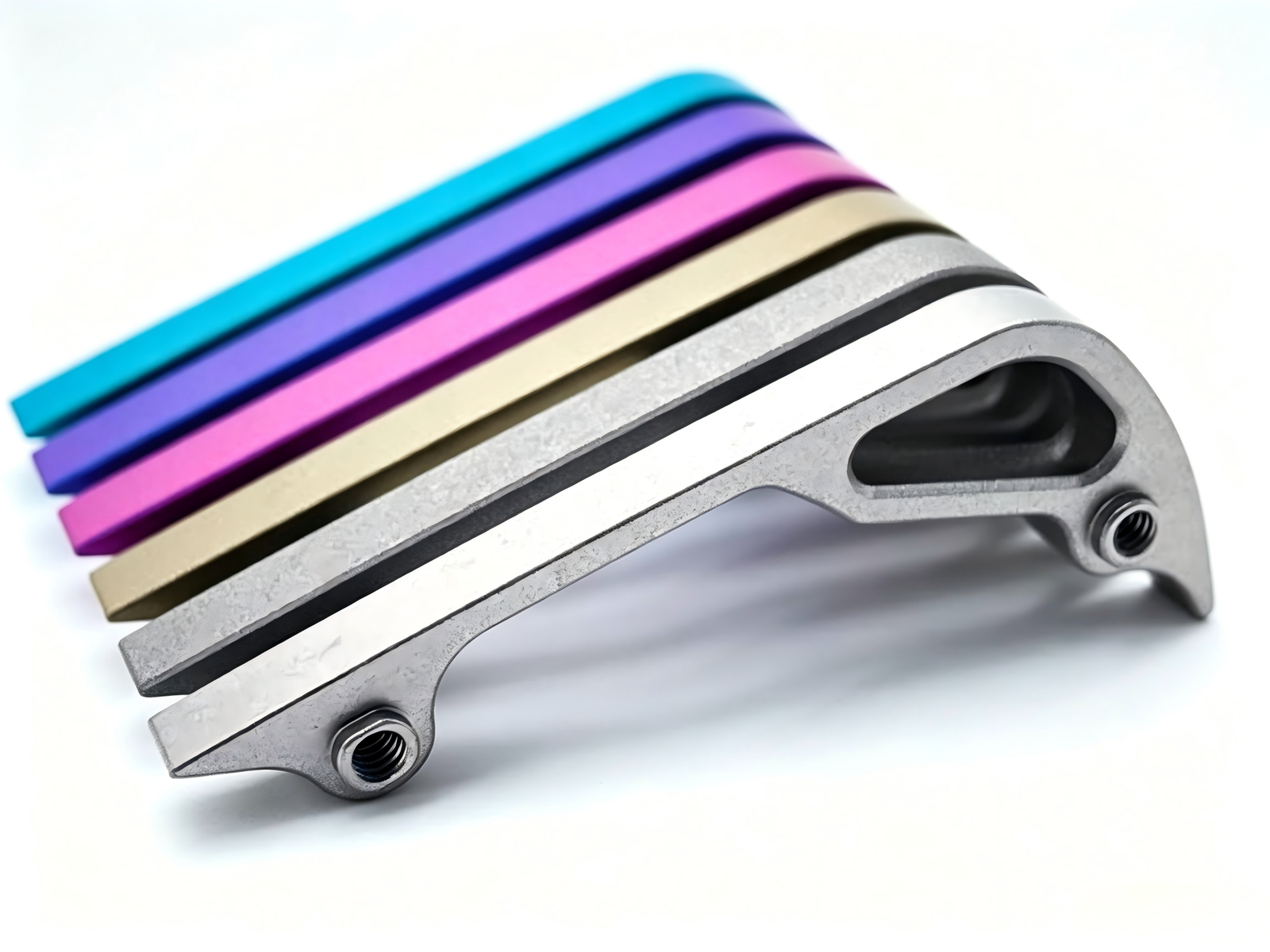
Embora o A380 resista naturalmente à corrosão, muitos produtos requerem tratamento de superfície adicional para melhorar a aparência, durabilidade, ou resistência ambiental.
Revestimento em pó
O revestimento em pó é um dos métodos de acabamento mais comuns.
As vantagens incluem:
Excelente resistência à corrosão
Aparência atraente
Alta durabilidade
Ampla gama de cores
Boa resistência ao impacto
É amplamente utilizado para peças automotivas, equipamentos industriais, e produtos ao ar livre.
Pintura
A pintura líquida fornece acabamentos decorativos e protetores, permitindo que os fabricantes atendam aos requisitos de cores específicos do cliente.
As aplicações incluem:
Caixas de eletrodomésticos
Produtos de consumo
Equipamento industrial
Componentes automotivos
Revestimento Eletroforético (Revestimento eletrônico)
O revestimento eletrônico cria uma camada protetora altamente uniforme, mesmo em geometrias complexas.
Suas vantagens incluem:
Excelente proteção contra corrosão
Espessura uniforme do revestimento
Adesão forte
Processo ecologicamente correto
É comumente usado para aplicações automotivas e industriais.
Revestimento de conversão química
Também conhecido como cromato ou revestimento de conversão trivalente, este acabamento:
Melhora a resistência à corrosão
Melhora a adesão da tinta
Fornece condutividade elétrica para aplicações de aterramento
It is widely used for gabinetes eletrônicos and communication equipment.
Niquelagem eletrolítica
O revestimento de níquel fornece:
Resistência de desgaste superior
Melhor resistência à corrosão
Dureza aprimorada
Aparência metálica atraente
Muitas vezes é selecionado para componentes industriais de precisão sujeitos a desgaste repetido.
Tiro
O jateamento remove imperfeições da superfície enquanto cria uma textura fosca uniforme.
Os benefícios incluem:
Aparência melhorada
Melhor adesão do revestimento
Remoção de flash e óxido
Qualidade de superfície consistente
Polimento
Para aplicações decorativas, o polimento produz uma superfície mais lisa e atraente.
Embora o A380 não consiga atingir o acabamento espelhado de algumas ligas de alumínio forjado, o polimento melhora significativamente a estética do produto antes da pintura ou revestimento.
No parte final, vamos cobrir:
Aplicações comuns da liga de alumínio A380
Dicas de design para peças fundidas sob pressão A380
15 Perguntas frequentes otimizadas para SEO
Conclusão com um forte apelo à ação B2B para conversão de consultas
Aplicações comuns da liga de alumínio A380
Componentes Automotivos
A indústria automotiva é a maior consumidora da liga de alumínio A380. À medida que os fabricantes de veículos continuam a reduzir o peso para melhorar a eficiência do combustível e ampliar a autonomia dos veículos elétricos (VEs), fundições de alumínio estão substituindo componentes tradicionais de aço e ferro.
As aplicações automotivas típicas incluem:
Suportes do motor
Carcaças de transmissão
Tampas da caixa de velocidades
Carcaças da bomba de óleo
Carcaças de motor
Carcaças do alternador
Componentes do sistema de direção
ECU (Unidade de controle eletrônico) alojamentos
Gabinetes para baterias
Tampas terminais de motores de veículos elétricos
A excelente relação resistência/peso do A380 permite que os fabricantes reduzam o peso do veículo sem comprometer o desempenho estrutural.
Eletrônicos de consumo
Dispositivos eletrônicos modernos geram calor significativo ao mesmo tempo em que exigem, gabinetes leves. O alumínio A380 oferece excelente condutividade térmica e precisão dimensional, tornando-o ideal para componentes eletrônicos de precisão.
Aplicações comuns incluem:
Afotos de calor
Caixas de iluminação LED
Gabinetes de fonte de alimentação
Caixas de equipamentos de comunicação
Invólucros de dispositivos de rede
Componentes de hardware de computador
Gabinetes para equipamentos de áudio
Sua capacidade de dissipar o calor de forma eficiente ajuda a melhorar a confiabilidade e a vida útil dos produtos eletrônicos.
Maquinaria industrial
Equipamentos industriais geralmente operam sob condições exigentes que envolvem vibração, cargas mecânicas, e temperaturas elevadas. O alumínio A380 proporciona a durabilidade e estabilidade necessárias para esses ambientes.
As aplicações industriais típicas incluem:
Carcaças de bomba
Corpos de válvulas
Componentes do compressor
Equipamento hidráulico
Caixas de engrenagens
Peças do sistema pneumático
Quadros de equipamentos de automação
Carcaças de motores industriais
A excelente usinabilidade da liga também facilita a produção de superfícies de montagem de precisão e recursos roscados.
Veículos Elétricos (VEs)
À medida que o mercado de EV se expande, O alumínio A380 tornou-se cada vez mais importante para componentes estruturais leves e de gerenciamento térmico.
As aplicações EV comuns incluem:
Componentes da caixa da bateria
Carcaças do inversor
Gabinetes do sistema de carregamento
Carcaças de motores elétricos
Componentes do sistema de refrigeração
Unidades de distribuição de energia
Carcaças do conversor DC/DC
Sua combinação de construção leve e dissipação de calor eficiente ajuda a melhorar o desempenho do veículo e a eficiência da bateria.
Eletrodomésticos
Muitos eletrodomésticos contêm peças de alumínio fundido porque combinam durabilidade com uma aparência atraente.
Exemplos incluem:
Quadros de máquinas de lavar
Carcaças de compressores de ar condicionado
Peças de compressor de geladeira
Componentes da máquina de café
Caixas de aspirador
Molduras para eletrodomésticos
A380 permite que os fabricantes produzam peças complexas com excelente consistência na produção de alto volume.
Robótica e automação
Os robôs industriais exigem componentes estruturais leves, porém rígidos, para atingir alta velocidade., movimento preciso.
As aplicações típicas incluem:
Articulações do braço do robô
Carcaças de servomotor
Suportes do efetor final
Quadros de equipamentos de automação
Carcaças do sistema de visão
A estabilidade dimensional da liga garante precisão de posicionamento consistente durante operação de longo prazo.
Dicas de design para peças fundidas sob pressão A380
Selecionar a liga certa é apenas parte de um projeto de fundição sob pressão bem-sucedido. Um bom design de peças desempenha um papel igualmente importante na obtenção de peças fundidas de alta qualidade, minimizando defeitos, e reduzindo custos de produção.
Abaixo estão várias recomendações importantes de design ao trabalhar com liga de alumínio A380.
Mantenha a espessura uniforme da parede
A espessura uniforme da parede promove um fluxo uniforme do metal e um resfriamento consistente durante a solidificação.
Grandes variações na espessura da parede podem levar a:
Porosidade de contração
Marcas de pia
Deformação
Estresse residual
Sempre que possível, os projetistas devem manter uma espessura de parede consistente em toda a peça.
Adicione ângulos de inclinação apropriados
Os ângulos de inclinação permitem que a peça fundida seja ejetada suavemente da matriz sem danificar a peça ou o molde.
Projetos de recomendações típicos são:
Superfícies externas: 1–2°
Superfícies internas: 2–3°
A tiragem adequada também prolonga a vida útil da matriz e reduz os custos de manutenção.
Use raios de filé generosos
Cantos internos afiados concentram a tensão e restringem o fluxo de metal fundido.
Adicionar filetes ajuda:
Melhorar o fluxo de metal
Reduzir rachaduras
Aumentar a resistência à fadiga
Prolongue a vida útil da matriz
Transições arredondadas geralmente produzem peças fundidas mais fortes e confiáveis.
Reforce com costelas em vez de paredes grossas
Aumentar a espessura da parede nem sempre é a melhor maneira de melhorar a resistência.
Em vez de, os designers costumam usar nervuras de reforço, que fornecem:
Maior rigidez
Menor uso de materiais
Peso reduzido
Melhor qualidade de fundição
Esta abordagem também minimiza defeitos de contração.
Projete chefes com cuidado
Bosses são comumente usados para parafusos, inserções, e fixadores.
O design adequado do ressalto deve incluir:
Suporte de parede adequado
Transições suaves
Ângulos de inclinação apropriados
Espaçamento suficiente das paredes externas
Isso ajuda a prevenir rachaduras e melhora o preenchimento do molde.
Minimize a usinagem secundária
A fundição sob pressão A380 pode alcançar excelente precisão dimensional. Sempre que possível, os engenheiros devem projetar peças que minimizem as operações pós-usinagem.
Reduzir a usinagem ajuda a diminuir:
Custos de produção
Tempo de fabricação
Desgaste da ferramenta
Desperdício de materiais
A colaboração precoce entre a equipe de projeto e o fabricante de fundição sob pressão pode otimizar a geometria da peça tanto para fundição quanto para usinagem.
FQAé
1. O que é liga de alumínio A380?
A380 é uma liga de alumínio-silício-cobre desenvolvida especificamente para fundição sob pressão. Oferece uma excelente combinação de força, moldabilidade, resistência à corrosão, e maquiagem.
2. Por que o A380 é a liga de fundição sob pressão mais popular?
A380 oferece um excelente equilíbrio de propriedades mecânicas, eficiência de fabricação, e custo, tornando-o adequado para uma ampla variedade de indústrias e aplicações.
3. O A380 é mais forte que o A383?
Geralmente, sim. A380 normalmente oferece maior resistência mecânica, enquanto o A383 proporciona melhor fluidez para peças fundidas de paredes finas e altamente complexas.
4. Qual é o equivalente ao alumínio A380?
Equivalentes comuns incluem:
ADC10 (Padrão japonês JIS)
LM24 (Padrão britânico)
Embora semelhante, composições químicas exatas e características de desempenho podem variar dependendo do padrão aplicável.
5. O alumínio A380 pode ser usinado CNC?
Sim. O A380 possui excelente usinabilidade e normalmente é usinado após a fundição para produzir furos de precisão, tópicos, superfícies de vedação, e recursos de montagem.
6. O alumínio A380 pode ser soldado?
Geralmente, O A380 não é recomendado para soldagem estrutural devido ao seu teor relativamente alto de silício e cobre., o que pode aumentar o risco de porosidade e rachaduras.
7. O alumínio A380 pode ser anodizado?
A380 pode ser anodizado, mas devido ao seu teor relativamente alto de silício, o acabamento é geralmente mais escuro e menos decorativo do que ligas forjadas anodizadas, como 6061 ou 6063. O revestimento em pó ou o revestimento de níquel sem eletrólito são frequentemente preferidos quando a aparência é importante.
8. O A380 é adequado para aplicações externas??
Sim. A380 oferece boa resistência à corrosão em ambientes externos. Para exposição prolongada à umidade, spray de sal, ou produtos químicos, aplicar um revestimento de superfície apropriado é recomendado para maximizar a durabilidade.
9. Quais indústrias usam liga de alumínio A380?
A380 é amplamente utilizado em:
Automotivo
Veículos elétricos
Eletrônicos
Máquinas industriais
Telecomunicações
Equipamento médico
Eletrodomésticos
Robótica
Iluminação LED
10. O alumínio A380 é reciclável?
Sim. Como a maioria das ligas de alumínio, A380 é 100% reciclável. A reciclagem de alumínio consome significativamente menos energia do que a produção de alumínio primário, tornando-o uma escolha de material ambientalmente responsável.
Conclusão
Se você está planejando um novo projeto de fundição sob pressão, a parceria com um fabricante experiente é tão importante quanto selecionar a liga certa. Um fornecedor experiente pode fornecer suporte com otimização de projeto, desenvolvimento de moldes, fundição sob pressão, Usinagem CNC, acabamento da superfície, e inspeção de qualidade, ajudando você a reduzir custos, encurtar os prazos de entrega, e garantir a qualidade consistente do produto.
Procurando por um fabricante confiável de fundição sob pressão de alumínio A380 personalizado? Contate nossa equipe de engenharia hoje para discutir seu projeto. Oferecemos soluções de fabricação completas, desde revisão de projeto e ferramentas até usinagem e acabamento de precisão, garantindo que seus componentes atendam aos mais altos padrões de qualidade e desempenho.


