

Comparado com alumínio, latão, e aço, Zamak oferece um equilíbrio único de força, qualidade da superfície, e eficiência de fabricação. Seu baixo ponto de fusão permite ciclos de produção rápidos, tornando-o ideal para fundição sob pressão de alto volume sem sacrificar a precisão ou a durabilidade.
Neste guia, você aprenderá o que é a liga Zamak, sua composição química, as diferenças entre os graus comuns de Zamak, principais propriedades mecânicas, vantagens de fabricação, aplicações, e como escolher a liga certa para o seu próximo projeto.
O que é liga Zamak?
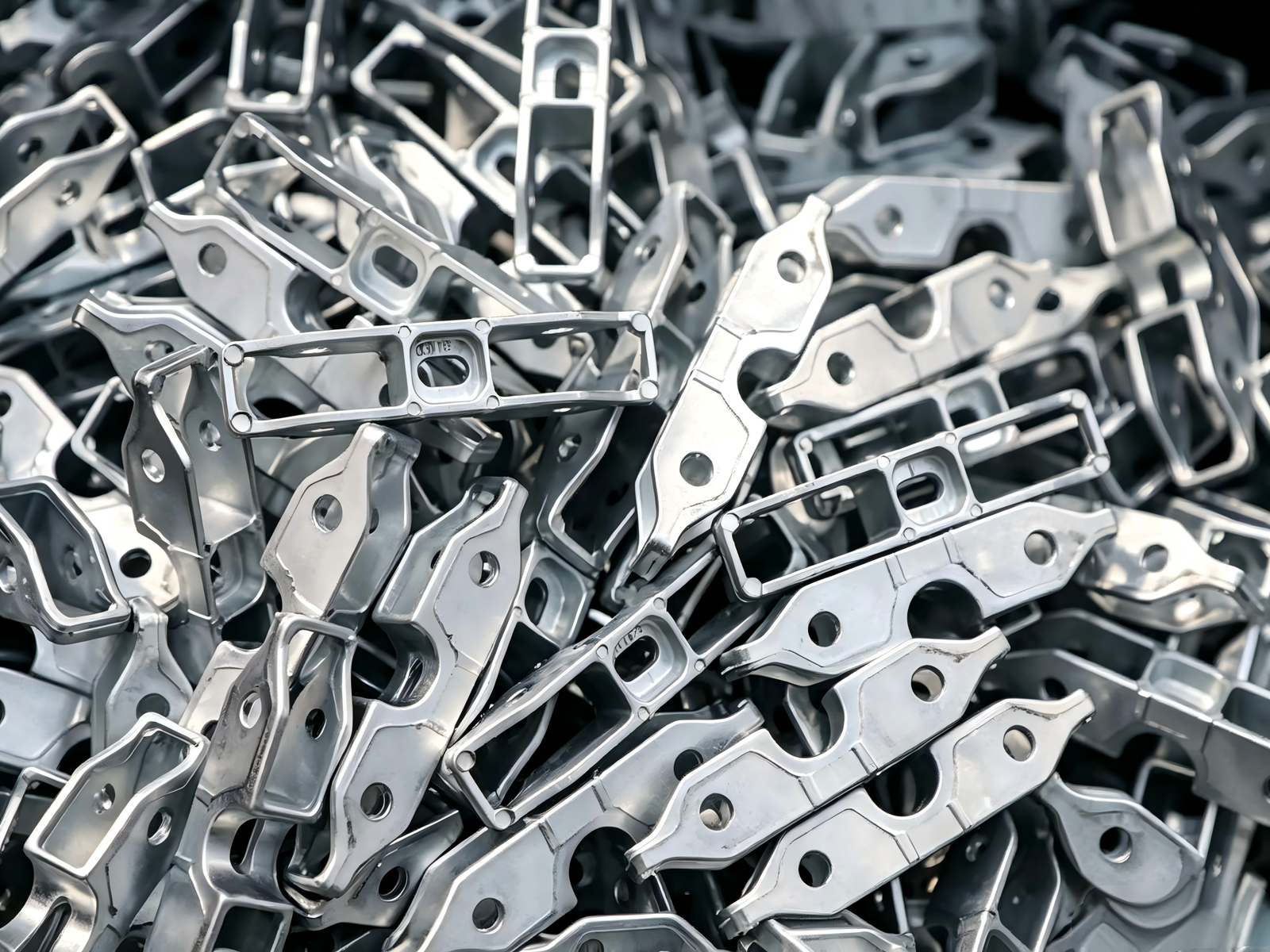
Zamak é uma família de ligas à base de zinco composta principalmente de zinco, alumínio, magnésio, e cobre. O nome “Zamak” tem origem nos nomes alemães dos seus elementos de liga.:
- Z– Zinco (Zinco)
- A- Alumínio
- MA– Magnésio
- K- Cobre (Cobre)
Desenvolvido na década de 1920, Zamak rapidamente se tornou o padrão da indústria para fundição sob pressão de zinco devido às suas excelentes características de fundição e desempenho mecânico confiável.
Ao contrário do zinco puro, que é relativamente macio e inadequado para aplicações estruturais, As ligas Zamak oferecem resistência significativamente melhorada, dureza, e resistência à corrosão. Estas propriedades permitem aos fabricantes produzir peças complexas com paredes finas, geometrias complexas, e tolerâncias restritas enquanto minimiza a usinagem secundária.
Hoje, As ligas Zamak são usadas em uma ampla gama de indústrias, incluindo automotivo, eletrônicos, dispositivos médicos, ferragens para móveis, equipamentos industriais, e produtos de consumo.
Composição Química e Graus Zamak Comuns
Embora todas as ligas Zamak sejam à base de zinco, pequenas mudanças no alumínio, cobre, e teor de magnésio resultam em diferentes propriedades mecânicas e aplicações.
Composição Química Típica
| Elemento | Conteúdo típico | Função Primária |
| Zinco (Zn) | 95–96% | Metal base proporcionando excelente fundibilidade |
| Alumínio (Al) | 3.5–4,3% | Melhora a força, dureza, e resistência à corrosão |
| Magnésio (mg) | 0.03–0,06% | Melhora a estabilidade dimensional e reduz a fragilidade |
| Cobre (Cu) | 0–1,25% | Aumenta a resistência à tração e resistência ao desgaste |
| Ferro, Liderar & Cádmio | Quantidades de rastreamento | Estritamente controlado para manter a qualidade e atender aos padrões ambientais |
Comparação de classes comuns de Zamak
| Liga | Recurso principal | Aplicações Típicas |
| os fardos 2 | Maior resistência e dureza | Componentes industriais, engrenagens, peças resistentes ao desgaste |
| os fardos 3 | Melhor equilíbrio geral entre desempenho e custo | Componentes fundidos em geral, automotivo, eletrônicos |
| os fardos 5 | Maior resistência que Zamak 3 | Ferragens automotivas, peças mecânicas, fechaduras |
| os fardos 7 | Fluidez e acabamento superficial superiores | Componentes de paredes finas e produtos decorativos |
os fardos 3
os fardos 3 é a liga de fundição sob pressão de zinco mais utilizada em todo o mundo. Proporciona excelente estabilidade dimensional, resistência à corrosão, e acabamento superficial, permanecendo fácil de fundir e usinar. É adequado para a maioria das aplicações comerciais e industriais.
os fardos 5
os fardos 5 contém mais cobre que Zamak 3, resultando em maior força, dureza, e resistência ao desgaste. É comumente selecionado para componentes automotivos e peças mecânicas sujeitas a cargas mais altas.
os fardos 2
Com o maior teor de cobre entre as classes padrão, os fardos 2 oferece excepcional dureza e resistência à fluência. Muitas vezes é usado para ferramentas, engrenagens, e componentes industriais de precisão.
os fardos 7
os fardos 7 melhora a fluidez da fundição e a aparência da superfície, tornando-o ideal para designs de paredes finas e produtos decorativos que exigem acabamentos premium.
Propriedades Mecânicas e Físicas
A popularidade das ligas Zamak vem do seu excelente equilíbrio entre resistência mecânica e desempenho de fabricação..
| Propriedade | Valor típico |
| Resistência à tracção | 280–410MPa |
| Força de rendimento | 210–330 MPa |
| Dureza | 82–120 HB |
| Densidade | 6.6–6,8g/cm³ |
| Ponto de fusão | 380–390ºC |
| Condutividade térmica | Aprox. 110 S/m·K |
| Condutividade elétrica | Aprox. 27% SIGC |
| Resistência à corrosão | Excelente em ambientes internos e moderadamente úmidos |
Estas propriedades permitem que os componentes Zamak suportem cargas mecânicas repetidas, mantendo a precisão dimensional. A liga também oferece excelente amortecimento de vibrações e resistência ao impacto, tornando-o adequado para montagens mecânicas e ferragens automotivas.
Sua temperatura de fusão relativamente baixa reduz o consumo de energia durante a produção e prolonga a vida útil da matriz, reduzindo custos de fabricação.
Por que o Zamak é ideal para fundição sob pressão
As ligas Zamak são projetadas especificamente para fundição sob pressão, tornando-os um dos materiais mais eficientes para produção em massa.
Excelente Fluidez
Molten Zamak preenche moldes complexos rapidamente, permitindo que os fabricantes produzam formas complexas com paredes finas e detalhes finos.
Alta precisão dimensional
Peças fundidas em Zamak alcançam tolerâncias rigorosas, reduzindo ou eliminando operações de usinagem secundárias.
Excelente acabamento superficial
A superfície lisa produzida por fundição sob pressão é adequada para polimento, cromagem, revestimento em pó, pintura, ou galvanoplastia, melhorando a aparência e a resistência à corrosão.
Alta eficiência de produção
Porque o Zamak derrete a uma temperatura relativamente baixa, os ciclos de produção são mais curtos do que muitos outros materiais de fundição. Isso permite que os fabricantes produzam grandes quantidades de peças rapidamente e, ao mesmo tempo, reduzam os custos de energia.
Excelente usinabilidade
Embora muitos componentes Zamak exijam pouco pós-processamento, perfuração, fresagem, tocando, e a usinagem CNC pode ser executada com eficiência quando são necessárias tolerâncias mais restritas ou recursos adicionais.
Sustentabilidade
As ligas Zamak são 100% reciclável. A sucata gerada durante a produção pode ser fundida novamente e reutilizada sem perda significativa das propriedades do material, reduzindo o desperdício e apoiando a produção sustentável.
Vantagens e limitações das ligas Zamak
Vantagens
Produção econômica
A combinação de baixa temperatura de fusão, tempos de ciclo rápidos, e usinagem mínima fazem do Zamak um dos materiais mais econômicos para fundição sob pressão.
Precisão excepcional
Geometrias complexas, paredes finas, e recursos detalhados podem ser produzidos com notável precisão, reduzindo problemas de montagem e melhorando a qualidade do produto.
Excelente qualidade de superfície
As peças Zamak são adequadas para acabamentos decorativos, como cromagem, níquel revestimento, pintura, e revestimento em pó.
Boa resistência mecânica
Embora não seja tão forte quanto o aço, Zamak fornece resistência suficiente para muitas aplicações estruturais e mecânicas.
Resistência à corrosão
O conteúdo de alumínio aumenta a resistência à corrosão, tornando o Zamak adequado para ambientes internos e muitas aplicações externas com tratamento de superfície adequado.
Ecologicamente correto
A sua total reciclabilidade apoia a produção sustentável, ao mesmo tempo que reduz os custos das matérias-primas.
Limitações
Apesar de suas vantagens, Zamak não é adequado para todas as aplicações.
- Não é recomendado para serviço contínuo acima de aproximadamente 100–120°C porque as propriedades mecânicas diminuem em temperaturas elevadas.
- Zamak é mais pesado que o alumínio, tornando-o menos adequado para aplicações onde o design leve é crítico.
- Não pode igualar a resistência estrutural do aço para componentes fortemente carregados.
- Para ambientes marinhos ou químicos altamente corrosivos, proteção de superfície adicional é recomendada.
A seleção do material certo depende da mecânica da sua aplicação, ambiental, e requisitos de custo.
Aplicações comuns de ligas Zamak
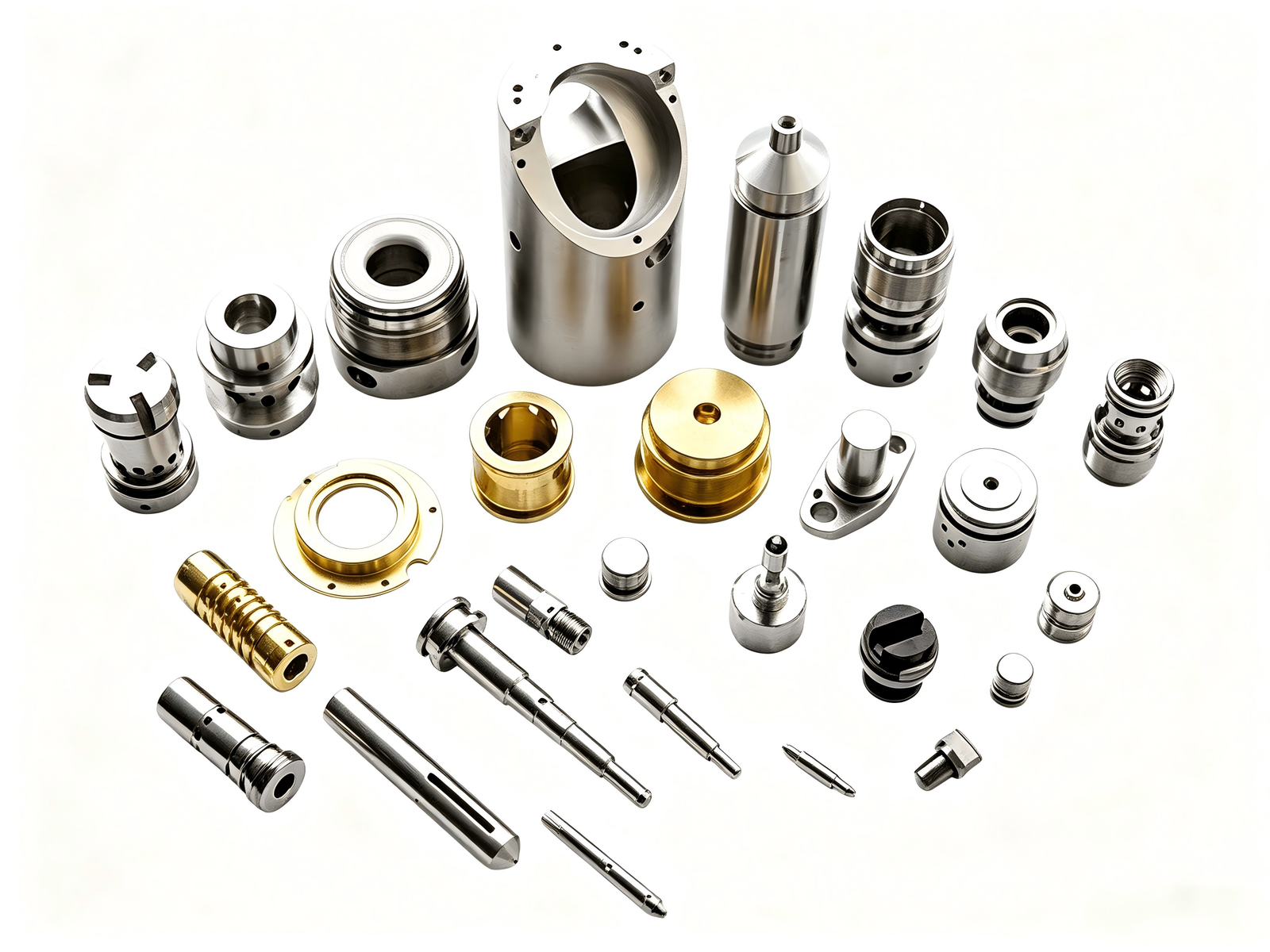
A versatilidade do Zamak o torna adequado para uma ampla variedade de indústrias.
Indústria automobilística
Fabricantes automotivos usam Zamak para maçanetas, componentes de bloqueio, colchetes, emblemas, caixas de espelho, e hardware interior devido à sua resistência, precisão, e excelente acabamento superficial.
Eletrônicos de consumo
Os produtos eletrônicos costumam usar Zamak para caixas de conectores, componentes da câmera, peças de alto-falante, e blindagem graças à sua estabilidade dimensional e aparência atraente.
Móveis e ferragens arquitetônicas
Alças de gabinete, dobradiças, fechaduras, puxadores de gaveta, acessórios de banheiro, e ferragens decorativas usam frequentemente Zamak devido à sua durabilidade e capacidade de aceitar acabamentos de superfície premium.
Equipamento industrial
Carcaças de precisão, componentes da máquina, botões de controle, engrenagens, e sistemas de fixação se beneficiam da resistência ao desgaste e da precisão dimensional do Zamak.
Produtos de consumo
Zamak é comumente encontrado em ferramentas elétricas, luminárias, utensílios de cozinha, Artigos esportivos, e produtos decorativos que exigem resistência e apelo estético.
Como escolher a liga Zamak certa
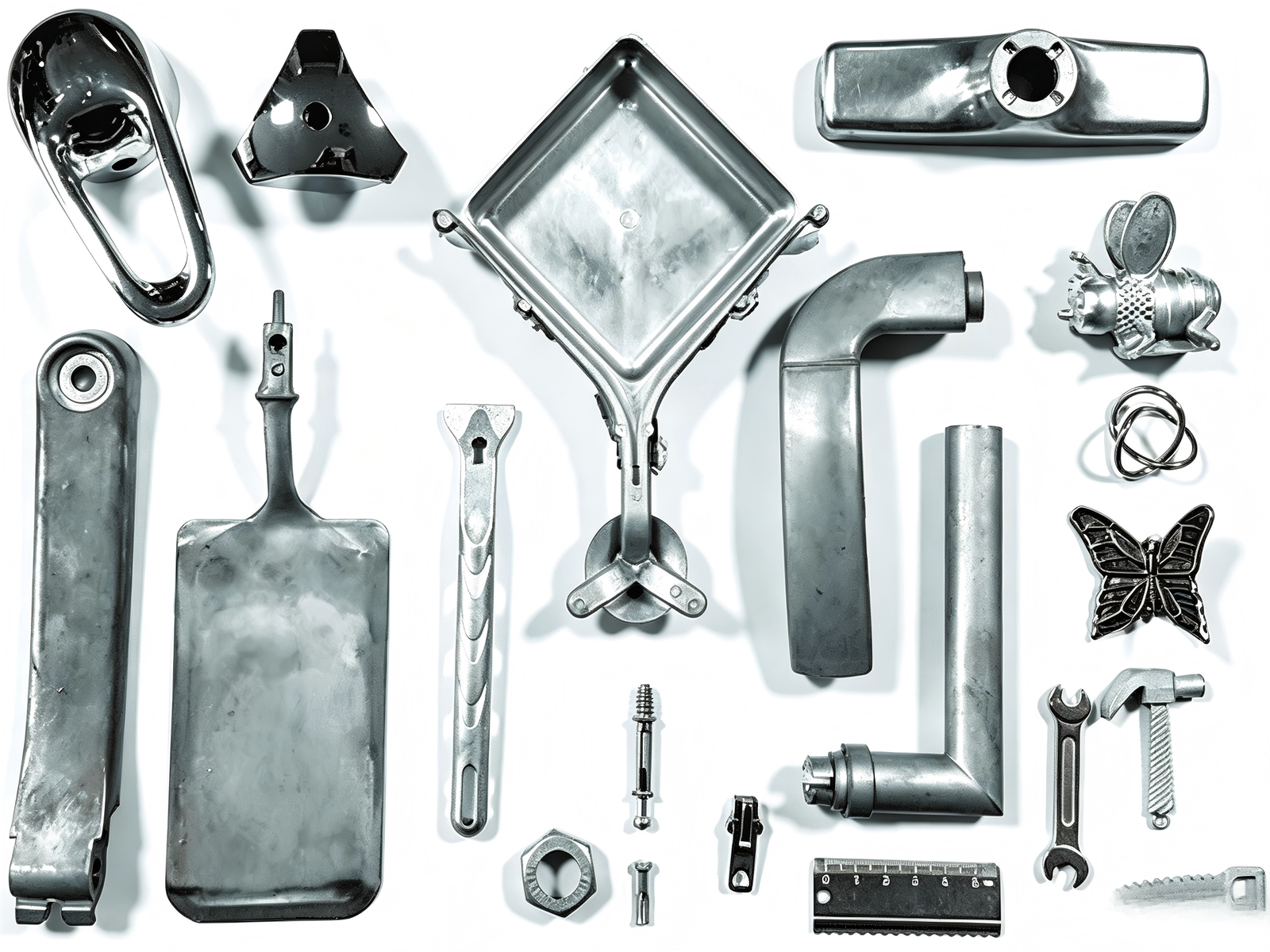
A escolha da liga apropriada depende dos requisitos de desempenho do seu produto.
| Exigência | Liga recomendada |
| Melhor desempenho geral | os fardos 3 |
| Maior resistência e resistência ao desgaste | os fardos 5 |
| Dureza máxima | os fardos 2 |
| Paredes finas ou peças decorativas | os fardos 7 |
Ao selecionar um material, engenheiros devem considerar:
- Carga mecânica
- Temperatura operacional
- Ambiente de corrosão
- Requisitos de acabamento da superfície
- Volume de produção
- Custo de fabricação
Consultar um fabricante experiente de fundição sob pressão durante a fase de projeto pode ajudar a otimizar a seleção de materiais e reduzir custos de produção.
Por que escolher TOPS Precision para peças Zamak personalizadas?
No Tops de precisão, fornecemos soluções completas de fabricação para componentes personalizados de liga Zamak, desde o desenvolvimento de protótipos até a produção em alto volume.
Nossas capacidades incluem:
- Fundição sob pressão de zinco personalizada
- Projeto e fabricação de moldes de precisão
- Usinagem CNC para operações secundárias
- Rosqueamento, perfuração, fresagem, e girando
- Tratamentos de superfície, incluindo revestimento em pó, pintura, anodização, e galvanoplastia
- Inspeção dimensional rigorosa e controle de qualidade
- Montagem e embalagem personalizada
- Suporte de remessa global
Nossa equipe de engenharia trabalha em estreita colaboração com os clientes para otimizar projetos para capacidade de fabricação, melhorar a eficiência da produção, e reduzir os custos gerais do projeto. Se você precisa de um pequeno lote de protótipo ou de uma produção em larga escala, podemos fornecer componentes de precisão que atendam às suas expectativas de qualidade e desempenho.
Se você tiver desenhos ou arquivos CAD 3D, entre em contato conosco hoje para uma revisão de engenharia gratuita e um orçamento competitivo.
perguntas frequentes
1. O que é liga Zamak?
Zamak é uma liga à base de zinco contendo alumínio, magnésio, e cobre, amplamente utilizado para fundição sob pressão de alta pressão devido à sua resistência, precisão, e excelente moldabilidade.
2. Qual é a diferença entre Zamac 3 e Zamac 5?
os fardos 5 contém mais cobre, dando-lhe maior resistência e dureza, enquanto Zamac 3 oferece melhor fundibilidade e é a classe mais comumente usada.
3. O Zamak é mais forte que o alumínio?
Não necessariamente. Algumas ligas de alumínio têm relações resistência-peso mais altas, mas o Zamak geralmente oferece melhor precisão dimensional, acabamento superficial superior, e menores custos de fabricação para componentes fundidos.
4. As peças Zamak podem ser usinadas CNC?
Sim. Zamak oferece excelente usinabilidade e pode ser furado, moído, tocado, ou girado para obter tolerâncias mais restritas ou recursos adicionais.
5. Zamak enferruja?
Não. Como o Zamak é à base de zinco, não enferruja como o aço. No entanto, revestimentos protetores podem melhorar ainda mais a resistência à corrosão em ambientes exigentes.
6. O Zamak pode ser cromado??
Sim. Zamak aceita cromagem, níquel revestimento, revestimento em pó, e pintando excepcionalmente bem, tornando-o popular para aplicações decorativas.
7. O Zamak é ecologicamente correto??
Sim. O Zamak é totalmente reciclável e pode ser fundido várias vezes sem perda significativa de qualidade, tornando-o um material sustentável para fabricação.
8. Quais indústrias usam ligas Zamak?
Zamak é amplamente utilizado na indústria automotiva, eletrônicos, ferragens para móveis, maquinaria industrial, dispositivos médicos, iluminação, produtos de consumo, e hardware arquitetônico.
9. Qual é o ponto de fusão do Zamak?
A maioria das ligas Zamak fundem entre 380°C e 390°C, tornando-os ideais para fundição sob pressão em câmara quente de alta pressão.
10. Por que escolher Zamak para fundição sob pressão?
Zamak oferece uma excelente combinação de precisão, força, resistência à corrosão, ciclos de produção rápidos, excelente acabamento superficial, e custo-efetividade, tornando-o um dos melhores materiais para a fabricação de componentes fundidos complexos.


