



Desde pinos-guia de precisão usados para alinhamento preciso de componentes até pinos elásticos projetados para absorver vibrações, pinos de manilha usados em conexões giratórias, e pinos usinados CNC personalizados fabricados com tolerâncias restritas, cada tipo tem uma finalidade específica.
Este guia explica os mais comuns tipos de fixadores de pinos, seus projetos, materiais, processos de fabricação, aplicações, e critérios de seleção. Ele também aborda as diferenças entre pinos padrão e personalizados e explica como trabalhar com um fabricante quando você precisa de fixadores de pinos de precisão ou específicos para aplicações.
O que são fixadores de pinos?
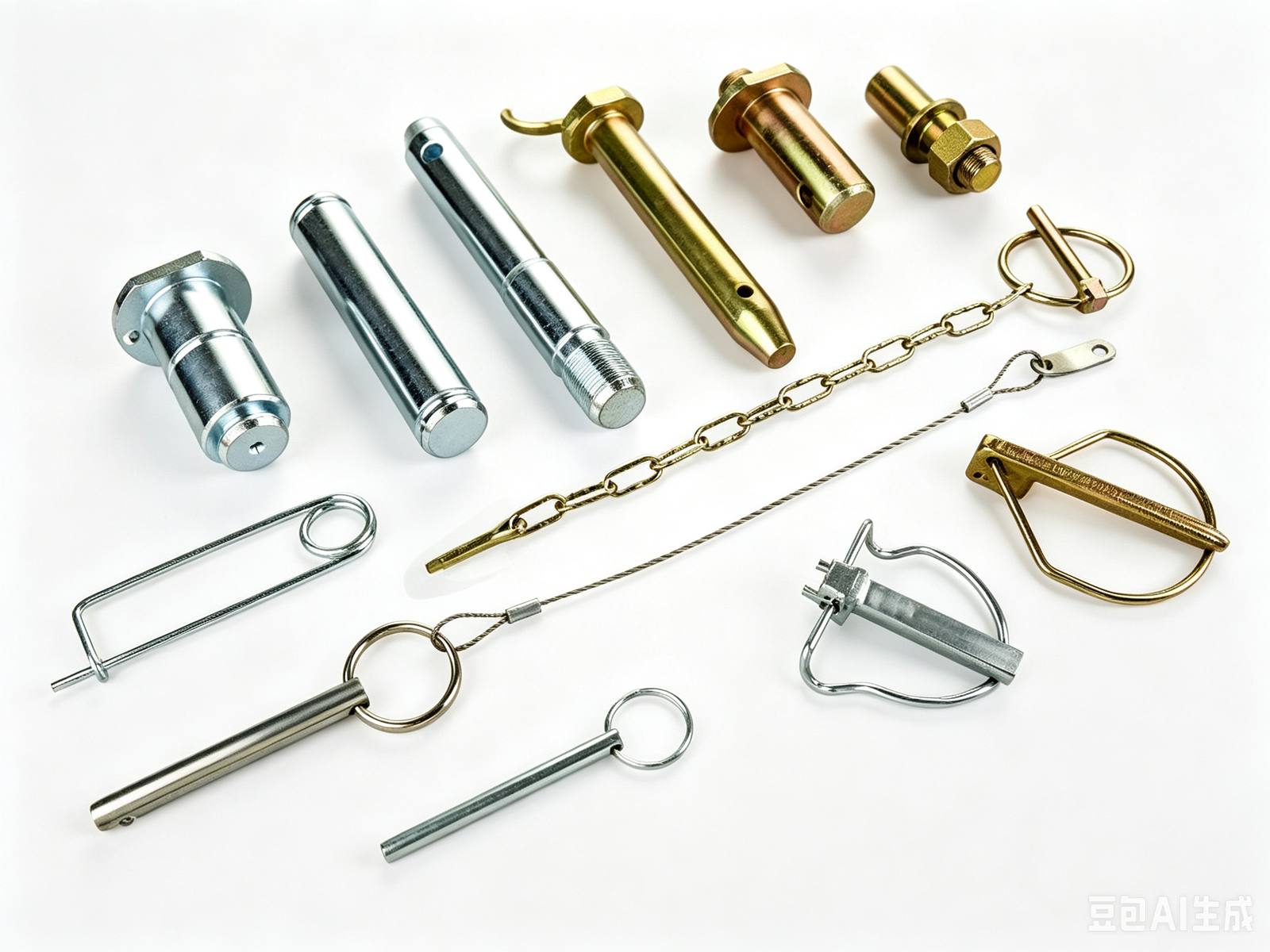
A prendedor de pino é um componente mecânico usado para conectar, alinhar, localizar, trancar, reter, ou girar duas ou mais peças. A maioria dos pinos são cilíndricos, cônico, ranhurado, ou com formato especial e são instalados em um furo pré-perfurado ou recurso correspondente.
Ao contrário de parafusos e porcas, que normalmente usam roscas para gerar força de fixação, muitos fixadores de pinos dependem ajustes de interferência, atrito, força da mola, mecanismos de bloqueio, ou características geométricas para proteger componentes.
Os fixadores de pinos são comumente encontrados em sistemas automotivos, maquinaria industrial, equipamento aeroespacial, moldes e ferramentas, equipamento de construção, maquinaria agrícola, eletrônicos, dispositivos médicos, e sistemas de automação.
Por exemplo, um pino-guia pode ser usado para localizar com precisão dois componentes usinados, enquanto um pino de manilha permite que duas partes girem uma em relação à outra. A pino de mola pode fornecer uma conexão segura em um ambiente sujeito a vibrações, enquanto um pino de retenção permite que um operador monte e remova rapidamente um componente.
Como os designs dos pinos variam significativamente, a melhor escolha depende da função mecânica específica e das condições operacionais.
13 Tipos de fixadores de pinos
Contrapinos
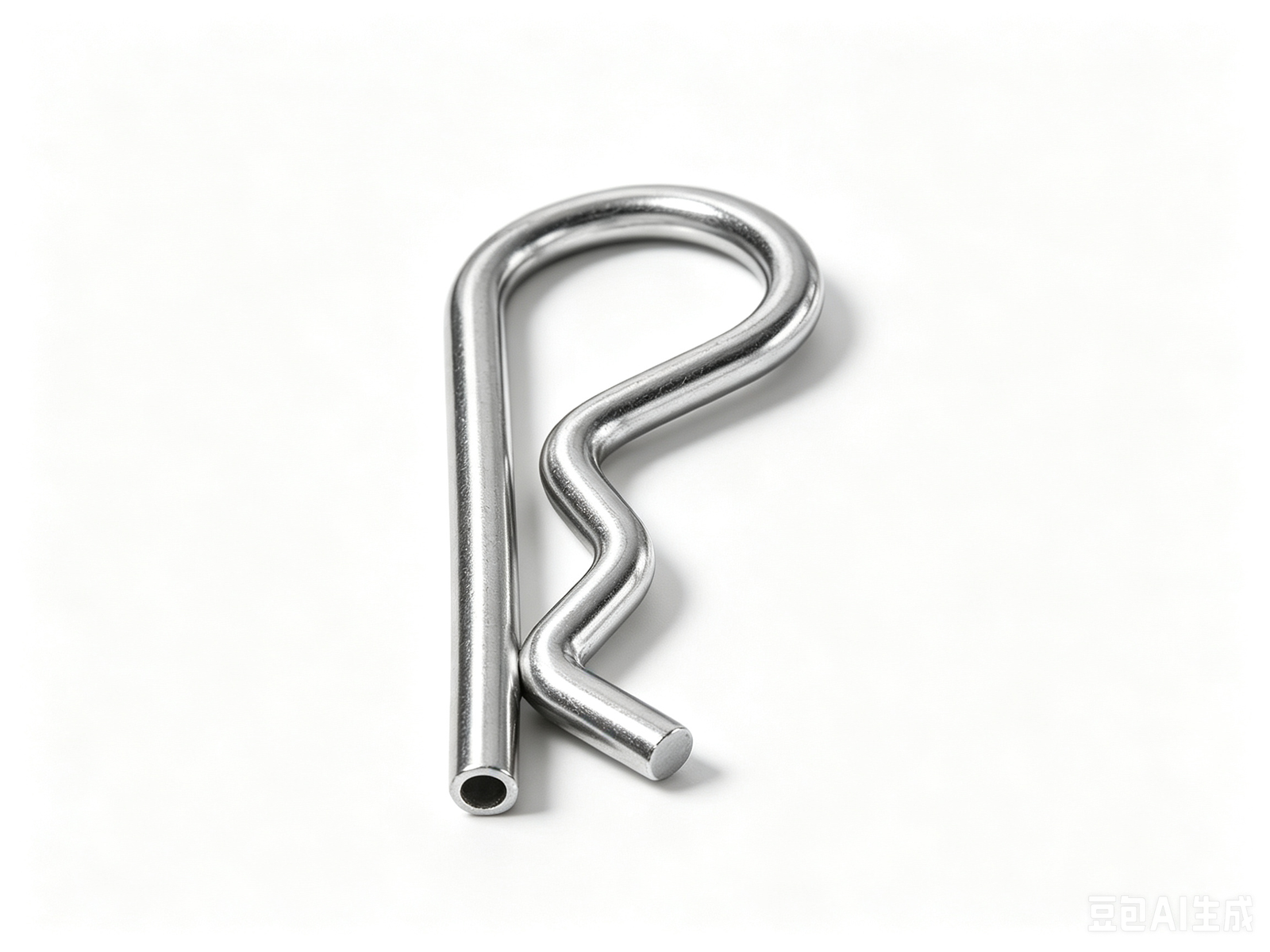
A contrapino, também chamado de pino dividido, é um fecho de travamento simples, normalmente fabricado a partir de um fio ou haste de metal. Geralmente consiste em uma cabeça em forma de laço e duas pernas que podem ser dobradas após a instalação.
O pino é inserido através de um orifício feito em um parafuso, haste, ou outro componente. As pernas são então dobradas para evitar que o pino recue.
Pinos-guia
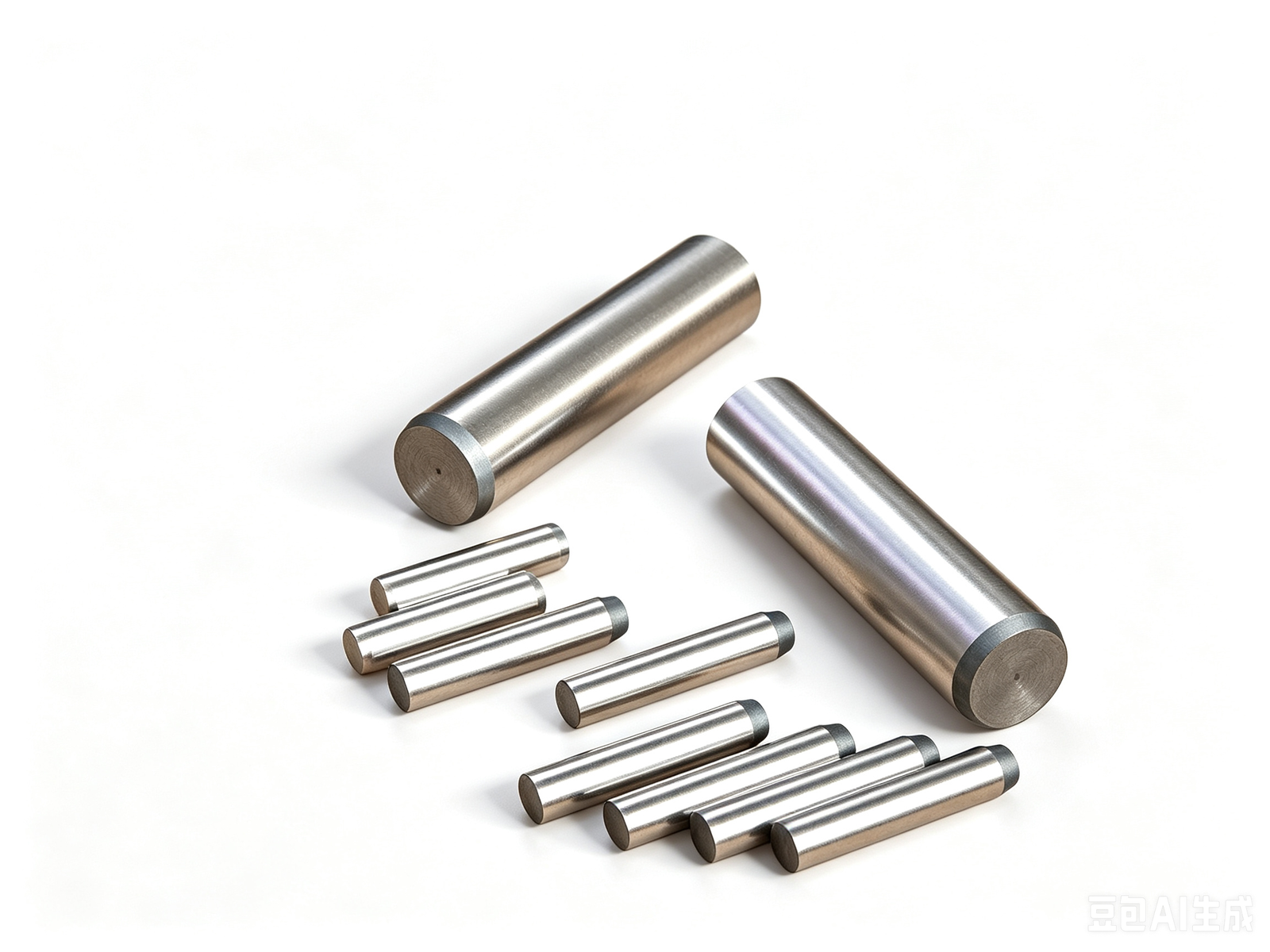
Pinos-guia são pinos cilíndricos de precisão usados principalmente para alinhamento e posicionamento precisos.
Eles são comumente fabricados com tolerâncias dimensionais restritas e instalados em furos usinados com precisão. Dependendo da aplicação, pinos-guia podem usar um ajuste de pressão, ajuste de interferência, ou outro ajuste controlado.
A principal vantagem de um pino-guia é sua capacidade de estabelecer alinhamento repetível e preciso entre componentes.
Por exemplo, duas placas da máquina podem ser aparafusadas para obter força de fixação, enquanto os pinos-guia garantem que as placas retornem à mesma posição durante a montagem.
Para aplicações de precisão, a relação entre diâmetro do pino, diâmetro do furo, tolerância posicional, e acabamento superficial é crítico.
Alfinetes de linchamento
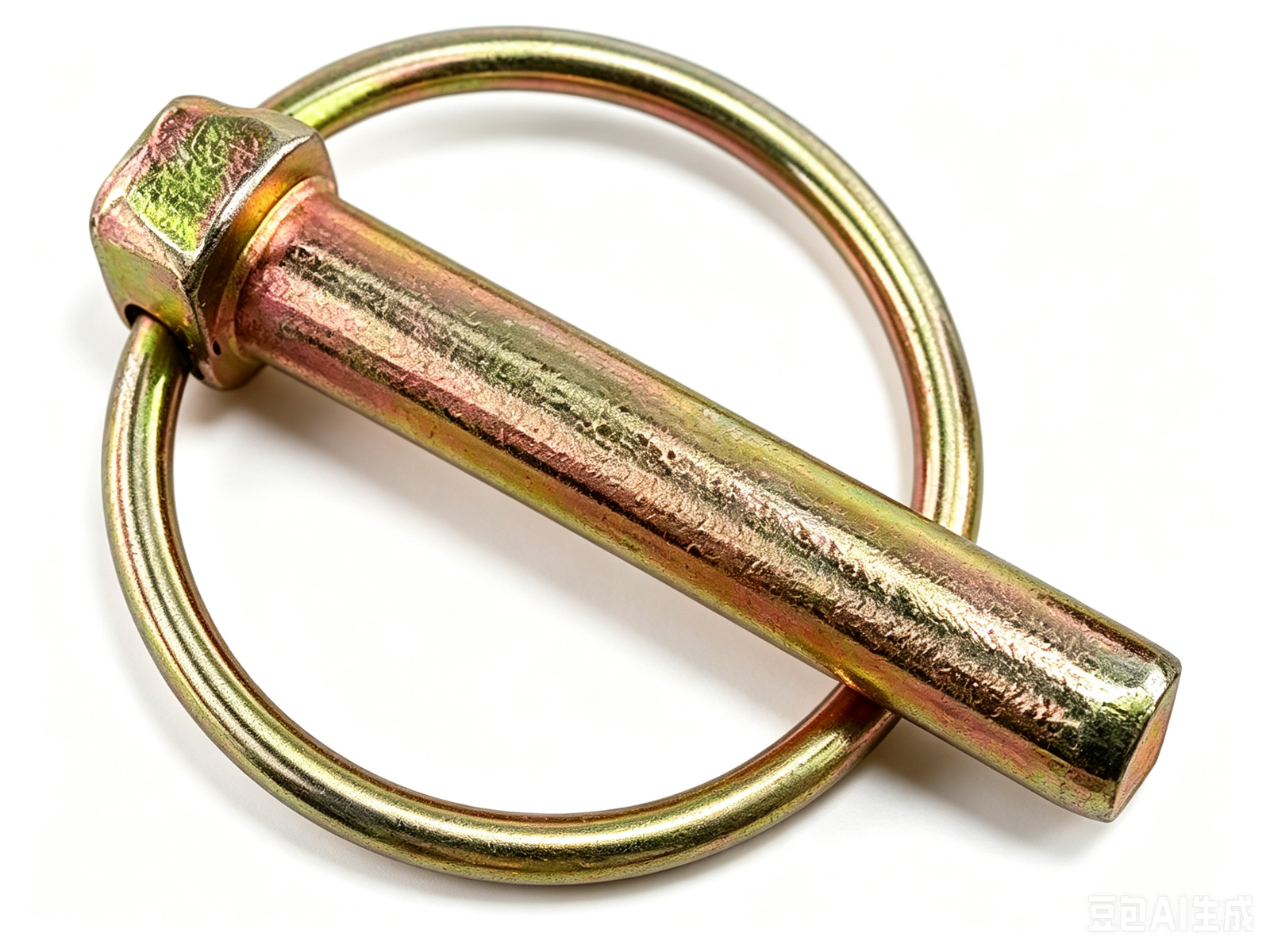
A pino de linchamento é um pino de retenção de liberação rápida comumente usado para fixar componentes mecânicos que precisam ser removidos ou ajustados com frequência.
Seu anel ou laço de travamento característico ajuda a evitar que o pino saia acidentalmente após a instalação.
Sua principal vantagem é a conveniência. Ao contrário dos métodos de fixação permanente, os pinos de sujeição geralmente podem ser instalados e removidos sem ferramentas especializadas.
Pinos de mola
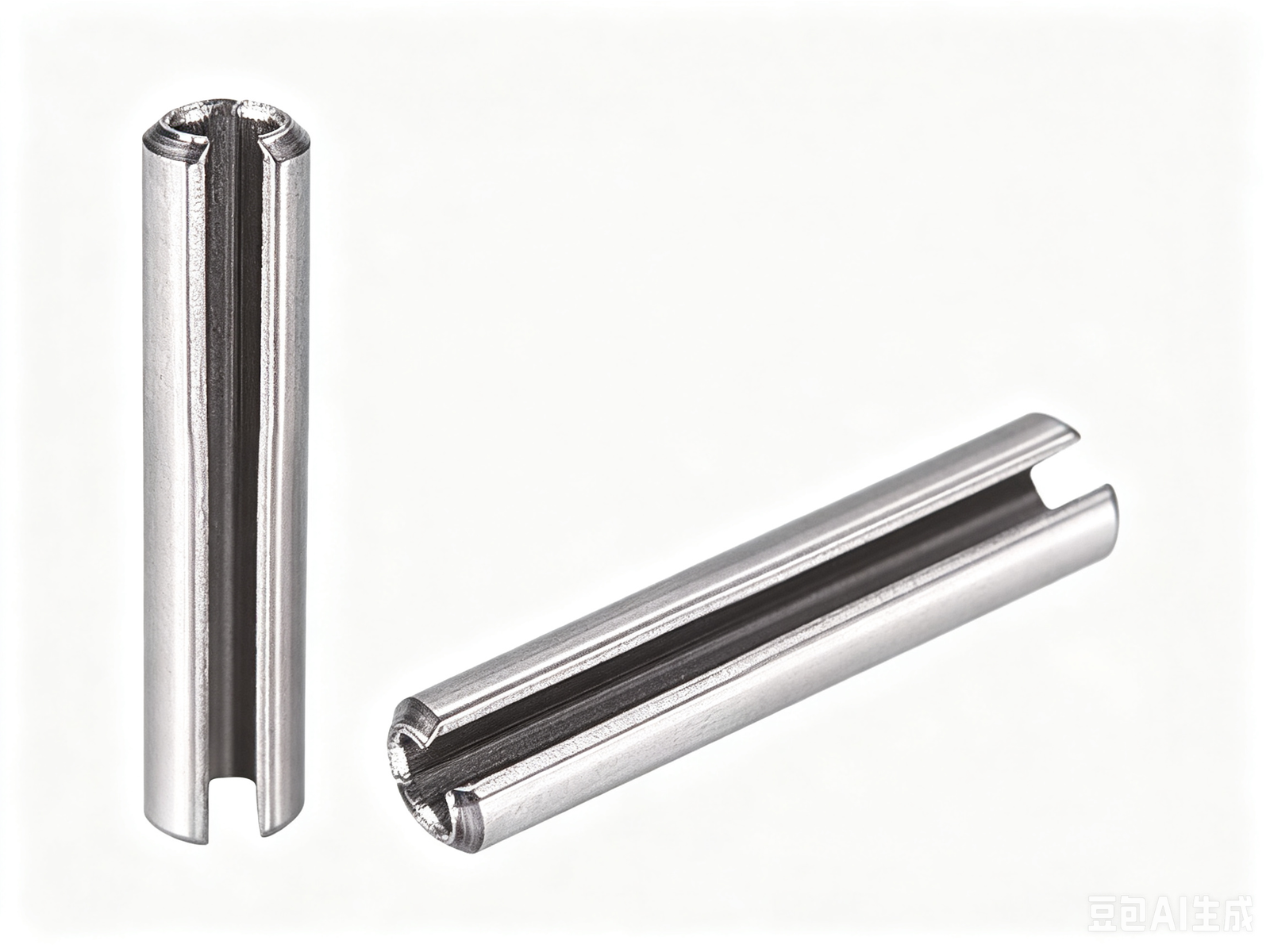
Pinos de mola, também conhecidos como pinos rolantes ou pinos elásticos, são pinos cilíndricos ocos projetados para comprimir quando inseridos em um furo.
A força elástica gerada pelo pino comprimido cria uma conexão segura.
Um de seus principais benefícios é a capacidade de acomodar vibrações e variações dimensionais.
No entanto, os pinos de mola devem ser selecionados cuidadosamente de acordo com o diâmetro do furo, material, carregar, e requisitos de instalação.
Pinos de bloqueio de fio
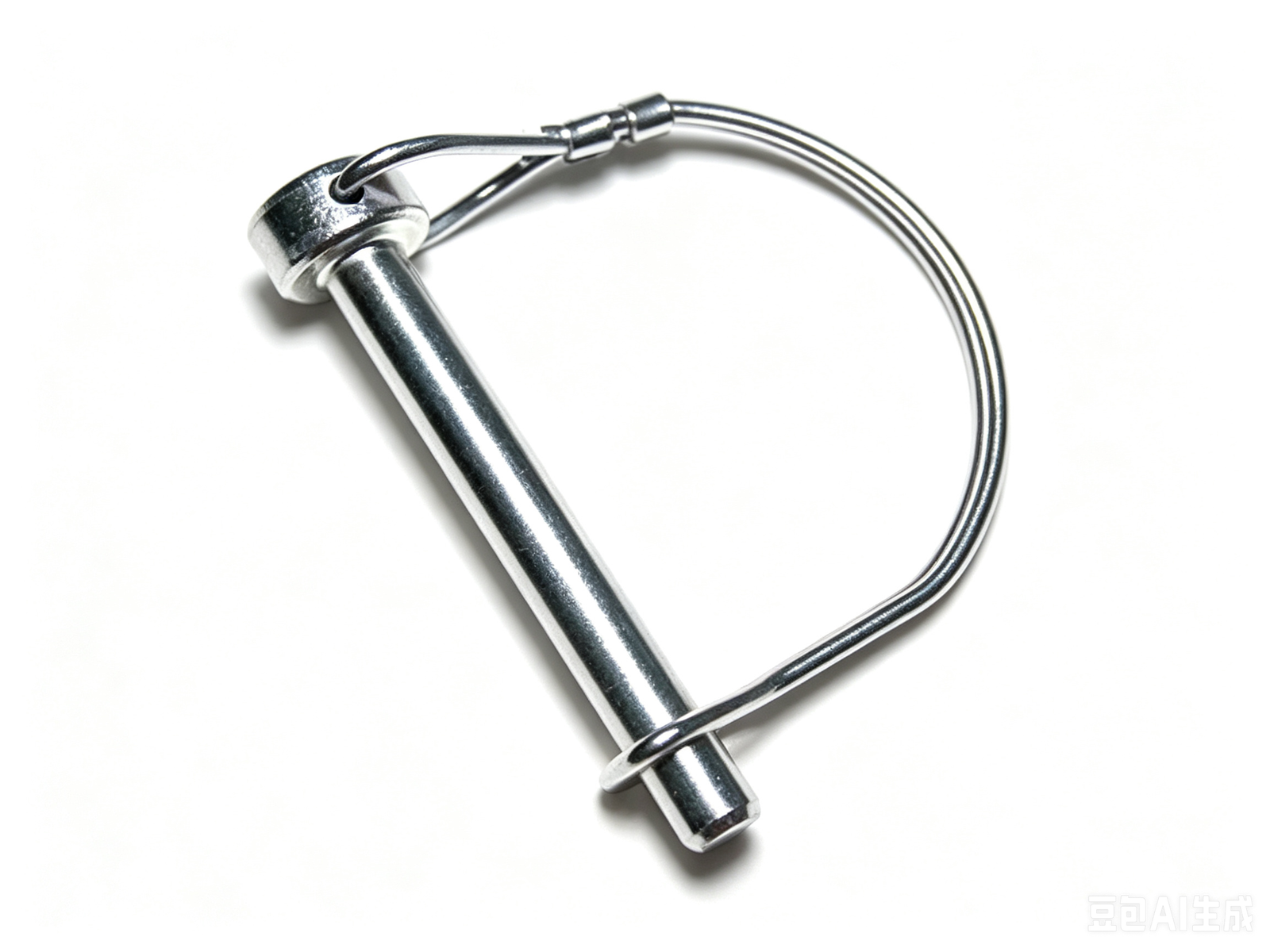
A pino de bloqueio de fio usa um laço de arame em forma de mola ou mecanismo de travamento para manter o pino na posição.
Esses pinos são particularmente úteis quando é necessária uma instalação rápida e segura.
O fio de travamento fornece retenção adicional e reduz o risco de desengate acidental.
Para aplicações expostas a vibrações, choque, ou movimento repetido, o design do mecanismo de travamento é especialmente importante.
Pinos Cônicos
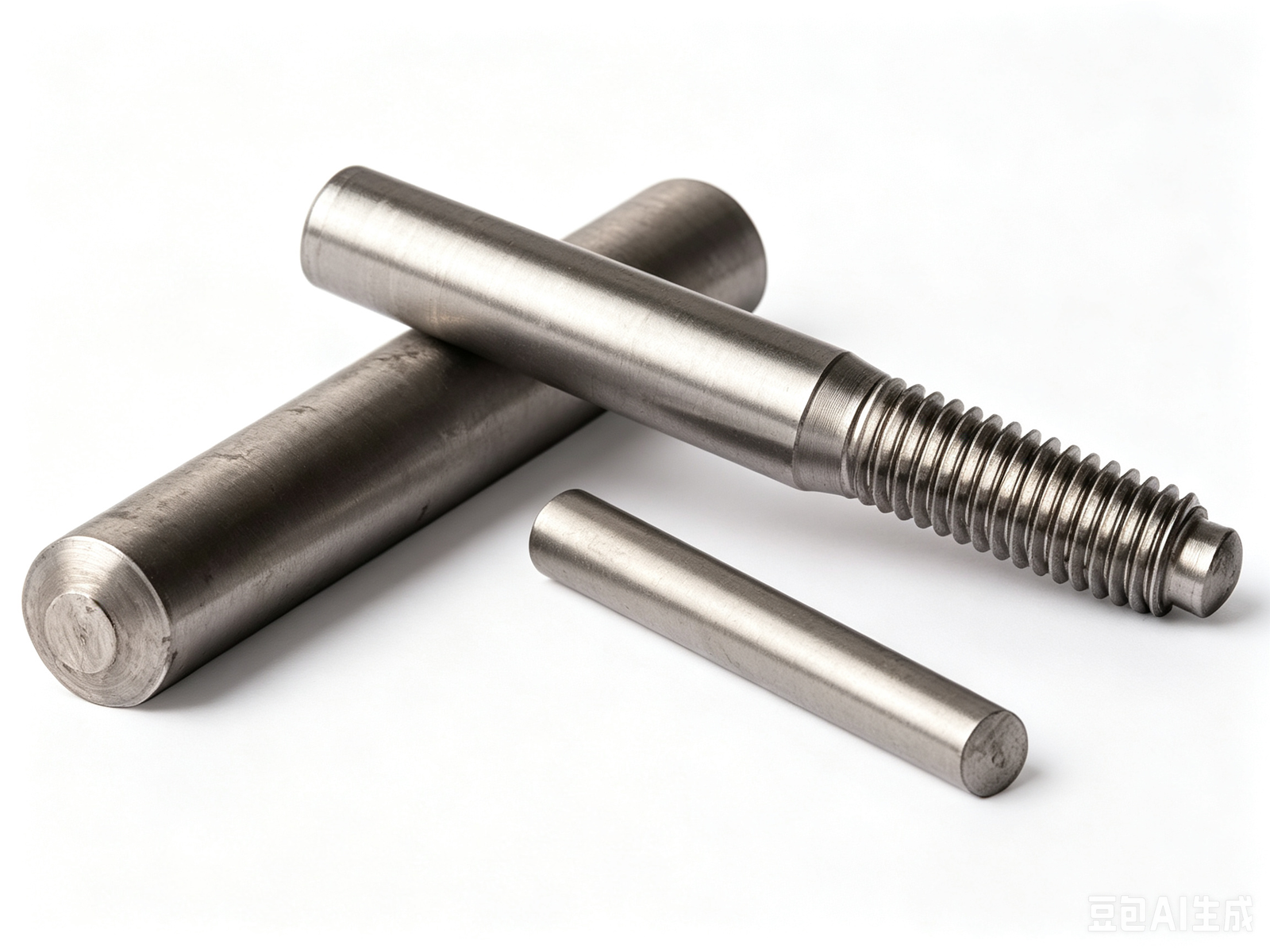
Pinos cônicos têm um diâmetro que aumenta gradualmente ao longo de seu comprimento. Eles são instalados em furos cônicos correspondentes para criar uma conexão firme e segura.
Uma consideração importante é que o furo deve ser usinado com a especificação de conicidade correta. A geometria incorreta do furo pode dificultar a instalação ou comprometer a conexão.
Pinos de alça em L
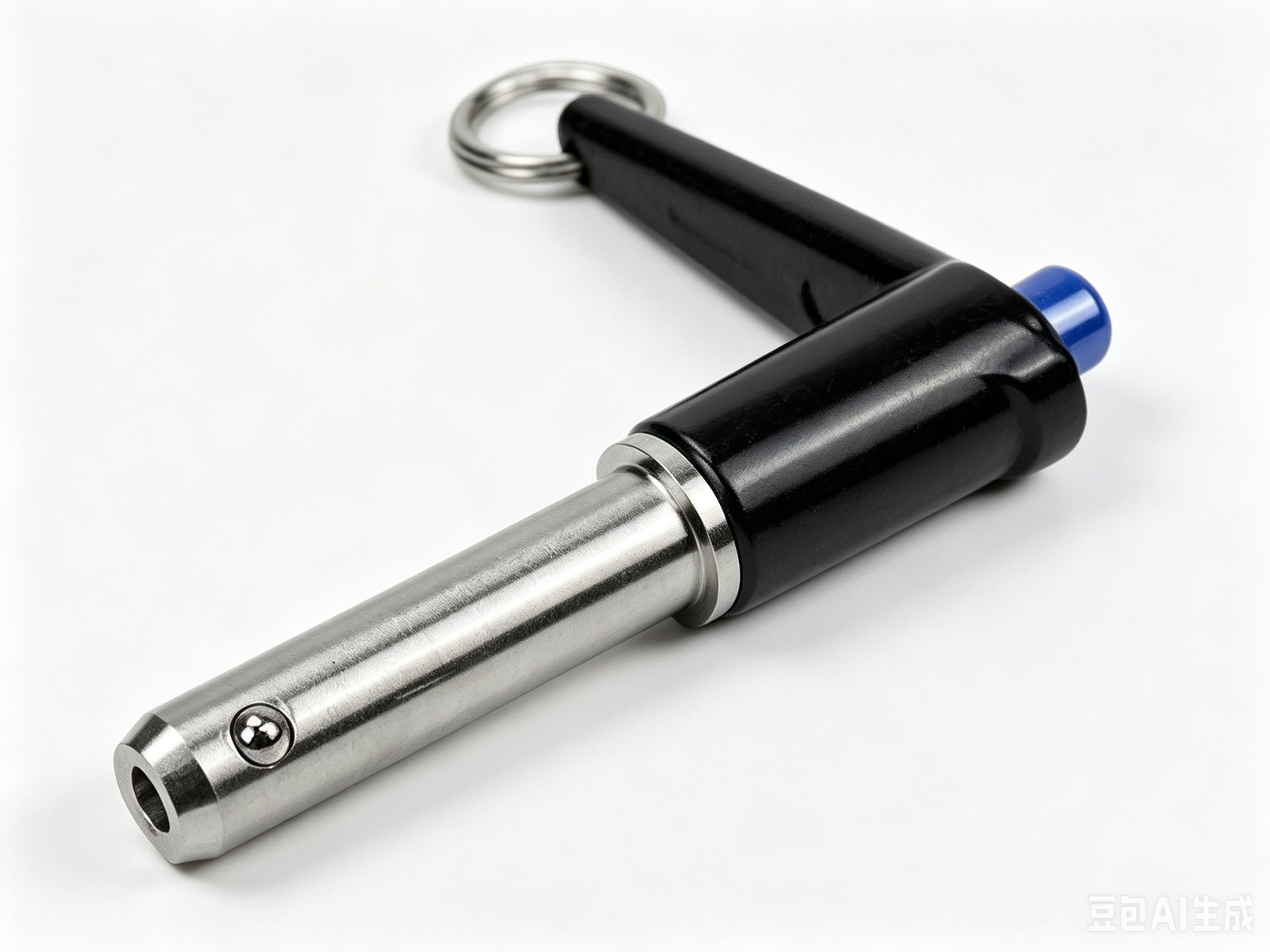
Um Pino em L incorpora uma alça em forma de L que permite aos operadores instalar e remover o pino manualmente.
Este design é particularmente útil quando são necessários ajustes frequentes.
A alça elimina a necessidade de ferramentas adicionais e melhora a conveniência do operador.
Pinos de manilha
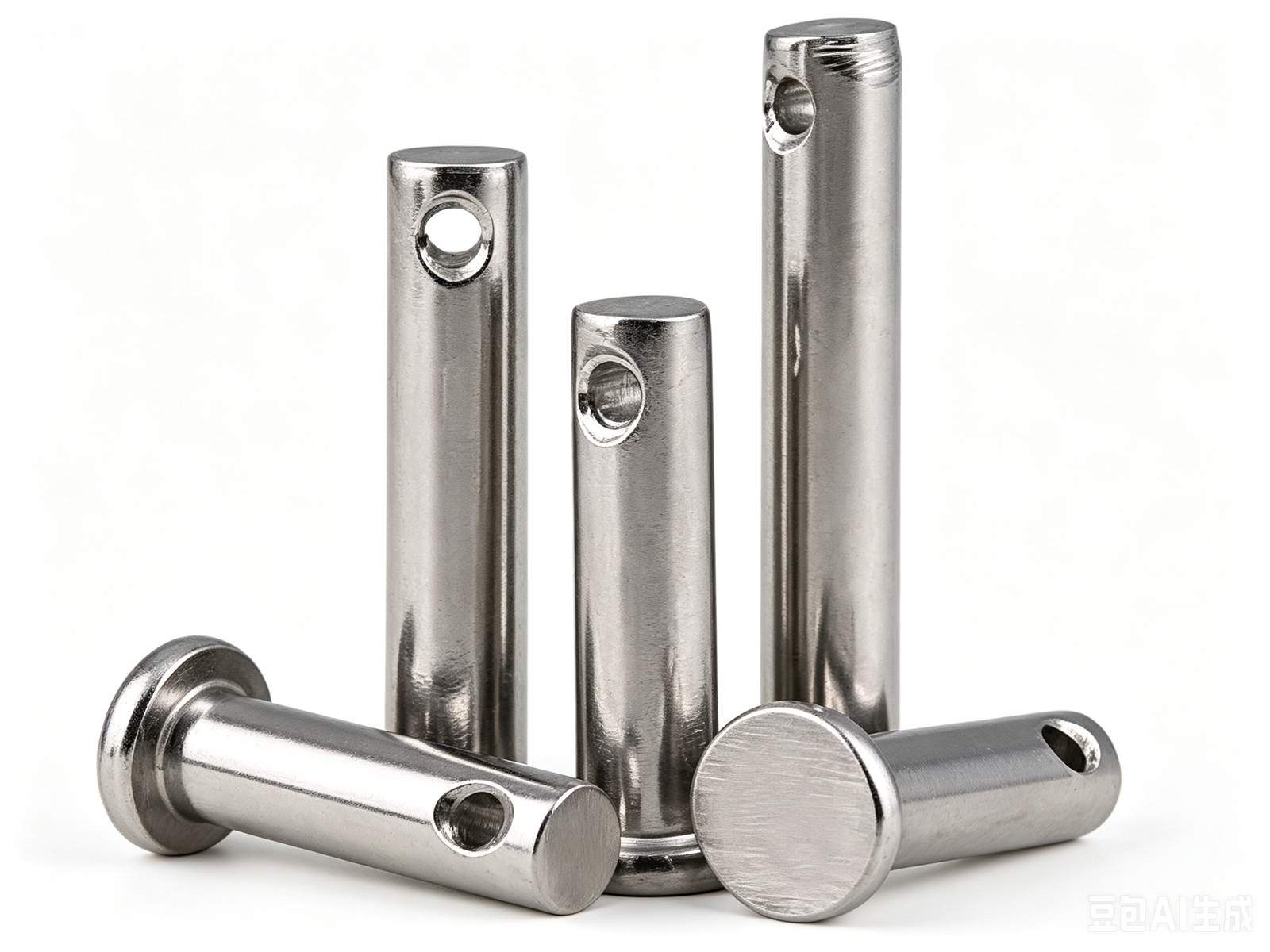
A pino de manilha foi projetado para conectar dois componentes que podem precisar girar em relação um ao outro.
O pino passa através de furos alinhados nos componentes e é preso com uma cupilha, grampo, ou outro mecanismo de retenção.
Eles são particularmente adequados para aplicações onde uma conexão deve permitir movimento rotacional controlado.
Pinos de retenção
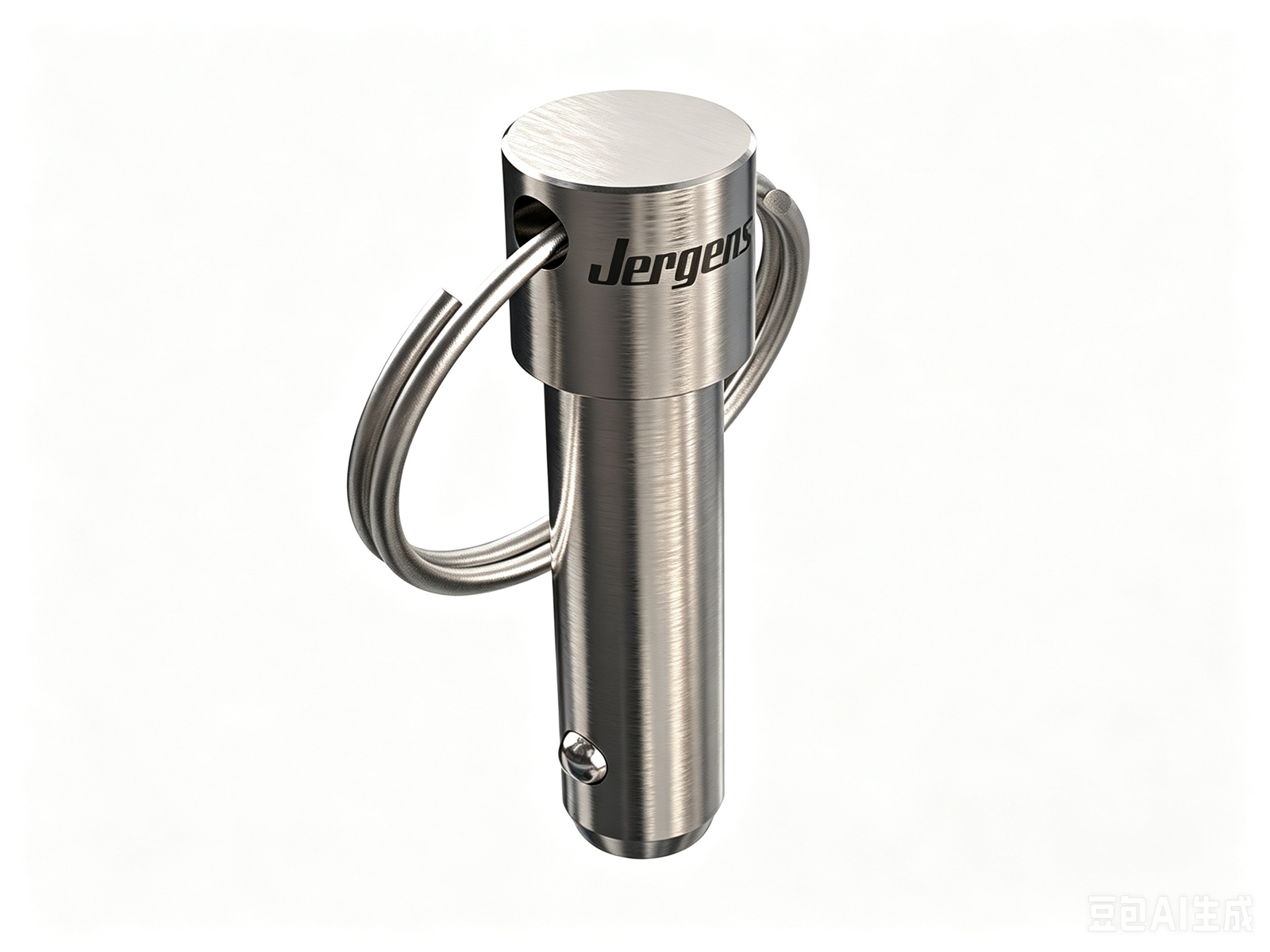
Pinos de retenção use uma bola com mola, botão, ou mecanismo semelhante para fornecer bloqueio temporário.
O mecanismo de retenção engata em um orifício ou superfície correspondente e evita que o pino caia acidentalmente.
Comparado com pinos fixos tradicionais, os pinos de retenção oferecem uma conveniência significativamente maior para manutenção e ajuste.
Pinos de engate
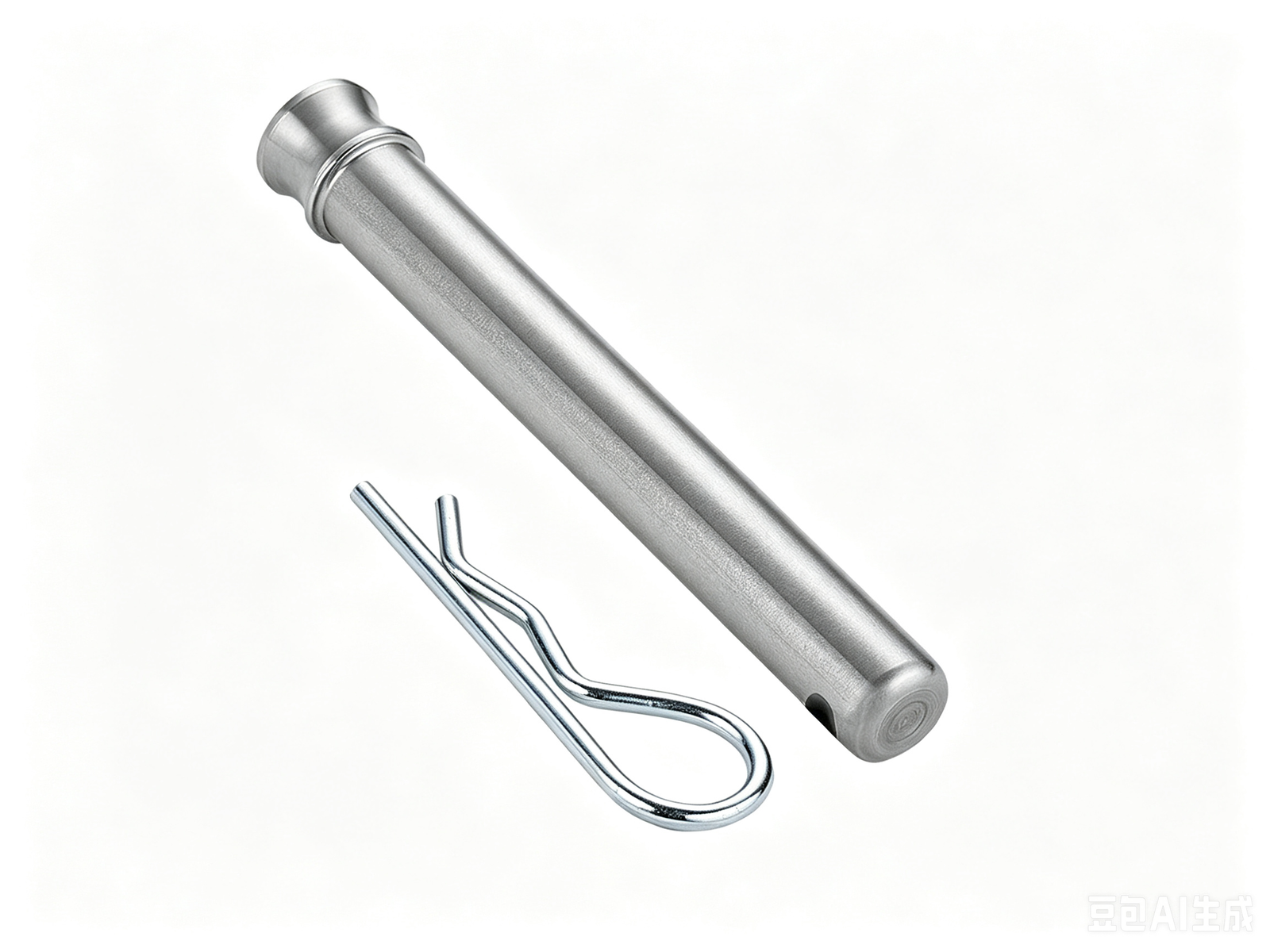
Pinos de engate são pinos resistentes usados para conectar equipamentos, reboques, implementos agrícolas, e componentes de reboque.
Eles normalmente incluem um clipe de retenção ou mecanismo de travamento para evitar remoção acidental.
Os pinos de engate devem ser selecionados com base no diâmetro necessário, comprimento útil, resistência ao cisalhamento, e carga operacional.
Para aplicações de reboque e suporte de carga, a resistência e a confiabilidade de toda a conexão devem sempre ser consideradas em vez de selecionar um pino com base apenas em suas dimensões nominais.
Pinos de ranhura
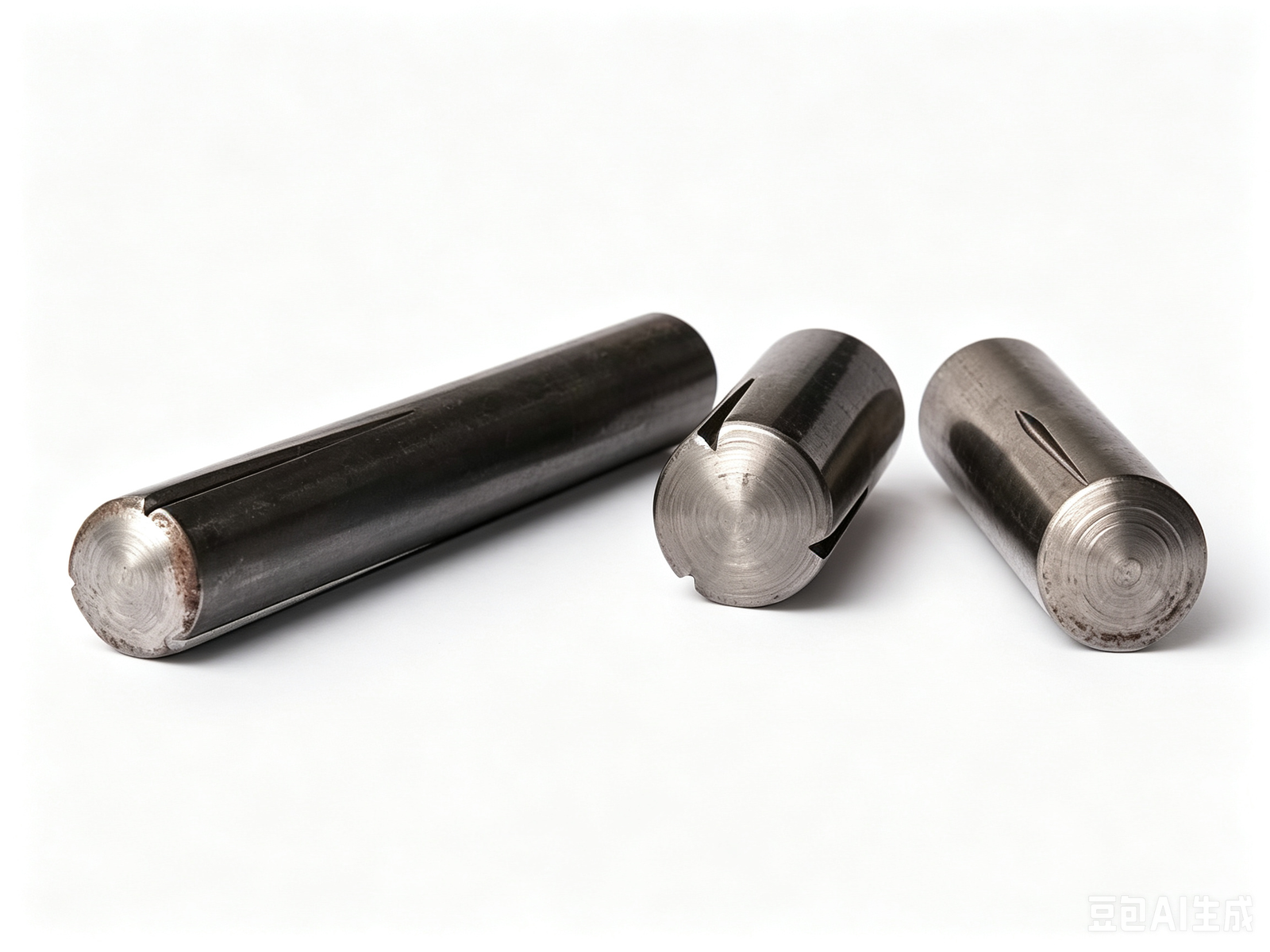
Pinos de ranhura são pinos cilíndricos com uma ou mais ranhuras longitudinais.
As ranhuras criam um efeito de interferência quando o pino é instalado, ajudando a melhorar a retenção e resistência ao movimento.
Os pinos ranhurados são comumente encontrados em máquinas, jogos, e conjuntos mecânicos.
A configuração correta da ranhura deve ser selecionada de acordo com o desenho do furo e a força de retenção necessária.
Alfinetes de pressão
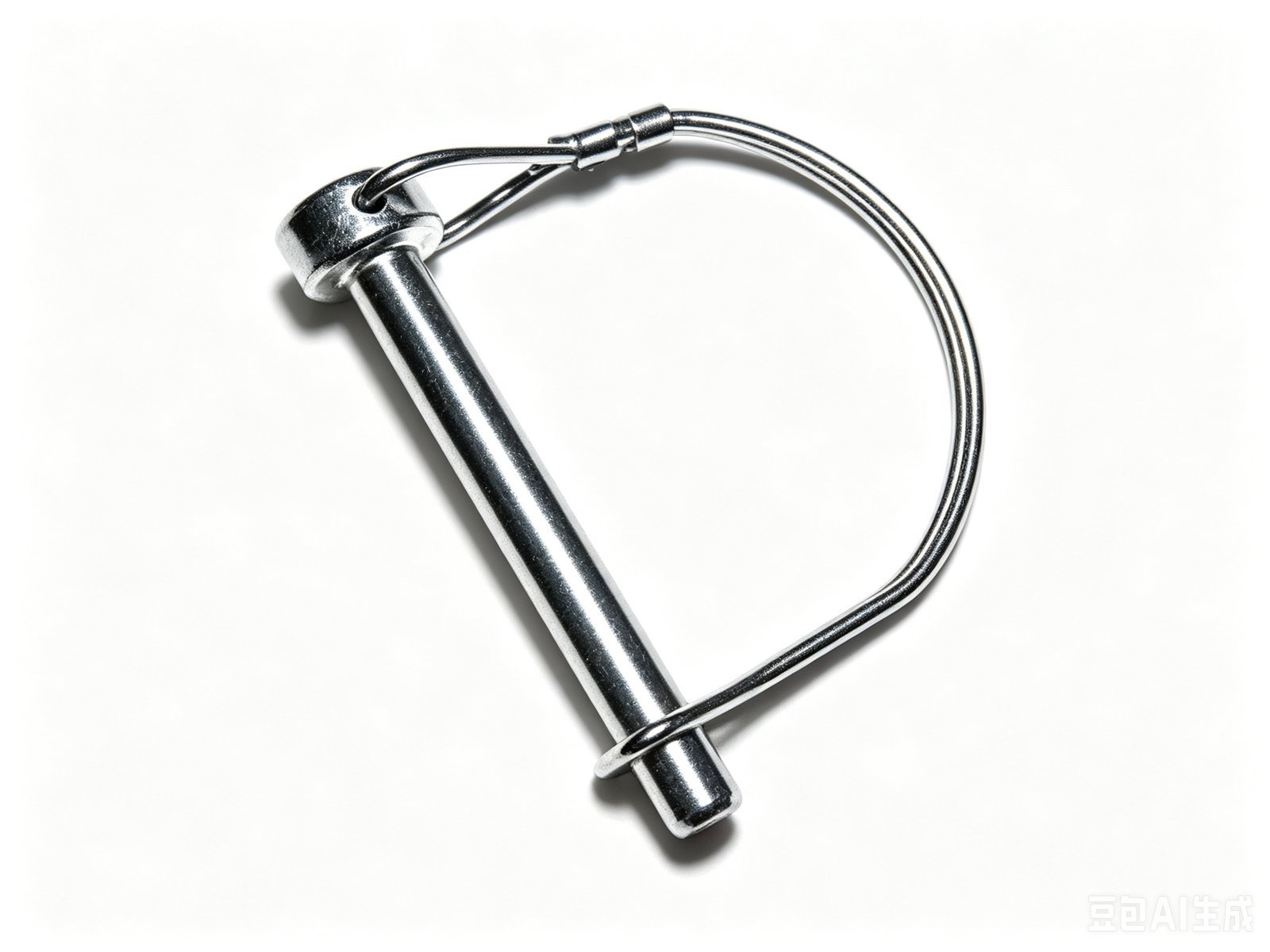
Alfinetes de pressão incorpora um mecanismo de encaixe com mola que ajuda a fixar o pino após a instalação.
Eles são projetados para aplicações onde é necessária conexão ou desconexão rápida e repetida.
O principal benefício dos alfinetes de pressão é sua conveniência. Muitas vezes, eles podem ser instalados e removidos rapidamente, sem ferramentas adicionais.
Pinos tortos
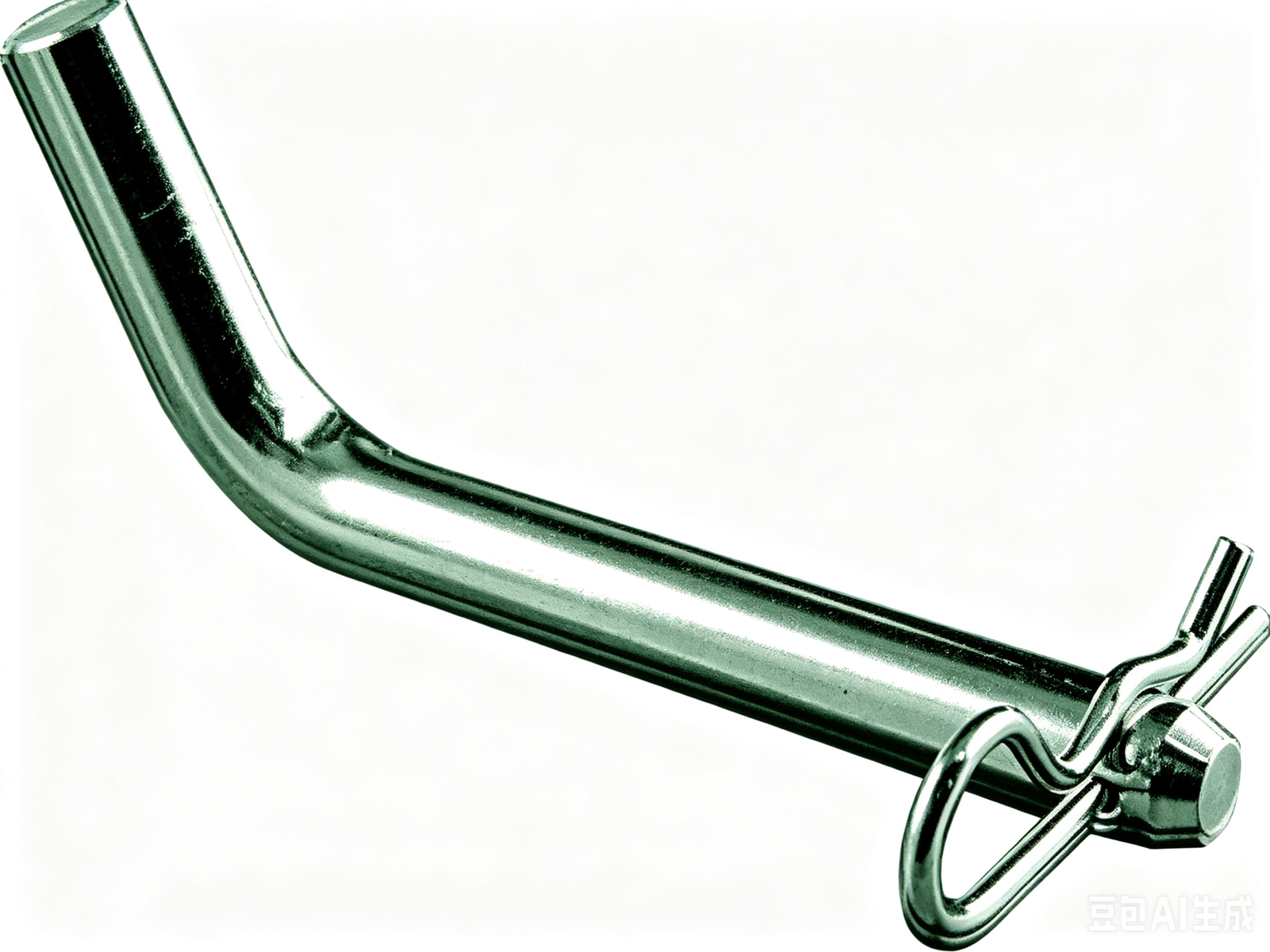
Pinos tortos apresentam uma seção deliberadamente formada ou dobrada que fornece retenção adicional.
A geometria dobrada pode ajudar a evitar:
Movimento axial
Rotação
Remoção acidental
Para aplicativos personalizados, o ângulo de curvatura exato, raio, material, e o processo de formação devem ser cuidadosamente controlados.
Comparação de fixadores de pino: Qual tipo você deve escolher?
A escolha do pino correto começa com a compreensão da função principal da conexão.
| Tipo de pino | Função Primária | Método de retenção típico | Melhor para |
| Contrapino | Bloqueio e retenção | Pernas dobradas | Fixando porcas e pinos |
| Pino-guia | Alinhamento de precisão | Interferência/ajuste à pressão | Montagens de precisão |
| Alfinete de linchamento | Retenção rápida | Anel de travamento | Agrícola e maquinaria |
| Pino de mola | Fixação e retenção | Força elástica | Ambientes de vibração |
| Pino de bloqueio de fio | Bloqueio rápido | Laço de arame | Segurança e equipamentos |
| Pino Cônico | Alinhamento e fixação | Ajuste cônico | Máquinas de precisão |
| Pino da alça em L | Ajuste manual | Manuseie e ajuste | Equipamento ajustável |
| Clevis Pin | Conexão pivotante | Clipe ou cupilha | Ligações |
| Pino de retenção | Bloqueio rápido | Bola com mola | Montagem frequente |
| Pino de engate | Conexão para serviços pesados | Clipe de retenção | Reboques e equipamentos |
| Pino de ranhura | Retenção | Ajuste de interferência ranhurado | Montagens mecânicas |
| Alfinete de pressão | Conexão rápida | Snap de primavera | Equipamento ao ar livre |
| Pino dobrado | Retenção e anti-rotação | Geometria dobrada | Aplicativos personalizados |
A escolha certa depende se o seu requisito principal é alinhamento de precisão, retenção permanente, liberação rápida, pivotante, resistência à vibração, ou desempenho de carga pesada.
Materiais comuns usados para fixadores de pinos
O material de um pino tem impacto direto na sua resistência, resistência à corrosão, peso, maquinabilidade, e vida útil.
Aço carbono
O aço carbono é amplamente utilizado em pinos de uso geral porque oferece um bom equilíbrio de resistência, dureza, disponibilidade, e custo.
O tratamento de superfície pode ser necessário quando a resistência à corrosão é importante.
Aço inoxidável
O aço inoxidável é comumente selecionado para aplicações expostas à umidade, produtos químicos, ou condições externas.
As notas comuns incluem 304 e 316 aço inoxidável, dependendo do ambiente.
Liga de aço
O aço-liga é adequado para aplicações exigentes que exigem alta resistência, dureza, ou resistência à fadiga.
O tratamento térmico pode melhorar ainda mais o desempenho mecânico.
Liga de alumínio
Os pinos de liga de alumínio oferecem uma alternativa de baixa densidade quando a redução de peso é importante.
No entanto, o alumínio pode não ser adequado para aplicações que exigem resistência ao desgaste ou capacidade de carga extremamente alta.
Latão
O latão oferece excelente usinabilidade e boa resistência à corrosão.
Cobre
O cobre é valorizado principalmente por sua excelente condutividade elétrica e térmica.
É mais comumente selecionado quando o desempenho elétrico é uma consideração importante do projeto.
Liga de titânio
Ligas de titânio combinam:
Força elevada
Baixo peso
Excelente resistência à corrosão
Eles são frequentemente usados em aplicações de alto desempenho, como aeroespacial, equipamento médico, e sistemas de engenharia especializados.
Como são fabricados os fixadores de pinos?
O processo de fabricação depende do design do pino, material, requisitos dimensionais, volume de produção, e desempenho necessário.
Etapa 1: Seleção de Materiais
O fabricante seleciona a matéria-prima apropriada com base em:
Cargas mecânicas
Requisitos de corrosão
Temperatura operacional
Requisitos de peso
Acabamento superficial
Volume de produção
Etapa 2: Corte e preparação de blanks
Barras metálicas, varas, ou fio são cortados em espaços em branco adequados.
Para produção de alto volume, sistemas automatizados de alimentação e corte de material podem melhorar significativamente a eficiência da produção.
Etapa 3: Título frio
O encabeçamento a frio forma metal à temperatura ambiente usando alta pressão.
É altamente eficiente para produzir grandes quantidades de pinos padronizados.
As vantagens incluem:
Alta velocidade de produção
Excelente aproveitamento de materiais
Dimensões consistentes
Menor custo unitário em alto volume
Etapa 4: Forjamento
O forjamento usa alta pressão para moldar o metal na geometria necessária.
É particularmente adequado quando é necessária alta resistência mecânica.
Etapa 5: Estampagem
A estamparia usa matrizes e prensas para produzir componentes a partir de chapas metálicas.
É comumente usado para fios, grampo, ou componentes relacionados a pinos estampados.
Etapa 6: Usinagem CNC
Usinagem CNC é um método de fabricação importante para fixadores de pinos personalizados e de precisão.
Dependendo da geometria, os fabricantes podem usar:
Torneamento CNC
Fresamento CNC
Usinagem CNC tipo suíço
Usinagem com vários eixos
A usinagem CNC é particularmente adequada para:
Dimensões personalizadas
Geometrias complexas
Tolerâncias apertadas
Volumes de produção baixos a médios
Protótipos
Amostras de engenharia
Para alfinetes personalizados, A usinagem CNC pode fornecer maior flexibilidade do que processos dedicados de conformação de alto volume.
Etapa 7: Tratamento térmico
O tratamento térmico pode melhorar:
Dureza
Resistência à tracção
Resistência ao desgaste
Desempenho de fadiga
Os processos comuns incluem:
anelamento
Têmpera
Temperamento
O processo correto depende do material e das propriedades mecânicas necessárias.
Etapa 8: Tratamento de superfície
O acabamento superficial pode ser aplicado para melhorar a resistência à corrosão, aparência, ou desempenho de desgaste.
Os tratamentos comuns incluem:
Zincagem
Niquelagem
Cromagem
Óxido preto
Passivação
Eletropolismo
O tratamento de superfície deve ser selecionado de acordo com o ambiente operacional e compatibilidade do material.
Etapa 9: Inspeção de qualidade
Os fabricantes de pinos de precisão podem inspecionar:
Diâmetro
Comprimento
Segurança
Concentricidade
Rugosidade da superfície
Tolerâncias
Dureza
Composição do material
Para componentes críticos, Inspeção CMM e outros métodos de medição avançados podem ser necessários.
Padrão versus. Fixadores de pinos personalizados
Os pinos padrão costumam ser a melhor escolha quando sua aplicação pode usar uma especificação existente.
Eles geralmente oferecem:
Prazos de entrega mais curtos
Custos unitários mais baixos
Substituição fácil
Especificações estabelecidas
No entanto, pinos padrão podem não atender a todos os requisitos da aplicação.
Você pode precisar fixadores de pinos personalizados quando você precisar:
Dimensões fora do padrão
Tolerâncias especiais
Designs de cabeça exclusivos
Recursos de bloqueio personalizados
Materiais especiais
Geometrias complexas
Acabamentos superficiais especiais
Pinos personalizados são particularmente comuns em produtos OEM, maquinaria, ferramentas, sistemas de automação, e equipamentos especializados.
Aplicações de fixadores de pino por setor
Os fixadores de pino são usados em muitos setores.
Automotivo
As aplicações incluem:
Ligações
Dobradiças
Eixos
Sistemas de alinhamento
Montagens mecânicas
Aeroespacial
As aplicações aeroespaciais geralmente exigem peso leve, alta resistência, materiais resistentes à corrosão e controle dimensional rigoroso.
Maquinaria agrícola
Aplicações comuns incluem:
Conexões de engate
Componentes ajustáveis
Implementos
Mecanismos de pivô
Equipamento de construção
Os pinos são amplamente utilizados em:
Equipamento hidráulico
Conjuntos de lança
Articulações pivotantes
Ligações mecânicas
Automação Industrial
Pinos de precisão são comumente usados para:
Alinhamento de luminária
Componentes da máquina
Ferramentas
Sistemas de posicionamento
Eletrônicos
Pequenos pinos de precisão podem ser usados para:
Posicionamento mecânico
Alinhamento de montagem
Componentes elétricos
Equipamento médico
Os dispositivos médicos podem exigir pinos usinados com precisão, fabricados com materiais resistentes à corrosão ou biocompatíveis.
Moldes e Ferramentas
Pinos-guia e pinos de localização de precisão são essenciais para alinhar com precisão as placas do molde, morre, e componentes de ferramentas.
Fixadores de pino vs.. Outros fixadores mecânicos
Pinos vs.. Parafusos
Os parafusos são usados principalmente para gerar força de fixação entre componentes.
Os pinos são mais comumente usados para:
Alinhamento
Posicionamento
Retenção
Girando
Em muitas assembleias, parafusos e pinos funcionam juntos.
Pinos vs.. Parafusos
Os parafusos geralmente fornecem fixação roscada.
Os pinos são frequentemente preferidos quando as roscas são desnecessárias ou quando é necessário um posicionamento preciso.
Pinos vs.. Rebites
Os rebites normalmente criam conexões permanentes.
Muitos fixadores de pinos são projetados para remoção e manutenção.
Pinos vs.. Anéis de retenção
Os anéis de retenção fixam os componentes nos eixos ou nos furos internos.
Os pinos são mais versáteis para alinhamento, pivotante, e travamento mecânico.
A melhor solução de fixação depende da função da junta e não simplesmente da resistência do fixador.
Problemas e soluções comuns de fixadores de pino
Afrouxamento do pino
As possíveis causas incluem:
Ajuste incorreto
Vibração excessiva
Bloqueio insuficiente
Instalação inadequada
Solução: Selecione o mecanismo de travamento apropriado e verifique o ajuste e a tolerância.
Desgaste Excessivo
As possíveis causas incluem:
Alto estresse de contato
Má seleção de materiais
Dureza insuficiente
Movimento repetido
Solução: Considere materiais endurecidos, tratamento térmico, ou acabamentos superficiais melhorados.
Corrosão
As possíveis causas incluem:
Umidade
Produtos Químicos
Exposição ao sal
Solução: Use aço inoxidável, ligas resistentes à corrosão, ou tratamentos de superfície apropriados.
Deformação do furo
Se o pino for exposto a cargas excessivas, o orifício correspondente pode deformar.
Solução: Revise a resistência do material, diâmetro do pino, distribuição de carga, e ajuste.
Desalinhamento
O mau alinhamento pode resultar do posicionamento incorreto do furo ou da precisão inadequada da usinagem.
Solução: Use pinos-guia de precisão e tolerâncias de usinagem controladas.
Fabricação de fixadores de pinos personalizados
Quando os componentes padrão não atendem aos seus requisitos, um fabricante de pinos personalizados pode desenvolver uma solução com base em seus desenhos e aplicação.
A fabricação de pinos personalizados pode incluir:
Usinagem suíça
Usinagem com vários eixos
Título frio
Forjamento
Estampagem
Tratamento térmico
Revestimento
Passivação
Inspeção de precisão
Um parceiro de produção confiável deverá ser capaz de avaliar o projeto e recomendar o processo de produção mais adequado com base em quantidade, geometria, tolerância, material, e metas de custos.
Por exemplo, A usinagem CNC pode ser ideal para protótipos e peças complexas de baixo volume, enquanto o encabeçamento a frio ou a conformação automatizada podem ser mais econômicos para produção em grande volume.
Conclusão
Os fixadores de pinos podem ser componentes pequenos, mas desempenham um papel crítico no desempenho e na confiabilidade dos sistemas mecânicos.
Os tipos mais comuns incluem contrapinos, pinos-guia, pinos de linchamento, pinos de mola, pinos de bloqueio de fio, pinos cônicos, Pinos de alça em L, pinos de manilha, pinos de retenção, pinos de engate, pinos de ranhura, alfinetes de pressão, e pinos tortos.
Cada tipo tem vantagens diferentes e é projetado para funções específicas. A seleção correta depende de fatores como:
Aplicativo
Carregar
Material
Tamanho
Tolerância
Método de instalação
Condições ambientais
Vida útil necessária
Para aplicações padrão, um pino pronto para uso pode ser a solução mais econômica. No entanto, quando seu projeto requer dimensões especiais, tolerâncias apertadas, geometrias complexas, ou materiais específicos, fixadores de pinos personalizados fabricados por Usinagem CNC ou outros processos de precisão pode fornecer uma solução melhor.
Procurando um fabricante confiável para fixadores de pinos personalizados? Contate-nos agora, compartilhe seus desenhos ou arquivos CAD 3D com nossa equipe de engenharia. Podemos analisar seus requisitos, recomendar um processo de fabricação adequado, e fornecer uma cotação competitiva para protótipos, pequenos lotes, e ordens de produção.
Perguntas frequentes
1. O que é um fixador de pino?
Um fixador de pino é um componente mecânico usado para alinhar, posição, conectar, reter, trancar, ou pivotar peças mecânicas. Dependendo do projeto, pode usar ajuste de interferência, atrito, força da mola, ou um mecanismo de bloqueio.
2. Quais são os tipos mais comuns de fixadores de pinos?
Os tipos comuns incluem pinos-guia, contrapinos, pinos de mola, pinos cônicos, pinos de manilha, pinos de retenção, pinos de engate, pinos de linchamento, pinos de ranhura, alfinetes de pressão, e pinos de bloqueio de fio.
3. Qual é a diferença entre um pino-guia e um pino elástico?
Um pino-guia é projetado principalmente para alinhamento e posicionamento precisos, enquanto um pino elástico usa deformação elástica para criar retenção e geralmente é mais adequado para aplicações gerais de fixação e resistentes a vibrações.
4. Para que serve uma cupilha?
Os contrapinos são usados principalmente para evitar porcas, pinos de manilha, e outros componentes mecânicos se soltem ou se soltem acidentalmente.
5. Para que serve um pino de manilha?
Um pino de manilha é normalmente usado para criar uma conexão giratória entre dois componentes. Geralmente é preso com uma cupilha ou clipe de retenção.
6. Quais materiais são comumente usados para fazer fixadores de pinos?
Materiais comuns incluem aço carbono, aço inoxidável, Liga de aço, liga de alumínio, latão, cobre, e liga de titânio. A melhor escolha depende da carga, corrosão, temperatura, e requisitos de aplicação.
7. Como são fabricados os pins personalizados?
Pinos personalizados podem ser fabricados através de torneamento CNC, Fresamento CNC, Usinagem suíça, rumo frio, forjamento, estampagem, e outros processos. O método apropriado depende do projeto e da quantidade de produção.
8. Quando devo escolher pinos usinados CNC?
A usinagem CNC é particularmente adequada para protótipos, volumes baixos a médios, geometrias complexas, e aplicações que exigem tolerâncias dimensionais restritas ou projetos personalizados.
9. Como seleciono o tamanho correto do pino?
Considere a carga necessária, diâmetro do furo, ajustar, comprimento, resistência ao cisalhamento, e método de instalação. Para aplicações de precisão, as tolerâncias do pino e do furo correspondente devem ser projetadas em conjunto.
10. Os fixadores de pinos são reutilizáveis?
Alguns alfinetes, como pinos de retenção, pinos de engate, e certos pinos de liberação rápida, são projetados especificamente para instalação e remoção repetidas. Outros, como pinos-guia com ajuste por interferência, pode não ser adequado para reutilização repetida.
11. Os fixadores de pinos podem ser personalizados?
Sim. Fixadores de pinos personalizados podem ser fabricados com diâmetros específicos, comprimentos, formas de cabeça, mecanismos de bloqueio, materiais, tolerâncias, e tratamentos de superfície.
12. Quais tratamentos de superfície estão disponíveis para pins personalizados?
Dependendo do material e aplicação, as opções podem incluir zincagem, níquel revestimento, cromagem, óxido preto, passivação, eletropolismo, e outros acabamentos especializados.
13. Quais informações são necessárias para cotar fixadores de pinos personalizados?
Um fabricante normalmente precisará de um desenho 2D ou modelo CAD 3D, material, quantidade, tolerâncias dimensionais, tratamento de superfície, e quaisquer requisitos especiais de desempenho.
14. Como posso solicitar fixadores de pinos personalizados?
Geralmente, você pode começar enviando seu desenho de engenharia ou arquivo CAD 3D para um fabricante qualificado. O fabricante pode então revisar o projeto, confirmar capacidade de fabricação, recomendar o processo de produção apropriado, e fornecer informações sobre preços e prazos de entrega.


