



Comparado com ligas de fundição sob pressão de uso geral, como A380, A413 contém um maior teor de silício, permitindo que o metal fundido flua mais facilmente em cavidades de molde intrincadas. Isto o torna particularmente adequado para peças de precisão com paredes finas, detalhes finos, e requisitos dimensionais exigentes.
Quer você seja um engenheiro selecionando o material de fundição certo ou um gerente de compras procurando um fornecedor confiável de fundição sob pressão, compreender as características da liga de alumínio A413 ajudará você a tomar melhores decisões de fabricação.
Neste guia, você aprenderá tudo o que precisa saber sobre a liga de alumínio A413, incluindo sua composição química, propriedades mecânicas, processos de fabricação, vantagens, limitações, aplicações, e como ela se compara a outras ligas de fundição sob pressão populares.
O que é liga de alumínio A413?
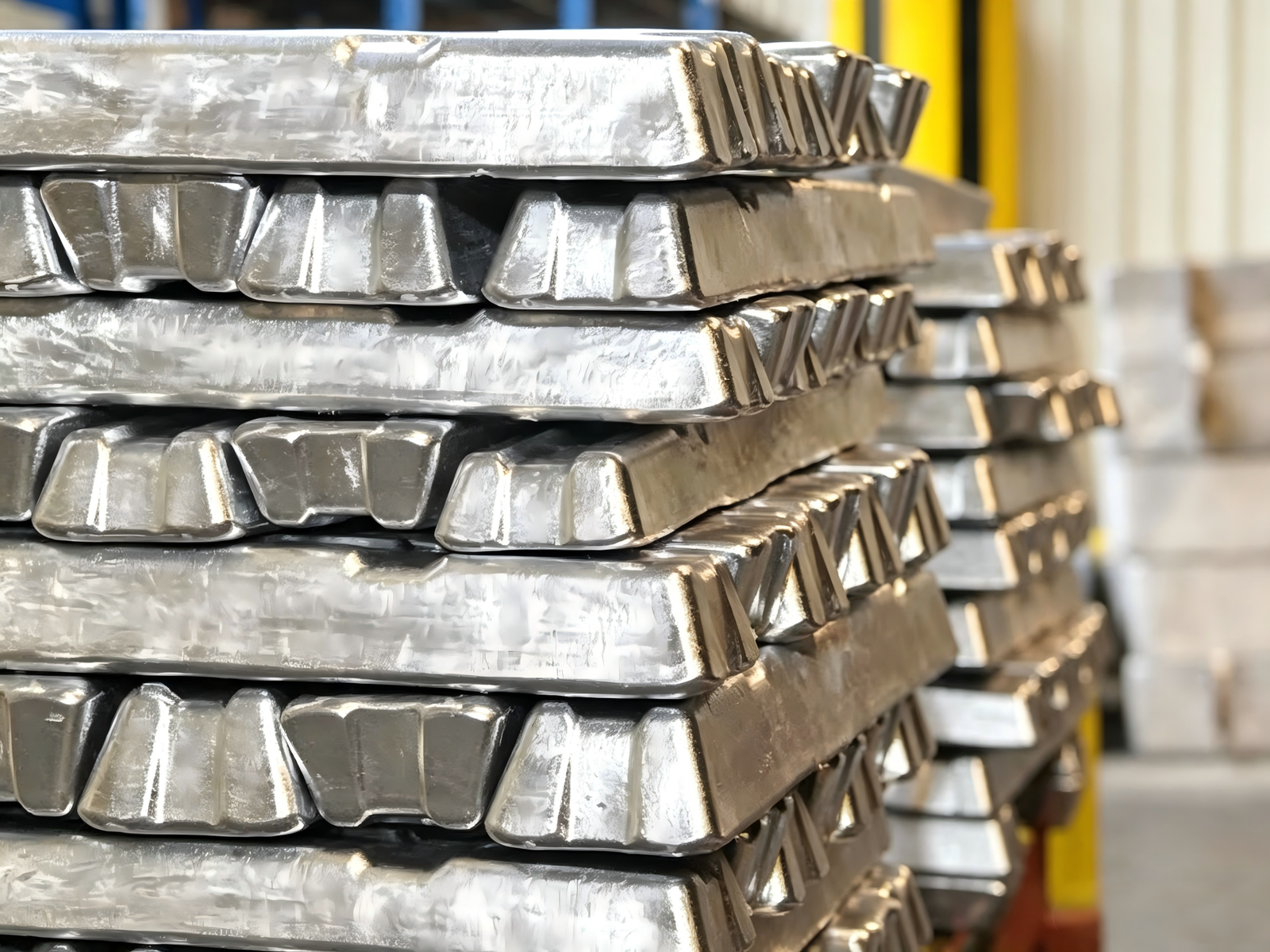
A liga de alumínio A413 é uma liga de fundição de alumínio com alto teor de silício desenvolvida especificamente para aplicações de fundição sob pressão. Pertence à Associação do Alumínio (AA) 4série xx.x, onde o silício é o principal elemento de liga.
A liga é reconhecida por sua excelente capacidade de preenchimento de moldes, tornando-o ideal para a fabricação de geometrias complexas que seriam difíceis de produzir usando muitas outras ligas de alumínio.
Ao contrário das ligas de alumínio forjado usadas para extrusão ou usinagem, O A413 foi projetado para ter um desempenho excepcionalmente bom durante a fundição. Sua alta fluidez permite que o metal fundido preencha rapidamente seções de paredes finas, minimizando defeitos de fundição, como fechamentos a frio, erros de execução, e contração porosidade.
Padrões e especificações da liga de alumínio A413
Dependendo do país ou indústria, A liga de alumínio A413 pode ser especificada sob diferentes padrões.
| Padrão | Designação |
| Associação de Alumínio (AA) | A413.0 |
| NÓS | A04130 |
| ASTM | ASTM B85 |
| SAE | Comumente referenciado em peças fundidas automotivas |
| ISO | Usado em padrões internacionais de fundição de alumínio |
Os fabricantes frequentemente certificam peças fundidas A413 de acordo com as especificações do cliente em indústrias como a automotiva, eletrônicos, telecomunicações, e automação industrial.
Composição Química do Alumínio A413
As excelentes características de fundição do A413 resultam de sua composição química cuidadosamente equilibrada.
| Elemento | Conteúdo típico (%) |
| Silício (E) | 11.0 – 13.0 |
| Ferro (Fé) | ≤0,80 |
| Cobre (Cu) | ≤0,10 |
| Magnésio (mg) | ≤0,10 |
| Zinco (Zn) | ≤0,10 |
| Manganês (Mn) | ≤0,35 |
| Níquel (Em) | ≤0,05 |
| Estanho (Sn) | ≤0,05 |
| Alumínio (Al) | Equilíbrio |
Alumínio (Al)
O alumínio forma o metal base e fornece baixa densidade, resistência à corrosão, e excelente reciclabilidade.
Silício (E)
O silício é o elemento de liga mais importante.
Seus benefícios incluem:
Excelente fluidez de fundição
Encolhimento reduzido
Melhor resistência ao desgaste
Melhor estabilidade dimensional
Menor tendência para trincas a quente
O teor relativamente alto de silício é a principal razão pela qual o A413 tem um desempenho excepcionalmente bom na fundição sob pressão..
Ferro (Fé)
O ferro evita a soldagem entre o alumínio fundido e as matrizes de aço, melhorando a vida da morte. Excesso de ferro, no entanto, pode reduzir a ductilidade.
Cobre (Cu)
O cobre aumenta a resistência, mas pode reduzir ligeiramente a resistência à corrosão se estiver presente em grandes quantidades. Portanto, A413 limita o teor de cobre.
Magnésio (mg)
Pequenas quantidades de magnésio contribuem para a resistência mecânica, mantendo uma boa moldabilidade.
Manganês, Zinco, Níquel, e titânio
Esses elementos ajudam a refinar a estrutura do grão, melhorar a qualidade da fundição, e manter a estabilidade da liga durante a produção.
Propriedades físicas do alumínio A413
Compreender as propriedades físicas ajuda os engenheiros a determinar se o A413 é adequado para ambientes operacionais específicos.
| Propriedade | Valor típico |
| Densidade | 2.66 g/cm³ |
| Faixa de fusão | 570–630ºC |
| Condutividade térmica | 120–150 W/m·K |
| Condutividade elétrica | Aproximadamente 30% SIGC |
| Coeficiente de Expansão Térmica | 21–23 μm/m·°C |
| Calor Específico | 960 J/kg·K |
| Módulo Elástico | Aproximadamente 71 GPa |
Construção leve
Com uma densidade de aproximadamente um terço da do aço, A413 reduz significativamente o peso do produto sem sacrificar a integridade estrutural.
Isso o torna ideal para projetos automotivos e aeroespaciais leves.
Excelente condutividade térmica
A413 transfere eficientemente o calor de componentes críticos, tornando-se uma excelente escolha para:
Iluminação LED
Caixas eletrônicas
Carcaças de motor
Eletrônica de potência
Boa estabilidade dimensional
A baixa distorção térmica permite que os fabricantes produzam componentes altamente precisos com o mínimo de pós-usinagem.
Propriedades Mecânicas do Alumínio A413
As propriedades mecânicas reais variam dependendo do método de fundição, espessura da parede, e tratamento térmico.
Valores típicos incluem:
| Propriedade | Valor típico |
| Resistência à tração final | 220–290MPa |
| Força de rendimento | 110–150MPa |
| Alongamento | 2–5% |
| Dureza Brinell | 75–95 HB |
| Força de cisalhamento | Aproximadamente 170 MPa |
| Força de fadiga | Aproximadamente 95 MPa |
Estas propriedades tornam o A413 adequado para aplicações estruturais de resistência média, onde a precisão dimensional e a qualidade da fundição são mais importantes do que a resistência máxima à tração..
Principais características da liga de alumínio A413
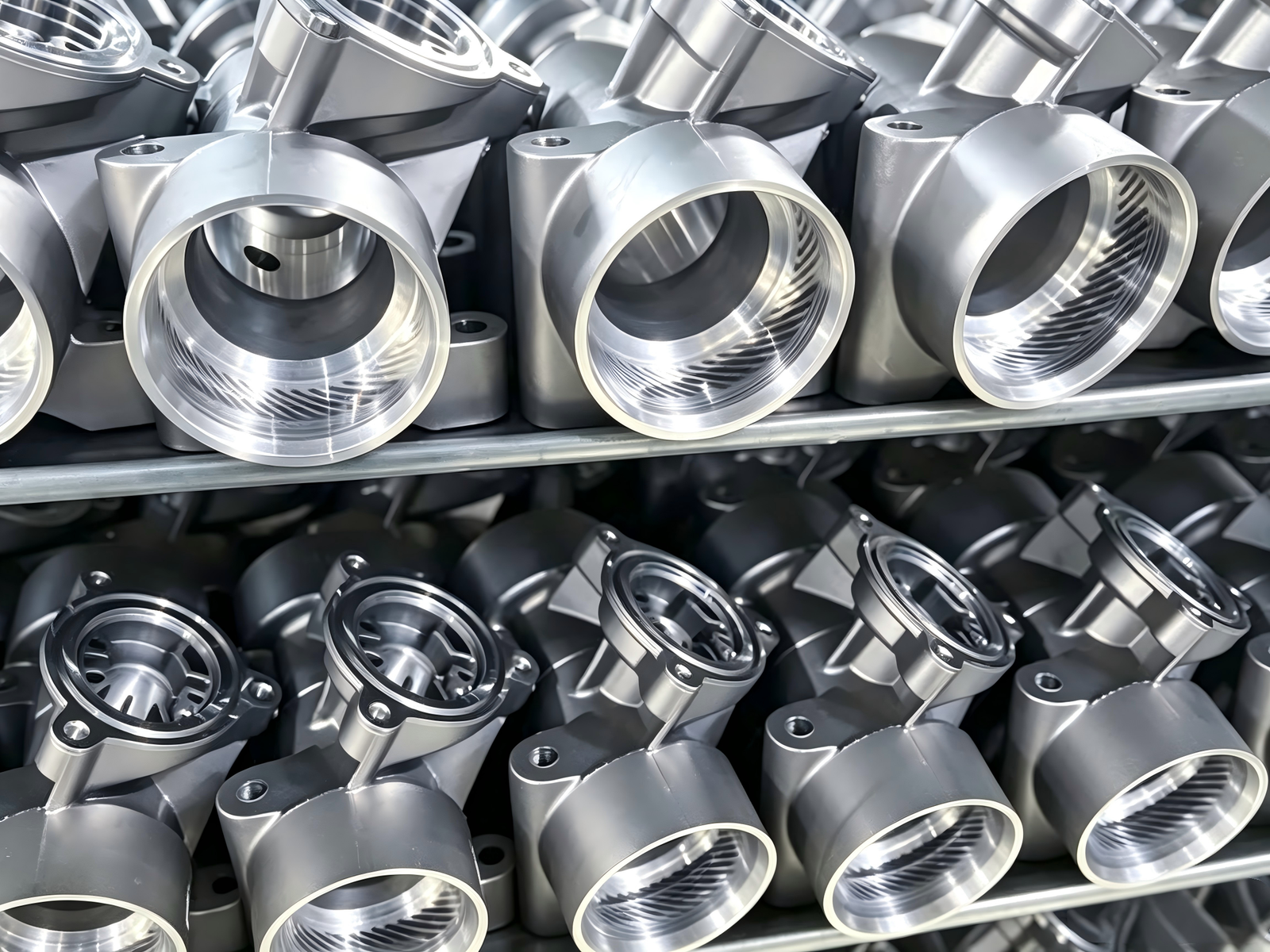
Castabilidade Excepcional
Um dos maiores motivos pelos quais os fabricantes escolhem o A413 é sua capacidade de fundição líder do setor.
O A413 fundido flui extremamente bem em cavidades de molde complexas, permitindo que os fabricantes produzam:
Fundições de parede fina
Passagens internas complexas
Detalhes finos da superfície
Tolerâncias dimensionais rigorosas
Componentes em formato quase líquido
Excelente fundibilidade também reduz os requisitos de usinagem, reduzindo custos de produção.
Excelente estanqueidade à pressão
A413 apresenta excelente resistência a vazamentos, tornando-o ideal para componentes que devem conter gases ou líquidos.
As aplicações típicas à prova de pressão incluem:
Corpos de válvulas hidráulicas
Carcaças de bomba
Peças do compressor de ar
Componentes de refrigeração
Sistemas de controle de fluidos
Sua capacidade de produzir denso, peças fundidas de baixa porosidade minimizam vazamentos e aumentam a confiabilidade a longo prazo.
Excelente resistência à corrosão
A413 forma naturalmente uma camada protetora de óxido quando exposto ao ar, ajudando a resistir à corrosão em muitos ambientes.
Ele tem um bom desempenho em:
Equipamento ao ar livre
Máquinas industriais
Produtos de consumo
Aplicações automotivas
Ambientes marinhos moderados
Para condições mais severas, tratamentos de superfície adicionais, como revestimento em pó ou conversão de cromato, podem melhorar ainda mais a proteção contra corrosão.
Alta condutividade térmica
O gerenciamento de calor é essencial em sistemas eletrônicos e automotivos modernos. A condutividade térmica do A413 o torna ideal para:
Dissipadores de calor LED
Carcaças de motor
Gabinetes de fonte de alimentação
Componentes de refrigeração da bateria
Unidade de controle eletrônico (ECU) alojamentos
A dissipação de calor eficiente ajuda a melhorar o desempenho do produto e prolongar a vida útil.
Leve, mas durável
A413 combina baixo peso com resistência mecânica suficiente para uma ampla gama de aplicações.
Comparado com componentes de aço, peças fundidas de alumínio podem reduzir o peso em até 60–70%, contribuindo para:
Melhor eficiência de combustível
Custos de transporte mais baixos
Instalação mais fácil
Consumo de energia reduzido
Excelente acabamento superficial
Devido à sua capacidade superior de preenchimento de moldes, A413 produz superfícies de fundição suaves com replicação de detalhes finos.
Isto reduz as operações de acabamento secundário e melhora a aparência dos produtos acabados.
Vantagens da liga de alumínio A413
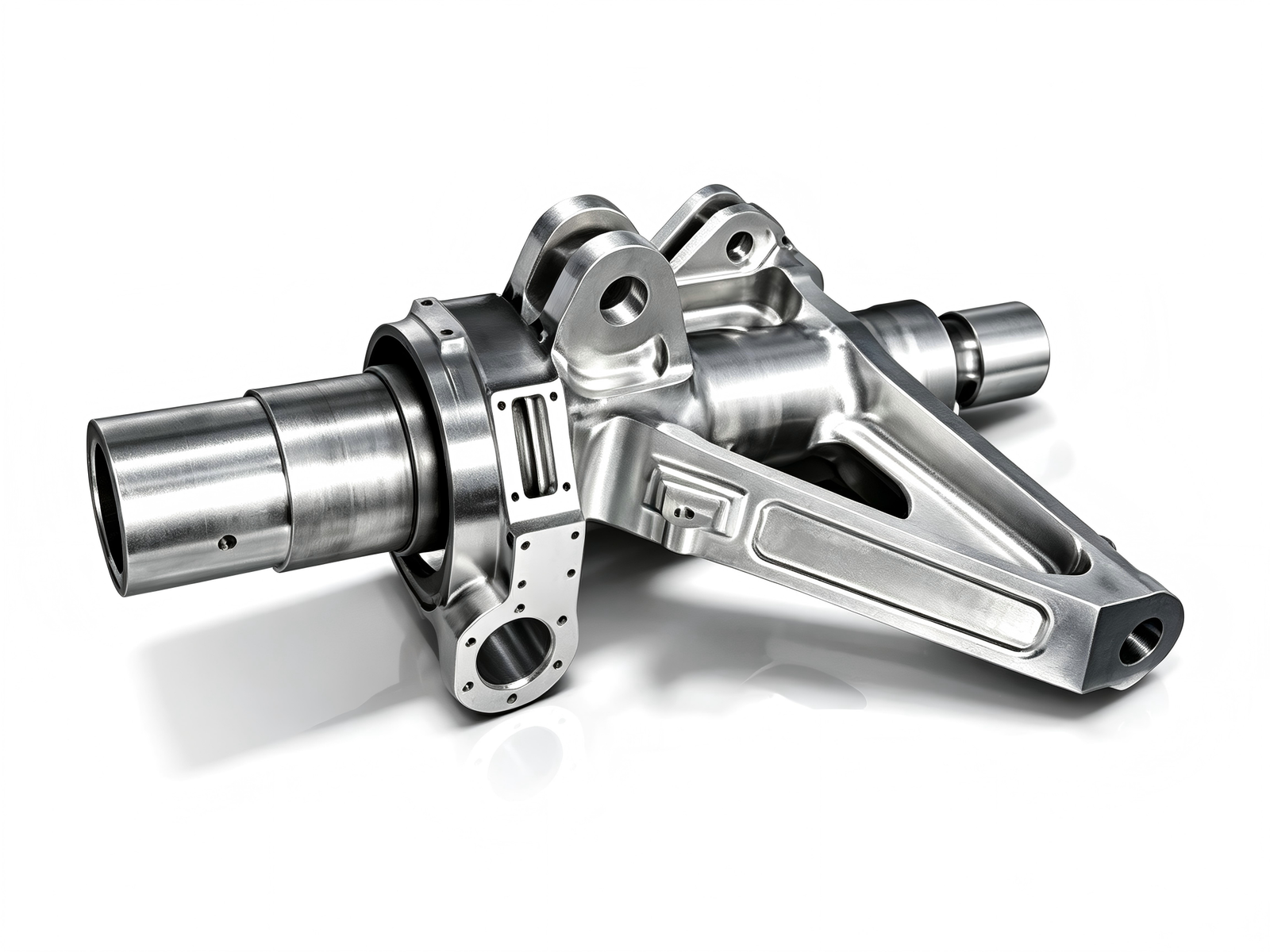
A seleção do material certo impacta diretamente a eficiência da fabricação, desempenho do produto, e custos de produção. A liga de alumínio A413 oferece diversas vantagens que a tornam a escolha preferida para projetos de fundição sob pressão de alto volume.
1. Castabilidade Superior
A413 é mais conhecido por seu excelente desempenho de fundição.
Seu alto teor de silício permite que o alumínio fundido flua suavemente nas intrincadas cavidades do molde antes de solidificar., permitindo que os fabricantes produzam peças com:
Paredes finas
Costelas profundas
Pequenos buracos
Canais internos complexos
Cantos afiados
Detalhes finos da superfície
Comparado com muitas outras ligas de alumínio, A413 reduz significativamente a probabilidade de defeitos de fundição, como:
Fechamento a frio
Erros de execução
Cavidades de contração
Aprisionamento de ar
Imperfeições superficiais
Para fabricantes que produzem peças fundidas sob pressão de precisão, isso se traduz em rendimentos mais elevados, menos sucata, e menores custos de produção.
2. Excelente estanqueidade à pressão
Fundições estanques à pressão são essenciais para componentes que transportam ar, óleo, água, ou fluidos hidráulicos.
Graças à sua excelente fluidez e porosidade reduzida, A413 é amplamente utilizado em aplicações sensíveis a vazamentos, como:
Corpos de válvulas hidráulicas
Carcaças de bomba
Componentes do compressor de ar
Tampas da bomba de óleo
Compressores de refrigeração
Sistemas de controle de fluidos
Quando combinado com o design adequado da matriz e a tecnologia de fundição sob pressão a vácuo, A413 pode produzir peças fundidas excepcionalmente densas com vazamento mínimo.
3. Excelente resistência à corrosão
Como a maioria das ligas de alumínio, A413 forma naturalmente uma fina camada de óxido que o protege da corrosão atmosférica.
Esta película protetora torna o A413 adequado para:
Equipamento ao ar livre
Máquinas industriais
Equipamento agrícola
Eletrônica de consumo
Componentes automotivos
Tratamentos adicionais, como revestimento em pó, anodização (onde aplicável), ou o revestimento de conversão de cromato pode melhorar ainda mais a resistência à corrosão em ambientes exigentes.
4. Leve sem sacrificar o desempenho
A redução de peso tornou-se cada vez mais importante em indústrias como a automotiva, aeroespacial, e robótica.
A substituição do aço pela liga de alumínio A413 pode reduzir o peso do componente em até 65%, contribuindo para:
Melhor economia de combustível
Menores emissões de carbono
Manuseio mais fácil
Custos de envio reduzidos
Maior eficiência do equipamento
Apesar de seu peso leve, A413 ainda fornece resistência suficiente para muitas aplicações estruturais e mecânicas.
5. Excelente condutividade térmica
O gerenciamento de calor é fundamental nos veículos eletrônicos e elétricos atuais.
A413 transfere eficientemente o calor para longe de componentes sensíveis, tornando -o ideal para:
Caixas de iluminação LED
Afotos de calor
Gabinetes de fonte de alimentação
Carcaças de motores elétricos
Sistemas de refrigeração de bateria
Unidades de controle eletrônico (ECUs)
A boa condutividade térmica melhora a confiabilidade do produto e prolonga a vida útil.
6. Econômico para produção em massa
A fundição sob pressão é um dos métodos de fabricação mais eficientes para produzir grandes quantidades de componentes idênticos.
Porque o A413 lança facilmente, os fabricantes se beneficiam:
Tempos de ciclo curtos
Maior vida útil
Usinagem reduzida
Alta repetibilidade
Excelente consistência dimensional
Estas vantagens tornam o A413 particularmente econômico para médios- e produção em alto volume.
Limitações da liga de alumínio A413
Embora o A413 ofereça inúmeros benefícios, não é a solução ideal para todas as aplicações.
Compreender suas limitações ajuda os engenheiros a escolher o material mais apropriado.
Menor resistência mecânica do que algumas ligas de alumínio
Embora o A413 forneça resistência adequada para muitas aplicações, ligas como A380 ou A357 geralmente oferecem maior resistência à tração.
Aplicações que envolvem cargas estruturais pesadas podem exigir materiais mais resistentes.
Tratabilidade Térmica Limitada
Ao contrário de algumas ligas de alumínio fundido, O A413 não é comumente selecionado quando um tratamento térmico extensivo é necessário para atingir propriedades mecânicas máximas.
Se alta resistência após o tratamento térmico for essencial, outras ligas de fundição podem ser mais adequadas.
Não é ideal para soldagem
O alto teor de silício que confere ao A413 sua excelente fundibilidade também torna a soldagem mais desafiadora.
A maioria dos componentes do A413 são projetados como peças fundidas completas, em vez de conjuntos soldados..
Resistência moderada ao desgaste
Para aplicações que envolvem contato contínuo metal-metal, tratamentos de superfície adicionais ou inserções resistentes ao desgaste podem ser necessários.
Exemplos incluem:
Assentos de rolamento
Mecanismos deslizantes
Componentes de máquinas de alta fricção
A413 vs outras ligas de fundição sob pressão de alumínio
A seleção de materiais geralmente se resume à comparação de várias ligas de alumínio.
Abaixo estão as comparações mais comuns.
A413 versus A380 Alumínio
A380 é considerada a liga de fundição sob pressão de uso geral da indústria, enquanto o A413 é especializado em complexos, fundições estanques à pressão.
| Propriedade | A413 | A380 |
| Castabilidade | Excelente | Muito bom |
| Fluidez | Excelente | Bom |
| Estanqueidade à Pressão | Excelente | Bom |
| Resistência à corrosão | Melhorar | Bom |
| Força mecânica | Moderado | Mais alto |
| Condutividade térmica | Melhorar | Moderado |
| Fundição em Parede Fina | Excelente | Muito bom |
| Custo | Semelhante | Semelhante |
Escolha A413 quando:
A resistência ao vazamento é crítica.
São necessárias peças de parede fina.
Excelente condutividade térmica é importante.
Geometrias complexas devem ser preenchidas completamente.
Escolha A380 quando:
É necessária maior resistência.
A fundição sob pressão de uso geral é suficiente.
Componentes estruturais automotivos estão sendo produzidos.
A413 versus ADC12
ADC12 é o padrão industrial japonês (Ele é) liga de fundição de alumínio comumente usada em toda a Ásia.
| Propriedade | A413 | ADC12 |
| Fluidez | Excelente | Muito bom |
| Força | Moderado | Mais alto |
| Resistência à corrosão | Melhorar | Bom |
| Estanqueidade à Pressão | Excelente | Bom |
| Maquinabilidade | Bom | Excelente |
| Dissipação de calor | Melhorar | Bom |
ADC12 é amplamente utilizado para componentes automotivos, enquanto o A413 é preferido quando a estanqueidade e a transferência de calor são prioridades.
A413 versus A360
A360 oferece resistência à corrosão e ductilidade superiores em comparação com A413.
| Propriedade | A413 | A360 |
| Castabilidade | Excelente | Bom |
| Resistência à corrosão | Excelente | Fora do comum |
| Força | Moderado | Mais alto |
| Custo | Mais baixo | Mais alto |
| Fundição em Parede Fina | Excelente | Bom |
A413 versus A383
O A383 é frequentemente selecionado quando são necessárias peças fundidas extremamente complexas.
Comparado com A383, Ofertas A413:
Melhor estanqueidade à pressão
Melhor resistência à corrosão
Melhor condutividade térmica
O A383 geralmente fornece melhor preenchimento de matrizes extremamente complicadas, mas resistência a vazamentos ligeiramente menor.
Processos de fabricação para alumínio A413
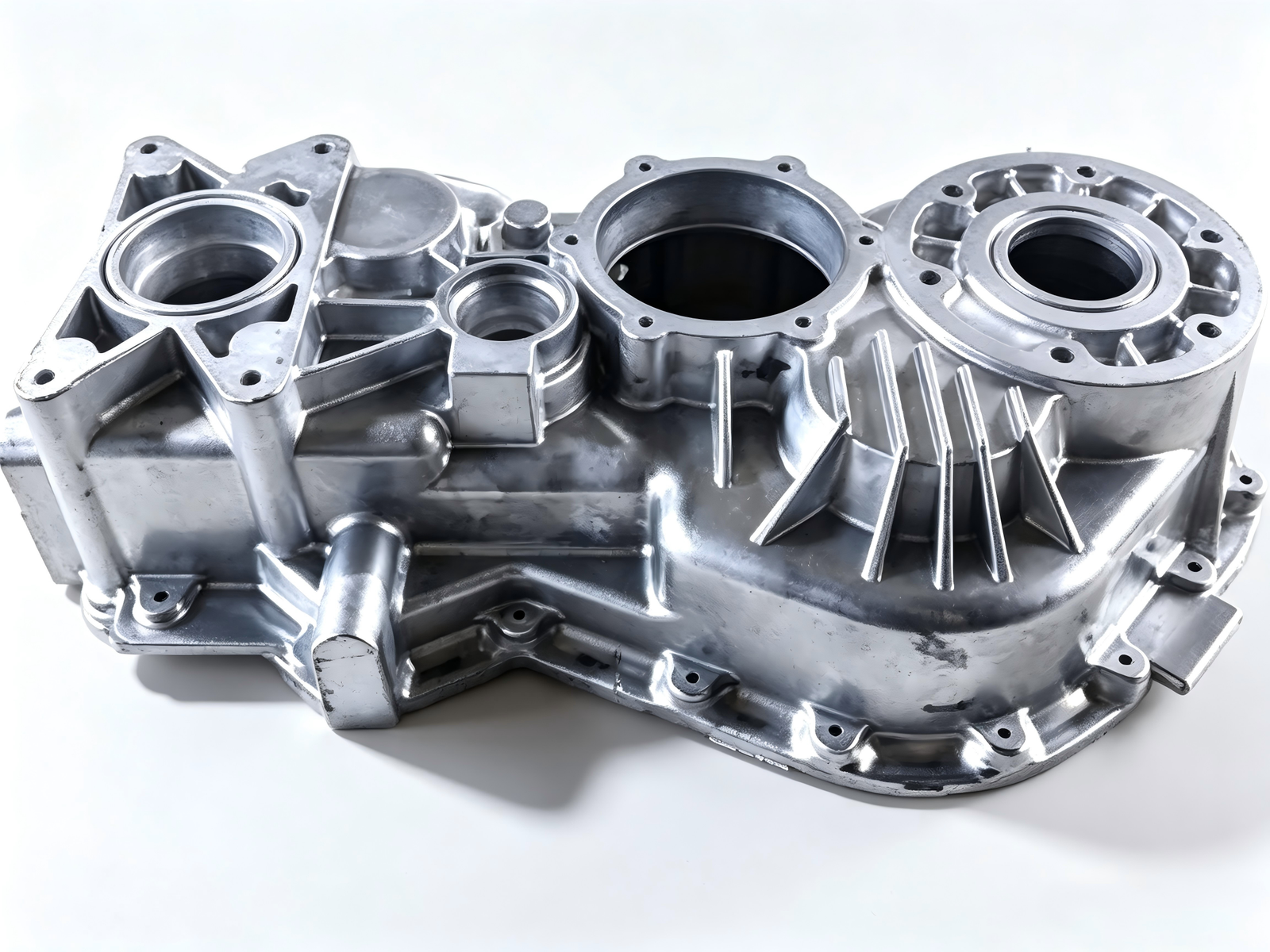
Vários métodos de fundição podem ser usados dependendo do volume de produção e dos requisitos dos componentes.
Fundição sob pressão de alta pressão (HPDC)
Este é de longe o método de fabricação mais comum para A413.
O alumínio fundido é injetado em matrizes de aço endurecido em alta velocidade e pressão.
Vantagens
Excelente precisão dimensional
Alta velocidade de produção
Acabamento superficial liso
Baixo custo de produção para grandes volumes
Excelente repetibilidade
Indústrias típicas incluem:
Automotivo
Eletrônica de consumo
Equipamento industrial
Eletrodomésticos
Fundição sob pressão a vácuo
A fundição assistida a vácuo remove o ar preso antes que o alumínio fundido entre na cavidade.
Os benefícios incluem:
Porosidade reduzida
Melhor estanqueidade à pressão
Propriedades mecânicas aprimoradas
Melhor acabamento superficial
A fundição sob pressão a vácuo é comumente usada para componentes de segurança automotiva e peças de veículos elétricos.
Fundição em Molde Permanente
A fundição em molde permanente é adequada para volumes médios de produção.
Comparado com fundição sob pressão, oferece:
Menor custo de ferramentas
Boas propriedades mecânicas
Melhor flexibilidade
Fundição por gravidade
A fundição por gravidade depende da gravidade em vez da pressão de injeção.
Although slower than HPDC, it is useful for:
Larger components
Lower production quantities
Simpler tooling
Usinagem CNC of A413 Aluminum
Although die cast parts are often produced near-net shape, secondary machining is frequently required.
As operações de usinagem comuns incluem:
Perfuração
Alargamento
Tocando
Fresamento de rosca
Typical machined features include:
Furos de precisão
Furos de rolamento
Furos roscados
Vedação de superfícies
Mounting faces
Thanks to its relatively soft aluminum matrix, A413 offers good machinability while maintaining dimensional accuracy.
Ferramentas de corte recomendadas
For best machining performance:
Carbide end mills
PCD (Diamante policristalino) ferramentas
Diamond-coated inserts
High-speed steel drills for light operations
Proper coolant application helps improve surface finish and extend tool life.
Opções de acabamento superficial
Surface treatment enhances appearance, resistência à corrosão, e desempenho de desgaste.
Revestimento em pó
Fornece:
Excelente resistência à corrosão
Aparência atraente
Ampla seleção de cores
Good weather resistance
Ideal for outdoor products and automotive components.
Revestimento de conversão de cromato
Often used before painting or powder coating.
Os benefícios incluem:
Improved corrosion protection
Better paint adhesion
Electrical conductivity retention
Tiro
Creates a uniform matte finish while removing flash and minor casting imperfections.
Commonly used before painting.
Jateamento de contas
Glass bead blasting creates a smooth satin appearance without removing excessive material.
Popular for:
Eletrônica de consumo
Equipamento médico
Componentes decorativos
Pintura
Industrial paints improve aesthetics and provide additional environmental protection.
Niquelagem eletrolítica
For components requiring:
Melhor resistência ao desgaste
Better corrosion protection
Dureza aprimorada
Aparência metálica atraente
Refinamento de superfície CNC
Critical sealing surfaces may undergo precision machining after casting to achieve tight flatness and surface roughness requirements.
Escolhendo o acabamento certo
| Acabamento de superfície | Primary Benefit | Aplicações Típicas |
| Revestimento em pó | Resistência à corrosão | Automotivo, Equipamento ao ar livre |
| Chromate Conversion | Paint adhesion | Componentes industriais |
| Tiro | Surface cleaning | General die cast parts |
| Jateamento de contas | Decorative finish | Eletrônicos, produtos de consumo |
| Níquel revestimento | Resistência ao desgaste | Máquinas industriais |
| Usinagem de Precisão | Tolerâncias apertadas | Hydraulic and sealing components |
Aplicações comuns da liga de alumínio A413
Thanks to its excellent castability, estanqueidade à pressão, resistência à corrosão, e condutividade térmica, A413 aluminum alloy is widely used across numerous industries. It is particularly well-suited for medium- to high-volume production of precision die-cast components.
Indústria automobilística
O setor automotivo é um dos maiores usuários da liga de alumínio A413. À medida que os fabricantes de veículos buscam produtos mais leves, mais eficiente em termos de combustível, e veículos cada vez mais elétricos, fundições de alumínio continuam a substituir componentes mais pesados de aço e ferro.
Aplicações automotivas comuns incluem:
Carcaças de transmissão
Carcaças da bomba de óleo
Corpos de bombas de água
Componentes do compressor de ar
Tampas do motor
Capas de cronometragem
Carcaças diferenciais
Componentes do sistema de combustível
Carcaças do sistema de freio
Carcaças de motores de veículos elétricos
A excelente resistência a vazamentos do A413 o torna particularmente adequado para componentes de manuseio de fluidos que exigem desempenho de vedação de longo prazo.
Veículos Elétricos (VEs)
Os veículos elétricos exigem materiais leves com excelente dissipação de calor.
A413 é cada vez mais utilizado para:
Placas de resfriamento de bateria
Carcaças do inversor
Gabinetes de eletrônica de potência
Componentes do sistema de carregamento
Tampas finais do motor elétrico
Coletores do sistema de refrigeração
Its combination of thermal conductivity and dimensional accuracy helps improve battery efficiency and electronic reliability.
Indústria de eletrônicos
Modern electronic devices generate significant heat. Effective thermal management directly affects product lifespan and performance.
Typical electronic applications include:
Afotos de calor
LED lamp housings
Gabinetes de fonte de alimentação
Caixas de equipamentos de comunicação
Industrial controller enclosures
Server cooling components
Network equipment housings
Because A413 transfers heat efficiently while maintaining dimensional stability, it is widely used in electronic cooling applications.
Indústria aeroespacial
Although aerospace applications often require higher-strength alloys, A413 is commonly selected for non-critical structural components where lightweight construction and precision casting are priorities.
Exemplos incluem:
Carcaças de equipamentos
Sensor brackets
Instrument enclosures
Suportes de montagem
Hydraulic covers
Cabin equipment components
Its excellent corrosion resistance also helps improve long-term durability in challenging operating environments.
Maquinaria industrial
Industrial equipment manufacturers rely on A413 for components that combine complex geometry with high production efficiency.
Common industrial applications include:
Carcaças de bomba
Corpos de válvulas
Pneumatic cylinders
Carcaças de compressor
Tampas da caixa de velocidades
Coletores hidráulicos
Machine tool components
Automation equipment housings
The alloy’s superior castability enables manufacturers to consolidate multiple machined components into a single die-cast part, reducing assembly time and production costs.
Equipamento médico
Medical devices require lightweight, resistente à corrosão, and dimensionally stable components.
As aplicações típicas incluem:
Imaging equipment housings
Diagnostic device enclosures
Medical pump components
Laboratory instrument frames
Surface treatments such as powder coating or nickel plating are often applied to improve durability and appearance.
Produtos de consumo
Many everyday products incorporate A413 aluminum castings because they combine attractive surface finishes with excellent mechanical performance.
Exemplos incluem:
Ferramentas elétricas
Lawn and garden equipment
Aparelhos de cozinha
Coffee machines
Air compressors
Outdoor lighting fixtures
Fitness equipment
Home automation devices
FPerguntas frequentes
1. Para que é usada principalmente a liga de alumínio A413?
A413 is mainly used for high-pressure die cast components requiring excellent castability, leak resistance, e condutividade térmica. Common applications include automotive housings, gabinetes eletrônicos, bombas, compressores, e máquinas industriais.
2. O A413 é adequado para fundição sob pressão?
Sim. A413 is specifically developed for high-pressure die casting and is widely recognized for its outstanding mold-filling capability and dimensional accuracy.
3. Como o A413 se compara ao alumínio A380?
A413 offers better fluidity, estanqueidade à pressão, e condutividade térmica, making it ideal for complex, leak-sensitive components. A380 generally provides higher mechanical strength and is a popular choice for general-purpose die castings.
4. O alumínio A413 pode ser usinado CNC?
Sim. A413 can be machined using standard CNC milling, girando, perfuração, and tapping processes. Secondary machining is commonly used to achieve precise dimensions, superfícies de vedação, and threaded features.
5. O A413 é resistente à corrosão?
Sim. A413 has good natural corrosion resistance due to its protective oxide layer. Additional surface treatments such as powder coating, chromate conversion coating, or electroless nickel plating can further improve performance in harsh environments.
6. O A413 pode ser anodizado?
Traditional decorative anodizing is generally not recommended because the alloy’s high silicon content can result in a darker, uneven finish. If appearance is important, revestimento em pó, pintura, or chemical conversion coatings are often better alternatives.
7. Qual é a principal vantagem do A413 sobre outras ligas de fundição sob pressão?
Its greatest advantage is exceptional castability. The high silicon content allows molten metal to fill complex dies with minimal defects, making A413 ideal for thin-walled, pressure-tight, and highly detailed components.
8. O A413 é adequado para componentes de veículos elétricos??
Sim. Its lightweight structure and excellent thermal conductivity make A413 well-suited for EV battery housings, gabinetes de inversor, motor components, e cooling system parts.
9. Quais acabamentos de superfície são comumente usados em peças fundidas A413?
Common finishing options include:
Revestimento em pó
Pintura
Revestimento de conversão de cromato
Jateamento de contas de vidro
Tiro
Plaada de níquel com eletricidade
Precision CNC machining for sealing surfaces
The appropriate finish depends on the component’s functional and aesthetic requirements.
10. Como posso melhorar a qualidade das peças fundidas sob pressão A413?
High-quality A413 castings depend on several factors:
Optimized part design
Proper die design and venting
Controlled casting parameters
High-quality alloy material
Vacuum die casting (when appropriate)
Experienced tooling and manufacturing partners
Comprehensive quality inspection throughout production
Working closely with an experienced die casting manufacturer during the design phase can significantly reduce defects and improve overall product performance.
Conclusão
Compared with general-purpose die casting alloys, A413 excels in applications requiring intricate geometries, thin-wall sections, and reliable sealing performance. While it may not offer the highest mechanical strength among aluminum casting alloys, its superior castability and manufacturing efficiency often make it the most cost-effective solution for medium- e produção em alto volume.
Selecting the right alloy is only part of the equation. Success also depends on optimized product design, ferramentas de precisão, advanced die casting processes, and rigorous quality control.
Faça parceria com a TOPS Precision para fundição sob pressão de alumínio A413 personalizada
No Tops de precisão, we specialize in high-quality fundição de alumínio solutions tailored to your exact requirements. From design-for-manufacturing (DFM) support and precision mold development to CNC machining, acabamento da superfície, and full assembly, our experienced engineering team delivers reliable, cost-effective components for demanding industries worldwide.
Whether you need prototype development or high-volume production, we are committed to providing consistent quality, preços competitivos, and fast turnaround times.
Contact TOPS Precision today to discuss your A413 aluminum die casting project and receive a fast, no-obligation quotation from our engineering team.


