



Peças de corrida CNC desempenhar um papel crítico. A moderna tecnologia de usinagem CNC permite que os fabricantes produzam peças leves, componentes de alta resistência com excepcional precisão dimensional e repetibilidade. Comparado com métodos de fabricação tradicionais, Usinagem CNC oferece qualidade superior, prototipagem mais rápida, e maior flexibilidade de design, tornando-o a solução preferida tanto para equipes de corrida profissionais quanto para construtores de veículos de desempenho personalizado.
Neste guia, você aprenderá tudo sobre peças de corrida CNC, incluindo seus materiais, processos de fabricação, aplicações, benefícios, e como selecionar o parceiro de usinagem CNC certo para seu próximo projeto de automobilismo.
O que são peças de corrida CNC?
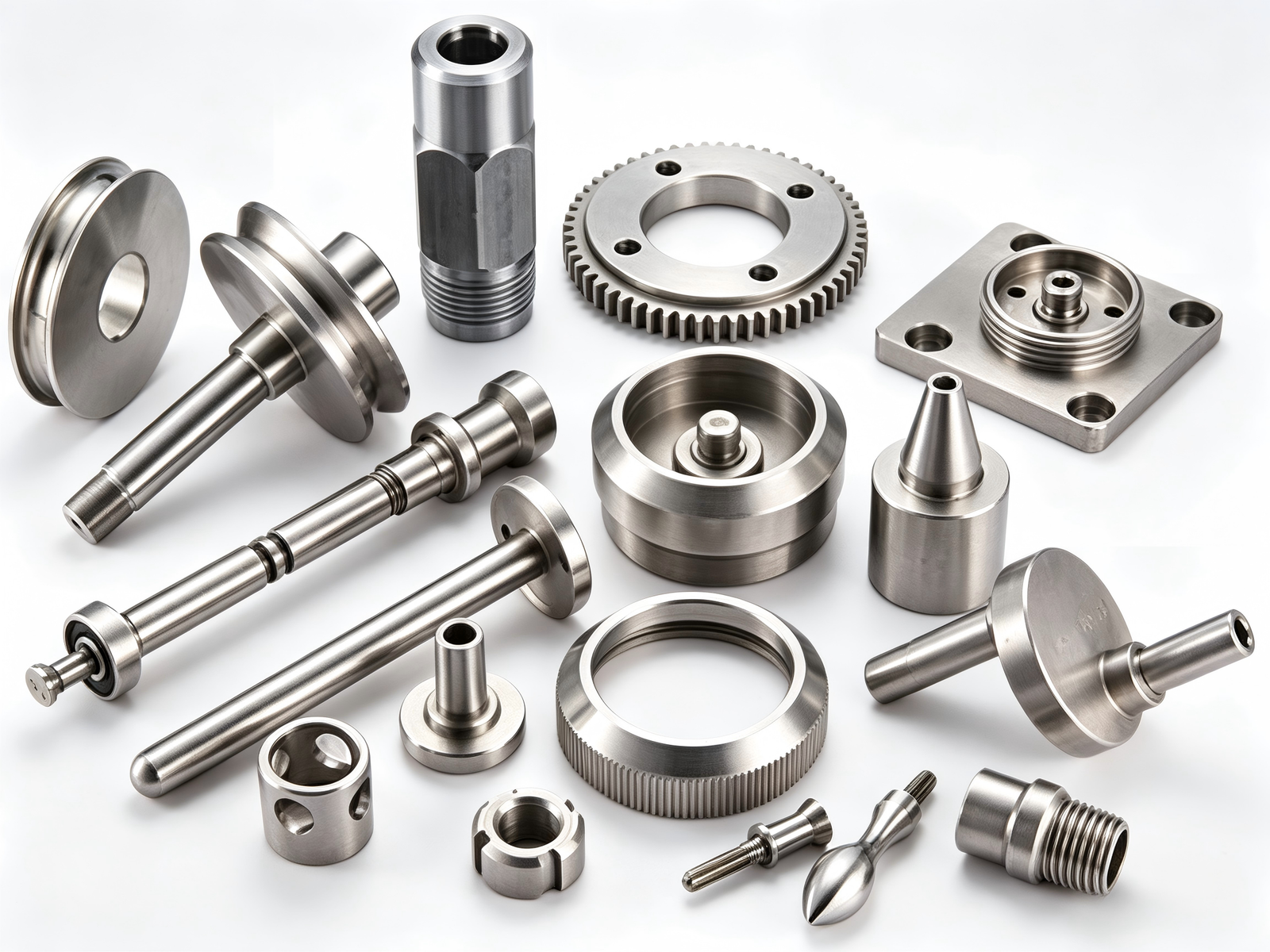
As peças de corrida CNC são componentes automotivos de engenharia de precisão fabricados usando Controle Numérico Computadorizado (CNC) usinagem. Ao contrário das peças fundidas ou estampadas, Componentes usinados em CNC são produzidos removendo material de um tarugo sólido de metal ou plástico de acordo com programas CAD/CAM digitais de alta precisão.
Estas peças são projetadas especificamente para veículos de alto desempenho onde a precisão, força, Redução de peso, e confiabilidade são essenciais. Porque os veículos de corrida operam sob cargas significativamente maiores, temperaturas, e níveis de vibração do que os carros de estrada padrão, cada componente deve atender a rigorosos requisitos de engenharia.
Materiais comuns usados para peças de corrida CNC
A seleção de materiais influencia diretamente o desempenho, durabilidade, e peso dos componentes de corrida. Diferentes aplicações requerem diferentes combinações de resistência, resistência à corrosão, maquinabilidade, e estabilidade térmica.
Ligas de alumínio
O alumínio continua sendo o material mais popular para peças de corrida CNC porque oferece um excelente equilíbrio entre peso, força, e custo.
As notas populares incluem:
6061 Alumínio
Vantagens:
Excelente usinabilidade
Boa resistência à corrosão
Custo acessível
Anodização fácil
Formulários:
Suportes
Coletores de admissão
Tampas do motor
Suportes de suspensão
7075 Alumínio
Muitas vezes referido como alumínio aeroespacial, 7075 oferece resistência significativamente maior do que 6061.
Vantagens:
Excelente relação resistência-peso
Excelente resistência à fadiga
Leve
Alta rigidez
Formulários:
Braços de suspensão
Juntas de direção
Pedais de corrida
Cubos de roda
Componentes do chassi
Ligas de titânio
O titânio é amplamente utilizado no automobilismo profissional devido à sua excepcional resistência e baixo peso.
A nota mais comum é Ti-6Al-4V (Nota 5 Titânio).
Os benefícios incluem:
Extremamente alta resistência
Baixa densidade
Excelente resistência à corrosão
Resistência a altas temperaturas
Longa vida à fadiga
As aplicações típicas incluem:
Bielas
Componentes de escape
Fixadores
Hardware de suspensão
Pistões de freio
Embora o titânio seja mais caro de usinar do que o alumínio, suas vantagens de desempenho muitas vezes justificam o investimento em corridas competitivas.
Aço inoxidável
O aço inoxidável é selecionado para componentes que exigem excelente resistência ao desgaste e proteção contra corrosão.
As notas populares incluem:
304
316
17-4PH
As aplicações incluem:
Eixos
Acessórios de freio
Conectores do sistema de combustível
Componentes hidráulicos
Fixadores
17-4O aço inoxidável PH é particularmente valorizado porque combina excelente resistência à corrosão com alta resistência mecânica após tratamento térmico.
Liga de aço
Aços-liga de alta resistência são comumente usados em componentes de transmissão e motor sujeitos a cargas pesadas.
Exemplos incluem:
4140
4340
8620
Esses materiais fornecem:
Excelente dureza
Alta força de fadiga
Resistência superior ao impacto
As aplicações típicas incluem:
Engrenagens
Eixos de acionamento
Eixos
Componentes diferenciais
Virabrequins
Plastics de engenharia
Nem todos os componentes de corrida precisam ser feitos de metal.
Plásticos de engenharia avançados são amplamente utilizados porque reduzem o peso e oferecem excelente resistência ao desgaste.
Os materiais populares incluem:
OLHADINHA
Resistência a altas temperaturas
Resistência química
Baixa fricção
Delrin (POM)
Excelente estabilidade dimensional
Usinagem fácil
Boa resistência ao desgaste
Nylon
Leve
Econômico
Boa resistência ao impacto
As aplicações típicas incluem:
Buchas
Espaçadores
Guias de cabos
Retentores de rolamento
Componentes de isolamento elétrico
Comparação de materiais
| Material | Peso | Força | Resistência à corrosão | Aplicações típicas de corrida |
| 6061 Alumínio | Muito leve | Médio | Excelente | Suportes, tampas do motor |
| 7075 Alumínio | Muito leve | Muito alto | Bom | Suspensão, direção |
| Grau de titânio 5 | Ultraleve | Extremamente alto | Excelente | Motor, suspensão, fixadores |
| Aço inoxidável | Médio | Alto | Excelente | Eixos, acessórios, peças de freio |
| 4140 Liga de aço | Pesado | Muito alto | Moderado | Engrenagens, eixos, virabrequins |
| OLHADINHA | Ultraleve | Médio | Excelente | Buchas, isoladores |
A seleção do material certo depende de vários fatores, incluindo metas de peso do veículo, cargas mecânicas, temperaturas de operação, exposição à corrosão, e orçamento. Um fornecedor experiente de usinagem CNC pode recomendar o material mais adequado com base em suas metas de desempenho e requisitos de aplicação.
Tipos de peças de corrida CNC
Os veículos de corrida contêm centenas de componentes usinados com precisão. No entanto, várias categorias têm o maior impacto no desempenho, confiabilidade, e manuseio.
Componentes do motor
O motor é o coração de qualquer carro de corrida, e a usinagem CNC é amplamente utilizada para produzir peças críticas de motores com tolerâncias extremamente restritas.
Componentes comuns de motores usinados em CNC incluem:
Cabeças de cilindro
Pistons
Bielas
Corpos de borboleta
Coletores de admissão
Tampas de válvula
Suportes de árvore de cames
A usinagem de precisão melhora a eficiência da combustão, reduz o atrito, e melhora o fornecimento de energia. Em motores de corrida turboalimentados, Os componentes de admissão e exaustão usinados em CNC também ajudam a otimizar o fluxo de ar e o gerenciamento térmico.
Componentes de transmissão
A transferência eficiente de potência é essencial para aceleração e tempos de volta. A usinagem CNC permite a produção de componentes de transmissão altamente precisos.
As peças de transmissão típicas incluem:
Conjuntos de engrenagens
Garfos de mudança
Cubos de embreagem
Volantes
Carcaças diferenciais
Esses componentes devem suportar cargas de choque repetidas enquanto mantêm o engate preciso das marchas sob condições extremas de RPM.
Componentes de suspensão
A geometria da suspensão afeta diretamente o desempenho nas curvas e o contato dos pneus. A usinagem CNC permite que os fabricantes produzam peças de suspensão leves, porém rígidas.
Exemplos comuns incluem:
Controlar os braços
Juntas de direção
Verticalidades
Espaçadores de roda
Suportes de amortecedor
Ligas de alumínio de alta resistência, como 7075 são frequentemente usados para minimizar o peso não suspenso, preservando a integridade estrutural.
Componentes de freio
Os sistemas de freio sofrem enorme calor e pressão durante as corridas. A usinagem CNC garante alinhamento preciso e desempenho consistente.
Os componentes típicos do freio incluem:
Pinças de freio
Chapéus de freio
Adaptadores de rotor
Conjuntos de pedais
Suportes do cilindro mestre
A usinagem precisa ajuda a manter o contato uniforme das pastilhas e melhora a sensação de frenagem e a estabilidade.
Chassi e Componentes Estruturais
Os carros de corrida exigem vários suportes personalizados e peças de reforço que geralmente são produzidos em pequenos lotes.
Exemplos incluem:
Suportes de motor
Montagens de transmissão
Conectores de gaiola
Placas de reforço
Suportes de montagem de sensores
A usinagem CNC é ideal para esses trabalhos de baixo volume, componentes de alta precisão porque os custos de ferramentas permanecem relativamente baixos em comparação com fundição ou forjamento.
Componentes do sistema de refrigeração e combustível
A gestão térmica torna-se cada vez mais importante à medida que a potência do motor aumenta. Conexões e carcaças usinadas em CNC proporcionam características confiáveis de vedação e fluxo.
As partes comuns incluem:
Carcaças de bombas de água
Adaptadores para resfriador de óleo
Acessórios para radiador
Trilhos de combustível
Espaçadores de injetores
Acessórios AN
Hardware Aerodinâmico
O automobilismo moderno depende fortemente da eficiência aerodinâmica. Hardware usinado em CNC suporta componentes aerodinâmicos enquanto minimiza o peso.
As peças típicas incluem:
Suportes de asa
Suportes divisores
Suportes difusores
Montagens de duto de ar
Processos de usinagem CNC usados para peças de corrida
Diferentes componentes de corrida exigem diferentes tecnologias de usinagem dependendo de sua geometria, Requisitos de tolerância, e volume de produção.
Fresagem CNC
A fresagem CNC é o processo mais comum para peças de corrida. Ferramentas de corte rotativas removem material de uma peça estacionária para criar formas complexas.
Mais adequado para:
Blocos de motor
Braços de suspensão
Pinças de freio
Suportes de montagem
Torneamento CNC
O torneamento CNC é usado para componentes cilíndricos onde a peça gira enquanto a ferramenta de corte permanece estacionária.
Aplicações típicas:
Eixos
Cubos de roda
Espaçadores
Acessórios
5-Usinagem CNC de eixo
Componentes de corrida avançados geralmente contêm curvas e cortes complexos que não podem ser produzidos de forma eficiente com máquinas padrão de 3 eixos.
Vantagens da usinagem de 5 eixos:
Menos configurações
Maior precisão
Melhor acabamento superficial
Tempo de produção reduzido
5-a usinagem de eixos é amplamente utilizada para cabeçotes de cilindro, coletores de admissão, carcaças de turbina, e componentes de suspensão de estilo aeroespacial.
Fio EDM
A usinagem por descarga elétrica com fio é usada para perfis extremamente precisos e materiais duros.
Aplicações comuns incluem:
Perfis de engrenagem
Slots de precisão
Componentes de aço temperado
Moagem e Afiação
Após a usinagem primária, superfícies críticas podem ser retificadas ou afiadas para obter tolerâncias extremamente restritas e qualidade de superfície superior.
Usado para:
Diários do virabrequim
Lóbulos da árvore de cames
Superfícies de rolamento
Furos do cilindro
Acabamentos de superfície para peças de corrida CNC
O tratamento de superfície melhora a durabilidade, resistência à corrosão, e aparência.
| Terminar | Benefício principal |
| Anodização | Resistência à corrosão e opções de cores |
| Anodizando difícil | Melhor resistência ao desgaste |
| Níquel eletrolítico | Dureza uniforme e proteção contra corrosão |
| Óxido preto | Revestimento protetor de baixo brilho |
| Revestimento em pó | Acabamento decorativo durável |
| Polimento | Fricção reduzida e aparência melhorada |
| Bedia de contas | Textura fosca uniforme |
| Cerakote | Alta temperatura e resistência química |
Para aplicações de automobilismo, anodização dura e níquel sem eletrólito são particularmente populares porque fornecem excelente resistência ao desgaste sem adicionar peso significativo.
Na próxima seção, exploraremos aplicações de peças de corrida CNC em corridas de fórmula, Corrida, Corrida de arrancada, MotoGP, e EV Motorsport, junto com os benefícios de desempenho, considerações de design, e padrões de controle de qualidade que as equipes de corrida procuram ao selecionar um fornecedor de usinagem CNC.
Aplicações de peças de corrida CNC
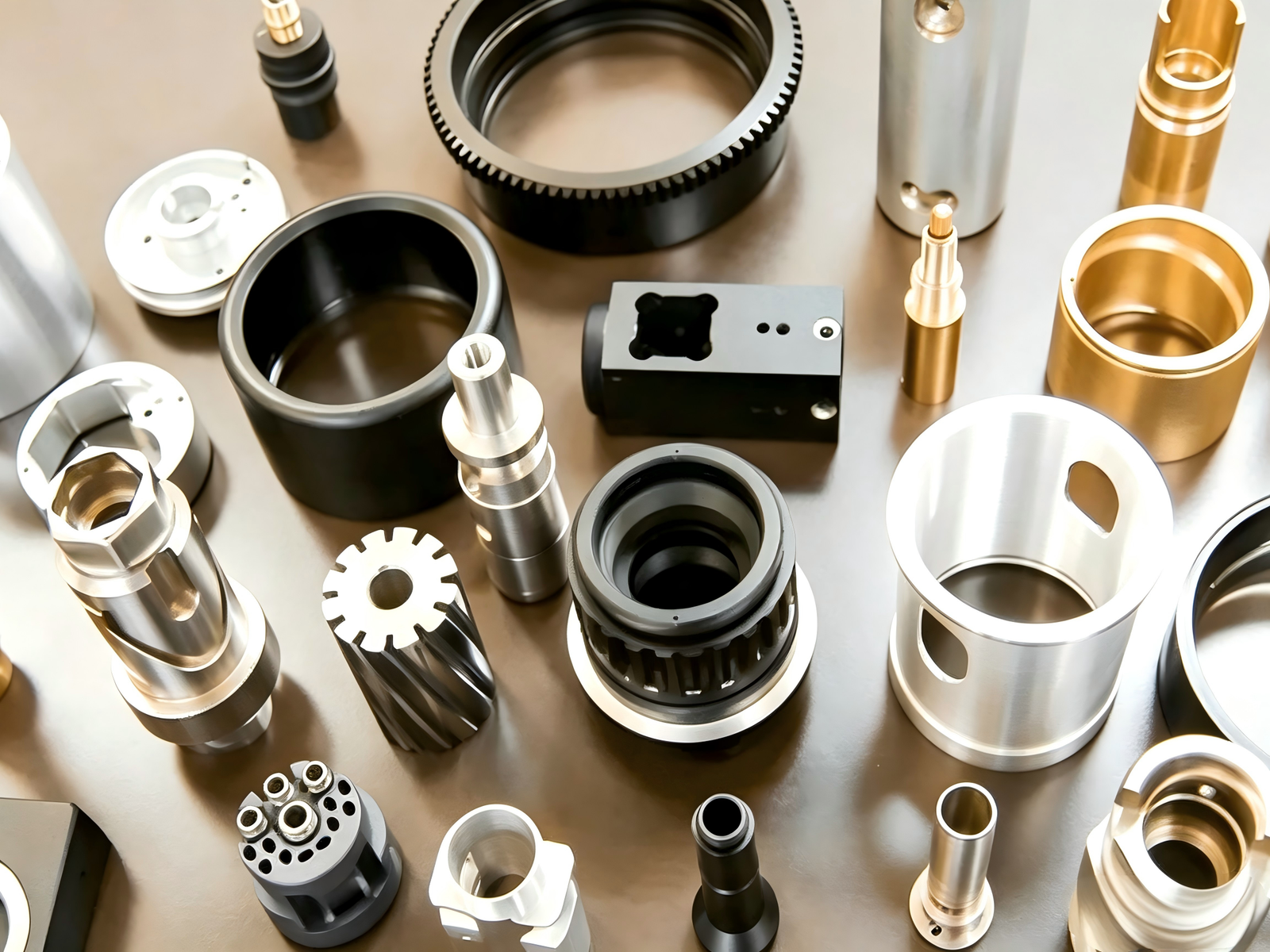
As peças de corrida CNC são usadas em quase todas as modalidades de automobilismo, onde a engenharia de precisão impacta diretamente a velocidade, manuseio, durabilidade, e segurança. À medida que a tecnologia das corridas avança, os fabricantes continuam a desenvolver produtos leves, componentes de alta resistência adaptados às demandas específicas de cada disciplina de corrida.
Corrida de Fórmula
As corridas de fórmula representam o mais alto nível de engenharia automotiva, onde mesmo a menor melhoria pode fazer uma diferença significativa nos tempos de volta.
A usinagem CNC é amplamente utilizada para fabricar:
Verticalidades de suspensão
Componentes de direção
Caixas da caixa de velocidades
Pinças de freio
Suportes do motor
Componentes do sistema de refrigeração
Hardware de montagem aerodinâmica
Porque os carros de corrida de Fórmula priorizam a construção leve e a eficiência aerodinâmica, a maioria dos componentes é usinada em alumínio ou titânio de grau aeroespacial. A usinagem CNC de cinco eixos permite que os engenheiros produzam geometrias altamente complexas que maximizam a resistência e minimizam o peso.
GT e corridas de carros de turismo
Os veículos de corrida GT são projetados para resistência, exigindo componentes que possam suportar longas horas de operação em alta velocidade.
Peças usinadas CNC comuns incluem:
Coletores de admissão
Chapéus de freio
Cubos de roda
Carcaças diferenciais
Componentes de suspensão ajustáveis
Polias de motor leves
Peças usinadas com precisão melhoram a confiabilidade do veículo e reduzem a manutenção durante corridas de resistência.
Corrida de rali
Carros de rally enfrentam terrenos acidentados, impactos frequentes, lama, cascalho, e variações extremas de temperatura.
Como resultado, os componentes de corrida devem equilibrar o design leve com durabilidade excepcional.
As peças típicas de corrida CNC incluem:
Braços de suspensão reforçados
Juntas de direção
Montagens de placas antiderrapantes
Componentes diferenciais
Suportes de freio para serviços pesados
Hardware de proteção do motor
Os fabricantes geralmente selecionam ligas de alumínio de alta resistência ou aço cromolítico para garantir que essas peças sobrevivam às exigentes condições off-road.
Corrida de arrancada
A corrida de arrancada se concentra na aceleração máxima em uma curta distância. Cada componente deve suportar tremendo torque e potência do motor.
Componentes frequentemente usinados incluem:
Cabeças de cilindro de tarugo
Pistões personalizados
Bielas
Volantes
Engrenagens de transmissão
Cubos de embreagem
Garfos do eixo de transmissão
A usinagem CNC permite que esses componentes atinjam o equilíbrio perfeito, reduzindo a vibração em velocidades extremamente altas do motor.
Corrida de moto
Motocicletas de alto desempenho exigem componentes leves sem sacrificar a resistência.
As peças comuns de corrida de motocicletas CNC incluem:
Grampos triplos
Rearsets
Alavancas de freio
Alavancas de embreagem
Pedaleiras
Ajustadores de corrente
Grampos de guiador
Muitas peças de desempenho de motocicletas de reposição são usinadas em CNC porque os motociclistas exigem melhor ergonomia, durabilidade, e estética.
Corridas off-road e no deserto
As corridas off-road colocam enorme estresse nos componentes da suspensão e do chassi.
Os fabricantes produzem peças CNC, como:
Suportes de suspensão
Espaçadores de roda
Conjuntos de cubo
Montagens de choque
Braços de direção reforçados
Esses componentes devem resistir a impactos repetidos, mantendo o alinhamento preciso durante toda a corrida.
Veículos elétricos de corrida (Automobilismo EV)
As corridas elétricas são um dos setores que mais crescem no automobilismo. Embora os veículos elétricos eliminem muitos componentes tradicionais do motor, eles introduzem novos desafios de engenharia.
A usinagem CNC apoia corridas de veículos elétricos por meio da fabricação precisa de:
Componentes do gabinete da bateria
Carcaças de motor
Placas de resfriamento
Afotos de calor
Carcaças do inversor
Componentes leves do chassi
À medida que a tecnologia das baterias continua a evoluir, A usinagem CNC continuará sendo essencial para a produção de produtos leves, componentes termicamente eficientes que maximizam o desempenho do veículo.
Vantagens das peças de corrida CNC
A escolha de componentes de corrida usinados em CNC oferece vantagens significativas em relação aos fundidos, carimbado, ou alternativas fabricadas convencionalmente.
Precisão excepcional
Veículos de alto desempenho exigem componentes que se encaixem perfeitamente.
A usinagem CNC atinge rotineiramente tolerâncias dentro ± 0,005 mm, reduzindo erros de montagem e garantindo uma operação mecânica suave.
Peças precisas também melhoram:
Engajamento de engrenagem
Alinhamento de rolamento
Desempenho do freio
Eficiência do motor
Peso reduzido do veículo
A redução de peso continua sendo uma das maneiras mais eficazes de melhorar o desempenho nas corridas.
A usinagem CNC permite que os engenheiros removam materiais desnecessários, mantendo a resistência estrutural.
Os benefícios incluem:
Aceleração mais rápida
Distâncias de travagem mais curtas
Curvas melhoradas
Melhor eficiência de combustível
Desgaste reduzido dos pneus
Resistência Mecânica Melhorada
Os componentes usinados em tarugo geralmente superam as peças fundidas porque são produzidos a partir de material sólido com uma estrutura de grão mais uniforme.
As vantagens incluem:
Maior resistência à tração
Melhor resistência à fadiga
Maior resistência ao impacto
Vida útil mais longa
Isto é especialmente valioso para o sistema de transmissão, suspensão, e componentes do motor sujeitos a repetidos ciclos de tensão.
Melhor gerenciamento de calor
Muitas aplicações de corrida geram temperaturas extremas.
A usinagem CNC permite que os engenheiros incorporem:
Canais de resfriamento
Afotos de calor
Passagens de fluxo de ar otimizadas
Estruturas de barbatanas leves
Esses recursos de design melhoram o desempenho térmico sem aumentar o peso geral dos componentes.
Maior flexibilidade de design
Ao contrário dos métodos de fabricação tradicionais que exigem ferramentas caras, A usinagem CNC permite que os engenheiros modifiquem rapidamente projetos digitais.
Esta flexibilidade é particularmente valiosa para:
Desenvolvimento de protótipo
Construções de corrida personalizadas
Produção de baixo volume
Atualizações de desempenho
Mudanças de projeto muitas vezes podem ser implementadas sem investimento em novos moldes ou matrizes.
Qualidade consistente
Cada programa CNC produz componentes idênticos, garantindo consistência entre lotes de produção.
Essa repetibilidade simplifica:
Montagem de veículos
Substituição de peças de reposição
Programação de manutenção
Ajuste de desempenho
Para equipes de corrida que operam vários veículos, a qualidade consistente dos componentes é essencial.
Considerações de projeto para componentes de corrida CNC
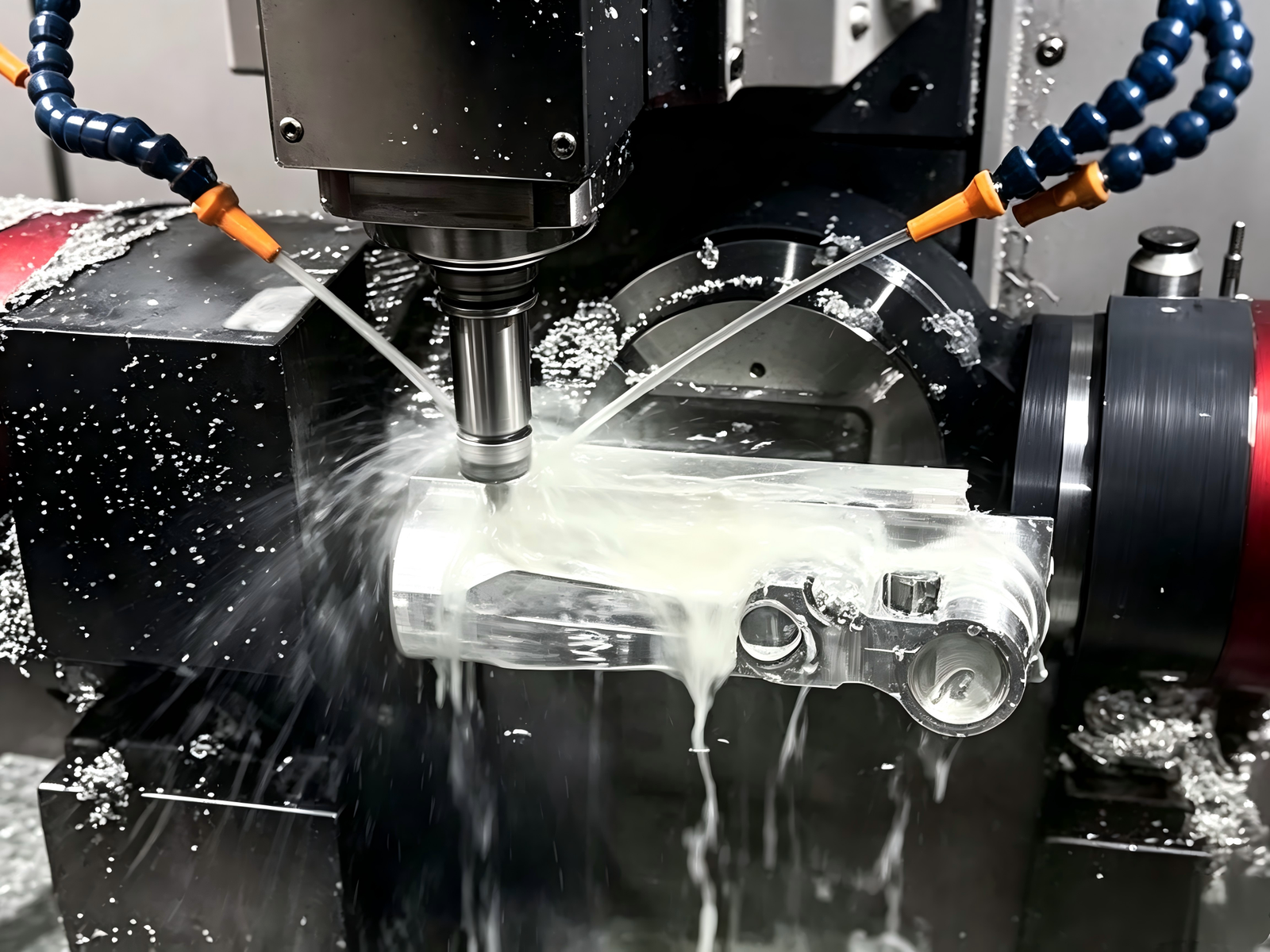
Produzir uma peça de corrida de alto desempenho envolve mais do que simplesmente usinar metal. Os engenheiros devem equilibrar cuidadosamente a força, peso, fabricante, e custo.
Engenharia Leve
A redução de peso nunca deve comprometer a integridade estrutural.
Os engenheiros costumam usar:
Usinagem de bolso
Reforço de costela
Seções ocas
Otimização de topologia
Essas técnicas reduzem a massa enquanto mantêm a rigidez.
Resistência à fadiga
Ao contrário dos componentes industriais estáticos, peças de corrida experimentam vibração contínua e ciclos de carga repetidos.
Os designers eliminam cuidadosamente:
Cantos internos afiados
Pontos de concentração de estresse
Mudanças repentinas de espessura
Transições arredondadas e filetes otimizados ajudam a melhorar a resistência à fadiga.
Expansão térmica
Os componentes do motor sofrem regularmente temperaturas superiores a várias centenas de graus Celsius.
Os designers devem considerar:
Taxas de expansão de materiais
Requisitos de liberação
Dissipação de calor
Caminhos de lubrificação
O design térmico adequado garante um desempenho confiável durante toda a corrida.
Facilidade de montagem
Peças CNC bem projetadas simplificam a manutenção e reduzem os tempos de parada.
Considerações importantes incluem:
Tamanhos de fixadores padrão
Acessibilidade da ferramenta
Recursos de alinhamento
Design de componentes modulares
Requisitos de acabamento de superfície
Diferentes aplicações requerem diferentes acabamentos superficiais.
Exemplos incluem:
Corredores de admissão polidos para melhor fluxo de ar
Superfícies de rolamento retificadas com precisão
Peças cosméticas jateadas
Componentes de suspensão anodizados rígidos
Selecionar o acabamento apropriado melhora o desempenho e a durabilidade.
Controle de qualidade para peças de corrida CNC
A usinagem de precisão por si só não garante qualidade. Inspeções e testes abrangentes garantem que cada componente atenda às especificações de engenharia antes da instalação.
Máquina de medição de coordenadas (CMM) Inspeção
Equipamento CMM verifica dimensões críticas com precisão em nível de mícron.
As medições normalmente incluem:
Locais dos furos
Perfis de superfície
Planicidade
Paralelismo
Concentricidade
Primeiro artigo Inspeção (FAI)
Antes do início da produção completa, os fabricantes inspecionam o componente inicial em relação aos desenhos de engenharia.
FAI confirma:
Dimensões
Conformidade material
Acabamento superficial
Capacidade do processo de fabricação
Certificação de Materiais
Fabricantes confiáveis fornecem certificados de verificação:
Grau do material
Composição química
Propriedades mecânicas
Estado do tratamento térmico
A rastreabilidade do material é particularmente importante para componentes de corrida de alumínio e titânio de nível aeroespacial.
Teste de rugosidade da superfície
Certos componentes do motor e da transmissão exigem valores específicos de rugosidade superficial para reduzir o atrito e melhorar o desempenho da vedação.
O acabamento superficial é medido usando testadores de rugosidade especializados para garantir a conformidade com as especificações do projeto.
Teste de dureza
Componentes de aço tratados termicamente passam por testes de dureza para verificar suas propriedades mecânicas.
Os métodos comuns incluem:
Dureza Rockwell (CDH)
Dureza Brinell (HB)
Dureza Vickers (Alta tensão)
Teste funcional
Dependendo da aplicação, os fabricantes também podem realizar:
Teste de pressão
Teste de vazamento
Balanceamento dinâmico
Inspeção do calibre da linha
Verificação de montagem
Estas inspeções ajudam a evitar falhas durante a operação em alta velocidade e garantem que cada componente funcione de forma confiável em condições de corrida.
Peças de corrida CNC vs.. Peças de corrida fundidas
Tanto a usinagem CNC quanto a fundição são amplamente utilizadas na fabricação automotiva, mas cada processo oferece vantagens distintas dependendo da aplicação.
| Recurso | Peças usinadas CNC | Peças Fundidas |
| Precisão | Excelente (±0,005 mm possível) | Moderado |
| Força | Alto (material de tarugo) | Menor devido à porosidade potencial |
| Acabamento de superfície | Superior | Muitas vezes requer usinagem adicional |
| Custo de ferramentas | Baixo | Alto custo do molde |
| Velocidade do protótipo | Rápido | Mais lento devido ao ferramental |
| Flexibilidade de projeto | Excelente | Limitado quando os moldes são produzidos |
| Volume de produção | Baixo a médio | Produção em alto volume |
| Desperdício de Materiais | Mais alto | Mais baixo |
| Custo Unitário | Maior para pequenos lotes | Menor para grandes volumes |
Quando escolher a usinagem CNC
A usinagem CNC é ideal para:
Desenvolvimento de protótipo
Peças de corrida personalizadas
Produção de baixo volume
Aplicações de alto desempenho
Geometrias complexas
Componentes de tolerância apertada
Quando a fundição é mais adequada
A fundição torna-se econômica para:
Volumes de produção muito elevados
Geometrias menos complexas
Componentes com requisitos de precisão mais baixos
Muitos fabricantes combinam ambos os processos fundindo a forma básica e depois realizando usinagem CNC em superfícies críticas para alcançar a precisão necessária..
Fatores de custo de peças de corrida CNC
O custo das peças de corrida CNC depende de diversas variáveis além do preço do material apenas.
Seleção de Materiais
Materiais premium, como titânio ou alumínio aeroespacial, aumentam os custos de matéria-prima, mas oferecem desempenho superior.
Complexidade da peça
Recursos como bolsos fundos, paredes finas, curvas complexas, e cortes inferiores aumentam o tempo de usinagem e a complexidade da programação.
Requisitos de tolerância
Alcançar tolerâncias ultrarritas requer operações de usinagem adicionais, ferramentas de precisão, e inspeções mais rigorosas.
Tratamentos de Superfície
Processos como anodização dura, níquel revestimento, ou polimento de precisão acrescentam tempo e custo, mas melhoram significativamente o desempenho e a durabilidade.
Tamanho do lote
A produção de protótipos e de baixo volume geralmente tem custos por unidade mais altos porque as despesas de configuração e programação são distribuídas em menos peças. Maiores tiragens de produção reduzem o custo unitário através de economias de escala.
Requisitos de inspeção
Inspeções de qualidade abrangentes, relatórios dimensionais, e certificações de materiais agregam valor, mas também contribuem para o custo geral de fabricação.
Compreender esses fatores no início da fase de design ajuda a otimizar o desempenho e o orçamento.
Conclusão
Comparado com métodos de fabricação tradicionais, A usinagem CNC oferece precisão dimensional superior, desenvolvimento de produto mais rápido, maior flexibilidade de design, e qualidade repetível. Esteja você construindo um carro de corrida personalizado, atualizando uma motocicleta, ou desenvolvendo componentes para aplicações profissionais de automobilismo, peças usinadas com precisão fornecem a vantagem de desempenho necessária para permanecer competitivo.
Parceria com Precisão máxima-um fabricante experiente de usinagem CNC é igualmente importante. Precisão máxima com equipamentos avançados, experiência em material, rigoroso controle de qualidade, e suporte de engenharia podem ajudar a transformar seus conceitos em soluções confiáveis, componentes prontos para corrida.
FQAé
1. O que são peças de corrida CNC?
As peças de corrida CNC são componentes de alta precisão fabricados usando controle numérico computadorizado (CNC) usinagem. Eles são projetados para aplicações de automobilismo onde tolerâncias restritas, construção leve, e durabilidade excepcional são essenciais.
2. Por que as peças de corrida usinadas em CNC são melhores do que as peças fundidas?
As peças usinadas em CNC são normalmente produzidas a partir de materiais sólidos de tarugo, oferecendo maior força, maior precisão, melhor acabamento superficial, e melhor consistência dimensional do que a maioria dos componentes fundidos.
3. Qual liga de alumínio é melhor para peças de corrida?
7075 alumínio é amplamente preferido para aplicações de corrida de alto estresse devido à sua excelente relação resistência-peso. 6061 alumínio é uma alternativa econômica para componentes que exigem boa resistência à corrosão e usinabilidade.
4. O titânio vale o custo adicional?
Para componentes críticos de desempenho onde a redução de peso e a resistência são as principais prioridades, o titânio costuma ser um investimento que vale a pena. É comumente usado em esportes motorizados profissionais, apesar de seu custo de usinagem mais alto.
5. Quais tolerâncias a usinagem CNC pode alcançar?
Os modernos centros de usinagem CNC podem atingir rotineiramente tolerâncias de ± 0,005 mm, Dependendo do material, geometria, e processo de usinagem.
6. As peças de corrida CNC podem ser personalizadas?
Sim. A usinagem CNC é ideal para projetos personalizados, permitindo que os fabricantes produzam protótipos únicos, execuções de produção de baixo volume, ou componentes totalmente personalizados com base em desenhos de clientes ou modelos CAD.
7. Qual acabamento superficial é melhor para peças de corrida CNC?
O acabamento ideal depende da aplicação. A anodização dura é popular para componentes de suspensão de alumínio, enquanto o revestimento de níquel sem eletrólito proporciona excelente resistência ao desgaste e à corrosão para peças de aço.
8. Quanto tempo leva para fabricar peças de corrida CNC personalizadas?
Os prazos de entrega variam dependendo da complexidade da peça e da quantidade do pedido. Os componentes do protótipo são frequentemente concluídos dentro 1–3 semanas, enquanto as ordens de produção podem exigir tempo adicional com base nos requisitos de usinagem e acabamento.
9. As peças de corrida CNC são adequadas para carros de corrida elétricos??
Absolutamente. A usinagem CNC é amplamente utilizada para produzir caixas de bateria, montagens de motor, placas de resfriamento, gabinetes de inversor, e componentes estruturais leves para veículos de corrida elétricos.
10. A usinagem CNC pode lidar com pequenas tiragens de produção?
Sim. Ao contrário do elenco, A usinagem CNC requer ferramentas mínimas, tornando-o altamente econômico para protótipos, peças personalizadas, e produção de baixo volume.
11. Quais indústrias além do automobilismo usam tecnologias de corrida CNC?
As mesmas técnicas de usinagem de alta precisão são amplamente utilizadas na indústria aeroespacial, defesa, dispositivos médicos, Robótica, desempenho automotivo, e equipamentos industriais de última geração.
12. Como a usinagem CNC pode reduzir o peso do veículo?
Os engenheiros usam software CAD avançado e otimização de topologia para remover material desnecessário e, ao mesmo tempo, manter a integridade estrutural, produzindo peças leves sem comprometer a resistência.
13. Quais certificações um fabricante de peças de corrida CNC deve ter?
Procure fabricantes certificados para ISO 9001 para gestão de qualidade. Se eles também atendem à indústria automotiva, IATF 16949 a certificação é um indicador adicional de processos robustos de fabricação e qualidade.
14. Quais arquivos são necessários para uma cotação personalizada de peças de corrida CNC?
A maioria dos fabricantes aceita ETAPA, IGES, Parasólido, SolidWorks, ou AutoCAD arquivos. Fornecimento de desenhos de engenharia 2D com tolerância, material, e os requisitos de acabamento superficial ajudam a garantir uma cotação precisa.
15. Como escolho o fornecedor certo de peças de corrida CNC?
Escolha um fornecedor com experiência comprovada em automobilismo, equipamento CNC avançado, recursos abrangentes de inspeção, suporte de engenharia, e serviços de produção flexíveis. Um parceiro confiável também deve fornecer cotações rápidas, comunicação transparente, e entrega pontual e consistente para apoiar seu projeto desde o protótipo até a produção em grande escala.


