



1045 carbon steel is one of the most commonly specified materials in CNC machining and custom manufacturing. Its balanced combination of strength, machinability, wear resistance, and cost efficiency makes it an ideal choice for precision-machined components used across automotive, industrial equipment, agriculture, and heavy machinery industries.
With a carbon content of approximately 0.45%, 1045 steel offers higher mechanical strength than low-carbon steels while remaining significantly easier to machine than high-carbon or alloy steels. For CNC manufacturers and OEM buyers, this translates into stable machining performance, predictable tolerances, and reliable part quality.
Why 1045 Carbon Steel Is Ideal for CNC Machining
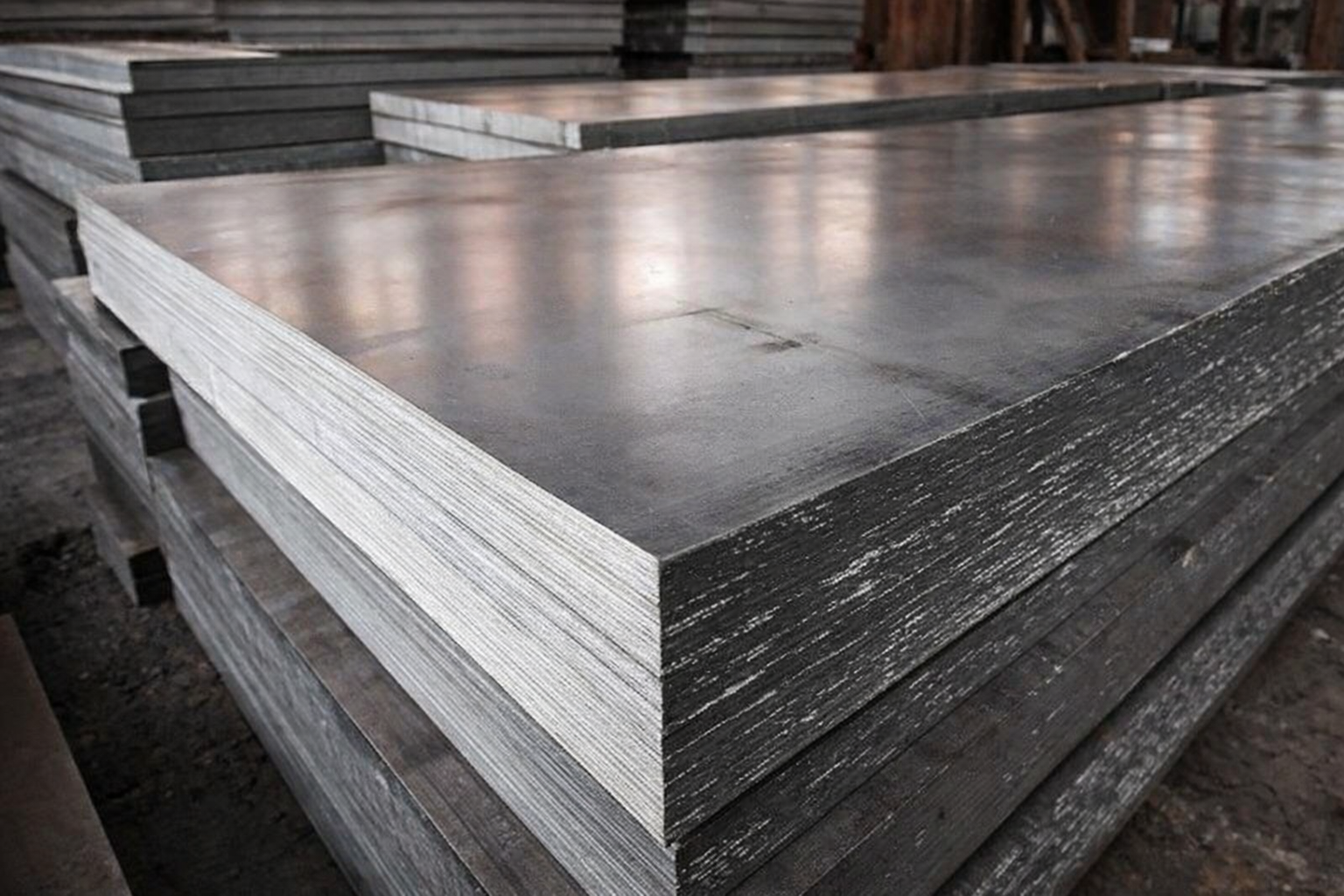
From a manufacturing standpoint, 1045 carbon steel sits in the “sweet spot” for CNC machining. It provides the mechanical performance required for load-bearing components while maintaining manageable cutting forces and tool wear.
Key CNC machining advantages include:
Good machinability in annealed condition
Stable dimensional control during milling and turning
Suitable for both prototype and mass production
Compatible with heat treatment after machining
Cost-effective for medium-to-high volume orders
These characteristics make 1045 carbon steel a preferred material for custom CNC machined shafts, gears, pins, and structural components.
Chemical Composition and Its Impact on Machining Performance
The chemical composition of 1045 carbon steel is carefully balanced to support both mechanical strength and machinability.
Typical composition:
Carbon: ~0.45%
Manganese: 0.60–0.90%
Phosphorus: ≤ 0.040%
Sulfur: ≤ 0.050%
Iron: Balance
Carbon increases hardness and strength, while manganese improves hardenability and tensile strength. The controlled sulfur and phosphorus levels help maintain acceptable machinability and surface finish during CNC operations.
Machinability of 1045 Carbon Steel in CNC Processes
In its annealed condition, 1045 carbon steel has a machinability rating of approximately 65%, making it well-suited for:
Drilling and tapping
Boring and slotting
For optimal results, cutting tools made from carbide or coated carbide are commonly used, along with controlled feed rates and proper coolant application. After hardening or quenching, machinability decreases, so most manufacturers perform rough and finish machining before heat treatment.
Heat Treatment Options for Custom CNC Parts
One of the major advantages of 1045 carbon steel in custom manufacturing is its compatibility with multiple heat treatment processes.
Common heat treatment options include:
Annealing – Improves machinability and relieves internal stresses
Normalizing – Enhances grain structure and mechanical consistency
Quenching and tempering – Increases hardness and wear resistance
This flexibility allows CNC manufacturers to deliver tailored mechanical properties based on application requirements.
Typical CNC Machined Parts Made from 1045 Carbon Steel
1045 carbon steel is widely used for CNC-machined components that require strength, durability, and dimensional accuracy.
Common custom parts include:
Precision shafts and axles
Gears, sprockets, and couplings
Pins, bushings, and sleeves
Bolts, studs, and fasteners
Hydraulic and mechanical rods
Industrial machine components
These parts are commonly used in automotive systems, agricultural machinery, industrial automation, and power transmission equipment.
Available Forms for CNC Machining
For CNC machining and custom manufacturing, 1045 carbon steel is typically supplied in the following forms:
Round bar – Ideal for shafts, pins, and turned components
Flat bar and plate – Used for structural and milled parts
Hot-rolled – More ductile, suitable for rough machining
Annealed – Best choice for precision machining
Cold-drawn – Higher strength and tighter tolerances
Material selection depends on the required tolerances, surface finish, and post-machining heat treatment.
Advantages of Choosing 1045 Carbon Steel for Custom Manufacturing
From a sourcing and production perspective, 1045 carbon steel offers several strategic benefits:
Reliable mechanical performance for functional parts
Lower material cost than alloy steels
Broad global availability and standardization
Excellent balance between strength and machinability
Suitable for both low-volume prototypes and large-scale production
These advantages make it a preferred material for OEMs and contract manufacturers seeking cost-effective yet high-performance CNC solutions.
Limitations and Design Considerations
While highly versatile, 1045 carbon steel does have some limitations that must be considered during design and manufacturing:
Limited corrosion resistance without coatings or plating
Lower hardenability than alloy steels
Requires controlled welding and heat treatment to avoid cracking
Surface treatments such as zinc plating, black oxide, or coating are often used to improve corrosion resistance in demanding environments.
International Equivalents for Global CNC Projects
For global sourcing and international CNC projects, 1045 carbon steel is recognized under various standards:
AISI 1045 (USA)
C45 / C45E (Europe)
1.1191 (Germany)
S45C (Japan)
45# (China)
This wide standardization simplifies cross-border manufacturing and material substitution.
Why Choose a Professional CNC Machining Partner for 1045 Steel
Machining 1045 carbon steel to tight tolerances requires experienced process control, proper tooling, and material expertise. A professional CNC machining service ensures:
Consistent part quality
Optimized machining parameters
Proper heat treatment coordination
On-time delivery for custom orders
Whether for prototypes or full-scale production, working with Tops Precision– a qualified CNC manufacturer reduces risk and improves overall project efficiency.
Conclusion: 1045 Carbon Steel for Reliable CNC-Machined Components
1045 carbon steel remains one of the most dependable materials for CNC machining and custom manufacturing. Its combination of strength, machinability, and affordability makes it suitable for a wide range of precision components across multiple industries.
For manufacturers seeking custom CNC-machined parts with consistent quality and competitive cost, 1045 carbon steel is a proven and trusted material choice.
If you are sourcing custom 1045 carbon steel CNC parts, partnering with an experienced machining provider ensures your components meet performance, tolerance, and delivery requirements—every time.
FAQs
1. Is 1045 carbon steel suitable for high-precision CNC machining?
Yes. When supplied in the annealed or cold-drawn condition, 1045 carbon steel is well suited for high-precision CNC machining. It offers stable cutting behavior, good dimensional control, and consistent surface finishes when proper tooling and machining parameters are used.
2. Should 1045 carbon steel be machined before or after heat treatment?
In most cases, 1045 carbon steel is machined before heat treatment. Rough and finish machining are typically completed in the annealed state, followed by quenching and tempering if higher hardness or wear resistance is required. Post-heat-treatment machining is possible but increases tool wear and cost.
3. What surface finishes are commonly applied to CNC-machined 1045 steel parts?
Common surface finishes include black oxide, zinc plating, phosphate coating, and protective painting. These finishes improve corrosion resistance, appearance, and service life, especially in industrial or outdoor applications.
4. How does 1045 carbon steel compare to 4140 for CNC machining?
1045 carbon steel is easier to machine and more cost-effective than 4140 alloy steel. However, 4140 offers higher strength and better hardenability. 1045 is preferred for general mechanical components, while 4140 is used for higher-load or fatigue-critical parts.
5. Can 1045 carbon steel be welded after CNC machining?
Yes, but welding requires controlled procedures. Preheating, proper filler material, and post-weld stress relief are recommended to reduce the risk of cracking due to the steel’s medium carbon content.
6. What tolerances can be achieved when CNC machining 1045 carbon steel?
With professional CNC machining, tolerances of ±0.01 mm (±0.0004 in) or better are achievable, depending on part geometry, machining method, and material condition.
7. Is 1045 carbon steel suitable for both prototypes and mass production?
Absolutely. 1045 carbon steel is widely used for both low-volume prototypes and high-volume production due to its consistent material properties, availability, and cost efficiency.
8. What industries most commonly use CNC-machined 1045 carbon steel parts?
Industries include automotive, industrial machinery, agriculture, construction equipment, power transmission, and general manufacturing—any sector requiring durable, load-bearing mechanical components.


