


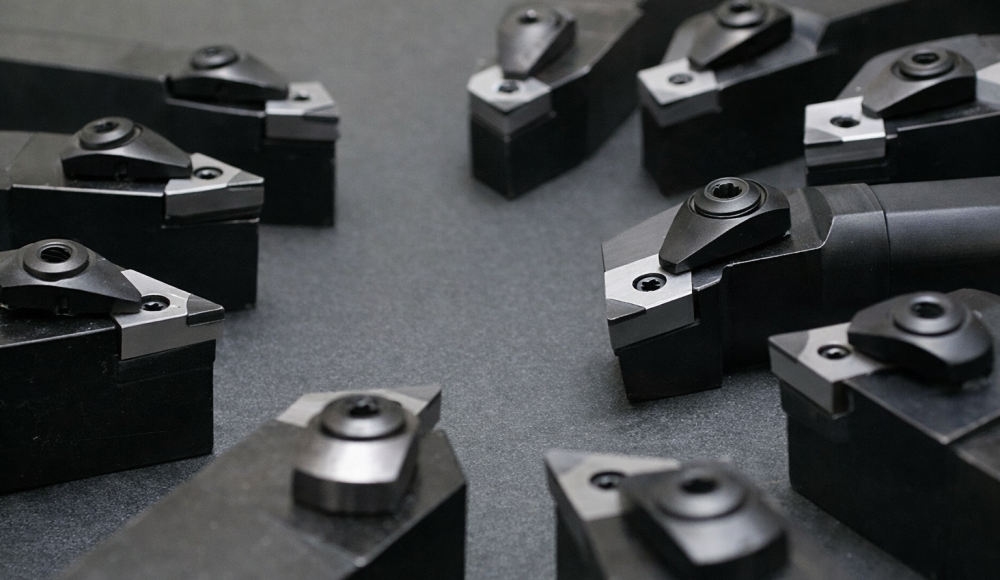
In CNC machining, cutting tool selection has a direct impact on productivity, surface quality, tooling costs, and machine uptime. Among advanced cutting tools, PCD inserts have become a preferred solution for manufacturers machining non-ferrous and abrasive materials at scale.
But what exactly is a PCD insert, and why is it often chosen over carbide, CBN, or ceramic tools?
This guide provides a complete, practical explanation of PCD inserts, including how they work, where they perform best, their advantages and limitations, and how to select the right PCD insert for your machining application.
What Is a PCD Insert?
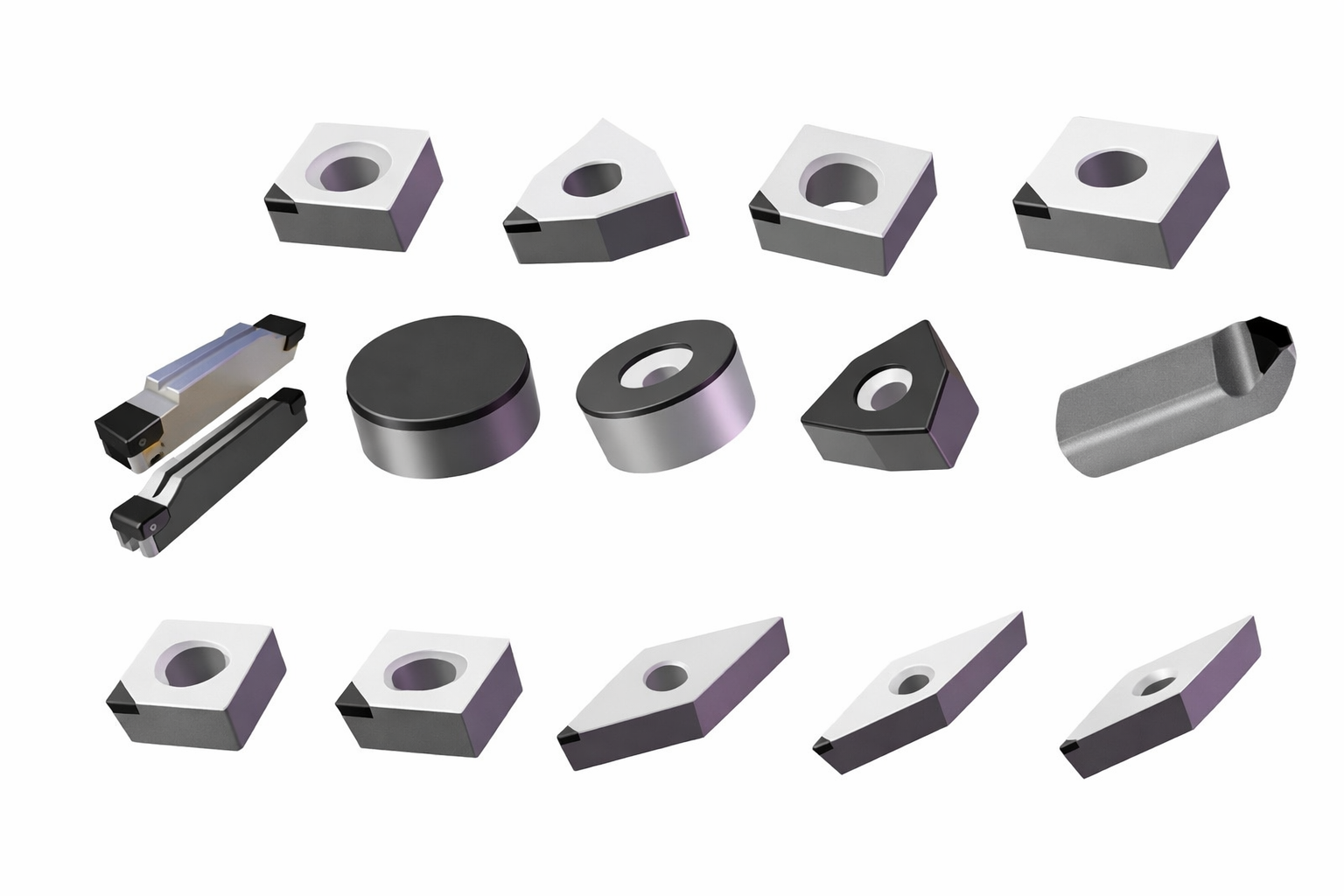
A PCD insert, short for Polycrystalline Diamond insert, is a high-performance CNC cutting tool made from synthetic diamond particles that are sintered together under extreme temperature and pressure. During this sintering process, microscopic diamond crystals bond into a dense, ultra-hard cutting layer.
In most designs, the PCD cutting layer is permanently bonded to a tungsten carbide substrate. This structure combines:
The extreme hardness and wear resistance of diamond
The toughness and shock resistance of carbide
This hybrid structure allows PCD inserts to deliver exceptional cutting performance while remaining mechanically stable during high-speed machining.
Key Characteristics of PCD Inserts
Extremely high hardness (far exceeding carbide)
Outstanding resistance to abrasive wear
Excellent edge sharpness and edge retention
Very low friction during cutting
Long, predictable tool life
Typical Machining Operations
PCD inserts are widely used in:
Boring
Drilling
Reaming
They are especially effective when machining non-ferrous metals and abrasive materials, where conventional tools wear rapidly.
Common Application Industries
PCD inserts are widely adopted in:
Automotive manufacturing
Aerospace components
Electronics and semiconductor parts
Medical devices
Precision aluminum machining
Composite and plastic machining
Benefits of Using PCD Inserts
Longer Tool Life
One of the most significant advantages of PCD inserts is their exceptionally long tool life. Compared to carbide tools, PCD inserts can last 10 to 90 times longer, depending on the material and cutting conditions.
This makes them ideal for:
High-volume production
Automated machining lines
Lights-out manufacturing
Longer tool life also means fewer tool changes, which directly reduces production interruptions.
High-Speed Machining Capability
PCD inserts can operate at much higher cutting speeds than conventional carbide tools. Their low friction and high thermal stability allow them to maintain cutting integrity even under aggressive machining conditions.
Benefits include:
Shorter cycle times
Higher machine throughput
Increased production capacity without adding machines
Excellent Accuracy and Surface Finish
PCD inserts maintain a sharp cutting edge for extended periods, which allows manufacturers to achieve:
Tight dimensional tolerances
Minimal burr formation
Smooth surface finishes
Consistent part quality across long production runs
This is particularly important for:
Precision mating parts
Sealing surfaces
Decorative or visible components
High Durability and Process Stability
Because PCD inserts resist abrasive wear so effectively, they provide stable, predictable machining performance. This stability reduces:
Tool chipping
Edge breakdown
Vibration-related defects
As a result, CNC machines can run more consistently with fewer unplanned stoppages.
Lower Total Cost of Ownership
While PCD inserts have a higher initial purchase cost, they typically reduce total machining costs over time. Cost savings come from:
Fewer tool replacements
Lower inventory requirements
Reduced machine downtime
Less scrap caused by worn tools
For high-volume or abrasive-material applications, PCD inserts often deliver the lowest cost per part.
Reduced CNC Machine Downtime
Frequent tool changes interrupt production and reduce machine utilization. PCD inserts minimize these interruptions, allowing:
Longer unattended machining runs
Improved OEE (Overall Equipment Effectiveness)
Better use of skilled labor
Common PCD Tools Used in Machining
PCD technology is available in multiple tool formats to support different machining tasks:
PCD Turning Inserts
Ideal for finishing and semi-finishing operations on aluminum and non-ferrous metals.
PCD Milling Cutters
Used for high-speed milling of aluminum alloys, composites, and plastics.
PCD Boring Tools
Designed for precision internal machining where tight tolerances are critical.
PCD Drills and Reamers
Used for ultra-precise hole making with excellent surface finish.
PCD End Mills
Commonly applied in composite machining, graphite cutting, and plastic processing.
Each tool type can be customized based on geometry, edge preparation, and cutting conditions.
Comparing PCD Inserts with Other Cutting Tools
PCD vs. Carbide Inserts
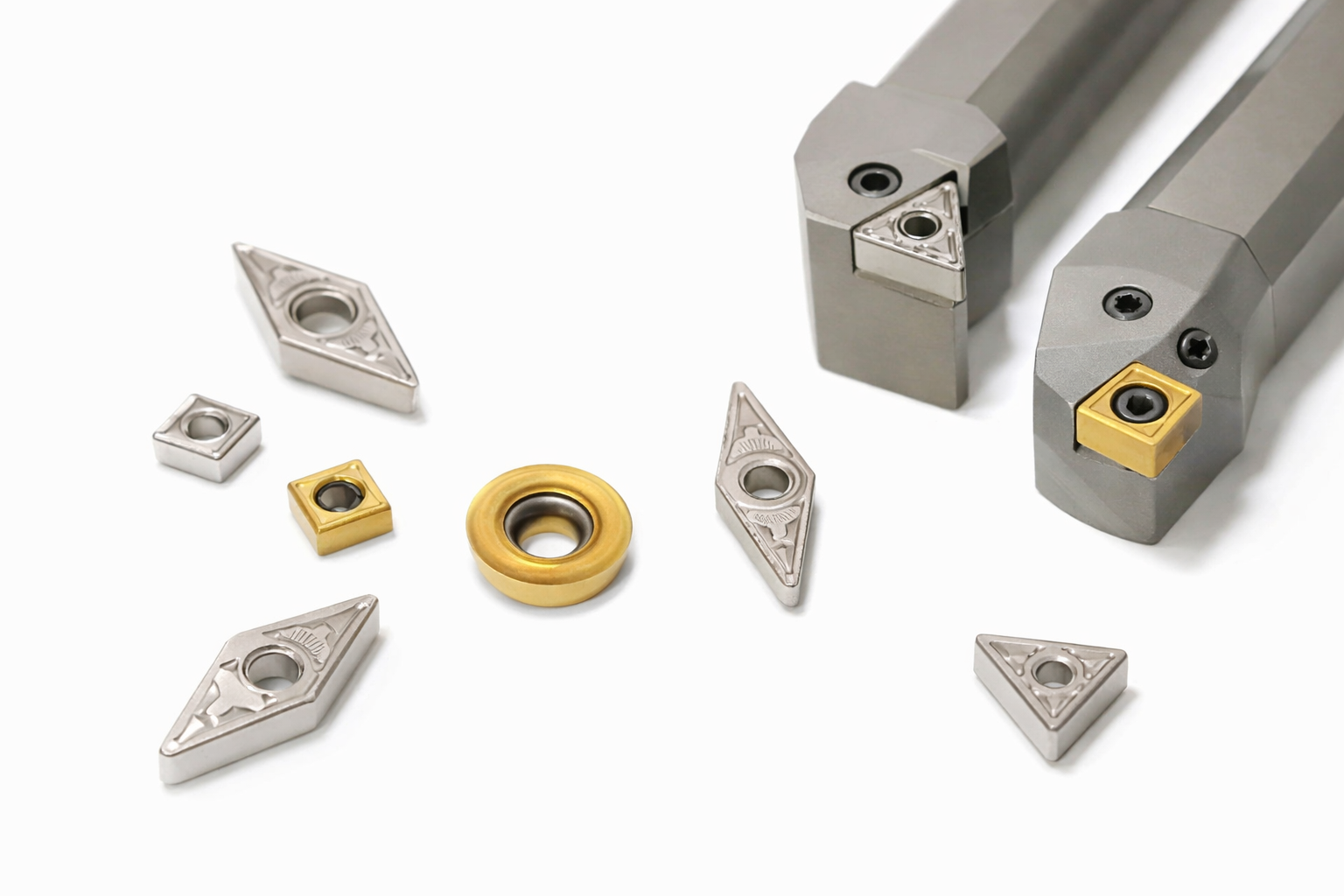
Carbide inserts are manufactured from tungsten carbide particles bonded with cobalt. They are versatile and cost-effective but wear relatively quickly when machining abrasive materials.
PCD vs. Carbide Summary:
PCD offers significantly longer tool life
PCD produces better surface finish
Carbide has lower initial cost
PCD has lower long-term cost in high-volume applications
PCD vs. CBN (Cubic Boron Nitride)
CBN is the second-hardest cutting material after diamond. It excels in machining ferrous and hardened materials.
Key differences:
PCD is best for non-ferrous and abrasive materials
CBN is better for hardened steel and cast iron
Both offer excellent wear resistance, but for different materials
PCD vs. Ceramic Cutting Tools
Ceramic tools perform well in high-temperature, dry cutting applications, especially on hard metals.
Comparison highlights:
PCD is much harder and more wear-resistant than ceramics
Ceramics are better for ferrous materials and dry cutting
PCD is superior for aluminum, composites, and plastics
How to Choose the Right PCD Insert
Selecting the right PCD insert requires evaluating several technical factors.
Workpiece Material
PCD inserts perform best on:
Aluminum and aluminum alloys
Copper and brass
Magnesium alloys
Plastics and polymers
Graphite
Composite materials (CFRP, GFRP)
They are not recommended for ferrous metals, as iron causes rapid chemical wear.
End-Product Application
Consider whether your application requires:
Rough machining
Semi-finishing
High-precision finishing
PCD inserts are particularly valuable where surface finish, accuracy, and consistency are critical.
Workpiece Shape and Geometry
Insert geometry must match part design. Common PCD insert shapes include:
CCMT
DCGT
CCGT
Sharp-edged PCD inserts are preferred for finishing, while chamfered edges provide better durability for variable cutting conditions.
Cutting Parameters and Machine Stability
PCD tools require:
Stable CNC machines
Proper fixturing
Optimized speeds and feeds
Machine rigidity is essential to avoid vibration, which can damage even super-hard cutting edges.
When to Use a PCD Insert
PCD inserts are the best choice when:
Producing high volumes of non-ferrous parts
Machining abrasive materials
Surface finish quality is critical
Tool life and process stability outweigh initial tool cost
Reducing downtime is a priority
Final Thoughts
For CNC shops and manufacturers machining aluminum, composites, or other abrasive materials, PCD inserts are often the most economical and reliable solution over time.
If you are evaluating PCD inserts for your production line, working with an experienced tooling or machining partner can help ensure the right geometry, cutting parameters, and cost-performance balance for your application.
FAQs
1. Why do my carbide tools wear out so quickly when machining aluminum or composites?
Carbide tools wear rapidly on aluminum alloys and composite materials due to abrasive particles, built-up edge, and friction-related heat. PCD inserts are specifically designed to resist abrasive wear and reduce material adhesion, which dramatically extends tool life in these applications.
2. Are PCD inserts worth the higher upfront cost?
Yes, in most high-volume or abrasive-material applications. Although PCD inserts cost more initially, they significantly reduce tool change frequency, machine downtime, scrap rates, and labor intervention, resulting in a much lower cost per part over time.
3. Can PCD inserts be used on steel or stainless steel?
No. PCD inserts are not recommended for ferrous materials such as carbon steel or stainless steel. Iron reacts chemically with diamond at high temperatures, causing rapid tool wear. For ferrous materials, CBN or ceramic tools are more suitable.
4. Do PCD inserts require special CNC machines or setups?
PCD inserts do not require special machines, but they do perform best on rigid, well-maintained CNC equipment with stable fixturing. Proper speeds, feeds, and vibration control are essential to fully realize their performance and tool life advantages.
5. How do PCD inserts improve surface finish and part consistency?
PCD inserts maintain a sharp cutting edge for a long time, which minimizes burrs, chatter, and edge breakdown. This leads to consistent surface finishes, tighter tolerances, and uniform quality across long production runs—especially important for precision or cosmetic parts.
6. What industries benefit the most from using PCD inserts?
Industries that frequently machine non-ferrous or abrasive materials benefit the most, including automotive, aerospace, electronics, medical devices, and composite manufacturing. Any operation prioritizing high output, precision, and low downtime can gain value from PCD tooling.
7. How do I choose the correct PCD insert geometry for my application?
The correct geometry depends on material type, cutting conditions, and part design. Sharp-edge geometries are best for finishing, while chamfered or reinforced edges provide better durability for variable or interrupted cuts. Consulting with tooling or machining experts can help optimize insert selection.


