


When selecting a metal material for manufacturing, engineers and procurement managers often look for a balance between cost, machinability, weldability, and formability. Among the many mild steels available, 1008 carbon steel stands out as a practical and versatile material used in thousands of industrial applications.
Because of its low carbon content and excellent ductility, 1008 steel is widely used in automotive components, electrical enclosures, tubes, fasteners, sheet metal parts, and precision-machined components. Manufacturers favor it for projects that require complex forming, reliable welding, and cost-effective production.
In this guide, we will explore everything you need to know about 1008 carbon steel, including:
Chemical composition
Mechanical properties
Advantages in manufacturing
Typical industrial applications
Surface treatment options
Frequently asked questions
If you are currently evaluating materials for custom machining, sheet metal fabrication, or industrial component production, this article will help you determine whether 1008 carbon steel is the right choice for your project.
What Is 1008 Carbon Steel?
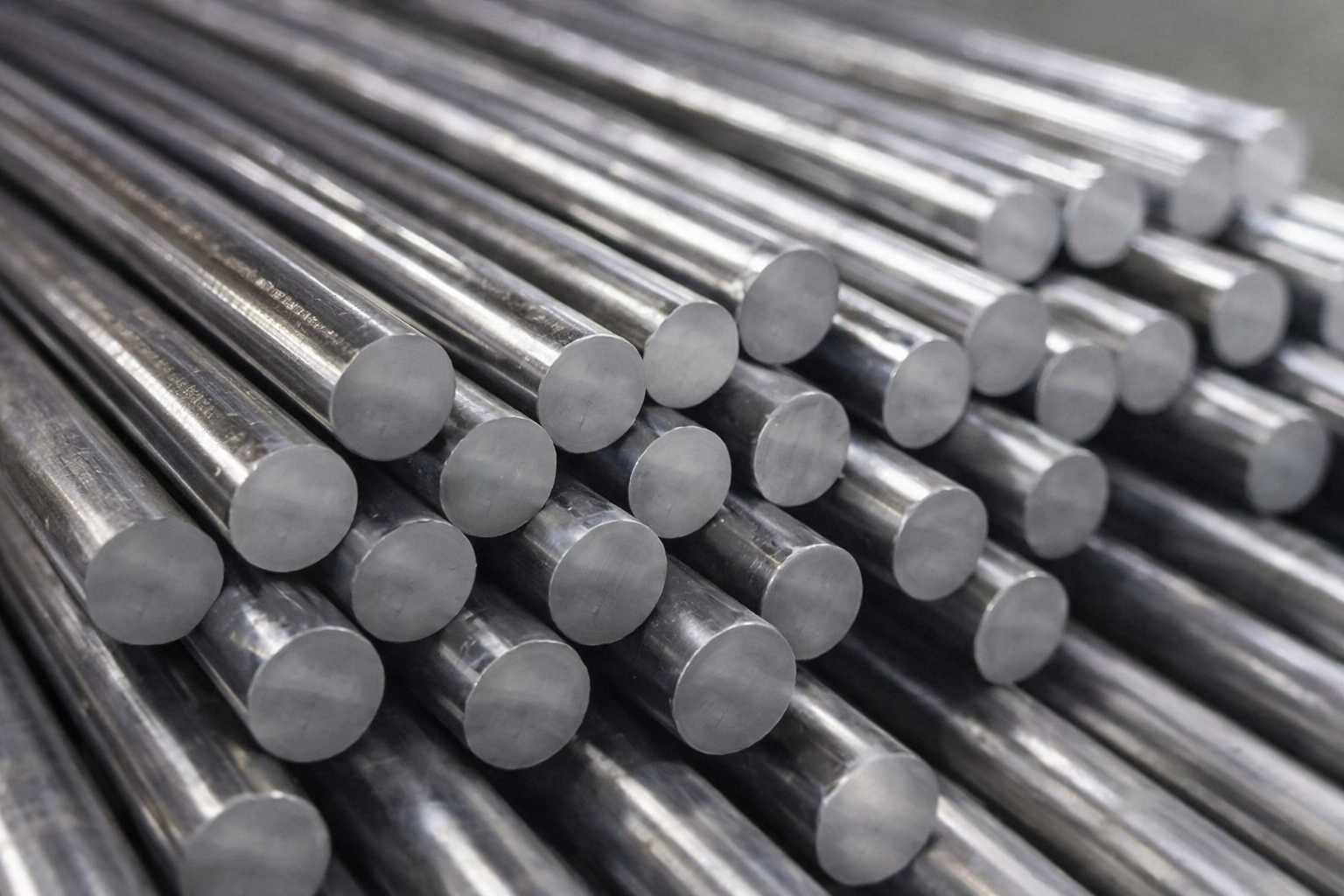
1008 carbon steel is a low-carbon mild steel grade defined by the AISI/SAE classification system. It typically contains around 0.08–0.10% carbon, which gives it excellent ductility and formability compared with medium- or high-carbon steels.
Because of this low carbon content, 1008 steel is known for several important characteristics:
Excellent cold forming ability
Good weldability
Smooth surface finish
Good machinability for light-duty parts
Low production cost
These properties make 1008 steel one of the most commonly used materials in mass manufacturing and sheet metal fabrication.
Unlike harder steels designed for structural loads, 1008 carbon steel is typically used for components that require shaping, stamping, bending, or light machining rather than extreme strength.
Common forms of 1008 steel include:
Cold rolled sheet
Steel strip
Steel wire
Rods and bars
Tubes and pipes
Because of its flexibility and affordability, manufacturers across industries rely on 1008 steel for large-volume production and custom-machined parts.
Chemical Composition of 1008 Carbon Steel
The chemical composition of 1008 steel is relatively simple compared with alloy steels. Its structure is primarily iron with small amounts of carbon and other elements that influence its mechanical behavior.
| Element | Content (% by weight) | Role in the Material |
| Iron (Fe) | 99.31 – 99.7% | Primary structural metal providing strength and magnetic properties |
| Carbon (C) | ≤ 0.10% | Improves ductility and weldability while maintaining softness |
| Manganese (Mn) | 0.30 – 0.50% | Enhances strength and acts as a deoxidizer during steelmaking |
| Phosphorus (P) | ≤ 0.04% | Can increase strength but reduces ductility at higher levels |
| Sulfur (S) | ≤ 0.05% | Improves machinability but excessive amounts may cause brittleness |
Iron (Fe)
Iron forms the base structure of the steel, providing strength, magnetic properties, and durability. The high iron content also makes the material recyclable and environmentally friendly.
Carbon (C)
The defining feature of 1008 steel is its low carbon level. Lower carbon means:
Greater ductility
Easier forming
Improved weldability
Reduced hardness
This is why 1008 steel is frequently used in deep drawing and stamping operations.
Manganese (Mn)
Manganese improves the strength and toughness of steel while also helping remove oxygen during the steelmaking process. This leads to cleaner and stronger metal structures.
Phosphorus (P)
Phosphorus slightly increases strength but can reduce ductility if present in high amounts. In 1008 steel, it is carefully controlled to maintain flexibility.
Sulfur (S)
Sulfur improves machinability by helping chips break more easily during cutting operations. However, excessive sulfur can lead to brittleness, so it is kept within strict limits.
Mechanical Properties of 1008 Carbon Steel
1008 steel offers a good balance between strength and ductility, making it ideal for many general manufacturing applications.
| Property | Metric Value | Imperial Value |
| Tensile Strength | ~340 MPa | ~49,300 psi |
| Yield Strength | ~285 MPa | ~41,300 psi |
| Elongation | ~20% | ~20% |
| Reduction of Area | ~45% | ~45% |
| Brinell Hardness | ~95 HB | ~95 HB |
| Rockwell Hardness | ~55 HRB | ~55 HRB |
| Young’s Modulus | 190–210 GPa | 27.6–30.5 × 10⁶ psi |
| Shear Modulus | ~80 GPa | ~11.6 × 10⁶ psi |
| Poisson’s Ratio | 0.27–0.30 | 0.27–0.30 |
| Machinability | ~55% (vs. AISI 1212) | ~55% |
These properties show that 1008 steel provides:
Good plastic deformation capability
Moderate strength
High ductility
Stable mechanical behavior during forming
Advantages of 1008 Carbon Steel in Manufacturing
Because of its unique balance of properties, 1008 carbon steel offers several advantages for industrial production.
1. Excellent Formability
One of the most important advantages of 1008 steel is its exceptional formability.
Its low carbon content allows the metal to be:
Bent
Stamped
Rolled
Deep drawn
Press formed
without cracking or breaking.
This makes it perfect for producing complex shapes with tight tolerances, such as automotive panels or electrical housings.
2. Superior Weldability
Low carbon steels are widely known for their excellent weldability, and 1008 steel is no exception.
It can be welded using common techniques such as:
MIG welding
TIG welding
Resistance welding
Spot welding
Because it contains very little carbon, the risk of weld cracking or brittleness is minimal, even without extensive preheating.
3. Cost-Effective for Mass Production
Compared with alloy steels or high-carbon steels, 1008 carbon steel is extremely economical.
Manufacturers prefer it for projects involving:
Large production volumes
Sheet metal fabrication
Consumer products
Automotive components
The combination of low raw material cost and easy processing helps reduce total production costs.
4. Good Machinability
Although it is not as free-machining as some specialized grades, 1008 steel still offers good machinability for many components.
It can be used to produce:
Bushings
Pins
Shafts
Fasteners
Custom metal parts
With proper tooling and cutting parameters, manufacturers can achieve smooth surface finishes and precise tolerances.
5. Versatile Manufacturing Applications
1008 steel is compatible with a wide range of manufacturing processes, including:
Cold forming
Bending
Welding
Rolling
This versatility allows manufacturers to produce various custom metal components from a single material type.
Applications of 1008 Carbon Steel
Because of its flexibility and affordability, 1008 carbon steel is used in many industries worldwide.
1. Automotive Industry
In the automotive sector, 1008 steel is frequently used to manufacture:
Body panels
Brackets
Reinforcement parts
Hinges
Interior structural components
Its formability allows manufacturers to create complex shapes required for vehicle designs.
2. Electrical Components
1008 steel is widely used in electrical equipment housings and enclosures, such as:
Switchgear cabinets
Junction boxes
Electrical panels
Equipment frames
While it is not highly conductive, its strength and durability make it suitable for protective structures around electrical systems.
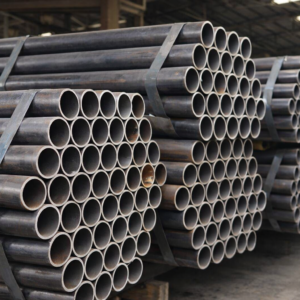
3. Tubing and Pipes
Steel tubing made from 1008 steel is commonly used for:
Mechanical tubing
Structural pipes
Furniture frames
Automotive tubing
Its flexibility allows tubes to be bent and shaped without cracking.
4. Wire Products
Because of its good cold-forming ability, 1008 steel is often used in wire manufacturing.
Typical wire products include:
Nails
Steel mesh
Fencing
Wire rope components
Fasteners
5. Construction Components
In the construction industry, 1008 steel is used for non-load-bearing structures, including:
Roofing sheets
Wall panels
Interior fixtures
Decorative metal components
6. Consumer Goods
Many everyday products contain components made from 1008 steel, such as:
Household appliances
Furniture frames
Storage systems
Kitchen equipment
Its smooth surface finish allows it to be painted, coated, or plated easily.
7. Industrial Equipment
Manufacturers also use 1008 steel for light-duty machinery parts, including:
Mounting brackets
Equipment housings
HVAC components
Mechanical supports
Surface Treatment Options for 1008 Carbon Steel
To improve corrosion resistance and appearance, 1008 steel often undergoes additional finishing processes.
Common surface treatments include:
Galvanizing
Zinc coating protects steel from rust and corrosion.
Powder Coating
Provides durable and attractive surface finishes for consumer products.
Painting
Improves appearance and adds corrosion protection.
Electroplating
Nickel or zinc plating improves wear resistance and aesthetics.
Phosphating
Enhances paint adhesion and corrosion resistance.
These treatments allow manufacturers to adapt 1008 steel to different environments and product requirements.
Why Manufacturers Choose Custom Machined 1008 Steel Parts
Many companies rely on custom machining services to produce components from 1008 steel.
Typical custom-machined parts include:
Precision shafts
Bushings
Brackets
Pins
Mechanical housings
Custom fasteners
Professional machining providers can offer:
CNC turning and milling
Tight tolerance machining
Surface finishing
Heat treatment
Assembly services
Working with an experienced machining partner ensures consistent quality and efficient production.
Conclusion
1008 carbon steel is one of the most practical and widely used low-carbon steels in modern manufacturing.
Its key advantages include:
Excellent formability
Reliable weldability
Cost-effective production
Good machinability
Wide range of industrial applications
From automotive components and electrical enclosures to consumer products and industrial equipment, 1008 steel provides a reliable solution for many manufacturing needs.
If your project requires custom machining, metal fabrication, or precision manufacturing using 1008 carbon steel, working with an experienced manufacturer can help ensure high-quality parts and efficient production.
FAQs
1. What is the machinability rating of 1008 carbon steel?
1008 carbon steel has a machinability rating of approximately 55% compared with AISI 1212 steel, making it moderately easy to machine for many industrial applications.
2. Can 1008 carbon steel be case hardened?
Yes. Although 1008 steel is a low-carbon material, it can undergo case hardening processes such as carburizing to increase surface hardness while maintaining a tough core.
3. What surface treatments are commonly used for 1008 steel?
Common surface treatments include:
Galvanizing
Powder coating
Painting
Zinc plating
Phosphating
These processes improve corrosion resistance and durability.
4. Is 1008 carbon steel magnetic?
Yes. Because it contains a high percentage of iron, 1008 carbon steel is magnetic.
5. Can 1008 carbon steel be used in electrical equipment?
Yes. While it is not highly conductive, it is commonly used for electrical enclosures, brackets, and structural components that support electrical systems.