



Сред различни лечения, анодизиращата стомана привлече вниманието заради способността си да подобрява устойчивостта на корозия, повърхностна твърдост, и естетичен външен вид. въпреки че анодиране най-често се свързва с алуминия, специализирани процеси на анодиране също могат да се прилагат за определени видове стомана при контролирани условия.
Това ръководство обяснява процеса на анодизиране на стомана, неговите ползи, приложения, ограничения, и как се сравнява с други популярни методи за довършване на повърхности.
Какво е анодизирана стомана?
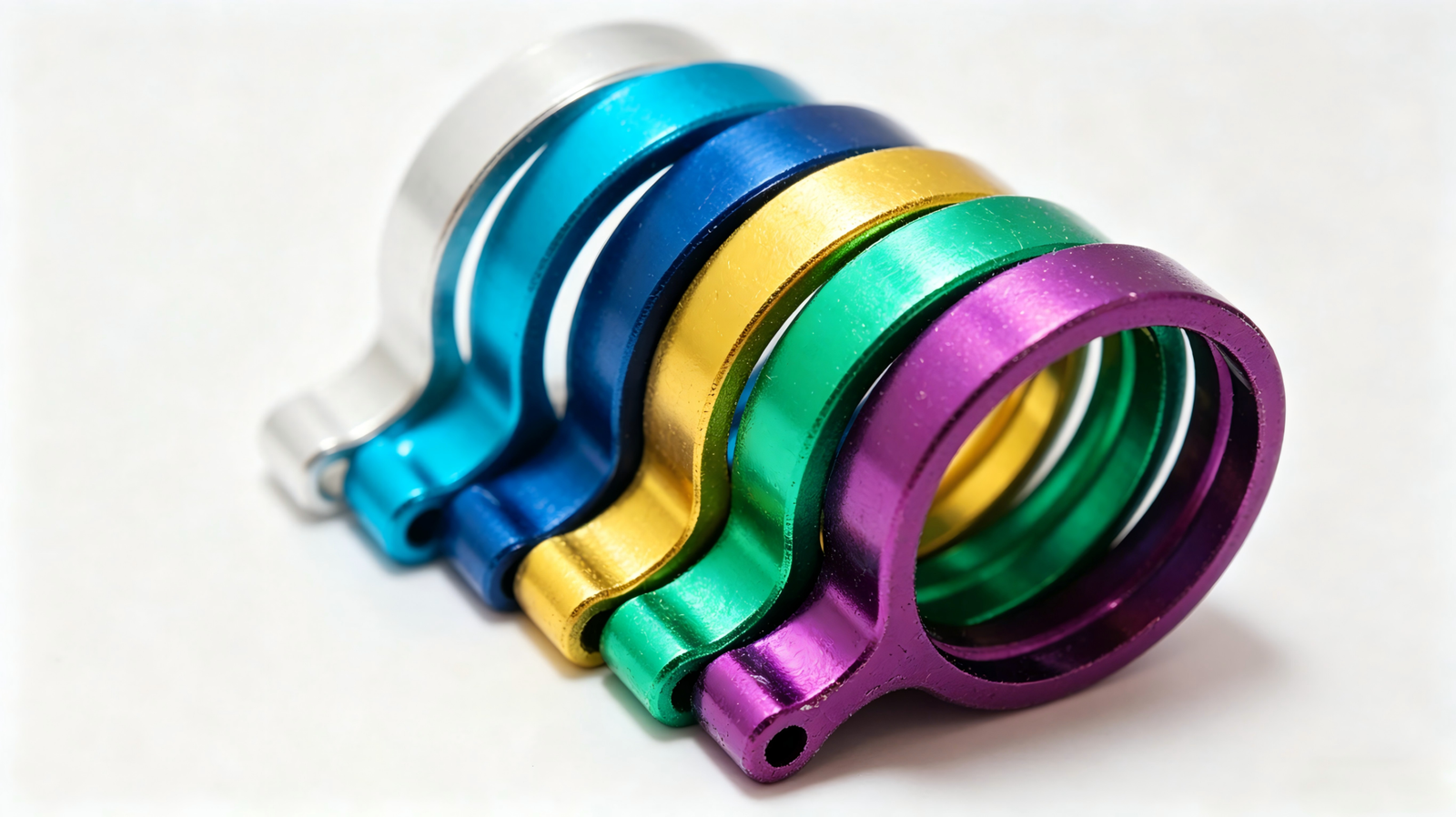
Анодизиращата стомана е електрохимичен процес на повърхностна обработка, който модифицира повърхността на метала чрез създаване на контролиран оксиден слой. По време на процеса, стоманата действа като анод в електролитна клетка, което позволява настъпване на окисляване на повърхността.
Полученият оксиден слой осигурява няколко предимства в работата, включително:
- Подобрена устойчивост на корозия
- Повишена устойчивост на износване
- Повишена повърхностна твърдост
- По-добра адхезия за бои и покрития
- Подобрен външен вид
За разлика от конвенционалните покрития, които седят върху метала, анодирането трансформира самата повърхност, създаване на по-интегриран защитен слой.
Защо стоманата е анодизирана?
Производителите анодизират стоманата, за да подобрят работата й в взискателни среди, където е изложена на влага, химикали, абразия, и температурните колебания могат да ускорят влошаването.
Общите цели включват:
- Удължаване на живота на продукта
- Намаляване на разходите за поддръжка
- Подобряване на устойчивостта на околната среда
- Подобряване на естетиката на продукта
- Повишаване на удовлетвореността на клиентите
За индустрии, където надеждността е критична, анодизираната стомана може да осигури значителна дългосрочна стойност.
Как протича процесът на анодизиране на стомана?
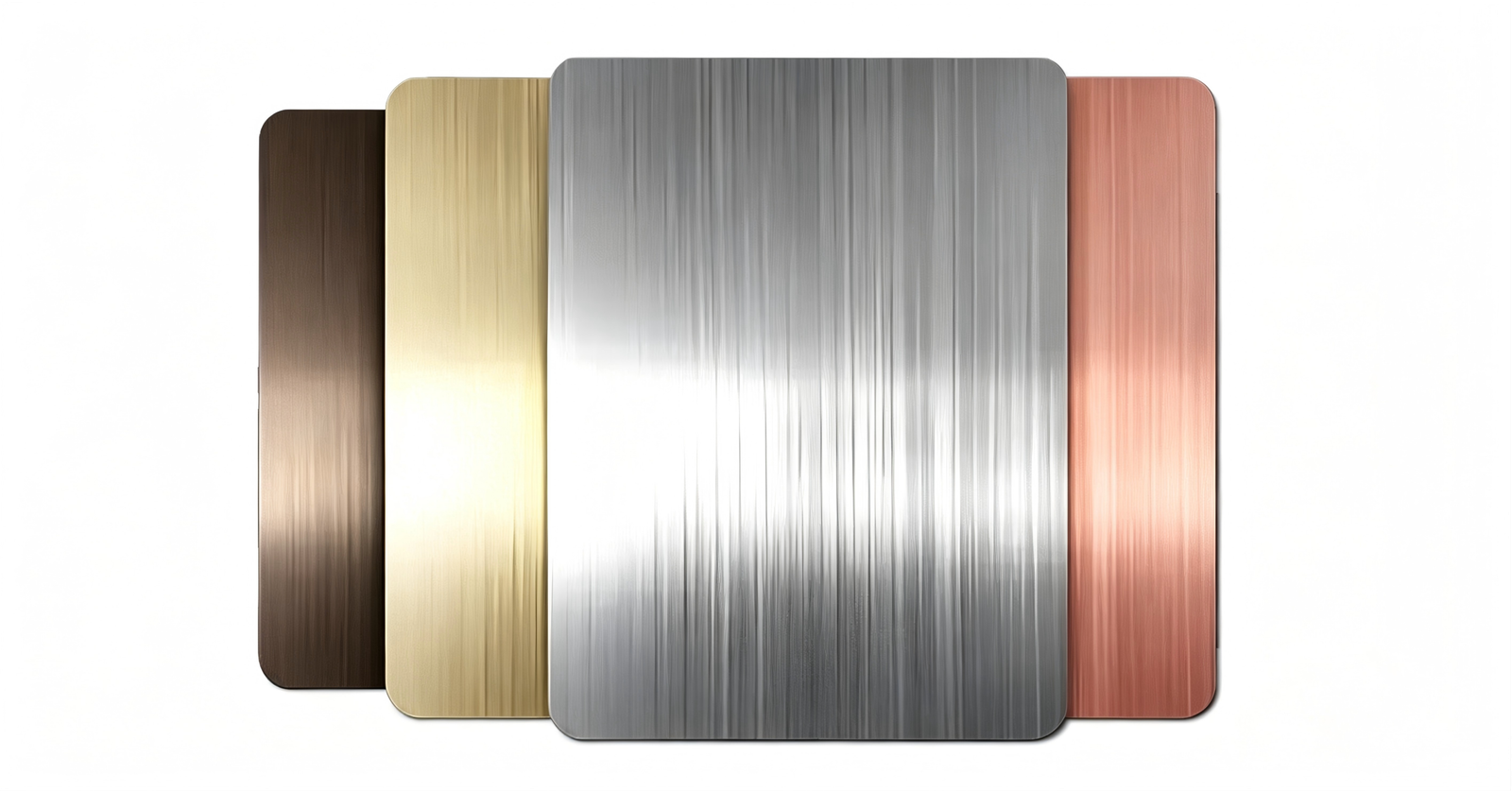
Процесът на анодиране включва няколко внимателно контролирани етапа, за да се осигури равномерен и издръжлив оксиден слой.
Подготовка на повърхността
Правилната подготовка на повърхността е от съществено значение за постигане на постоянни резултати от анодизирането.
Типичните подготвителни стъпки включват:
Обезмасляване
Масла, лубриканти, и замърсителите се отстраняват с помощта на алкални почистващи разтвори.
Киселина
Третирането с киселина премахва оксидите, ръжда, и котлен камък от стоманената повърхност.
Изплакване
Множество етапи на изплакване гарантират, че повърхността остава чиста от замърсители, преди да започне анодизирането.
Чистият субстрат е от решаващо значение, защото дори незначителното замърсяване може да повлияе на качеството на покритието.
Настройка на електролитна вана
След подготовка, стоманеният компонент се потапя в електролитен разтвор.
Обичайните електролити включват:
- Разтвори на сярна киселина
- Разтвори на фосфорна киселина
- Специализирани патентовани формулировки
Съставът на електролита пряко влияе върху дебелината на покритието, еднаквост, и крайно представяне.
Електрохимично окисление
По време на анодиране, през електролита преминава електрически ток.
Стоманеният компонент служи като анод, докато друг проводим материал действа като катод.
Докато тече ток:
- Кислородните йони реагират със стоманената повърхност.
- Развива се контролиран оксиден слой.
- Твърдостта на повърхността се увеличава.
- Устойчивостта на корозия се подобрява.
Внимателен контрол на напрежението, плътност на тока, и времето за обработка е от съществено значение за оптимални резултати.
Процес на запечатване
След анодизиране, оксидният слой остава порест.
Запечатването затваря тези пори и подобрява защитата.
Обичайните методи за запечатване включват:
Уплътнение с гореща вода
Осигурява подобрена устойчивост на корозия.
Парно уплътнение
Подобрява издръжливостта на покритието.
Химическо запечатване
Предлага специализирана производителност за взискателни среди.
Запечатването значително подобрява дългосрочната ефективност на анодизираната повърхност.
Проверка на качеството
Професионалните производители извършват цялостни проверки, включително:
- Измерване на дебелината на покритието
- Проверка на външния вид на повърхността
- Изпитване на адхезия
- Изпитване на устойчивост на корозия
- Проверка на размерите
Контролът на качеството гарантира постоянна производителност на продукта в производствените партиди.
Предимства на анодизираната стомана
Подобрена устойчивост на корозия
Корозията остава една от основните причини за повреда на стоманата.
Анодирането създава защитна бариера, която предотвратява излагането на:
- Влага
- Солен спрей
- Индустриални химикали
- Атмосферни замърсители
Тази защита прави анодизираната стомана подходяща за външна и тежка индустриална среда.
Подобрена устойчивост на износване
Анодизираният оксиден слой е по-твърд от необработените стоманени повърхности.
Ползите включват:
- Намалено повърхностно износване
- Подобрена устойчивост на надраскване
- По-дълъг експлоатационен живот
- По-ниски изисквания за поддръжка
Тези предимства са особено ценни при машините, инструментална екипировка, и приложения с висок контакт.
По-добър външен вид на повърхността
Анодирането подобрява визуалната привлекателност, като същевременно запазва издръжливостта.
Производителите могат да постигнат:
- Еднородни повърхностни покрития
- Декоративни изяви
- Подобрена консистенция на цвета
- Подобрена естетика на продукта
Архитектурните и ориентираните към потребителите продукти често се възползват от тези подобрения.
Подобрена адхезия на боя и покритие
Анодизираната повърхност създава отлична основа за вторични довършителни операции.
Ползите включват:
- По-добро свързване на боята
- По-дълъг живот на покритието
- Намалено лющене и лющене
Това е особено важно в автомобилните и строителните приложения.
Екологично чиста повърхностна обработка
В сравнение с някои традиционни методи за нанасяне на покритие, анодирането може да предложи предимства за околната среда.
Ползите включват:
- Намалени летливи органични съединения (ЛОС)
- По-ниско въздействие върху околната среда
- Подобрена устойчивост
- По-дълъг живот на продукта
Много производители избират анодизиране, за да подкрепят инициативите за екологично съответствие.
Приложения на анодизирана стомана
Автомобилна индустрия
Производителите на автомобили използват анодизирана стомана за компоненти, изискващи издръжливост и устойчивост на корозия.
Примерите включват:
- Компоненти на шасито
- Декоративна облицовка
- Части на двигателния отсек
- Крепежни елементи и скоби
Обработката спомага за подобряване на дълготрайността на автомобила при трудни условия на работа.
Строителство и архитектура
Строителният сектор цени анодизираната стомана както за структурни, така и за декоративни приложения.
Обичайните употреби включват:
- Фасади на сгради
- Парапети
- Стълбищни системи
- Рамки за прозорци
- Външни архитектурни елементи
Комбинацията от външен вид и издръжливост прави анодизираната стомана изключително привлекателна.
Морска индустрия
Морската среда представлява едни от най-агресивните предизвикателства пред корозията.
Анодизираната стомана често се използва за:
- Обков за лодка
- Морска арматура
- Подпорни конструкции
- Крайбрежна инфраструктура
Подобрената устойчивост на корозия спомага за намаляване на разходите за поддръжка и удължава експлоатационния живот.
Производство на електроника и уреди
Производителите на електроника често изискват материали, които съчетават издръжливост с атрактивни покрития.
Приложенията включват:
- Корпуси за оборудване
- Компоненти на уреда
- Структурни опори
- Системи за управление на топлина
Анодизираната повърхност осигурява както защита, така и визуална привлекателност.
Индустриални машини и инструменти
Тежкотоварното промишлено оборудване работи при постоянно износване и експозиция.
Типичните приложения включват:
- Машинни компоненти
- Инструментални системи
- Механични възли
- Производствено оборудване
Анодирането помага за подобряване на надеждността и намаляване на времето за престой.
Ограничения и съображения
Докато анодирането предлага много предимства, инженерите трябва да разбират неговите ограничения.
Потенциална водородна крехкост
Някои условия на анодиране могат да въведат водород в стоманата.
Потенциалните рискове включват:
- Намалена пластичност
- Повишена чупливост
- Механична повреда в силно натоварени компоненти
Правилният контрол на процеса помага да се сведе до минимум това безпокойство.
Промени в размерите
Оксидният слой добавя дебелина към повърхността на компонента.
Типичната дебелина варира от:
- 5 микрони
- 25 микрони
Прецизните части може да изискват компенсация на размерите по време на проектирането.
Цветови ограничения
Въпреки че анодизираната стомана може да бъде оцветена, наличната цветова гама често е по-ограничена от анодизиран алуминий.
Някои цветови вариации също могат да възникнат между производствените партиди.
По-високи разходи за обработка
Анодирането изисква:
- Специализирано оборудване
- Експертиза на процеса
- Системи за контрол на качеството
- Допълнителни производствени стъпки
В резултат на това, разходите може да са по-високи от някои алтернативни методи за довършителни работи.
Анодизирана стомана срещу други повърхностни обработки
| Имот | Анодиране | Прахово боядисване | Галванопластика | Галванизиране |
| Устойчивост на корозия | Отлично | добре | добре | Отлично |
| Устойчивост на износване | Отлично | Умерен | Умерен | Умерен |
| Външен вид | Отлично | Отлично | добре | Ограничен |
| Издръжливост | Отлично | добре | добре | Отлично |
| Поддръжка | ниско | Умерен | Умерен | ниско |
| Въздействие върху околната среда | По-ниска | Умерен | По-високо | Умерен |
Всеки процес предлага уникални предимства в зависимост от изискванията на приложението.
Как да изберем правилната повърхностна обработка за стоманени части
Изборът на най-добрия довършителен процес изисква внимателна оценка.
Помислете за излагането на околната среда
Ще бъде ли изложен компонентът на:
- Солен спрей
- Химикали
- UV радиация
- Влажност
Условията на околната среда значително влияят на ефективността на покритието.
Оценете изискванията за износване
Приложенията с високо триене изискват повишена устойчивост на износване.
Анодирането често осигурява превъзходна производителност в тези среди.
Определете изискванията за външен вид
Декоративните продукти могат да дадат приоритет на визуалното качество наред със защитата.
Анодирането предлага привлекателно и издръжливо покритие.
Оценете бюджетните ограничения
Докато анодирането осигурява дългосрочна стойност, трябва да се вземат предвид и бюджетите на проекта.
Анализът на разходите през жизнения цикъл често дава по-точно сравнение от само първоначалните разходи.
Защо качеството на производството е важно
Дори най-добрият процес на анодиране не може да компенсира лошите производствени практики.
Надеждни доставчици трябва да осигурят:
- Стриктен контрол на процеса
- Усъвършенствани системи за проверка
- Опитни инженерни екипи
- Постоянно качество на продукцията
- Проследимост на материала
Партньорството с опитна производствена компания помага да се гарантират оптимални характеристики на покритието и надеждност на продукта.
Заключение
Анодизиращата стомана е ефективна повърхностна обработка, която подобрява устойчивостта на корозия, устойчивост на износване, издръжливост, и външен вид. Въпреки че изисква специализирана обработка и внимателен контрол на качеството, дългосрочните ползи от ефективността често оправдават инвестицията.
За индустрии като автомобилостроенето, строителство, морски, електроника, и индустриално производство, анодизираната стомана осигурява трайно и привлекателно решение за взискателни приложения.
При избора на повърхностна обработка, инженерите и специалистите по доставките трябва да оценят условията на околната среда, изисквания за изпълнение, разходи за жизнен цикъл, и качество на изработката. Работа с опитен машинен партньор може да ви помогне да осигурите най-добрите резултати за вашия проект.
Често задавани въпроси
1.Може ли неръждаема стомана да бъде анодизирана?
да. въпреки това, обикновено се изискват специализирани процеси на анодиране и електролити.
2.Колко дебел е анодизираният слой върху стомана?
Повечето покрития от анодизирана стомана варират от 5 да се 25 микрона в зависимост от приложението.
3.Анодирането подобрява ли устойчивостта на корозия?
да. Оксидният слой действа като защитна бариера срещу излагане на околната среда.
4.Е електропроводима анодизирана стомана?
Слоят от анодизиран оксид обикновено е непроводим, което може да намали повърхностната проводимост.
5.Може ли да се заварява анодизирана стомана?
Заваряването може да повреди оксидния слой в засегнатата област и често изисква последваща обработка.
6.Каква е разликата между анодизиране и поцинковане?
Анодирането създава оксиден слой чрез електрохимично окисление, при поцинковане се нанася защитно цинково покритие.
7.Това е анодизирана стомана, подходяща за външни приложения?
да. Анодизираната стомана се представя добре в много външни и индустриални среди.
8.Колко издържа анодизираната стомана?
Срокът на експлоатация зависи от условията на работа, но правилно анодизираната стомана може да осигури много години надеждна работа.


