



3D printed sculptures represent a fundamental shift in how sculptural art is conceived, produced, and distributed. By combining artistic creativity with additive manufacturing technologies, artists and manufacturers can transform digital ideas into tangible, highly complex physical forms with unprecedented efficiency and precision.
Unlike traditional sculpture methods—such as carving, casting, machining or manual modeling—3D printing enables layer-by-layer fabrication directly from digital files. This allows for extreme geometric freedom, rapid iteration, scalable production, and seamless customization. As a result, 3D printed sculptures are increasingly used in fine art, entertainment, architecture, education, cultural preservation, and industrial design.
This guide provides a complete and professional overview of 3D printed sculptures, covering technologies, materials, advantages and limitations, production workflows, applications, future trends, and practical considerations.
Fundamentals of 3D Printing Technology
What Is 3D Printing Technology?
3D printing, also known as additive manufacturing (AM), is a manufacturing process that builds three-dimensional objects by adding material layer by layer based on a digital model. Unlike subtractive manufacturing—where material is removed from a solid block—additive manufacturing uses only the required material, significantly reducing waste.
The process begins with a digital 3D model created in CAD or sculpting software. This model is then sliced into thin layers by specialized software, which generates machine-readable instructions for the printer. The printer deposits or solidifies material according to these instructions until the final object is complete.
Application of 3D Printing in Sculpture Art
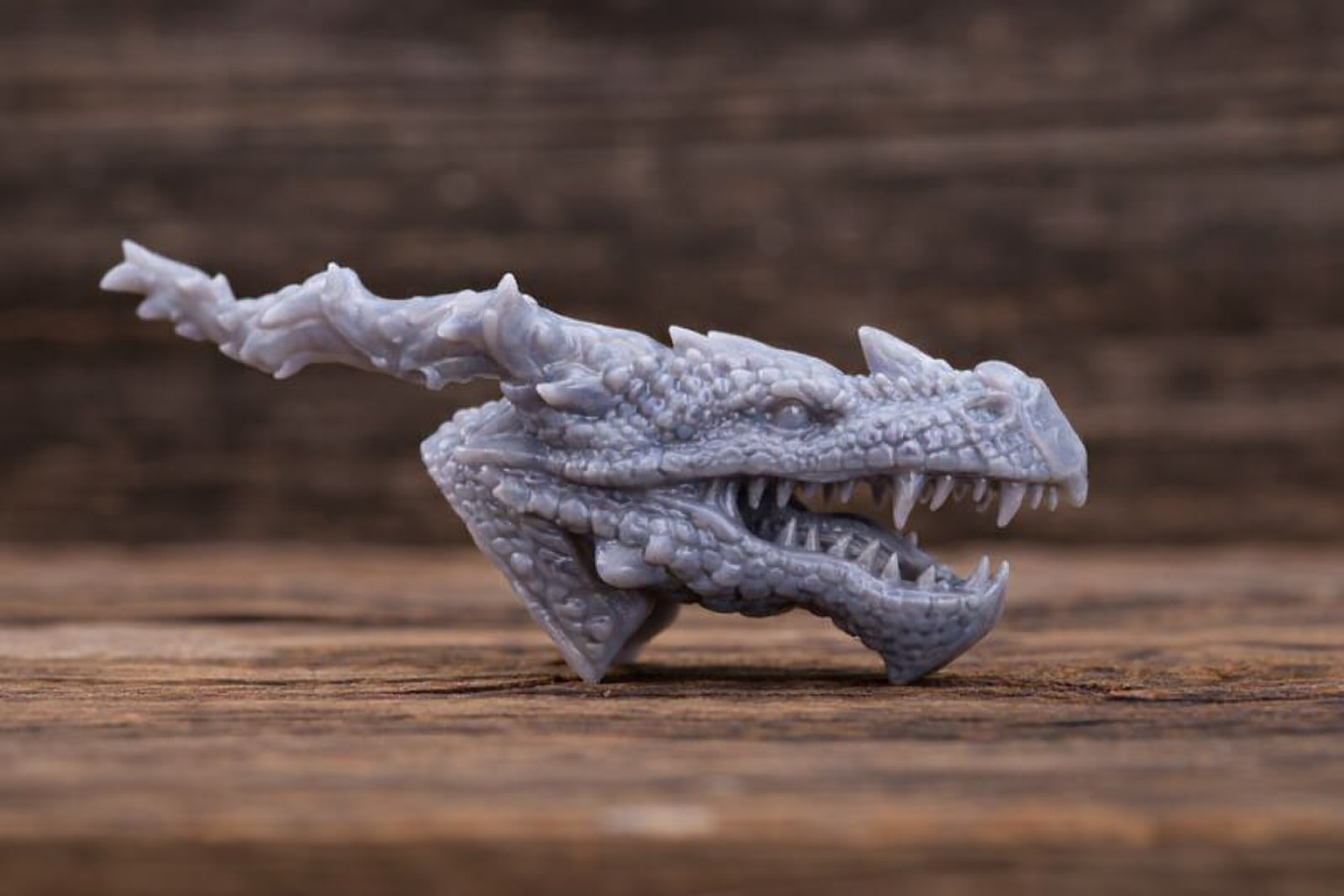
The introduction of 3D printing into sculpture has revolutionized artistic creation. It removes many of the physical and technical constraints imposed by traditional methods, enabling artists to realize intricate hollow structures, internal lattices, undercuts, and organic forms that were previously impractical or impossible.
Beyond creative freedom, 3D printing offers powerful solutions for:
Digital preservation of cultural artifacts
Restoration and replication of damaged sculptures
Rapid prototyping for public art and installations
Democratization of sculpture production through accessible tools
By bridging the digital and physical worlds, 3D printing allows sculpture to evolve alongside modern design, engineering, and computational art.
Integration of Traditional Sculpture and 3D Printing
The rise of 3D printed sculptures does not eliminate traditional sculpture techniques. Instead, the most successful outcomes are achieved through hybrid workflows that combine manual craftsmanship with digital precision.
A common approach includes:
Creating a physical maquette using clay, wax, or paper
Digitizing the sculpture using 3D scanning or photogrammetry
Refining geometry, proportions, and surface details digitally
3D printing the refined model
Performing manual finishing, polishing, painting, or casting
This integration preserves the emotional expressiveness of traditional sculpting while leveraging the accuracy, repeatability, and scalability of digital fabrication.
Technologies Used in 3D Printed Sculptures
Polymer and Composite Printing Technologies
Inkjet Printing
Inkjet-based 3D printing deposits liquid binders or photopolymers layer by layer. It is especially suitable for producing large-scale, full-color sculptures with moderate detail requirements.
FDM / FFF (Fused Deposition Modeling)
FDM is the most accessible and widely used technology. It extrudes melted thermoplastic filament through a nozzle to build parts layer by layer. It is cost-effective and ideal for prototypes, decorative sculptures, and large-scale prints, although visible layer lines usually require post-processing.
SLA / DLP (Stereolithography)
SLA and DLP cure liquid photopolymer resin using light. These technologies offer exceptional resolution, smooth surfaces, and fine details, making them ideal for figurines, art models, and molds for casting.
SLS (Selective Laser Sintering)
SLS uses a laser to fuse nylon powder without support structures. It excels at producing complex, durable sculptures with excellent mechanical strength and design freedom.
Binder Jetting (BJT)
Binder Jetting is widely used for full-color sandstone or gypsum sculptures. While visually impressive, printed parts are fragile and typically require infiltration to improve strength.
Metal 3D Printing Technologies
SLM / DMLS (Metal Powder Bed Fusion)
Metal 3D printing uses high-powered lasers to fuse metal powders into fully dense parts. Materials such as stainless steel, aluminum, titanium, and superalloys enable the production of durable, high-end sculptures and structural art installations.
Post-Processing and Hybrid Manufacturing
CNC Machining
CNC finishing is often used after 3D printing to achieve precise tolerances, refined surfaces, or functional interfaces, especially for large or metal sculptures.
Materials for 3D Printed Sculptures
3D printed sculptures can be fabricated from a wide range of materials, each with distinct properties:
Plastics: PLA, ABS, PETG, HIPS – affordable, versatile, easy to process
Resins: Photopolymer and composite resins – high detail, smooth surfaces
Engineering Plastics: Nylon, Alumide, PEEK – strength, durability, chemical resistance
Metals: Steel, bronze, aluminum, Inconel – strength, longevity, premium aesthetics
Ceramics: Heat-resistant, artistic, high-end applications
Wax: Used for mold making and investment casting
Wood and Paper Filaments: Decorative, organic textures
Sandstone/Gypsum: Full-color artistic sculptures
Material selection directly affects cost, durability, surface quality, and application suitability.
Advantages and Disadvantages of 3D Printed Sculptures
Advantages
Extreme design freedom
High precision and scalability
Rapid iteration and prototyping
Customization and on-demand production
Reduced material waste
Lower entry barriers for creators
Digital archiving and repeatability
Disadvantages
Limited material availability compared to traditional methods
Layer adhesion and anisotropic strength
Post-processing complexity
Limited cost reduction at high volumes
Intellectual property and licensing risks
Sculpture Technique Practice Using 3D Printing
3D printing enables sculptors to practice techniques efficiently by producing multiple iterations quickly, experimenting with forms digitally, and preserving designs for future refinement—all while minimizing material waste.
Process of 3D Printing Sculptures
Digital Model Acquisition
Downloading licensed models
Creating original designs using CAD or sculpting software
3D scanning physical objects
Model Optimization
Repairing mesh errors
Optimizing wall thickness and supports
Preparing models for printing
Additive Manufacturing
Printing the sculpture layer by layer
Monitoring print quality and stability
Post-Processing
Removing supports
Sanding and polishing
Painting, coating, and sealing
Applications of 3D Printed Sculptures
3D printed sculptures are used across multiple fields:
Fine art and limited-edition works
Entertainment, gaming, film, and television
Medical and anatomical education
Architecture and public art
Cultural heritage restoration
Consumer products and fashion accessories
Future Possibilities of 3D Printed Sculptures
The future of 3D printed sculptures will be shaped by:
Multi-material and multi-color printing
AI-assisted generative design
Bioprinting and organic structures
AR/VR-enhanced interactive sculptures
Global digital collaboration and local production
These developments will redefine artistic authorship, accessibility, and public engagement.
Practical Tips for 3D Printing Sculptures
Hollow large models to reduce cost and deformation
Include drainage holes for resin prints
Calibrate new materials before full production
Clean and prepare surfaces thoroughly before painting
Follow safety protocols when handling resins
Maintain printers regularly to ensure consistent quality
FAQ
Can kinetic sculptures be 3D printed?
Yes. Static components are commonly 3D printed, while motion is added using mechanical or electronic systems.
How long does it take to 3D print a sculpture?
From several hours to several weeks, depending on size, detail, material, and post-processing.
What determines the cost?
Size, material, resolution, complexity, finishing, and quantity.
Who are 3D printed sculptures for?
Artists, designers, architects, galleries, museums, IP developers, educators, and manufacturers.
Is it legal to sell 3D printed sculptures?
Yes, provided the model license permits commercial use and intellectual property rights are respected.


