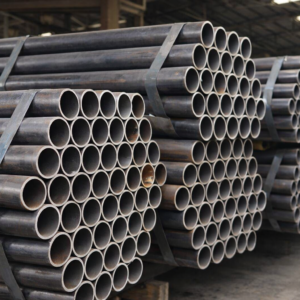



If your project requires excellent formability, reliable weldability, and cost efficiency, 1005 carbon steel is one of the most practical material choices available. As an ultra-low carbon steel grade under the AISI 10xx classification system, it is widely used in automotive parts, wire products, stamped components, and general fabrication.
This guide provides a detailed technical breakdown of 1005 carbon steel composition, mechanical properties, performance characteristics, advantages, limitations, and comparisons with 1008 and 1010 steel — helping engineers, buyers, and manufacturers determine whether it fits their application.
What Is 1005 Carbon Steel?
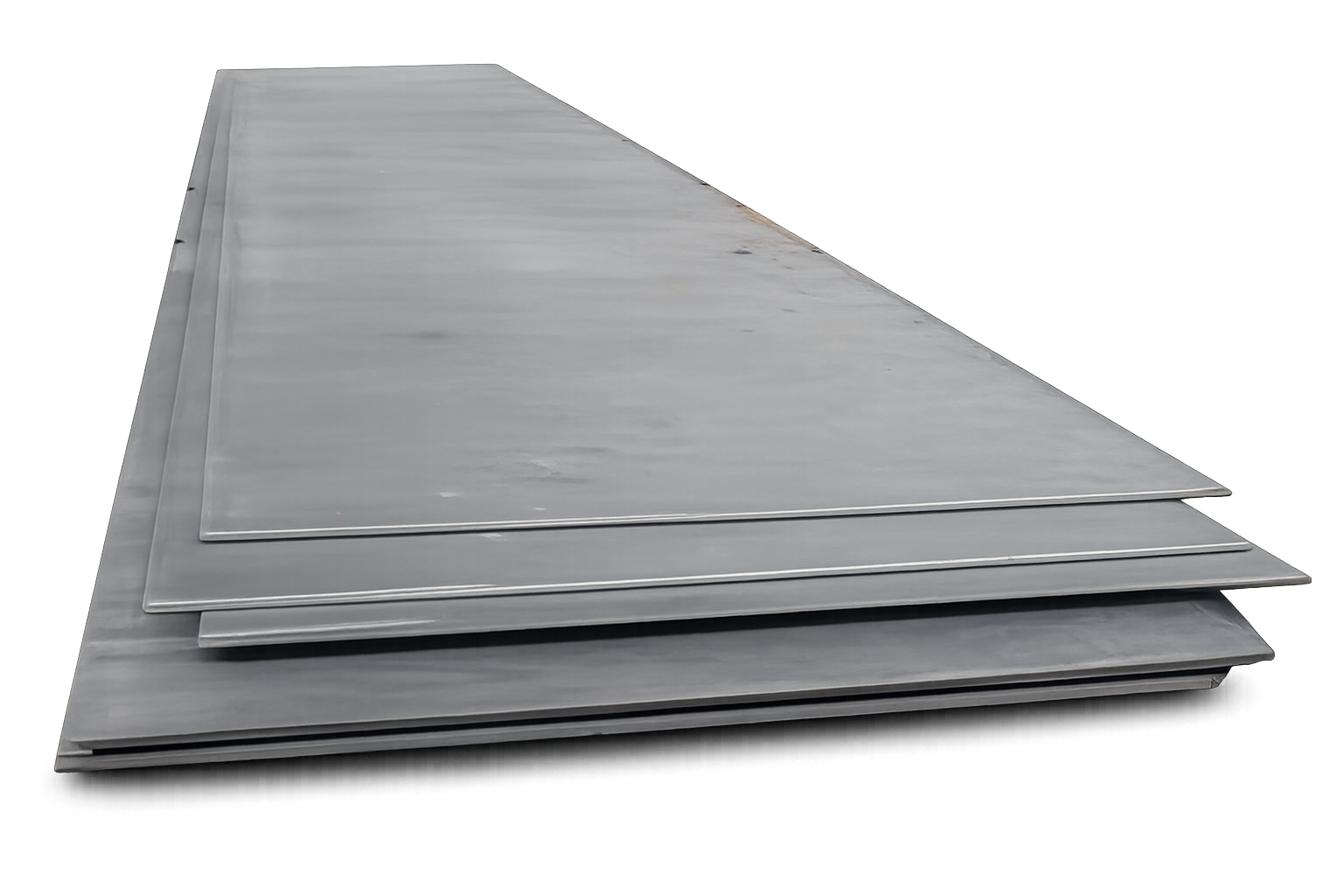
1005 carbon steel belongs to the AISI 10xx series, defined by its very low carbon content (maximum 0.06%). The “10” series indicates plain carbon steel, and the “05” designates approximately 0.05% carbon content.
Because of its extremely low carbon level, 1005 steel offers:
High ductility
Excellent cold formability
Superior weldability
Moderate strength
Low material cost
It is commonly supplied in sheet, strip, plate, and wire form for cold-forming operations.
Chemical Composition of 1005 Carbon Steel
Understanding the chemistry of 1005 steel is essential because mechanical behavior is directly tied to elemental composition.
Typical Chemical Composition
| Element | Typical Content (%) | Functional Role |
| Iron (Fe) | Balance (~99.5%+) | Base structure of the steel |
| Carbon (C) | ≤ 0.06 | Controls strength and hardness |
| Manganese (Mn) | ≤ 0.35 | Improves strength and deoxidizes |
| Phosphorus (P) | ≤ 0.04 | Enhances strength but reduces ductility if excessive |
| Sulfur (S) | ≤ 0.05 | Improves machinability |
How Composition Affects Performance
Low Carbon Content (≤ 0.06%)
Significantly increases ductility
Enhances weldability
Reduces hardness and tensile strength
Minimizes cracking during forming
Manganese
Slightly increases strength
Improves hot-working properties
Acts as a deoxidizer during steelmaking
Because alloying elements are minimal, 1005 steel behaves predictably during forming and welding operations.
Mechanical Properties of 1005 Carbon Steel
Mechanical properties vary depending on processing (cold rolled, hot rolled, annealed), but typical ranges include:
Tensile Strength
310 – 430 MPa
This defines the maximum stress the material can withstand before fracture. While not suitable for heavy structural loads, it performs well in light-duty applications.
Yield Strength
280 – 380 MPa
Indicates the stress at which permanent deformation begins. The moderate yield strength makes it ideal for formed and stamped parts.
Elongation at Break
30 – 40%
This high elongation percentage confirms excellent ductility, making it highly suitable for:
Deep drawing
Cold stamping
Bending operations
Hardness
Approximately 95 HB (Brinell Hardness)
This relatively low hardness improves machinability but limits wear resistance.
Modulus of Elasticity
190 – 210 GPa
Similar to other plain carbon steels, indicating standard stiffness behavior.
Key Advantages of 1005 Carbon Steel
Excellent Formability
The ultra-low carbon content makes 1005 steel ideal for:
Deep drawing
Cold forming
Stamping operations
Bending without cracking
It performs exceptionally well in thin-gauge sheet applications.
Superior Weldability
Because carbon content is very low:
No preheating required in most cases
Minimal risk of heat-affected zone cracking
Compatible with MIG, TIG, spot welding, and resistance welding
This reduces fabrication costs and production complexity.
Cost-Effective Material
With minimal alloying elements:
Lower raw material cost
Widely available globally
Suitable for high-volume production
For cost-sensitive manufacturing projects, 1005 steel provides strong value.
Good Machinability
While not as free-machining as high-sulfur grades, 1005 offers:
Stable chip formation
Low tool wear
Consistent cutting performance
It is suitable for light machining operations.
Broad Industrial Versatility
Its balance of ductility, weldability, and affordability allows it to serve multiple industries, particularly where extreme strength is not required.
Common Applications of 1005 Carbon Steel
Because of its forming characteristics, 1005 steel is widely used in the following industries:
Automotive Components
Brackets
Mounting plates
Reinforcement components
Non-load-bearing structural parts
Its weldability is particularly valuable in automotive assembly.
Wire Products
Wire mesh
Nails
Light fasteners
Wire forms
Low carbon allows consistent drawing without brittleness.
Stamped and Cold-Formed Parts
Sheet metal housings
Electrical enclosures
Small industrial brackets
High elongation prevents cracking during deep stamping.
Appliance Manufacturing
Internal support frames
Covers and casings
Non-load-bearing panels
Its cost-efficiency supports mass production.
General Fabrication
Used for:
Light-duty frames
Fabricated assemblies
Welded sheet metal structures
1005 vs 1008 vs 1010 Carbon Steel
Understanding material selection often requires comparing similar grades.
1005 vs 1008 Steel
1008 contains slightly higher carbon (~0.08%).
| Property | 1005 | 1008 |
| Carbon Content | Lower | Slightly Higher |
| Strength | Lower | Higher |
| Formability | Better | Slightly Reduced |
| Weldability | Excellent | Very Good |
Conclusion:
Choose 1005 when maximum formability is required.
1005 vs 1010 Steel
1010 contains ~0.10% carbon.
| Property | 1005 | 1010 |
| Strength | Lower | Higher |
| Hardness | Lower | Higher |
| Ductility | Higher | Lower |
| Structural Capability | Limited | Moderate |
Conclusion:
Choose 1010 when higher strength is required; choose 1005 when forming and welding are priorities.
Limitations of 1005 Carbon Steel
While versatile, 1005 steel is not suitable for:
High-load structural applications
Wear-resistant components
High-hardness applications
Corrosive environments without coating
Surface treatments such as galvanizing, painting, or powder coating are often required to improve corrosion resistance.
Is 1005 Carbon Steel Right for Your Project?
1005 carbon steel is ideal when your application requires:
Extensive forming or stamping
Deep drawing operations
Reliable weldability
Cost control in high-volume production
Non-critical structural performance
It is not suitable for heavy mechanical loads or wear-intensive parts.
If you are sourcing 1005 carbon steel sheet, strip, or fabricated components, it is important to work with a supplier that can:
Provide mill test certificates (MTC)
Maintain strict chemical composition control
Offer custom cutting or forming services
Support export logistics
FAQs
1. How does low carbon content affect 1005 steel?
Low carbon improves ductility and weldability but reduces hardness and tensile strength.
2. Can 1005 carbon steel be heat treated?
Because of its very low carbon content, 1005 steel cannot be significantly hardened through conventional heat treatment.
3. Is 1005 steel suitable for structural applications?
It can be used in light-duty structures but is not recommended for high-load structural components.
4. Does 1005 steel require preheating before welding?
In most cases, preheating is not necessary due to its low carbon content.
5. How does 1005 compare to mild steel?
1005 is a type of mild steel, specifically classified as ultra-low carbon steel.
Conclusion
1005 carbon steel remains one of the most practical materials in modern manufacturing due to its:
Outstanding formability
Reliable weldability
Cost efficiency
Wide industrial compatibility
For projects focused on stamping, forming, light fabrication, or automotive components, 1005 offers a dependable and economical solution.
If you are evaluating material options for your next production run, reviewing mechanical requirements, forming complexity, and welding processes will help determine whether 1005 carbon steel is the optimal choice.