


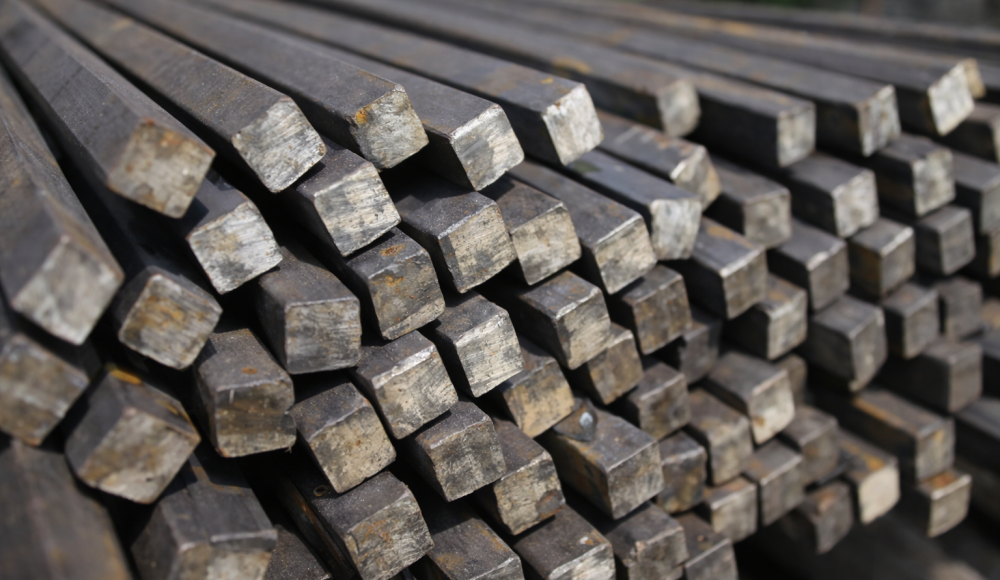
Al seleccionar materiales para Mecanizado CNC, fabricación de chapa, y estampado, La capacidad de fabricación a menudo importa más que la resistencia máxima.. 1006 acero carbono, con su contenido ultra bajo de carbono, is widely favored in production environments where formabilidad, soldadura, and process stability son críticos.
Este artículo examina 1006 carbon steel specifically from a manufacturing and process-engineering perspective, ayudando a los talleres CNC, sheet metal fabricators, and stamping manufacturers determine when and why this material is the right choice.
1. Qué es 1006 Acero carbono?
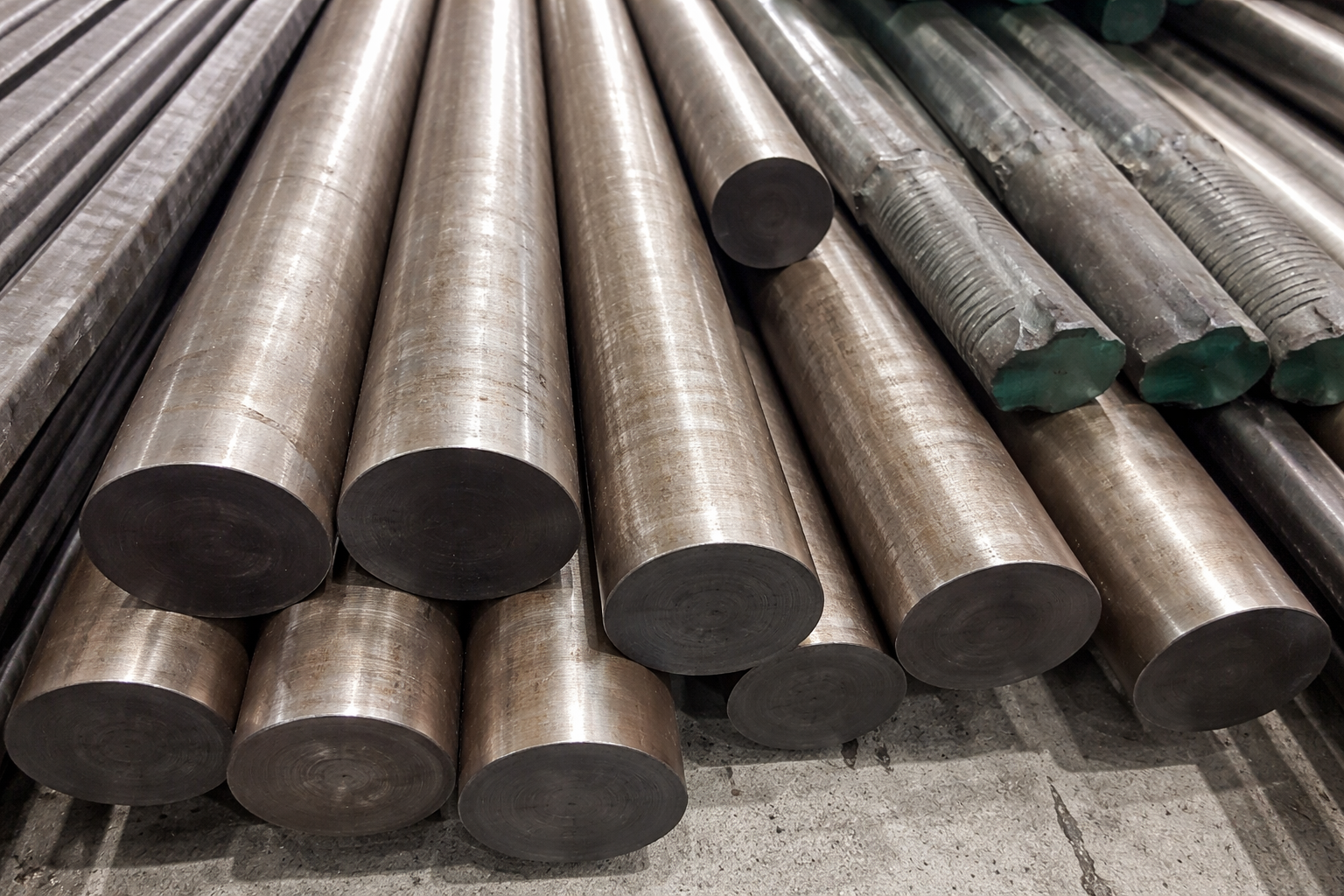
1006 carbon steel is classified as an ultra-low carbon steel, containing no more than 0.08% carbón. Unlike higher-carbon or alloy steels, it is not designed for high-load structural performance. En cambio, it is optimized for:
Cold forming and bending
High-volume stamping
Welded assemblies
Cost-sensitive manufacturing
For CNC and fabrication shops, 1006 steel is often selected not for strength, but for process reliability and ease of production.
2. Chemical Composition and Manufacturing Impact
The simplified chemistry of 1006 steel directly explains its behavior in machining and forming operations.
| Elemento | Contenido (%) | Manufacturing Significance |
| Hierro (fe) | 99.43–99.75 | Provides a uniform, predictable base material |
| Carbón (C) | ≤ 0.08 | Enables high ductility, low hardness, excelente soldabilidad |
| Manganeso (Minnesota) | 0.25–0.40 | Improves strength slightly and supports deoxidation |
| Fósforo (PAG) | ≤ 0.040 | Controlled to prevent brittleness |
| Azufre (S) | ≤ 0.050 | Low levels preserve ductility and weld quality |
Key takeaway for manufacturers:
Low carbon = soft material + stable forming + minimal welding defects.
3. Mechanical Properties Relevant to CNC & formando
From a production standpoint, these mechanical values explain how 1006 steel behaves on machines and presses:
Resistencia a la tracción: ~330 MPa (48,000 psi)
Fuerza de producción: ~285MPa (41,300 psi)
Alargamiento: ~20% (50 mm gauge length)
Dureza Brinell: ~95 HB
Módulo elástico: 190–210 GPa
Estas propiedades hacen 1006 acero:
Easy to bend without cracking
Suitable for deep drawing and progressive dies
Forgiving during setup and high-volume runs
4. Performance in CNC Machining
From a CNC machining perspective, 1006 el acero al carbono es easy to cut but requires process optimization.
CNC Machining Characteristics
Ventajas
Low hardness reduces cutting forces
Minimal tool wear under proper conditions
Suitable for simple milled or turned components
Desafíos
Low carbon content can cause built-up edge (ARCO)
Chip control may be inconsistent
Surface finish may require optimized speeds, alimentos, y herramientas
CNC Best Practices
Use sharp carbide tooling
Optimize cutting speed to reduce BUE
Apply appropriate coolant or lubrication
Avoid overly aggressive feed rates
5. Advantages in Sheet Metal Fabrication
1006 carbon steel is particularly well-suited for sheet metal processes, incluido:
Corte por láser
Puñetazos
Doblar
Roll forming
Why Fabricators Prefer 1006 Acero
Excellent bend radius capability
Low springback during forming
Consistent results across batches
Easy post-form welding
Esto lo hace ideal para recintos, soportes, paneles, y viviendas.
6. Por qué 1006 Steel Excels in Stamping & Dibujo profundo
In stamping operations, material ductility directly affects die life and part quality.
Stamping Advantages
High elongation supports deep drawing
Reduced cracking and tearing risk
Stable behavior in progressive dies
Suitable for thin-wall and complex geometries
For high-volume stamped parts, 1006 steel helps:
Reduce scrap rates
Extend tooling life
Improve dimensional consistency
7. Welding and Assembly Considerations
Thanks to its ultra-low carbon content, 1006 ofertas de acero exceptional weldability.
Suitable Welding Methods
soldadura MIG
soldadura TIG
Soldadura con electrodo revestido
Welding Benefits
No preheating required
Low risk of hydrogen cracking
Limpio, stable weld pools
Esto hace 1006 steel ideal for welded frames, soportes, and multi-part assemblies.
8. Typical CNC & Fabrication Applications
Desde el punto de vista de la fabricación, 1006 carbon steel is commonly used for:
CNC-machined brackets and spacers
Stamped automotive body components
Sheet metal appliance panels
Welded enclosures and frames
Wire-formed and bent components
Su combinación de bajo costo, easy processing, and stable behavior makes it a reliable production material.
9. Conclusión
Para mecanizado CNC, fabricación de chapa, y operaciones de estampado, 1006 carbon steel is a process-friendly material rather than a high-strength alloy. Its ultra-low carbon composition delivers:
Outstanding formability
Excellent weldability
Comportamiento de mecanizado predecible
Cost efficiency for mass production
If your project prioritizes manufacturing efficiency, forming performance, and weld quality, 1006 carbon steel remains a practical and proven choice.
Preguntas frecuentes
Q1: Es 1006 carbon steel suitable for precision CNC parts?
Sí, for low-load components. Tooling and parameters must be optimized to control built-up edge.
Q2: ¿Por qué es 1006 steel preferred for stamping?
Its high ductility and low hardness reduce cracking, improve die life, and ensure consistent forming.
Q3: Does 1006 steel require heat treatment?
No. Heat treatment does not significantly increase strength due to its low carbon content.
Q4: Is surface finishing compatible with 1006 acero?
Sí. It works well with plating, cuadro, recubrimiento en polvo, and galvanizing.
Q5: When should I choose 1006 encima 1018 acero?
Elegir 1006 for better formability and stamping performance; elegir 1018 for higher strength and better machinability.