


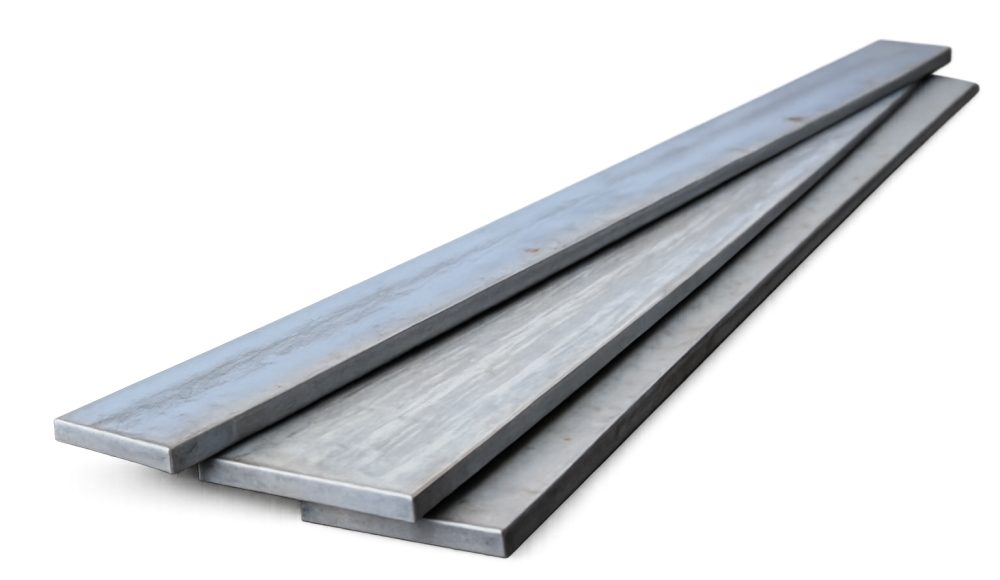
Conocido por su excelente equilibrio de dureza, tenacidad, y asequibilidad, 1075 El acero al carbono se ha convertido en un material preferido para industrias que van desde Fabricación de cuchillos y producción de resortes para maquinaria automotriz e industrial..
A diferencia de los aceros con alto contenido de carbono que priorizan la dureza a expensas de la tenacidad, 1075 El acero ocupa un punto dulce. Ofrece suficiente dureza para resistir el desgaste y al mismo tiempo mantiene la flexibilidad necesaria para soportar tensiones e impactos repetidos..
Esto lo hace especialmente atractivo para:
Fabricantes que buscan materiales de rendimiento rentables
Ingenieros diseñando dinámica, componentes de carga
Compradores abasteciéndose Piezas metálicas personalizadas con propiedades mecánicas confiables.
En esta guía completa, aprenderás todo lo que necesitas saber sobre 1075 Acero al carbono: desde su composición y propiedades hasta sus aplicaciones en el mundo real y cómo obtenerlo de manera efectiva..
Composición química de 1075 Acero carbono
El desempeño de 1075 El acero al carbono está determinado principalmente por su composición química.. A continuación se muestra un desglose detallado:
| Elemento | Contenido (%) | Función |
| Carbón (C) | 0.70–0,80 | Aumenta la dureza y la resistencia al desgaste. |
| Manganeso (Minnesota) | 0.40–0,70 | Mejora la resistencia y la templabilidad. |
| Fósforo (PAG) | ≤0,04 | Controlado para mantener la ductilidad. |
| Azufre (S) | ≤0,05 | Mejora la maquinabilidad pero se mantiene baja para evitar la fragilidad. |
| Hierro (fe) | Balance | Metal base que proporciona integridad estructural. |
Insight clave
El contenido de carbono (≈0,75%) es lo que define 1075 acero. Proporciona:
Mayor dureza que los aceros con bajo contenido de carbono.
Mejor tenacidad que los aceros con alto contenido de carbono como 1095
Este equilibrio es la razón por la que se utiliza ampliamente en funcional, aplicaciones resistentes a impactos.
Propiedades físicas y mecánicas clave
Dureza y resistencia
1075 El acero al carbono puede alcanzar una dureza de aproximadamente 44–55 HRC después del tratamiento térmico adecuado.
Alta resistencia a la deformación
Adecuado para aplicaciones de corte y de carga
Mantiene la integridad estructural bajo tensión.
Esto lo hace ideal para cuchillas, ballestas, y piezas mecanicas que debe soportar el uso repetido.
Dureza y flexibilidad
Una de las características definitorias de 1075 el acero es su dureza excepcional.
Absorbe los golpes sin agrietarse
Mantiene la flexibilidad bajo cargas dinámicas.
Menos propenso a fallas frágiles en comparación con 1095 acero
Esta propiedad es crítica en aplicaciones como:
machetes
espadas
Resortes automotrices
Resistencia al desgaste
Gracias a su contenido de carbono relativamente alto, 1075 ofertas de acero:
Buena resistencia a la abrasión
Vida útil prolongada bajo fricción
Frecuencia de mantenimiento reducida
Se desempeña bien en herramientas agrícolas, equipo de corte, y componentes industriales expuesto al desgaste continuo.
maquinabilidad
1075 el acero tiene maquinabilidad moderada (~50%), significado:
Se puede procesar utilizando CNC estándar y herramientas de mecanizado.
Requiere un poco más de esfuerzo que los aceros con bajo contenido de carbono.
Adecuado para componentes de precisión con herramientas adecuadas
Para fabricantes, esto se traduce en un Costo de producción equilibrado vs.. relación de rendimiento.
Capacidad de respuesta del tratamiento térmico
Una de las mayores ventajas de 1075 El acero es su excelente respuesta al tratamiento térmico..
Proceso típico:
austenitizante: ~899°C (1650°F)
Temple: enfriamiento con aceite
Templado: 371–705°C (700–1300°F)
Esto permite a los fabricantes:
Ajustar dureza y tenacidad.
Personalice el rendimiento para aplicaciones específicas
Lograr una calidad constante del producto
Ventajas de 1075 Acero carbono
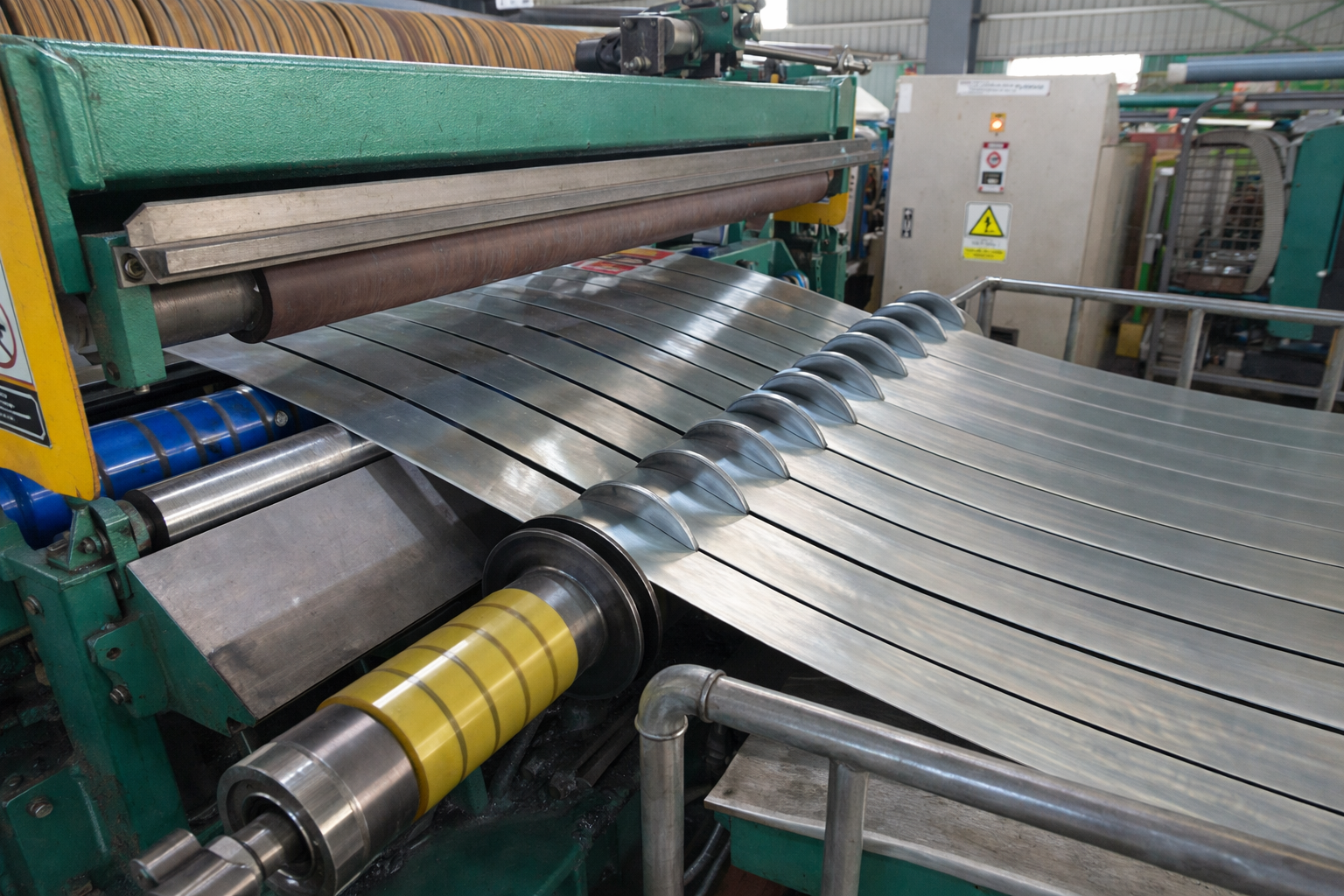
Excelente equilibrio de dureza y tenacidad
A diferencia de muchos aceros que favorecen una propiedad, 1075 ofrece ambas cosas, lo que lo hace adecuado para aplicaciones dinámicas y de impacto.
Fácil afilado
En comparación con los aceros con alto contenido de carbono:
Requiere menos esfuerzo para afilar
Mantiene una ventaja funcional de manera eficiente
Ideal para herramientas que requieren mantenimiento frecuente
Buena resistencia al desgaste
Su durabilidad asegura:
Larga vida útil
Tiempo de inactividad reducido
Costos de reemplazo más bajos
Versatilidad en todas las industrias
Desde herramientas manuales hasta maquinaria industrial, 1075 El acero se adapta bien a múltiples casos de uso.
Material rentable
Menor costo que los aceros aleados y los aceros inoxidables.
Requisitos de procesamiento simples
Ideal para producción a gran escala.
Guía de procesamiento y tratamiento térmico
Forja
Rango de temperatura: 927–1204°C (1700–2200°F)
Fácil de forjar y dar forma
Pasos del tratamiento térmico
Calefacción (austenitizante)
Temple (Aceite recomendado)
Templado (a la dureza deseada)
Consideraciones de soldadura
1075 El acero al carbono se puede soldar con precauciones.:
Precalentar: 260–315°C
Post-calentamiento: 649–788°C
Se requiere refrigeración controlada
Sin un manejo adecuado, existe un riesgo de agrietamiento debido al alto contenido de carbono.
Consejos de procesamiento para compradores
Especificar siempre condición de tratamiento térmico al realizar el pedido
Confirmar Requisitos de tolerancia y acabado superficial.
Trabajar con proveedores que ofrecen capacidades de procesamiento personalizadas
Aplicaciones comunes de 1075 Acero carbono
Fabricación de cuchillos y hojas
Excelente rendimiento de borde
Alta resistencia al impacto
Adecuado para machetes y hojas de uso pesado.
Producción de primavera
Alta elasticidad
Resistencia a la fatiga
Ampliamente utilizado en resortes automotrices e industriales.
Componentes automotrices
Las piezas típicas incluyen:
Discos de embrague
Ballestas
Componentes resistentes al desgaste
Piezas de maquinaria industrial
Utilizado para:
Ejes
Barras rectificadas con precisión
Componentes estructurales
Herramientas y hardware
Ejemplos comunes:
Martillo
Hachas
llaves
Estas herramientas se benefician de Durabilidad y resistencia a impactos repetidos..
Comparación con otros grados de acero
1075 vs 1095 Acero carbono
| Característica | 1075 | 1095 |
| Contenido de carbono | ~0,75% | ~0,95% |
| Dureza | Moderado | Más alto |
| Tenacidad | Mejor | Más bajo |
| Afilado | Más fácil | mas dificil |
Conclusión:
Elegir 1075 por la dureza; elegir 1095 para una máxima retención de bordes.
1075 vs 5160 Acero para resortes
| Característica | 1075 | 5160 |
| Tenacidad | Alto | muy alto |
| Flexibilidad | Bien | Mumtaz |
| Elementos de aleación | Bajo | Contiene cromo |
Conclusión:
5160 es mejor para el estrés extremo; 1075 es más rentable.
1075 vs acero inoxidable
| Característica | 1075 | Acero inoxidable |
| Resistencia a la corrosión | Bajo | Alto |
| Costo | Más bajo | Más alto |
| Mantenimiento | Requiere cuidado | Mínimo |
Conclusión:
Usar 1075 por rendimiento y costo; acero inoxidable para resistencia a la corrosión.
Limitaciones de 1075 Acero carbono
Si bien es muy versátil, 1075 El acero tiene algunos inconvenientes.:
Poca resistencia a la corrosión (requiere recubrimiento o engrase)
Retención moderada de los bordes en comparación con los aceros con mayor contenido de carbono
No apto para ambientes altamente corrosivos
Comprender estas limitaciones ayuda a los compradores a tomar decisiones informadas.
Cómo elegir 1075 Acero al carbono para su aplicación
Elegir 1075 Si lo necesitas:
Dureza y tenacidad equilibradas
Material rentable
Rendimiento confiable bajo estrés
Evitar 1075 Si lo necesitas:
Alta resistencia a la corrosión
Dureza ultraalta
Aplicaciones exteriores de bajo mantenimiento
Lista de verificación del comprador
Al abastecerse 1075 acero, confirmar:
Certificación de material (composición química)
Condición de tratamiento térmico
Requisitos de propiedad mecánica.
Capacidad de procesamiento de proveedores
Costumbre 1075 Soluciones de acero
Si es fabricante o comprador OEM, Encontrar el proveedor adecuado es fundamental.
Formularios disponibles
Hojas
Verja
Bobinas
Componentes cortados a medida
Servicios de procesamiento personalizados
Estampado y conformado
Tratamiento térmico
Acabado superficial
Por qué trabajar con un fabricante especializado
Un proveedor confiable puede proporcionar:
Control de calidad consistente
Plazos de entrega rápidos
Soporte de ingeniería
Optimización de costos para pedidos al por mayor
Si estas buscando costumbre 1075 piezas o componentes de acero al carbono, Trabajar con un fabricante experimentado garantiza que usted obtenga:
El grado de material adecuado
Rendimiento optimizado
Precios competitivos
👉 Póngase en contacto con nosotros hoy para solicitar un presupuesto o consulta técnica.
Conclusión
1075 El acero al carbono sigue siendo la mejor opción para los ingenieros., fabricantes, y artesanos debido a su:
Propiedades mecánicas equilibradas
Fuerte resistencia al desgaste
Excelente dureza
Eficiencia de costos
Si estás produciendo componentes industriales, ballestas, o herramientas de corte, 1075 El acero ofrece una solución fiable y versátil..
Al comprender sus propiedades, requisitos de procesamiento, y aplicaciones ideales, puedes hacer Decisiones de abastecimiento más inteligentes y mejorar el rendimiento del producto..
Preguntas frecuentes
1. ¿Cuál es la diferencia entre 1075 y 1095 acero?
1075 tiene menor contenido de carbono, ofreciendo una mejor tenacidad pero una dureza ligeramente menor en comparación con 1095.
2. ¿Qué dureza puede 1075 acero lograr?
Típicamente 44–55 HRC, Dependiendo del tratamiento térmico.
3. Poder 1075 acero al carbono soldado?
Sí, Pero requiere precalentamiento y postcalentamiento Para evitar el agrietamiento.
4. Es 1075 acero bueno para espadas?
Sí, proporciona un excelente equilibrio de retención de bordes y resistencia al impacto.
5. Es 1075 acero fácil de forjar?
Sí, se forja bien en 927–1204°C y responde eficazmente al tratamiento térmico.