


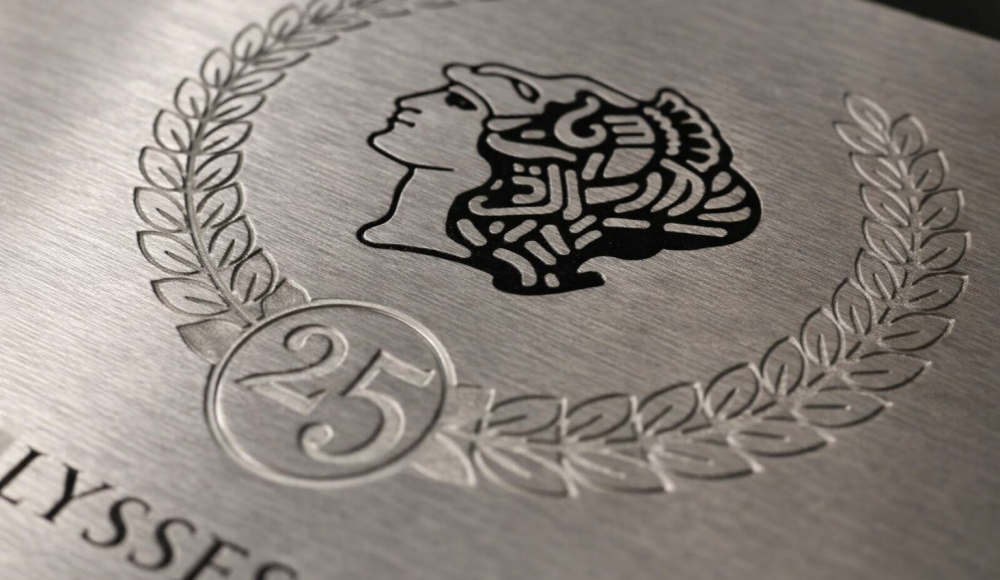
La impresión en metal es bastante importante en la fabricación moderna, identificación industrial, herrada, y producción creativa. Desde el marcado permanente de piezas en el sector aeroespacial hasta paneles decorativos a todo color en arquitectura, La impresión sobre metal ofrece una durabilidad inigualable., precisión, e impacto visual premium.
Sin embargo, No todos los métodos de impresión en metal son iguales.. Cada tecnología difiere significativamente en términos de durabilidad., capacidad de color, estructura de costos, eficiencia de producción, y compatibilidad de material. Elegir el método incorrecto puede provocar una mala adherencia., ropa prematura, incumplimiento regulatorio, o inversión de capital innecesaria.
Esta guía proporciona un integral, técnico, y descripción práctica de los métodos de impresión en metal más utilizados en la actualidad, lo que ayuda a los ingenieros, fabricantes, y los compradores toman decisiones informadas mientras maximizan el rendimiento, cumplimiento, y retorno de la inversión.
1. Introducción a la impresión en metal
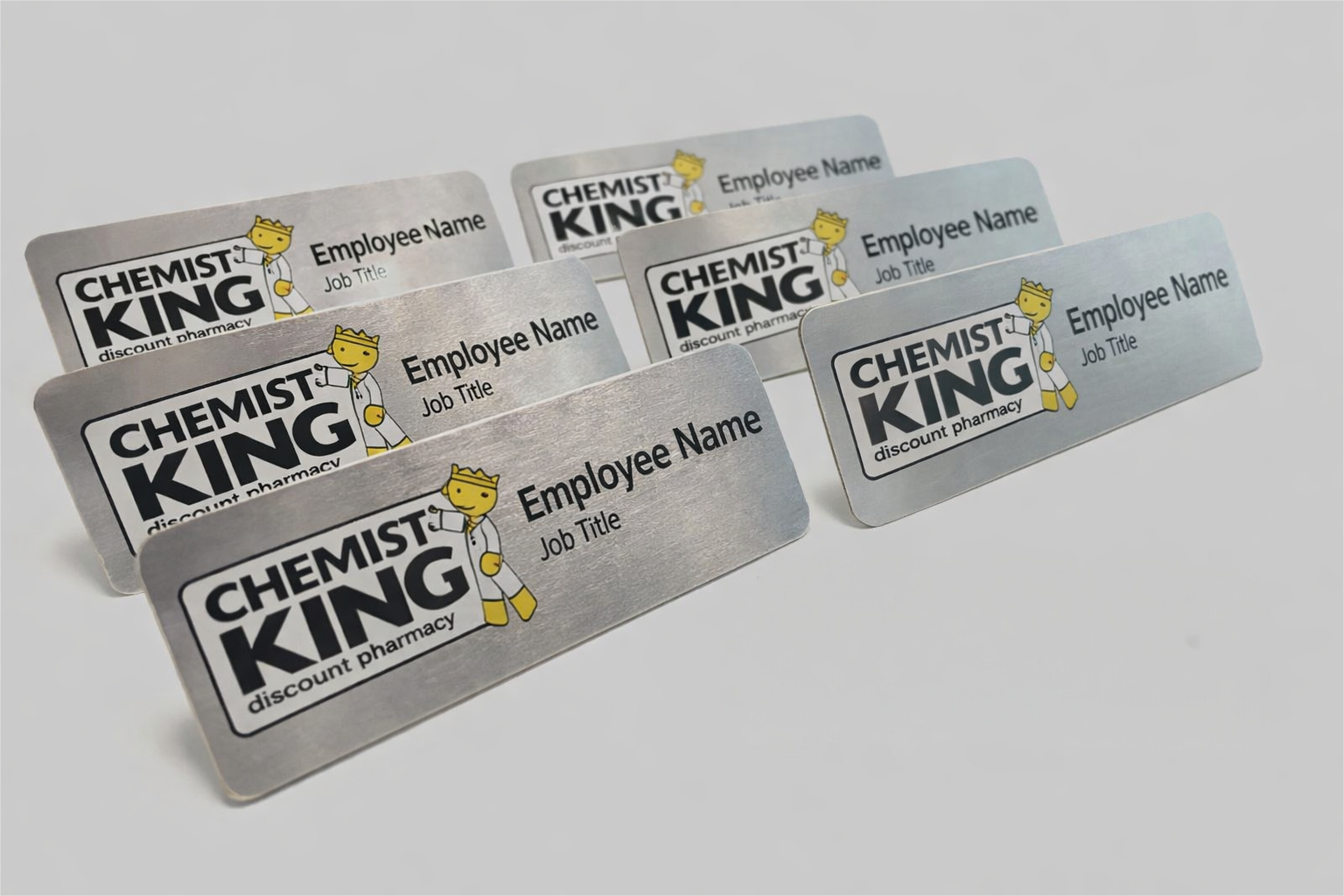
La impresión en metal se refiere al proceso de creación de marcas permanentes o semipermanentes., imágenes, o texto directamente sobre superficies metálicas. A diferencia de la impresión en papel o plástico, La impresión en metal debe soportar entornos hostiles como:
Altas temperaturas
Exposición química
Abrasión mecánica
radiación ultravioleta
Largos ciclos de vida de servicio
Por qué es importante la impresión en metal
Trazabilidad industrial: Números de serie, códigos de barras, Códigos de matriz de datos
Cumplimiento normativo: Aeroespacial, médico, estándares automotrices
Diferenciación de marca: Logotipos, paneles, placas de identificación
Etiquetado funcional: Paneles de control, advertencias, instrucciones
Usos artísticos y decorativos: Fotografía, señalización, arquitectura
Puentes de impresión de metal modernos. requisitos de ingeniería funcional y estética visual, haciéndolo indispensable en todas las industrias.
2. Marcado directo de piezas (DPM) Descripción general
Marcado directo de piezas (DPM) Es la práctica de marcar información directamente en un componente en lugar de utilizar etiquetas o rótulos..
Por qué DPM es fundamental
Las marcas permanecen legibles durante todo el ciclo de vida del producto.
Resistente al calor, aceite, quimicos, y usar
Permite la inspección automatizada por visión artificial
Requerido por muchos estándares de calidad y trazabilidad. (YO ASI, IATF, FDA)
Las tecnologías DPM comunes incluyen:
Marcado láser
Marcado con micropercusión
grabado químico
grabado mecanico
3. Impresión láser sobre metal
3.1 Cómo funciona el marcado láser
La impresión láser sobre metal es una proceso sin contacto usando un rayo láser altamente enfocado para alterar la superficie del metal.
Hay tres interacciones láser principales.:
Grabado: Elimina material para crear profundidad., marcas permanentes
Aguafuerte: Derrite la superficie para crear contraste.
Recocido: Cambia el color de la superficie mediante calor controlado sin eliminación de material.
Cada método ofrece una durabilidad diferente., profundidad, y características de contraste.
3.2 Tipos de láseres utilizados
Láser de fibra (1064 Nuevo Méjico)
Estándar industrial para marcado de metales; excelente velocidad, precisión, y longevidad.
Láseres de co₂
Utilizado principalmente para metales recubiertos y no metales..
Láseres UV
Marcado ultrafino para electrónica y microcomponentes.
Láser de yag
Tecnología más antigua, ahora reemplazado en gran medida por láseres de fibra.
3.3 Metales adecuados
Aluminio y aluminio anodizado
Acero inoxidable y acero al carbono.
Titanio
Cobre y latón (menor absorción, requiere sintonización)
metales preciosos (oro, plata)
3.4 Aplicaciones industriales
Piezas de automóvil y marcado VIN
Componentes estructurales aeroespaciales
Instrumentos médicos e implantes.
Carcasas para electrónica
Identificación de herramientas y moldes.
Personalización de joyas
3.5 Ventajas y desventajas
Ventajas
Precisión extremadamente alta (±0,003–0,006 mm)
Permanente, marcado resistente al desgaste
Sin consumibles (sin tinta)
Tiempos de ciclo rápido
Ideal para automatización y producción en línea
Desventajas
Mayor costo inicial del equipo
Se requiere operación calificada
Opciones de color limitadas (excepto sistemas MOPA)
Los metales reflectantes requieren optimización de parámetros
4. Serigrafía sobre metal
Cómo funciona la serigrafía sobre metal
En su núcleo, La serigrafía es una método de impresión basado en plantilla. La tinta se empuja a través de una malla fina y se transfiere directamente a la superficie metálica..
Aquí hay un desglose simple del proceso.:
Preparación de obras de arte
el diseño (logo, texto, símbolo) se crea digitalmente y se prepara para imprimir.
Creación de pantalla
Una pantalla de malla fina está recubierta con una capa sensible a la luz.. El diseño está expuesto en la pantalla., dejando áreas abiertas por donde puede pasar la tinta.
Colocación de la pieza metálica
La lámina o componente metálico se coloca debajo de la pantalla..
Aplicación de tinta
La tinta se esparce por la pantalla y se empuja a través de las áreas abiertas con una escobilla de goma..
Secado o curado
El metal impreso se seca de forma natural o se cura con calor o luz ultravioleta., dependiendo del tipo de tinta.
Una vez curado, La tinta se adhiere firmemente a la superficie del metal..
Tipos de tinta comúnmente utilizados para metal
Elegir la tinta adecuada es fundamental para el rendimiento y la durabilidad.. Se utilizan habitualmente varios tipos de tinta en la serigrafía metálica.:
Tintas a base de solventes
Buena adherencia y durabilidad para uso industrial general..
Tintas curadas con UV
Secan instantáneamente bajo luz ultravioleta y ofrecen una fuerte resistencia a los productos químicos y la abrasión..
Tintas epoxi
Extremadamente duradero y resistente a ambientes hostiles..
Tintas de dos componentes
A menudo se utiliza para aplicaciones al aire libre o de servicio pesado..
Tintas termocurables
Diseñado para piezas metálicas expuestas a altas temperaturas o condiciones extremas..
Cada tipo de tinta se selecciona según ambiente, uso, y requisitos de vida útil.
Dónde se utiliza habitualmente la serigrafía sobre metal
La serigrafía se utiliza ampliamente en muchas industrias porque es confiable y escalable..
Las aplicaciones típicas incluyen:
Paneles de control industriales
Etiquetas, símbolo, e instrucciones que deben permanecer legibles a lo largo del tiempo.
Componentes automotrices
Marcas impresas en paneles y piezas metálicas..
Equipos eléctricos y electrónicos.
Paneles frontales, recintos, y placas de identificación.
Señalización y placas de identificación.
Letreros metálicos duraderos para interiores y exteriores..
Productos metálicos promocionales.
botellas de agua de marca, llaveros, y herramientas.
Piezas metálicas decorativas.
Elementos de diseño y obras de arte simples sobre superficies metálicas planas..
Ventajas de la serigrafía sobre metal
La serigrafía sigue siendo popular porque ofrece varios beneficios prácticos.:
Fuerte, colores vibrantes
Ideal para logotipos, advertencias, y gráficos de marca.
Buena durabilidad
Cuando se cura adecuadamente, las impresiones resisten el desgaste, quimicos, y exposición a los rayos UV.
Rentable para grandes cantidades
Cuantas más piezas imprimas, cuanto menor sea el costo por unidad.
Funciona en muchos metales.
Incluyendo aluminio, acero inoxidable, y metales recubiertos.
Adecuado para superficies planas y ligeramente curvadas
Útil para paneles y carcasas..
Limitaciones a considerar
Si bien la serigrafía es confiable, no es perfecto para todas las aplicaciones:
Tiempo de configuración más largo
Las pantallas deben prepararse antes de que comience la impresión..
No es ideal para detalles muy finos.
El texto extremadamente pequeño o los patrones complejos pueden perder nitidez.
Cada color requiere un pase por separado.
Los diseños multicolores aumentan el tiempo y el coste.
Es posible que sea necesaria una preparación de la superficie.
Algunos metales requieren imprimaciones para una adecuada adhesión de la tinta..
Preocupaciones ambientales
Ciertas tintas contienen COV y requieren una manipulación controlada.
Cuando la serigrafía es la elección correcta
La serigrafía sobre metal es una opción inteligente cuando:
Necesitas claro, gráficos en negrita
El diseño no requiere detalles ultrafinos.
tu estas produciendo volúmenes medios a altos
La consistencia y la durabilidad del color son importantes
La superficie del metal es mayoritariamente plana.
Para aplicaciones que requieren marcas de trazabilidad permanentes o detalles extremadamente finos, El marcado láser puede ser una mejor opción.. Sin embargo, para rico en color, legible, y una impresión de metales rentable, La serigrafía sigue siendo una solución probada..
5. Impresión UV directa sobre metal
Cómo funciona la impresión UV directa sobre metal
Usos de la impresión UV directa Tintas curables por UV y cabezales de impresión de inyección de tinta para aplicar diseños directamente sobre la superficie metálica..
Así es como funciona el proceso en términos simples.:
Preparación de la superficie
La superficie del metal se limpia para eliminar el aceite., polvo, u oxidación. En algunos casos, Se aplica una imprimación para mejorar la adherencia de la tinta..
Impresión de inyección de tinta
La tinta UV se pulveriza directamente sobre el metal mediante boquillas de inyección de tinta precisas..
Curado UV instantáneo
Tan pronto como la tinta llegue a la superficie, Las lámparas ultravioleta lo exponen a la luz ultravioleta..
Endurecimiento de la tinta
La luz ultravioleta hace que la tinta se endurezca inmediatamente., pegándolo firmemente al metal.
Listo para manipular
La pieza metálica impresa se puede manipular inmediatamente, sin necesidad de tiempo de secado.
Esto hace que la impresión UV sea especialmente útil para Plazos de entrega cortos y ciclos de producción rápidos..
Metales y superficies adecuadas para impresión UV
La impresión UV directa funciona en muchos metales comunes, especialmente cuando la superficie es lisa y adecuadamente preparada.
Los materiales comunes incluyen:
Aluminio y aluminio anodizado
Acero inoxidable
Latón
Titanio
Acero galvanizado
Metales con recubrimiento en polvo o pintados
La impresión UV funciona mejor en superficies planas o ligeramente curvadas. Las superficies muy rugosas o irregulares pueden afectar la calidad de impresión..
Usos comunes de la impresión UV directa sobre metal
Por su flexibilidad y calidad de color., La impresión UV se utiliza tanto en aplicaciones industriales como creativas..
Los usos típicos incluyen:
Etiquetas y placas de identificación de productos.
Texto claro y logotipos impresos directamente en piezas metálicas..
Paneles de control y paneles de equipos.
Símbolo, instrucciones, y marcas en carcasas metálicas.
Señalización
Letreros metálicos duraderos para interiores y exteriores..
Productos metálicos promocionales.
botellas de agua personalizadas, llaveros, herramientas, y obsequios.
Metal arquitectónico y decorativo.
Paneles metálicos impresos para interiores y expositores..
Arte y fotografía
Imágenes de alta resolución impresas en superficies metálicas..
Beneficios de la impresión UV directa sobre metal
La impresión UV directa ofrece varias ventajas importantes:
Impresión a todo color
Ideal para logotipos, imágenes, y gráficos detallados.
Producción rápida
La tinta se cura al instante., reduciendo el tiempo de respuesta.
Alta calidad de imagen
Detalles nítidos y degradados suaves.
Fuerte durabilidad
Las tintas UV resisten la decoloración, quimicos, y desgaste ligero.
Bajo impacto ambiental
Las tintas UV suelen tener bajas emisiones de COV.
No requiere calor
Adecuado para piezas metálicas delgadas o sensibles al calor..
Limitaciones a tener en cuenta
Si bien la impresión UV es versátil, no es la mejor opción para cada situación:
La flexibilidad de la tinta es limitada
Si el metal se dobla después de imprimir, la tinta puede agrietarse.
La preparación de la superficie es fundamental
Una mala limpieza puede provocar descamación o una adhesión débil..
Mayor costo del equipo
Las impresoras UV requieren una mayor inversión inicial.
Limitaciones de tamaño
El tamaño de impresión está limitado por la plataforma de la impresora..
Desafíos de combinación de colores
Los colores pueden verse diferentes según la superficie y el acabado del metal..
Cuando la impresión UV directa es la elección correcta
La impresión UV directa sobre metal es una excelente opción cuando:
Necesitas brillante, diseños a todo color
La parte metálica permanecerá en su mayor parte plano y rígido
La respuesta rápida es importante
La apariencia visual importa tanto como la durabilidad
Quieres evitar etiquetas o pegatinas
Para aplicaciones que requieren profundo, marcas permanentes o trazabilidad de por vida, El marcado láser puede ser una mejor solución.. Sin embargo, para rico en color, impresión de metales de alto impacto, La impresión UV es una de las opciones más flexibles y eficientes disponibles en la actualidad..
6. Sublimación de tinte sobre metal
Cómo funciona la sublimación de tinte en metal
Usos de la sublimación de tinte calor y presión para transferir tinta a una superficie metálica con un recubrimiento especial.
Aquí está el proceso en términos simples.:
Preparación del diseño
La imagen se crea digitalmente y se imprime en papel de transferencia de sublimación especial utilizando tinta de sublimación..
Preparación de metales
El metal, generalmente aluminio, está recubierto con una capa de poliéster que puede absorber la tinta de sublimación..
Transferencia de calor
El papel impreso se coloca sobre la superficie metálica y se presiona a alta temperatura y presión..
sublimación de tinta
La tinta sólida se convierte directamente en gas. (sin volverse liquido) y penetra el revestimiento de poliéster.
Unión permanente
Mientras el metal se enfría, la tinta se solidifica dentro del recubrimiento, bloquear la imagen en su lugar.
El resultado es un liso, imagen duradera que no se pele ni se agriete.
Metales comúnmente utilizados para la sublimación de tintes
La sublimación de tinta funciona sólo en metales que tienen una revestimiento de poliéster.
Los materiales más comunes incluyen:
Aluminio (elección más popular)
Ligero, resistente a la corrosión, e ideal para impresión de fotografías.
Acero inoxidable recubierto
Más fuerte que el aluminio pero requiere un recubrimiento adecuado..
Latón y cobre (menos común)
Se puede utilizar con tratamientos superficiales especiales..
Entre estos, paneles de sublimación de aluminio Son, con diferencia, los más utilizados en aplicaciones comerciales y artísticas..
Usos comunes de la sublimación de tinte en metal
Por su excelente calidad de imagen., La sublimación de tinte se usa ampliamente en aplicaciones visuales y decorativas..
Los usos típicos incluyen:
Impresiones fotográficas en metal
Bellas artes, fotografía comercial, y exhibiciones de galería.
Señalización
Señalización interior y señalización exterior ligera.
Premios y placas
Trofeos, placas de reconocimiento, y placas conmemorativas.
Decoración de interiores
Arte de la pared, paneles decorativos, y decoración de metal personalizada.
Artículos promocionales
Productos metálicos de marca con gran atractivo visual..
Beneficios de la sublimación de tinte en metal
La sublimación de tinte ofrece varias ventajas claras:
Reproducción de imágenes con calidad fotográfica
Excelente detalle, gradientes, y profundidad de color.
Impresiones duraderas
Las imágenes resisten la decoloración, peladura, y rascándose.
Liso, acabado brillante
Aspecto y sensación premium.
Sin capa de tinta elevada
La superficie permanece plana y limpia..
Buena resistencia a los rayos UV
Adecuado para muchos usos en interiores y exteriores ligeros..
Limitaciones a considerar
A pesar de sus fortalezas visuales, La sublimación de tinte tiene algunas limitaciones importantes.:
Requiere metal recubierto
No se puede utilizar en metales en bruto o sin recubrimiento..
No es ideal para entornos industriales hostiles
Menos resistente a la abrasión intensa o a los productos químicos..
Limitaciones de tamaño
El tamaño de impresión depende de la capacidad de la prensa térmica..
variación de color
Los colores pueden verse ligeramente diferentes en comparación con el papel o las pantallas..
Mayor costo de instalación para lotes pequeños
Menos económico para volúmenes muy bajos.
7. Técnicas de aguafuerte y grabado
Cómo funciona el grabado sobre metal
El grabado es un proceso químico que elimina partes de la superficie metálica para crear un diseño o texto.
Así es como funciona:
Preparación del diseño
Se crea una máscara fotorresistente de tu diseño.. Esta máscara protege las áreas que no deseas grabar..
Aplicando el fotorresistente
La máscara se aplica a la superficie del metal..
Exposición
El metal con el fotorresistente se expone a la luz ultravioleta., que endurece las zonas expuestas.
Desarrollo
Se retira el fotorresistente no endurecido., revelando el metal que será grabado.
Aguafuerte
El metal se coloca en un baño ácido. (o grabador químico), que elimina las áreas metálicas expuestas.
Limpieza
Se elimina el fotorresistente restante., y el metal se neutraliza para detener el proceso de grabado..
El resultado es un preciso, diseño empotrado en la superficie metálica.
Cómo funciona el grabado sobre metal
El grabado es un proceso mecanico que corta o talla el metal. No utiliza químicos.
Las técnicas comunes incluyen:
Grabado rotativo
Utiliza una herramienta de corte giratoria para tallar formas o texto en el metal..
Grabado de arrastre de diamante
Se arrastra un lápiz con punta de diamante por el metal para crear imágenes finas., líneas precisas.
Grabado láser
Un láser de alta potencia elimina el metal para crear marcas detalladas (combina precisión de grabado con automatización moderna).
El grabado es ideal cuando profundidad, textura, o alta precisión es necesario.
Metales aptos para grabado y grabado
La mayoría de los metales se pueden grabar o grabar., pero es más fácil trabajar con algunos:
Acero inoxidable
Aluminio
Latón y cobre
Titanio
Metales preciosos como la plata y el oro.
La elección del metal depende a menudo del durabilidad deseada, finalizar, y apariencia.
Usos comunes del aguafuerte y el grabado
El aguafuerte y el grabado se utilizan en industrial, artístico, y aplicaciones comerciales:
marcado industrial
Números de serie, números de pieza, y códigos de identificación.
Señalización y placas de identificación.
Letras elevadas o empotradas para un profesional, aspecto duradero.
Joyas y premios
Texto o logotipos personalizados en regalos de metal y trofeos.
Electrónica
Marcado de placas de circuito, paneles, y componentes metálicos.
Carpintería decorativa
Patrones o diseños en paneles metálicos arquitectónicos y piezas artísticas..
Beneficios del grabado y grabado
Marcas permanentes
Resistente al desgaste, quimicos, y calor.
Alta precisión
Ideal para detalles finos y diseños complejos.
Versatilidad
Funciona en una amplia variedad de metales y acabados..
Control de profundidad
Puedes variar la profundidad para crear diferentes efectos visuales..
apariencia profesional
Agrega un tacto, sensación premium de los productos.
Limitaciones a considerar
Las opciones de color son limitadas
Generalmente, la marca es el color natural del metal a menos que esté llena de tinta o pintura.
Riesgo de daños superficiales
Una técnica incorrecta puede deformar o debilitar los metales finos..
Manipulación de productos químicos
El grabado implica ácidos y requiere precauciones de seguridad adecuadas..
Mayor costo del equipo
Las máquinas de grabado y láser de alta calidad pueden resultar caras.
Cuando el aguafuerte y el grabado son la elección correcta
El grabado y el grabado son ideales cuando necesitas:
De larga duración, marcas permanentes
Detalles finos o diseños complejos
Cumplimiento industrial o trazabilidad
Una prima, aspecto profesional
Para colores ricos, decorativo, o impresiones de entrega rápida, Impresión UV o serigrafía puede ser mejor. Si no fuera por durable, preciso, y marcas permanentes, El aguafuerte y el grabado siguen siendo el estándar de oro..
8. Cómo elegir el método de impresión en metal adecuado
Factores clave de decisión:
Durabilidad requerida
Complejidad del color
Volumen de producción
Capital versus. costo operativo
tipo de metal
Requisitos de cumplimiento
Regulaciones ambientales
9. Comparación de métodos de impresión en metal
| Requisito | Mejor método |
| Trazabilidad permanente | Marcado láser |
| Marca a todo color | impresión ultravioleta / Impresión de pantalla |
| Paneles de gran volumen | Impresión de pantalla |
| Imágenes con calidad fotográfica | Sublimación de tinte |
| Profundo, marcas táctiles | Grabado |
10. Mejores prácticas para una impresión en metal exitosa
Preparación de la superficie
Limpieza y desengrase
Imprimación o recubrimiento
Control de planitud
Optimización del diseño
Archivos vectoriales para láser
Calibración de color
Manejo del contraste
Mantenimiento & Longevidad
Limpieza suave
Recubrimientos protectores
Conciencia ambiental
11. Conclusión
La impresión en metal ya no es una decisión de un solo proceso: es una elección estratégica de fabricación. Como automatización, tintas ecologicas, y las tecnologías de marcado inteligente evolucionan, Las empresas que comprenden y seleccionan el método correcto de impresión en metal obtienen una clara ventaja competitiva..
Alineando requisitos de aplicación, propiedades de los materiales, y objetivos de producción, Los fabricantes pueden lograr un rendimiento duradero., cumplimiento regulatorio, y un fuerte impacto de marca, ahora y en el futuro. Contáctenos para más información.
Preguntas frecuentes
- ¿Cuáles son los principales métodos de impresión sobre metal??
Los métodos principales incluyen el marcado láser., serigrafía, impresión UV directa, sublimación de tinte, y grabado/grabado. Cada uno se diferencia en términos de acabado., capacidad de color, costo, y aplicaciones ideales. - ¿Qué método de impresión en metal produce las marcas más duraderas??
El marcado láser y el grabado mecánico producen los resultados más permanentes., Marcas resistentes al desgaste aptas para trazabilidad y uso industrial.. - ¿Puedes imprimir imágenes a todo color directamente sobre metal??
Sí. La impresión UV directa y la sublimación de tinta pueden producir imágenes a todo color, con impresión UV que ofrece curado y sublimación inmediatos que ofrecen acabados de calidad fotográfica en metales recubiertos. - ¿La serigrafía es buena para carteles metálicos exteriores??
Sí, Los letreros metálicos serigrafiados pueden durar al aire libre cuando se utilizan las tintas y los procesos de curado correctos., ofreciendo duradero, gráficos vibrantes. - ¿Qué metales funcionan mejor para la impresión por sublimación de tinta??
El aluminio con revestimiento de poliéster es la opción más común., Mientras que el acero inoxidable recubierto también puede funcionar con una preparación adecuada de la superficie.. - ¿Cómo elijo entre marcado láser e impresión UV??
Elija marcado láser para permanente, textos y códigos de alta precisión. Seleccione la impresión UV para logotipos o imágenes vibrantes a todo color en superficies relativamente planas. - ¿Todos los métodos de impresión en metal requieren una preparación especial de la superficie??
La mayoría de los métodos funcionan mejor con limpieza, superficies desengrasadas. Alguno, como serigrafía y sublimación de tinta, A menudo requieren imprimaciones o recubrimientos para mejorar la adhesión.. - ¿Cuáles son los costos típicos de los equipos de impresión en metal??
Los costos varían ampliamente: Las impresoras UV de escritorio pueden comenzar en el rango inferior., mientras que los sistemas industriales de marcado láser y las líneas de grabado pueden representar una importante inversión de capital. - ¿Puede la impresión en metal resistir los productos químicos y la abrasión??
Métodos como el marcado láser., grabado, y las impresiones UV curadas adecuadamente ofrecen una alta resistencia a los productos químicos y la abrasión.; La sublimación de tinte y las serigrafías varían según el tipo de tinta y el entorno.. - ¿Hay un método de impresión en metal adecuado para todas las aplicaciones??
No. El mejor método depende de factores como las necesidades de durabilidad., requisitos de color, volumen de producción, presupuesto, y tipo de metal.


