



La prominencia de metales fundidos en la fabricación moderna ha aumentado debido a su combinación excepcional de alta resistencia, durabilidad, estabilidad, y una notable rentabilidad en la producción de gran volumen. La capacidad del proceso de fundición a presión para producir consistentemente formas complejas con estrechas tolerancias dimensionales lo hace indispensable para componentes críticos en toda la industria automotriz., electrónico, y sectores industriales.
Esta guía proporciona un análisis completo de la resistencia de los metales fundidos a presión., detallar los factores que influyen en el rendimiento y examinar las ventajas mecánicas únicas de las aleaciones primarias utilizadas.
Descripción general y definición de metales fundidos a presión
El término fundición a presión describe un rápido, Método de fabricación de gran volumen en el que se inyectan aleaciones no ferrosas fundidas en un molde de acero. (morir) bajo presión extrema. Este ambiente de alta presión es lo que le da al producto final su integridad interna y calidad superficial superiores..
Metales fundidos a presión son, por lo tanto, Las aleaciones específicamente elegidas para este proceso., Comprende principalmente materiales con puntos de fusión relativamente bajos para garantizar la longevidad de las matrices de acero endurecido.. Los ejemplos comunes incluyen aluminio. (Alabama), Zinc (zinc), y magnesio (magnesio) aleaciones.
Determinación de la resistencia de los metales fundidos a presión
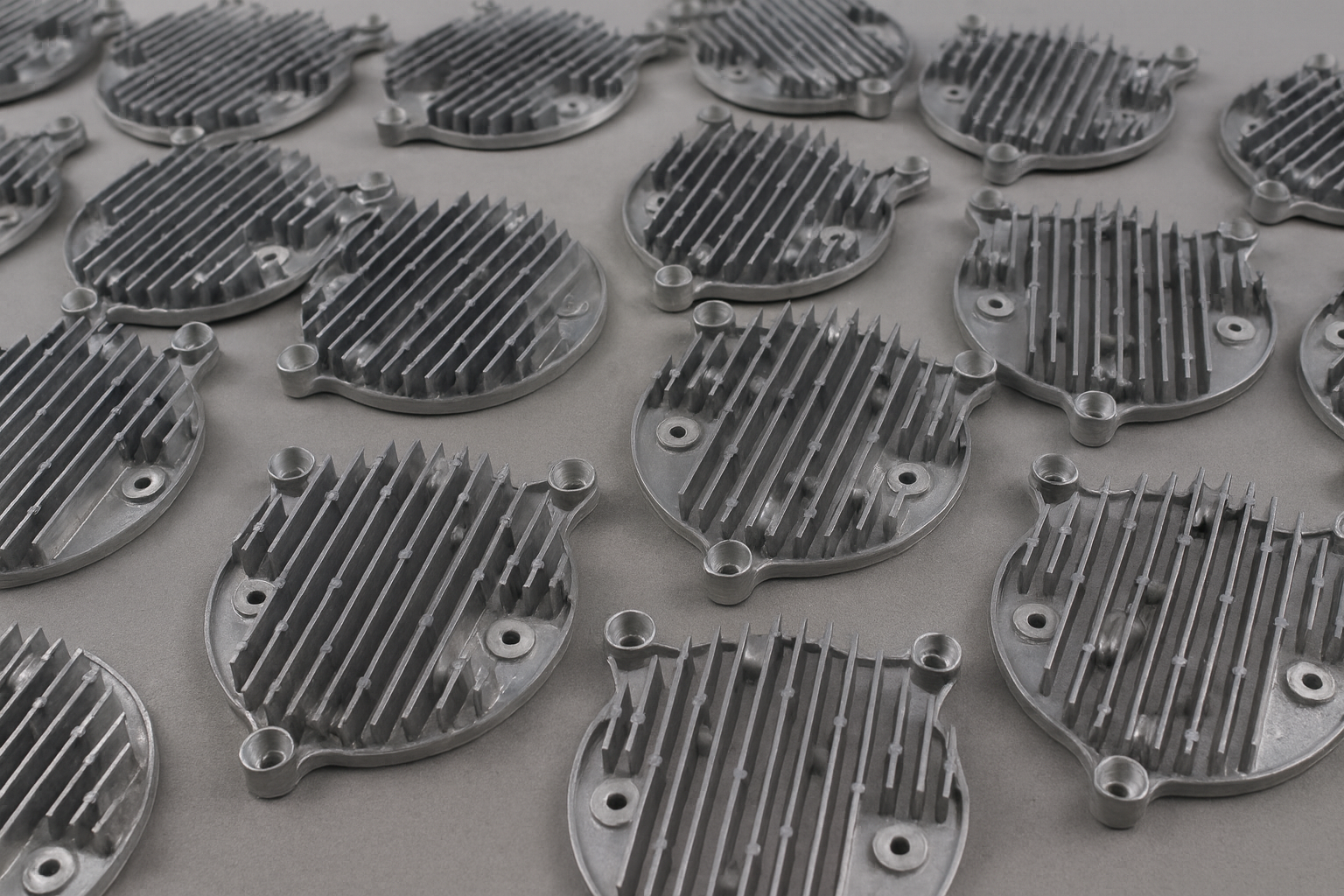
La resistencia de un componente fundido a presión no es inherente al proceso en sí., pero está fundamentalmente determinado por dos factores críticos:
A. La composición de aleación específica
La resistencia está directamente relacionada con la calidad y el tipo de aleación seleccionada.. Por ejemplo, aleaciones de aluminio con alto contenido de silicio (como A380) Ofrecen excelentes propiedades de fundición y buena resistencia., mientras que las aleaciones estructurales dedicadas (como A390) Proporcionan una mayor resistencia a la tracción máxima, pero pueden ser más difíciles de moldear..
B. Integridad estructural y porosidad
El proceso de fundición a presión Mejora significativamente la resistencia efectiva del metal.:
Inyección de alta presión: La presión extrema minimiza la formación de huecos internos y porosidad del gas., resultando en un más denso, parte más homogénea. La baja porosidad conduce a propiedades mecánicas más consistentes y una mayor resistencia a fallas bajo tensión..
Solidificación rápida: El contacto con el troquel de acero frío provoca un enfriamiento rápido., a menudo produce una estructura de grano fino (una “zona de relajación”) cerca de la superficie, lo que contribuye a una mayor dureza superficial y una mayor resistencia a la fatiga.
Comparación de la fuerza de la industria:
Si bien las piezas de acero fundido generalmente se consideran la opción más compatible para los casos más extremos, aplicaciones críticas de carga (debido a la fuerza bruta del acero), Las aleaciones de zinc y aluminio fundido a presión con frecuencia superan a otros metales en términos de relación resistencia-peso y eficiencia de fabricación..
Aleaciones primarias de metales fundidos a presión y sus ventajas
La industria prefiere en gran medida el aluminio, Magnesio, y aleaciones de zinc, cada uno proporciona un perfil de rendimiento único adaptado a demandas de ingeniería específicas.
Aluminio (Alabama) fundición a presión Ventajas
Las aleaciones de aluminio son los caballos de batalla de la industria de la fundición a presión., proporcionando un excelente equilibrio de propiedades:
Baja densidad y resistencia a la corrosión: El aluminio ofrece una reducción sustancial de peso en comparación con el acero y posee una resistencia natural a la corrosión., lo que lo hace ideal para componentes de motores y carrocerías de automóviles.
Alta precisión dimensional: El proceso produce alta precisión y excelente repetibilidad, cruciales para carcasas electrónicas y carcasas mecánicas complejas..
Rendimiento térmico: Exhibe una disipación de calor superior, permitiendo su uso generalizado en aplicaciones de alta temperatura como disipadores de calor, culatas, y colectores de motor.
Durabilidad: La dureza inherente de muchas aleaciones de aluminio fundido proporciona una gran durabilidad., permitiéndoles soportar duras condiciones operativas y ambientales.
Magnesio (magnesio) fundición a presión Ventajas
Se elige magnesio cuando minimizar la masa es la prioridad absoluta:
La aleación estructural más ligera: Es inigualable en su baja densidad., ofreciendo lo mejor disponible relación fuerza-peso para cualquier material fundido a presión.
Resistencia a la tracción excepcional: A pesar de su ligereza, El magnesio mantiene fuertes propiedades mecánicas..
Tratamiento: Suele ser más blando que el aluminio., haciendo que sea más fácil de mecanizar (operaciones secundarias) y muy beneficioso para componentes de electrónica portátil e interiores aeroespaciales complejos..
Zinc (zinc) fundición a presión Ventajas
Las aleaciones de zinc son el caballo oscuro, A menudo se pasa por alto, pero posee fortalezas críticas.:
Fuerza máxima más alta: Entre las aleaciones de fundición a presión no ferrosas, Zinc (particularmente serie zamak) normalmente exhibe la Mayor resistencia para soportar aplicaciones de carga. y resistencia al impacto.
Alto límite elástico: Ideal para componentes que deben resistir deformaciones permanentes bajo estrés repetido.
Castabilidad superior para la complejidad: El bajo punto de fusión y la excelente fluidez del zinc permiten fundirlo con destello cero en las características más intrincadas y de paredes delgadas, lo que la convierte en la mejor opción para aplicaciones altamente complejas., Piezas pequeñas donde la precisión es crítica..
Conclusión
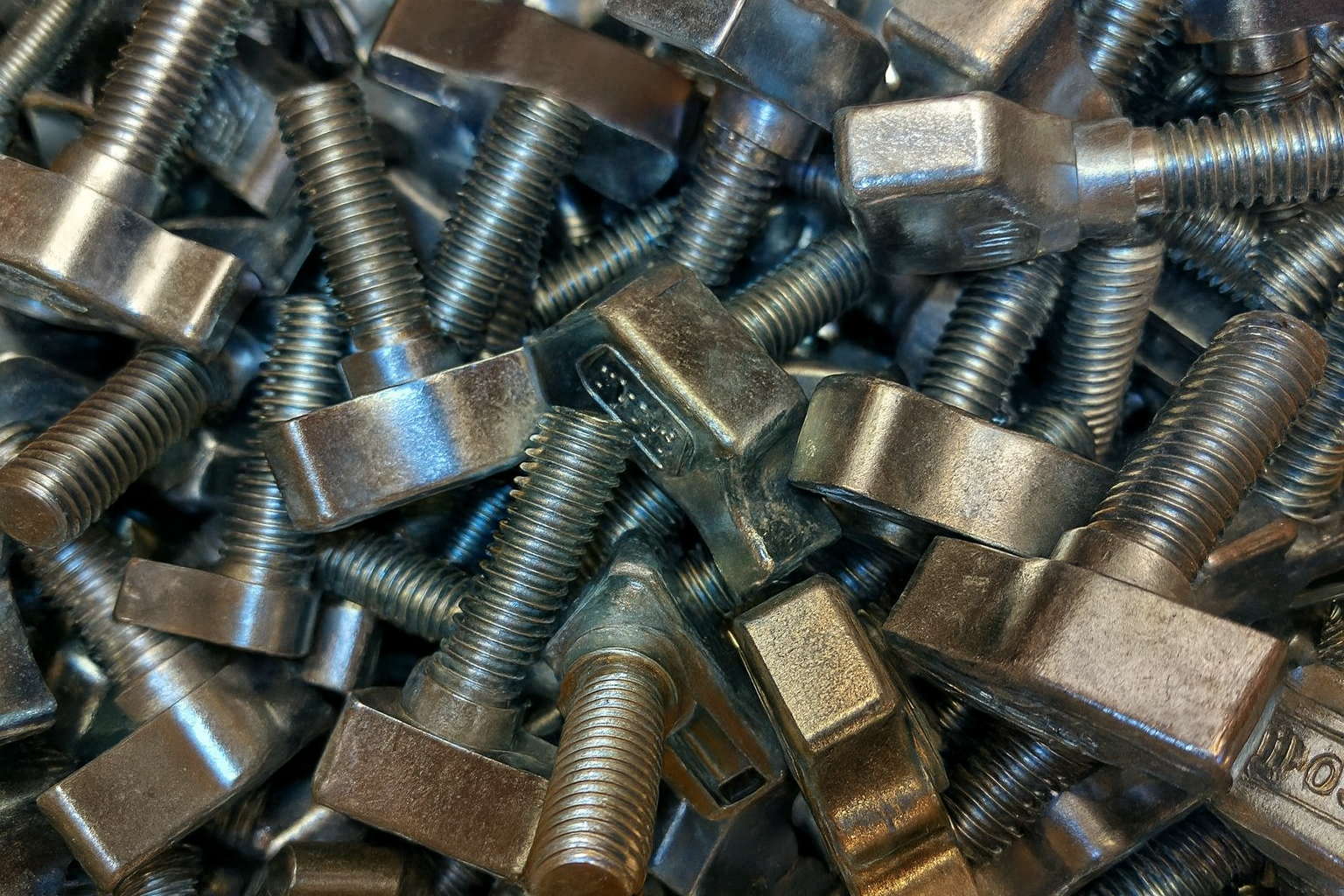
La resistencia definitiva de un componente de metal fundido a presión es el resultado directo del equilibrio de las propiedades del material con los requisitos de fabricación.. El proceso de selección debe alinear las necesidades del proyecto, incluido el volumen., presupuesto, compatibilidad ambiental, durabilidad requerida, y complejidad geométrica, con las ventajas de rendimiento específicas que ofrece el aluminio., Magnesio, o zinc. Aprovechando la resistencia inherente de la aleación elegida a través del proceso de fundición a alta presión, Los fabricantes garantizan que los componentes cumplan con los más altos estándares de rendimiento y confiabilidad..
Preguntas frecuentes
1. ¿Cómo se compara la “relación resistencia-peso” del aluminio y el magnesio con la del acero??
La relación resistencia-peso es una métrica crítica para los ingenieros aeroespaciales y automotrices.. Mientras que el acero tiene una mayor resistencia última, Las aleaciones de aluminio y magnesio ofrecen relaciones resistencia-peso significativamente mejores.. El magnesio es el más ligero., proporcionando la mejor proporción entre los metales fundidos a presión. Esto significa que puede lograr el rendimiento estructural requerido con una pieza mucho más ligera utilizando estas aleaciones., lo que conduce directamente a una mayor eficiencia del combustible y una reducción de la inercia..
2. ¿Por qué se prefiere la fundición de zinc para trabajos muy complejos?, Componentes pequeños a pesar de la popularidad del aluminio.?
El zinc tiene mucho punto de fusión más bajo y superior fluidez comparado con el aluminio. Esto permite que el zinc fundido llene intrincados, características de paredes delgadas y microcavidades complejas dentro del troquel de manera más completa y suave. Esta capacidad de fundición superior garantiza que se puedan producir piezas complejas con detalle excepcional y defectos mínimos, haciendo del zinc la opción ideal para trabajos muy detallados o pequeños., componentes precisos (como mecanismos de bloqueo o conectores electrónicos).
3. ¿La alta presión en la fundición a presión hace que el metal sea más fuerte que si se fundiera por gravedad??
Sí, indirectamente. la alta presion (arriba a 4,500 psi) es crucial porque minimiza la porosidad interna (burbujas de aire y huecos) que ocurren naturalmente en la fundición alimentada por gravedad. (como fundición en arena). Al crear un más denso, estructura interna más uniforme, la pieza tiene propiedades mecánicas más consistentes, mayor capacidad de carga efectiva, y una resistencia significativamente mejorada a la fatiga y al agrietamiento.
4. ¿Por qué se utiliza aluminio fundido a presión para aplicaciones de alta temperatura, como piezas de motores??
Aleaciones de aluminio fundido a presión., particularmente aquellos que contienen silicio, mantener bien su integridad estructural y rigidez incluso cuando se opera a temperaturas elevadas (hasta 300 ℃). Además, de aluminio excelente conductividad térmica Le permite disipar eficientemente el calor lejos de los componentes críticos del motor., Contribuir a la gestión térmica general y prevenir el sobrecalentamiento..
5. ¿Cuál es la principal desventaja al elegir magnesio en lugar de aluminio??
La principal compensación es Costo y resistencia a la corrosión.. La aleación de magnesio es significativamente más cara que el aluminio.. Además, mientras que el magnesio tiene buena resistencia a la corrosión en muchos entornos, es más susceptible a corrosión galvánica cuando se combina con otros metales (como sujetadores de acero) y requiere un acabado superficial o enchapado más cuidadoso que el aluminio.
6. ¿Por qué el hierro y el acero rara vez se utilizan en el proceso de fundición a presión??
El hierro y el acero tienen altas temperaturas de fusión (más de 1.500 ℃). Estas temperaturas provocan una rápida fatiga térmica y daño (conocido como control de calor) a las matrices de acero endurecido. Los costos de mantenimiento resultantes y la vida útil drásticamente reducida de la matriz hacen que el proceso de fundición a presión sea económicamente inviable para metales ferrosos, que normalmente se fabrican utilizando fundición en arena o fundición a la cera perdida..
7. ¿Qué propiedad específica hace que las aleaciones fundidas a presión sean ideales para gabinetes electrónicos??
Metales fundidos, especialmente aluminio y magnesio, Son ideales para gabinetes electrónicos debido a dos propiedades.: Blindaje EMI/RFI y Disipación de calor. como metales, bloquean naturalmente las interferencias electromagnéticas y de radiofrecuencia (EMI/RFI). Además, su alta conductividad térmica transfiere eficientemente el calor lejos de los componentes internos sensibles, Proteger la electrónica del daño por calor..


1 pensamiento en “La resistencia del metal fundido a presión: Una inmersión profunda en las aleaciones, Propiedades, y rendimiento”