



Par rapport à la norme 304 acier inoxydable, 321 l'acier inoxydable offre une meilleure résistance à la corrosion intergranulaire après exposition à des températures élevées. Cela en fait un matériau populaire pour les composants aérospatiaux, systèmes d'échappement, équipement de traitement chimique, échangeurs de chaleur, récipients sous pression, et autres applications à haute température.
Pour les fabricants et les ingénieurs, cependant, sélectionner la bonne nuance d’acier inoxydable n’est que la première étape. La représentation finale d'un 321 le composant en acier inoxydable dépend également du processus de fabrication, y compris l'usinage CNC, soudage, formation, traitement thermique, et finition de surface.
Ce guide explique le 321 propriétés de l'acier inoxydable, composition chimique, avantages, candidatures, considérations d'usinage, et méthodes de fabrication pour aider les ingénieurs et les équipes achats à déterminer si ce matériau est adapté à leur prochain projet.
Qu'est-ce que 321 Acier inoxydable?
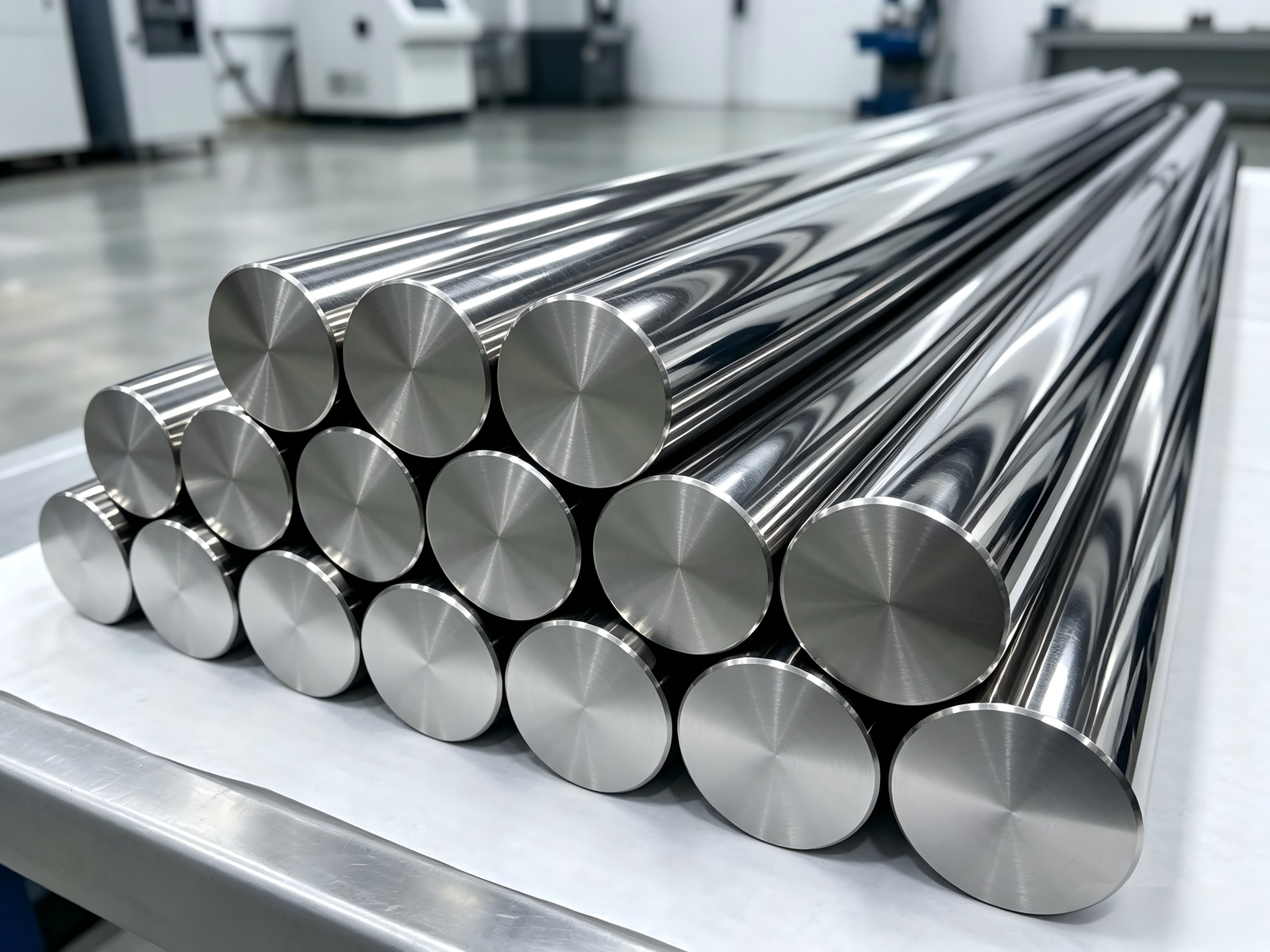
321 acier inoxydable, également connu sous le nom États-Unis S32100, est un acier inoxydable austénitique contenant du chrome et du nickel, avec du titane ajouté comme élément stabilisateur.
L'ajout de titane est la caractéristique déterminante de Grade 321. Lors d'une exposition à des températures élevées, le carbone de l'acier inoxydable peut se combiner avec le chrome pour former des carbures de chrome, en particulier le long des limites des grains. Ce phénomène peut diminuer la résistance à la corrosion dans certains environnements et augmenter le risque de corrosion intergranulaire.
Le titane a une plus forte affinité pour le carbone que pour le chrome. En associant préférentiellement au carbone, le titane aide à réduire la formation de carbures de chrome aux joints de grains.
Cela fait 321 acier inoxydable particulièrement utile pour les composants qui:
- Fonctionner en continu à des températures élevées
- Faites l'expérience de cycles de chauffage et de refroidissement répétés
- Nécessitent une bonne résistance à l’oxydation et au tartre
- Besoin d'une résistance à la corrosion après le soudage
- Nécessitent une bonne résistance mécanique et une bonne stabilité dimensionnelle
- Sont exposés à un stress thermique
La combinaison de performances à haute température, résistance à la corrosion, soudabilité, et durabilité fait 321 l'acier inoxydable, un matériau d'ingénierie important pour les applications industrielles exigeantes.
321 Composition chimique de l'acier inoxydable
La composition chimique exacte peut varier légèrement en fonction de la norme de matériau applicable et de la forme du produit., mais qualité typique 321 l'acier inoxydable contient:
| Élément | Rôle typique |
| Chrome | Fournit une résistance à la corrosion et à l’oxydation |
| Nickel | Stabilise la structure austénitique et améliore la ténacité |
| Titane | Stabilise le carbone et réduit les précipitations de carbure de chrome |
| Carbone | Contribue à la force mais doit être contrôlé |
| Manganèse | Améliore le traitement et contribue à la force |
| Silicium | Aide à la désoxydation et à la résistance à l’oxydation |
| Fer | Bilan primaire de l'alliage |
La stabilisation du titane est particulièrement importante lorsque le matériau est soumis à des températures élevées ou à des soudures..
Pour les applications critiques, les acheteurs doivent toujours spécifier la norme matérielle et la certification requises. Selon le projet, cela peut inclure des exigences pour ASTM, ASME, DANS, ou d'autres spécifications applicables.
321 Propriétés de l'acier inoxydable
Comprendre les propriétés physiques et mécaniques de 321 l'acier inoxydable est essentiel lors de sa sélection pour l'usinage CNC ou la fabrication sur mesure.
Les propriétés typiques incluent:
| Propriété | Valeur typique |
| type de materiau | Acier inoxydable austénitique |
| Densité | Environ 7.9 g/cm³ |
| Limite d'élasticité minimale | Environ 205 MPa |
| Résistance à la traction minimale | Environ 515 MPa |
| Élongation | Environ 40% |
| Dureté | Généralement jusqu'à environ 217 HB |
| Conductivité thermique | Environ 16 W/m·K à 100°C |
| Comportement magnétique | Généralement non magnétique à l'état recuit |
Les propriétés mécaniques réelles dépendent de la spécification applicable, forme de produit, traitement thermique, et état de fabrication.
Pour un usinage CNC de précision, l'état du matériau peut également influencer les performances de coupe et la stabilité dimensionnelle. Donc, les fabricants doivent prendre en compte non seulement la qualité de l'acier inoxydable, mais également la certification matérielle, dureté, état des stocks, et tolérances finales requises.
Pourquoi 321 Acier inoxydable adapté aux applications à haute température?
Le plus grand avantage de 321 l'acier inoxydable est sa capacité à maintenir des performances fiables dans des environnements à température élevée.
Lorsque les aciers inoxydables austénitiques conventionnels sont exposés à certaines plages de températures pendant des périodes prolongées, une précipitation de carbure de chrome peut se produire aux joints de grains. Cela peut réduire la concentration de chrome autour de ces limites et potentiellement rendre le matériau plus sensible à la corrosion intergranulaire..
321 l'acier inoxydable résout ce problème grâce à la stabilisation du titane.
Le titane s'associe préférentiellement au carbone, aidant à empêcher l'épuisement du chrome aux joints de grains. Par conséquent, 321 l'acier inoxydable offre une résistance améliorée à la corrosion intergranulaire suite à une exposition à des températures élevées.
Cette caractéristique est particulièrement intéressante pour:
- Assemblages soudés
- Composants d'échappement
- Échangeurs de chaleur
- Équipement de four
- Composants aérospatiaux
- Tuyauterie haute température
- Équipement de traitement chimique
321 l'acier inoxydable est donc souvent choisi lorsqu'un composant doit maintenir sa résistance à la corrosion et son intégrité structurelle lors d'une exposition thermique prolongée..
Principaux avantages de 321 Acier inoxydable
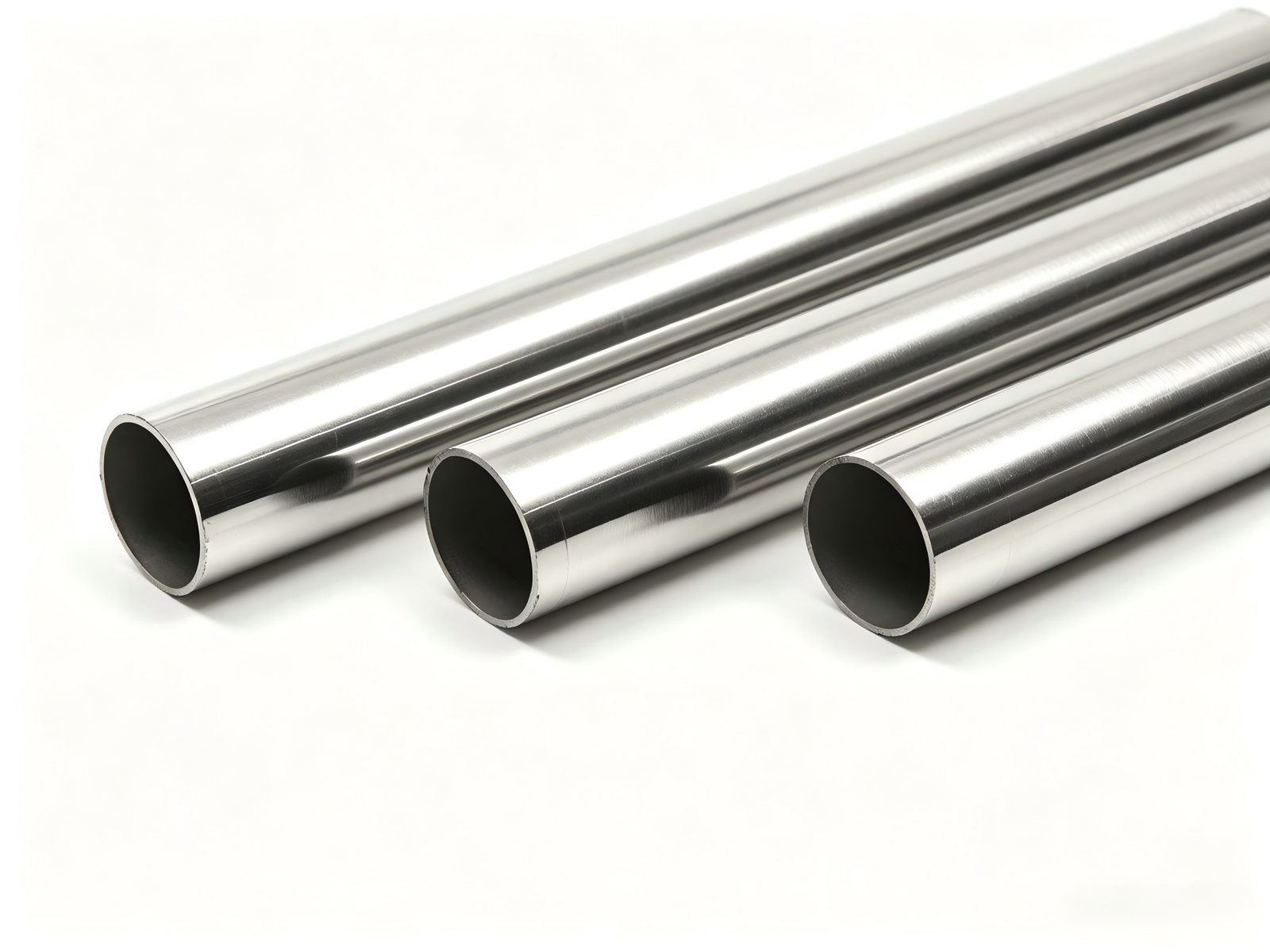
1. Excellentes performances à haute température
321 l'acier inoxydable est conçu pour les applications où les composants sont exposés à des températures élevées et à des cycles thermiques.
Il offre une bonne résistance à l'oxydation et conserve des propriétés mécaniques utiles dans des conditions thermiques exigeantes.. Cela le rend adapté aux composants tels que les systèmes d'échappement, accessoires de fournaise, pièces de moteur d'avion, et équipement de traitement à haute température.
Pour les ingénieurs, le principal avantage n’est pas simplement la capacité à résister à une température élevée pendant une courte période. La considération la plus importante est la façon dont le matériau se comporte pendant exposition à long terme, cycles thermiques répétés, et stress thermique.
2. Bonne résistance à la corrosion
321 l'acier inoxydable offre une bonne résistance générale à la corrosion dans de nombreux environnements industriels.
Sa structure stabilisée au titane améliore également la résistance à la corrosion intergranulaire après exposition à certaines températures élevées..
Cependant, 321 l'acier inoxydable n'est pas universellement le meilleur choix pour chaque environnement corrosif. Pour les applications impliquant une exposition sévère aux chlorures ou des milieux chimiques très agressifs, d'autres nuances d'acier inoxydable ou des alliages résistant à la corrosion peuvent être plus appropriés.
La sélection des matériaux doit donc tenir compte:
- Concentration chimique
- Température de fonctionnement
- Exposition au chlorure
- Humidité
- Pression
- Produits chimiques de nettoyage
- Exigences de durée de vie
3. Excellente durabilité
321 l'acier inoxydable combine la résistance à la corrosion, force, dureté, et stabilité thermique.
Cela le rend adapté aux composants qui doivent fonctionner de manière fiable pendant de longues périodes dans des conditions exigeantes..
Pour les acheteurs industriels, une durabilité améliorée peut offrir plusieurs avantages pratiques:
- Durée de vie des composants plus longue
- Entretien réduit
- Fréquence de remplacement inférieure
- Fiabilité améliorée des équipements
- Temps d'arrêt réduits
La durée de vie finale, cependant, dépend de l'environnement d'exploitation réel et de la qualité de fabrication.
4. Bonne soudabilité
321 l'acier inoxydable a généralement une bonne soudabilité et peut être fabriqué à l'aide de procédés de soudage courants de l'acier inoxydable.
Sa stabilisation au titane le rend particulièrement utile pour les composants soudés exposés à des températures élevées..
Les procédés de soudage typiques peuvent inclure:
- Soudage TIG
- Soudage MIG
- Soudage à l'arc sous gaz tungstène
- Soudage à l'arc sous gaz
- Soudage par résistance
Pour les applications critiques, les procédures de soudage doivent être soigneusement contrôlées pour éviter toute distorsion, contamination, et défauts.
Après soudage, un nettoyage et une passivation appropriés peuvent également être nécessaires pour restaurer la résistance à la corrosion de la surface.
5. Bonne formabilité
Comme acier inoxydable austénitique, 321 l'acier inoxydable offre une bonne ductilité et peut être façonné sous différentes formes.
Il peut être utilisé pour:
- Tubes
- Tuyaux
- Composants en tôle
- Supports
- Couvertures
- Assemblages fabriqués sur mesure
Cependant, comme les autres aciers inoxydables austénitiques, il peut subir un écrouissage pendant le formage et l'usinage. Les paramètres de fabrication doivent donc être sélectionnés avec soin.
6. Résistance à l'oxydation et au tartre
321 l'acier inoxydable offre une bonne résistance à l'oxydation et au tartre à des températures élevées.
Cette propriété est particulièrement utile dans:
- Composants de la fournaise
- Équipement de traitement thermique
- Systèmes d'échappement
- Conduits haute température
- Équipement de traitement thermique
Une surface stable aide à maintenir l’intégrité des composants et réduit le risque de dégradation prématurée.
321 Applications en acier inoxydable
En raison de sa combinaison de résistance à la corrosion, stabilité thermique, et performances mécaniques, 321 l'acier inoxydable est utilisé dans plusieurs industries exigeantes.
1. Industrie aérospaciale
Les applications aérospatiales nécessitent souvent des matériaux capables de résister à des températures élevées, cyclage thermique, vibration, et environnements corrosifs.
321 l'acier inoxydable peut être utilisé pour:
- Composants d'échappement d'avion
- Composants du moteur
- Composants liés à la combustion
- Collecteurs d'échappement
- Conduits haute température
- Composants structurels exposés à des températures élevées
La capacité du matériau à haute température et sa résistance à la corrosion intergranulaire le rendent attrayant pour les applications aérospatiales..
Pour les projets aérospatiaux, cependant, la traçabilité et la certification des matériaux sont particulièrement importantes. Les fabricants doivent être en mesure de fournir des certificats de matériaux et une documentation qualité appropriés lorsque cela est nécessaire..
2. Équipement de traitement chimique
Les équipements de traitement chimique fonctionnent souvent sous des combinaisons de chaleur, pression, et produits chimiques corrosifs.
321 l'acier inoxydable peut être utilisé pour:
- Échangeurs de chaleur
- Composants du réacteur
- Vaisseaux de pression
- Tuyauterie
- Équipement de traitement
- Réservoirs haute température
Sa résistance à la corrosion intergranulaire peut être particulièrement bénéfique pour les équipements soudés exposés à des températures élevées..
La pertinence du grade 321 doit toujours être vérifié par rapport à l’environnement chimique spécifique car la résistance à la corrosion varie considérablement en fonction du milieu chimique et des conditions de fonctionnement.
3. Industrie pétrolière et gazière
Le secteur pétrolier et gazier utilise des composants en acier inoxydable dans des équipements exposés à des températures élevées et à des conditions de fonctionnement exigeantes..
Les applications potentielles incluent:
- Équipement de raffinerie
- Composants de la fournaise
- Tuyauterie haute température
- Échangeurs de chaleur
- Équipement de traitement
- Systèmes d'échappement et de combustion
La capacité du matériau à maintenir ses performances pendant l'exposition thermique en fait une option utile pour certaines applications de raffinage et de traitement..
4. Industrie automobile
321 l'acier inoxydable est souvent associé aux composants automobiles à haute température, en particulier les systèmes liés aux gaz d'échappement.
Les applications peuvent inclure:
- Collecteurs d'échappement
- Tuyaux d'échappement
- Composants du silencieux
- Composants liés au turbocompresseur
- Composants du convertisseur catalytique
- Supports et supports haute température
Par rapport aux matériaux conventionnels, 321 l'acier inoxydable peut offrir une résistance améliorée à l'oxydation et aux cycles thermiques.
Cela peut contribuer à prolonger la durée de vie des composants dans des environnements d'échappement exigeants..
5. Équipement de traitement thermique
Les équipements de traitement thermique nécessitent des matériaux capables de fonctionner à des températures élevées sans déformation excessive, oxydation, ou dégradation.
321 l'acier inoxydable peut être utilisé pour:
- Composants de la fournaise
- Couvertures de recuit
- Appareils de traitement thermique
- Composants de protection des thermocouples
- Plateaux haute température
- Supports et consoles
Sa résistance à l'entartrage et aux contraintes thermiques le rend adapté à certaines applications de traitement thermique..
6. Production d’électricité et équipements industriels
Des applications supplémentaires peuvent inclure des systèmes de production d'énergie et industriels sélectionnés où les composants sont soumis à des températures élevées et à des environnements corrosifs..
Les exemples incluent:
- Composants liés à la chaudière
- Systèmes de récupération de chaleur
- Équipement de traitement thermique
- Systèmes de chauffage industriels
- Composants de tuyauterie haute température
L'adéquation exacte dépend de la température, pression, conditions de corrosion, et les normes industrielles applicables.
321 Acier inoxydable vs. 304: Quelle est la différence?
La comparaison entre 321 et 304 L'acier inoxydable est l'une des questions de sélection de matériaux les plus courantes.
Les deux sont des aciers inoxydables austénitiques et offrent une bonne résistance à la corrosion, formabilité, et la soudabilité. La principale différence est que 321 l'acier inoxydable est titane stabilisé, alors que 304 n'est pas.
| Fonctionnalité | 304 Acier inoxydable | 321 Acier inoxydable |
| Structure de base | Austénitique | Austénitique |
| Stabilisation du titane | Non | Oui |
| Résistance générale à la corrosion | Excellent | Excellent |
| Applications à haute température | Bien | Mieux adapté |
| Résistance à la corrosion intergranulaire après exposition thermique | Inférieur | Amélioré |
| Soudabilité | Excellent | Excellent |
| Formabilité | Excellent | Bien |
| Coût typique | Généralement inférieur | Généralement plus élevé |
| Applications courantes | Fabrication générale, nourriture, architectural | Applications thermiques et hautes températures |
Quand choisir 304?
Choisir 304 en acier inoxydable quand:
- L'application fonctionne à des températures modérées
- La résistance générale à la corrosion est la principale exigence
- Le coût est une considération importante
- D'excellentes caractéristiques de formage sont requises
- Une stabilisation à haute température n'est pas nécessaire
Quand choisir 321?
321 l'acier inoxydable peut être un meilleur choix lorsque:
- Le composant fonctionne à des températures élevées
- Le composant subit des cycles thermiques répétés
- Le composant est soudé puis exposé à des températures élevées
- La résistance à la corrosion intergranulaire est importante
- Une stabilité thermique à long terme est requise
Le meilleur matériau dépend des conditions de fonctionnement réelles plutôt que de simplement choisir la qualité la plus chère.
321 Acier inoxydable vs. 316
316 acier inoxydable est largement reconnu pour son excellente résistance à la corrosion induite par les chlorures grâce à l'ajout de molybdène.
321 acier inoxydable, d'autre part, est principalement sélectionné pour sa stabilisation du titane et ses performances à haute température.
Une comparaison simplifiée est:
- 321:Mieux adapté à de nombreuses applications à haute température et aux cycles thermiques
- 316:Souvent préféré pour les environnements riches en chlorures et marins
- 304:Un choix économique pour de nombreuses applications à usage général
Si le principal défi est température élevée, 321 c'est peut-être la meilleure option.
Si le principal défi est corrosion des chlorures, 316 peut être plus approprié.
Pour des projets exigeants, les ingénieurs doivent évaluer à la fois l'environnement de fonctionnement et la température avant de sélectionner le matériau.
321 Acier inoxydable vs. 347
321 et 347 les aciers inoxydables sont tous deux des aciers inoxydables austénitiques stabilisés conçus pour les applications où la résistance à la corrosion intergranulaire après une exposition à des températures élevées est importante.
La principale différence est l'élément de stabilisation:
- 321 utilisations de l'acier inoxydable titane
- 347 utilisations de l'acier inoxydable niobium (colombien)
Les deux qualités peuvent être utilisées dans des environnements à haute température, mais leurs performances spécifiques, disponibilité, et les exigences de fabrication peuvent différer.
La sélection des matériaux doit tenir compte:
- Température de fonctionnement
- Exigences de soudage
- Disponibilité du matériel
- Environnement corrosif
- Spécifications de l'industrie
- Coût du projet
Est 321 Acier inoxydable facile à usiner?
321 l'acier inoxydable peut être usiné CNC, mais il est généralement considéré comme plus difficile à usiner que les matériaux d'usinage libre.
Comme beaucoup d'aciers inoxydables austénitiques, il peut expérimenter écrouissage Pendant l'usinage.
Si les conditions de coupe ne sont pas correctement contrôlées, la surface usinée peut devenir plus dure, rendant la coupe ultérieure plus difficile.
Les défis d'usinage courants incluent:
- Travail en durcissant
- Génération de chaleur
- Usure
- Contrôle des copeaux
- Dommages superficiels
- Instabilité dimensionnelle causée par la dilatation thermique
Pour un usinage CNC de précision, il est donc essentiel de sélectionner les bons paramètres de coupe.
Usinage CNC 321 Acier inoxydable: Considérations clés
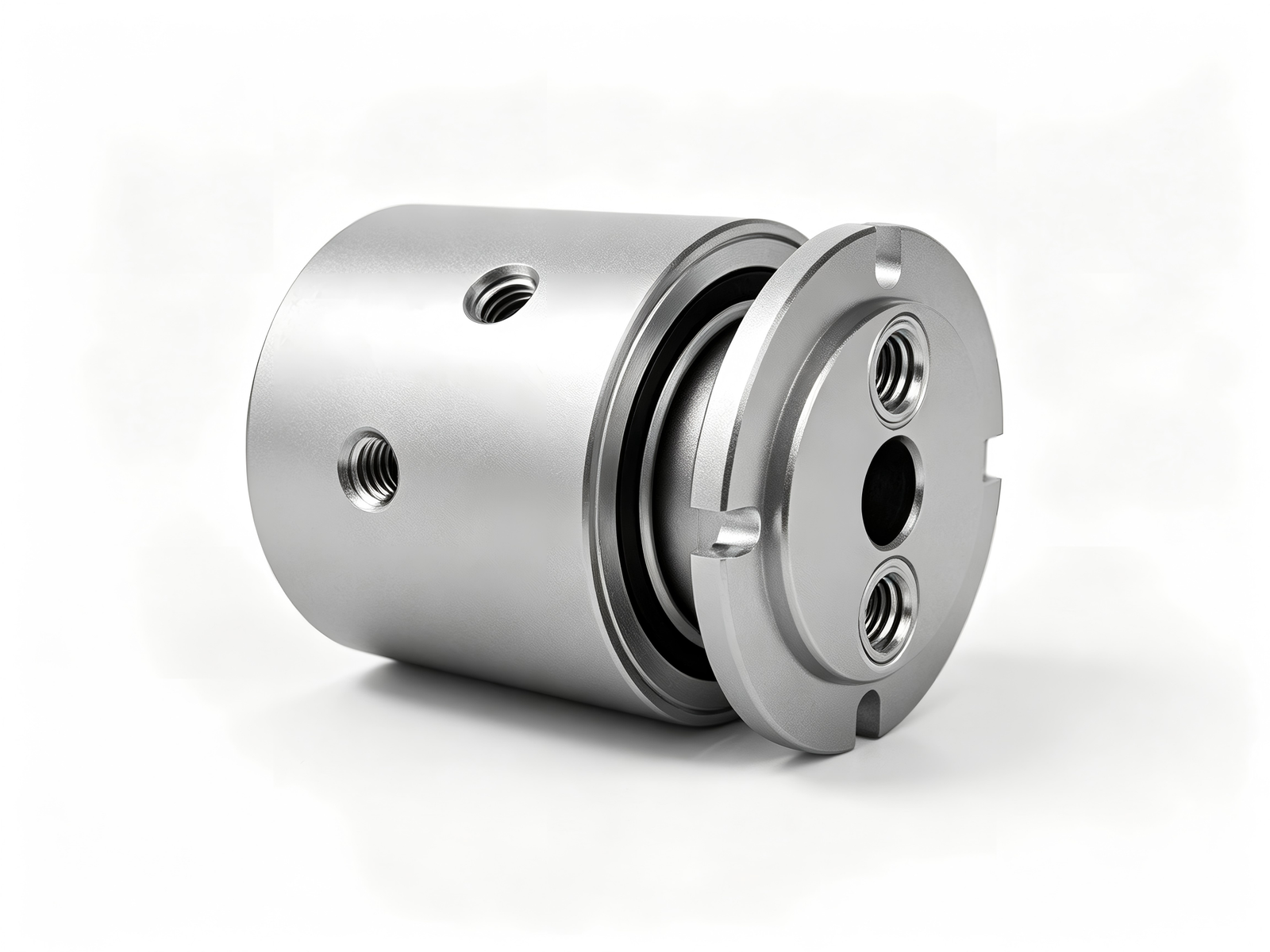
Lors de l'usinage 321 acier inoxydable, le but est d'enlever la matière efficacement tout en contrôlant la chaleur, écrouissage, usure des outils, et variation dimensionnelle.
1. Utilisez des outils de coupe tranchants
Les arêtes de coupe tranchantes aident à réduire les frictions inutiles et la génération de chaleur.
Les outils en carbure sont généralement envisagés pour l'usinage de production car ils offrent une bonne résistance à l'usure et peuvent maintenir les performances de coupe dans des conditions appropriées..
La géométrie correcte de l'outil dépend de l'opération, géométrie en partie, et finition de surface requise.
2. Évitez les séjours excessifs de l'outil
Permettre à l'outil de coupe de rester stationnaire tout en entrant en contact avec le matériau peut générer une chaleur excessive et favoriser l'écrouissage..
Un processus de coupe stable avec une avance et un engagement constants est généralement préférable..
3. Maintenir des conditions de coupe appropriées
La vitesse de coupe et l'avance doivent être optimisées en fonction de:
- Matériau à outils
- Diamètre de l'outil
- Rigidité des machines
- Géométrie de la pièce
- État du matériau
- Profondeur de coupe
- Stratégie de refroidissement
Il n’existe pas de paramètre de coupe unique qui fonctionne pour chaque 321 projet d'usinage CNC en acier inoxydable.
Les machinistes expérimentés optimisent généralement les paramètres grâce à des recommandations d'outillage et des essais de production..
4. Utilisez un liquide de refroidissement et une lubrification efficaces
Le liquide de refroidissement peut aider à contrôler la chaleur et à améliorer la durée de vie des outils.
Pour les composants de précision, Une distribution adéquate du liquide de refroidissement peut également contribuer à améliorer l'évacuation des copeaux et à réduire le risque que les copeaux n'endommagent la surface finie..
Le type exact de liquide de refroidissement doit être compatible avec le processus d'usinage et les exigences ultérieures en matière de traitement de surface..
5. Contrôler l'écrouissage
L’écrouissage est l’un des principaux défis lors de l’usinage 321 acier inoxydable.
Pour réduire le risque:
- Maintenir une alimentation cohérente
- Évitez de frotter l'outil contre le matériau
- Utiliser des outils tranchants
- Évitez les séjours inutiles dans les outils
- Maintenir une profondeur de coupe suffisante le cas échéant
- Optimiser les parcours d'outils
Une stratégie d'usinage stable peut améliorer considérablement la productivité et la qualité des pièces.
Processus d'usinage CNC pour 321 Acier inoxydable
321 l'acier inoxydable peut être traité à l'aide de diverses méthodes de fabrication CNC.
Tournage CNC
Tournage CNC convient à la production:
- Arbres
- Bagues
- Manches
- Épingles
- Raccords
- Brides
- Composants cylindriques
Le tournage CNC de type suisse peut être envisagé pour les petites, long, ou des composants de haute précision.
Fraisage CNC
Fraisage CNC convient aux géométries complexes, y compris:
- Logements
- Supports
- Composants de montage
- Pièces aérospatiales
- Luminaires personnalisés
- Composants industriels de précision
3-axe, 4-axe, et l'usinage CNC 5 axes peut être sélectionné en fonction des exigences de géométrie et de tolérance.
Perçage et taraudage CNC
321 l'acier inoxydable peut être percé et taraudé, mais la sélection des outils et les conditions de coupe doivent être soigneusement contrôlées.
De mauvaises conditions d'usinage peuvent entraîner:
- Casse d'outil
- Travail en durcissant
- Mauvaise qualité du fil
- Chaleur excessive
- Imprécisions dimensionnelles
Rectification CNC
Le meulage peut être utilisé lorsque des tolérances dimensionnelles extrêmement serrées ou des finitions de surface spécifiques sont requises.
Les paramètres de meulage doivent être soigneusement sélectionnés pour contrôler la génération de chaleur et éviter les dommages à la surface..
321 Options de finition de surface en acier inoxydable
Après usinage ou fabrication CNC, 321 les composants en acier inoxydable peuvent être traités selon différentes méthodes de finition.
Finition brossée
Une finition brossée crée une texture de surface directionnelle et est couramment utilisée lorsque l'apparence et l'uniformité de la surface sont importantes..
Cela peut également aider à réduire l’impact visuel des marques superficielles mineures..
Finition polie
Le polissage produit une surface plus lisse et plus réfléchissante.
Il peut être sélectionné pour:
- Composants décoratifs
- Équipement nécessitant des surfaces lisses
- Certaines applications sanitaires
- Composants où l'apparence de la surface est importante
Finition mate
Les finitions mates offrent un aspect non réfléchissant et sont souvent préférées pour les applications industrielles.
En fonction du résultat recherché, des processus tels que le sablage aux billes peuvent être envisagés.
Passivation
La passivation est couramment utilisée pour les composants en acier inoxydable afin d'améliorer la propreté et la résistance à la corrosion de la surface en éliminant le fer libre et d'autres contaminants introduits lors de la fabrication..
Pour les composants de précision en acier inoxydable, la passivation peut être un processus post-usinage important lorsque la résistance à la corrosion et la propreté de la surface sont critiques.
Électropolition
L'électropolissage élimine une quantité contrôlée de matériau de la surface et peut améliorer la douceur et la propreté de la surface..
Il peut être pris en compte pour les applications où:
- Une faible rugosité de surface est requise
- La nettoyabilité est importante
- La contamination des surfaces doit être minimisée
- Une finition de surface de haute qualité est requise
La méthode de finition appropriée doit être sélectionnée en fonction de la fonction du composant plutôt que de son apparence uniquement..
Foire aux questions sur 321 Acier inoxydable
Qu'est-ce que 321 acier inoxydable?
321 L'acier inoxydable est un acier inoxydable austénitique stabilisé au titane, conçu pour les applications nécessitant une bonne résistance à la corrosion et des performances fiables à des températures élevées..
Est 321 acier inoxydable idéal pour les applications à haute température?
Oui. 321 l'acier inoxydable est largement utilisé dans les applications à haute température en raison de sa stabilisation en titane, résistance à la corrosion intergranulaire après exposition thermique, et bonne résistance à l'oxydation et au tartre.
Quelle est la différence entre 304 et 321 acier inoxydable?
La principale différence est la stabilisation du titane. 321 l'acier inoxydable est stabilisé avec du titane, ce qui le rend particulièrement adapté à certaines applications à haute température et aux cycles thermiques. 304 l'acier inoxydable est généralement plus économique et est largement utilisé pour les applications générales résistantes à la corrosion.
Est 321 acier inoxydable facile à usiner?
321 l'acier inoxydable peut être usiné CNC, mais cela nécessite un contrôle minutieux du processus. Sa tendance à l'écrouissage peut augmenter l'usure des outils et les difficultés d'usinage.. Outils tranchants, conditions de coupe stables, liquide de refroidissement efficace, et les paramètres d'usinage appropriés sont importants.
Est 321 acier inoxydable adapté au soudage?
Oui. 321 l'acier inoxydable a généralement une bonne soudabilité et est largement utilisé dans les composants soudés fonctionnant à des températures élevées.
Est 321 magnétique en acier inoxydable?
321 l'acier inoxydable est généralement non magnétique à l'état recuit. Cependant, le travail à froid peut augmenter sa réponse magnétique dans une certaine mesure.
Pour quelles finitions de surface sont disponibles 321 acier inoxydable?
Les options courantes incluent le brossé, brillant, mat, microbillé, sol, passivé, et finitions électropolies. La finition appropriée dépend des exigences fonctionnelles et esthétiques du composant.
Est 321 acier inoxydable résistant à la corrosion?
Oui. 321 l'acier inoxydable offre une bonne résistance à la corrosion dans de nombreux environnements. Sa stabilisation en titane améliore également la résistance à la corrosion intergranulaire après certaines expositions à haute température. Cependant, l'environnement exact doit toujours être évalué avant la sélection du matériau.
Quelles industries utilisent 321 acier inoxydable?
321 l'acier inoxydable est couramment utilisé dans l'aérospatiale, automobile, traitement chimique, pétrole et gaz, production d'électricité, traitement thermique, et applications d'équipements industriels.
Comment choisir entre 321, 304, 316, et 347 acier inoxydable?
Le choix dépend de l'application. 304 est une qualité polyvalente à usage général, 316 est souvent sélectionné pour sa résistance améliorée aux chlorures, 321 est bien adapté à de nombreuses applications à haute température, et 347 est une autre nuance austénitique stabilisée utilisée dans certains environnements à haute température.
Pensées finales: Est 321 L'acier inoxydable adapté à votre projet?
Sa composition stabilisée au titane le rend particulièrement précieux pour les composants exposés à des températures élevées et à des cycles thermiques.. C'est pourquoi il est largement envisagé pour les composants aérospatiaux, systèmes d'échappement, équipement de traitement chimique, échangeurs de chaleur, composants du four, et autres applications industrielles exigeantes.
Cependant, choisir le bon matériau n'est qu'une partie du processus d'ingénierie. La qualité du composant final dépend également de la méthode de fabrication, stratégie d'usinage, tolérances, état de surface, exigences d'inspection, et contrôle de la qualité.
Besoin de personnalisation 321 pièces en acier inoxydable? Envoyez votre 2Dessin D, 3Modèle CAO D, quantité requise, spécification matérielle, et exigences de tolérance pour un examen et un devis professionnels DFM. Notre équipe d'ingénieurs peut évaluer votre projet et vous recommander le plus adapté Usinage CNC ou processus de fabrication pour votre application.


