



L'acier au carbone A500 est l'acier de construction le plus largement utilisé dans la construction moderne., fabrication, infrastructure, et fabrication industrielle. Connu pour son excellent rapport résistance/poids, soudabilité supérieure, et rentable, L'acier ASTM A500 est devenu le choix préféré des ingénieurs, fabricants, et chefs de projets dans le monde entier.
Que vous conceviez un bâtiment commercial, fabrication d'équipements industriels, construire des infrastructures de transport, ou recherche de matériaux pour des projets de fabrication personnalisés, comprendre les caractéristiques de l'acier au carbone A500 peut vous aider à faire le bon choix de matériau.
Dans ce guide complet, nous explorerons les nuances d'acier A500, composition chimique, propriétés mécaniques, candidatures, méthodes de fabrication, et les facteurs clés à prendre en compte lors du choix de l'acier A500 pour votre projet.
Qu'est-ce que l'acier au carbone ASTM A500?
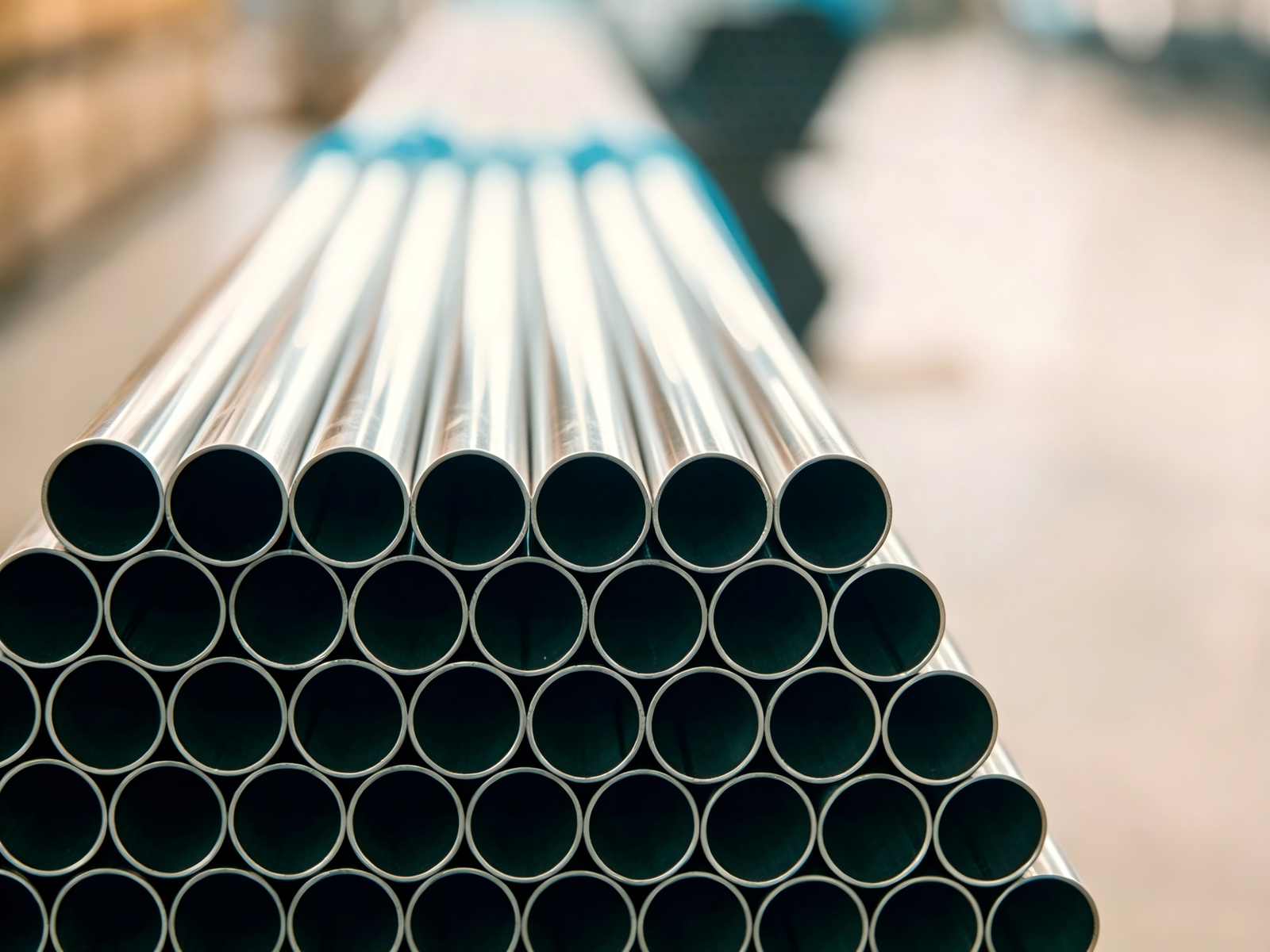
ASTM A500 est une spécification standard développée par l'American Society for Testing and Materials (ASTM) pour tubes structurels en acier au carbone, soudés et sans soudure, formés à froid.
Le matériau est principalement utilisé dans les applications structurelles où la résistance, durabilité, et la cohérence dimensionnelle sont essentielles.
L'acier A500 est couramment fabriqué en:
Tube carré
Tube rectangulaire
Tube rond
Sections creuses structurelles (HSS)
Par rapport aux formes structurelles traditionnelles, les sections structurelles creuses offrent des rapports résistance/poids plus élevés et une meilleure résistance aux charges de torsion.
Cela fait de l’acier A500 une solution idéale pour les charpentes structurelles, équipement industriel, supports de machines, et systèmes de transport.
Processus de fabrication de l'acier au carbone A500
Le processus de production commence par des bobines ou des tôles d'acier au carbone formées à froid en formes tubulaires..
Le processus de fabrication comprend généralement:
Materielle préparation
Des bandes d'acier au carbone de haute qualité sont sélectionnées selon les exigences ASTM.
Profilage
Les bandes d'acier sont transformées en sections tubulaires grâce à un équipement de laminage de précision.
Soudage
Les bords sont assemblés par soudage par résistance électrique à haute fréquence (ACRE).
Dimensionnement et lissage
Le tube est dimensionné aux dimensions exactes et redressé pour une précision dimensionnelle.
Inspection et tests
Essais mécaniques, contrôle dimensionnel, et la vérification de la qualité garantit la conformité aux normes ASTM A500.
Le processus de formage à froid augmente la résistance tout en conservant une excellente cohérence dimensionnelle.
Composition chimique de l'acier au carbone A500
La composition chimique de l'acier A500 contribue de manière significative à ses propriétés mécaniques et à ses performances de fabrication.
Éléments majeurs
| Élément | Fonction |
| Carbone (C) | Améliore la résistance et la dureté |
| Manganèse (Mn) | Améliore la ténacité et la résistance à l’usure |
| Phosphore (P.) | Améliore la résistance à la corrosion |
| Soufre (S) | Améliore l'usinabilité |
| Cuivre (Cu) | Améliore la résistance à la corrosion atmosphérique |
La composition exacte varie en fonction de la qualité et des spécifications du fabricant.
Propriétés mécaniques de l'acier au carbone A500
L'une des principales raisons pour lesquelles l'acier A500 est largement utilisé est ses performances mécaniques exceptionnelles..
Limite d'élasticité
La limite d'élasticité détermine la charge à laquelle commence la déformation permanente.
Une limite d'élasticité plus élevée permet aux éléments structurels de supporter des charges plus lourdes sans se plier.
Résistance à la traction
La résistance à la traction mesure la contrainte maximale que le matériau peut supporter avant sa rupture..
L'acier A500 présente d'excellentes propriétés de traction adaptées aux applications structurelles exigeantes.
Élongation
L’allongement indique la ductilité du matériau.
Un bon allongement permet à l'acier A500 d'absorber les charges d'impact sans se fracturer.
Dureté
L'acier A500 conserve une excellente ténacité, ce qui le rend adapté aux conditions de chargement statiques et dynamiques.
Explication des nuances d'acier A500
ASTM A500 est disponible en plusieurs qualités.
A500 Catégorie A
Caractéristiques
Résistance inférieure
Excellente formabilité
Bonne soudabilité
Applications typiques
Composants structurels légers
Fabrication générale
Structures architecturales
A500 Catégorie B
Caractéristiques
Catégorie la plus couramment utilisée
Résistance et coût équilibrés
Excellentes caractéristiques de fabrication
Applications typiques
Structures de construction
Bâtis de machines
Supports d'équipement
A500 Catégorie C
Caractéristiques
Limite d'élasticité plus élevée
Capacité de charge améliorée
Performance structurelle améliorée
Applications typiques
Ponts
Structures industrielles lourdes
Applications à forte charge
A500 catégorie D
Caractéristiques
Exigences mécaniques particulières
Exigences de tests supplémentaires
Applications typiques
Projets d'ingénierie spécialisés
Avantages clés de l'acier au carbone A500
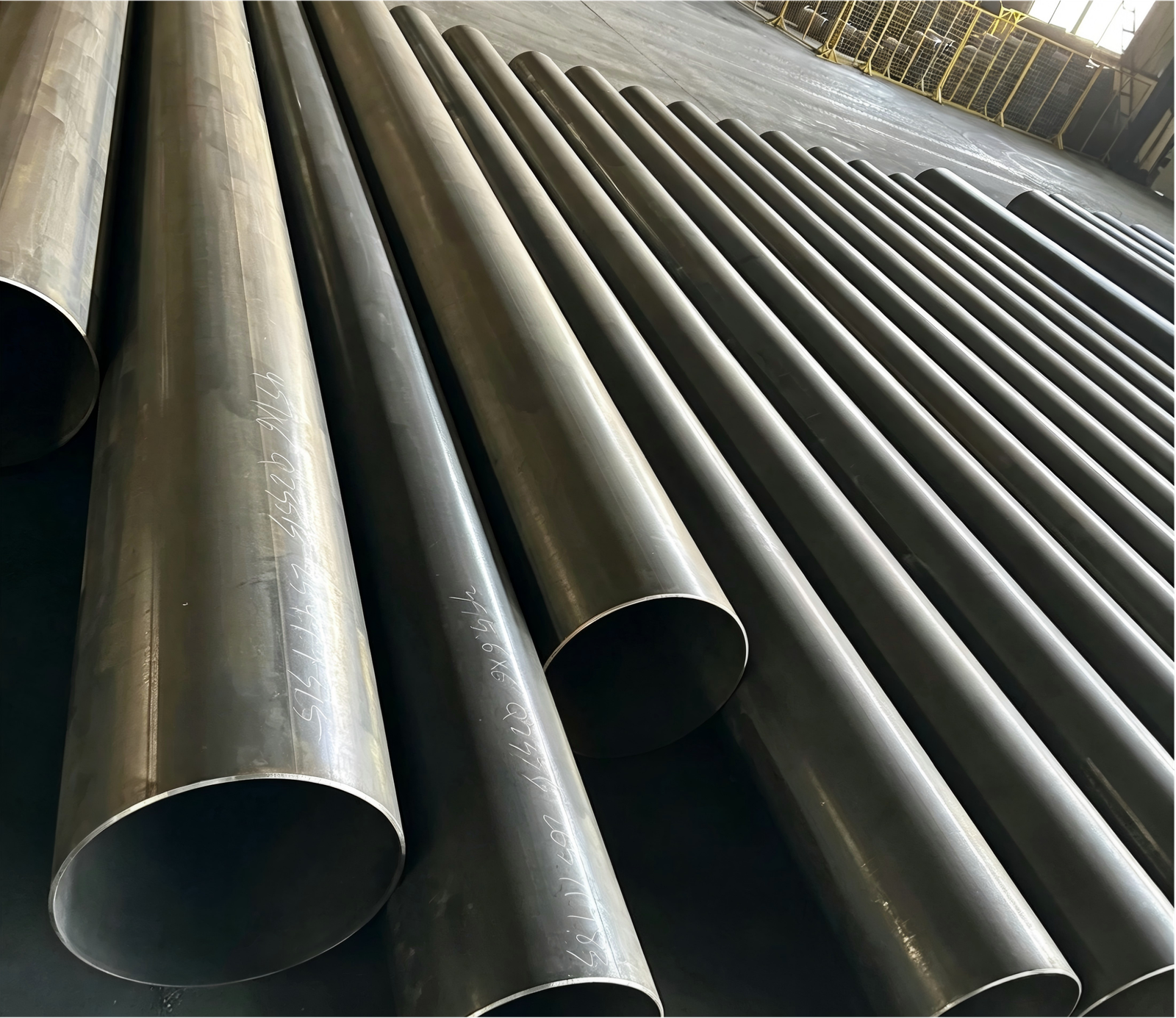
Rapport résistance/poids élevé
L'acier A500 offre des performances structurelles exceptionnelles tout en minimisant le poids total.
Cela permet aux ingénieurs de concevoir des structures plus légères mais plus solides.
Excellente soudabilité
Le matériau peut être soudé en utilisant des méthodes de soudage courantes, y compris:
Soudage MIG
Soudage TIG
Soudage à la baguette
Cela réduit la complexité et les coûts de fabrication.
Formabilité supérieure
L'acier A500 peut être coupé, percé, courbé, et fabriqué dans des formes complexes sans sacrifier l'intégrité structurelle.
Matériau économique
Comparé à de nombreux aciers alliés, L'A500 offre d'excellentes performances à un coût compétitif.
Qualité constante
Les spécifications ASTM garantissent des propriétés matérielles cohérentes dans tous les lots de production.
Longue durée de vie
Les structures A500 correctement protégées peuvent rester en service pendant des décennies.
Applications courantes de l'acier au carbone A500
Industrie de la construction
L'acier A500 est largement utilisé dans:
Cadres de construction
Colonnes structurelles
Supports de toit
Structures mezzanines
Bâtiments commerciaux
Sa combinaison de robustesse et de légèreté le rend idéal pour les constructions modernes..
Projets de ponts et d'infrastructures
Les ingénieurs sélectionnent fréquemment l'acier A500 pour:
Ponts piétonniers
Supports de signalisation routière
Systèmes de garde-corps
Structures utilitaires
Sa durabilité contribue à réduire les coûts de maintenance à long terme.
Fabrication d'équipements industriels
Les fabricants utilisent l'acier A500 pour:
Bases de machines
Châssis d'équipement
Systèmes de convoyeurs
Matériel de manutention
La rigidité du matériau garantit un fonctionnement fiable sous de lourdes charges.
Industrie du transport
L'acier A500 se trouve couramment dans:
Châssis de camion
Châssis de remorque
Composants ferroviaires
Structures de soutien au transport
L'avantage résistance/poids améliore l'efficacité et la capacité de charge utile.
Industrie pétrolière et gazière
Les applications incluent:
Patins d'équipement
Supports de tuyaux
Structures de traitement
Composants de la plateforme
Ses performances structurelles le rendent adapté aux environnements industriels exigeants.
Projets d'énergie renouvelable
L'acier A500 est de plus en plus utilisé dans:
Systèmes de montage solaire
Structures d'éoliennes
Plateformes de stockage d'énergie
Le matériau offre la durabilité requise pour les installations extérieures à long terme.
A500 par rapport aux autres nuances d'acier de construction
Acier A500 contre A36
| Fonctionnalité | A500 | A36 |
| Formulaire de produit | Tubes | Plaque & Formes |
| Rapport résistance/poids | Plus haut | Inférieur |
| Efficacité structurelle | Excellent | Bien |
| Résistance à la torsion | Excellent | Modéré |
A500 est généralement préféré lorsque des sections structurelles creuses sont requises.
Acier A500 contre A53
A53 est principalement destiné aux applications de pression et de tuyauterie.
L'A500 est spécialement conçu pour les applications structurelles.
Pour les charpentes, L'A500 est généralement le meilleur choix.
Acier A500 contre A572
L'A572 offre une plus grande résistance mais a souvent un coût plus élevé.
L'A500 reste l'une des options d'acier de construction les plus économiques disponibles.
Soudage et fabrication de l'acier A500
Soudage
L'acier A500 offre une excellente soudabilité.
Les procédés de soudage courants comprennent:
Soudage MIG
Soudage TIG
Soudage à la baguette
Soudage à noyau de flux
Des procédures de soudage appropriées aident à maintenir l’intégrité mécanique.
Usinage
L'acier A500 peut être usiné à l'aide d'un équipement CNC standard.
Les opérations courantes incluent:
Forage
Tapotement
Ennuyeux
Une sélection appropriée des outils améliore la productivité et la qualité de la finition de surface.
Méthodes de coupe
Découpe au laser
Fournit une excellente précision et des bords nets.
Découpe Plasma
Convient aux sections plus épaisses et aux grandes séries de production.
Découpe au jet d'eau
Produit des coupes de haute qualité sans zones affectées par la chaleur.
Options de finition de surface
Les méthodes de finition populaires incluent:
Revêtement en poudre
Peinture
Galvanoplastie
Galvanisation
Traitement à l'oxyde noir
Ces finitions améliorent l'apparence et la résistance à la corrosion.
Résistance à la corrosion et protection des surfaces
Bien que l'acier A500 possède une résistance raisonnable à la corrosion atmosphérique, il s'agit toujours d'un matériau en acier au carbone et peut rouiller lorsqu'il est exposé à l'humidité au fil du temps.
Galvanisation à chaud
L'acier galvanisé A500 offre une durabilité extérieure considérablement améliorée.
Les avantages:
Protection contre la corrosion à long terme
Coûts de maintenance réduits
Durée de vie prolongée
Revêtement en poudre
Le revêtement en poudre fournit:
Aspect attrayant
Résistance chimique
Protection supplémentaire contre la corrosion
Systèmes de peinture
Les systèmes de peinture industrielle restent une solution rentable pour de nombreuses applications.
Considérations de conception lors de la sélection de l'acier A500
Avant de choisir l'acier A500, les ingénieurs devraient évaluer:
Exigences de charge
Déterminer les charges statiques et dynamiques attendues.
Conditions environnementales
Envisagez l'exposition à:
Humidité
Brouillard salin
Produits chimiques
Rayonnement UV
Forme de la section
Les options disponibles incluent:
Tube rond
Tube carré
Tube rectangulaire
Chaque forme offre des avantages structurels uniques.
Épaisseur de paroi
La sélection de l'épaisseur de paroi appropriée garantit la sécurité tout en minimisant les coûts de matériaux.
Exigences budgétaires
L'acier A500 offre un excellent équilibre entre performance et prix abordable.
Services d'usinage et de fabrication CNC pour l'acier au carbone A500
Choisir le bon partenaire de fabrication est tout aussi important que sélectionner le bon matériau.
Chez Tops Précision, nous fournissons des services complets de fabrication d'acier au carbone A500, y compris:
Usinage CNC
Fraisage de précision
Tournage CNC
Perçage et taraudage
Composants usinés sur mesure
Découpe au laser
Découpe laser de haute précision pour prototypes et pièces de production.
Soudage et assemblage
Services professionnels de fabrication et d’assemblage de composants structurels et industriels.
Traitements de surfaces
Revêtement en poudre
Placage
Peinture
Finition sur mesure
Inspection de qualité
Chaque projet est soumis à une inspection rigoureuse pour garantir l'exactitude dimensionnelle et la conformité aux spécifications du client..
Que vous ayez besoin de prototypes, production en faible volume, ou fabrication à grande échelle, notre équipe d'ingénierie peut fournir des solutions de fabrication personnalisées adaptées à votre application.
Conclusion
L'acier au carbone ASTM A500 reste l'un des matériaux de structure les plus polyvalents et les plus rentables disponibles aujourd'hui.. Sa combinaison de haute résistance, excellente soudabilité, formabilité supérieure, et sa durabilité à long terme en font le choix privilégié pour d'innombrables applications structurelles et industrielles..
Que vous construisiez des structures commerciales, fabrication d'équipements industriels, concevoir des systèmes de transport, ou fabriquer des composants personnalisés, la sélection de la nuance d'acier A500 appropriée peut améliorer considérablement les performances et l'efficacité du projet.
Si vous recherchez un partenaire fiable pour l'usinage CNC de l'acier au carbone A500, coupure laser, soudage, et fabrication sur mesure, Précision au sommet peut fournir des solutions de fabrication complètes, du développement de prototypes à la production à grande échelle.
Contactez notre équipe d'ingénierie dès aujourd'hui pour discuter des exigences de votre projet et demander un devis personnalisé..
FAQs
1.À quoi sert l’acier ASTM A500?
L'acier A500 est principalement utilisé pour les tubes structurels, charpentes de construction, équipement industriel, ouvrages de transport, et projets d'infrastructures.
2.L'A500 est-il plus résistant que l'acier A36?
En général, Les tubes structurels A500 offrent un rapport résistance/poids plus élevé et une efficacité structurelle améliorée par rapport à l'acier A36..
3.L'acier A500 peut-il être galvanisé?
Oui. L'acier A500 est généralement galvanisé à chaud pour améliorer la résistance à la corrosion pour les applications extérieures..
4.L'acier A500 est-il facile à souder?
Oui. L'acier A500 présente une excellente soudabilité et est compatible avec la plupart des méthodes de soudage standard.
5.Quelle est la différence entre le grade B et le grade C?
Le grade C offre généralement un rendement et une résistance à la traction plus élevés que le grade B., ce qui le rend adapté aux applications structurelles plus exigeantes.
6.L'acier A500 est-il adapté à une utilisation en extérieur?
Oui. Lorsqu'il est combiné avec des revêtements protecteurs tels que la galvanisation ou le revêtement en poudre, L'acier A500 fonctionne exceptionnellement bien en extérieur.
7.L'acier A500 peut-il être usiné CNC?
Absolument. L'acier A500 peut être usiné à l'aide d'un fraisage CNC conventionnel, tournant, forage, et opérations de taraudage.
8.Quelles industries utilisent couramment l'acier au carbone A500?
Construction, infrastructure, transport, fabrication, pétrole et gaz, énergie renouvelable, agriculture, et les industries d'équipement industriel utilisent toutes largement l'acier A500.


