



Les moteurs exigent une précision exceptionnelle, durabilité, et performances. Qu'il soit utilisé dans les véhicules de tourisme, voitures de course, équipement marin, aerospace systems, or industrial machinery, engine components must withstand extreme temperatures, pressures, and mechanical loads.
C'est ici Usinage CNC plays a critical role. By delivering tight tolerances, finitions de surface supérieures, and excellent repeatability, CNC machining has become the preferred manufacturing method for producing high-performance engine components.
Dans ce guide complet, we’ll explore CNC machined engine components, processus de fabrication, matériaux, avantages, quality requirements, and how to choose the right CNC machining supplier for your engine projects.
What Are CNC Machined Engine Components?
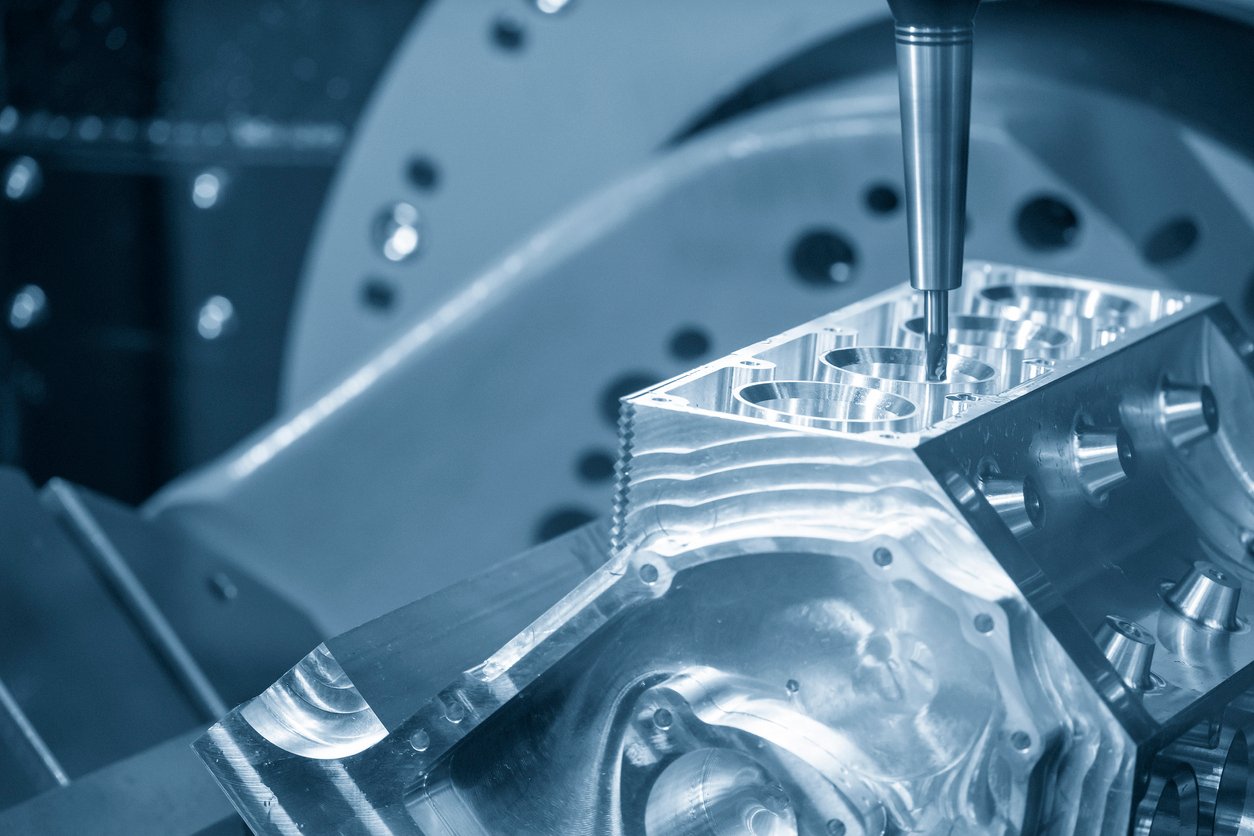
CNC machined engine components are precision-engineered parts manufactured using Computer Numerical Control (CNC) technologie. CNC machines follow programmed instructions to remove material from a solid workpiece and produce highly accurate parts with complex geometries.
Engine components require exceptional dimensional accuracy because even minor deviations can affect:
Combustion efficiency
Fuel economy
Engine power output
Dissipation thermique
Fiabilité
Durée de vie
Unlike conventional machining methods, CNC machining offers consistent quality, répétabilité, et évolutivité, making it ideal for both prototype development and mass production.
Why Engine Parts Require Precision Machining
Engine systems operate under demanding conditions:
High rotational speeds
Extreme temperatures
Continuous friction
Heavy mechanical loads
Constant vibration
To ensure optimal performance, critical components such as cylinder heads, pistons, vilebrequins, and valve assemblies must be manufactured with extremely tight tolerances and excellent surface finishes.
Even a small dimensional error can result in:
Oil leakage
Increased wear
Reduced compression
Poor fuel efficiency
Premature component failure
Why CNC Machining Is Essential for Engine Manufacturing
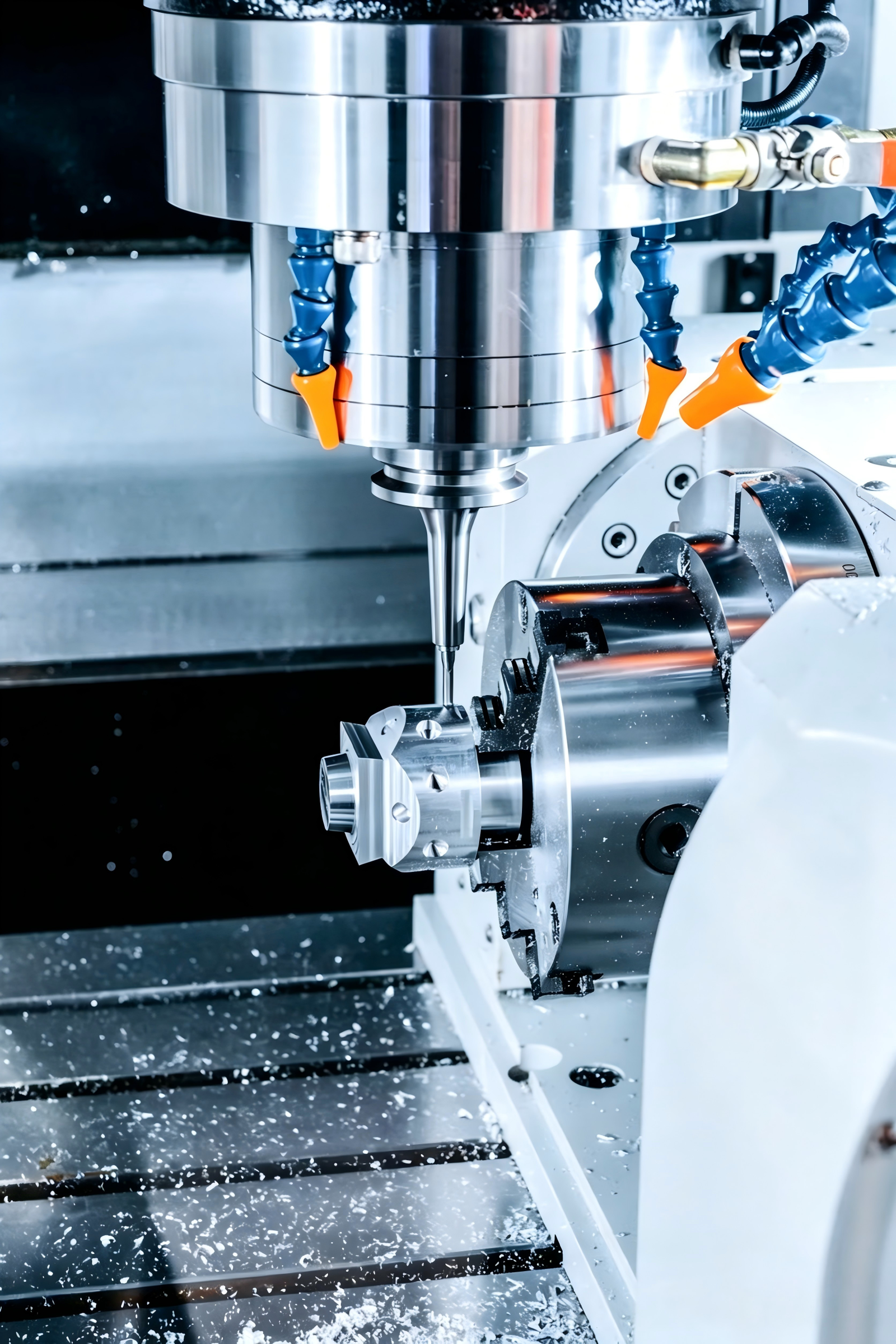
Précision exceptionnelle
Modern CNC machines can achieve tolerances as tight as ±0.002 mm, ensuring perfect component fit and assembly.
Outstanding Repeatability
Once a machining program is optimized, thousands of identical parts can be produced with minimal variation.
Complex Geometry Capability
Engine designs continue to evolve with more intricate cooling passages, chambres à combustion, and lightweight structures. CNC machining enables the production of these complex features with ease.
Cycles de production plus rapides
Automated machining reduces manual intervention and shortens lead times.
Réduction des déchets de matériaux
Advanced CAM software optimizes cutting paths, minimizing waste and reducing production costs.
Large compatibilité matérielle
L'usinage CNC prend en charge une large gamme de matériaux, y compris:
Alliages d'aluminium
Acier inoxydable
Acier au carbone
Titane
Fonte
Alliages de nickel
Common Materials Used for CNC Machined Engine Parts
Material selection directly affects engine performance, poids, durabilité, et les coûts de fabrication.
Alliages d'aluminium
Aluminum is widely used in modern engine manufacturing.
Applications
Culasses
Blocs de moteur
Collecteurs d'admission
Timing covers
Avantages
Poids léger
Excellent heat transfer
Résistance à la corrosion
Bonne usinabilité
Acier inoxydable
Stainless steel offers excellent corrosion and heat resistance.
Applications
Vannes
Composants d'échappement
Fuel system parts
Avantages
Haute résistance
Oxidation resistance
Longue durée de vie
Acier allié
Alloy steels are commonly used for highly stressed engine components.
Applications
Vilebrequin
Arbres à cames
Bielles
Avantages
Force de fatigue élevée
Excellente résistance à l'usure
Robustesse supérieure
Titane
Titanium is frequently used in high-performance and racing engines.
Applications
Intake valves
Bielles
Turbocharger components
Avantages
Extrêmement léger
Rapport résistance/poids élevé
Excellent temperature resistance
Fonte
Bien que plus lourd que l'aluminium, cast iron remains popular for specific engine applications.
Applications
Cylinder liners
Blocs de moteur
Heavy-duty diesel engines
Avantages
Excellente résistance à l'usure
Good vibration damping
Rentable
CNC Machining Processes Used for Engine Components
Different engine components require different machining operations.
Fraisage CNC
CNC milling uses rotating cutting tools to remove material from a stationary workpiece.
Typical Engine Parts
Culasses
Collecteurs d'admission
Carters moteur
Boîtiers de pompe à eau
Avantages
Complex geometry creation
Multi-axis capability
Précision dimensionnelle élevée
Tournage CNC
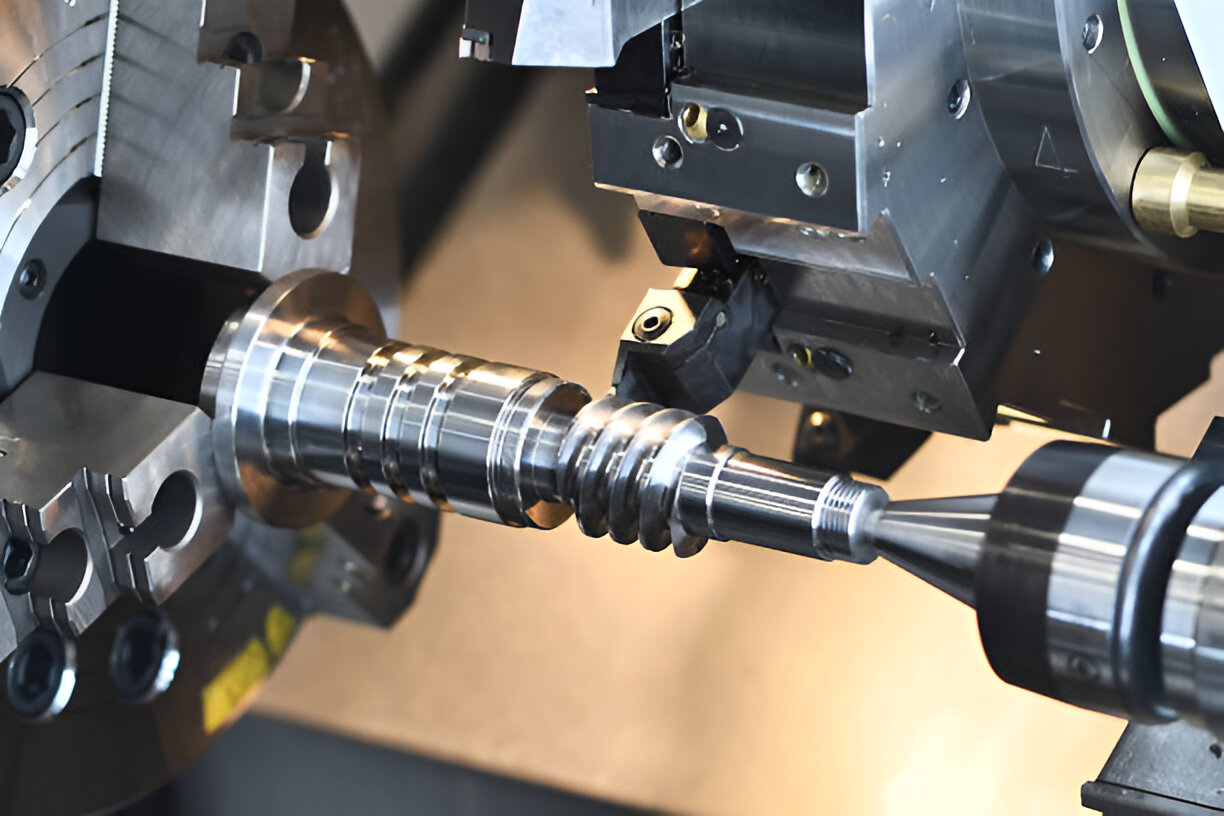
Turning rotates the workpiece while a cutting tool removes material.
Typical Engine Parts
Pistons
Vilebrequin
Arbres à cames
Valve stems
Avantages
Excellent concentricity
Finitions de surface lisses
Efficient production of cylindrical components
Forage CNC
Drilling creates precise holes and channels.
Applications
Oil passages
Coolant channels
Mounting holes
Fuel delivery pathways
Avantages
High positional accuracy
Fast production speed
Résultats reproductibles
CNC Boring
Boring enlarges and refines pre-existing holes.
Applications
Alésages de cylindre
Bearing housings
Boîtiers de transmission
Avantages
Improved roundness
Enhanced dimensional accuracy
Meilleure finition de surface
Rectification CNC
Grinding is a precision finishing operation.
Applications
Tourillons de vilebrequin
Lobes d'arbre à cames
Valve seats
Avantages
Tolérances étroites
Superior surface quality
Résistance à l’usure améliorée
CNC Honing
Honing is primarily used to finish cylinder bores.
Avantages
Improved oil retention
Frottement réduit
Better piston ring sealing
Enhanced engine efficiency
CNC Lapping
Lapping produces extremely smooth and flat surfaces.
Applications
Valve seats
Cylinder head mating surfaces
Surfaces d'étanchéité
Avantages
Better sealing performance
Reduced leakage
Ultra-fine surface finish
Usinage par décharge électrique (GED)
EDM removes material using electrical sparks.
Applications
Fuel injector components
Turbocharger parts
Precision mold tooling
Cavités internes complexes
Avantages
Machining hardened materials
Géométries complexes
Burr-free results
Most Common CNC Machined Engine Components
Blocs de moteur
The engine block forms the foundation of the engine assembly and contains cylinders, coolant passages, and oil galleries.
Cylinder Heads
Cylinder heads control airflow, fuel injection, and combustion processes.
Precision machining is essential to ensure proper sealing and airflow characteristics.
Vilebrequin
Crankshafts convert piston motion into rotational energy.
They require exceptional dimensional accuracy and surface finish.
Arbres à cames
Camshafts regulate valve timing and significantly influence engine performance.
Pistons
Pistons must maintain tight clearances within cylinder bores while enduring high temperatures and pressures.
Connecting Rods
Connecting rods transfer force between pistons and the crankshaft.
They require excellent fatigue resistance and structural integrity.
Intake Manifolds
These components distribute air evenly to engine cylinders.
CNC machining enables optimized airflow designs.
Exhaust Manifolds
Exhaust manifolds collect and direct exhaust gases away from the engine.
Fuel Injector Components
Modern fuel systems require highly precise injector parts for accurate fuel delivery.
Turbocharger Components
Turbochargers contain complex housings, compressor wheels, and turbine components that often require advanced CNC machining.
CNC Machining Tolerances for Engine Parts
Precision is critical in engine manufacturing.
| Component | Tolérance typique |
| Cylinder Bore | ± 0,005 mm |
| Crankshaft Journal | ±0.003 mm |
| Piston Diameter | ± 0,005 mm |
| Valve Seat | ± 0,002 mm |
| Camshaft Features | ±0.003 mm |
Why Tight Tolerances Matter
Tighter tolerances provide:
Better compression
Frottement réduit
Efficacité énergétique améliorée
Lower emissions
Durée de vie plus longue
Quality Control for CNC Engine Components
Reliable engine components require rigorous inspection procedures.
Coordonner les machines de mesure (MMT)
CMM systems verify critical dimensions with exceptional accuracy.
Test de rugosité de surface
Surface finish affects sealing, lubrification, and wear performance.
Certification des matériaux
Raw material traceability ensures compliance with engineering specifications.
Contrôle dimensionnel
Each critical feature is inspected against design requirements.
Tests fonctionnels
Certain engine components undergo pressure testing, fit testing, or performance verification before shipment.
Industries That Use CNC Machined Engine Parts
Industrie automobile
Véhicules de tourisme, commercial trucks, and electric vehicle range-extender engines rely heavily on CNC-machined components.
Motorsport and Racing
High-performance racing engines demand extremely tight tolerances and lightweight materials.
Aérospatial
Aircraft engines require precision-machined parts capable of withstanding extreme operating conditions.
Industrie maritime
Marine engines operate in harsh environments and require corrosion-resistant components.
Machines industrielles
Generators, compressors, and heavy equipment use durable CNC-machined engine components.
Advantages of Choosing a Professional CNC Machining Supplier
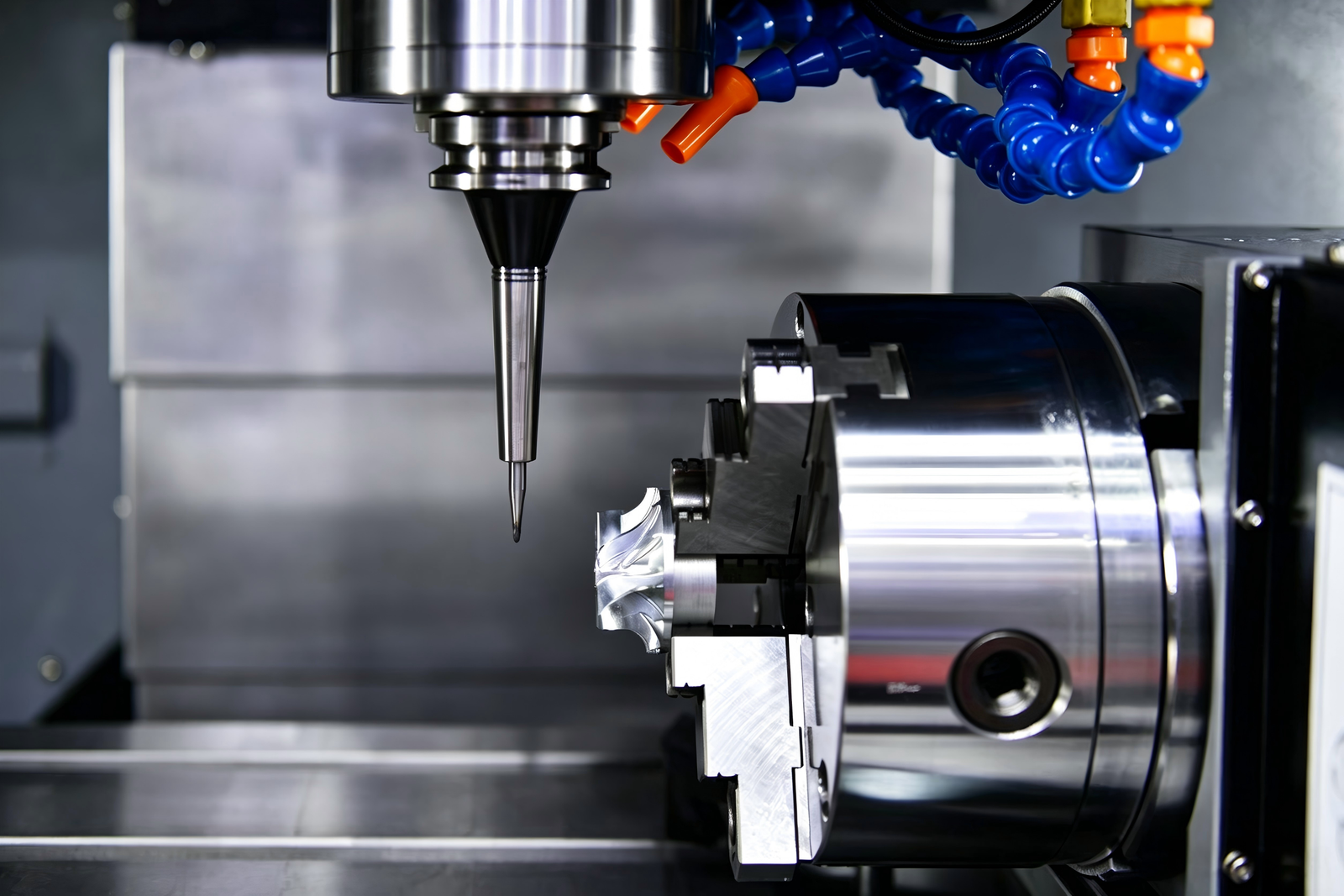
Partnering with an experienced manufacturer offers significant advantages.
Support technique
Design-for-manufacturing (DFM) analysis helps reduce costs and improve manufacturability.
Développement de prototypes
Rapid prototyping accelerates product validation and development.
Low-Volume and Mass Production
A capable supplier can support projects from prototypes to large production runs.
Advanced Inspection Equipment
Comprehensive quality control ensures consistent product performance.
Expertise matérielle
Experienced suppliers understand material behavior and machining optimization.
How to Select a CNC Machining Partner for Engine Components
When evaluating suppliers, considérez ce qui suit:
Capacités de fabrication
3-axe, 4-axe, et usinage CNC 5 axes
Turning and milling services
EDM capabilities
Grinding and honing services
Quality Systems
Look for suppliers with robust quality management processes and documented inspection procedures.
Expérience de l'industrie
Manufacturers with automotive, aérospatial, or industrial engine experience can often provide valuable engineering insights.
Production Capacity
Ensure the supplier can accommodate future production growth.
Assistance technique
Choose a supplier capable of providing design assistance, recommandations matérielles, et optimisation des processus.
Future Trends in CNC Engine Component Manufacturing
5-Usinage CNC d'axes
5-axis technology enables faster machining and more complex geometries with fewer setups.
Fabrication intelligente
Real-time monitoring improves productivity and machine utilization.
AI-Assisted Programming
Artificial intelligence is helping optimize toolpaths, cycle times, et paramètres de coupe.
Digital Twin Technology
Virtual simulations reduce development risks and improve manufacturing efficiency.
Lightweight Engine Design
Manufacturers continue to adopt lightweight materials and advanced machining strategies to improve fuel efficiency.
Hybrid Manufacturing
Combining additive manufacturing and CNC machining creates new possibilities for complex engine designs.
Conclusion
CNC machining has become the backbone of modern engine component manufacturing. Its ability to deliver exceptional precision, répétabilité, and production efficiency makes it indispensable for automotive, aérospatial, marin, et applications industrielles.
From engine blocks and cylinder heads to crankshafts, pistons, and turbocharger components, CNC machining enables manufacturers to produce reliable, high-performance parts that meet increasingly demanding industry requirements.
For companies seeking custom engine components, selecting an experienced CNC machining partner with advanced equipment, Contrôle de la qualité rigoureux, and strong engineering support can significantly improve product performance, réduire les délais, and lower overall manufacturing costs.
FAQ
1.What engine components are commonly manufactured using CNC machining?
Common CNC-machined engine parts include cylinder heads, blocs moteurs, pistons, vilebrequins, arbres à cames, bielles, collecteurs d'admission, composants de vanne, and turbocharger housings.
2.What is the best material for CNC machined engine parts?
The ideal material depends on the application. Aluminum alloys are preferred for lightweight components, while alloy steels and titanium are commonly used for high-strength applications.
3.How accurate is CNC machining for engine components?
Modern CNC machines can achieve tolerances as tight as ±0.002 mm, en fonction du matériau, géométrie, et processus d'usinage.
4.What is the difference between CNC boring and honing?
Boring enlarges and accurately sizes holes, while honing refines the surface finish and geometry of those holes for optimal performance.
5.Can CNC machining produce custom racing engine parts?
Oui. CNC machining is widely used to manufacture custom pistons, bielles, collecteurs d'admission, culasses, and turbocharger components for racing applications.
6.Which industries require CNC machined engine components?
Automobile, sport automobile, aérospatial, marin, énergie, défense, and industrial equipment manufacturers all rely on CNC-machined engine parts.
7.How does 5-axis CNC machining improve engine component production?
5-axis machining enables complex geometries to be machined in a single setup, reducing production time while improving accuracy and surface quality.
8.What quality inspections are performed on engine components?
Common inspections include CMM measurement, surface roughness testing, dimensional verification, material certification review, and functional testing.
9.Can CNC machining support both prototyping and mass production?
Oui. CNC machining is highly flexible and suitable for prototypes, production en faible volume, et fabrication à grande échelle.
10.How do I choose a reliable CNC machining supplier?
Look for a supplier with advanced machining capabilities, strong quality systems, expérience de l'industrie, assistance technique, des délais compétitifs, and proven manufacturing expertise.


