



Parmi toutes ses propriétés matérielles, le point de fusion du polypropylène est l'un des facteurs les plus importants influençant la conception du produit, processus de fabrication, performances thermiques, et fiabilité à long terme. Ingénieurs, concepteurs de produits, et les fabricants doivent comprendre comment le polypropylène se comporte à des températures élevées pour garantir des performances optimales et une production efficace..
Dans ce guide complet, nous explorerons la température de fusion du polypropylène, facteurs qui l'influencent, méthodes de test, recommandations de traitement, et applications industrielles.
Quel est le point de fusion du polypropylène?
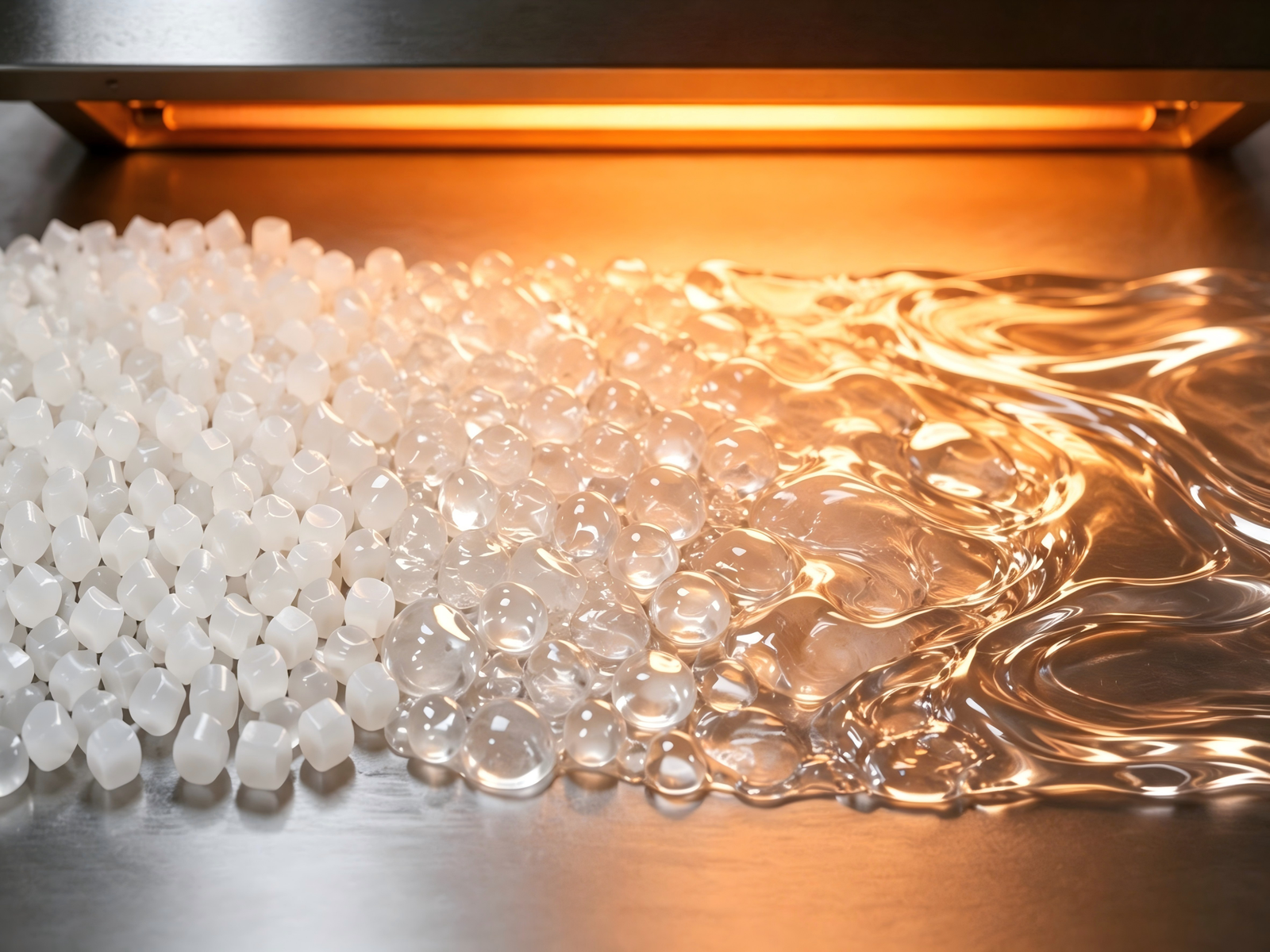
Le point de fusion typique du polypropylène se situe entre:
160°C à 170°C (320°F à 338°F)
Cependant, la température de fusion exacte dépend de plusieurs facteurs, y compris:
Structure polymère
Niveau de cristallinité
Poids moléculaire
Additifs et charges
Composition du copolymère
Historique du traitement
Contrairement aux plastiques amorphes qui se ramollissent progressivement sur une large plage de températures, le polypropylène est un polymère semi-cristallin. Cela signifie qu'il a un point de fusion relativement bien défini où ses régions cristallines passent du solide au liquide..
Températures de fusion typiques de différents types de polypropylène
| Type de polypropylène | Point de fusion |
| Homopolymère PP | 165°C – 170°C |
| Copolymère aléatoire PP | 140°C – 160°C |
| Copolymère bloc PP | 150°C – 165°C |
| PP chargé de verre | 165°C – 175°C |
Point de fusion vs. Point de ramollissement
De nombreuses personnes utilisent à tort le point de fusion et le point de ramollissement de manière interchangeable..
Cependant, ils décrivent différents comportements thermiques.
Point de fusion
La température à laquelle les régions cristallines du polypropylène fondent complètement et deviennent liquides.
Point de ramollissement
La température à laquelle le matériau commence à perdre de sa rigidité et commence à se déformer sous charge.
Pour polypropylène:
Température de ramollissement: 120°C–150°C
Température de fusion: 160°C–170°C
Comprendre cette distinction est essentiel lors de la conception de produits exposés à la chaleur.
Propriétés thermiques clés du polypropylène
| Propriété | Valeur typique |
| Point de fusion | 160–170°C |
| Température de transition vitreuse | -10°C à 0°C |
| Température de déflexion thermique | 90–120°C |
| Température de service continu | 80–100°C |
| Conductivité thermique | 0.1–0,22 W/m·K |
| Capacité thermique spécifique | 1.8–2,0 kJ/kg·K |
Ces propriétés thermiques rendent le polypropylène adapté aux applications nécessitant une résistance thermique modérée tout en conservant des performances légères..
Pourquoi le point de fusion du polypropylène est important
Efficacité de fabrication
Le point de fusion affecte directement:
Paramètres de moulage par injection
Températures d'extrusion
Opérations de soufflage
Procédés de soudage
Conditions de thermoformage
Des réglages de température incorrects peuvent provoquer:
Mauvais remplissage du moule
Défauts de surface
Déformation
Dégradation thermique
Fiabilité du produit
Les produits fonctionnant à des températures élevées doivent maintenir leur intégrité structurelle.
Les exemples incluent:
Composants du compartiment moteur automobile
Boîtiers électriques
Conteneurs industriels
Plateaux de stérilisation médicale
Connaître le comportement de fusion du polypropylène aide les ingénieurs à prévenir une défaillance prématurée du produit.
Sélection des matériaux
Le point de fusion aide à déterminer si le polypropylène est le bon matériau par rapport à des alternatives telles que:
Polyéthylène (PE)
abdos
Nylon (Pennsylvanie)
PVC
Pour de nombreuses applications, le polypropylène offre l'équilibre idéal entre coût et performance thermique.
Facteurs qui affectent le point de fusion du polypropylène
Cristallinité
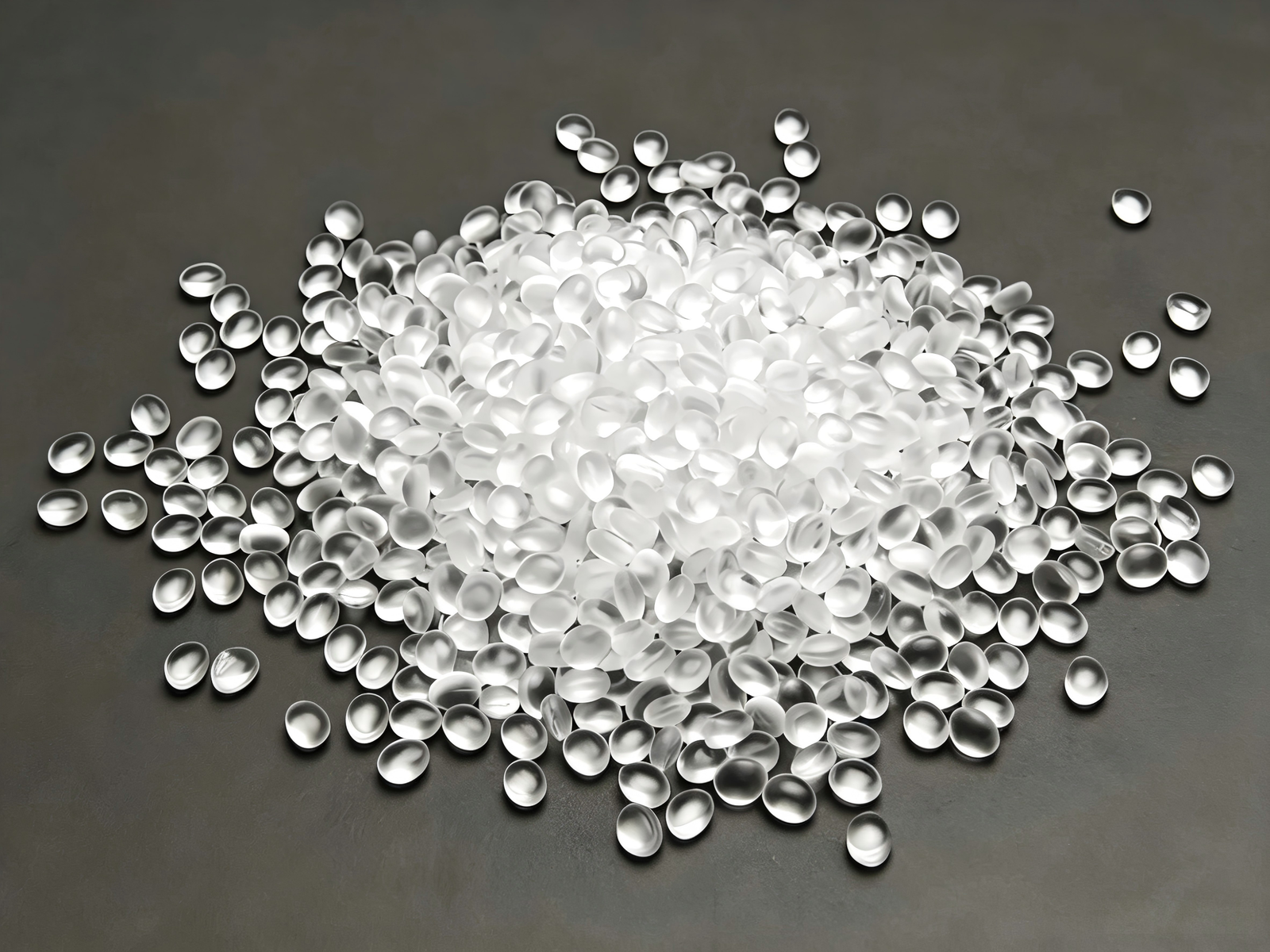
La cristallinité est le facteur le plus important affectant la température de fusion du polypropylène.
Le polypropylène contient à la fois:
Régions cristallines
Régions amorphes
Les régions cristallines nécessitent plus d'énergie pour fondre.
Une cristallinité plus élevée entraîne:
Point de fusion plus élevé
Rigidité accrue
Meilleure résistance chimique
Stabilité dimensionnelle améliorée
Une cristallinité plus faible entraîne:
Point de fusion inférieur
Flexibilité accrue
Une meilleure transparence
Rigidité réduite
Les fabricants ajustent souvent la cristallinité pour atteindre des objectifs de performances spécifiques.
Poids moléculaire
Le poids moléculaire fait référence à la longueur des chaînes polymères.
Des chaînes de polymères plus longues créent:
Liaison intermoléculaire plus forte
Stabilité thermique accrue
Températures de fusion plus élevées
Les qualités de polypropylène à poids moléculaire plus élevé offrent généralement:
Meilleure résistance aux chocs
Durabilité améliorée
Résistance thermique améliorée
Cependant, ils peuvent également nécessiter des températures de traitement plus élevées.
Histoire thermale
La façon dont le polypropylène a été chauffé et refroidi auparavant affecte considérablement sa structure cristalline..
Refroidissement rapide
Un refroidissement rapide crée:
Des cristaux plus petits
Régions plus amorphes
Températures de fusion plus basses
Refroidissement lent
Un refroidissement lent favorise:
Structures cristallines plus grandes
Cristallinité supérieure
Températures de fusion plus élevées
Ceci est particulièrement important dans les opérations de moulage par injection et d'extrusion..
Additifs et modificateurs
Les fabricants modifient fréquemment les formulations de polypropylène en utilisant des additifs.
Les additifs courants incluent:
Plastifiants
Antioxydants
Stabilisateurs UV
Retardateurs de flamme
Modificateurs d'impact
Certains additifs perturbent la formation des cristaux et abaissent le point de fusion, tandis que d'autres améliorent la stabilité thermique.
Composition du copolymère
Tous les matériaux en polypropylène ne sont pas identiques.
Polypropylène homopolymère
Offres:
Point de fusion le plus élevé
Rigidité la plus élevée
Meilleure résistance chimique
Polypropylène copolymère aléatoire
Offres:
Transparence améliorée
Meilleure flexibilité
Température de fusion inférieure
Copolymère bloc polypropylène
Offres:
Résistance aux chocs améliorée
Meilleures performances à basse température
Température de fusion modérée
La sélection de la qualité PP appropriée est essentielle pour obtenir les performances souhaitées du produit..
Comment mesurer le point de fusion du polypropylène
Calorimétrie de balayage différentiel (Dsc)
La technique la plus largement utilisée pour mesurer la température de fusion du polypropylène est la calorimétrie différentielle à balayage. (Dsc).
Comment fonctionne le DSC
Un petit échantillon de polypropylène est chauffé à une vitesse contrôlée.
L'instrument mesure:
Flux de chaleur
Transitions thermiques
Comportement de cristallisation
Température de fusion
Le pic observé sur la courbe DSC indique le point de fusion.
Avantages du DSC
Très précis
Résultats reproductibles
Petit échantillon requis
Méthode de test standard de l'industrie
Analyse thermomécanique (TMA)
TMA mesure les changements dimensionnels à mesure que la température augmente.
Il aide les ingénieurs à évaluer:
Comportement adoucissant
Caractéristiques d'expansion
Déformation thermique
Analyse mécanique dynamique (DMLA)
DMA donne un aperçu de:
Rigidité du matériau
Propriétés d'amortissement
Comportement mécanique dépendant de la température
Cette méthode est particulièrement utile pour les applications d'ingénierie avancées.
Températures de traitement recommandées pour le polypropylène
Moulage par injection
Le polypropylène est l'un des thermoplastiques les plus couramment moulés par injection..
Paramètres recommandés
| Paramètre | Gamme typique |
| Température de fusion | 200–260°C |
| Température du moule | 20–80°C |
| Température du baril | 180–250 ° C |
| Température de la buse | 200–250 ° C |
Un contrôle adéquat de la température garantit:
Excellent débit
Remplissage complet du moule
Temps de cycle réduits
Finition de surface de haute qualité
Traitement par extrusion
Les températures d'extrusion typiques incluent:
| Zone | Température |
| Zone d'alimentation | 180–200°C |
| Zone de compression | 200–220°C |
| Zone de comptage | 220–240°C |
| Mourir | 220–250 ° C |
Les applications d'extrusion incluent:
Tuyaux
Feuilles
Films
Profils
Moulage par coup
Le moulage par soufflage nécessite généralement:
Températures de fusion entre 200°C et 240°C
Répartition uniforme de la matière fondue
Vitesses de refroidissement contrôlées
Ce procédé est largement utilisé pour les conteneurs et emballages industriels.
Comment améliorer la résistance thermique du polypropylène
Agents nucléants
Les agents nucléants accélèrent la formation de cristaux.
Les avantages:
Cristallinité supérieure
Rigidité améliorée
Résistance thermique améliorée
Cycles de moulage plus courts
Renfort en fibre de verre
Le polypropylène chargé en verre peut améliorer considérablement:
Résistance à la chaleur
Résistance structurelle
Stabilité dimensionnelle
Les applications incluent:
Composants automobiles
Boîtiers électriques
Pièces de machines industrielles
Polypropylène rempli de talc
Le talc s'améliore:
Performance thermique
Rigidité
Résistance à la déformation
De nombreuses pièces intérieures d'automobiles utilisent des composés de polypropylène chargés de talc.
Ingénierie des copolymères
Les technologies avancées de copolymères permettent aux fabricants d'adapter:
Résistance à la chaleur
Résistance aux chocs
Processabilité
Aspect des surfaces
Ces matériaux spécialisés surpassent souvent les qualités PP conventionnelles.
Polypropylène vs autres plastiques courants
Comparaison des performances thermiques
| Matériel | Point de fusion |
| Polypropylène (PP) | 160–170°C |
| PEHD | 120–130°C |
| PEBD | 105–115°C |
| Nylon 6 | 220°C |
| Polycarbonate | 230°C |
| abdos | Pas de véritable point de fusion |
| PVC | Commence à se dégrader avant de fondre |
Pourquoi choisir le polypropylène?
Les avantages incluent:
Coût inférieur
Construction légère
Excellente résistance chimique
Bonne stabilité thermique
Traitement facile
Ces avantages font du PP l'un des thermoplastiques techniques les plus polyvalents disponibles aujourd'hui..
Applications industrielles du polypropylène en fonction de son point de fusion
Industrie automobile
Les applications courantes incluent:
Boîtiers de batterie
Panneaux de garniture intérieure
Conduits d'air
Réservoirs de fluide
La résistance thermique du matériau lui permet de fonctionner de manière fiable à des températures élevées.
Industrie de l'emballage
Le polypropylène est largement utilisé dans:
Récipients de nourriture
Bouchons de bouteilles
Films d'emballage souples
Emballage adapté au micro-ondes
Son point de fusion offre une excellente tolérance à la chaleur pendant la transformation et le stockage des aliments..
Industrie médicale
Le polypropylène de qualité médicale est utilisé pour:
Seringues
Conteneurs d'échantillons
Matériel de laboratoire
Plateaux de stérilisation
Sa stabilité thermique prend en charge diverses méthodes de stérilisation.
Produits de consommation
Les exemples incluent:
Bacs de rangement
Appareils de ménage
Composants de meubles
Conteneurs réutilisables
Électrique et électronique
Les applications incluent:
Boîtiers de connecteurs
Composants d'isolation des câbles
Boîtes de jonction
Boîtiers de batterie
Sa combinaison d'isolation électrique et de résistance thermique le rend très précieux dans les systèmes électroniques.
Problèmes de traitement courants liés à la température de fusion
Plans courts
Causes
Température de fusion trop basse
Mauvais flux de matière
Solutions
Augmenter la température de fusion
Améliorer la conception des portes
Déformation
Causes
Refroidissement inégal
Retrait excessif
Solutions
Optimiser les canaux de refroidissement
Ajuster la température du moule
Marques d'évier
Causes
Pression d'emballage insuffisante
Sections de murs épais
Solutions
Augmenter la pression de maintien
Améliorer la conception des pièces
Dégradation thermique
Causes
Températures de traitement excessives
Temps de séjour longs
Solutions
Température du baril plus basse
Réduisez les temps de cycle
Tendances futures des matériaux en polypropylène haute température
La demande de composés de polypropylène avancés continue de croître.
Les principales tendances de l'industrie comprennent:
Composants automobiles légers
Les constructeurs automobiles remplacent de plus en plus les composants métalliques par du polypropylène renforcé pour réduire le poids et améliorer le rendement énergétique..
Applications pour véhicules électriques
Les systèmes de batteries nécessitent des matériaux légers avec d'excellentes performances thermiques.
Les composés de polypropylène modifiés deviennent de plus en plus importants dans la conception des véhicules électriques.
Polypropylène durable
Les technologies du polypropylène recyclé s'améliorent rapidement, aider les fabricants à atteindre leurs objectifs environnementaux tout en maintenant leurs performances.
Composites renforcés avancés
Les nouvelles générations de:
Fibre de verre PP
PP chargé de minéraux
PP renforcé de fibres longues
permettent des applications auparavant réservées aux plastiques techniques.
Conclusion
Le point de fusion du polypropylène, allant généralement de 160°C à 170°C, est l’une des propriétés les plus importantes influençant le choix des matériaux, conception de produits, et performances de fabrication. Facteurs tels que la cristallinité, poids moléculaire, additifs, et l'historique du traitement contribuent tous aux variations du comportement thermique.
En comprenant les caractéristiques de fusion du polypropylène et les conditions de traitement recommandées, les fabricants peuvent améliorer la qualité des produits, réduire les défauts de production, et maximiser les performances à long terme.
Que vous conceviez des composants automobiles, produits d'emballage, Équipement médical, ou parties industrielles, la sélection de la bonne qualité de polypropylène et des bons paramètres de traitement est essentielle pour obtenir des résultats optimaux. Contactez-nous pour plus d'informations.
FQAs
1.Quel est le point de fusion exact du polypropylène?
La plupart des qualités de polypropylène fondent entre 160°C et 170°C, bien que les formulations spécialisées puissent varier légèrement.
2.Le polypropylène peut-il résister à l'eau bouillante?
Oui. Le polypropylène peut généralement résister à l'eau bouillante à 100°C sans fondre, bien qu'une exposition prolongée puisse affecter les propriétés mécaniques.
3.À quelle température le polypropylène commence-t-il à ramollir?
Le polypropylène commence généralement à ramollir entre 120°C et 150°C.
4.Le polypropylène passe-t-il au micro-ondes?
De nombreux produits en polypropylène de qualité alimentaire vont au micro-ondes car leur point de fusion est nettement plus élevé que les températures de chauffage typiques aux micro-ondes..
5.Quelle température de traitement est utilisée pour le moulage par injection du polypropylène?
La plupart des qualités de polypropylène sont traitées entre 200°C et 260°C lors du moulage par injection.
6.Quelle qualité de polypropylène a la plus haute résistance à la chaleur?
Le polypropylène homopolymère offre généralement le point de fusion et la résistance thermique les plus élevés parmi les qualités PP standard..
7.Les charges peuvent-elles augmenter la résistance à la chaleur du polypropylène?
Oui. Fibre de verre, talc, et d'autres charges minérales peuvent améliorer considérablement la résistance à la chaleur et la stabilité dimensionnelle.
8.Le polypropylène est-il adapté aux applications automobiles?
Absolument. Le polypropylène est largement utilisé dans les intérieurs automobiles, boîtiers de batterie, conduits d'air, et divers composants sous le capot en raison de son excellent équilibre de poids, force, et performances thermiques.


