


Des carters de moteur automobile et carters de transmission à l'électronique grand public et aux équipements industriels, L'ADC12 offre un équilibre idéal de performances, efficacité de fabrication, et rentable.
Que vous soyez un ingénieur sélectionnant des matériaux pour un nouveau projet, un responsable des achats s'approvisionnant en pièces moulées sous pression en aluminium, ou un concepteur de produits comparant différents alliages d'aluminium, comprendre les caractéristiques de l'ADC12 peut vous aider à prendre des décisions éclairées.
Dans ce guide complet, nous allons explorer:
- Qu'est-ce que l'alliage d'aluminium ADC12
- Composition chimique
- Propriétés physiques et mécaniques
- Principaux avantages et limites
- Processus de fabrication
- Applications industrielles courantes
- ADC12 contre. autres alliages d'aluminium
- Questions fréquemment posées
Qu'est-ce que l'alliage d'aluminium ADC12?
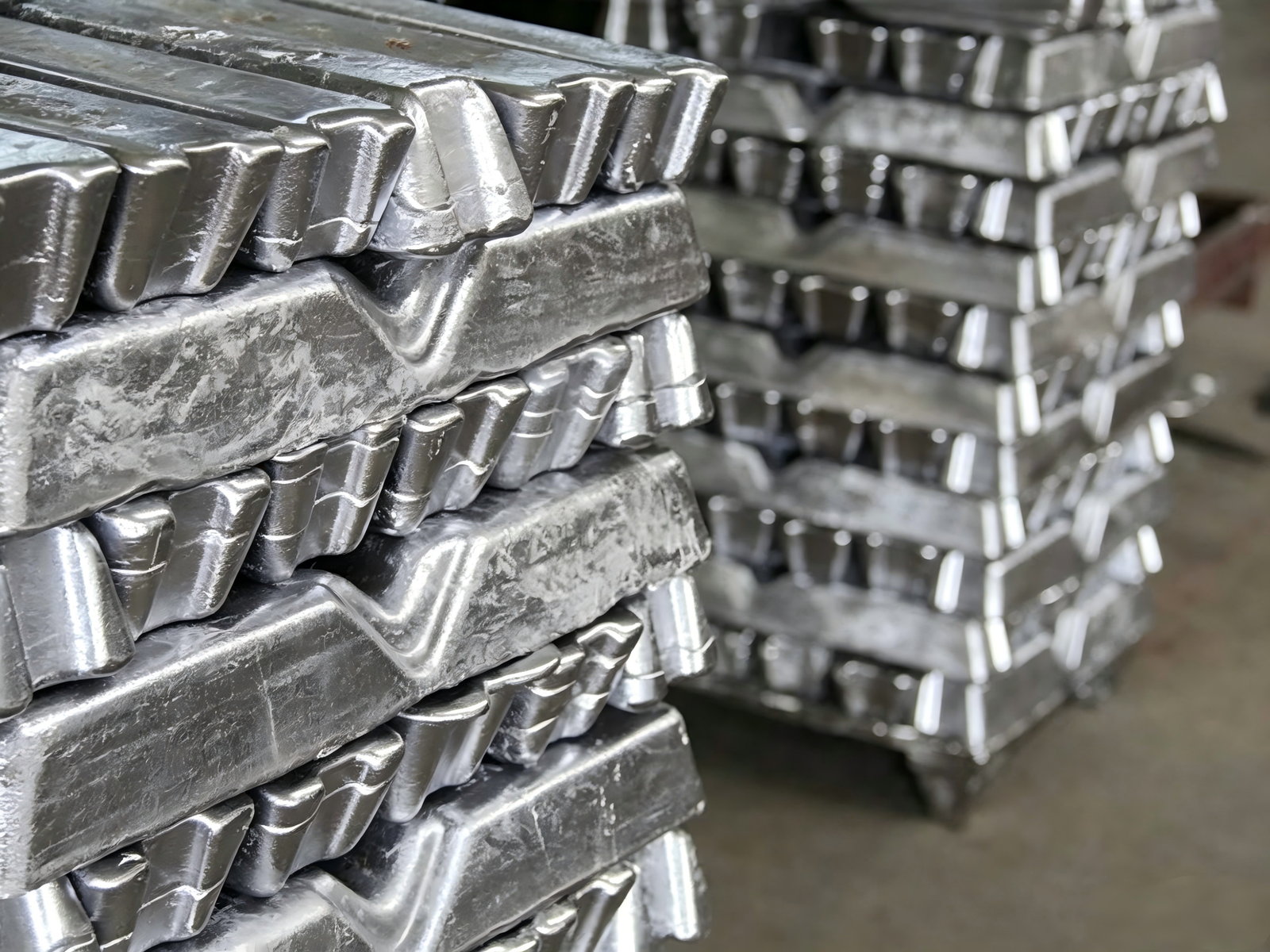
ADC12 est une norme industrielle japonaise (Il est) Alliage de moulage aluminium-silicium-cuivre spécialement développé pour le moulage sous pression haute pression (HPDC). Il appartient à la famille des alliages d'aluminium Al-Si-Cu et est reconnu dans le monde entier pour ses excellentes performances de coulée..
L'alliage contient environ 10% silicium et 2 à 3 % de cuivre, offrant une excellente fluidité lors de la coulée tout en conservant une résistance mécanique élevée après solidification.
En raison de ces caractéristiques, L'ADC12 est l'un des matériaux les plus couramment spécifiés pour la fabrication de pièces complexes en aluminium moulé sous pression avec des parois minces et des tolérances dimensionnelles serrées..
À l'international, L'ADC12 est comparable à plusieurs qualités d'aluminium équivalentes.
| Standard | Grade équivalent |
| Il est | ADC12 |
| ASTM | A383 |
| FR (Chine) | YL113 |
| DANS | EN AC-46000 (similaire) |
Bien que de légères différences chimiques existent entre ces normes, leurs performances globales de coulée et leurs propriétés mécaniques sont très similaires.
Composition chimique de l'alliage d'aluminium ADC12
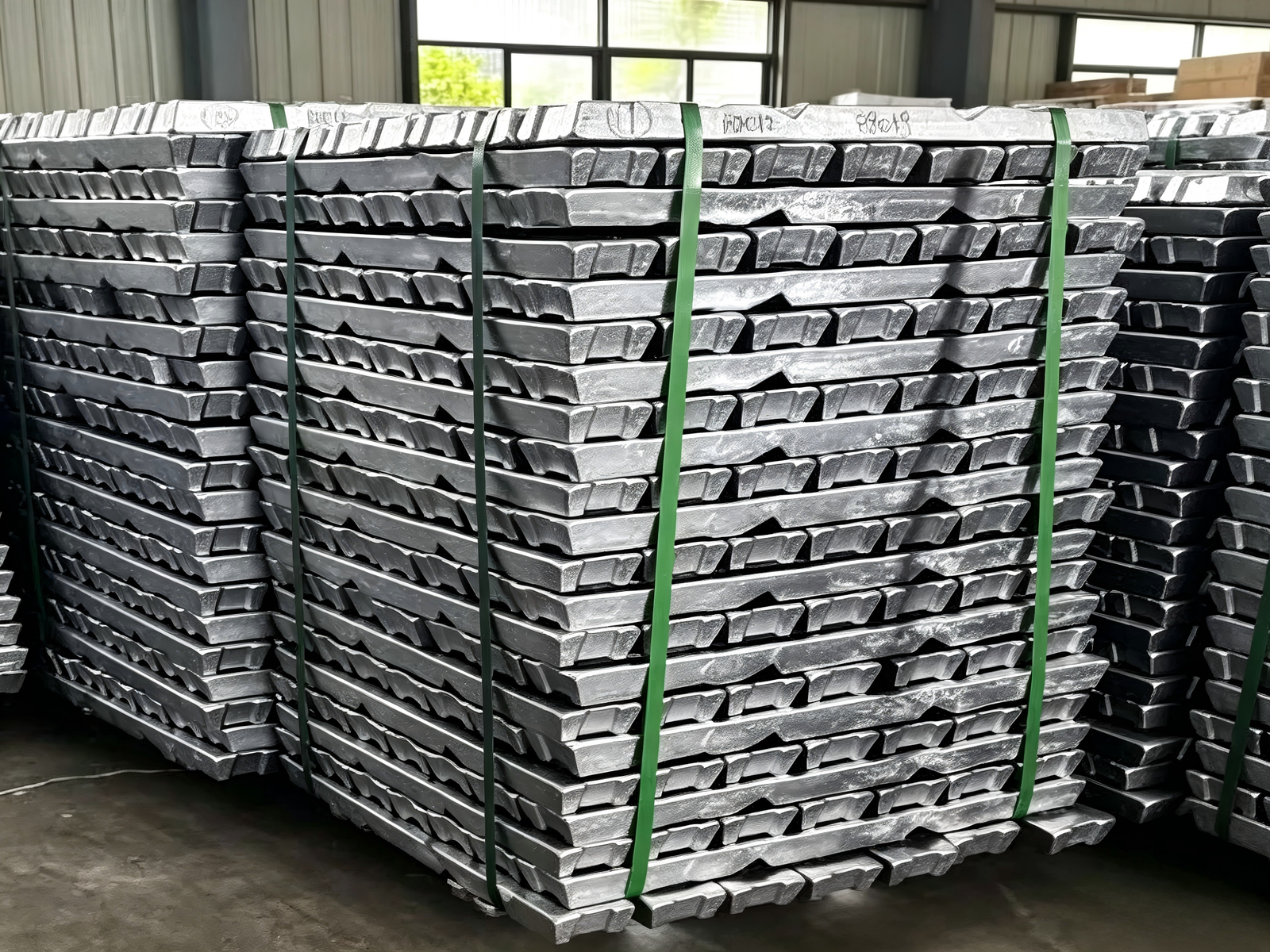
Les performances exceptionnelles de l'ADC12 proviennent de sa composition chimique soigneusement équilibrée. Chaque élément d'alliage contribue à des propriétés mécaniques spécifiques, thermique, ou caractéristiques de fabrication.
| Élément | Contenu typique (%) | Fonction |
| Silicium (Et) | 9.5–11,5 | Améliore la fluidité et la résistance à l'usure |
| Cuivre (Cu) | 2.0–3,0 | Augmente la résistance et la dureté |
| Fer (Fe) | ≤1,3 | Empêche la matrice de coller pendant le moulage |
| Zinc (Zn) | ≤3,0 | Améliore la force |
| Magnésium (Mg) | 0.1–0,3 | Améliore la dureté |
| Manganèse (Mn) | ≤0,5 | Améliore la stabilité structurelle |
| Nickel (Dans) | ≤0,5 | Améliore la résistance à la chaleur |
| Étain (Sn) | ≤0,15 | Impureté contrôlée |
| Aluminium (Al) | Équilibre | Matériau de base |
Pourquoi le silicium est important
Le silicium est l'élément d'alliage le plus important dans l'ADC12. Sa teneur relativement élevée améliore considérablement la fluidité du métal en fusion, permettant aux fabricants de produire des géométries complexes avec des parois minces et des défauts de coulée minimes.
Cela rend l'ADC12 particulièrement adapté à la production de moulage sous pression en grand volume..
Le rôle du cuivre
Le cuivre améliore la résistance à la traction, dureté, et résistance à la fatigue. Comparé aux alliages d'aluminium à haute teneur en silicium contenant peu de cuivre, L'ADC12 offre des performances mécaniques supérieures, ce qui le rend idéal pour les composants structurels soumis à une charge continue.
Propriétés physiques de l'alliage d'aluminium ADC12
Les caractéristiques physiques de l'ADC12 contribuent directement à ses performances dans des environnements industriels exigeants.
| Propriété | Valeur typique |
| Densité | 2.68–2,74 g/cm³ |
| Plage de fusion | 515–580°C |
| Conductivité thermique | Environ 96 W/m·K |
| Conductivité électrique | Environ 22% SIGC |
| Capacité thermique spécifique | 963 J/kg·K |
| Expansion thermique | 21 ×10⁻⁶ /K |
Conception légère
Avec une densité environ un tiers de celle de l'acier, L'ADC12 permet aux fabricants de réduire le poids des composants sans sacrifier l'intégrité structurelle. Ceci est particulièrement utile dans les applications automobiles et aérospatiales où la réduction du poids améliore directement le rendement énergétique et les performances du système..
Excellent transfert de chaleur
ADC12 offre une conductivité thermique relativement élevée, ce qui le rend adapté aux produits nécessitant une dissipation thermique efficace, tel que:
- Carters moteur
- Chauffer
- Composants d'éclairage LED
- Coffrets électriques
- Systèmes de refroidissement électroniques
Propriétés mécaniques de l'alliage d'aluminium ADC12
Les propriétés mécaniques déterminent le comportement d'un matériau sous charge, impact, et conditions de service à long terme.
Les valeurs typiques incluent:
| Propriété | Valeur typique |
| Résistance à la traction | 280–330 MPa |
| Limite d'élasticité | 160–220 MPa |
| Dureté | 75–90 HB |
| Élongation | 2–4% |
| Module élastique | Environ 71 GPa |
Les valeurs réelles varient en fonction du processus de coulée, épaisseur de paroi, conception de moule, et opérations de post-traitement.
Rapport résistance/poids élevé
L’un des plus grands avantages de l’ADC12 est sa capacité à offrir une excellente résistance mécanique tout en conservant un faible poids.. Cela en fait un matériau idéal pour les composants devant résister aux vibrations., pression, et chargement répétitif sans ajout de masse inutile.
Avantages clés de l'alliage d'aluminium ADC12
1. Performances de moulage sous pression exceptionnelles
ADC12 est spécialement conçu pour le moulage sous pression haute pression.
Son excellente fluidité du métal en fusion permet aux fabricants de produire:
- Composants à paroi mince
- Géométries complexes
- Cavités internes complexes
- Pièces de précision en grand volume
L'alliage remplit efficacement les moules tout en minimisant les défauts de retrait, résultant en une excellente précision dimensionnelle et répétabilité.
2. Excellente usinabilité
Bien que l'ADC12 soit avant tout un alliage de moulage sous pression, il fonctionne également bien lors des opérations d'usinage secondaire.
Les processus d'usinage typiques comprennent:
- Fraisage CNC
- Tournage CNC
- Forage
- Tapotement
- Alésage
- Usinage de filetage
Sa teneur équilibrée en silicium réduit la résistance à la coupe et permet d'obtenir des finitions de surface lisses tout en prolongeant la durée de vie de l'outil..
3. Stabilité dimensionnelle supérieure
Les fabricants préfèrent l'ADC12 car il conserve une excellente précision dimensionnelle après la coulée.
Les avantages:
- Des taux de rejet inférieurs
- Cohérence améliorée de l’assemblage
- Post-traitement réduit
- Meilleure interchangeabilité entre les lots de production
Cette stabilité est particulièrement importante pour les boîtiers de précision et les assemblages mécaniques aux tolérances serrées..
4. Bonne résistance à la corrosion
L'ADC12 forme naturellement une fine couche d'oxyde qui protège le matériau de la corrosion environnementale.
Il fonctionne bien dans:
- Environnements extérieurs
- Installations industrielles
- Climats humides
- Conditions atmosphériques générales
Pour les applications plus exigeantes, traitements de surface supplémentaires tels que le revêtement en poudre, peinture, ou la conversion au chromate peut encore améliorer la résistance à la corrosion et la durabilité.
5. Excellente rentabilité
Comparé à de nombreux alliages d'aluminium alternatifs, L'ADC12 offre des coûts de production inférieurs tout en conservant d'excellentes performances mécaniques.
Sa grande coulabilité réduit:
- Temps d'usinage
- Déchets de matériaux
- Défauts de production
- Coûts de fabrication
Cela fait de l'ADC12 l'un des choix les plus économiques pour les projets de moulage sous pression d'aluminium à grande échelle..
Limites de l'alliage d'aluminium ADC12
Bien que l'ADC12 soit l'un des alliages de moulage d'aluminium les plus polyvalents, comprendre ses limites est tout aussi important que connaître ses forces. La sélection du bon matériau nécessite d'évaluer à la fois les avantages et les compromis pour votre application spécifique..
Ductilité inférieure à celle de l'aluminium forgé
ADC12 offre une excellente résistance et dureté, mais son allongement est relativement faible, généralement entre 2% et 4%. Cela signifie que le matériau est moins adapté aux applications nécessitant une flexion importante., étirage, ou déformation plastique après coulée.
Pour les produits nécessitant un formage approfondi ou une résistance élevée aux chocs, alliages d'aluminium corroyés tels que 6061 ou 5052 peut être plus approprié.
Non recommandé pour le soudage
En raison de sa forte teneur en silicium et en cuivre, L'ADC12 est généralement considéré comme difficile à souder. Le soudage peut entraîner:
- Porosité accrue
- Fissuration à chaud
- Résistance mécanique réduite
- Mauvais aspect de la soudure
Si le soudage est inévitable, des matériaux de remplissage spécialisés et des techniques de soudage expérimentées sont nécessaires. Cependant, la plupart des fabricants préfèrent concevoir les composants ADC12 sous forme de moulages sous pression d'une seule pièce pour éliminer le besoin de soudage.
Performance d'anodisation limitée
Contrairement à 6061 aluminium, ADC12 ne produit pas une finition anodisée décorative attrayante. La teneur relativement élevée en silicium se traduit souvent par un aspect plus foncé., surface inégale après anodisation.
Pour cette raison, les fabricants choisissent généralement des méthodes de finition alternatives, y compris:
- Revêtement en poudre
- Peinture humide
- Revêtement de conversion de chromate
- Revêtement électrophorétique (E-revêtement)
- Sablage
- Grenaillage
- Polissage
Ces finitions offrent une excellente protection contre la corrosion tout en améliorant l'apparence du produit final..
Performance modérée à haute température
Bien que l'ADC12 fonctionne bien dans des conditions de fonctionnement normales, une exposition prolongée à des températures supérieures à environ 200°C peut réduire progressivement sa résistance mécanique.
Les applications impliquant un service continu à haute température peuvent nécessiter à la place des alliages d'aluminium spécialisés résistant à la chaleur..
Processus de fabrication courants pour l’alliage d’aluminium ADC12
L’une des principales raisons pour lesquelles l’ADC12 est devenu l’alliage de moulage sous pression préféré de l’industrie est son excellente fabricabilité.. Il fonctionne exceptionnellement bien tout au long du processus de production, du moulage à la finition finale.
Moulage sous pression haute pression (HPDC)
Le moulage sous pression haute pression est la principale méthode de fabrication des composants ADC12.
Pendant ce processus, l'aluminium fondu est injecté dans un moule en acier trempé à une pression extrêmement élevée. Le métal remplit rapidement toutes les cavités du moule avant de se solidifier en quelques secondes..
Cette méthode de fabrication offre plusieurs avantages:
- Efficacité de production élevée
- Excellente répétabilité
- Tolérances dimensionnelles serrées
- Finition de surface lisse
- Déchets de matériaux minimaux
- Coûts de production réduits pour la fabrication en grand volume
Les produits typiques fabriqués à l'aide du moulage sous pression ADC12 comprennent:
- Carters de transmission automobile
- Capots moteur
- Carters de moteurs électriques
- Carters de boîte de vitesses
- Corps de pompage
- Luminaires
- Boîtiers électroniques
Parce que le coût de l'outillage est réparti sur de grands volumes de production, HPDC est particulièrement rentable pour les moyennes- aux projets de fabrication à grand volume.
Usinage CNC
Bien que le moulage sous pression produise des composants de forme presque nette, de nombreuses pièces de précision nécessitent un usinage supplémentaire pour atteindre des dimensions critiques.
Commun Usinage CNC les opérations comprennent:
- Fraisage du visage
- Forage de précision
- Ennuyeux
- Taraudage
- Fraisage de poche
- Alésage
- Finition de surface
L'excellente usinabilité de l'ADC12 permet aux fabricants de maintenir des tolérances serrées tout en réduisant le temps d'usinage et l'usure des outils..
L'usinage secondaire est couramment utilisé pour produire:
- Sièges de roulement
- Trous filetés
- Surfaces de montage de précision
- Faces d'étanchéité
- Fonctionnalités d'alignement
La combinaison du moulage sous pression et de l'usinage CNC offre un équilibre idéal entre efficacité de production et précision..
Options de finition de surface
Le traitement de surface améliore non seulement l'apparence mais améliore également la résistance à la corrosion, résistance à l'usure, et durée de vie du produit.
Les options de finition populaires pour l'ADC12 incluent:
Revêtement en poudre
Le revêtement en poudre crée une couche protectrice durable avec une excellente résistance aux rayures, Exposition aux UV, et produits chimiques. Il est largement utilisé pour les équipements extérieurs et les composants automobiles.
Peinture
La peinture industrielle fournit des finitions à la fois décoratives et protectrices tout en permettant aux fabricants de répondre aux exigences de couleur spécifiques des clients..
Revêtement de conversion au chromate
Souvent utilisé comme prétraitement avant de peindre, le revêtement de conversion au chromate améliore considérablement la résistance à la corrosion tout en améliorant l'adhérence de la peinture.
Grenaillage
Le grenaillage élimine les résidus de coulée, améliore la consistance de la surface, et crée un aspect mat uniforme.
Sablage
Le sablage produit un nettoyage propre, surface texturée qui améliore l'adhérence du revêtement et donne au produit une finition haut de gamme.
Revêtement électrophorétique (Revêtement électronique)
Le revêtement électronique offre une excellente protection contre la corrosion en appliquant un revêtement uniforme via un processus électrochimique, ce qui le rend idéal pour les applications automobiles et industrielles.
Applications courantes de l'alliage d'aluminium ADC12
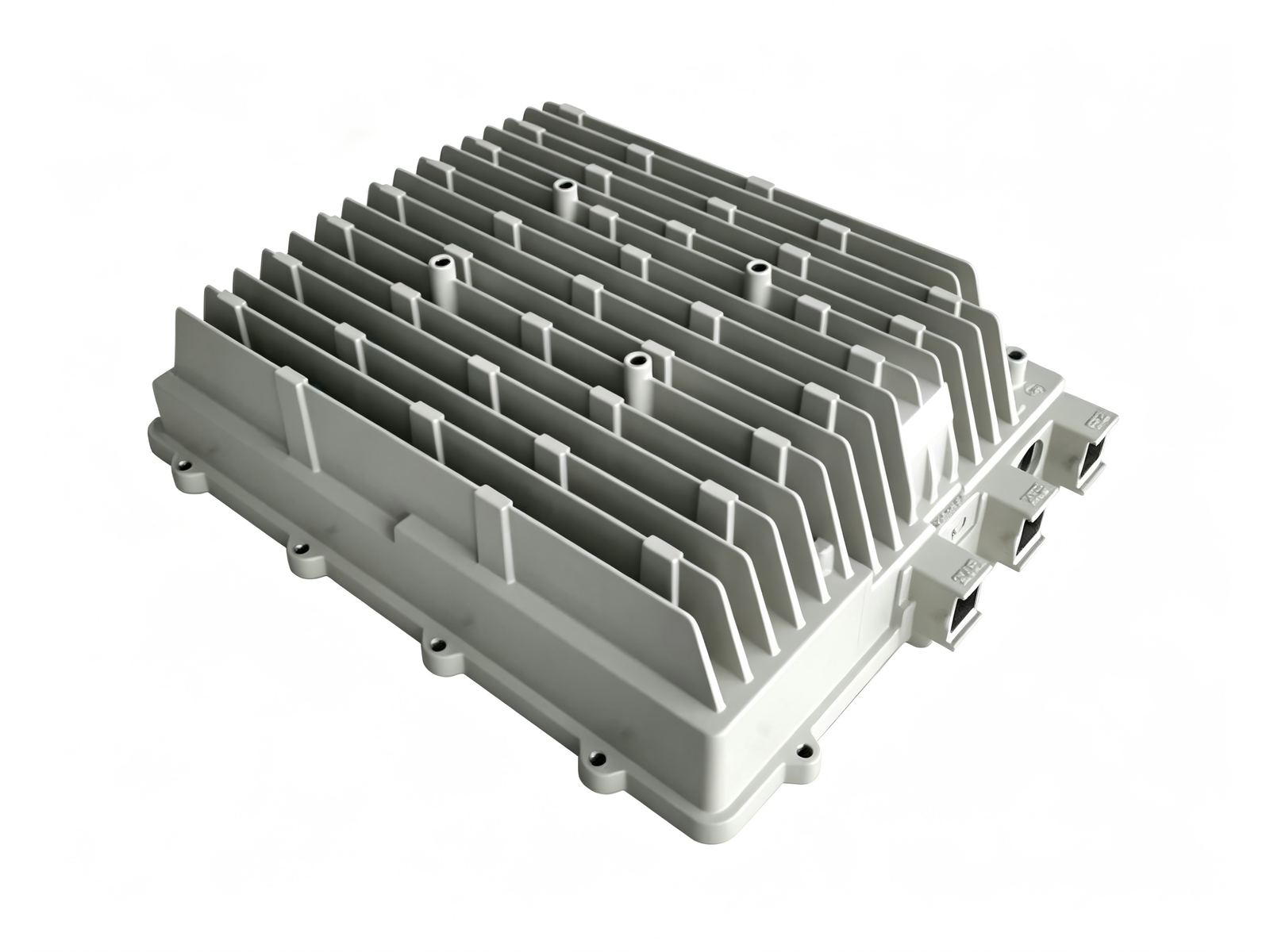
Grâce à sa combinaison exceptionnelle de force, performances légères, et une excellente coulabilité, L'ADC12 est utilisé dans de nombreux secteurs.
Industrie automobile
Le secteur automobile est le plus gros consommateur d’alliage d’aluminium ADC12.
Les constructeurs automobiles remplacent de plus en plus les composants en acier par de l'aluminium pour réduire le poids des véhicules, améliorer l'efficacité énergétique, et respectez les réglementations strictes en matière d'émissions.
Les composants automobiles courants comprennent:
- Blocs de moteur
- Culasses
- Carters d'huile
- Boîtiers de transmission
- Carters d'embrayage
- Corps de pompe à eau
- Carters d'alternateur
- Supports moteur
- Composants de suspension
- Boîtiers de batterie pour véhicules électriques
La capacité de l’alliage à résister aux vibrations, cyclage thermique, et les contraintes mécaniques le rendent particulièrement adapté aux applications automobiles exigeantes.
Electronique grand public
À mesure que les appareils électroniques deviennent plus petits et plus puissants, une dissipation efficace de la chaleur devient de plus en plus importante.
ADC12 offre une excellente conductivité thermique tout en conservant une construction légère.
Les applications électroniques typiques incluent:
- Châssis d'ordinateur portable
- Boîtiers pour tablettes
- Cadres pour smartphones
- Boîtiers d'éclairage LED
- Chauffer
- Boîtiers d'alimentation
- Boîtiers pour équipements de communication
Sa stabilité dimensionnelle supérieure assure également un assemblage précis des composants électroniques.
Machines industrielles
Les équipements industriels fonctionnent souvent sous de lourdes charges et en utilisation continue.
L'ADC12 offre une solidité et une résistance à l'usure suffisantes pour de nombreux composants mécaniques, y compris:
- Corps de pompe
- Corps de compresseur
- Carters de boîte de vitesses
- Corps de vannes hydrauliques
- Supports de roulement
- Bâtis de machines
- Boîtiers pour équipements pneumatiques
Sa résistance à la corrosion le rend également adapté aux équipements fonctionnant dans des environnements humides ou exposés aux produits chimiques..
Appareils électroménagers
De nombreux appareils électroménagers modernes s'appuient sur des composants moulés sous pression ADC12 car ils allient durabilité et apparence attrayante..
Les exemples incluent:
- Carters moteur de machine à laver
- Composants d'aspirateur
- Pièces de compresseur de réfrigérateur
- Boîtiers de compresseur de climatiseur
- Châssis de ventilateurs électriques
- Bases d'appareils de cuisine
Ces produits bénéficient de l’excellente précision dimensionnelle de l’ADC12 et de l’efficacité de la fabrication en grand volume.
Équipement de télécommunications
L'infrastructure de communication nécessite des boîtiers légers mais durables, capables de protéger les appareils électroniques sensibles.
ADC12 est couramment utilisé pour:
- Boîtiers de stations de base
- Boîtiers d'amplificateur de signal
- Armoires de communication extérieures
- Supports d'antenne
- Composants de communication optique
Sa conductivité thermique aide également à dissiper la chaleur générée par les systèmes électroniques.
Équipement médical
Bien qu'il ne soit généralement pas utilisé pour les dispositifs implantables, L'ADC12 est largement utilisé dans les boîtiers d'équipements médicaux et les structures de support.
Les exemples typiques incluent:
- Boîtiers pour instruments de diagnostic
- Châssis pour équipements d'imagerie médicale
- Boîtiers pour équipements de laboratoire
- Boîtiers pour appareils de surveillance
La capacité de moulage de précision de l’alliage permet aux fabricants de produire des composants médicaux complexes avec une qualité constante.
ADC12 contre. Autres alliages d'aluminium populaires
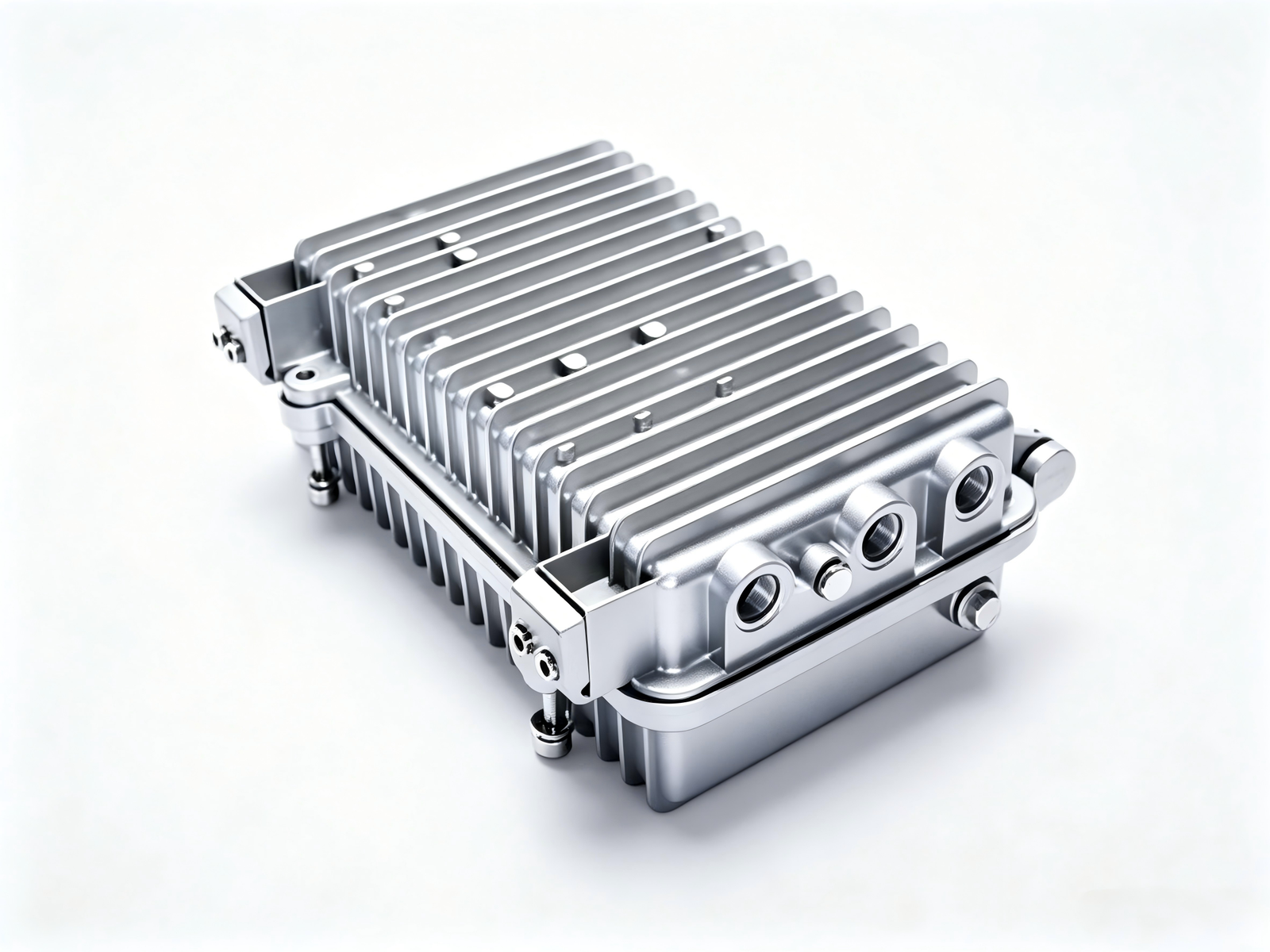
La sélection du bon alliage d'aluminium implique souvent de comparer l'ADC12 avec d'autres matériaux de moulage sous pression couramment utilisés..
| Propriété | ADC12 | A380 | A383 | ADC10 |
| Castabilité | Excellent | Excellent | Excellent | Très bien |
| Force | Haut | Moyen-élevé | Haut | Très élevé |
| Fluidité | Excellent | Bien | Excellent | Bien |
| Usinabilité | Excellent | Bien | Excellent | Bien |
| Résistance à la corrosion | Bien | Bien | Bien | Modéré |
| Stabilité dimensionnelle | Excellent | Bien | Excellent | Bien |
| Coût | Compétitif | Compétitif | Légèrement plus haut | Similaire |
Quand devriez-vous choisir ADC12?
L'ADC12 est souvent le choix préféré lorsque votre projet nécessite:
- Géométries complexes moulées sous pression
- Des volumes de production élevés
- Bonne résistance mécanique
- Excellente précision dimensionnelle
- Performances d'usinage fiables
- Fabrication rentable
Si votre conception donne la priorité aux performances structurelles, efficacité de fabrication, et fiabilité à long terme, L'ADC12 offre l'une des meilleures propositions de valeur globale parmi les alliages de moulage sous pression en aluminium.
Comment choisir l'alliage d'aluminium ADC12 pour votre projet
La sélection du bon alliage d'aluminium est essentielle pour garantir les performances du produit., efficacité de fabrication, et fiabilité à long terme. Alors que l'ADC12 est l'un des alliages de moulage sous pression les plus utilisés, il est important d’évaluer si cela correspond aux exigences techniques et commerciales de votre projet.
Vous trouverez ci-dessous les facteurs clés à prendre en compte lors de la spécification de l'ADC12 pour votre prochain projet..
1. Évaluer les exigences de performances mécaniques
Commencez par identifier les propriétés mécaniques que votre composant doit atteindre.
L'ADC12 est un excellent choix lorsque votre application nécessite:
- Rapport résistance/poids élevé
- Bonne dureté et résistance à l'usure
- Résistance modérée aux chocs
- Excellente stabilité dimensionnelle
Si votre conception nécessite une flexion importante, étirage, ou opérations de postformage, un alliage d'aluminium corroyé tel que 6061 peut être plus approprié.
2. Considérez le processus de fabrication
ADC12 est spécialement conçu pour casting à haute pression (HPDC). Il fonctionne exceptionnellement bien dans la production en grand volume où la cohérence et l'efficacité sont des priorités.
L'ADC12 est idéal si votre projet nécessite:
- Composants à paroi mince
- Géométries complexes
- Tolérances dimensionnelles serrées
- Production reproductible à grand volume
- Faibles coûts de fabrication par unité
Si votre volume de production est relativement faible, moulage au sable, moulage par gravité, ou l'usinage CNC à partir d'aluminium forgé peut offrir une solution plus économique.
3. Examiner les exigences en matière de finition de surface
Le traitement de surface peut influencer considérablement à la fois l'apparence et la durabilité du produit fini..
ADC12 prend en charge une large gamme de processus de finition, y compris:
- Revêtement en poudre
- Peinture humide
- Revêtement de conversion de chromate
- Revêtement électrophorétique (E-revêtement)
- Grenaillage
- Sablage
Si une finition anodisée décorative est une exigence clé, un autre alliage d'aluminium avec une teneur plus faible en silicium peut donner de meilleurs résultats cosmétiques.
4. Tenez compte de l’environnement opérationnel
Les conditions environnementales affectent directement la sélection des matériaux.
ADC12 fonctionne bien dans:
- Environnements industriels intérieurs
- Équipement extérieur
- Applications automobiles
- Humidité modérée
- Conditions atmosphériques générales
Pour les applications exposées à l'eau de mer, produits chimiques très acides, ou service continu à haute température, des revêtements de protection supplémentaires ou des alliages d'aluminium alternatifs peuvent être recommandés.
5. Travaillez avec un partenaire de fabrication expérimenté
Même le meilleur alliage ne peut compenser les mauvaises pratiques de fabrication.
Un fournisseur de moulage sous pression expérimenté peut vous aider à optimiser:
- Conception de pièces
- Épaisseur de paroi
- Angles de projet
- Structure côtelée
- Conception de portail
- Flux de moule
- Surépaisseur d'usinage
- Sélection de la finition de surface
Une collaboration précoce en matière de conception réduit souvent les coûts d'outillage, raccourci les délais de livraison, et améliore la qualité globale du produit.
FAQ
1.L'ADC12 est-il adapté à l'usinage CNC?
Oui. L'ADC12 offre une excellente usinabilité et est couramment utilisé pour les opérations CNC secondaires telles que le perçage., fraisage, ennuyeux, tapotement, et finition de précision. Sa teneur équilibrée en silicium contribue à des performances de coupe stables et à une bonne qualité de surface.
2.L'ADC12 peut-il être anodisé?
ADC12 peut être anodisé, mais il n'est généralement pas recommandé pour l'anodisation décorative. La teneur élevée en silicium se traduit souvent par un aspect plus foncé et moins uniforme par rapport aux alliages tels que 6061.
Pour la plupart des applications commerciales, revêtement en poudre, peinture, ou un revêtement de conversion au chromate est préféré.
3.L'ADC12 est-il plus puissant que l'A380?
Dans de nombreuses applications, L'ADC12 offre une dureté et une résistance mécanique légèrement supérieures à celles de l'A380 tout en conservant des performances de moulage similaires..
Cependant, le meilleur choix dépend de la conception du composant, propriétés mécaniques requises, et processus de fabrication.
4.Quelle est la dureté de l'alliage d'aluminium ADC12?
La dureté Brinell typique de l'ADC12 varie d'environ 75 à 90 HB, en fonction du processus de coulée et du traitement thermique.
5.L'ADC12 peut-il être soudé?
L'ADC12 est généralement considéré comme difficile à souder en raison de sa teneur relativement élevée en silicium et en cuivre.. La plupart des fabricants évitent le soudage en concevant des composants moulés sous pression d'une seule pièce ou en utilisant des méthodes de fixation mécanique..
6.Est-ce que l'ADC12 est résistant à la corrosion?
Oui. L'ADC12 forme naturellement une couche d'oxyde protectrice qui offre une bonne résistance à la corrosion atmosphérique.
Des traitements de surface supplémentaires tels que le revêtement en poudre ou le revêtement E peuvent améliorer encore la protection contre la corrosion dans les environnements difficiles..
7.Quelles industries utilisent couramment l'ADC12?
ADC12 est largement utilisé dans:
- Fabrication automobile
- Électronique grand public
- Machines industrielles
- Télécommunications
- Appareils de ménage
- Matériel médical
- Outils électriques
- Systèmes d'énergie renouvelable
Sa polyvalence en fait l'un des alliages de moulage sous pression les plus couramment spécifiés dans le monde..
8.Quelle est la densité de l'alliage d'aluminium ADC12?
La densité de l'ADC12 est généralement 2.68–2,74 g/cm³, ce qui le rend nettement plus léger que l'acier tout en conservant une excellente résistance structurelle.
9.Pourquoi l'ADC12 est-il idéal pour le moulage sous pression?
L'ADC12 combine plusieurs caractéristiques essentielles pour le moulage sous pression haute pression:
- Excellente fluidité du métal en fusion
- Faible retrait de coulée
- Précision dimensionnelle élevée
- Bonne résistance mécanique
- Excellente usinabilité
- Efficacité de production élevée
Ces avantages permettent aux fabricants de produire des, composants de haute qualité avec une répétabilité constante.
10.Quelles finitions de surface sont disponibles pour les pièces ADC12?
Les options de finition courantes incluent:
- Revêtement en poudre
- Peinture humide
- Sablage
- Grenaillage
- Revêtement de conversion de chromate
- Revêtement électrophorétique
- Polissage
- Finitions usinées CNC
La finition appropriée dépend de l'application prévue, exigences d'apparence, et les conditions environnementales.
11.L'ADC12 peut-il remplacer les composants en acier?
Dans de nombreuses applications, Oui.
Parce que l'ADC12 offre un rapport résistance/poids élevé, de nombreux fabricants remplacent les pièces en acier par des pièces moulées sous pression ADC12 pour réduire le poids, améliorer l'efficacité énergétique, et simplifier la fabrication.
Ceci est particulièrement courant dans les secteurs de l'automobile et de l'électronique..
12.Combien de temps durent les composants moulés sous pression ADC12?
Lorsqu’il est correctement conçu, fabriqué, et fini, Les composants ADC12 peuvent fournir de nombreuses années de service fiable.
Leur durabilité dépend de facteurs tels que:
- Environnement opérationnel
- Chargement mécanique
- Traitement de surface
- Entretien
- Conception de produits
Pour de nombreuses applications industrielles et automobiles, L'ADC12 offre d'excellentes performances à long terme.
Conclusion
Son excellente fluidité permet aux fabricants de produire des composants complexes avec des tolérances serrées, tandis que son rapport résistance/poids élevé en fait un choix idéal pour les industries allant de l'automobile et de l'électronique aux machines industrielles et aux télécommunications..
Bien que l'ADC12 présente certaines limites, telles qu'une ductilité inférieure et des performances d'anodisation décorative limitées, ses avantages globaux en font le matériau préféré pour d'innombrables produits moulés sous pression dans le monde..
Si vous développez un nouveau composant en aluminium, la sélection du bon alliage et du bon partenaire de fabrication peut avoir un impact significatif sur la qualité du produit, efficacité de production, et les coûts à long terme.
À Précision au sommet, nous sommes spécialisés dans moulage sous pression en aluminium sur mesure et Services d'usinage CNC pour les clients du monde entier. De la sélection des matériaux et de la conception des moules à l'usinage de précision, finition de surface, et inspection finale, notre équipe d'ingénieurs expérimentés fournit des solutions de fabrication complètes adaptées à vos spécifications.
Contactez-nous aujourd'hui pour discuter de votre projet, demander un devis, ou découvrez comment nos capacités de fabrication sur mesure peuvent vous aider à donner vie à vos conceptions.