



Engines demand exceptional precision, durabilità, e prestazioni. Se utilizzato nei veicoli passeggeri, auto da corsa, equipaggiamento marittimo, sistemi aerospaziali, o macchinari industriali, i componenti del motore devono resistere a temperature estreme, pressioni, e carichi meccanici.
Questo è dove Lavorazione CNC gioca un ruolo critico. Fornendo tolleranze strette, finiture superficiali superiori, ed eccellente ripetibilità, La lavorazione CNC è diventata il metodo di produzione preferito per la produzione di componenti di motori ad alte prestazioni.
In questa guida completa, esploreremo i componenti del motore lavorati a CNC, processi di produzione, materiali, vantaggi, requisiti di qualità, e come scegliere il giusto fornitore di lavorazioni CNC per i tuoi progetti di motori.
Cosa sono i componenti del motore lavorati a CNC?
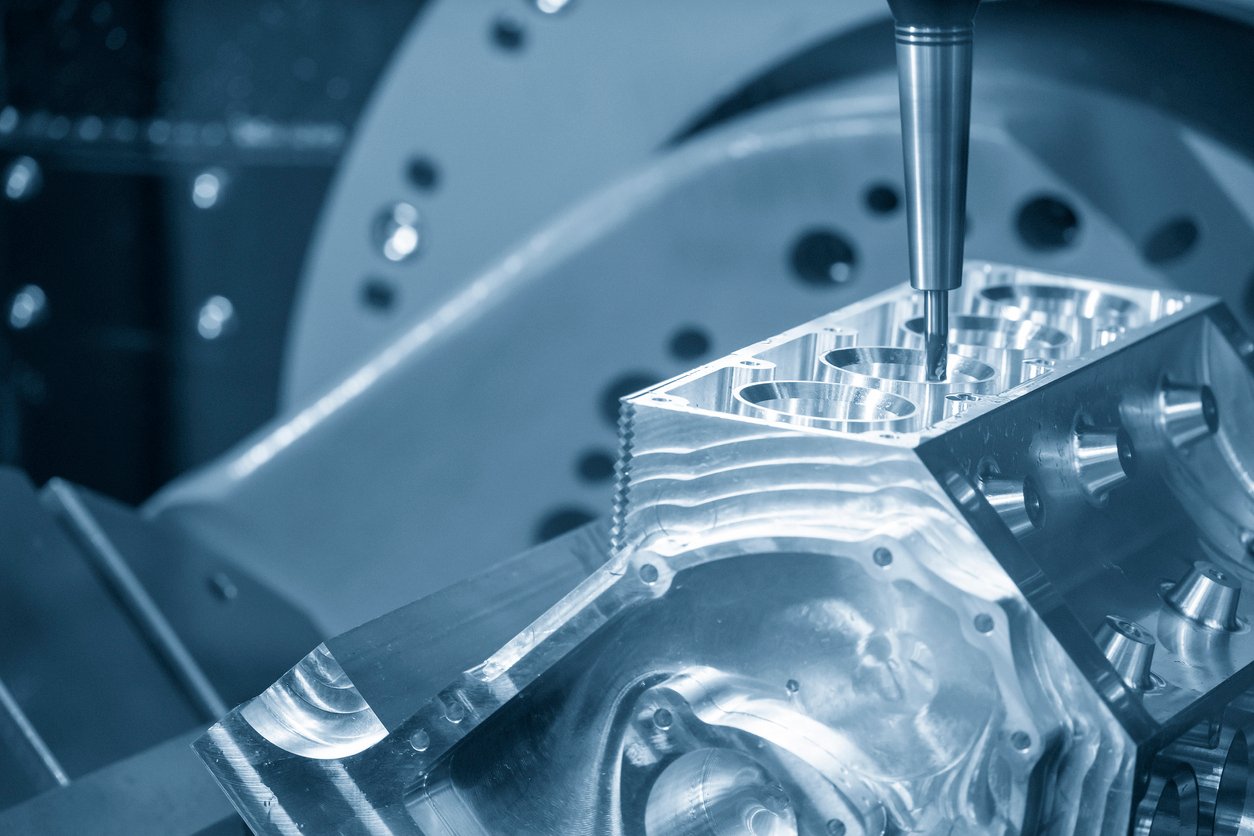
I componenti del motore lavorati a CNC sono parti di precisione realizzate utilizzando il controllo numerico computerizzato (CNC) tecnologia. Le macchine CNC seguono istruzioni programmate per rimuovere materiale da un pezzo solido e produrre parti altamente precise con geometrie complesse.
I componenti del motore richiedono un'eccezionale precisione dimensionale poiché anche piccole deviazioni possono influire:
Efficienza di combustione
Risparmio di carburante
Potenza erogata dal motore
Dissipazione del calore
Affidabilità
Vita utile
A differenza dei metodi di lavorazione convenzionali, La lavorazione CNC offre una qualità costante, ripetibilità, e scalabilità, rendendolo ideale sia per lo sviluppo di prototipi che per la produzione di massa.
Perché le parti del motore richiedono una lavorazione meccanica di precisione
I sistemi motore operano in condizioni impegnative:
Elevate velocità di rotazione
Temperature estreme
Attrito continuo
Carichi meccanici pesanti
Vibrazione costante
Per garantire prestazioni ottimali, componenti critici come le testate dei cilindri, pistoni, alberi a gomiti, e i gruppi valvola devono essere prodotti con tolleranze estremamente strette e finiture superficiali eccellenti.
Anche un piccolo errore dimensionale può comportare:
Perdita di olio
Maggiore usura
Compressione ridotta
Scarsa efficienza del carburante
Guasto prematuro del componente
Perché la lavorazione CNC è essenziale per la produzione di motori
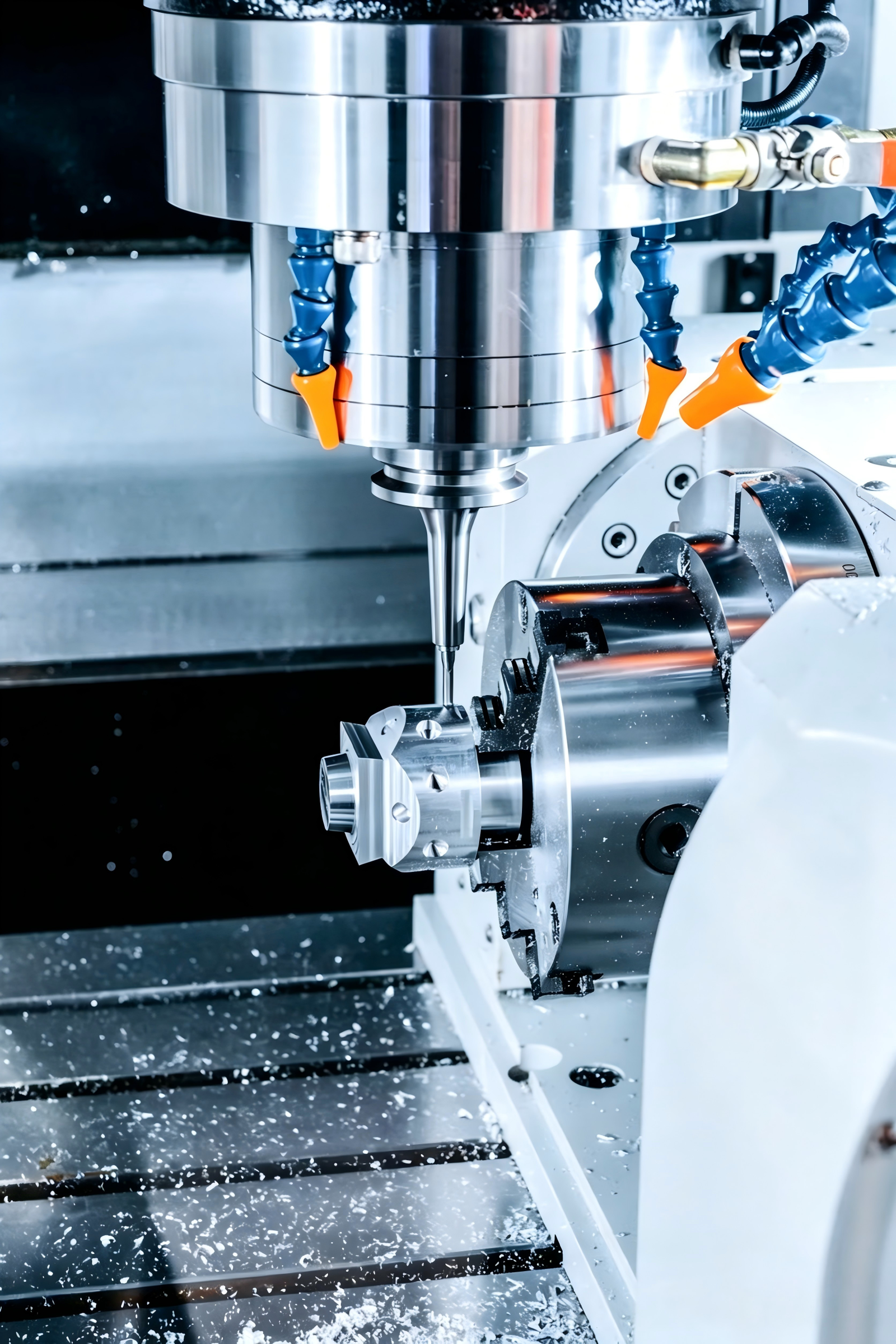
Precisione eccezionale
Le moderne macchine CNC possono raggiungere tolleranze strette fino a ±0,002 mm, garantendo il perfetto adattamento e assemblaggio dei componenti.
Eccezionale ripetibilità
Una volta ottimizzato un programma di lavorazione, migliaia di parti identiche possono essere prodotte con variazioni minime.
Funzionalità di geometria complessa
I progetti dei motori continuano ad evolversi con passaggi di raffreddamento più complessi, Camere di combustione, e strutture leggere. La lavorazione CNC consente la produzione di queste caratteristiche complesse con facilità.
Cicli di produzione più rapidi
La lavorazione automatizzata riduce l'intervento manuale e accorcia i tempi di consegna.
Riduzione degli sprechi di materiale
Il software CAM avanzato ottimizza i percorsi di taglio, minimizzando gli sprechi e riducendo i costi di produzione.
Ampia compatibilità dei materiali
La lavorazione CNC supporta un'ampia gamma di materiali, Compreso:
Leghe di alluminio
Acciaio inossidabile
Acciaio al carbonio
Titanio
Ghisa
Leghe di nichel
Materiali comuni utilizzati per parti di motori lavorati a CNC
La selezione del materiale influisce direttamente sulle prestazioni del motore, peso, durabilità, e costi di produzione.
Leghe di alluminio
L'alluminio è ampiamente utilizzato nella produzione di motori moderni.
Applicazioni
Teste dei cilindri
Blocchi motore
Collettori di aspirazione
Coperchi di temporizzazione
Vantaggi
Leggero
Eccellente trasferimento di calore
Resistenza alla corrosione
Buona lavorabilità
Acciaio inossidabile
L'acciaio inossidabile offre un'eccellente resistenza alla corrosione e al calore.
Applicazioni
Valvole
Componenti di scarico
Parti del sistema di alimentazione
Vantaggi
Molta forza
Resistenza all'ossidazione
Lunga durata
Acciaio legato
Gli acciai legati sono comunemente usati per componenti di motori altamente sollecitati.
Applicazioni
Alberi a gomito
Alberi a camme
Bielle
Vantaggi
Elevata resistenza alla fatica
Eccellente resistenza all'usura
Tenacità superiore
Titanio
Il titanio è spesso utilizzato nei motori ad alte prestazioni e da corsa.
Applicazioni
Valvole di aspirazione
Bielle
Componenti del turbocompressore
Vantaggi
Estremamente leggero
Elevato rapporto resistenza/peso
Eccellente resistenza alla temperatura
Ghisa
Anche se più pesante dell'alluminio, la ghisa rimane popolare per applicazioni specifiche del motore.
Applicazioni
Canne dei cilindri
Blocchi motore
Motori diesel pesanti
Vantaggi
Eccellente resistenza all'usura
Buon smorzamento delle vibrazioni
Conveniente
Processi di lavorazione CNC utilizzati per i componenti del motore
Componenti diversi del motore richiedono operazioni di lavorazione diverse.
Fresatura CNC
La fresatura CNC utilizza utensili da taglio rotanti per rimuovere materiale da un pezzo stazionario.
Parti tipiche del motore
Teste dei cilindri
Collettori di aspirazione
Alloggiamenti del motore
Alloggiamenti della pompa dell'acqua
Benefici
Creazione di geometrie complesse
Capacità multiasse
Precisione ad alta dimensione
Tornitura CNC
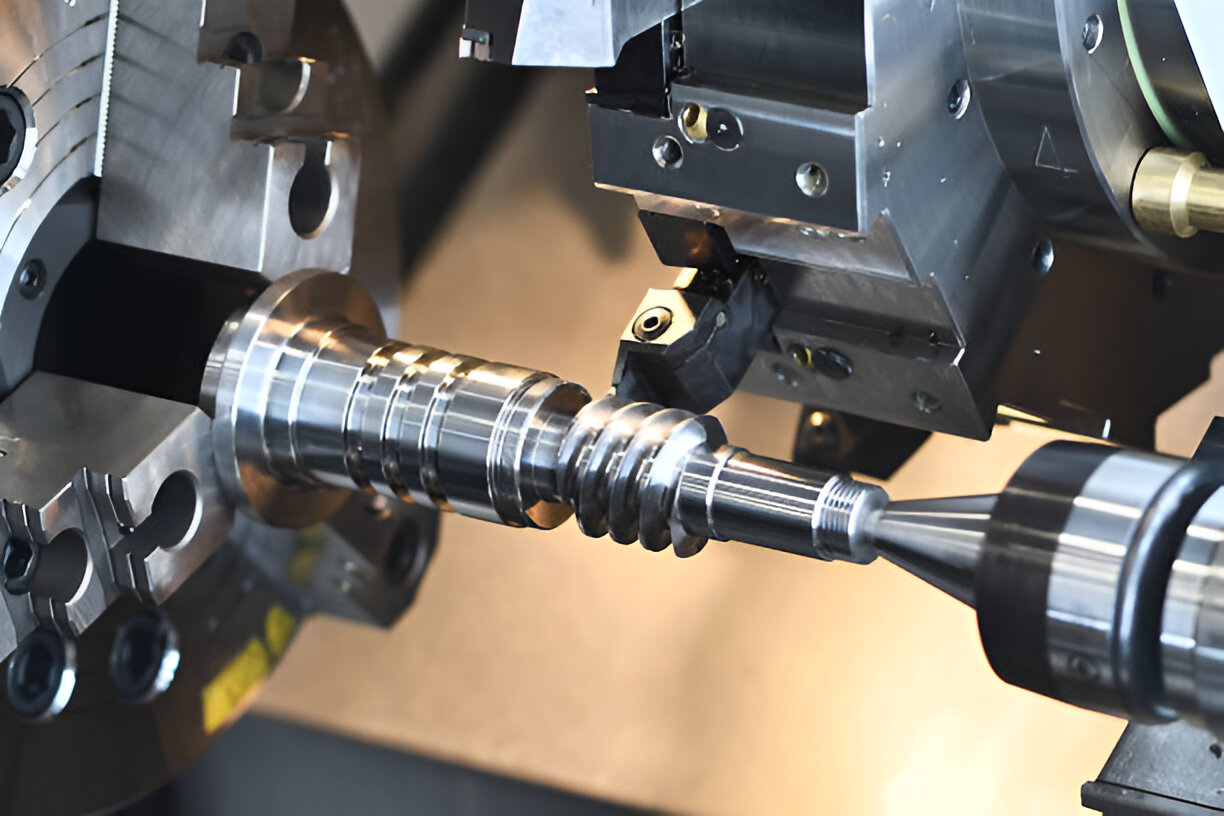
La tornitura fa ruotare il pezzo mentre un utensile da taglio rimuove il materiale.
Parti tipiche del motore
Pistoni
Alberi a gomito
Alberi a camme
Steli delle valvole
Benefici
Ottima concentricità
Finiture superficiali lisce
Produzione efficiente di componenti cilindrici
Foratura CNC
La perforazione crea fori e canali precisi.
Applicazioni
Passaggi olio
Canali del liquido di raffreddamento
Fori di montaggio
Vie di consegna del carburante
Benefici
Elevata precisione di posizionamento
Velocità di produzione elevata
Risultati ripetibili
Alesatura CNC
L'alesatura allarga e affina i fori preesistenti.
Applicazioni
Fori dei cilindri
Alloggiamenti dei cuscinetti
Cali di trasmissione
Benefici
Rotondità migliorata
Maggiore precisione dimensionale
Migliore finitura superficiale
Rettifica CNC
La molatura è un'operazione di finitura di precisione.
Applicazioni
Perni di banco dell'albero motore
Lobi dell'albero a camme
Sedi delle valvole
Benefici
Tolleranze strette
Qualità superficiale superiore
Maggiore resistenza all'usura
Affilatura CNC
La levigatura viene utilizzata principalmente per rifinire le canne dei cilindri.
Benefici
Migliore ritenzione dell'olio
Attrito ridotto
Migliore tenuta delle fasce elastiche
Maggiore efficienza del motore
Lappatura CNC
La lappatura produce superfici estremamente lisce e piane.
Applicazioni
Sedi delle valvole
Superfici di accoppiamento della testata
Superfici di sigillatura
Benefici
Migliori prestazioni di tenuta
Perdita ridotta
Finitura superficiale ultrafine
Lavorazione ad elettroerosione (Elettroerosione)
L'elettroerosione rimuove il materiale utilizzando scintille elettriche.
Applicazioni
Componenti degli iniettori di carburante
Parti del turbocompressore
Utensili per stampi di precisione
Cavità interne complesse
Benefici
Lavorazione di materiali temprati
Geometrie complesse
Risultati senza sbavature
Componenti del motore lavorati a CNC più comuni
Blocchi motore
Il blocco motore costituisce la base del gruppo motore e contiene i cilindri, passaggi del liquido di raffreddamento, e gallerie d'olio.
Teste dei cilindri
Le testate dei cilindri controllano il flusso d'aria, iniezione di carburante, e processi di combustione.
La lavorazione di precisione è essenziale per garantire caratteristiche di tenuta e flusso d'aria adeguate.
Alberi a gomito
Gli alberi a gomiti convertono il movimento del pistone in energia rotazionale.
Richiedono una precisione dimensionale e una finitura superficiale eccezionali.
Alberi a camme
Gli alberi a camme regolano la fasatura delle valvole e influenzano in modo significativo le prestazioni del motore.
Pistoni
I pistoni devono mantenere giochi ridotti all'interno degli alesaggi dei cilindri pur sopportando temperature e pressioni elevate.
Bielle
Le bielle trasferiscono la forza tra i pistoni e l'albero motore.
Richiedono un'eccellente resistenza alla fatica e integrità strutturale.
Collettori di aspirazione
Questi componenti distribuiscono l'aria in modo uniforme ai cilindri del motore.
La lavorazione CNC consente progetti di flusso d'aria ottimizzati.
Collettori di scarico
I collettori di scarico raccolgono e dirigono i gas di scarico lontano dal motore.
Componenti dell'iniettore di carburante
I moderni sistemi di alimentazione richiedono parti degli iniettori altamente precise per un'erogazione accurata del carburante.
Componenti del turbocompressore
I turbocompressori contengono alloggiamenti complessi, ruote del compressore, e componenti di turbine che spesso richiedono lavorazioni CNC avanzate.
Tolleranze di lavorazione CNC per parti del motore
La precisione è fondamentale nella produzione dei motori.
| Componente | Tolleranza tipica |
| Foro del cilindro | ± 0,005 mm |
| Giornale dell'albero motore | ±0,003 mm |
| Diametro del pistone | ± 0,005 mm |
| Sede della valvola | ±0,002 mm |
| Caratteristiche dell'albero a camme | ±0,003 mm |
Perché le tolleranze strette sono importanti
Sono previste tolleranze più strette:
Migliore compressione
Attrito ridotto
Miglioramento dell'efficienza del carburante
Emissioni più basse
Maggiore durata
Controllo qualità per componenti di motori CNC
Componenti affidabili del motore richiedono procedure di ispezione rigorose.
Coordinare le macchine di misurazione (CMM)
I sistemi CMM verificano le dimensioni critiche con eccezionale precisione.
Test di rugosità superficiale
La finitura superficiale influisce sulla tenuta, lubrificazione, e prestazioni di usura.
Certificazione dei materiali
La tracciabilità delle materie prime garantisce il rispetto delle specifiche tecniche.
Ispezione dimensionale
Ogni caratteristica critica viene ispezionata rispetto ai requisiti di progettazione.
Test funzionali
Alcuni componenti del motore vengono sottoposti a test di pressione, test di idoneità, o verifica delle prestazioni prima della spedizione.
Industrie che utilizzano parti del motore lavorate a CNC
Industria automobilistica
Veicoli passeggeri, camion commerciali, e i motori range extender dei veicoli elettrici fanno molto affidamento su componenti lavorati a CNC.
Sport motoristici e corse
I motori da corsa ad alte prestazioni richiedono tolleranze estremamente strette e materiali leggeri.
Aerospaziale
I motori degli aerei richiedono parti lavorate con precisione in grado di resistere a condizioni operative estreme.
Industria marina
I motori marini operano in ambienti difficili e richiedono componenti resistenti alla corrosione.
Macchinario industriale
Generatori, compressori, e le attrezzature pesanti utilizzano componenti del motore durevoli lavorati a CNC.
Vantaggi della scelta di un fornitore di lavorazione CNC professionale
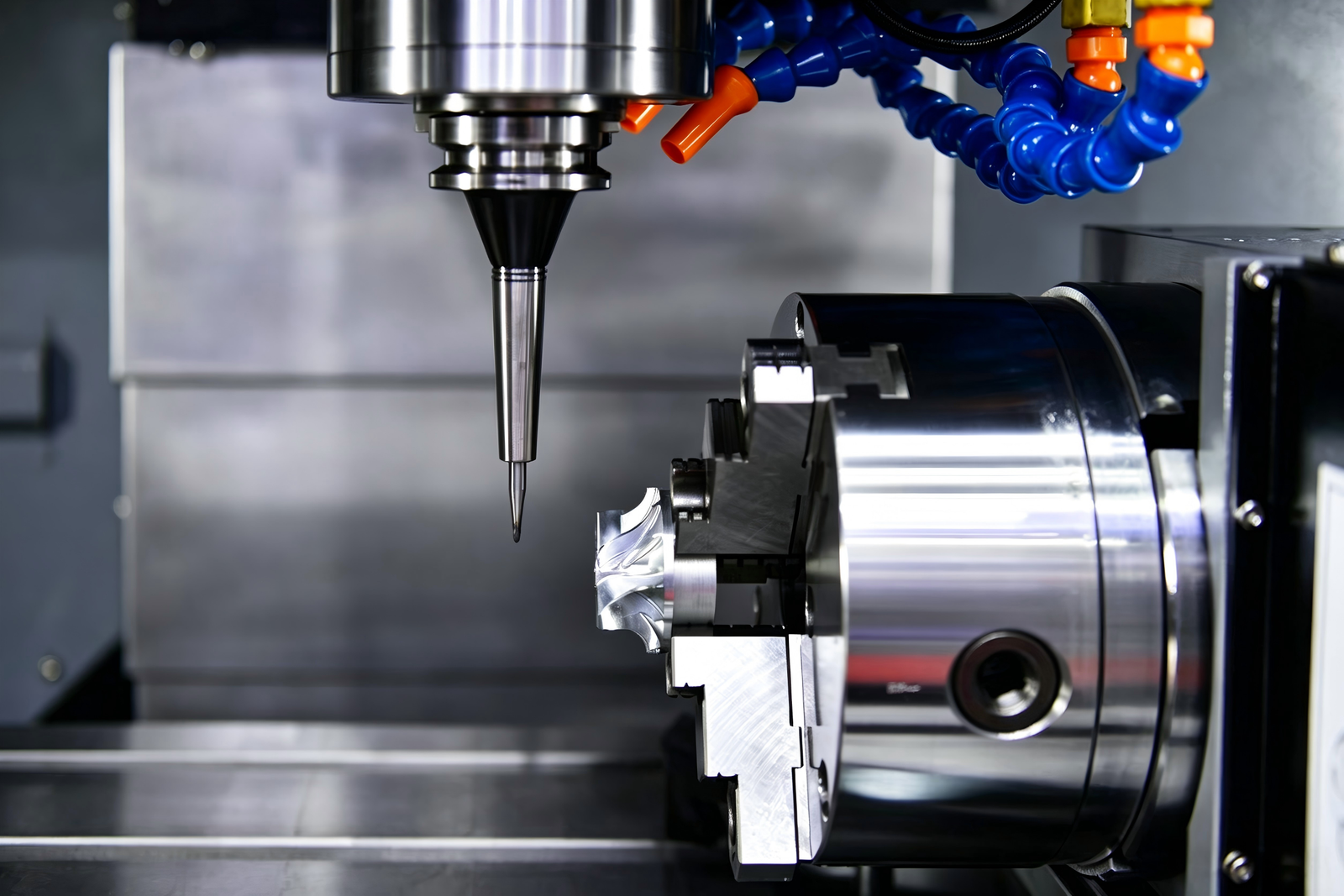
La collaborazione con un produttore esperto offre vantaggi significativi.
Supporto tecnico
Progettazione per la produzione (DFM) l'analisi aiuta a ridurre i costi e a migliorare la producibilità.
Sviluppo del prototipo
La prototipazione rapida accelera la convalida e lo sviluppo del prodotto.
Produzione di massa e a basso volume
Un fornitore capace può supportare progetti dai prototipi alle grandi serie di produzione.
Attrezzatura di ispezione avanzata
Un controllo di qualità completo garantisce prestazioni costanti del prodotto.
Competenza sui materiali
I fornitori esperti comprendono il comportamento dei materiali e l'ottimizzazione della lavorazione.
Come selezionare un partner per la lavorazione CNC per i componenti del motore
Quando si valutano i fornitori, Considera quanto segue:
Capacità di produzione
3-asse, 4-asse, e lavorazione CNC a 5 assi
Servizi di tornitura e fresatura
Funzionalità dell'EDM
Servizi di rettifica e levigatura
Sistemi di qualità
Cerca fornitori con solidi processi di gestione della qualità e procedure di ispezione documentate.
Esperienza nel settore
Produttori con settore automobilistico, aerospaziale, o l'esperienza nei motori industriali può spesso fornire preziose informazioni ingegneristiche.
Capacità produttiva
Garantire che il fornitore possa far fronte alla futura crescita della produzione.
Supporto tecnico
Scegli un fornitore in grado di fornire assistenza nella progettazione, raccomandazioni sui materiali, e ottimizzazione del processo.
Tendenze future nella produzione di componenti per motori CNC
5-Lavorazione CNC ad asse
5-la tecnologia degli assi consente lavorazioni più veloci e geometrie più complesse con meno configurazioni.
Produzione intelligente
Il monitoraggio in tempo reale migliora la produttività e l'utilizzo della macchina.
Programmazione assistita dall'intelligenza artificiale
L'intelligenza artificiale aiuta a ottimizzare i percorsi utensile, tempi di ciclo, e parametri di taglio.
Tecnologia del gemello digitale
Le simulazioni virtuali riducono i rischi di sviluppo e migliorano l'efficienza della produzione.
Design del motore leggero
I produttori continuano ad adottare materiali leggeri e strategie di lavorazione avanzate per migliorare l’efficienza del carburante.
Produzione ibrida
La combinazione della produzione additiva e della lavorazione CNC crea nuove possibilità per progetti di motori complessi.
Conclusione
La lavorazione CNC è diventata la spina dorsale della moderna produzione di componenti per motori. La sua capacità di fornire una precisione eccezionale, ripetibilità, e l’efficienza produttiva lo rende indispensabile per l’automotive, aerospaziale, marino, e applicazioni industriali.
Dai blocchi motore e testate agli alberi motore, pistoni, e componenti del turbocompressore, La lavorazione CNC consente ai produttori di produrre in modo affidabile, componenti ad alte prestazioni che soddisfano i requisiti industriali sempre più esigenti.
Per le aziende che cercano componenti motore personalizzati, selezionando un partner esperto di lavorazione CNC con attrezzature avanzate, Controllo di qualità rigoroso, e un forte supporto tecnico possono migliorare significativamente le prestazioni del prodotto, ridurre i tempi di realizzazione, e minori costi complessivi di produzione.
Domande frequenti
1.Quali componenti del motore sono comunemente prodotti utilizzando la lavorazione CNC?
Le parti comuni dei motori lavorati a CNC includono le testate dei cilindri, blocchi motore, pistoni, alberi a gomiti, alberi a camme, bielle, collettori di aspirazione, componenti della valvola, e alloggiamenti del turbocompressore.
2.Qual è il materiale migliore per le parti del motore lavorate a CNC?
Il materiale ideale dipende dall'applicazione. Per i componenti leggeri si preferiscono le leghe di alluminio, mentre gli acciai legati e il titanio sono comunemente usati per applicazioni ad alta resistenza.
3.Quanto è precisa la lavorazione CNC per i componenti del motore?
Le moderne macchine CNC possono raggiungere tolleranze strette fino a ±0,002 mm, a seconda del materiale, geometria, e processo di lavorazione.
4.Qual è la differenza tra alesatura e levigatura CNC??
La barenatura allarga e dimensiona accuratamente i fori, mentre la levigatura affina la finitura superficiale e la geometria di tali fori per prestazioni ottimali.
5.La lavorazione CNC può produrre parti personalizzate di motori da corsa?
SÌ. La lavorazione CNC è ampiamente utilizzata per produrre pistoni personalizzati, bielle, collettori di aspirazione, teste dei cilindri, e componenti di turbocompressori per applicazioni racing.
6.Quali settori richiedono componenti del motore lavorati a CNC?
Settore automobilistico, sport motoristici, aerospaziale, marino, energia, difesa, e i produttori di attrezzature industriali si affidano tutti a parti di motori lavorate a CNC.
7.In che modo la lavorazione CNC a 5 assi migliora la produzione dei componenti del motore?
5-la lavorazione degli assi consente di lavorare geometrie complesse in un unico setup, riducendo i tempi di produzione migliorando la precisione e la qualità della superficie.
8.Quali controlli di qualità vengono eseguiti sui componenti del motore?
Le ispezioni comuni includono la misurazione CMM, prova di rugosità superficiale, verifica dimensionale, revisione della certificazione dei materiali, e test funzionali.
9.La lavorazione CNC può supportare sia la prototipazione che la produzione di massa?
SÌ. La lavorazione CNC è altamente flessibile e adatta ai prototipi, produzione a basso volume, e produzione su larga scala.
10.Come scelgo un fornitore affidabile di lavorazioni CNC?
Cerca un fornitore con capacità di lavorazione avanzate, forti sistemi di qualità, Esperienza del settore, supporto ingegneristico, tempi di consegna competitivi, e comprovata competenza produttiva.


