


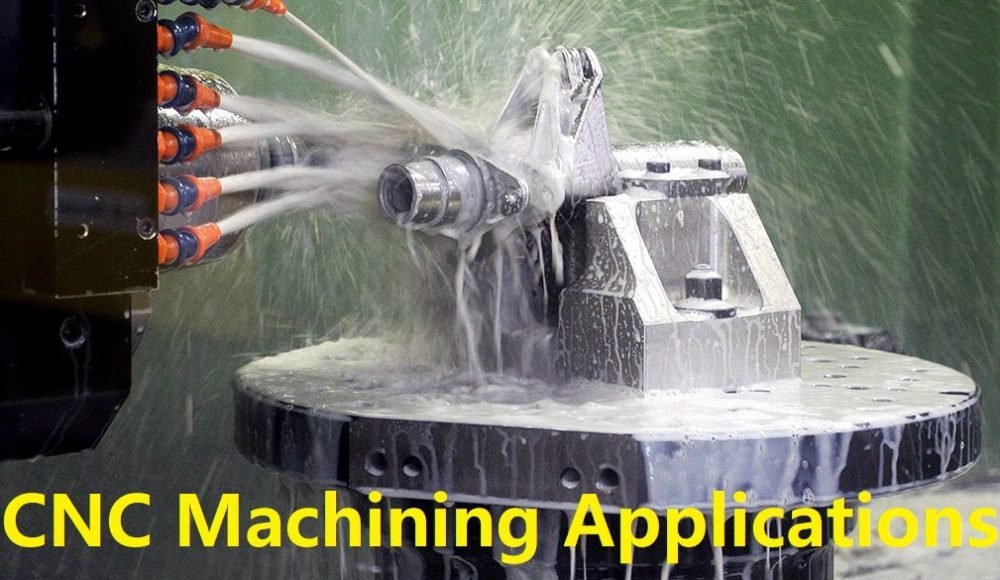
Perché la lavorazione del CNC conta così tanto nei diversi settori? Perché porta coerenza. Dal primo pezzo al milionesimo, una macchina CNC offre risultati identici, Risultati di alta qualità. E quando settori come quello aerospaziale o sanitario richiedono la perfezione, dove un singolo errore può costare milioni o addirittura vite umane, la lavorazione CNC diventa il gold standard.
Questo articolo esplorerà 30 industrie in cui la lavorazione CNC è indispensabile. Andremo oltre le descrizioni a livello superficiale e approfondiremo i ruoli specifici svolti dal CNC, i tipi di componenti che produce, e perché continua ad essere la scelta preferita dai produttori di tutto il mondo. Alla fine, avrai un quadro chiaro di come la lavorazione CNC alimenta qualsiasi cosa, dagli aeroplani ai gioielli.
Cos'è la lavorazione CNC?
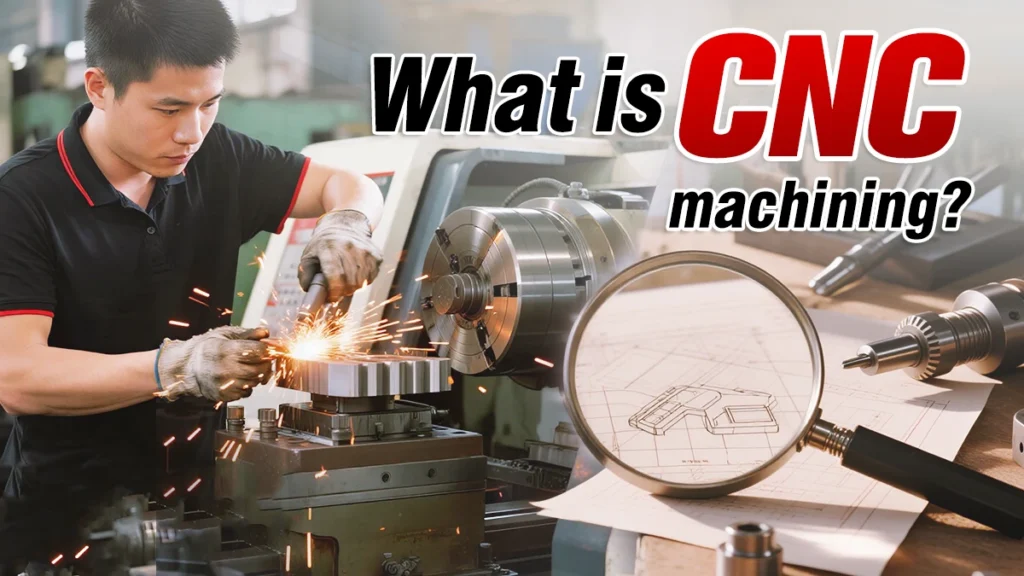
Al centro, Lavorazione CNC è il matrimonio di computer e strumenti meccanici. Invece di controllare manualmente i torni, mulini, trapani, o smerigliatrici, un computer prende il sopravvento. Gli ingegneri alimentano un progetto digitale, solitamente sotto forma di CAD (Design assistito da computer) file—nel sistema CNC, e la macchina lo interpreta in movimenti precisi. Il risultato? Una parte tagliata impeccabile, perforato, o modellato esattamente come progettato.
Esistono diversi tipi di macchine CNC:
Fresatrici CNC – Utilizzato per tagliare, trapano, e modellare materiali solidi.
Torni CNC – Perfetto per creare oggetti simmetrici come alberi e viti.
Router CNC – Ideale per tagliare materiali più morbidi come il legno, plastica, e compositi.
Smerigliatrici CNC – Utilizzato quando sono richieste finiture ultra lisce.
A differenza delle lavorazioni tradizionali, dove l’errore umano è sempre un rischio, La lavorazione CNC continua a prosperare automazione e ripetibilità. Una volta caricato un disegno, la macchina può riprodurlo con la stessa precisione centinaia o migliaia di volte. Ciò non solo accelera la produzione, ma riduce anche drasticamente gli sprechi e i costi.
Un'altra distinzione fondamentale è la capacità di gestire geometrie complesse. Gli strumenti tradizionali potrebbero avere difficoltà con motivi complessi o disegni curvi, ma le macchine CNC possono intagliare, mulino, o forare con precisione chirurgica. Per esempio, componenti come pale di turbine per aerei O impianti medici personalizzati sarebbe quasi impossibile realizzarlo a mano con tale precisione.
In breve, La lavorazione CNC è più di un semplice strumento: è un rivoluzione manifatturiera. Colma il divario tra immaginazione e produzione, trasformando i progetti digitali in realtà fisica con una precisione senza pari.
Vantaggi della lavorazione del CNC
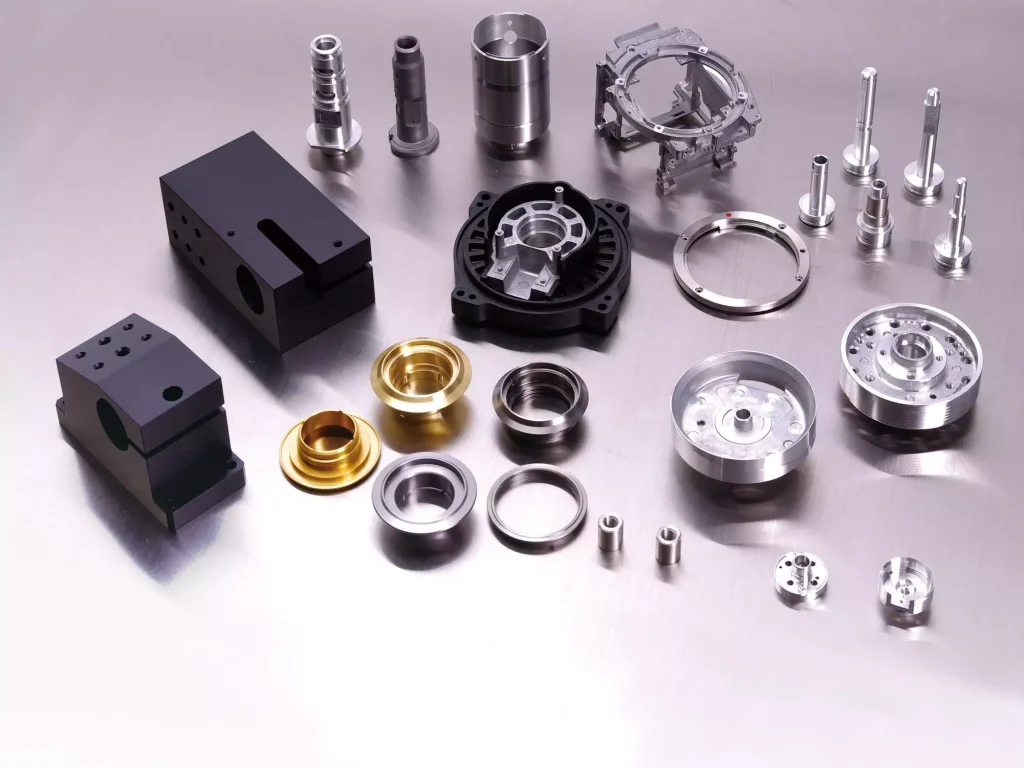
Il successo della lavorazione CNC in tutti i settori deriva da questo moltitudine di benefici. Analizziamo i principali vantaggi che lo rendono indispensabile:
Precisione e precisione
Le macchine CNC raggiungono tolleranze strette fino a pochi micron. Per settori come quello aerospaziale o sanitario, dove anche il più piccolo errore potrebbe portare a risultati catastrofici, questo livello di precisione salva la vita.
Velocità ed efficienza
Una volta programmato, Le macchine CNC possono funzionare 24/7 senza fatica. Ciò che prima richiedeva settimane ora può essere fatto in giorni o addirittura ore. L'automazione consente ai produttori di rispettare scadenze ravvicinate senza sacrificare la qualità.
Scalabilità e ripetibilità
Serve un unico prototipo? Il CNC può farlo. Bisogno 10,000 parti identiche? Anche il CNC può farlo, senza perdere coerenza. Ciò lo rende la scelta ideale sia per la prototipazione che per la produzione di massa.
Versatilità con i materiali
Le macchine CNC gestiscono un'ampia gamma di materiali, da metalli come l'alluminio, acciaio, e titanio A plastica, compositi, legna, e persino la ceramica. Questa flessibilità significa che tutte le industrie, dall’aerospaziale alla gioielleria, possono beneficiare della stessa tecnologia.
Efficacia dei costi
Mentre le macchine CNC richiedono un investimento iniziale significativo, riducono i costi a lungo termine riducendo gli sprechi, accelerando la produzione, e minimizzando gli errori umani. Col tempo, questo rende la lavorazione CNC economicamente imbattibile.
La complessità resa semplice
Moderne macchine CNC, particolarmente 5-modelli di assi, può gestire progetti che una volta sembravano impossibili. Immagina di scolpire una scultura in titanio solido: il CNC rende fattibili ed efficienti lavori così complessi.
Questi vantaggi spiegano perché la lavorazione CNC è diventata la fondamento della produzione moderna, alimentando industrie diverse come quella aerospaziale, settore automobilistico, e persino intrattenimento.
Industria aerospaziale
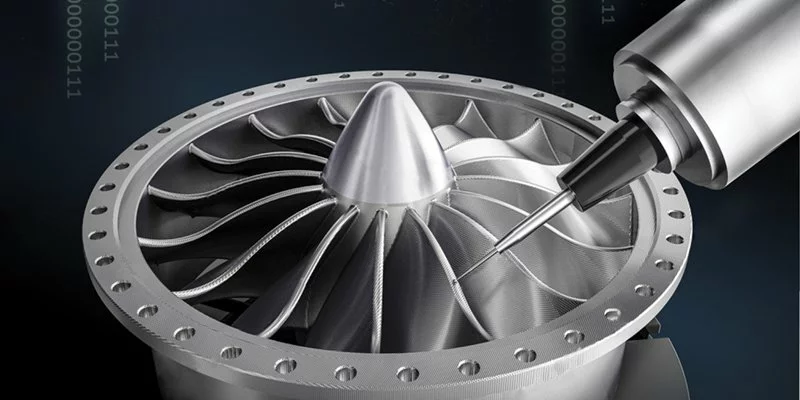
Pochi settori richiedono precisione tanto quanto quello aerospaziale. È composto da un unico aereo milioni di parti, e anche il più piccolo difetto potrebbe provocare un disastro. Ecco perché la lavorazione CNC non è solo utile: lo è mission-critical per l'aerospaziale.
Componenti chiave prodotti
Parti del motore: Lame a turbina, sistemi di alimentazione, e ugelli
Carrello di atterraggio: Componenti ad alta resistenza che sopportano sollecitazioni estreme
Strutture della cellula: Fusoliera, ali, e staffe di supporto
Cabina e parti interne: Sedili, strumenti della cabina di pilotaggio, contenitori di stoccaggio
Queste parti sono generalmente costituite da alluminio, titanio, e compositi, scelti per loro rapporti resistenza/peso. Le macchine CNC possono gestire questi materiali resistenti con facilità, producendo componenti leggeri ma durevoli.
Perché il CNC è essenziale nel settore aerospaziale
Standard di sicurezza: La precisione non è negoziabile; le tolleranze sono sottilissime.
Durabilità: Le parti aerospaziali sono esposte a temperature e pressioni estreme.
Personalizzazione: Prototipi e nuovi progetti vengono testati rapidamente utilizzando il CNC.
Ad esempio, creando un pala della turbina a getto richiede curve di lavorazione, buchi, e geometrie complesse. Un approccio manuale richiederebbe mesi e rischierebbe comunque di fallire. Le macchine CNC gestiscono questa sfida in poche ore con una precisione impeccabile.
In breve, La lavorazione CNC è la eroe non celebrato dell'aviazione e dei viaggi spaziali, rendendo possibile il volo moderno.
Industria automobilistica
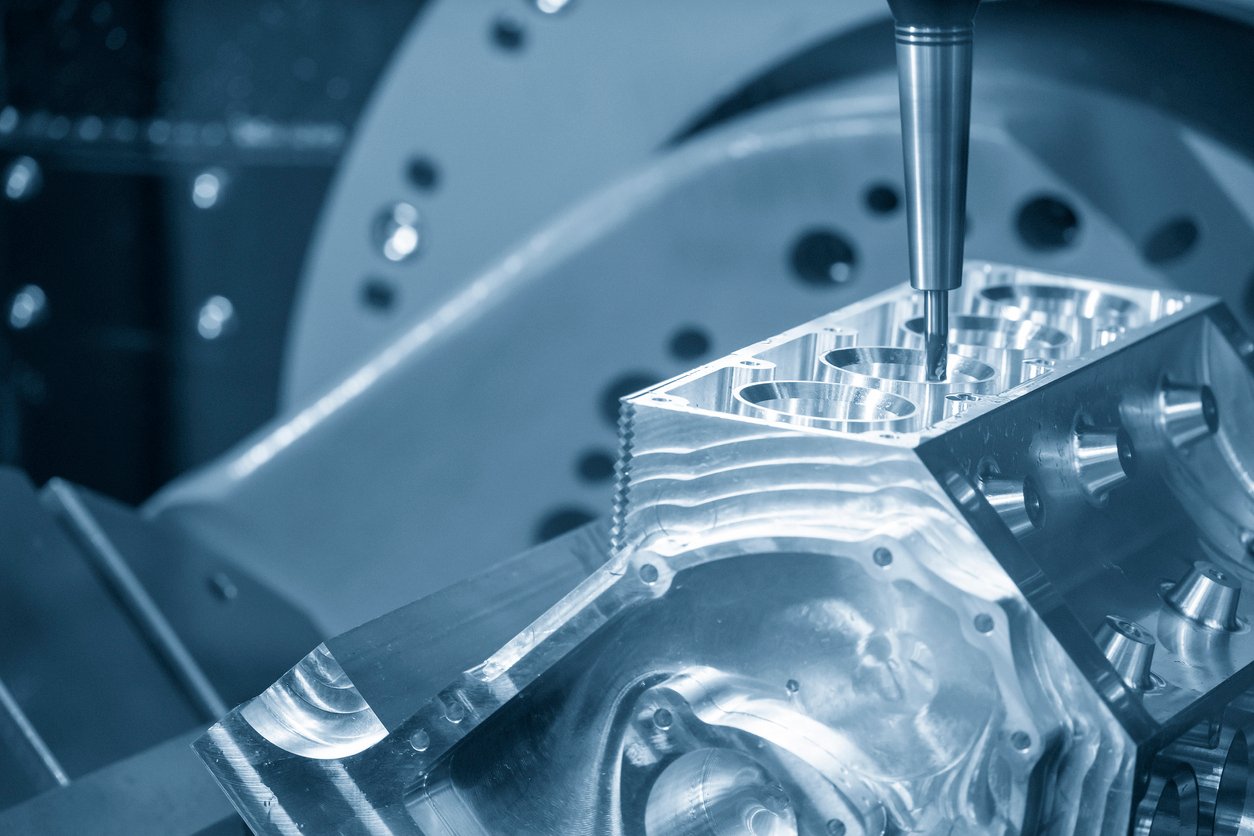
Il centro di lavoro a 5 assi che taglia il blocco cilindri del motore V8. La fresatrice a 5 assi che taglia il processo di produzione del blocco cilindri in alluminio.
Altro è il settore automobilistico utente abituale della lavorazione CNC. Dalla progettazione di un'elegante auto sportiva alla produzione di veicoli per i pendolari di tutti i giorni, Il CNC svolge un ruolo fondamentale nel rendere le automobili più veloci, più sicuro, e più affidabile.
Principali applicazioni automobilistiche
Componenti del motore: Pistoni, teste dei cilindri, e blocchi valvole
Trasmissione e riduttori: Ingranaggi e carcasse di precisione
Sospensioni e sterzo: Ammortizzatori, cremagliere dello sterzo, e articolazioni.Cerchi in lega: Cerchi in lega leggera che richiedono tolleranze strette per la sicurezza, bilancia, e prestazioni
Prototipazione: La concept car progetta e testa le parti prima della produzione in serie
Carrozzeria e parti interne: Dashboard, pannelli delle porte, e volanti
La lavorazione CNC garantisce che ogni parte si adatti perfettamente, che è vitale per sicurezza e prestazioni del veicolo. Immagina un pistone leggermente fuori posto: potrebbe compromettere l'intero motore.
Perché il CNC è importante nel settore automobilistico
Produzione di massa: Il CNC consente milioni di componenti identici.
Velocità di prototipazione: I progettisti possono testare rapidamente i concetti.
Durabilità: I metalli lavorati a CNC resistono al calore, attrito, e stress.
Personalizzazione: Le case automobilistiche di lusso utilizzano il CNC per caratteristiche personalizzate.
Per esempio, quando aziende come Tesla o BMW prototipano nuovi veicoli, La lavorazione CNC consente loro di passare dalla progettazione al collaudo in tempi record. Nel frattempo, produttori come Toyota si affidano al CNC per produzione su larga scala, garantire che ogni auto che esce dalla catena di montaggio soddisfi standard rigorosi.
In poche parole, Lavorazione CNC mantiene in movimento il mondo automobilistico, bilanciare la produzione di massa con l’innovazione.
Industria medica
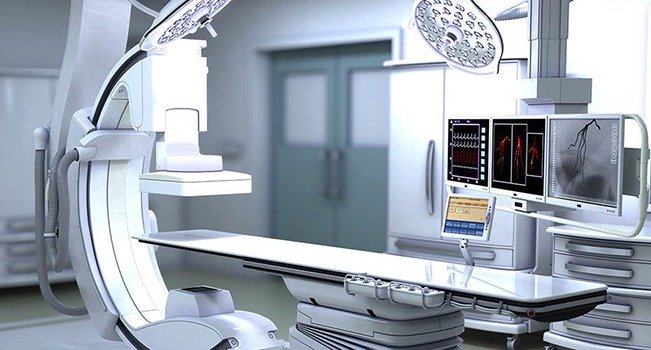
Pochi settori richiedono precisione e affidabilità tanto quanto il settore medico. Qui, la differenza tra successo e fallimento può essere misurata in vite umane. La lavorazione CNC ha rivoluzionato la produzione medica consentendo la produzione di altamente accurato, sterile, e parti complesse che soddisfano rigorosi standard sanitari.
Applicazioni in Medicina
Strumenti chirurgici: Bisturi, pinza, morsetti, e le seghe per ossa richiedono una precisione microscopica.
Impianti ortopedici: Articolazioni dell'anca in titanio, sostituzioni del ginocchio, e gli impianti dentali devono adattarsi perfettamente ai pazienti.
Attrezzatura diagnostica: Scanner MRI, Scanner TC, e le macchine ad ultrasuoni contengono alloggiamenti e componenti lavorati a CNC.
Microdispositivi: Gli alloggiamenti dei pacemaker e le minuscole viti per la chirurgia ortopedica sono spesso prodotti a CNC.
Perché il CNC è indispensabile
Precisione per la sicurezza del paziente: Anche una frazione di millimetro può determinare se un impianto si integra correttamente.
Produzione sterile: Le macchine a CNC possono funzionare materiali di grado medico come l'acciaio inossidabile, titanio, e plastiche biocompatibili.
Personalizzazione: I pazienti spesso necessitano di impianti personalizzati, e la lavorazione CNC rende possibili progetti personalizzati.
Un chiaro esempio è la produzione di impianti dentali. La struttura della mascella di ogni paziente è unica, e la lavorazione CNC consente la creazione di impianti su misura per le misure esatte di un individuo. Questa personalizzazione sarebbe poco praticabile con la lavorazione tradizionale.
Assicurando precisione, ripetibilità, e biocompatibilità, La lavorazione CNC è diventata una pietra miliare della moderna assistenza sanitaria, consentendo una vita più lunga e migliori risultati terapeutici.
Industria elettronica
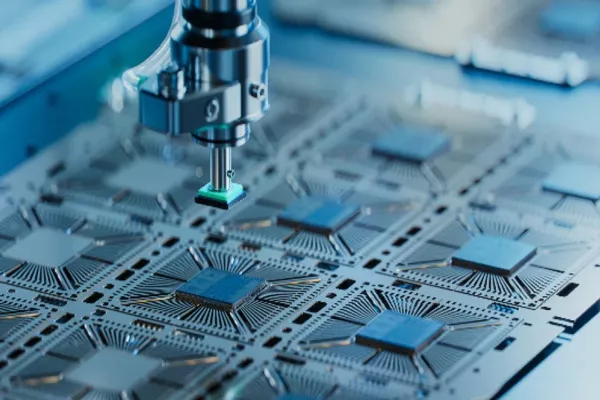
IL settore elettronico continua a prosperare miniaturizzazione e precisione—due qualità in cui la lavorazione CNC eccelle. Dagli smartphone ai sistemi di comunicazione avanzati, La tecnologia CNC garantisce che i componenti delicati siano realizzati con la massima precisione.
Applicazioni in Elettronica
Circuiti stampati (PCB): I router e le frese CNC vengono utilizzati per eseguire microfori e modellare tavole.
Involucri e involucri: Cover protettive per laptop, telefoni, e router.
Dissipatori di calore: Le macchine CNC tagliano scanalature e alette per un'efficiente gestione termica.
Componenti RF: Connettori, alloggiamenti dell'antenna, e guide d'onda.
Perché il CNC è fondamentale nell'elettronica
Microprecisione: Molte parti elettroniche sono più piccole di un'unghia ma richiedono misure precise.
Versatilità dei materiali: Il CNC può lavorare la plastica, alluminio, rame, e compositi, tutti ampiamente utilizzati in elettronica.
Scalabilità: La produzione elettronica spesso implica produzione di massa di piccolo, parti intricate.
Innovazione: La prototipazione di nuovi gadget è più veloce con le macchine CNC.
Prendiamo ad esempio gli smartphone. Gli eleganti corpi in alluminio degli iPhone o dei dispositivi Samsung sono lavorati a CNC alla perfezione, garantendo una perfetta aderenza ai pannelli di vetro e ai componenti interni. Allo stesso modo, dissipatori di calore per CPU affidarsi al CNC per mantenere le dimensioni esatte per un raffreddamento efficiente.
In un mondo in cui l’elettronica sta diventando sempre più piccola e potente, La lavorazione CNC fornisce il precisione e coerenza per stare al passo con le richieste dei consumatori.
Militare e difesa
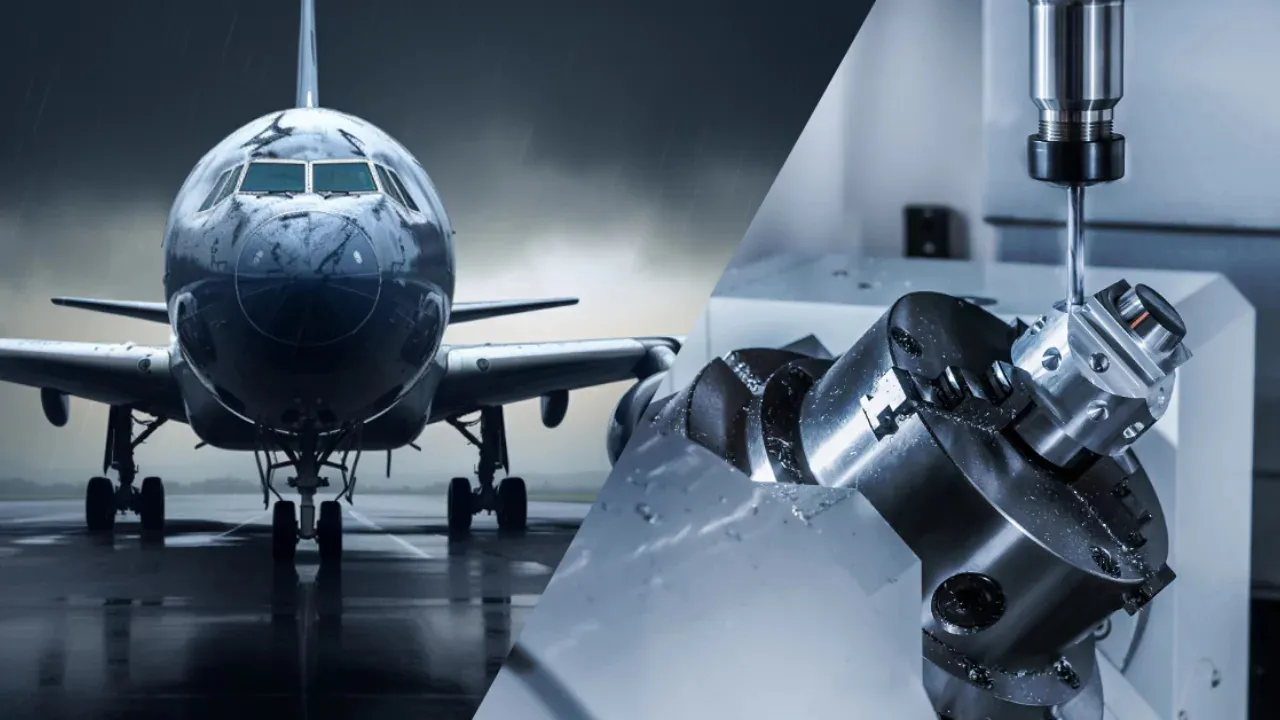
IL industria della difesa si affida alla lavorazione CNC per produrre componenti che devono resistere condizioni estreme-Calore, pressione, corrosione, e impatto. Qui, il fallimento non è un’opzione, rendendo la tecnologia CNC una parte vitale della produzione della difesa.
Applicazioni nel settore militare e della difesa
Sistemi d'arma: Botti, meccanismi di sparo, e mirini di precisione.
Veicoli e aeromobili: Veicoli blindati, droni, e gli elicotteri contengono numerose parti lavorate a CNC.
Apparecchiature di comunicazione: Radio sicure, alloggiamenti dei radar, e componenti satellitari.
Attrezzatura protettiva: Caschi, piastre di armatura, e alloggiamenti per attrezzature tattiche.
Perché il CNC è vitale
Affidabilità sotto stress: Le parti lavorate a CNC possono resistere agli ambienti di combattimento.
Targeting di precisione: La precisione dell'arma dipende da componenti impeccabili.
Prototipazione rapida: Gli appaltatori della difesa possono testare rapidamente nuovi progetti.
Standard di sicurezza: Le parti della difesa devono soddisfare i requisiti certificazioni di massima qualità.
Ad esempio, componenti di aerei da caccia- dalle pale delle turbine agli alloggiamenti della cabina di pilotaggio - sono lavorati a CNC con tolleranze strette. Allo stesso modo, armi avanzate come i sistemi missilistici guidati si basano su parti CNC per garantire prestazioni impeccabili.
Il settore della difesa si affida alla lavorazione CNC perché combina precisione, durabilità, e scalabilità, consentire alle nazioni di mantenersi forti, capacità di difesa affidabili.
Industria del petrolio e del gas

IL industria del petrolio e del gas opera in alcuni degli ambienti più difficili della Terra: i mari profondi, deserti, e regioni artiche. L'attrezzatura qui deve essere gestita pressione estrema, Calore, e condizioni corrosive, rendere la lavorazione CNC una necessità.
Applicazioni nel petrolio e nel gas
Strumenti di perforazione: Punte da trapano, tubi, e accoppiamenti.
Valvole e raccordi: Componenti ad alta pressione che regolano il flusso del fluido.
Pompe e compressori: Alloggiamenti e giranti lavorati con precisione.
Attrezzatura sottomarina: Componenti progettati per resistere alla corrosione in ambienti di acqua salata.
Perché il CNC è importante
Forza materiale: La lavorazione CNC funziona con acciaio temprato, titanio, e leghe esotiche.
Affidabilità: I guasti possono portare a fuoriuscite di petrolio o fughe di gas catastrofiche.
Efficienza: Il CNC consente una produzione più rapida di pezzi di ricambio, riducendo al minimo i tempi di inattività.
Personalizzazione: Diverse piattaforme petrolifere richiedono parti specializzate che il CNC può produrre.
Consideriamo a operazione di trivellazione in acque profonde: ogni parte, dalle teste di perforazione ai sistemi di valvole, deve resistere a pressioni di schiacciamento e acqua di mare corrosiva. La lavorazione CNC garantisce che questi componenti soddisfino gli standard rigorosi del settore.
Fornendo forza, precisione, e durata, La lavorazione CNC garantisce il funzionamento regolare del settore energetico, anche nelle condizioni più difficili.
Industria delle energie rinnovabili
Mentre il mondo si sposta verso energia sostenibile, La lavorazione CNC svolge un ruolo centrale nella costruzione dell’infrastruttura per l’energia eolica, solare, e l'energia idroelettrica. I componenti di energia rinnovabile spesso richiedono grande, complesso, e parti precise, che la lavorazione CNC offre con efficienza.
Applicazioni nelle energie rinnovabili
Turbine eoliche: Mozzi del rotore, Aste, e componenti del cambio.
Energia solare: Telai in alluminio, monta, e sistemi di tracciamento. Esistono molti fornitori di pannelli solari che si affidano a parti metalliche realizzate con precisione, ad esempio HBOWA.
Impianti Idroelettrici: Pale e parti dell'alloggiamento della turbina.
Stoccaggio dell'energia: Involucri lavorati a CNC per sistemi di batterie.
Illuminazione solare: Telaio e frontalino in alluminio, staffa di montaggio per l'installazione di Lampione solare tutto in uno.
Perché il CNC è importante
Scalabilità: I progetti rinnovabili spesso richiedono una produzione su larga scala.
Durabilità: I componenti devono durare decenni in ambienti esterni.
Flessibilità dei materiali: Le macchine CNC lavorano con i compositi, metalli, e leghe.
Favorevole all'innovazione: Man mano che le tecnologie rinnovabili si evolvono, Il CNC supporta la prototipazione e le parti personalizzate.
Per esempio, riduttori per turbine eoliche sono enormi ma devono essere lavorati con tolleranze microscopiche per funzionare in modo affidabile 20+ anni. Allo stesso modo, La lavorazione CNC viene utilizzata per creare supporti per pannelli solari in grado di resistere all'esposizione costante al sole, vento, e pioggia.
Fornendo la spina dorsale per le infrastrutture di energia rinnovabile, La lavorazione CNC sta contribuendo ad alimentare il passaggio globale verso a futuro più verde.
Industria dei beni di consumo
IL settore dei beni di consumo è vasto, abbracciando tutto, dagli elettrodomestici ai giocattoli e all'elettronica personale. Ciò che li lega insieme è la necessità di conveniente, durevole, e prodotti esteticamente accattivanti- e la lavorazione CNC svolge un ruolo importante nel fornirli.
Applicazioni nei beni di consumo
Elettrodomestici: Cestello della lavatrice, lame del frullatore, e parti di macchine da caffè.
Elettronica: Custodie per laptop, custodie per altoparlanti, e console di gioco.
Giocattoli e Gadget: Componenti di precisione in plastica o metallo per parti in movimento.
Beni di lusso: Orologi di fascia alta, accessori di marca, e strumenti personalizzati.
Perché il CNC è importante nei prodotti di consumo
Consistenza: I consumatori si aspettano che ogni articolo abbia lo stesso aspetto e funzioni in modo identico.
Personalizzazione: Cover telefoniche personalizzate, oggetti incisi, o i gadget su misura sono compatibili con il CNC.
Durabilità: La lavorazione CNC garantisce parti più durevoli rispetto alla plastica stampata in serie.
Flessibilità di progettazione: Il CNC consente ai progettisti di sperimentare forme complesse.
Prendi l'esempio di cuffie di fascia alta. L'alloggiamento in alluminio attorno agli altoparlanti non è solo estetico: protegge i delicati componenti elettronici e garantisce un'adeguata qualità del suono. La lavorazione CNC offre le dimensioni precise richieste sia per le prestazioni che per lo stile.
In sostanza, Le macchine CNC consentono ai produttori di fornire affidabile, elegante, e beni convenienti che soddisfano le aspettative dei consumatori nel mercato frenetico di oggi.
Industria ferroviaria
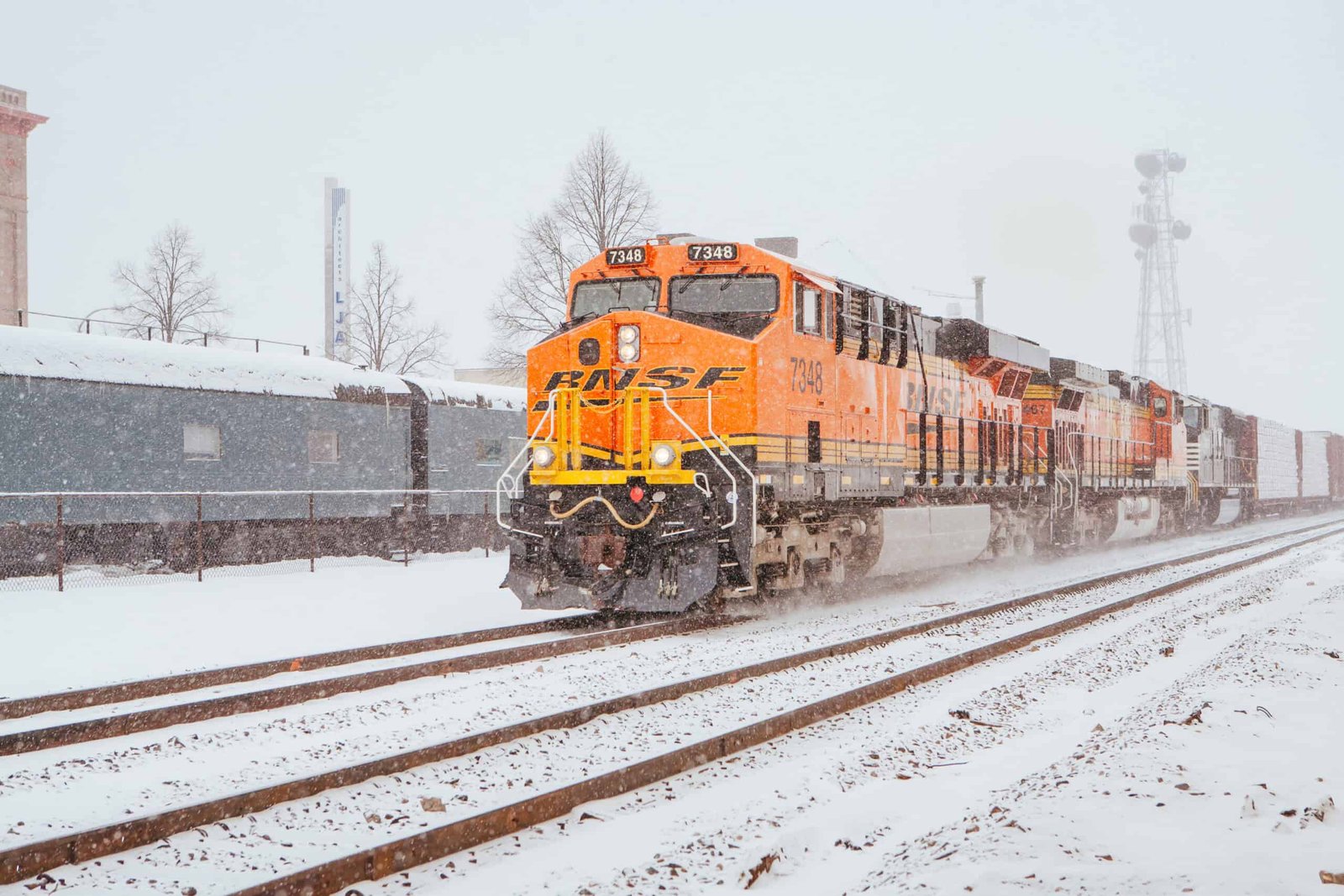
IL industria ferroviaria dipende da parti che possono resistere carichi pesanti, attrito costante, e condizioni esterne. Poiché i treni circolano da decenni, la durata e la sicurezza non sono negoziabili. La lavorazione CNC fornisce il precisione e forza che i moderni sistemi ferroviari richiedono.
Applicazioni nelle ferrovie
Motori: Cilindri, alloggiamenti, e pistoni.
Sistemi frenanti: Dischi e pastiglie freno che richiedono elevata tolleranza.
Componenti traccia: Interruttori, sistemi di fissaggio, e giunti ferroviari.
Interni di auto: Strutture dei posti a sedere, pannelli, e raccordi.
Perché il CNC è fondamentale per le ferrovie
Longevità: Le parti del treno devono durare anni con un'usura minima.
Standard di sicurezza: Anche un piccolo difetto potrebbe causare deragliamenti.
Personalizzazione: Ogni sistema ferroviario ha esigenze infrastrutturali uniche.
Scalabilità: Il CNC consente la produzione in grandi lotti per intere flotte.
Per esempio, sistemi frenanti deve funzionare in modo affidabile sotto carichi enormi. La lavorazione CNC garantisce tolleranze esatte in modo che i freni si innestino in modo uniforme, riducendo i rischi di incidenti. Allo stesso modo, la lavorazione di precisione dei giunti ferroviari garantisce corse più fluide e una minore usura sia sui treni che sui binari.
In definitiva, La lavorazione CNC aiuta l’industria ferroviaria a ottenere risultati sicuro, affidabile, e sistemi di trasporto durevoli.
Industria della robotica
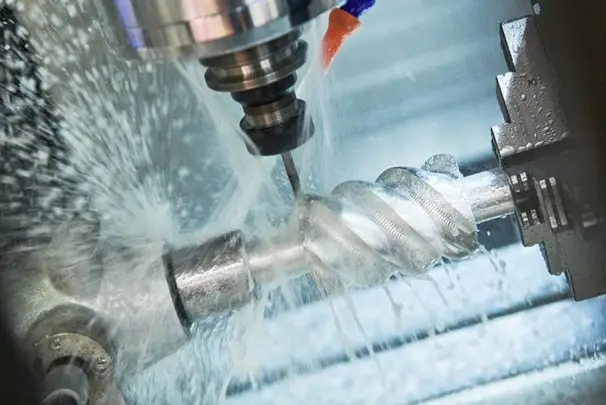
IL settore della robotica è uno dei settori in più rapida crescita oggi, e la lavorazione CNC è al centro. I robot richiedono complesso, leggero, e componenti altamente accurati, rendendo la lavorazione CNC il metodo di riferimento per la produzione.
Applicazioni nella robotica
Telai e Chassis: Scheletri strutturali di robot industriali e di servizio.
Ingranaggi e attuatori: Parti di movimento ad alta precisione.
Custodie elettroniche: Involucri per sensori e processori.
Prototipazione: Bracci robotici personalizzati, articolazioni, e allegati.
Perché il CNC alimenta la robotica
Tolleranze strette: I robot hanno bisogno di precisione per movimenti ripetibili.
Versatilità dei materiali: La robotica utilizza i metalli, plastica, e compositi.
Personalizzazione: Il CNC consente costruzioni uniche per robot specializzati.
Innovazione: La prototipazione rapida supporta nuovi progetti.
Ad esempio, richiedono i robot industriali utilizzati nelle linee di assemblaggio delle automobili ingranaggi lavorati con precisione micrometrica per garantire prestazioni costanti sotto stress. Nel frattempo, i robot di servizio come i droni utilizzano parti leggere in alluminio o fibra di carbonio lavorate a CNC per massimizzare l’efficienza.
In poche parole, La lavorazione CNC alimenta la robotica fornendo il precisione e adattabilità necessari per questo settore all’avanguardia.
Industria mineraria
IL industria mineraria opera in ambienti difficili per i macchinari: polvere, abrasione, umidità, e usura costante. La lavorazione CNC fornisce il robusto, durevole, e parti affidabili che consentono alle operazioni di mining di continuare senza costose interruzioni.
Applicazioni nel settore minerario
Attrezzature di perforazione: Teste di perforazione, aste, e accoppiamenti.
Macchine da scavo: Secchi, ingranaggi, e componenti strutturali.
Sistemi di frantumazione: Pezzi di precisione per frantoi e polverizzatori.
Sistemi di trasporto: Rulli, Aste, e supporta.
Perché il CNC è vitale nel settore minerario
Durabilità: Le parti CNC resistono all'usura dei materiali abrasivi.
Forza materiale: La lavorazione CNC può gestire acciaio temprato e leghe.
Affidabilità: I tempi di inattività nel settore minerario sono costosi: la precisione riduce i guasti.
Scala: I componenti di grandi dimensioni per macchinari pesanti possono essere lavorati in modo efficiente.
Prendi un frantoio di rocce come esempio. I suoi ingranaggi devono sopportare una macinazione costante senza usurarsi rapidamente. La lavorazione CNC garantisce che gli ingranaggi non solo siano durevoli ma anche abbinati con precisione per ridurre al minimo i guasti.
In breve, La lavorazione CNC garantisce che i macchinari dell’industria mineraria rimangano affidabile, forte, e produttivo anche negli ambienti più difficili.
Industria dell'ottica
IL settore dell'ottica richieste precisione microscopica, e la lavorazione CNC fornisce esattamente questo. Dalla produzione di obiettivi per fotocamere agli assemblaggi di telescopi, Le macchine CNC offrono la precisione impeccabile necessaria per la chiarezza ottica.
Applicazioni in ottica
Stampi per lenti: Stampi di precisione per lenti in vetro o plastica.
Supporti e alloggiamenti: Telai strutturali per microscopi e telescopi.
Microottica: Piccoli componenti per endoscopi e sistemi laser.
Banchi ottici: Assemblaggi complessi per la ricerca scientifica.
Perché il CNC eccelle nell'ottica
Precisione a livello di micron: Essenziale per immagini nitide.
Finiture lisce: La rettifica CNC garantisce superfici ottiche impeccabili.
Personalizzazione: Il CNC consente configurazioni di lenti uniche.
Movimentazione dei materiali: Bicchiere, plastica, e gli alloggiamenti in metallo ne traggono tutti vantaggio.
Per esempio, negli endoscopi medici, minuscoli componenti ottici devono allinearsi perfettamente affinché i medici possano vedere chiaramente all'interno del corpo umano. La lavorazione CNC garantisce che tali allineamenti siano coerenti e affidabili.
In sostanza, La lavorazione CNC è il motivo per cui i dispositivi ottici, dalle fotocamere ai telescopi, funzionano affilato, affidabile, e visione precisa.
Industria di trasformazione alimentare
Le macchine per la lavorazione degli alimenti devono esserlo sanitario, durevole, ed efficiente. La lavorazione CNC svolge un ruolo fondamentale nella produzione di attrezzature adatte agli alimenti e in grado di resistere pulizia costante, taglio, e operazioni di confezionamento.
Applicazioni nella lavorazione alimentare
Lame da taglio: Lame di precisione per affettare il pane, carne, o verdure.
Stampi e matrici: Forme per biscotti, pasta, o cioccolato.
Sistemi di trasporto: Rulli, Aste, e parti meccaniche.
Attrezzature per l'imballaggio: Mascelle, componenti di tenuta, e formare tubi.
Perché il CNC è importante nell'industria alimentare
Standard di igiene: Le macchine CNC producono superfici lisce che resistono ai batteri.
Durabilità: L'acciaio inossidabile e la plastica per alimenti resistono ai prodotti chimici per la pulizia.
Efficienza: La lavorazione CNC garantisce una lunga durata, utensili da taglio affilati.
Personalizzazione: Alimenti diversi richiedono stampi e strumenti su misura.
Ad esempio, stampi per pasta sono lavorati a CNC per ottenere forme precise, garantendo sempre prodotti uniformi. Allo stesso modo, le attrezzature per l'imballaggio alimentare si affidano a parti CNC per sigillare sacchetti e scatole in modo rapido e affidabile.
Senza lavorazione CNC, la produzione alimentare sarebbe più lenta, meno igienico, e molto meno efficiente.
Industria tessile
IL industria tessile utilizza la lavorazione CNC per migliorare produzione di tessuti, ricamo, e tessitura. Anche se spesso trascurato, Il CNC contribuisce alla precisione e alla durata dei moderni macchinari tessili.
Applicazioni nel tessile
Macchine da ricamo: Componenti realizzati a CNC per cuciture di precisione.
Macchine per tessere: Parti del telaio, mandrini, e bobine.
Utensili da taglio: Lame per il taglio dei tessuti.
Realizzazione di modelli: Pantografi CNC per la creazione di disegni tessili complessi.
Perché il CNC supporta il tessile
Consistenza: Garantisce una produzione regolare e senza difetti.
Durabilità: Le macchine tessili funzionano continuamente: le parti CNC prolungano la durata della vita.
Personalizzazione: I modelli tessili unici richiedono strumenti di precisione.
Efficienza: Il CNC riduce i tempi di inattività con un'alta qualità, parti di lunga durata.
Per esempio, fusi del telaio deve girare perfettamente affinché il tessuto si intreccia in modo uniforme. La lavorazione CNC garantisce questa precisione, ridurre gli errori e gli sprechi nella produzione tessile.
Ciò rende la lavorazione CNC un partner invisibile ma essenziale nella produzione vestiti, tessuti, e accessori moda in tutto il mondo.
Industria dell'intrattenimento
IL industria dell'intrattenimento prospera nella creatività e la lavorazione CNC aiuta a dare vita all'immaginazione. Dalle scenografie agli oggetti di scena cinematografici, Il CNC rende i progetti complessi pratici e ripetibili.
Applicazioni nell'intrattenimento
Oggetti di scena e modelli: Armi, costumi, e repliche per i film.
Scenografie: Pannelli intagliati a CNC, quadri, e pezzi di scenografia.
Strumenti musicali: Manici di chitarra, corpi di violino, e fusti di tamburi.
Parchi a tema: Componenti di giostre e strutture decorative.
Perché il CNC alimenta la creatività
Disegni complessi: Le macchine CNC tagliano forme complesse impossibili a mano.
Ripetibilità: Gli oggetti di scena e le scenografie possono essere replicati per le produzioni.
Durabilità: Il CNC garantisce robustezza, parti di lunga durata per un uso ripetuto.
Personalizzazione: Ogni progetto creativo richiede design unici.
Per esempio, nei film di Hollywood, realistico oggetti di scena fantascientifici come armi o caschi sono lavorati a CNC per precisione e durata. Nel frattempo, i produttori di strumenti musicali utilizzano il CNC per scolpire corpi in legno con una qualità del suono costante.
La lavorazione CNC lo rende possibile trasformare la fantasia in realtà, supportare le industrie creative con precisione ingegneristica.
Industria delle telecomunicazioni
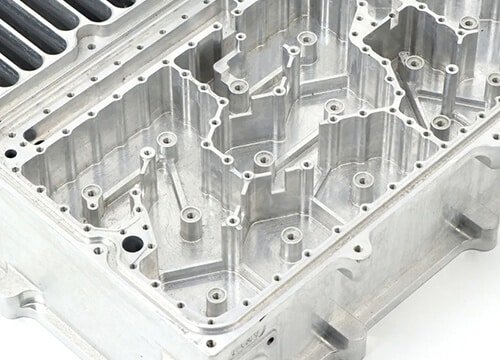
IL settore delle telecomunicazioni si affida alla lavorazione CNC per creare l'infrastruttura fisica per la comunicazione globale. Che si tratti di smartphone, satelliti, o torri di antenne, Il CNC garantisce durata e precisione.
Applicazioni nelle telecomunicazioni
Connettori: Spine e prese lavorate con precisione.
Componenti dell'antenna: Basi, parentesi, e alloggi.
Recinti: Involucri protettivi per apparecchiature di telecomunicazioni.
Gestione del calore: Dissipatori di calore per sistemi 5G.
Perché il CNC è importante nelle telecomunicazioni
Precisione: Le telecomunicazioni fanno affidamento su adattamenti precisi per i segnali ad alta frequenza.
Durabilità: Le antenne esterne devono resistere a condizioni meteorologiche estreme.
Personalizzazione: Installazioni uniche richiedono staffe personalizzate.
Scalabilità: Il CNC supporta la produzione di massa di parti standardizzate.
Pensa 5Infrastruttura G—le antenne richiedono alloggiamenti e supporti lavorati a CNC per prestazioni impeccabili. Senza precisione CNC, la connettività sarebbe inaffidabile.
Ciò rende la lavorazione CNC essenziale per mantenere il mondo connesso e comunicante.
Ricerca & Sviluppo (R&D)
IL R&Settore D vive di innovazione, e la lavorazione CNC è uno dei suoi strumenti più potenti. Dai modelli concettuali ai dispositivi sperimentali, Il CNC rende tangibili le idee.
Applicazioni in R&D
Prototipazione: Creazione rapida di parti testabili.
Apparecchiature di prova: Alloggiamenti e attrezzature di precisione.
Componenti personalizzati: Disegni unici per esperimenti.
Modelli Educativi: Sussidi didattici nelle università e nei laboratori.
Perché il CNC potenzia R&D
Velocità: Trasforma rapidamente le idee in prototipi fisici.
Flessibilità: Gestisce diversi design e materiali.
Precisione: Fornisce risultati di test affidabili eliminando gli errori delle parti.
Innovazione: Supporta le industrie nel superare i confini tecnologici.
Ad esempio, i ricercatori biotecnologici potrebbero progettare uno strumento personalizzato per il sequenziamento del DNA. La lavorazione CNC glielo consente prototipare e perfezionare questo strumento senza lunghi ritardi.
In sostanza, La lavorazione CNC è la ponte tra immaginazione e innovazione, consentendo a scienziati e ingegneri di testare e perfezionare le loro idee.
Industria manifatturiera del mobile
IL industria del mobile ha abbracciato la lavorazione CNC per soddisfare la crescente domanda di Design personalizzati, durabilità, ed efficienza della produzione di massa. Sono finiti i giorni in cui i mobili fatti a mano erano l'unica opzione: oggi, Le macchine CNC consentono di ottenere sia abilità artistica che scalabilità.
Applicazioni nell'arredamento
Quadri: Sedie, tavoli, e reti del letto.
Elementi decorativi: Sculture e incisioni intricate.
Mobili su misura: Progettazioni su misura adattate alle esigenze del cliente.
Armadi e pannelli: Parti di mobili per cucina e ufficio.
Perché il CNC è importante nei mobili
Precisione progettuale: Il CNC può riprodurre in modo coerente intagli dettagliati.
Personalizzazione: I clienti possono richiedere forme o modelli personalizzati.
Flessibilità dei materiali: Funziona con il legno, compositi, metalli, e plastica.
Efficienza: Accelera la produzione di massa mantenendo la qualità.
Per esempio, UN tavolo da pranzo di lusso potrebbe presentare intagli decorati lungo i bordi. Le macchine CNC replicano questi intricati disegni in modo impeccabile, garantendo che ogni unità abbia un aspetto identico senza richiedere centinaia di ore di lavoro manuale.
In breve, Mietitrebbie per lavorazione CNC artigianato con tecnologia, consentendo all’industria del mobile di offrire creatività ed efficienza.
Industria farmaceutica
Nei prodotti farmaceutici, precisione e igiene sono essenziali. La lavorazione CNC garantisce che le attrezzature utilizzate nella produzione farmaceutica, confezione, e i test soddisfano i severi standard di sicurezza del settore.
Applicazioni nel settore farmaceutico
Attrezzature di produzione: Miscelatori, macchine per incapsulamento, e comprimitrici.
Macchine per l'imballaggio: Formare muore, ganasce sigillanti, e sistemi di riempimento.
Attrezzature da laboratorio: Strumenti personalizzati per esperimenti e test.
Perché il CNC è vitale
Standard sterili: La lavorazione CNC crea morbidezza, superfici resistenti ai batteri.
Durabilità: Le macchine spesso funzionano 24/7 e necessitano di parti affidabili.
Precisione: Il dosaggio e il confezionamento accurati dipendono da macchinari impeccabili.
Personalizzazione: Progetti di ricerca unici necessitano di componenti specializzati.
Per esempio, presse per pillole fare affidamento su stampi lavorati a CNC che garantiscono che ogni compressa sia identica nella forma e nel dosaggio. Senza questa coerenza, la sicurezza del farmaco potrebbe essere compromessa.
La lavorazione CNC svolge un ruolo nascosto ma fondamentale nel garantire sicuro, efficace, e farmaci affidabili raggiungere i pazienti in tutto il mondo.
Industria delle biotecnologie
IL settore delle biotecnologie spinge i confini della scienza, spesso richiedendo unico, complesso, e componenti in miniatura. La lavorazione CNC è la tecnologia di riferimento per la produzione di questi strumenti altamente specializzati.
Applicazioni in biotecnologia
Dispositivi medici: Sequenziatori del DNA, microscopi, e strumenti da laboratorio.
Attrezzatura per la ricerca: Alloggiamenti specializzati e parti di precisione.
Componenti personalizzati: Build unici per la ricerca sperimentale.
Perché il CNC sostiene la biotecnologia
Precisione al micron: Essenziale per i dispositivi su microscala.
Compatibilità dei materiali: Funziona con acciaio inossidabile, titanio, e plastiche biocompatibili.
Prototipazione rapida: Aiuta i ricercatori a testare rapidamente nuovi progetti.
Innovazione: Consente innovazioni fornendo soluzioni uniche.
Per esempio, UN Macchina per il sequenziamento del DNA si affida ad alloggiamenti lavorati a CNC per allineare i componenti ottici ed elettronici con estrema precisione. Senza controllo numerico, assemblaggi così intricati sarebbero impossibili.
Abilitando ricerca scientifica d’avanguardia, La lavorazione CNC è una pietra angolare del rapido progresso della biotecnologia.
Industria degli articoli sportivi
IL settore degli articoli sportivi unisce prestazioni e durata, e la lavorazione CNC garantisce che le attrezzature soddisfino tali esigenze. Dalle biciclette alle mazze da baseball, Il CNC porta coerenza e personalizzazione agli attrezzi sportivi.
Applicazioni nello sport
Biciclette: Cornici, ingranaggi, e sistemi frenanti.
Mazze da golf: Teste e alberi personalizzati.
Attrezzatura per esterni: Coltelli, skateboard, e attrezzi da campeggio.
Equipaggiamento protettivo: Caschi e strutture di supporto.
Perché il CNC è importante nello sport
Precisione delle prestazioni: Piccole differenze possono influire sulle prestazioni atletiche.
Personalizzazione: Gli atleti spesso hanno bisogno di attrezzature su misura per il loro stile.
Durabilità: I metalli e i compositi lavorati a CNC durano più a lungo.
Produzione di massa: Il CNC garantisce la stessa qualità in tutte le linee di prodotto.
Ad esempio, golfisti professionisti spesso utilizzano mazze personalizzate lavorate a CNC che si adattano perfettamente al loro stile di swing. Allo stesso modo, le biciclette ad alte prestazioni si affidano a ingranaggi e sistemi frenanti lavorati a CNC per la sicurezza e la velocità.
La lavorazione CNC garantisce che gli articoli sportivi non solo abbiano un bell'aspetto, ma anche offrire prestazioni di alto livello sul campo.
Industria della tecnologia spaziale
Quando si tratta di esplorazione dello spazio, la posta in gioco non potrebbe essere più alta. Un guasto a un singolo componente nello spazio potrebbe significare il fallimento della missione, o peggio. La lavorazione CNC garantisce che le parti siano costruite gli standard più esigenti sulla Terra.
Applicazioni nello spazio
Parti satellitari: Antenne, alloggiamenti, e parentesi.
Componenti del razzo: Motori, involucri, e sistemi di alimentazione.
Assemblee di veicoli spaziali: Custodie per strumenti scientifici, pannelli, e connettori.
Perché il CNC è fondamentale nella tecnologia spaziale
Altissima precisione: I componenti dello spazio devono adattarsi perfettamente.
Durabilità del materiale: Lavorazioni CNC di titanio e leghe che resistono a condizioni estreme.
Affidabilità: Non c’è spazio per il fallimento nelle missioni spaziali.
Innovazione: Il CNC consente prototipi per veicoli spaziali di nuova generazione.
Per esempio, alloggiamenti di motori a razzo richiedono una lavorazione impeccabile per resistere al calore e alla pressione estremi durante i lanci. La lavorazione CNC lo rende possibile con una consistenza senza pari.
In poche parole, La lavorazione CNC è la spina dorsale dell’esplorazione spaziale, trasformare la fantascienza in realtà scientifica.
Industria della lavorazione chimica
IL industria chimica richiede macchinari in grado di resistere materiali corrosivi e temperature elevate. La lavorazione CNC fornisce pezzi sufficientemente robusti da sopravvivere a queste condizioni impegnative.
Applicazioni nei processi chimici
Reattori: Recipienti lavorati con precisione per reazioni chimiche.
Pompe e Valvole: Parti progettate per gestire fluidi aggressivi.
Scambiatori di calore: Componenti che richiedono tolleranze precise.
Perché il CNC è essenziale
Resistenza alla corrosione: Lavorazioni CNC di leghe esotiche resistenti agli agenti chimici.
Precisione: Garantisce un controllo accurato dei processi chimici.
Durabilità: Prolunga la durata delle apparecchiature in ambienti difficili.
Sicurezza: Riduce il rischio di perdite o incidenti.
Ad esempio, componenti della valvola negli impianti chimici devono adattarsi perfettamente per evitare perdite di sostanze chimiche pericolose. La lavorazione CNC garantisce la precisione richiesta.
Senza lavorazione CNC, gli impianti chimici farebbero fatica a mantenere il sicurezza e affidabilità necessari nelle loro operazioni.
Settore Educativo
Anche l’istruzione trae vantaggio dalla lavorazione CNC. Scuole, college, e gli istituti di formazione utilizzano macchine CNC per progetti pratici di ricerca e apprendimento.
Applicazioni nell'istruzione
Macchine per la formazione: Attrezzature CNC per la pratica degli studenti.
Strumenti di ricerca: Prototipazione per esperimenti universitari.
Modelli Educativi: Sussidi didattici e dimostrazioni.
Perché il CNC è importante nell’istruzione
Sviluppo delle competenze: Prepara gli studenti alla produzione moderna.
Innovazione: Consente agli studenti di sperimentare progetti reali.
Accessibilità: Le macchine CNC convenienti facilitano l'apprendimento.
Formazione rilevante per il settore: Crea una futura forza lavoro qualificata.
Per esempio, gli studenti di ingegneria spesso costruiscono prototipi robotici utilizzando parti lavorate a CNC, apprendere preziose competenze nel mondo reale.
La lavorazione CNC aiuta l'istruzione a colmare il divario teoria e applicazione pratica, dare potere alla prossima generazione di innovatori.
Industria della produzione di gioielli
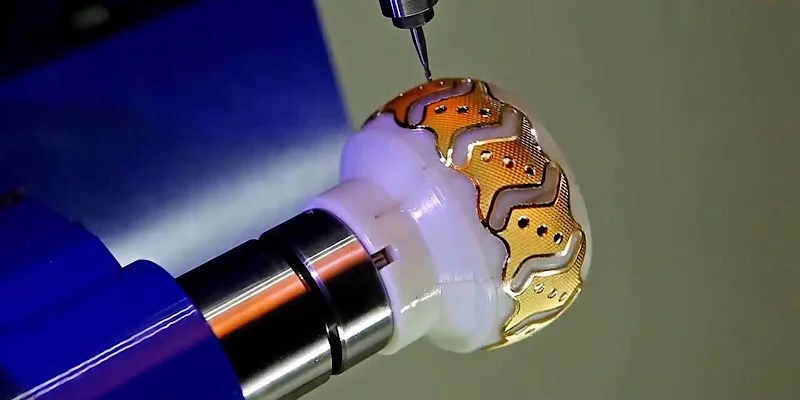
IL settore della gioielleria è stato trasformato mediante lavorazione CNC, che consente intricato, ripetibile, e disegni personalizzati.
Applicazioni in gioielleria
Pezzi personalizzati: Ciondoli con nome, anelli, e bracciali.
Disegni intricati: Modelli che una volta venivano intagliati a mano.
Realizzazione di stampi: Stampi lavorati a CNC per la produzione in serie.
Perché il CNC è importante nella gioielleria
Dettagli di precisione: Anche i modelli più piccoli sono possibili.
Personalizzazione: La personalizzazione è semplice con il design CNC.
Efficienza: Riduce i costi della manodopera aumentando la produzione.
Flessibilità dei materiali: Funziona con l'oro, argento, platino, e altro ancora.
Per esempio, UN incastonatura dell'anello di diamanti deve tenere le gemme perfettamente in posizione. La lavorazione CNC garantisce tolleranze esatte sia per la sicurezza che per lo stile.
Grazie al CNC, i creatori di gioielli possono combinarsi creatività e tecnologia, producendo stupore, pezzi personalizzati su larga scala.
Industria del trattamento delle acque
IL settore del trattamento delle acque richiede parti in grado di resistere uso costante ed esposizione ad acqua e sostanze chimiche. La lavorazione CNC garantisce durata e affidabilità.
Applicazioni nel trattamento delle acque
Componenti della pompa: Alberi, giranti, e alloggi.
Parti della valvola: Sistemi di controllo del flusso dei fluidi.
Sistemi di filtrazione: Telai e particolari di precisione per filtri.
Perché il CNC è fondamentale
Durabilità: Gestisce condizioni corrosive e ad alta pressione.
Precisione: Garantisce un flusso d'acqua pulito e affidabile.
Efficienza: Allunga la vita delle apparecchiature di trattamento.
Sicurezza: Riduce il rischio di contaminazione.
Ad esempio, alloggiamenti dei filtri richiedono una lavorazione CNC secondo specifiche esatte in modo che nessuna impurità fuoriesca nell'acqua trattata.
Abilitando trattamento dell’acqua sicuro ed efficiente, La lavorazione CNC svolge un ruolo vitale nella salute pubblica.
Industria HVAC
Riscaldamento, Ventilazione, e aria condizionata (Hvac) i sistemi si basano sulla lavorazione CNC per affidabile, efficiente, e parti personalizzate.
Applicazioni nel settore HVAC
Condutture: Pannelli e accessori tagliati a CNC.
Pale del ventilatore: Lavorazione di precisione per l'efficienza.
Compressori e Valvole: Parti a tolleranza stretta per prestazioni elevate.
Installazioni personalizzate: Pezzi unici per impianti di grandi dimensioni.
Perché il CNC è importante nel settore HVAC
Efficienza energetica: La lavorazione CNC garantisce componenti di precisione per un flusso d'aria ottimale.
Personalizzazione: Gli edifici spesso necessitano di sistemi HVAC su misura.
Durabilità: Le parti lavorate a CNC durano più a lungo in caso di uso continuo.
Scalabilità: Consente la produzione sia su piccola che su larga scala.
Prendere pale del ventilatore come esempio. Anche un piccolo squilibrio può sprecare energia. La lavorazione CNC garantisce che le lame siano perfettamente bilanciate, aumentare l’efficienza e ridurre il rumore.
Così, La lavorazione CNC è fondamentale per la creazione comodo, ambienti interni ad alta efficienza energetica.
Concludendo
Dall'aerospaziale alla gioielleria, La lavorazione CNC si è dimostrata la soluzione migliore spina dorsale dell’industria moderna. La sua capacità di fornire precisione, durabilità, personalizzazione, e scalabilità lo rende indispensabile in tutti i settori.
Con l’avanzare della tecnologia, con 5-MACCHINING ASSIS, automazione, e integrazione dell'intelligenza artificiale, Le macchine CNC diventeranno solo più potenti. Il futuro promette una produzione ancora più rapida, maggiore personalizzazione, e nuove industrie che faranno affidamento sul CNC in modi che non possiamo ancora immaginare.
In breve, La lavorazione CNC non supporta solo le industrie, ma anche le industrie guida l’innovazione in tutto il mondo.
Domande frequenti
- Quali sono i migliori 10 applicazioni della lavorazione CNC?
Aerospaziale, settore automobilistico, medico, elettronica, difesa, energia rinnovabile, costruzione, robotica, articoli sportivi, e HVAC sono tra le applicazioni più comuni. - Quali materiali possono essere lavorati con il CNC?
Le macchine CNC gestiscono l'alluminio, acciaio, titanio, ottone, rame, plastica, legna, compositi, e persino la ceramica. - Per cosa viene utilizzata più comunemente la lavorazione CNC?
È più comunemente usato per produzione di precisione di parti in metallo e plastica, dai prototipi alla produzione di massa. - Perché la lavorazione CNC è migliore della lavorazione tradizionale?
Perché CNC offre velocità, ripetibilità, precisione, e scalabilitàIl tutto riducendo l’errore umano. - Quali industrie traggono maggiori vantaggi dalla lavorazione CNC?
Mentre quasi tutti i settori ne traggono vantaggio, aerospaziale, settore automobilistico, medico, e l'elettronica sono i settori di punta basandosi fortemente sul CNC.


