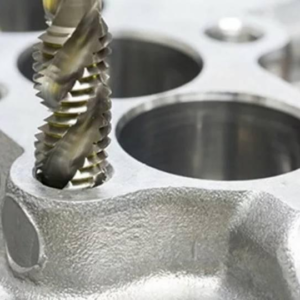



Il test di durezza fornisce un rapido, affidabile, ed economico per valutare la resistenza di un materiale alla rientranza, graffio, e deformazione superficiale. I produttori utilizzano test di durezza durante tutto il ciclo produttivo, dall'ispezione dei materiali in entrata e dalla verifica del trattamento termico al controllo di qualità finale.
In questa guida, esploreremo tutto ciò che devi sapere sui test di durezza dei metalli, compresi i metodi di prova comuni, standard internazionali, procedure di test, applicazioni industriali, e le migliori pratiche per ottenere risultati accurati.
Cos'è la durezza del metallo?
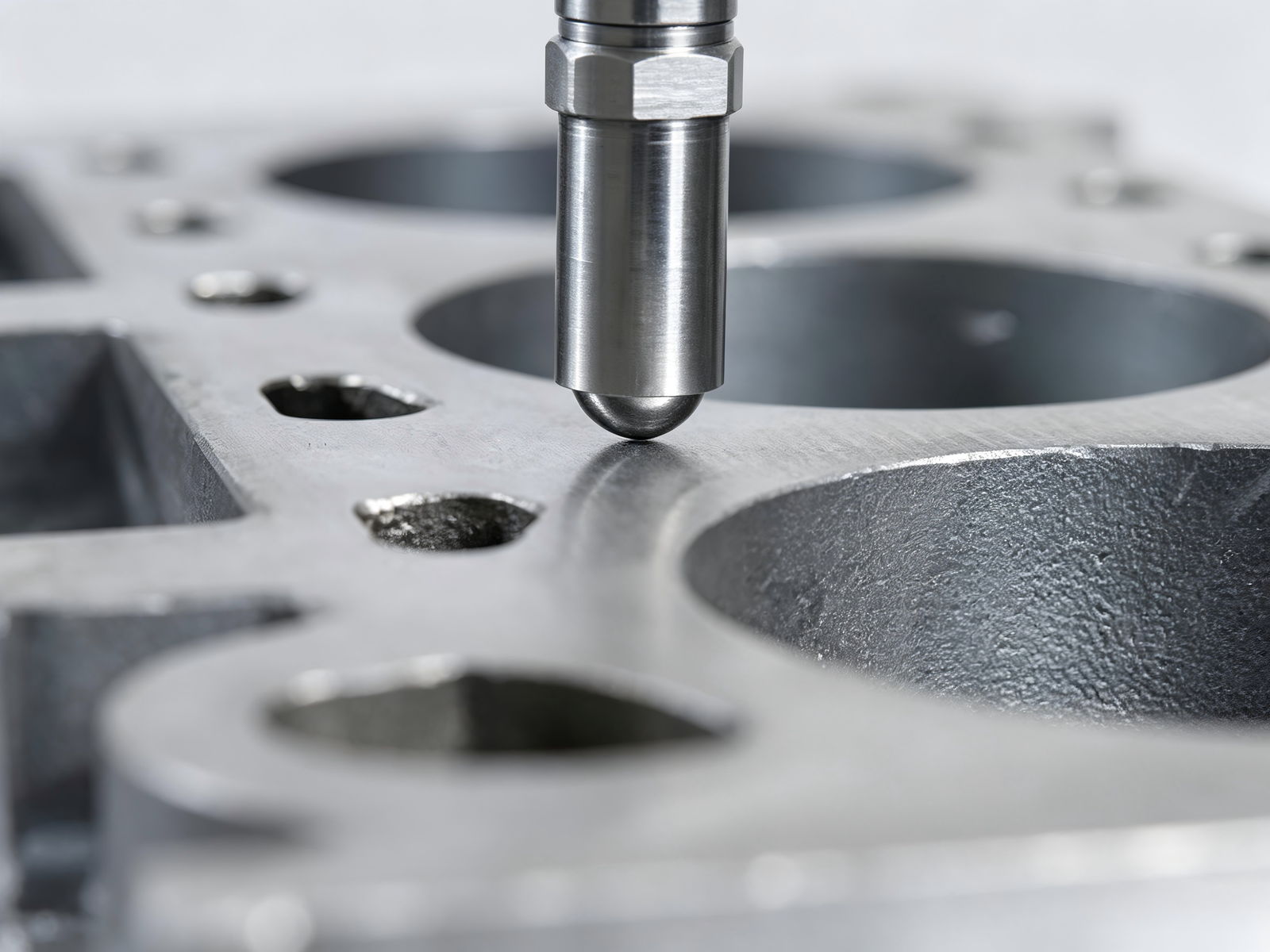
La durezza del metallo si riferisce alla capacità di un materiale di resistere alla deformazione permanente quando sottoposto a una forza esterna.
In termini pratici, la durezza misura la resistenza di un metallo:
- Rientro
- Graffiare
- Abrasione
- Indossare
- Deformazione superficiale
Più un materiale è duro, tanto più resistente sarà ai danni meccanici durante il funzionamento.
Perché la durezza è importante
La durezza influisce direttamente:
- Resistenza all'usura
- Vita utile
- Capacità di carico
- Prestazioni a fatica
- Lavorabilità
- Resistenza alla corrosione (in alcune applicazioni)
Per esempio, un ingranaggio in acciaio temprato utilizzato in un sistema di trasmissione deve mantenere una durezza sufficiente per resistere all'usura durante milioni di cicli operativi. Allo stesso modo, gli elementi di fissaggio aerospaziali richiedono livelli di durezza attentamente controllati per garantire l'integrità strutturale.
Durezza vs Forza vs Tenacità
Questi termini sono spesso confusi, ma rappresentano proprietà materiali diverse.
| Proprietà | Definizione |
| Durezza | Resistenza alla rientranza e alla deformazione superficiale |
| Forza | Capacità di resistere allo stress applicato senza cedimenti |
| Robustezza | Capacità di assorbire energia prima di fratturarsi |
Un materiale può essere estremamente duro ma fragile. al contrario, un materiale può essere molto resistente pur avendo una durezza relativamente bassa.
Comprendere queste differenze è fondamentale quando si selezionano materiali per applicazioni ingegneristiche.
Perché le prove di durezza sono essenziali nel settore manifatturiero
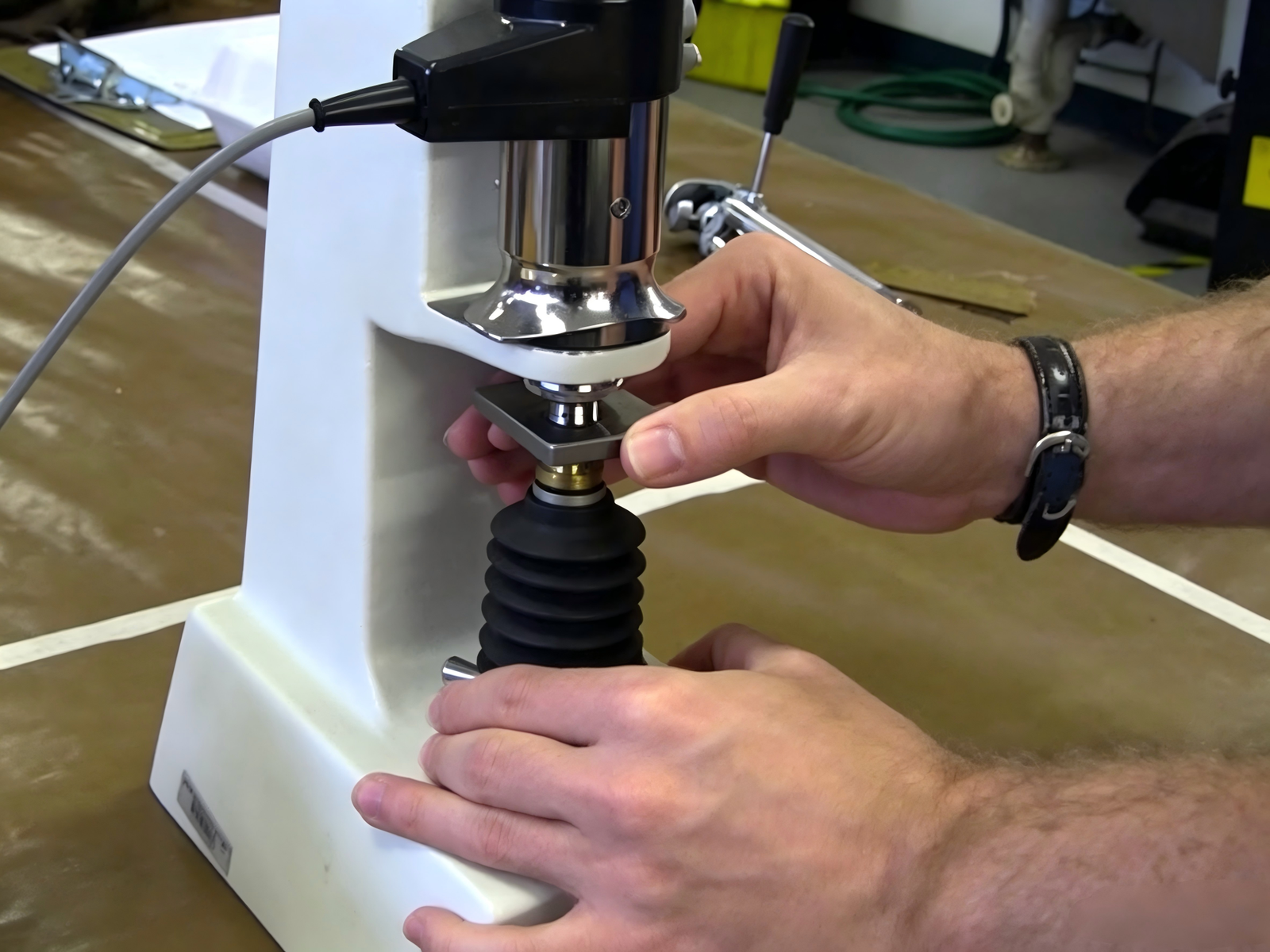
Controllo di qualità
I produttori utilizzano test di durezza per verificare che le materie prime soddisfino le specifiche prima dell'inizio della produzione.
Il test aiuta a identificare:
- Gradi dei materiali errati
- Trattamento termico non corretto
- Incoerenze dei fornitori
- Difetti materiali
Verifica del trattamento termico
Le prove di durezza sono uno dei metodi più efficaci per confermare il successo dei processi di trattamento termico, Compreso:
- Ricottura
- Normalizzazione
- Tempra
- Temperamento
- Indurimento della cassa
- Nitrurazione
Per esempio, se un componente in acciaio temprato non riesce a raggiungere il range di durezza target, potrebbe essere necessario modificare il processo di trattamento termico.
Valutazione delle prestazioni del prodotto
La durezza influisce direttamente:
- Resistenza all'usura
- Resistenza all'abrasione
- Vita a fatica
- Durabilità strutturale
I produttori utilizzano i valori di durezza per prevedere le prestazioni dei componenti in condizioni operative reali.
Conformità normativa
Industrie come Aerospace, settore automobilistico, difesa, energia, e la produzione medica spesso richiede test di durezza per soddisfare rigorosi standard di qualità.
Metodi comuni di prova della durezza
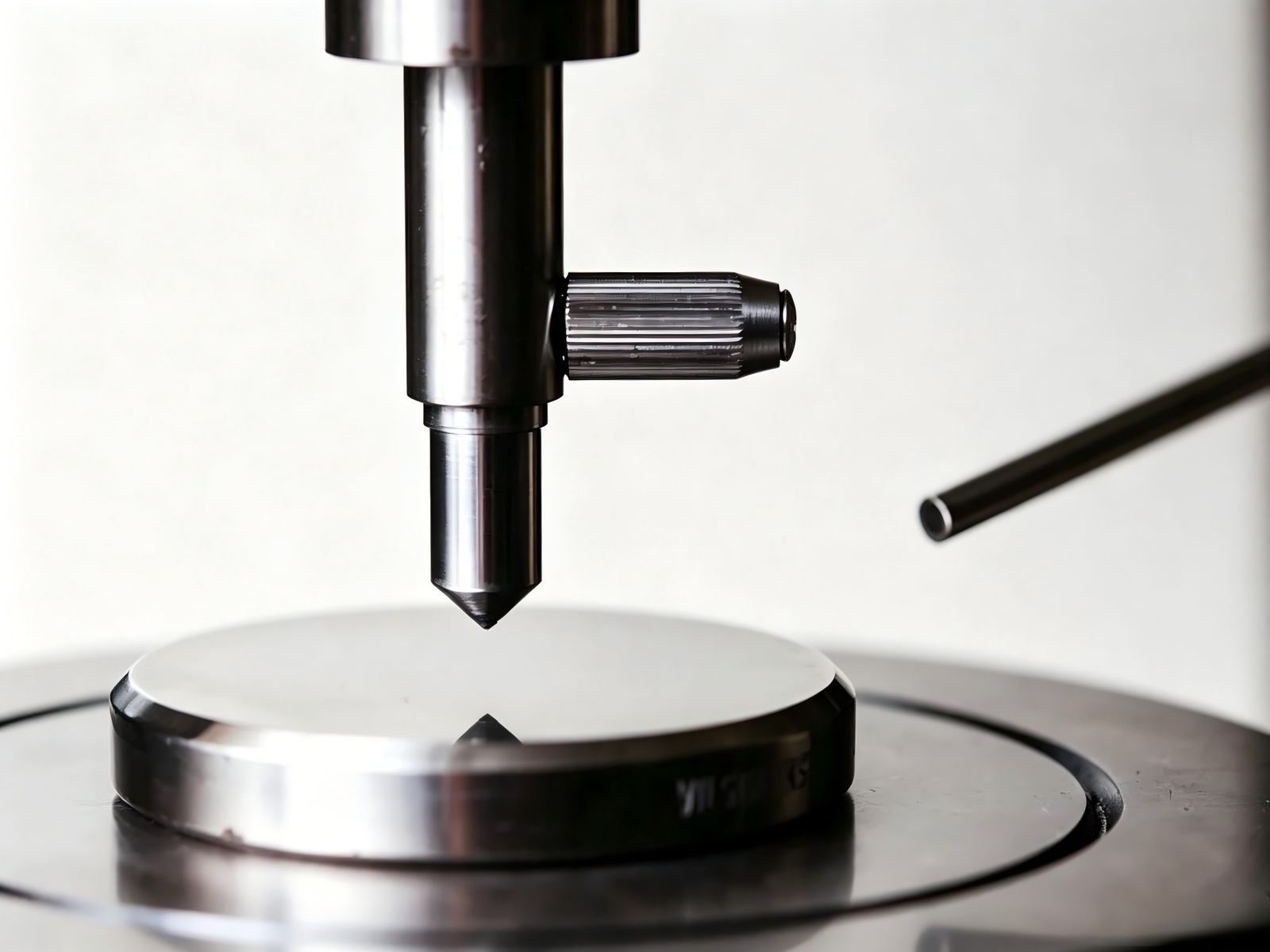
In tutto il mondo vengono utilizzati diversi metodi di prova della durezza. Ciascuno presenta vantaggi a seconda del tipo di materiale, spessore, e requisiti dell'applicazione.
Prova di durezza Rockwell
Il test Rockwell è il metodo di prova di durezza più comunemente utilizzato nel settore manifatturiero.
Come funziona
Un cono diamantato o un penetratore a sfera in acciaio temprato vengono pressati nel materiale sotto un carico specifico.
La macchina misura la profondità di penetrazione e calcola automaticamente il valore di durezza.
Le scale comuni includono:
- HRC (Rockwell C)
- HRB (Rockwell B)
- HRA (Rockwell A)
Vantaggi
- Test veloce
- Lettura diretta della durezza
- Influenza minima dell'operatore
- Adatto per ambienti produttivi
Applicazioni
- Acciaio temprato
- Acciaio per utensili
- Acciaio inossidabile
- Componenti trattati termicamente
Prova di durezza Brinell
Il metodo Brinell utilizza una sfera di carburo di tungsteno per creare una rientranza sulla superficie del materiale.
Vantaggi
- Eccellente per componenti di grandi dimensioni
- Adatto per fusioni e forgiati
- Efficace per materiali a grana grossa
Limitazioni
- Dimensioni di rientro maggiori
- Non adatto per materiali sottili
Applicazioni
- Ghisa
- Getti di alluminio
- Acciaio strutturale
- Componenti di macchinari pesanti
Prova di durezza Vickers
Il test Vickers utilizza un penetratore piramidale di diamante.
Vantaggi
- Estremamente accurato
- Ampia gamma di test
- Adatto sia per materiali duri che morbidi
Applicazioni
- Componenti aerospaziali
- Impianti medici
- Parti di ingegneria di precisione
- Laboratori di ricerca
Per la sua versatilità, il metodo Vickers è spesso considerato la tecnica di prova di durezza più precisa.
Test di durezza Knoop
Il metodo Knoop è specificamente progettato per le prove di microdurezza.
Le migliori applicazioni
- Rivestimenti sottili
- Componenti elettronici
- Materiali ceramici
- Trattamenti superficiali
Il penetratore diamantato allungato riduce al minimo i danni materiali fornendo misurazioni estremamente precise.
Prova di durezza Leeb
Il test di durezza Leeb è un metodo di prova portatile.
Come funziona
Un corpo d'urto caricato a molla colpisce la superficie di prova.
La velocità di rimbalzo viene misurata e convertita in un valore di durezza.
Vantaggi
- Portatile
- Veloce
- Ideale per ispezioni sul campo
Usi comuni
- Grandi macchinari
- Condotte
- Recipienti a pressione
- Attrezzature pesanti
Confronto dei metodi di prova della durezza
| Metodo | Precisione | Velocità | Meglio per |
| Rockwell | Alto | Molto veloce | Test di produzione |
| Brinell | Alto | Moderare | Getti & Forgiati |
| Vickers | Molto alto | Moderare | Componenti di precisione |
| Pulsante | Molto alto | Lento | Materiali sottili |
| Lee | Moderare | Molto veloce | Test sul campo |
Standard di prova della durezza
Il rispetto di standard riconosciuti a livello internazionale garantisce coerenza e affidabilità.
Norme ASTM
ASTM E18
Test di durezza Rockwell.
ASTM E10
Prove di durezza Brinell.
ASTM E92
Prova di durezza Vickers.
ASTM E384
Procedure di prova della microdurezza.
Standard ISO
ISO 6508
Test Rockwell.
ISO 6506
Test Brinell.
ISO 6507
Test Vickers.
ISO 4545
Prova dei pulsanti.
La conformità a questi standard aiuta i produttori a soddisfare i requisiti normativi e dei clienti in tutto il mondo.
Fattori che influenzano la precisione del test di durezza
Diversi fattori possono influenzare i risultati.
Finitura superficiale
Le superfici ruvide possono produrre letture imprecise.
Una molatura e una lucidatura adeguate migliorano l'affidabilità della misurazione.
Spessore del campione
I materiali sottili potrebbero deformarsi eccessivamente durante il test.
Garantire sempre uno spessore adeguato rispetto alla profondità della rientranza.
Carica selezione
La selezione del carico di prova errato può distorcere i risultati.
I carichi di prova devono essere conformi agli standard ASTM o ISO applicabili.
Spaziatura rientro
Le rientranze posizionate troppo vicine tra loro possono interferire tra loro.
Una spaziatura adeguata garantisce letture accurate.
Calibrazione dell'attrezzatura
La calibrazione regolare è essenziale per mantenere la precisione del test.
Procedura passo passo per testare la durezza
Fare un passo 1: Selezionare il metodo di test appropriato
Scegli Rockwell, Brinell, Vickers, Pulsante, o Leeb in base al materiale e all'applicazione.
Fare un passo 2: Preparare il campione
Assicurarsi che la superficie sia:
- Pulito
- Piatto
- Libero da scala
- Esente da contaminazioni
Fare un passo 3: Applicare il carico di prova
Applicare la forza richiesta utilizzando una macchina per prova di durezza calibrata.
Fare un passo 4: Misurare la rientranza
A seconda del metodo, misura:
- Profondità di rientranza
- Diametro della rientranza
- Lunghezza diagonale della rientranza
Fare un passo 5: Calcola la durezza
Convertire le misurazioni in valori di durezza utilizzando lo standard applicabile.
Fare un passo 6: Registra i risultati
Documento:
- Identificazione del materiale
- Metodo di prova
- Carico applicato
- Valore della durezza
- Luogo di prova
Prove di durezza per diversi materiali metallici
Acciaio al carbonio
Comunemente testato utilizzando i metodi Rockwell e Brinell.
Gli intervalli tipici di durezza variano in modo significativo a seconda del trattamento termico.
Acciaio inossidabile
Vengono spesso utilizzati i metodi Rockwell e Vickers.
Leghe di alluminio
I test Brinell e Vickers sono comunemente preferiti.
Leghe di titanio
Il test Vickers fornisce risultati estremamente accurati.
Ghisa
I test Brinell rimangono lo standard del settore.
Prove di durezza nella lavorazione CNC e nella produzione di precisione
Le prove di durezza svolgono un ruolo fondamentale nella produzione di precisione.
Prima dell'inizio della lavorazione, i produttori verificano le proprietà dei materiali per garantire la conformità alle specifiche del cliente.
Dopo il trattamento termico, le prove di durezza confermano che i componenti hanno raggiunto le caratteristiche meccaniche richieste.
Aziende che forniscono lavorazione CNC personalizzata i servizi spesso integrano i test di durezza nei loro sistemi di gestione della qualità per garantire l'accuratezza dimensionale, resistenza all'usura, e affidabilità del prodotto a lungo termine.
Per settori come quello aerospaziale, medico, settore automobilistico, e automazione industriale, la verifica della durezza è spesso un requisito di ispezione obbligatorio.
Sfide comuni dei test di durezza
Letture incoerenti
Causato da:
- Scarsa preparazione della superficie
- Errore dell'operatore
- Problemi di calibrazione delle apparecchiature
Superfici curve
Molti test di durezza sono progettati per superfici piane.
Potrebbero essere necessari dispositivi speciali o fattori di correzione.
Materiali sottili
La selezione di un carico inappropriato può causare distorsioni.
I metodi di prova della microdurezza spesso forniscono risultati migliori.
Tendenze future nelle prove di durezza
Il futuro delle prove di durezza è sempre più automatizzato.
Le tecnologie emergenti includono:
- Mappatura automatizzata della durezza
- Analisi delle immagini basata sull'intelligenza artificiale
- Misurazione dell'indentazione digitale
- Industria 4.0 integrazione
- Sistemi intelligenti di controllo qualità
Queste tecnologie migliorano la precisione, ridurre la dipendenza dall'operatore, e aumentare l’efficienza delle ispezioni.
Domande frequenti
1.Qual è il test di durezza più comune?
Il test di durezza Rockwell è il più utilizzato grazie alla sua velocità e semplicità.
2.Quale test di durezza è il più accurato?
La prova di durezza Vickers è generalmente considerata la più precisa e versatile.
3.La durezza può indicare la resistenza del materiale??
In molti metalli, durezza e resistenza alla trazione sono strettamente correlate, sebbene non siano proprietà identiche.
4.Con quale frequenza devono essere calibrati i durometri??
Gli intervalli di calibrazione devono seguire le raccomandazioni del produttore e gli standard ASTM o ISO applicabili.
5.Quale test di durezza è migliore per i materiali sottili?
I metodi Knoop e Vickers sono generalmente preferiti per sezioni sottili e rivestimenti.
Conclusione
Selezionando il metodo di prova corretto, seguendo gli standard ASTM e ISO, e l'implementazione di procedure di test adeguate, i produttori possono migliorare la qualità del prodotto, verificare l’efficacia del trattamento termico, ridurre i fallimenti, e garantire il rispetto dei requisiti del cliente.
Per le aziende che si occupano di lavorazioni meccaniche di precisione, fabbricazione, e manifatturiero avanzato, le prove di durezza non sono semplicemente un processo di ispezione: sono un elemento chiave per garantire affidabilità, prodotti ad alte prestazioni che soddisfano le esigenze dei mercati industriali di oggi.