


Tra le varie tecnologie di movimento lineare oggi disponibili, le madreviti rimangono una delle soluzioni più utilizzate ed economicamente vantaggiose. Il loro design semplice, elevata precisione di posizionamento, capacità di autobloccaggio, e la facilità di manutenzione li rendono la scelta preferita in molti settori.
In questa guida completa, esploreremo tutto ciò che devi sapere sulle viti di comando, compresi i loro principi di funzionamento, tipi di filo, materiali, vantaggi, limitazioni, applicazioni, e criteri di selezione.
Cos'è una vite di comando?
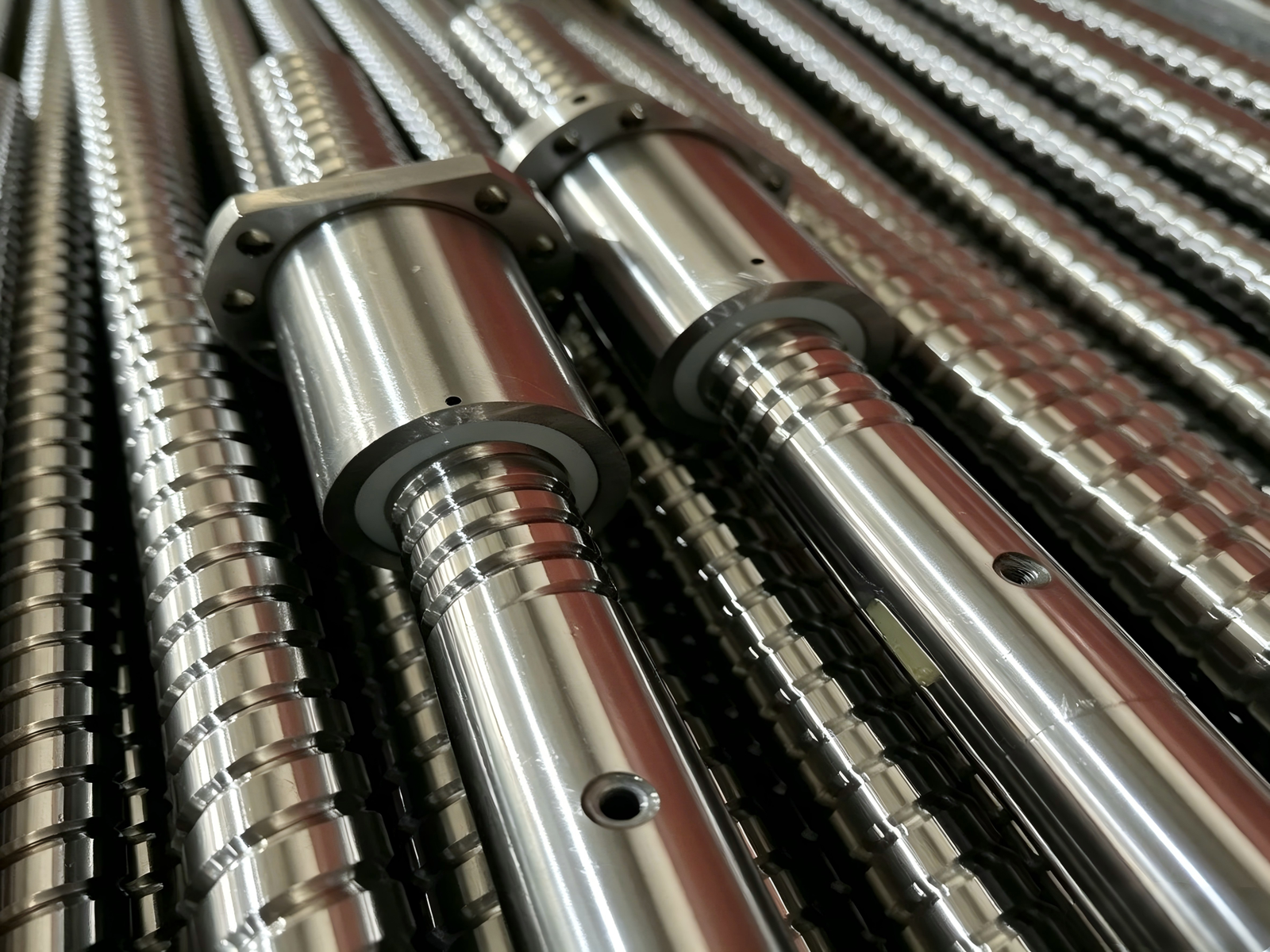
Una vite di comando è un componente di trasmissione di potenza meccanica che converte il movimento rotatorio in movimento lineare. È costituito da un albero filettato e un dado corrispondente che scorre lungo l'albero quando uno dei componenti ruota.
A differenza delle viti a ricircolo di sfere, le viti di comando si basano sull'attrito radente tra la vite e il dado anziché sui cuscinetti a sfere.
Questo design offre diversi vantaggi:
- Costo di produzione inferiore
- Struttura più semplice
- Funzionamento silenzioso
- Capacità autobloccante
- Manutenzione facile
A causa di queste caratteristiche, Le viti di comando sono comunemente utilizzate in applicazioni in cui sono richieste velocità moderata e alta precisione.
Componenti principali di un gruppo vite senza fine
Un sistema completo di madrevite include in genere i seguenti componenti:
Albero a vite
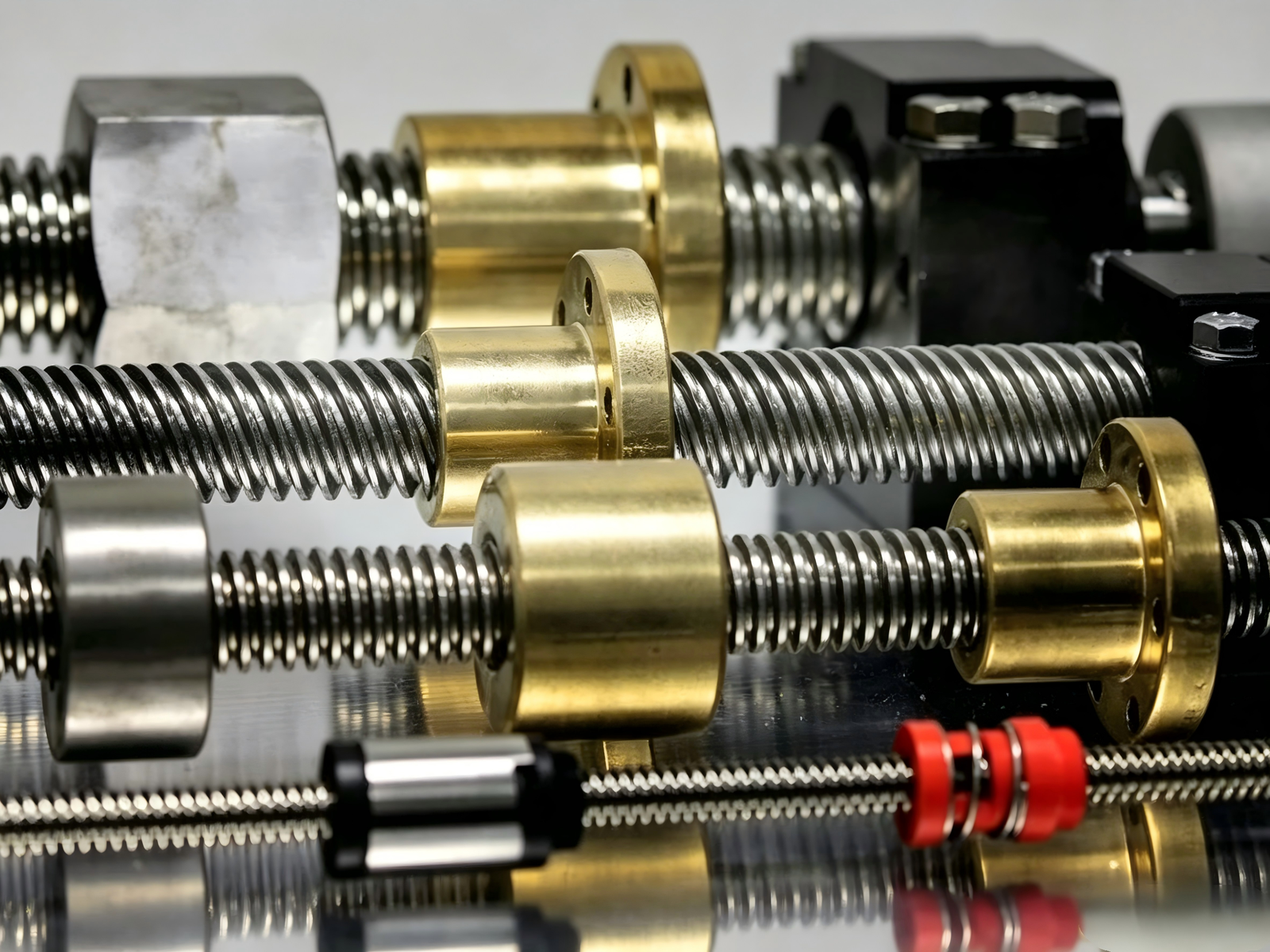
L'albero della vite contiene filettature esterne che guidano il movimento della chiocciola. Di solito è prodotto da:
- Acciaio inossidabile
- Acciaio al carbonio
- Acciaio legato
- Alluminio
- Titanio
Dado di piombo
Il dado contiene filettature interne che corrispondono al profilo della vite.
I materiali comuni dei dadi includono:
- Bronzo
- Ottone
- Ingegneria delle materie plastiche
- Compositi PTFE
- Polimeri autolubrificanti
Cuscinetti
I cuscinetti supportano l'albero della vite e riducono i movimenti indesiderati.
Accoppiamenti
I giunti collegano la vite di comando ai motori o ai sistemi di azionamento.
Fine dei supporti
Questi componenti garantiscono stabilità e allineamento durante il funzionamento.
Come funziona una vite di comando?
Il principio di funzionamento di una vite di comando è relativamente semplice.
Quando viene applicata una forza di rotazione alla vite o al dado, l'interazione filettata converte il movimento rotatorio in movimento lineare.
Questo movimento avviene perché la chiocciola segue il percorso elicoidale creato dalla filettatura della vite.
Vite rotante, Noce in viaggio
Questa è la configurazione più comune.
La vite ruota mentre la chiocciola si muove linearmente lungo l'albero.
Le applicazioni includono:
- Attrezzatura CNC
- Macchine per l'imballaggio
- Sistemi di automazione
Dado rotante, Vite fissa
In questa configurazione, la vite rimane ferma mentre la chiocciola ruota e si muove.
Le applicazioni includono:
- Sistemi di posizionamento ad alta velocità
- Macchinari con vincoli di spazio
Comprendere il piombo, Pece, e geometria del filo
Prima di selezionare una madrevite, è importante comprendere diversi parametri chiave.
Pece
Il passo è la distanza tra fili adiacenti.
Per esempio:
Se la distanza tra i fili è 5 mm, il tono è uguale 5 mm.
Guida
Il passo si riferisce alla distanza lineare percorsa durante un giro completo.
Per viti a principio singolo:
Piombo = altezza
Per viti a più principi:
Piombo = Passo × Numero di inizi
Angolo dell'elica
L'angolo dell'elica influisce:
- Efficienza
- Capacità di carico
- Velocità
Angoli dell'elica più grandi generalmente forniscono una velocità più elevata ma una capacità autobloccante inferiore.
Tipi di filettature delle viti di comando
La geometria della filettatura influisce in modo significativo sulle prestazioni.
I tipi di filettatura della vite di comando più comuni includono:
1. Filo quadrato
Le filettature quadrate sono considerate il design della filettatura più efficiente perché riducono al minimo l'attrito.
Vantaggi
- Massima efficienza
- Usura ridotta
- Perdite per attrito inferiori
- Eccellente trasmissione della potenza
Svantaggi
- Difficile da produrre
- Costo di produzione più elevato
- Minore forza delle radici
Applicazioni tipiche
- Sistemi di sollevamento pesanti
- Macchinari di precisione
- Presse industriali
2. Thread acme
Le filettature Acme presentano un profilo trapezoidale con un angolo di filettatura di 29°.
Sono tra i tipi di filo più utilizzati in tutto il mondo.
Vantaggi
- Profilo della filettatura forte
- Produzione semplice
- Buona capacità di carico
- Costo di produzione inferiore
Svantaggi
- Efficienza leggermente inferiore rispetto alle filettature quadrate
- Aumento dell'attrito
Applicazioni tipiche
- Macchine CNC
- Automazione industriale
- Macchine utensili
3. Filettatura trapezoidale
Le filettature trapezoidali sono l'equivalente metrico delle filettature Acme e sono conformi agli standard internazionali.
Vantaggi
- Struttura forte
- Alta durata
- Dimensioni standardizzate
- Produzione economicamente vantaggiosa
Applicazioni
- macchinari europei
- Apparecchiature per l'automazione
- Attuatori industriali
4. Filatura del contrafforte
Le filettature contrafforte sono progettate per gestire carichi estremamente elevati in una direzione.
Vantaggi
- Capacità di carico molto elevata
- Forte radice del filo
- Eccellente trasmissione della forza assiale
Svantaggi
- Non adatto al caricamento bidirezionale
Applicazioni
- Jack
- Presse
- Sistemi di sollevamento pesanti
Materiali delle viti di comando
La selezione del materiale influisce direttamente sulle prestazioni, durabilità, e vita operativa.
Materiali comuni delle viti
Acciaio inossidabile
Benefici:
- Resistenza alla corrosione
- Lunga durata
- Adatto per l'industria alimentare e medica
Acciaio al carbonio
Benefici:
- Conveniente
- Molta forza
- Lavorazione facile
Acciaio legato
Benefici:
- Durezza superiore
- Elevata resistenza all'usura
- Prestazioni pesanti
Titanio
Benefici:
- Leggero
- Eccellente resistenza alla corrosione
- Applicazioni aerospaziali
Materiali comuni per i dadi
Bronzo
La scelta tradizionale per le madreviti.
Benefici:
- Eccellente resistenza all'usura
- Alta capacità di carico
- Lunga durata
Ingegneria Plastica
Benefici:
- Autolubrificante
- Basso rumore
- Resistente alla corrosione
Materiali compositi
Benefici:
- Bassa frizione
- Funzionamento esente da manutenzione
- Durata di servizio estesa
Vantaggi delle viti di comando
Le viti di comando continuano ad essere popolari grazie a numerosi vantaggi significativi.
Elevata precisione di posizionamento
Le viti di comando forniscono un movimento lineare preciso e ripetibile.
Capacità autobloccante
Molti modelli di viti di comando impediscono il backdriving.
Questa caratteristica migliora la sicurezza nelle applicazioni di sollevamento verticale.
Costo più basso
Rispetto alle viti a ricircolo di sfere, le viti di comando sono significativamente più convenienti.
Design compatto
I sistemi a vite richiedono meno componenti.
Funzionamento silenzioso
L'assenza di ricircolo di sfere determina una minore rumorosità.
Facile manutenzione
Le viti di comando sono semplici da ispezionare, lubrificare, e sostituire.
Limitazioni delle viti di comando
Anche se versatile, anche le viti di comando presentano alcune limitazioni.
Minore efficienza
L'efficienza tipica varia da:
- 20% A 80%
Le viti a ricircolo di sfere spesso superano 90%.
Attrito e usura
Il contatto strisciante continuo crea usura nel tempo.
Generazione di calore
Un attrito maggiore può generare calore durante il funzionamento.
Velocità limitata
Le viti di comando generalmente funzionano a velocità inferiori rispetto alle viti a ricircolo di sfere.
Vite di comando e vite a ricircolo di sfere
La scelta tra una vite di comando e una vite a ricircolo di sfere dipende dall'applicazione.
| Caratteristica | Vite di comando | Vite a ricircolo di sfere |
| Costo | Basso | Alto |
| Efficienza | 20–80% | 90–98% |
| Manutenzione | Semplice | Moderare |
| Velocità | Moderare | Alto |
| Autobloccante | SÌ | NO |
| Rumore | Basso | Moderare |
| Precisione | Alto | Molto alto |
Scegli Viti di comando quando:
- Il costo è importante
- I requisiti di velocità sono moderati
- È necessario l'autobloccaggio
- È preferibile la semplicità della manutenzione
Scegli Viti a ricircolo di sfere Quando:
- È richiesta la massima efficienza
- Il funzionamento ad alta velocità è fondamentale
- È necessaria una precisione estremamente elevata
Applicazioni industriali comuni
Le viti di comando sono utilizzate in numerosi settori.
Macchine CNC
Fornire un posizionamento accurato per gli assi della macchina.
3Stampanti D
Abilita il movimento controllato delle testine di stampa e delle piattaforme di costruzione.
Attrezzature mediche
Usato in:
- Sistemi di imaging
- Dispositivi diagnostici
- Attrezzature chirurgiche
Sistemi di automazione
Supporto:
- Macchine pick-and-place
- Posizionamento robotico
- Attrezzature per la movimentazione dei materiali
Macchine per l'imballaggio
Fornire movimenti ripetibili e affidabili.
Attrezzature aerospaziali
Utilizzato nei meccanismi di controllo di precisione.
Produzione di semiconduttori
Fornire funzionalità di posizionamento ultra precise.
Come selezionare la vite madre giusta
La scelta della vite di comando corretta richiede la valutazione di diversi fattori.
1. Capacità di carico
Considerali entrambi:
Carico statico
Caricare da fermo.
Carico dinamico
Caricare durante il funzionamento.
2. Requisiti di velocità
Le applicazioni a velocità più elevata richiedono conduttori più grandi e design della filettatura ottimizzati.
3. Precisione di posizionamento
Determinare i livelli di tolleranza richiesti prima di selezionare la geometria della filettatura.
4. Requisiti di gioco
Il gioco influisce direttamente sulla precisione del posizionamento.
I dadi anti-gioco possono ridurre al minimo questo problema.
5. Ambiente operativo
Valutare:
- Temperatura
- Umidità
- Prodotti chimici
- Esposizione alla polvere
6. Compatibilità dei materiali
Scegli materiali equilibrati:
- Forza
- Resistenza all'usura
- Resistenza alla corrosione
- Costo
7. Fattore FV
Pressione-Velocità (PV) i calcoli aiutano a determinare le condizioni operative sicure e la durata di servizio prevista.
8. Analisi della velocità critica
Il superamento della velocità critica può causare vibrazioni e guasti alle viti.
Verificare sempre i limiti di velocità durante la progettazione del sistema.
Migliori pratiche per la manutenzione delle viti di comando
Una corretta manutenzione prolunga la durata e migliora le prestazioni.
Ispezione regolare
Controlla:
- Indossare
- Corrosione
- Danno al filo
- Disallineamento
Lubrificazione adeguata
La lubrificazione riduce l'attrito e la generazione di calore.
Mantieni i componenti puliti
Prevenire la contaminazione da:
- Polvere
- Trucioli di metallo
- Detriti
Monitorare il gioco
Un gioco eccessivo spesso indica usura e necessità di sostituzione.
Tendenze emergenti nella tecnologia delle viti di comando
Il settore delle viti di comando continua ad evolversi.
Dadi autolubrificanti
Ridurre i requisiti di manutenzione.
Polimeri tecnici avanzati
Migliorare la resistenza all'usura e l'efficienza.
Viti rettificate di precisione
Offrono una maggiore precisione per applicazioni impegnative.
Sistemi di movimento intelligenti
Integra sensori e funzionalità di monitoraggio in tempo reale.
Industria 4.0 Compatibilità
I moderni sistemi di viti supportano sempre più la manutenzione predittiva e le iniziative di produzione digitale.
Domande frequenti
1.Qual è la differenza tra tono e piombo?
Il passo è la distanza tra fili adiacenti, mentre il piombo è la distanza percorsa durante un giro.
2.Le viti di comando sono autobloccanti?
Molte viti sono autobloccanti a causa dell'attrito tra la vite e il dado.
3.Quale tipo di thread è più efficiente?
Le filettature quadrate offrono generalmente la massima efficienza.
4.Le viti di comando possono sostituire le viti a ricircolo di sfere?
In molte applicazioni, SÌ. Tuttavia, i sistemi ad alta velocità e ad alta efficienza possono richiedere viti a ricircolo di sfere.
5.Quanto durano le viti di comando?
La durata dipende da:
- Carico
- Velocità
- Lubrificazione
- Selezione dei materiali
- Ambiente operativo
Conclusione
Quando si seleziona una vite di comando, ingegneri e professionisti degli approvvigionamenti dovrebbero valutare attentamente la capacità di carico, velocità, precisione, tipo di filo, Selezione del materiale, e condizioni ambientali. Una vite di comando scelta correttamente può migliorare significativamente l'affidabilità dell'apparecchiatura, efficienza, e vita operativa.
Se stai sviluppando una nuova macchina, ammodernamento di un sistema di automazione, o approvvigionamento di componenti meccanici di precisione, collaborare con Massima precisione può aiutarti a garantire la soluzione di madrevite ottimale per la tua applicazione e il tuo budget.