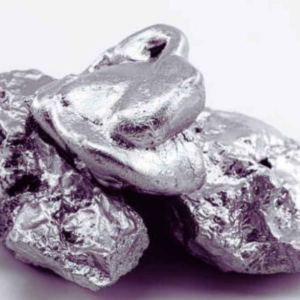



Sei sempre stato preoccupato dall'efficienza della lavorazione e dalla durata degli utensili delle leghe di nichel?? Le leghe di nichel sono molto utilizzate nei motori aerospaziali, dispositivi medici, sistemi energetici, e componenti elettrici di precisione come terminali personalizzati . Mentre queste superleghe offrono un'incredibile robustezza e resistenza alla corrosione, sono notoriamente difficili da lavorare.
Questa guida fornisce strategie passo-passo per migliorare l’efficienza della lavorazione, estendere la durata dello strumento, e ottenere finiture di precisione per componenti in lega di nichel. Che tu sia un macchinista CNC, ingegnere di processo, o direttore di produzione, questa guida ti aiuterà a ottimizzare le tue operazioni e a ridurre i costi.
Richiesta rapida: Contattaci per soluzioni di lavorazione delle leghe di nichel
1. Comprendere le leghe di nichel: Proprietà e sfide
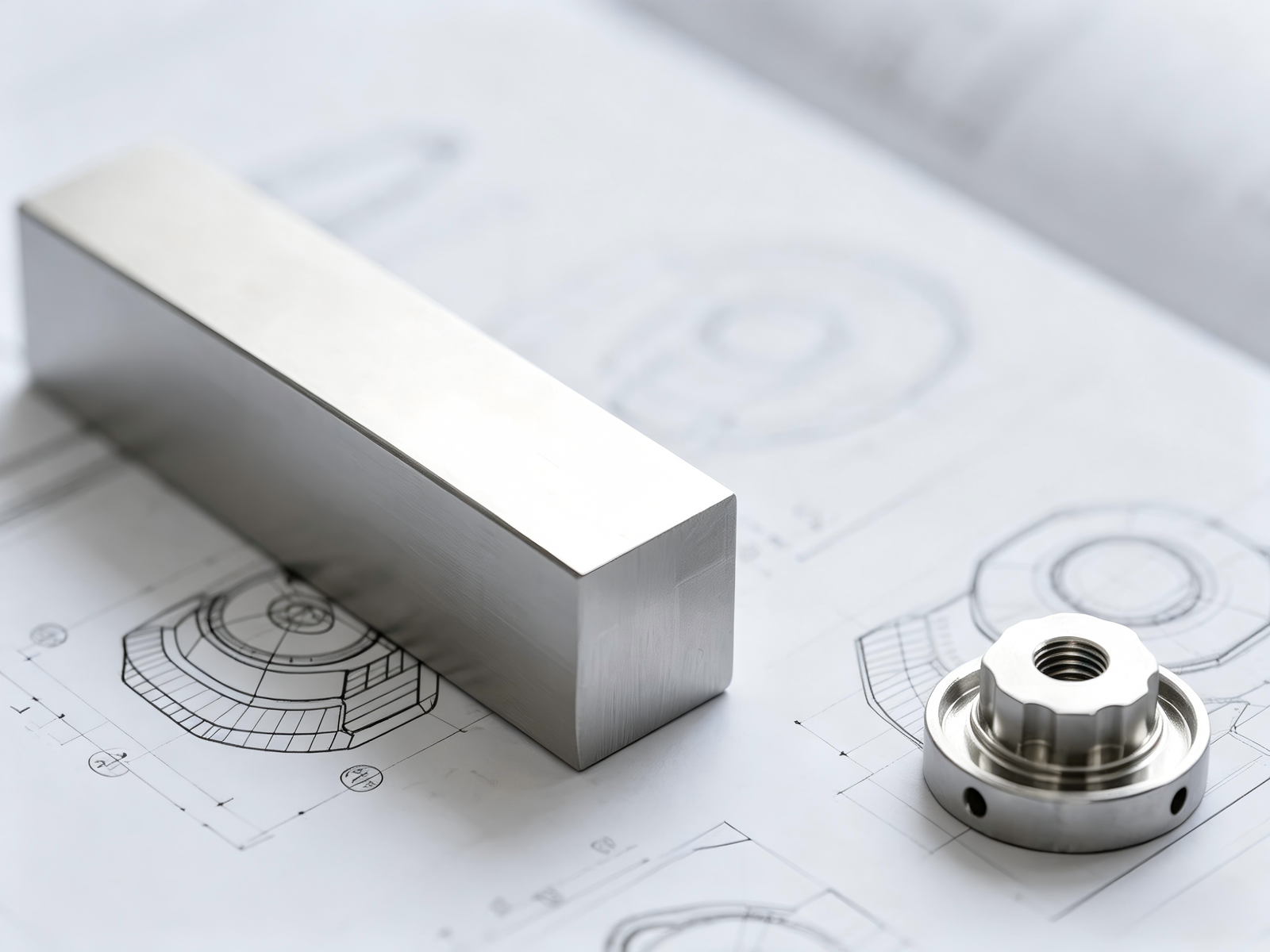
Le leghe di nichel sono progettate per condizioni estreme. Mentre la loro durata è ideale per applicazioni ad alta temperatura, introduce inoltre sfide di lavorazione uniche.
1.1 Principali proprietà dei materiali
Ritenzione ad alta temperatura: Mantiene l'integrità strutturale fino a 2000°F (1093°C).
Il lavoro indurimento: Diventa più tenace durante il taglio, aumento dell'usura dell'utensile.
Scarsa conduttività termica: Il calore si accumula sul tagliente, rischiando danni.
1.2 Principali sfide di lavorazione
Usura rapida degli utensili: Gli utensili si usurano 5–8 volte più velocemente degli acciai standard.
Bordo costruito (ARCO): Il materiale aderisce allo strumento, influenzando la finitura superficiale.
Generazione di calore eccessiva: Le zone di taglio possono superare i 2000°F.
Strati superficiali duri: Le zone indurite dal lavoro richiedono affilatura, strumenti resilienti.
2. Tecniche ottimizzate per la lavorazione delle leghe di nichel
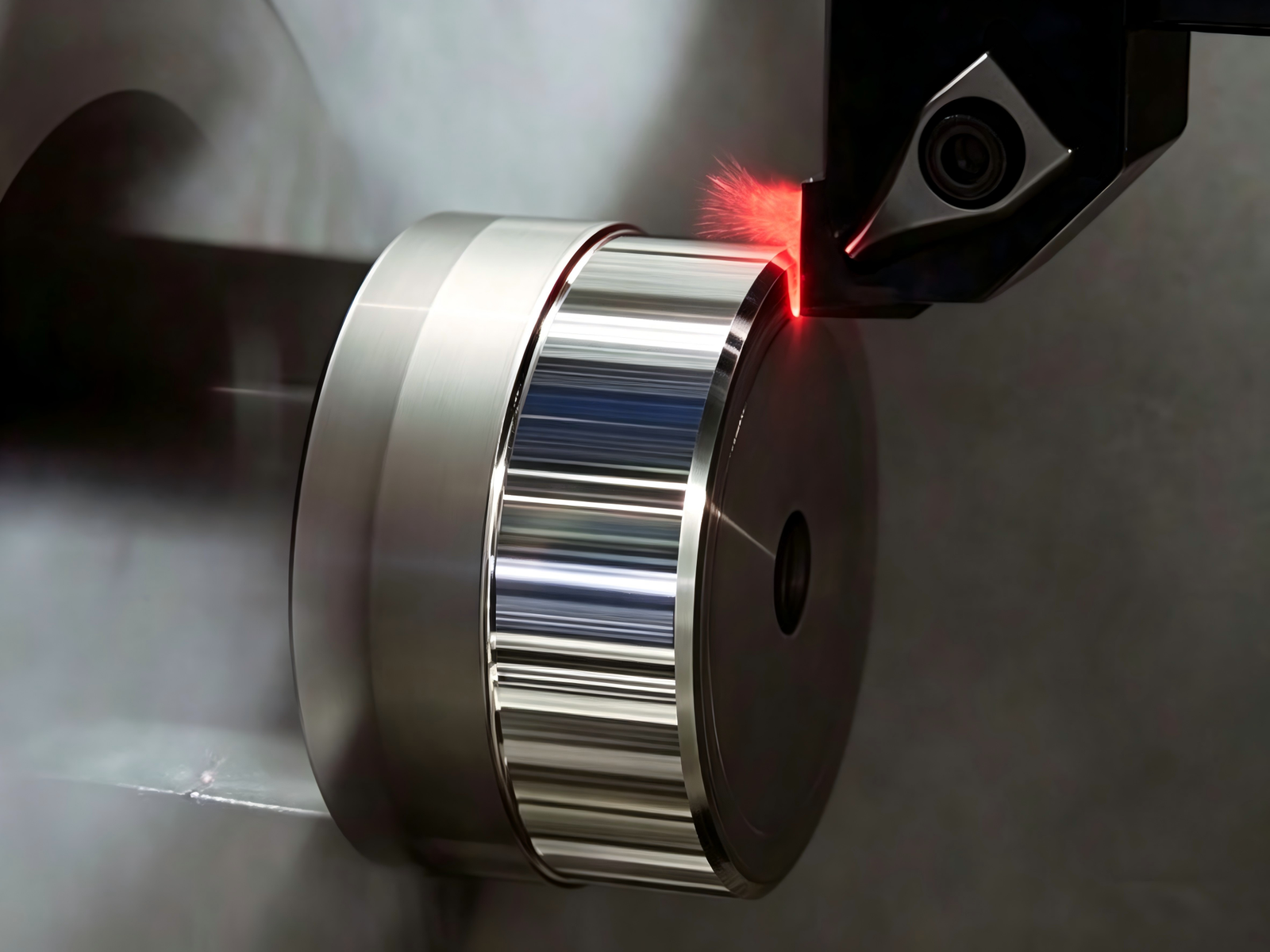
La padronanza della lavorazione delle leghe di nichel richiede un attento controllo e precisione del processo.
2.1 Gestione della velocità di taglio
Inizia la sgrossatura a 150–200 SFM.
La formazione continua del truciolo indica una velocità di taglio ottimale.
Utilizzare velocità inferiori rispetto all'acciaio per ridurre il calore e l'usura dell'utensile.
2.2 Impostazione della lavorazione CNC
Macinazione arrampicata: Riduce l'incrudimento e migliora la finitura.
Tasso di avanzamento: 0.004–0,008 pollici per dente garantisce precisione.
Portautensili: I supporti rigidi impediscono le vibrazioni che rovinano la superficie.
2.3 Applicazione del refrigerante
Erogazione ad alta pressione (1000+ PSI) è essenziale.
I refrigeranti a base di olio forniscono lubrificazione e gestione del calore superiori.
Mantenere un flusso continuo per evitare shock termici.
2.4 Soluzioni per il fissaggio dei pezzi
Utilizzare più punti di bloccaggio per la stabilità.
I cuscinetti antivibranti migliorano la lavorazione ad alta velocità.
2.5 Monitoraggio del processo
Ispezionare frequentemente gli strumenti per verificarne l'usura.
Monitorare le variazioni dimensionali per la crescita termica.
Ascolta i suoni di taglio anomali come primi indicatori di problemi.
3. Selezione dei migliori strumenti e attrezzature
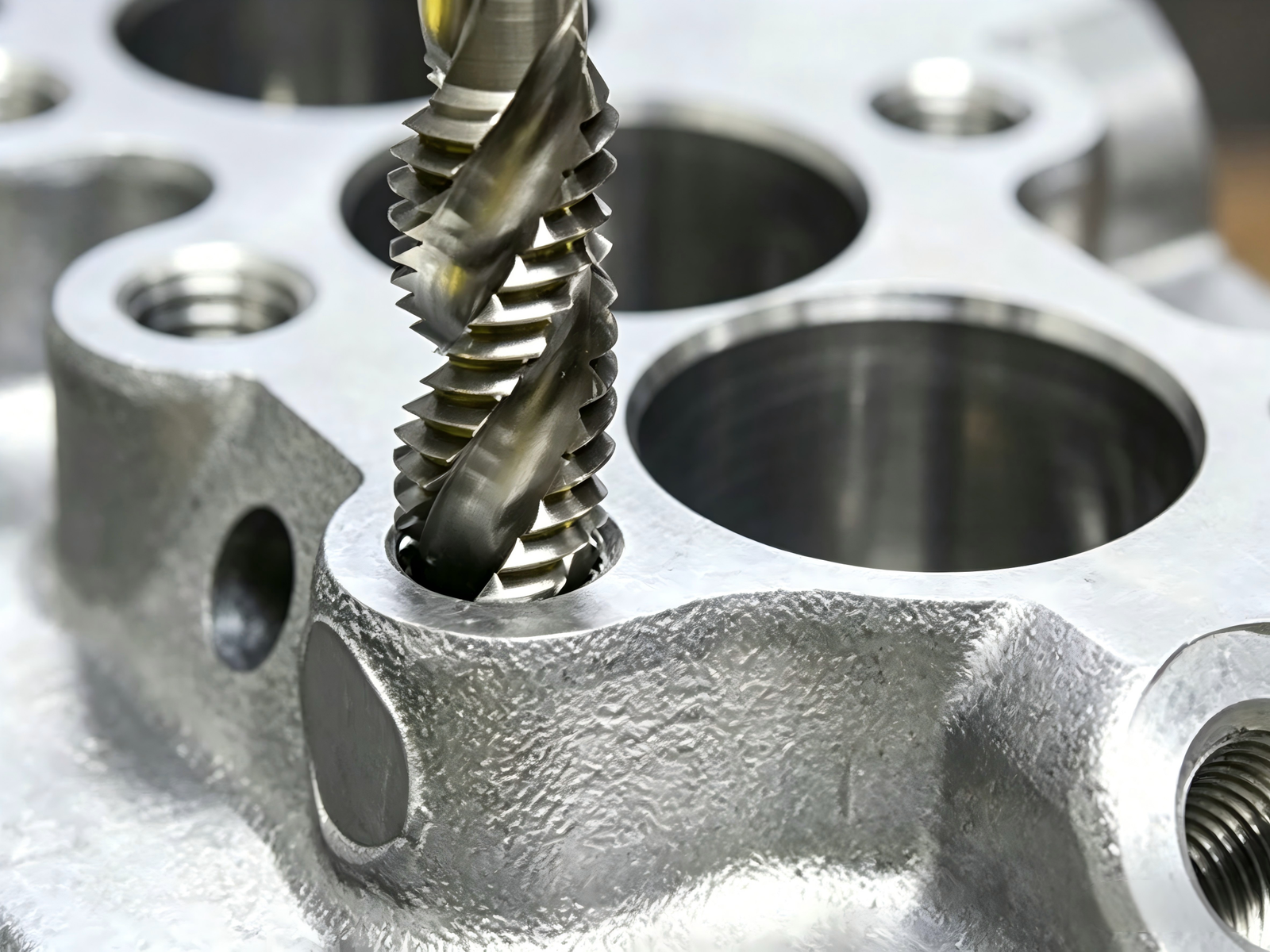
La scelta degli strumenti ha un impatto diretto sulla produttività, Qualità della superficie, e durata degli strumenti.
3.1 Materiali per utensili da taglio
Strumenti in carburo rivestiti: I rivestimenti AlCrN o TiAlN resistono al calore fino a 800°C.
Strumenti in ceramica: Gli utensili in ceramica al nitruro di silicio eccellono nella finitura ad alta velocità e nella resistenza agli shock termici.
3.2 Caratteristiche della geometria dell'utensile
Angoli di spoglia positivi (6–12°) ridurre le forze di taglio e il calore.
I rompitrucioli controllano la formazione dei trucioli e prevengono i danni.
3.3 Requisiti del portautensili
I supporti a calettamento o idraulici riducono le vibrazioni e prolungano la durata dell'utensile.
I supporti multiporta migliorano l'erogazione del refrigerante alla zona di taglio.
4. Risoluzione dei problemi comuni
4.1 Usura degli strumenti
Utilizzare utensili rivestiti e mantenere un flusso di refrigerante costante.
Mantenere le superfici pulite per evitare un'usura prematura.
4.2 Precisione dimensionale
Garantire il corretto bloccaggio del pezzo e gli offset degli utensili.
Taglia in modo incrementale per un migliore controllo.
4.3 Finitura superficiale
Regolare le velocità di avanzamento e gli angoli dell'utensile.
Assicurarsi che il refrigerante raggiunga la zona di taglio.
4.4 Controllo dei chip
Ottimizza il design del rompitruciolo.
Utilizzare refrigerante ad alta pressione e sollevare periodicamente gli strumenti.
4.5 Il lavoro indurimento
Utilizzare la fresatura concorde e strumenti affilati.
Mantenere velocità di avanzamento costanti per ridurre l'indurimento.
5. Suggerimenti per migliorare la produttività e ridurre i costi
5.1 Scelta e gestione degli strumenti
Investi in utensili in metallo duro di alta qualità con rivestimenti.
Tieni traccia della vita dell'utensile con il software e il monitoraggio automatizzato.
5.2 Trovare i parametri di taglio giusti
Testare i tagli per determinare velocità e avanzamenti ottimali.
Utilizza la lavorazione adattiva per regolazioni in tempo reale.
5.3 Pianificazione dei processi
Attrezzature di progettazione per la lavorazione di più pezzi.
Ottimizza i percorsi utensile e raggruppa lavori simili.
5.4 Gestione dei liquidi refrigeranti
Utilizzare l'alta pressione, consegna tramite strumento.
Mantenere la concentrazione e la pulizia adeguate.
5.5 Garantire il controllo di qualità
Utilizzare la misurazione in-process per individuare tempestivamente gli errori.
Applicare il controllo statistico del processo per prevenire problemi ricorrenti.
Registra le impostazioni per ripetibilità e coerenza.
6. Conclusione
Dipende dal successo della lavorazione delle leghe di nichel comprendere le sfide materiali, ottimizzazione delle tecniche di taglio, selezionando gli strumenti giusti, e monitorare il processo. Seguendo queste strategie si riducono i costi, migliora la produttività, e garantisce componenti di alta qualità per applicazioni impegnative.
Pronti a migliorare la lavorazione delle leghe di nichel? Richiedi una consulenza gratuita
7. Domande frequenti (Domande frequenti)
Q1: Quali velocità di taglio sono consigliate per le leghe di nichel?
UN: Sgrossatura: 150–200 mq; regolare in base alla formazione del truciolo.
Q2: Come posso prevenire l'incrudimento del lavoro?
UN: Utilizzare la fresatura concorde, strumenti acuti, e velocità di avanzamento costanti.
Q3: Quali materiali per utensili sono i migliori per le leghe di nichel?
UN: Utensili in metallo duro o ceramica al nitruro di silicio con rivestimento PVD.
Q4: Come dovrebbe essere applicato il liquido refrigerante?
UN: Alta pressione, refrigerante a base di olio erogato direttamente sul tagliente.
Q5: Come è possibile prolungare la vita dell'utensile?
UN: Refrigerante adeguato, parametri di taglio ottimali, e utensili rivestiti di alta qualità.
I nostri altri servizi:
Aumenta oggi stesso l'efficienza della lavorazione delle leghe di nichel!
Ottieni una guida esperta, selezione ottimizzata degli strumenti, e impostazione del processo CNC per leghe di nichel ad alte prestazioni.
Richiedi adesso la tua consulenza gratuita