



Una struttura in acciaio non è semplicemente un insieme di travi e colonne. È un sistema ingegnerizzato in cui membri, connessioni, rinforzo, fondazioni, materiali, carichi, e processi di fabbricazione lavorare insieme per trasferire le forze in modo sicuro ed efficiente.
Per i proprietari di progetti, Ingegneri, appaltatori, OEM, e team di approvvigionamento, capire come le strutture in acciaio sono progettate e fabbricate è importante quando si selezionano i materiali, valutare i fornitori, confronto delle citazioni, e controllare i costi del progetto.
Questa guida spiega i principali tipi e componenti delle strutture in acciaio, principi di progettazione strutturale, selezione del materiale in acciaio, processi di fabbricazione, controllo di qualità, applicazioni, e i fattori chiave da considerare quando si sceglie un produttore di strutture in acciaio.
Cos'è una struttura in acciaio?
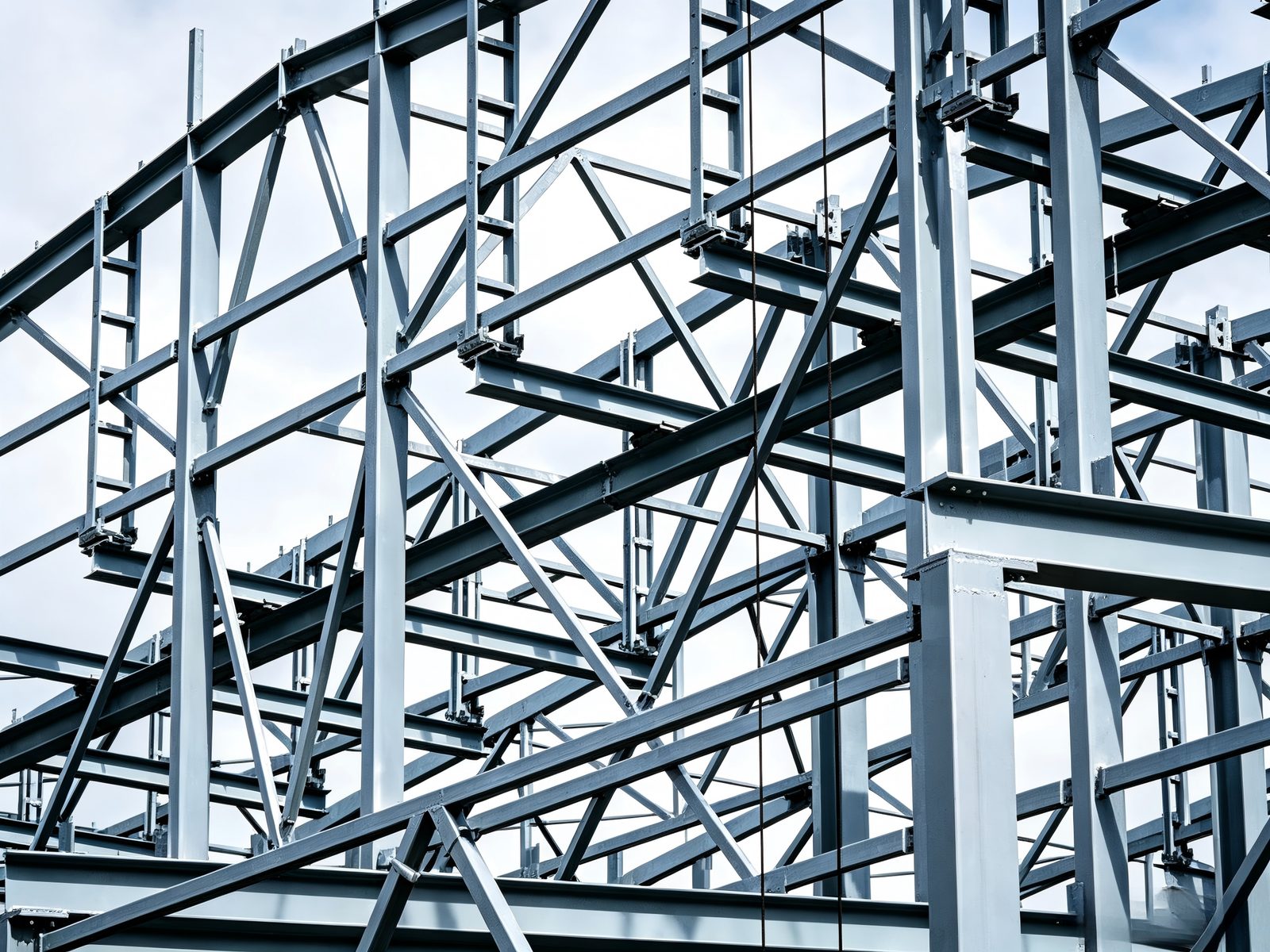
Una struttura in acciaio è un sistema strutturale portante in cui gli elementi in acciaio sono collegati per formare una struttura in grado di sostenere e trasferire i carichi applicati.
I membri tipici includono:
- Raggi
- Colonne
- Capriate
- Rinforzo
- Piatti
- Piastre di base
- Piastre a fazzoletto
- Componenti di connessione
Il percorso di carico di base è fondamentale. Carichi agenti sui solai, tetti, attrezzatura, o altri elementi strutturali vengono trasferiti attraverso travi e elementi secondari in colonne, bretelle, connessioni, e, in definitiva, la fondazione.
L'acciaio strutturale può essere fabbricato in un'ampia gamma di forme e configurazioni. AISC, Per esempio, identifica gli elementi strutturali in acciaio fabbricati come le travi, colonne, rinforzo, piastre di base, materiali di connessione, travi, architravi, post, e capriate come componenti di telai strutturali.
Dove vengono utilizzate le strutture in acciaio?
Le strutture in acciaio si trovano comunemente in:
- Edifici industriali
- Impianti di produzione
- Magazzini
- Edifici commerciali
- Edifici per uffici
- Ponti
- Impianti sportivi
- Edifici agricoli
- Piattaforme per attrezzature
- Infrastrutture energetiche
- Infrastrutture di trasporto
- Edifici modulari
- Strutture industriali su misura
L'acciaio è particolarmente utile quando un progetto richiede campate lunghe, elevata capacità di carico, costruzione rapida, o una configurazione strutturale personalizzata.
Componenti chiave delle strutture in acciaio
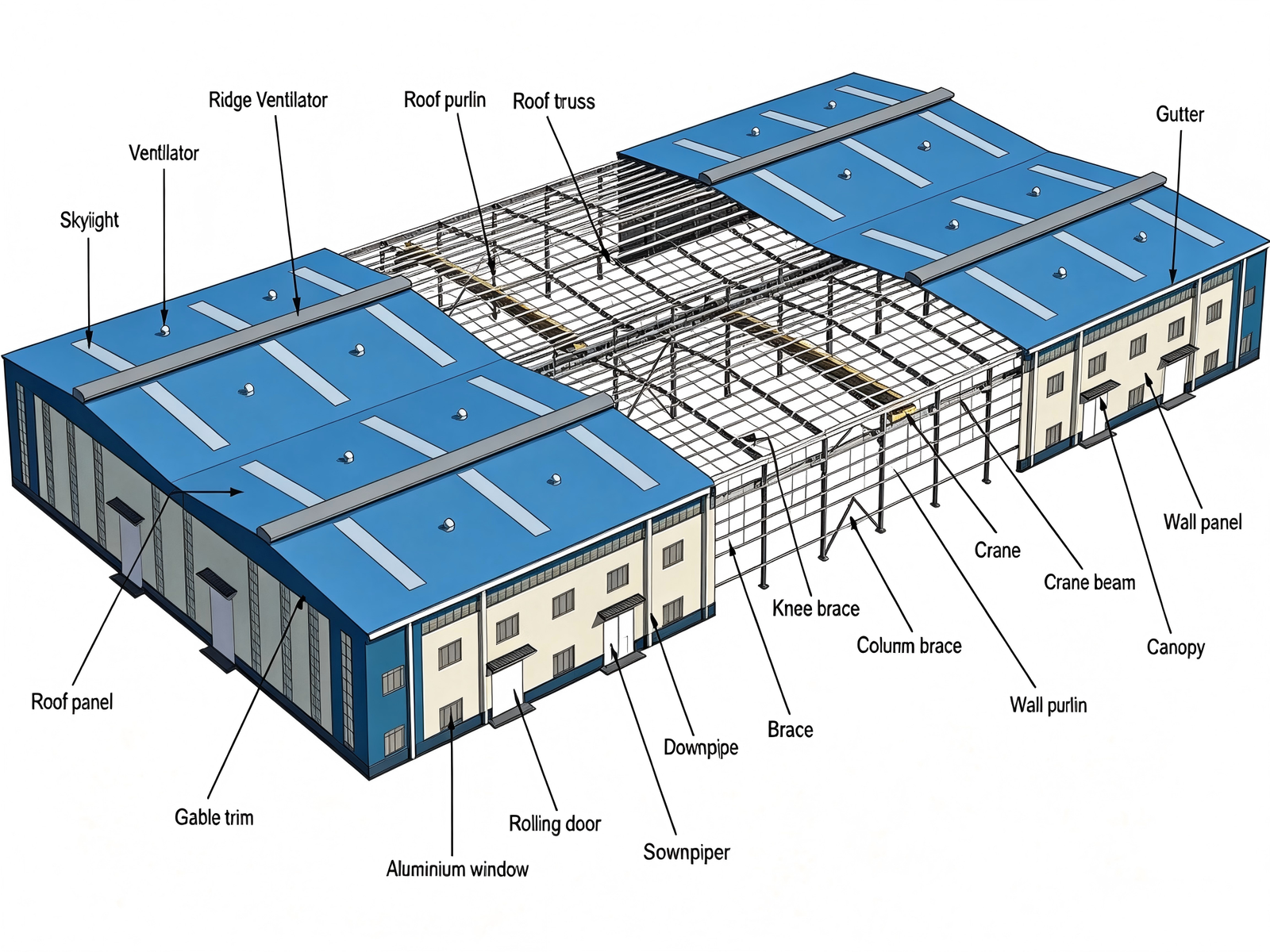
Una struttura in acciaio è costituita da più componenti che svolgono diverse funzioni strutturali. La corretta selezione e coordinamento di questi componenti sono essenziali per la stabilità strutturale e la prestazione del servizio.
Membri strutturali in acciaio
Raggi
Le travi sono principalmente elementi strutturali orizzontali che resistono alla flessione e trasferiscono i carichi verso le colonne, muri, o altri supporti.
Le applicazioni tipiche delle travi includono:
- Sistemi a pavimento
- Sistemi di copertura
- Piattaforme
- Soppalchi
- Strutture a ponte
- Telai supporto attrezzature
La selezione della trave dipende dalla campata, caricamento, requisiti di deflessione, progettazione della connessione, e lo standard strutturale applicabile.
Colonne
Le colonne sono principalmente elementi di compressione verticale che trasferiscono i carichi dalle travi e dagli elementi strutturali superiori verso la fondazione.
La progettazione delle colonne deve essere presa in considerazione:
- Compressione assiale
- Piegatura
- Caricamento combinato
- Snellezza
- Deformazione
- Requisiti di connessione
- Design della piastra di base
Una colonna con un'adeguata resistenza del materiale può comunque presentare instabilità se la sua geometria e le condizioni al contorno non vengono adeguatamente considerate.
Capriate
Una capriata è un sistema strutturale composto da elementi interconnessi, tipicamente disposti in schemi triangolari.
Le capriate sono particolarmente utili per applicazioni a campata lunga perché la geometria può distribuire in modo efficiente i carichi limitando la quantità di materiale richiesto.
Le applicazioni tipiche includono:
- Strutture del tetto
- Ponti
- Edifici industriali
- Stadi
- Impianti di ampia portata
Rinforzo
Il rinforzo fornisce stabilità laterale e aiuta a resistere alle forze orizzontali.
A seconda del progetto, il rinforzo può essere progettato per resistere:
- Carichi di vento
- Carichi sismici
- Vibrazioni dell'attrezzatura
- Oscillazione strutturale
- Instabilità correlata all'instabilità
I sistemi di controvento possono utilizzare elementi diagonali in acciaio, controventatura incrociata, rinforzo del ginocchio, o altre configurazioni.
Connessioni in acciaio
Le connessioni determinano il modo in cui le forze si spostano da un elemento strutturale a un altro. Meritano quindi la stessa attenzione ingegneristica di travi e pilastri.
Connessioni bullonate
Le connessioni bullonate utilizzano bulloni strutturali e piastre di connessione o altri componenti per unire gli elementi in acciaio.
I vantaggi includono:
- Installazione relativamente veloce
- Comodo assemblaggio sul campo
- Sostituzione o smontaggio più semplice
- Dipendenza ridotta dalla saldatura sul campo
Le connessioni bullonate sono ampiamente utilizzate nelle costruzioni in acciaio strutturale e possono essere progettate per il taglio, tensione, momento, o forze combinate.
Connessioni saldate
Le connessioni saldate uniscono i componenti in acciaio attraverso un processo di saldatura controllata.
Possono fornire:
- Elevata rigidità della connessione
- Trasferimento efficiente del carico
- Geometria di connessione compatta
- Giunti permanenti
- Flessibilità progettuale
Tuttavia, la saldatura richiede procedure appropriate e controllo di qualità. Imperfezioni della saldatura come crepe, mancanza di fusione, mancata penetrazione, porosità, inclusioni di scorie, e il sottosquadro possono influire sulle prestazioni del giunto.
Per questo motivo, i programmi di fabbricazione professionale normalmente controllano le procedure di saldatura, qualifica di saldatore, requisiti di ispezione, e documentazione secondo gli standard di progetto applicabili.
Telai in acciaio
Il telaio strutturale costituisce il sistema portante principale di molti edifici in acciaio.
Cornici rigide
I telai rigidi utilizzano connessioni trave-colonna relativamente rigide per resistere alla flessione e al movimento laterale.
Sono comunemente usati in:
- Edifici industriali
- Edifici commerciali
- Magazzini
- Strutture a portale
La rigidità della connessione ha un'influenza diretta sul comportamento dell'intero telaio.
Cornici controventate
I telai controventati utilizzano elementi diagonali per aumentare la rigidità laterale.
Possono fornire una soluzione efficiente quando le forze del vento o sismiche sono importanti considerazioni di progettazione.
Il rinforzo può anche ridurre il movimento strutturale e aiutare a controllare la stabilità dei membri.
Altri importanti componenti della struttura in acciaio
Piastre a fazzoletto
I fazzoletti sono piastre in acciaio utilizzate per collegare elementi strutturali, soprattutto nei telai e nelle capriate controventate.
Possono connettersi:
- Bretelle
- Raggi
- Colonne
- Membri della capriata
Piastre di base
Le piastre di base vengono generalmente installate nella parte inferiore delle colonne per distribuire i carichi delle colonne sulla fondazione.
Il loro design può comportare:
- Carico assiale
- Momento
- Taglio
- Bulloni di ancoraggio
- Spessore della piastra
- Cuscinetto in calcestruzzo
Rinforzi
Gli irrigidimenti sono piastre o sezioni in acciaio aggiuntive utilizzate per rinforzare gli elementi strutturali e le regioni di connessione in cui le sollecitazioni locali possono essere significative.
Bulloni di ancoraggio
I bulloni di ancoraggio collegano le colonne in acciaio o le piastre di base alla fondazione in calcestruzzo e forniscono una parte critica del percorso di trasferimento del carico tra la struttura in acciaio e la fondazione.
Tipi comuni di strutture in acciaio
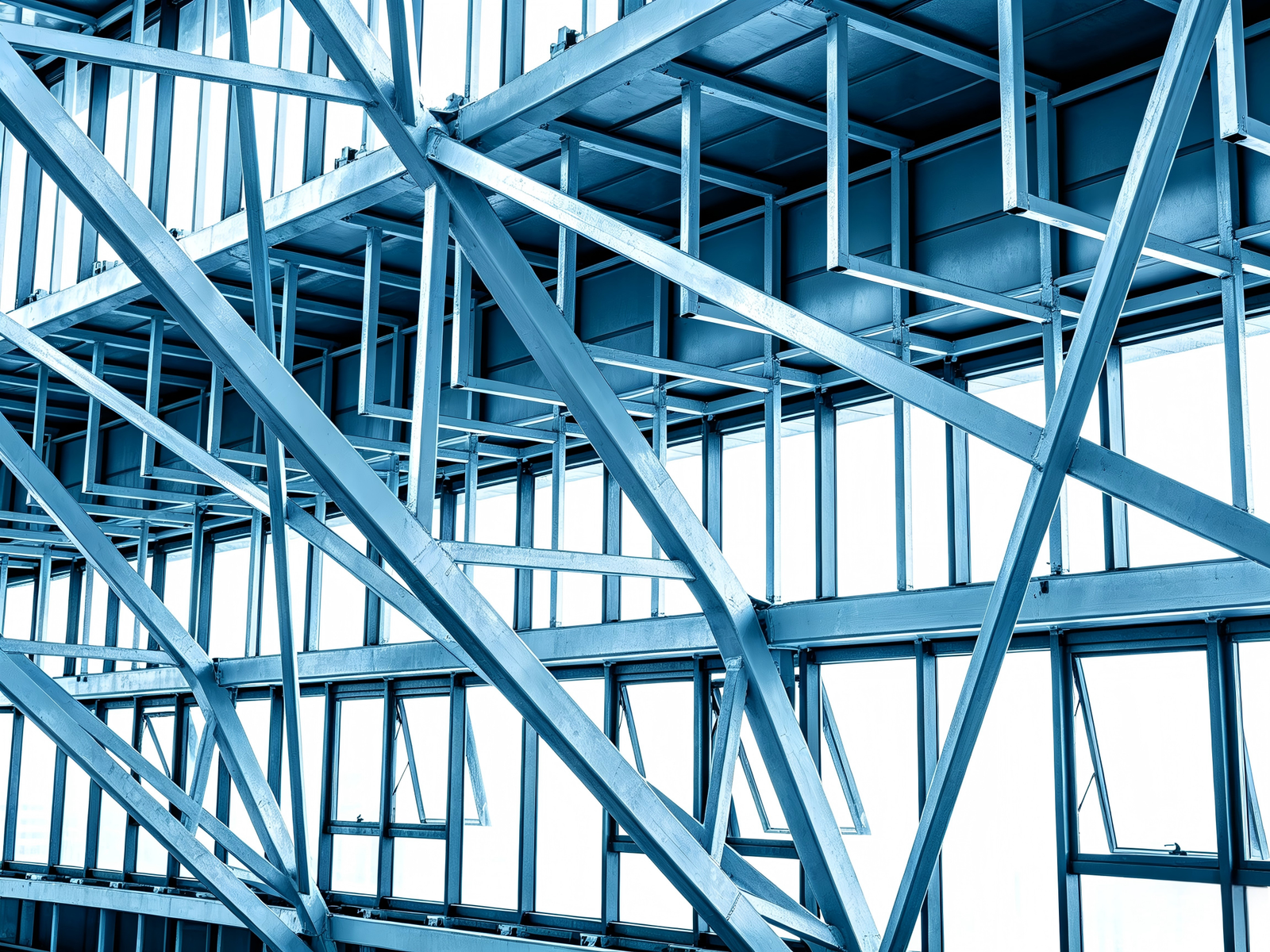
Diversi sistemi strutturali sono selezionati in base alla campata, caricamento, funzione edilizia, requisiti architettonici, e metodo di costruzione.
Strutture con telaio in acciaio
Le strutture con telaio in acciaio utilizzano travi, colonne, e connessioni per creare uno scheletro strutturale primario.
Sono comuni in:
- Edifici commerciali
- Edifici industriali
- Uffici
- Strutture a più piani
Strutture reticolari in acciaio
Le capriate in acciaio sono particolarmente adatte per applicazioni a campata lunga.
Gli usi comuni includono:
- Tetti
- Ponti
- Stadi
- Impianti industriali
- Sale espositive
Strutture del telaio del portale
I telai a portale utilizzano tipicamente connessioni rigide trave-colonna e sono ampiamente utilizzati per edifici di grandi dimensioni a campata libera.
Le applicazioni tipiche includono:
- Magazzini
- Fabbriche
- Workshop
- Edifici agricoli
Possono fornire ampi spazi interni senza ostacoli senza richiedere numerose colonne interne.
Strutture a telaio spaziale
I telai spaziali utilizzano sistemi strutturali tridimensionali per distribuire i carichi su ampie aree.
Sono adatti per:
- Tetti dello stadio
- Sale espositive
- Terminali di trasporto
- Grandi strutture architettoniche
Strutture Modulari e Prefabbricate in Acciaio
Le strutture modulari in acciaio utilizzano componenti fabbricati in fabbrica che vengono trasportati sul luogo del progetto per l'assemblaggio.
I principali vantaggi includono:
- Migliore controllo del processo di fabbrica
- Riduzione della manodopera in cantiere
- Installazione più rapida
- Qualità ripetibile
- Migliore pianificazione della produzione
Per progetti con componenti ripetitivi, la prefabbricazione può anche migliorare l’efficienza produttiva.
Principi di progettazione delle strutture in acciaio
L’obiettivo della progettazione strutturale in acciaio non è semplicemente quello di realizzare una struttura sufficientemente resistente. Gli ingegneri devono bilanciarsi forza, stabilità, funzionalità, durabilità, producibilità, sicurezza, e costo.
Le risorse di acciaio strutturale di AISC coprono aree che includono elementi flessibili, membri di compressione, membri di tensione, forze combinate, bulloni, saldature, elementi di collegamento, e diversi tipi di connessioni strutturali.
Considerazioni sul carico
Carichi morti
I carichi permanenti sono carichi permanenti associati alla struttura stessa e ai componenti installati in modo permanente.
Gli esempi includono:
- Membri in acciaio
- Pavimenti
- Sistemi di copertura
- Attrezzatura permanente
- Componenti architettonici fissi
Carichi dinamici
I carichi mobili sono carichi variabili che possono cambiare durante la vita di una struttura.
Gli esempi includono:
- Persone
- Mobilia
- Attrezzature mobili
- Materiali immagazzinati
- Carichi temporanei
Carichi ambientali
Le forze ambientali possono includere:
- Vento
- Nevicare
- Terremoti
- Effetti della temperatura
- Accumulo di pioggia o acqua
I carichi effettivi considerati dipendono dalla posizione del progetto, tipologia edilizia, codici applicabili, e condizioni ambientali.
Carichi di vento
Il vento può creare sia forze laterali che forze di sollevamento.
Gli ingegneri devono considerare:
- Altezza dell'edificio
- Geometria dell'edificio
- Esposizione
- Velocità del vento
- Configurazione del tetto
- Effetti della pressione locale
Carichi sismici
Nelle regioni sismiche, il sistema strutturale deve essere progettato per resistere alle forze e ai movimenti indotti dal terremoto.
Considerazioni importanti includono:
- Sistemi resistenti ai carichi laterali
- Duttilità
- Rinforzo
- Comportamento della connessione
- Ridondanza strutturale
Analisi strutturale
L'analisi strutturale determina il modo in cui una struttura in acciaio risponde ai carichi applicati.
Gli ingegneri valutano fattori come:
- Forze interne
- Stress
- Sottoporre a tensione
- Deflessione
- Stabilità
- Deformazione
- Forze di connessione
- Carica percorsi
Stabilità e instabilità
L'instabilità è particolarmente importante per gli elementi compressi sottili.
Una colonna d'acciaio può avere una resistenza materiale sufficiente ma comunque cedere a causa dell'instabilità se la sua lunghezza effettiva, sezione trasversale, condizioni di vincolo, o la snellezza non sono adeguatamente considerate.
Gli ingegneri quindi valutano:
- Instabilità locale
- Instabilità flessionale
- Instabilità flesso-torsionale
- Snellezza del membro
- Stabilità del telaio
Selezione del materiale in acciaio
La scelta della giusta qualità di acciaio è una parte importante della progettazione e della fabbricazione strutturale.
Categorie comuni di acciaio strutturale
A seconda del progetto e della norma applicabile, l'acciaio strutturale può includere:
- Acciaio strutturale al carbonio
- Acciaio strutturale ad alta resistenza
- Acciaio resistente agli agenti atmosferici
- Acciaio inossidabile
- Sezioni strutturali cave
Sezioni strutturali cave, o HSS, sono comunemente fabbricati in circolare, piazza, e forme rettangolari e sono utilizzati per le colonne, rinforzo, capriate, e strutture architettonicamente esposte.
Principali proprietà dell'acciaio
Quando si seleziona l'acciaio strutturale, gli ingegneri possono prendere in considerazione:
Forza di snervamento
Il carico di snervamento determina il livello di stress al quale inizia la deformazione plastica permanente.
Resistenza alla trazione
La resistenza alla trazione rappresenta la massima sollecitazione di trazione che il materiale può sopportare prima della frattura.
Duttilità
La duttilità consente all'acciaio di deformarsi prima della rottura ed è importante in molte applicazioni strutturali.
Robustezza
La robustezza diventa particolarmente importante laddove le strutture possono subire impatti, basse temperature, o caricamento dinamico.
Saldabilità
Il tipo di acciaio e la composizione chimica possono influenzare i requisiti di saldatura e le procedure di fabbricazione.
Resistenza alla corrosione
Per ambienti aggressivi, il tipo di acciaio e il sistema di protezione devono essere selezionati insieme.
Processo di fabbricazione della struttura in acciaio
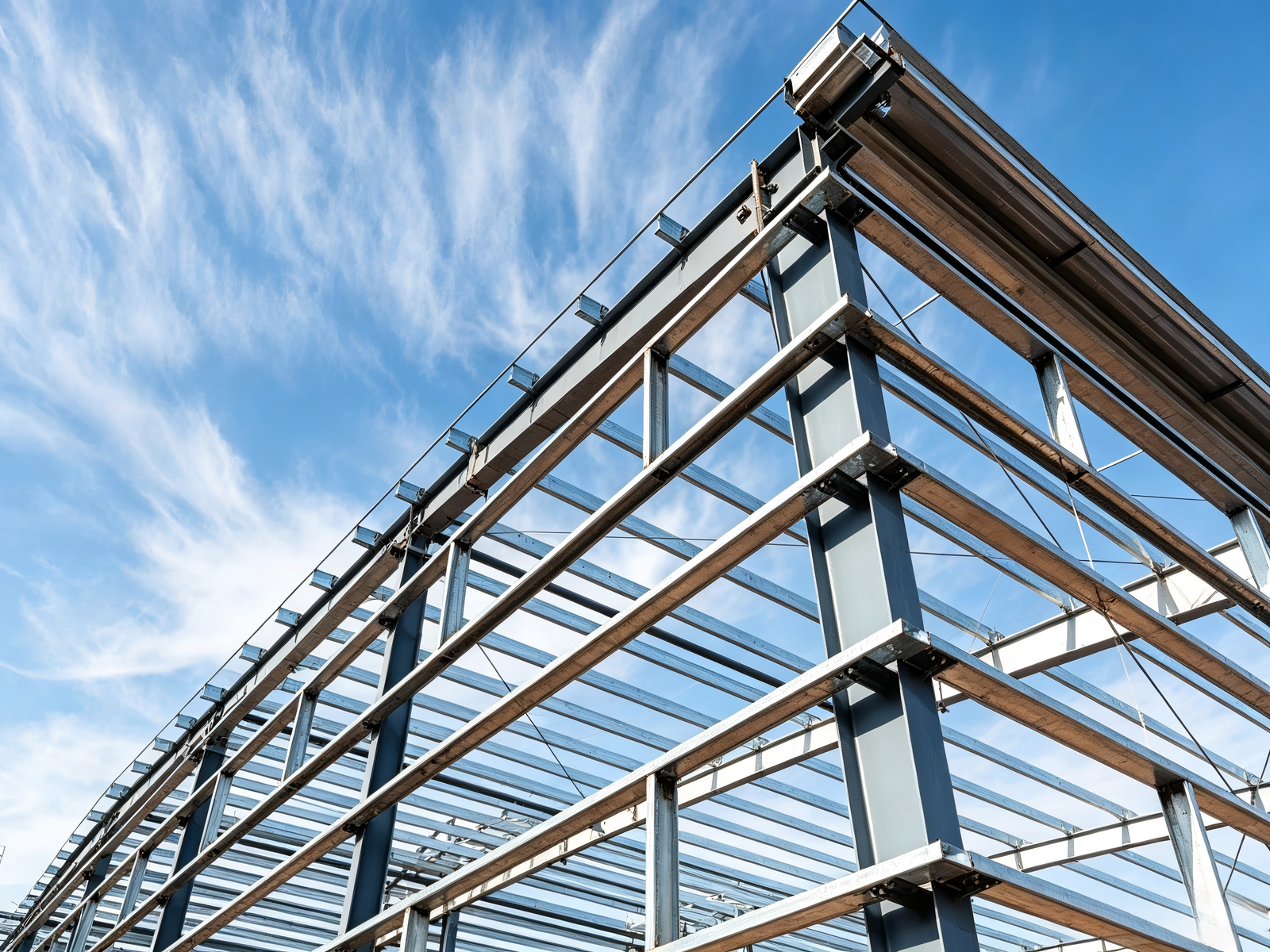
La progettazione tecnica è solo una parte di un progetto siderurgico di successo. Il processo di fabbricazione deve convertire accuratamente le informazioni ingegneristiche in componenti fisici.
Fare un passo 1: Revisione ingegneristica e progettuale
Prima dell'inizio della fabbricazione, il produttore recensisce:
- 2disegni D
- 3Modelli CAD D
- Calcoli strutturali
- Specifiche dei materiali
- Requisiti di saldatura
- Tolleranze
- Trattamento superficiale
- Quantità
- Requisiti di imballaggio
Una revisione dettagliata della producibilità può identificare potenziali problemi prima che il materiale venga tagliato.
Fare un passo 2: Approvvigionamento e ispezione dei materiali
Il produttore acquista l'acciaio in base alla qualità e alle dimensioni specificate.
L'ispezione in entrata può verificare:
- Grado del materiale
- Spessore
- Dimensioni
- Condizioni superficiali
- Numero di calore o di lotto
- Certificati dei materiali
La tracciabilità dei materiali è particolarmente importante per i progetti con severi requisiti di documentazione di qualità.
Fare un passo 3: Taglio CNC
È possibile tagliare piastre e profilati in acciaio utilizzando:
- Taglio laser
- Taglio al plasma
- Taglio con ossitaglio
- Segatura a nastro
- Altri processi di taglio CNC
Il processo appropriato dipende dallo spessore, geometria, volume di produzione, e requisiti dimensionali.
Fare un passo 4: Foratura e lavorazione
Potrebbero essere necessari componenti strutturali:
- Fori dei bulloni
- Slot
- Svasatori
- Preparazione dei bordi
- Interfacce lavorate con precisione
Lavorazione CNC può essere utilizzato dove sono coinvolti requisiti dimensionali più severi o geometrie complesse.
Fare un passo 5: Formare
A seconda del modello, i componenti in acciaio possono essere:
- Piegato
- Arrotolato
- Stampa formata
- Raddrizzato
I parametri di formatura devono essere controllati per evitare deformazioni o danni indesiderati.
Fare un passo 6: Saldatura
La saldatura unisce i componenti fabbricati in assiemi.
Dovrebbe essere affrontato un processo di saldatura controllato:
- Procedura di saldatura
- Preparazione congiunta
- Sequenza di saldatura
- Apporto di calore
- Preriscaldamento dove richiesto
- Qualificazione del saldatore
- Ispezione visiva
- NDT dove specificato
La saldatura è una delle operazioni più sensibili alla qualità nella fabbricazione dell'acciaio strutturale perché i difetti possono richiedere rilavorazioni e possono influire sulle prestazioni strutturali.
Fare un passo 7: Assemblea
I componenti fabbricati vengono assemblati utilizzando:
- Infissi
- Maschere
- Supporti temporanei
- Connessioni bullonate
- Saldatura
La verifica dimensionale durante l'assemblaggio aiuta a garantire che i componenti si adattino correttamente durante l'installazione finale.
Fare un passo 8: Trattamento superficiale
Le strutture in acciaio richiedono un'adeguata preparazione della superficie e un trattamento protettivo in base all'ambiente di servizio.
Le opzioni comuni includono:
- Primer e vernice
- Rivestimenti epossidici
- Sistemi poliuretanici
- Verniciatura a polvere per componenti idonei
- Zincatura a caldo
- Sistemi specializzati di protezione dalla corrosione
La scelta del rivestimento protettivo dovrebbe essere considerata durante le fasi di progettazione e fabbricazione anziché trattata in un secondo momento.
Fare un passo 9: Ispezione finale
L'ispezione finale può includere:
- Controllo dimensionale
- Ispezione delle saldature
- Ispezione della superficie
- Ispezione del rivestimento
- Verifica dell'assemblaggio
- Revisione della documentazione
I criteri di ispezione finale dovrebbero essere basati sui disegni di progetto, specifiche, norme applicabili, e requisiti del cliente.
Fabbricazione di strutture in acciaio vs. Fabbricazione in loco
La fabbricazione in fabbrica e la fabbricazione in loco presentano ciascuna vantaggi diversi.
| Fattore | Fabbricazione in fabbrica | Fabbricazione in loco |
| Ambiente di lavoro | Controllato | Dipendente dal tempo |
| Controllo dimensionale | Generalmente più facile | Più impegnativo |
| Disponibilità dell'attrezzatura | Alto | Variabile |
| Ispezione di qualità | Più facile da standardizzare | Più difficile |
| Efficienza del lavoro | Generalmente più alto | Abbassare per lavori ripetitivi |
| Tempo di installazione del sito | Ridotto | Aumentato |
| Trasporti | Necessario | Ridotto |
| Pianificazione della produzione | Più facile | Più dipendente dalle condizioni del sito |
Per molti progetti, la fabbricazione dei principali componenti in acciaio in un ambiente di fabbrica controllato e il successivo trasporto sul posto possono ridurre il lavoro in cantiere e migliorare l'uniformità della produzione.
Tuttavia, dimensioni di trasporto, restrizioni di peso, accesso al sito, capacità di sollevamento, e la sequenza di assemblaggio deve essere considerata durante la progettazione.
Vantaggi delle strutture in acciaio
Elevato rapporto resistenza/peso
L'acciaio fornisce un'elevata resistenza strutturale rispetto al suo peso, consentendo agli ingegneri di progettare sistemi strutturali efficienti.
Durabilità
Se progettato correttamente, fabbricato, protetto, e mantenuto, le strutture in acciaio possono garantire una lunga durata.
Flessibilità di progettazione
L'acciaio può essere trasformato in:
- Raggi
- Colonne
- Piatti
- Tubi
- Capriate
- Membri curvi
- Assemblaggi personalizzati
L'acciaio strutturale architettonicamente esposto dimostra come l'acciaio possa essere fabbricato in forme complesse, forme affusolate, curve, e diverse finiture pur rimanendo parte del sistema strutturale.
Costruzione veloce
I componenti in acciaio possono essere prefabbricati prima di arrivare in cantiere.
Questo può ridursi:
- Lavoro in cantiere
- Tempo di installazione
- Fabbricazione in loco
- Interruzione della costruzione
Riciclabilità
L'acciaio è un materiale riciclabile, che possono contribuire al recupero dei materiali e alle strategie di costruzione circolare quando sono disponibili infrastrutture di riciclaggio adeguate.
Produzione di precisione
Le moderne attrezzature di fabbricazione consentono ai produttori di produrre componenti complessi con dimensioni ripetibili e processi controllati.
Sfide delle strutture in acciaio
Anche le strutture in acciaio richiedono un'attenta progettazione e produzione.
Corrosione
L'acciaio può corrodersi se esposto all'umidità, ossigeno, sali, sostanze chimiche, o altri ambienti aggressivi.
La protezione dalla corrosione può comportare:
- Sistemi di verniciatura
- Rivestimenti protettivi
- Zincatura a caldo
- Selezione dei materiali
- Drenaggio adeguato
- Ispezione e manutenzione
Il sistema appropriato dipende dall'ambiente di servizio e dalla durata prevista.
Protezione antincendio
L'acciaio non brucia, ma le sue proprietà meccaniche possono deteriorarsi con l'aumentare della temperatura.
A seconda dei requisiti costruttivi e di resistenza al fuoco, la protezione può includere:
- Rivestimenti intumescenti
- Protezione antincendio applicata a spruzzo
- Pannello resistente al fuoco
- Sistemi di rivestimento in calcestruzzo o altri sistemi
La protezione richiesta dovrebbe essere determinata dalla normativa edilizia applicabile e dal progetto di resistenza al fuoco.
Costo iniziale
I progetti siderurgici comportano più dei costi delle materie prime.
Il costo totale del progetto può includere:
- Ingegneria
- Materiale
- Taglio
- Lavorazione
- Saldatura
- Trattamento superficiale
- Ispezione di qualità
- Confezione
- Trasporti
- Costruzione del sito
Un basso prezzo unitario del materiale non produce necessariamente il costo totale del progetto più basso.
Trasporto e movimentazione
I grandi componenti in acciaio possono creare sfide logistiche.
Considerazioni importanti includono:
- Dimensioni massime di trasporto
- Restrizioni di peso
- Utilizzo dei contenitori
- Punti di sollevamento
- Confezione
- Protezione dalla corrosione durante il trasporto
- Requisiti di scarico del sito
Qualità di saldatura e fabbricazione
Saldatura scadente, dimensioni errate, distorsione eccessiva, o un'ispezione inadeguata possono comportare costose rilavorazioni.
Un processo di fabbricazione con controllo di qualità dovrebbe quindi integrare l’ispezione nella produzione anziché fare affidamento solo sull’ispezione finale.
Applicazioni per strutture in acciaio
Edifici industriali
L'acciaio è ampiamente utilizzato per:
- Fabbriche
- Impianti di produzione
- Workshop
- Impianti di produzione
- Strutture di supporto delle apparecchiature
Gli edifici industriali spesso richiedono ampie luci libere, apparecchiature sopraelevate, carichi pesanti, e flessibilità di espansione futura.
Magazzini
Le strutture di magazzino in acciaio in genere includono:
- Colonne
- Travi del tetto
- Cornici del portale
- Rinforzo
- Arcarecci
- Sistemi di connessione
La progettazione strutturale dipende dalle dimensioni dell'edificio, requisiti di archiviazione, carichi ambientali, e le normative locali.
Edifici commerciali
È possibile utilizzare telai in acciaio:
- Uffici
- Edifici al dettaglio
- Strutture commerciali
- Strutture ad uso misto
Ponti
Travi e capriate in acciaio sono ampiamente utilizzate nella costruzione di ponti per la loro resistenza e capacità di coprire distanze significative.
Le applicazioni sui ponti pongono ulteriore enfasi sulla fatica, protezione della corrosione, progettazione della connessione, ispezione, e manutenzione.
Energia e infrastrutture
La fabbricazione dell'acciaio può supportare:
- Strutture solari
- Piattaforme per attrezzature
- Infrastrutture elettriche
- Telai di sostegno industriali
- Accedere alle piattaforme
- Strutture di manutenzione
Fabbricazione di acciaio OEM personalizzata
Per i clienti OEM industriali, la fabbricazione dell’acciaio non si limita agli edifici completi.
I produttori possono produrre su misura:
- Telai di macchine
- Basi dell'attrezzatura
- Staffe strutturali
- Piattaforme
- Guardie
- Supporta
- Assemblaggi saldati
- Recinti industriali
- Componenti strutturali personalizzati
Per questi progetti, il produttore deve comprendere sia il disegno tecnico che la funzione effettiva del componente.
Controllo qualità della struttura in acciaio
Il controllo di qualità dovrebbe essere integrato durante tutto il processo di fabbricazione.
Ispezione del materiale in entrata
Verificare:
- Grado del materiale
- Spessore
- Dimensioni
- Condizioni superficiali
- Certificati dei materiali
- Tracciabilità
Ispezione dimensionale
Ispezionare le dimensioni critiche dopo:
- Taglio
- Formare
- Saldatura
- Assemblea
Ciò aiuta a identificare la distorsione prima che diventi un problema più grande.
Ispezione della saldatura
A seconda dei requisiti del progetto, l'ispezione della saldatura può includere:
- Test visivo
- Test con particelle magnetiche
- Test ad ultrasuoni
- Test con liquidi penetranti
- Altri metodi NDT approvati
Il metodo appropriato dipende dal giunto, materiale, condizione di carico, specifica, e norma applicabile.
Ispezione del trattamento superficiale
L'ispezione può coprire:
- Preparazione della superficie
- Spessore del rivestimento
- Adesione dove specificato
- Colore
- Difetti superficiali
- Stato di zincatura
Ispezione finale dell'assemblaggio
Prima della spedizione, verificare:
- Dimensioni complessive
- Posizioni dei fori
- Interfacce di connessione
- Identificazione dei componenti
- Condizioni superficiali
- Confezione
Un processo di ispezione documentato riduce il rischio di ricevere componenti che non possono essere assemblati correttamente nel sito del progetto.
Domande frequenti sulle strutture in acciaio
Cos'è una struttura in acciaio?
Una struttura in acciaio è un sistema portante ingegnerizzato costituito principalmente da elementi in acciaio interconnessi come le travi, colonne, capriate, bretelle, piatti, e connessioni.
Quali sono i componenti principali di una struttura in acciaio?
I componenti principali includono travi, colonne, capriate, rinforzo, collegamenti bullonati o saldati, piastre di base, piastre a fazzoletto, irrigidimenti, e sistemi di ancoraggio.
Quali sono i diversi tipi di strutture in acciaio?
I tipi comuni includono strutture con telaio in acciaio, cornici del portale, strutture reticolari, cornici spaziali, telai controventati, e strutture in acciaio modulari o prefabbricate.
Quali sono i vantaggi delle strutture in acciaio?
I principali vantaggi includono un elevato rapporto resistenza/peso, flessibilità progettuale, capacità di prefabbricazione, costruzione veloce, durabilità, e idoneità per configurazioni strutturali complesse.
Quali sono gli svantaggi delle strutture in acciaio?
Le sfide più comuni includono la corrosione, requisiti di protezione antincendio, trasporto di membri di grandi dimensioni, controllo qualità della saldatura e della fabbricazione, e costi iniziali di progettazione e fabbricazione potenzialmente significativi.
Quali tipi di acciaio vengono utilizzati per applicazioni strutturali?
L'acciaio appropriato dipende dal design e dallo standard applicabile. Le categorie comuni includono gli acciai strutturali al carbonio, acciai ad alta resistenza, acciai resistenti agli agenti atmosferici, acciai inossidabili, e sezioni strutturali cave.
Come vengono prodotte le strutture in acciaio?
Un processo tipico include la revisione tecnica, approvvigionamento materiale, taglio, perforazione, formazione, saldatura, assemblaggio, trattamento superficiale, ispezione, confezione, e consegna.
Qual è la differenza tra connessioni in acciaio bullonate e saldate?
Le connessioni bullonate utilizzano bulloni strutturali e sono convenienti per il montaggio e il potenziale smontaggio. Le connessioni saldate creano giunti permanenti e possono fornire elevata rigidità e design di connessione compatti. La soluzione corretta dipende dalla progettazione strutturale, condizioni di fabbricazione, requisiti di installazione, e norme applicabili.
Come si previene la corrosione nelle strutture in acciaio?
La corrosione può essere controllata attraverso un’appropriata selezione dell’acciaio, rivestimenti protettivi, zincatura a caldo, dettagli adeguati, drenaggio, ispezione, e manutenzione.
Come vengono protette le strutture in acciaio dal fuoco?
A seconda della resistenza al fuoco richiesta, la protezione può includere rivestimenti intumescenti, protezione antincendio applicata a spruzzo, pannelli resistenti al fuoco, o altri sistemi di protezione approvati.
Quali informazioni sono necessarie per un preventivo di fabbricazione dell'acciaio?
Al minimo, fornire il disegno o il modello, grado del materiale, dimensioni, spessore, quantità, requisiti di saldatura, trattamento superficiale, tolleranze, applicazione, e requisiti di consegna.
Le strutture in acciaio possono essere realizzate su misura?
SÌ. Le strutture in acciaio e i componenti fabbricati possono essere personalizzati secondo i disegni tecnici, requisiti strutturali, dimensioni, gradi dei materiali, progetti di connessione, finiture superficiali, e quantità di produzione.
Come posso scegliere un produttore affidabile di manufatti in acciaio?
Valutare la capacità ingegneristica del fornitore, attrezzature di fabbricazione, competenza nella saldatura, sistema di qualità, capacità di ispezione, capacità produttiva, opzioni di trattamento superficiale, certificazioni, esperienza di esportazione, e precedenti esperienze con progetti simili.
Conclusione
Per progetti edilizi e infrastrutturali, travi, colonne, capriate, rinforzo, piastre di base, piastre a fazzoletto, e le connessioni devono lavorare insieme per creare un percorso di carico stabile. Per applicazioni industriali personalizzate, gli stessi principi si applicano ai telai delle apparecchiature, piattaforme, basi macchina, supporta, e assemblaggi in acciaio saldato.
Per i team di approvvigionamento e gli acquirenti OEM, il miglior fornitore non è necessariamente quello che offre il prezzo iniziale più basso. Un produttore affidabile di strutture in acciaio dovrebbe essere in grado di supportare il progetto revisione ingegneristica e selezione dei materiali attraverso la fabbricazione, controllo di qualità, trattamento superficiale, confezione, e consegna.
Se stai acquistando una struttura in acciaio personalizzata, telaio in acciaio, assieme saldato, piattaforma dell'attrezzatura, o componente in acciaio fabbricato, mandaci tuo 2disegno D, 3File CAD D, specifica del materiale, quantità, requisiti di trattamento superficiale, e obiettivo di consegna. Il nostro team di ingegneri può rivedere il progetto, valutare la producibilità, identificare le considerazioni chiave sulla produzione, e preparare un preventivo personalizzato.


