Quando si confrontano i materiali metallici per i gioielli, Strumenti medici, parti industriali, o prodotti di consumo, una domanda comune appare ancora e ancora:
Qual è la differenza tra acciaio chirurgico e acciaio inossidabile?
Molte persone usano questi due termini come se significassero la stessa cosa. In realtà, l'acciaio chirurgico è un tipo specifico di acciaio inossidabile, ma non tutti i tipi di acciaio inossidabile si qualificano come acciaio chirurgico.
Comprendere la differenza è importante quando si scelgono i materiali gioielli per il corpo, strumenti medici, Parti lavorate a CNC, attrezzatura alimentare, fabbricazione personalizzata, o componenti resistenti alla corrosione.
In questa guida, spieghiamo le reali differenze tra acciaio chirurgico e acciaio inossidabile, compresi i voti, resistenza alla corrosione, applicazioni, costo, e come scegliere il materiale migliore per il tuo progetto.
Cos'è l'acciaio inossidabile?
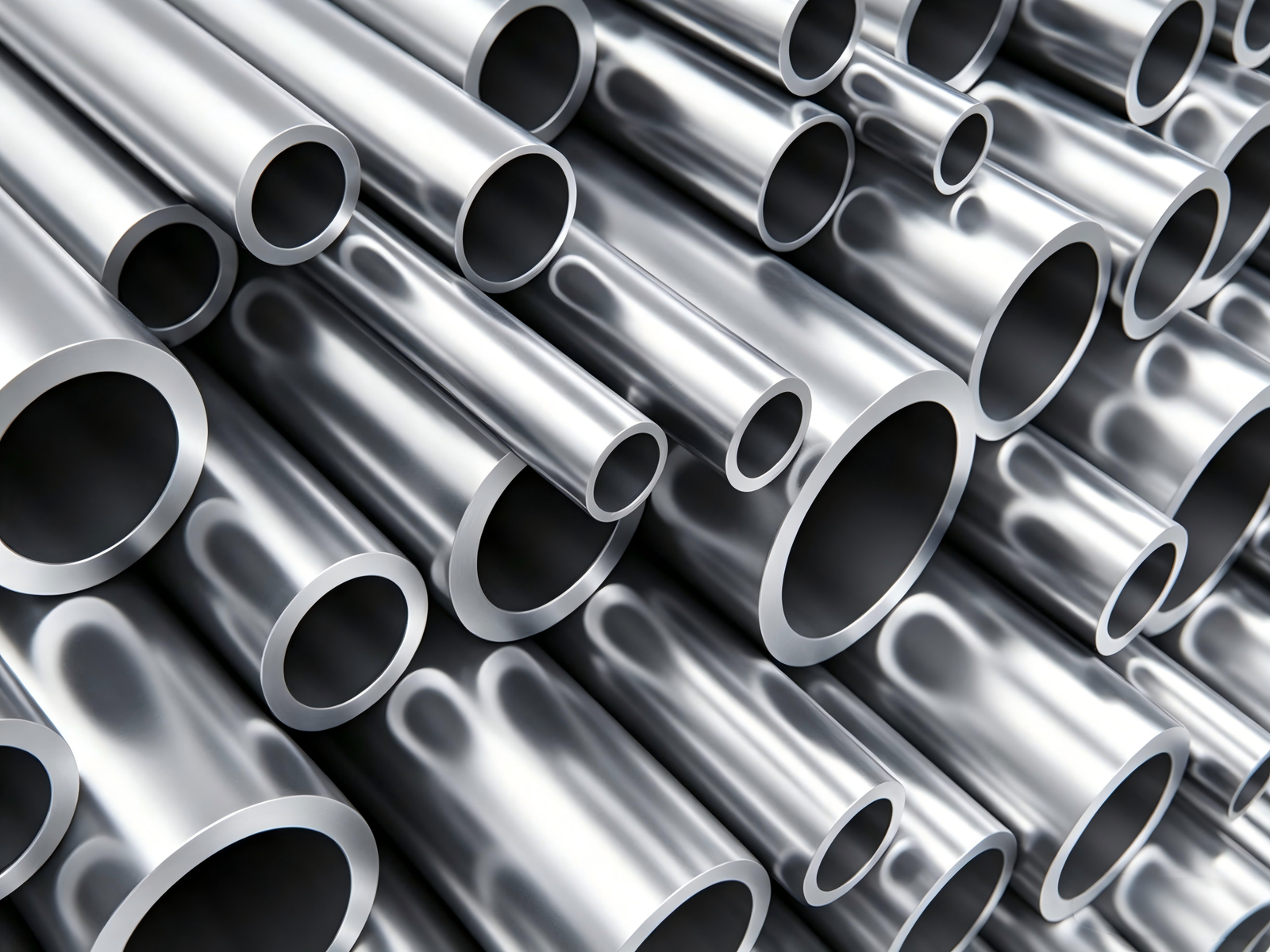
Acciaio inossidabile è una famiglia di leghe a base di ferro contenenti almeno 10.5% cromo, che crea uno strato protettivo di ossido sulla superficie. Questo strato passivo aiuta a resistere alla ruggine, ossidazione, e corrosione.
A seconda del grado, può contenere anche l'acciaio inossidabile:
Nichel
Molibdeno
Carbonio
Manganese
Titanio
Azoto
Questi elementi aggiunti migliorano la forza, resistenza alla corrosione, saldabilità, resistenza al calore, o lavorabilità.
Gradi comuni di acciaio inossidabile
Alcuni dei gradi di acciaio inossidabile più utilizzati includono:
201 Acciaio inossidabile – economico, uso interno
304 Acciaio inossidabile – versatile e popolare
316 Acciaio inossidabile – resistenza alla corrosione superiore
430 Acciaio inossidabile – magnetico, Costo inferiore
420 Acciaio inossidabile – elevata durezza
440 Acciaio inossidabile – molto difficile, resistente all'usura
Usi comuni dell'acciaio inossidabile
L'acciaio inossidabile è utilizzato in:
Lavelli e pentole da cucina
Elementi di fissaggio e hardware
Componenti automobilistici
Materiali da costruzione
Attrezzature per la lavorazione degli alimenti
Parti di macchine industriali
Prodotti decorativi
Perché ci sono molti gradi disponibili, l'acciaio inossidabile può essere ottimizzato per il prezzo, forza, aspetto, o resistenza alla corrosione.
Cos'è l'acciaio chirurgico?
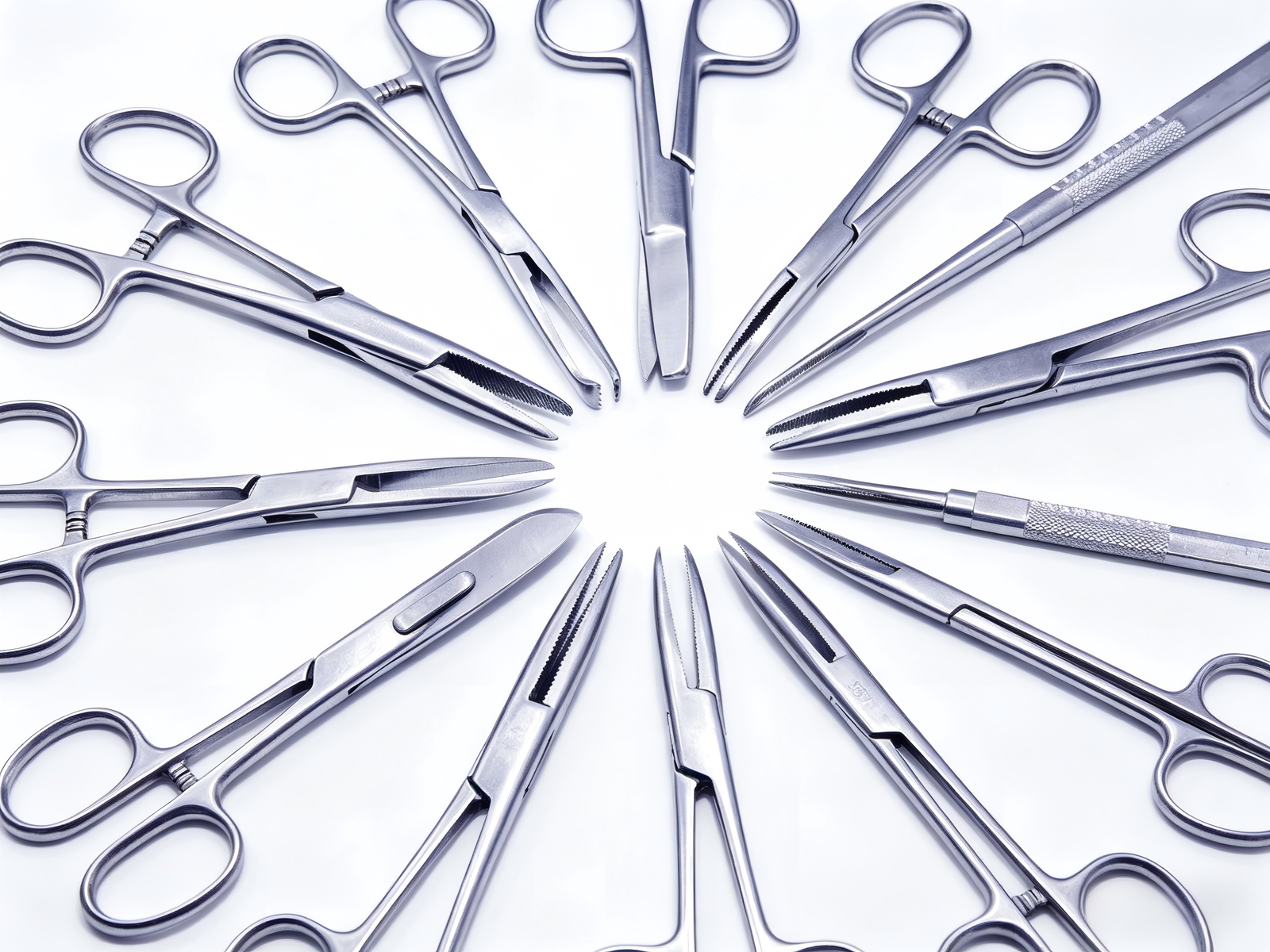
Acciaio chirurgico non è una categoria di metalli separata. Si riferisce a gradi specifici di acciaio inossidabile scelti per il settore medicale, chirurgico, igienico, o applicazioni a contatto con il corpo.
Questi materiali sono selezionati perché offrono:
Eccellente resistenza alla corrosione
Buona durata
Superfici lisce e lucide
Capacità di resistere alla sterilizzazione
Migliore idoneità al contatto con la pelle o il corpo
Gradi comuni di acciaio chirurgico
I materiali in acciaio chirurgico più comuni includono:
316LAcciaio inossidabile
316Acciaio inossidabile LVM (vuoto fuso, qualità degli impianti medici)
420 Acciaio inossidabile
440 Acciaio inossidabile
Gradi diversi servono a scopi diversi.
Per esempio:
316l è comune in gioielleria e impianti
420 / 440 sono usati nei bisturi, forbici, e strumenti da taglio a causa della durezza
Acciaio chirurgico vs acciaio inossidabile: Principali differenze
1. Categoria materiale
Questa è la distinzione più importante.
Acciaio inossidabile = una vasta famiglia di leghe
Acciaio chirurgico = gradi di acciaio inossidabile selezionati con standard più elevati
Quindi tecnicamente:
Tutto l'acciaio chirurgico è acciaio inossidabile, ma non tutto l’acciaio inossidabile è acciaio chirurgico.
2. Resistenza alla corrosione
L'acciaio inossidabile generale offre una buona resistenza alla corrosione, ma le prestazioni variano in base al grado.
Per esempio:
201 = minore resistenza alla corrosione
304 = resistenza generale molto buona
316L = ottima resistenza, soprattutto in presenza di umidità e sostanze chimiche
L'acciaio chirurgico utilizza solitamente qualità premium come 316l, rendendolo più resistente:
Sudore
Acqua salata
Prodotti chimici per la pulizia
Fluidi corporei
Ambienti umidi
Questo è il motivo per cui l’acciaio chirurgico è preferito nelle applicazioni mediche e di gioielleria.
3. Biocompatibilità e sicurezza cutanea
La maggior parte dell'acciaio inossidabile standard è progettato per uso strutturale o industriale.
Spesso viene selezionato l'acciaio chirurgico:
Orecchini
piercing sul corpo
Strumenti chirurgici
Strumenti dentali
Dispositivi ortopedici
Particolarmente 316L acciaio chirurgico, che è ampiamente utilizzato a causa del minor contenuto di carbonio e del migliore comportamento alla corrosione.
Per prodotti che prevedono il contatto umano diretto, l'acciaio chirurgico è solitamente l'opzione più sicura.
4. Finitura e pulizia della superficie
L'acciaio chirurgico spesso richiede:
Lucidatura più liscia
Superfici più pulite
Meno difetti superficiali
Sterilizzazione più semplice
Questo è importante perché le superfici ruvide possono intrappolare i batteri, umidità, o contaminanti.
L'acciaio inossidabile industriale potrebbe non richiedere la stessa qualità di finitura.
5. Forza e durezza
Non tutto l'acciaio chirurgico è più morbido o più duro: il risultato dipende dalla qualità.
Esempi:
316l = buona tenacità, resistente alla corrosione
420 = più difficile, utilizzato in coltelli e utensili
440C = molto difficile, eccellente ritenzione dei bordi
Se le prestazioni di taglio contano, gradi chirurgici come 420 O 440 vengono spesso selezionati.
6. Differenza di prezzo
L'acciaio chirurgico generalmente costa di più a causa di:
Contenuto di lega più elevato
Migliore resistenza alla corrosione
Standard di qualità più severi
Maggiore lucidatura/lavorazione
Requisiti di livello medico
Se la tua applicazione non necessita di prestazioni premium, l'acciaio inossidabile standard può essere più economico.
Tabella di confronto rapido
| Caratteristica | Acciaio inossidabile | Acciaio chirurgico |
| Definizione | Ampia famiglia di leghe | Gradi inossidabili premium selezionati |
| Resistenza alla corrosione | Da buono a eccellente | Più alto |
| Uso del contatto umano | Dipende dal voto | Preferito |
| Finitura superficiale | Da standard a premium | Di solito più liscio |
| Uso medico | Voti limitati | Comune |
| Costo | Da basso a moderato | Più alto |
| Gradi comuni | 201, 304, 430 | 316l, 420, 440 |
Applicazioni comuni
Applicazioni in acciaio inossidabile
Usato per:
Elettrodomestici da cucina
Ferramenta per mobili
Rivestimento automobilistico
Serbatoi e tubazioni
Elementi di fissaggio
Parti strutturali
Prodotti di consumo
Applicazioni dell'acciaio chirurgico
Usato per:
Forbici chirurgiche
Pinza
Manici di bisturi
Strumenti dentali
Impianti
Gioielli penetranti
Orologi di prima qualità
Strumenti igienici
Quale dovresti scegliere?
Scegli l'acciaio inossidabile se necessario:
Costo del materiale inferiore
Resistenza generale alla corrosione
Prodotti per la casa
Componenti strutturali
Lavorazione CNC per componenti industriali
Produzione in grandi volumi
Scegli l'acciaio chirurgico se ne hai bisogno:
Prodotti sicuri per la pelle
Strumenti medici
Gioielli e piercing
Migliore resistenza alla corrosione
Aspetto premium
Superfici igieniche
Durabilità a lungo termine
Suggerimento importante per l'acquisto: Richiedi il voto esatto
Il termine “acciaio chirurgico” a volte viene utilizzato in modo approssimativo nel marketing.
Chiedere sempre ai fornitori l'esatta qualità del materiale:
316l
316LVM
420
440UN / 440C
Questo ti dà una vera chiarezza tecnica.
Per acquirenti industriali, anche richiedere:
Certificato materiale
RoHS / Conformità REACH
Rapporto sulla finitura superficiale
Dati sulla durezza
Se necessario, test in nebbia salina
Acciaio chirurgico per lavorazione e produzione CNC
Se hai bisogno di parti personalizzate, l'acciaio chirurgico può essere lavorato:
Custodie medicali di precisione
Componenti ortopedici
Parti di gioielli personalizzati
Raccordi igienici
Elementi di fissaggio resistenti alla corrosione
Tuttavia, alcuni gradi come 316l può essere più difficile da lavorare rispetto allo standard 304 acciaio a causa della tenacità.
Lavorare con un esperto Fornitore di lavorazioni CNC aiuta a ridurre l'usura degli utensili e a mantenere la precisione della tolleranza.
Perché gli acquirenti globali scelgono le parti in acciaio chirurgico
Gli acquirenti OEM spesso scelgono l'acciaio chirurgico perché aiuta a creare prodotti che offrono:
Migliore posizionamento sul mercato
Immagine di qualità premium
Minori reclami sulla corrosione
Migliore durata
Esperienza del cliente più sicura
Per i marchi che vendono gioielli, strumenti di bellezza, accessori medici, o hardware di lusso, questo può giustificare il costo del materiale più elevato.
Conclusione
La differenza tra acciaio chirurgico e acciaio inossidabile è semplice:
Acciaio inossidabile è un'ampia famiglia di materiali utilizzata in molti settori.
Acciaio chirurgico è un sottoinsieme premium selezionato per applicazioni più rigorose.
Se la tua priorità è l'accessibilità economica e l'uso generale, l'acciaio inossidabile è eccellente.
Se la tua priorità è la resistenza alla corrosione, sicurezza del contatto corporeo, igiene, e prestazioni eccellenti, l'acciaio chirurgico è la scelta migliore.
Il materiale migliore dipende sempre dalle esigenze del prodotto, ambiente, e budget.
Hai bisogno di parti personalizzate in acciaio inossidabile o acciaio chirurgico?
Se hai bisogno Componenti lavorati a CNC, lavorazione metallica personalizzata, parti di grado chirurgico, o produzione di acciaio inossidabile OEM, lavorare con un fornitore che può fornire:
Gradi dei materiali esatti
Tolleranze strette
Opzioni di finitura superficiale
Piccoli lotti o produzione di massa
Rapporti di ispezione della qualità
Inviaci i tuoi disegni oggi per un preventivo veloce.
Domande frequenti
1.L'acciaio chirurgico è migliore dell'acciaio inossidabile??
Per medico, gioielleria, o uso a contatto con la pelle, SÌ. Per uso industriale generale, l'acciaio inossidabile standard potrebbe essere sufficiente.
2.L'acciaio chirurgico arrugginisce??
Ha un'eccellente resistenza alla corrosione ma non lo è 100% antiruggine in tutte le condizioni.
3.Il 316L è considerato acciaio chirurgico?
SÌ. 316L è uno dei gradi di acciaio chirurgico più comuni.
4.L'acciaio chirurgico può essere utilizzato per i gioielli??
SÌ. È ampiamente usato per gli orecchini, orologi, anelli, e gioielli per piercing.
5.Perché l'acciaio chirurgico è più costoso??
Perché spesso utilizza leghe migliori, standard più severi, e ulteriori lavori di finitura.
6.È 304 acciaio chirurgico in acciaio inossidabile?
Di solito no. 304 è un ottimo acciaio inossidabile, ma il 316L è più comunemente classificato come acciaio chirurgico.
7.Che è meglio per l'uso esterno?
316L'acciaio chirurgico L di solito offre prestazioni migliori in ambienti umidi o salini.