



Che si tratti di produrre pneumatici per autovetture, pneumatici per autocarri, pneumatici fuoristrada, o pneumatici da corsa ad alte prestazioni, selezionare la corretta tecnologia di stampo per pneumatici è essenziale per ottenere la consistenza del prodotto, Efficienza della produzione, e durabilità a lungo termine.
Mentre l’industria automobilistica globale continua ad evolversi verso i veicoli elettrici, guida autonoma, e trasporti sostenibili, i produttori di pneumatici richiedono soluzioni di stampi più avanzate con maggiore precisione, cicli produttivi più rapidi, e migliore qualità della superficie.
In questa guida completa, esploreremo i principali tipi di stampi per pneumatici, le loro tecnologie di produzione, materiali, vantaggi, svantaggi, e applicazioni in diverse categorie di pneumatici. Questo articolo è rivolto ai produttori di pneumatici, produttori di stampi, fornitori automobilistici, e team di approvvigionamento alla ricerca di soluzioni professionali per stampi per pneumatici.
Cosa sono gli stampi per pneumatici?
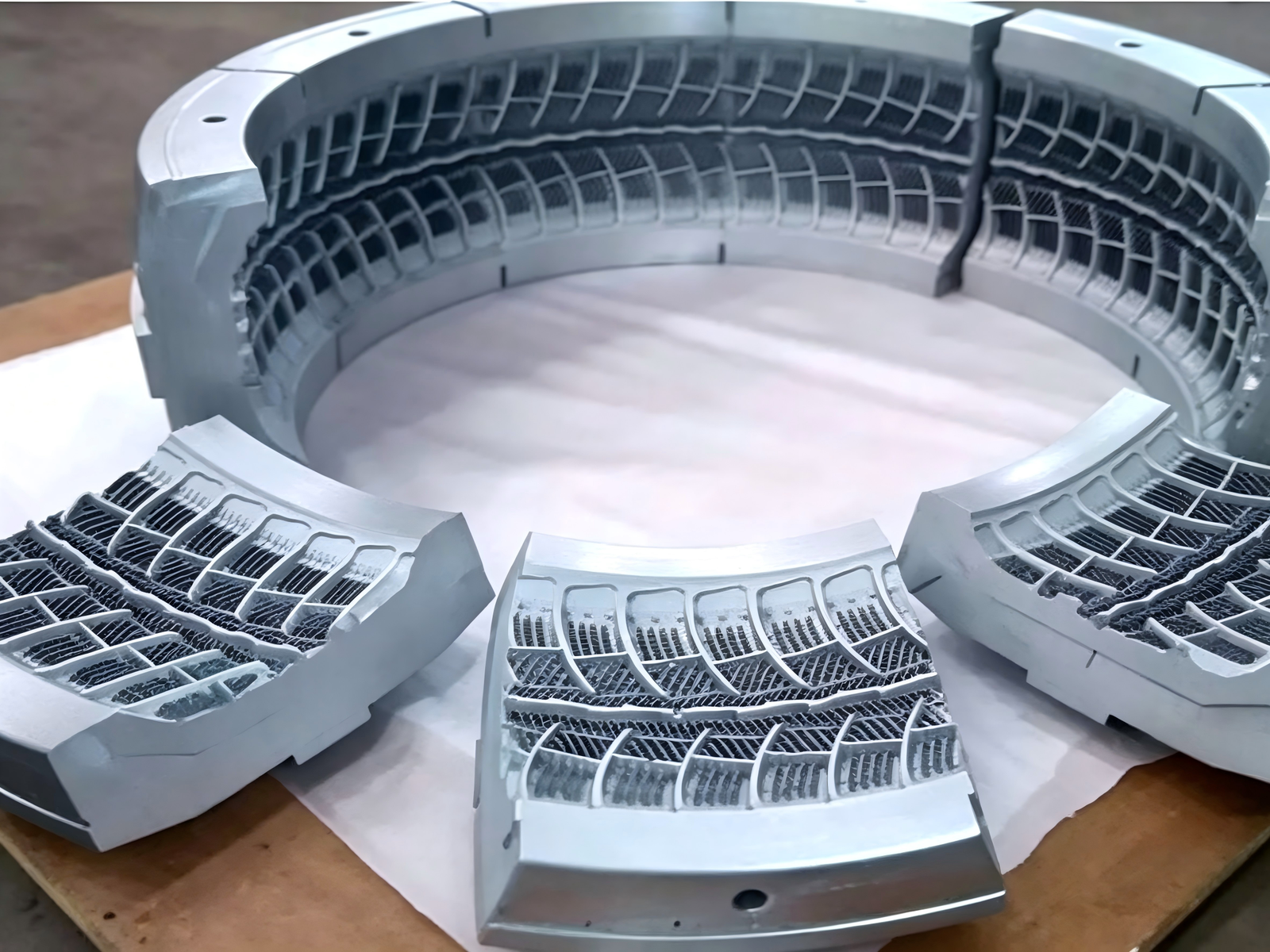
Gli stampi per pneumatici sono sistemi di utensili di precisione utilizzati durante il processo di vulcanizzazione degli pneumatici per modellare gli pneumatici verdi in prodotti finiti. Durante la stagionatura, lo stampo applica calore e pressione per formare la struttura finale del pneumatico, disegno del battistrada, marcature sui fianchi, e dettagli del marchio.
Uno stampo per pneumatici standard è generalmente costituito da:
Segmenti degli anelli del battistrada
Piastre per pareti laterali
Sistemi di nucleo dello stampo
Canali di ventilazione
Sistemi di riscaldamento e raffreddamento
Lo stampo determina diverse importanti caratteristiche del pneumatico, Compreso:
Precisione del disegno del battistrada
Equilibrio e uniformità dei pneumatici
Resistenza al rotolamento
Prestazioni di trazione
Riduzione del rumore
Aspetto del fianco
Gli stampi per pneumatici di alta qualità aiutano i produttori a migliorare l'efficienza produttiva riducendo al contempo difetti come l'aria intrappolata, formazione di flash, e stagionatura non uniforme.
Principali tipologie di stampi per pneumatici
Stampi segmentati
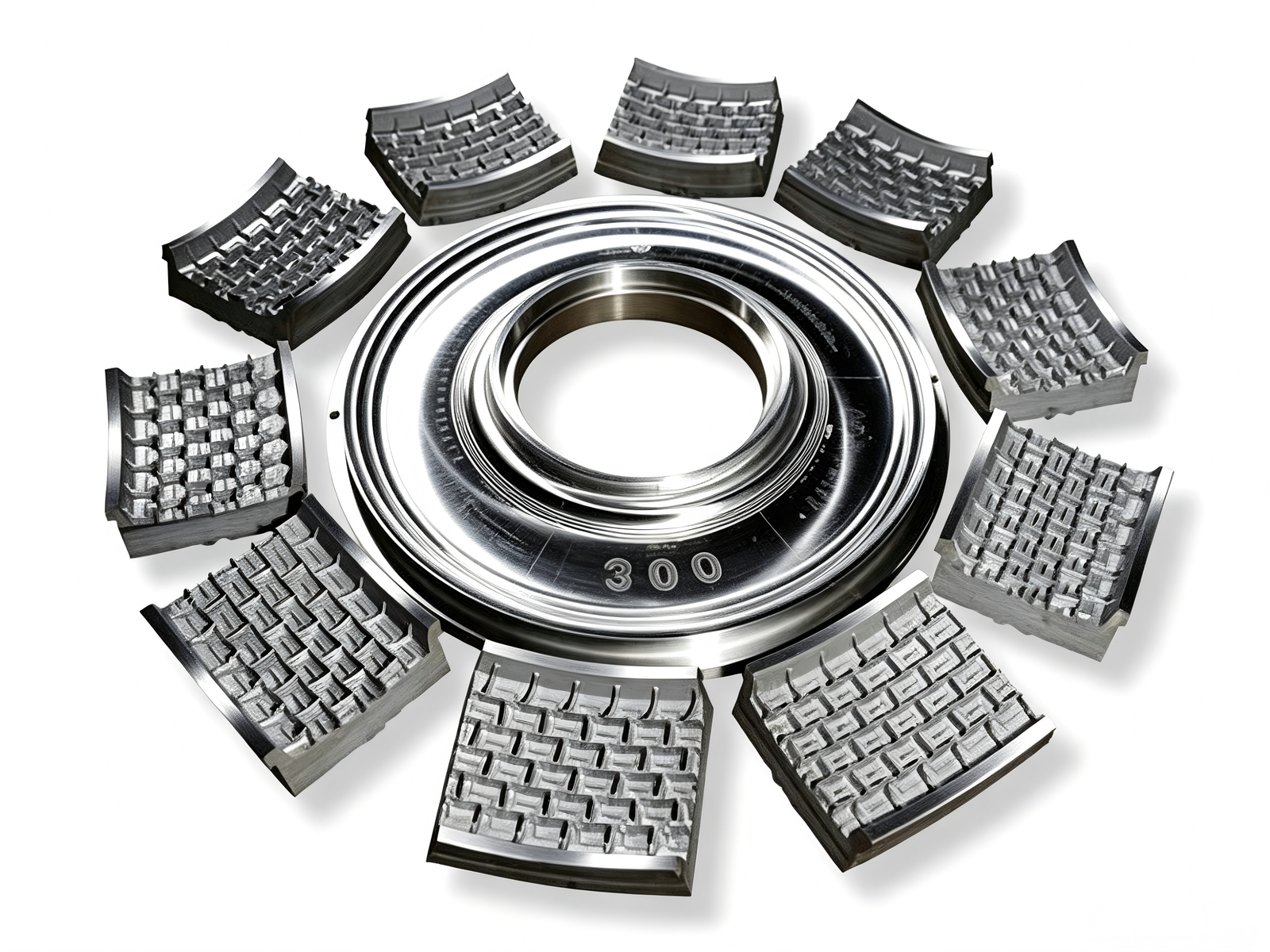
Gli stampi segmentati sono tra i tipi di stampi per pneumatici più utilizzati nella moderna produzione di pneumatici. Lo stampo è diviso in più segmenti mobili che si aprono e si chiudono durante il processo di polimerizzazione.
Caratteristiche chiave
Tipicamente è composto da 6-12 segmenti
Consente un facile rilascio del pneumatico dopo la polimerizzazione
Supporta modelli di battistrada altamente complessi
Fornisce un'eccellente precisione dimensionale
Vantaggi
Ideale per disegni di battistrada complessi
Ridotta deformazione del pneumatico durante la sformatura
Migliore consistenza per la produzione di grandi volumi
Adatto per linee di produzione automatizzate
Limitazioni
Costo di produzione più elevato
Requisiti di manutenzione più complessi
Applicazioni
Gli stampi segmentati sono comunemente usati per:
Pneumatici radiali per autovetture
Pneumatici per veicoli elettrici
Pneumatici ad altissime prestazioni
Pneumatici per SUV
Poiché i pneumatici per veicoli elettrici richiedono una bassa resistenza al rotolamento e geometrie precise del battistrada, gli stampi segmentati sono diventati sempre più importanti nella produzione di pneumatici per veicoli elettrici.
Stampi in due pezzi
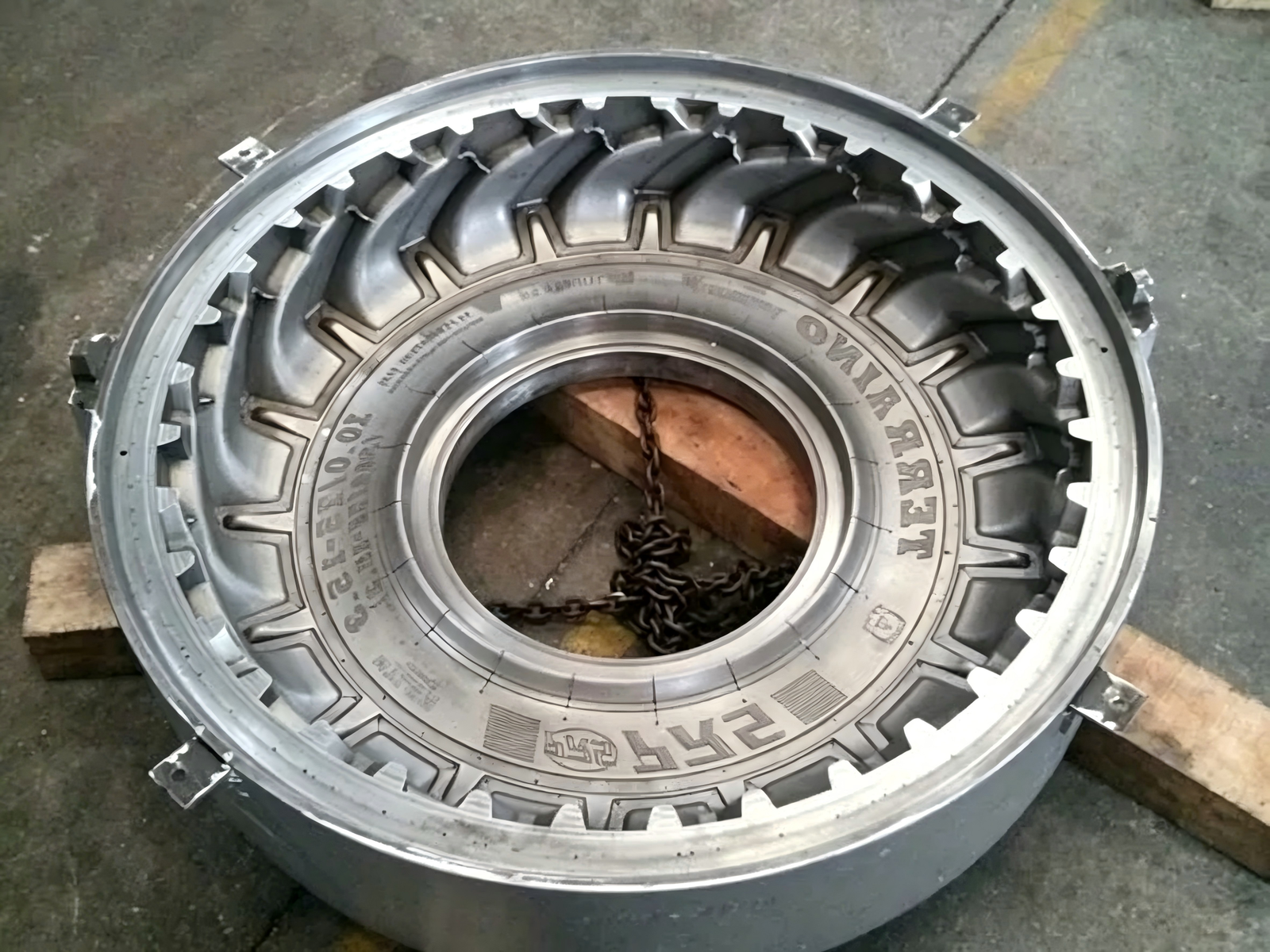
Gli stampi in due pezzi sono stampi tradizionali per pneumatici costituiti da metà stampo superiore e inferiore separate da un'unica linea di divisione.
Caratteristiche chiave
Design strutturale semplice
Costo di produzione inferiore
Manutenzione più semplice rispetto agli stampi segmentati
Vantaggi
Conveniente
Costruzione durevole
Funzionamento e manutenzione semplici
Limitazioni
Capacità limitata per modelli di battistrada altamente complessi
Maggiore rischio di bave nelle linee di giunzione
Applicazioni
Questi stampi sono comunemente usati per:
Pneumatici agricoli
Pneumatici industriali di base
Pneumatici fuoristrada
Piccole tirature di produzione
Gli stampi in due pezzi rimangono apprezzati dai produttori che necessitano di soluzioni di attrezzamento economiche.
Stampi per puzzle
Gli stampi puzzle sono stampi per pneumatici avanzati progettati con tecnologia di ventilazione micro-gap invece dei tradizionali fori di ventilazione.
Caratteristiche chiave
L'aria fuoriesce attraverso microscopici spazi tra i segmenti
Produce superfici dei pneumatici più pulite
Riduce i difetti d'aria intrappolati
Vantaggi
Aspetto migliorato del pneumatico
Migliore qualità della superficie del battistrada
Ridotto fuoriuscita di gomma dallo sfiato
Consistenza della polimerizzazione migliorata
Limitazioni
Elevata complessità produttiva
Costi di produzione elevati
Manutenzione difficile
Applicazioni
Gli stampi per puzzle sono ampiamente utilizzati per:
Pneumatici passeggeri premium
Pneumatici per auto sportive
Pneumatici per veicoli di lusso
Pneumatici ad alte prestazioni
Sono particolarmente preziosi quando la qualità estetica e la precisione del battistrada sono fondamentali.
Stampi per la separazione delle onde
Gli stampi di separazione ondulati utilizzano linee di separazione a forma di onda appositamente progettate tra i segmenti dello stampo.
Caratteristiche chiave
Geometria delle onde avanzata
Linee di stampo visibili ridotte
Continuità del battistrada migliorata
Vantaggi
Trasferimento superiore del disegno del battistrada
Ridotta formazione di bave
Estetica del pneumatico migliorata
Migliore stabilità del modello
Tecnologia di produzione
Questi stampi in genere richiedono:
5-Asse Machining CNC
Programmazione CAD/CAM avanzata
Finitura superficiale ad alta precisione
Applicazioni
Gli stampi per la separazione delle onde sono comunemente usati per:
Pneumatici da corsa
Pneumatici per aerei
Pneumatici ad alte prestazioni
Pneumatici premium per veicoli elettrici
Stampi incisi in acciaio
Gli stampi incisi in acciaio sono realizzati in acciaio temprato utilizzando tecnologie di incisione CNC.
Caratteristiche chiave
Eccellente resistenza all'usura
Elevata stabilità strutturale
Lunga durata
Vantaggi
Durata eccezionale
Alta precisione
Ottima resistenza alla deformazione termica
Adatto a grandi volumi di produzione
Limitazioni
Più pesante degli stampi in alluminio
Tempi di lavorazione più lunghi
Applicazioni
Gli stampi incisi in acciaio sono ideali per:
Pneumatici per camion
Pneumatici per autobus
Pneumatici industriali per carichi pesanti
Pneumatici da miniera
Molti produttori di pneumatici per carichi pesanti preferiscono gli stampi in acciaio per la loro maggiore durata operativa.
Stampi in fusione di alluminio
Gli stampi in fusione di alluminio sono stampi leggeri fabbricati utilizzando leghe di alluminio ad alta conduttività.
Caratteristiche chiave
Eccellente trasferimento di calore
Costruzione leggera
Cicli di polimerizzazione più rapidi
Vantaggi
Tempi del ciclo produttivo ridotti
Gestione più semplice
Minore consumo energetico
Migliore conduttività termica
Limitazioni
Minore resistenza all'usura rispetto all'acciaio
Più suscettibile alla deformazione
Applicazioni
Gli stampi in alluminio sono comunemente usati per:
Pneumatici per passeggeri
Pneumatici per moto
Pneumatici per biciclette
Linee di produzione ad alto volume
Le loro proprietà leggere aiutano a migliorare l'efficienza operativa negli ambienti di produzione di massa.
Stampi ricostruibili
Gli stampi per ricostruzione sono progettati per le operazioni di ricostruzione dei pneumatici, dove i pneumatici usurati ricevono una nuova gomma del battistrada.
Due principali metodi di ricostruzione
Ricostruzione con indurimento della muffa
La gomma cruda viene applicata direttamente sulla carcassa del pneumatico
Il pneumatico viene polimerizzato all'interno dello stampo
Ricostruzione pre-polimerizzazione
Le strisce del battistrada prevulcanizzate sono incollate alla carcassa
Sono necessarie temperature di polimerizzazione più basse
Vantaggi
Costo inferiore per la sostituzione degli pneumatici
Maggiore durata degli pneumatici
Soluzione ecologica
Applicazioni
Gli stampi per ricostruzione sono comunemente usati per:
Camion commerciali
Autobus
Veicoli fuoristrada
Operazioni di gestione della flotta
La ricostruzione è diventata sempre più importante nelle industrie dei trasporti sostenibili.
Applicazioni di stampi per pneumatici per tipo di pneumatico
Pneumatici per autovetture
I pneumatici per autovetture richiedono:
Elevata precisione del battistrada
Bassa resistenza al rotolamento
Livelli di rumore ridotti
Prestazioni di guida confortevoli
Tipi di muffe comuni:
Stampi segmentati
Stampi per puzzle
Stampi in fusione di alluminio
Pneumatici per camion e autobus
Domanda di pneumatici per autocarri e autobus:
Alta capacità di carico
Lunga durata del battistrada
Eccellente resistenza al calore
Tipi di muffe comuni:
Stampi incisi in acciaio
Stampi segmentati
Fuoristrada (OTR) Pneumatici
Gli pneumatici OTR vengono utilizzati nel settore minerario, costruzione, e macchine agricole.
I requisiti includono:
Durata estrema
Disegni del battistrada profondi
Pneumatici di grandi dimensioni
Tipi di muffe comuni:
Grandi stampi segmentati
Stampi in acciaio
Stampi in fusione di alluminio
Pneumatici speciali
Gli pneumatici speciali includono:
Pneumatici da corsa
Pneumatici per aerei
Pneumatici militari
Pneumatici speciali industriali
Queste applicazioni richiedono una precisione estremamente elevata e strutture del battistrada specializzate.
Tipi di muffe comuni:
Stampi per separazione ondulata
Stampi per puzzle
Stampi incisi in acciaio
Materiali utilizzati nella produzione di stampi per pneumatici
Acciaio
Offerte in acciaio:
Alta durata
Eccellente resistenza all'usura
Lunga durata dello stampo
Tuttavia, gli stampi in acciaio sono più pesanti e richiedono tempi di lavorazione più lunghi.
Leghe di alluminio
L'alluminio fornisce:
Trasferimento di calore più veloce
Tempo del ciclo produttivo ridotto
Maneggevolezza leggera
Ma gli stampi in alluminio in genere hanno una durata utile più breve.
Leghe specializzate
I produttori di stampi avanzati possono utilizzare sistemi di leghe ibride per:
Conduttività termica migliorata
Resistenza alla corrosione
Stabilità dimensionale migliorata
Tecnologie di produzione di stampi per pneumatici
La moderna produzione di stampi per pneumatici fa molto affidamento su tecnologie di produzione avanzate.
Lavorazione CNC
La lavorazione a CNC abilita:
Incisione precisa del battistrada
Precisione dimensionale costante
Geometrie complesse
5-Lavorazione degli assi
5-le macchine CNC ad assi consentono:
Lavorazione multiangolo
Generazione di modelli ad alta precisione
Tempi di setup ridotti
Sistemi CAD/CAM
Le tecnologie CAD/CAM aiutano a ottimizzare:
Disegno del battistrada
Posizionamento dello sfiato
Canali di raffreddamento dello stampo
Efficienza della produzione
Incisione laser
Migliorano i sistemi laser:
Precisione delle scritte sui fianchi
Creazione fine dei dettagli del battistrada
Qualità della finitura superficiale
Manutenzione e durata dello stampo per pneumatici
Una corretta manutenzione è essenziale per prolungare la durata dello stampo e mantenere la qualità del pneumatico.
Pratiche di manutenzione consigliate
Pulizia regolare dopo i cicli produttivi
Ispezione dei fori di sfiato e delle linee di giunzione
Lucidatura della superficie
Prevenzione della corrosione
Controlli dimensionali
Tecnologie di pulizia
I produttori moderni utilizzano sempre più:
Pulizia laser
Pulizia con ghiaccio secco
Pulizia ad ultrasuoni
Questi metodi riducono al minimo i danni alla superficie rispetto alla tradizionale pulizia abrasiva.
Durata tipica dello stampo
Stampi in alluminio: 50,000–100.000 cicli
Stampi in acciaio: 150,000–300.000 cicli
Una corretta manutenzione può prolungare significativamente la vita operativa.
Come scegliere lo stampo per pneumatici giusto
Quando si seleziona uno stampo per pneumatici, i produttori dovrebbero considerare:
Tipo di pneumatico
Pneumatici diversi richiedono tecnologie di stampo diverse.
Volume di produzione
La produzione in grandi volumi spesso privilegia stampi segmentati o in alluminio.
Considerazioni sui costi
Investimento iniziale nello stampo vs. costo di manutenzione a lungo termine.
Requisiti di qualità della superficie
Gli pneumatici premium richiedono sistemi di stampi di maggiore precisione.
Requisiti di durabilità
Gli pneumatici per carichi pesanti richiedono materiali per stampi più resistenti.
Tendenze future nella tecnologia degli stampi per pneumatici
Il settore degli stampi per pneumatici è in rapida evoluzione.
Stampi per pneumatici intelligenti
Sensori integrati per:
Monitoraggio della temperatura
Monitoraggio della pressione
Manutenzione predittiva
Automazione
Migliora la gestione automatizzata degli stampi:
Efficienza della produzione
Sicurezza
Consistenza
Produzione sostenibile
I produttori si stanno sviluppando:
Sistemi di stampi ad alta efficienza energetica
Materiali per stampi riciclabili
Riduzione della produzione di rifiuti
Innovazione nello stampo per pneumatici EV
Gli pneumatici per veicoli elettrici richiedono:
Disegni del battistrada a bassa rumorosità
Polimerizzazione ad alta precisione
Ottimizzazione migliorata della resistenza al rotolamento
Ciò sta determinando importanti innovazioni nelle tecnologie di progettazione degli stampi.
Conclusione
Gli stampi per pneumatici svolgono un ruolo fondamentale nel determinare la qualità degli pneumatici, durabilità, ed efficienza produttiva. Dai tradizionali stampi in due pezzi agli stampi avanzati per puzzle e separazione ondulata, ciascun tipo di stampo offre vantaggi unici per specifiche applicazioni di pneumatici.
Mentre la tecnologia dei pneumatici continua ad avanzare, i produttori richiedono sempre più alta precisione, durevole, ed efficienti soluzioni di stampi per soddisfare le crescenti richieste del mercato. La scelta della giusta tecnologia di stampo per pneumatici può migliorare significativamente la coerenza della produzione, prestazioni degli pneumatici, e redditività operativa.
Per i produttori di pneumatici che desiderano migliorare la qualità della produzione e ridurre i costi a lungo termine, investire in tecnologie avanzate di stampaggio dei pneumatici rimane un vantaggio competitivo fondamentale.
Domande frequenti
1.Qual è il materiale per stampi per pneumatici più durevole?
Gli stampi in acciaio sono generalmente i più durevoli grazie alla loro eccellente resistenza all'usura e stabilità termica.
2.Quale stampo per pneumatici è il migliore per pneumatici ad alte prestazioni?
Gli stampi per puzzle e gli stampi per la separazione delle onde sono comunemente usati per pneumatici da corsa e ad alte prestazioni.
3.Quanto dura in genere uno stampo per pneumatici?
A seconda del materiale e della manutenzione, gli stampi per pneumatici possono durare da 50,000 oltre 300,000 cicli produttivi.
4.Perché gli stampi segmentati sono popolari?
Gli stampi segmentati garantiscono un'eccellente precisione del battistrada, facile sformatura, e compatibilità con design complessi di pneumatici.
5.Quali tecnologie di produzione vengono utilizzate per gli stampi per pneumatici?
Gli stampi per pneumatici moderni sono comunemente prodotti utilizzando la lavorazione CNC, 5-MACCHINING ASSIS, Sistemi CAD/CAM, e tecnologie di incisione laser.


