


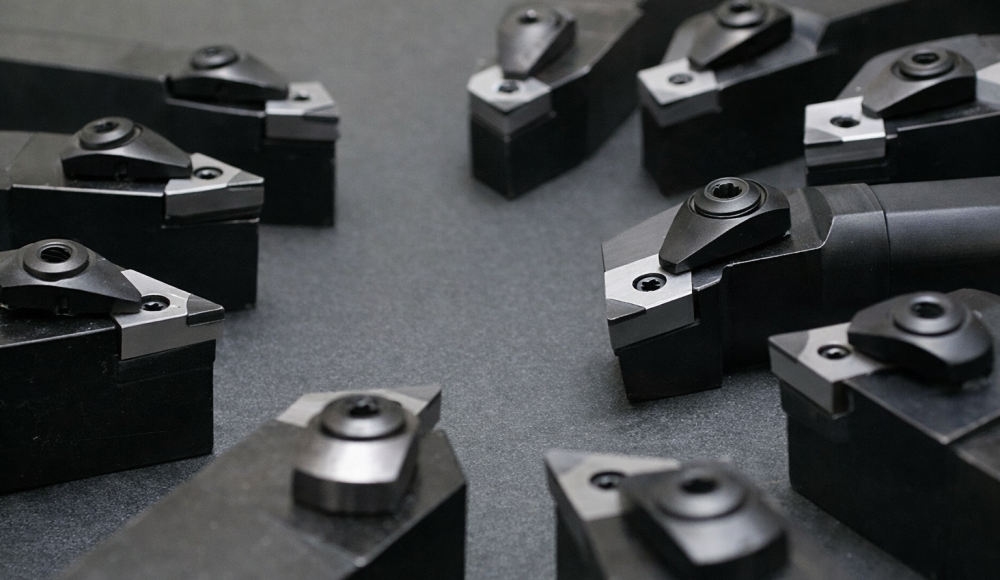
In Lavorazione CNC, la scelta degli utensili da taglio ha un impatto diretto sulla produttività, Qualità della superficie, costi di attrezzaggio, e tempo di attività della macchina. Tra gli utensili da taglio avanzati, Inserti in PCD sono diventate la soluzione preferita per i produttori che lavorano materiali non ferrosi e abrasivi su larga scala.
Ma cos'è esattamente un inserto PCD?, e perché viene spesso scelto rispetto al carburo, CBN, o strumenti di ceramica?
Questa guida fornisce a completare, spiegazione pratica degli inserti PCD, compreso il modo in cui funzionano, dove danno il meglio di sé, i loro vantaggi e limiti, e come selezionare l'inserto PCD giusto per la vostra applicazione di lavorazione.
Cos'è un inserto PCD?
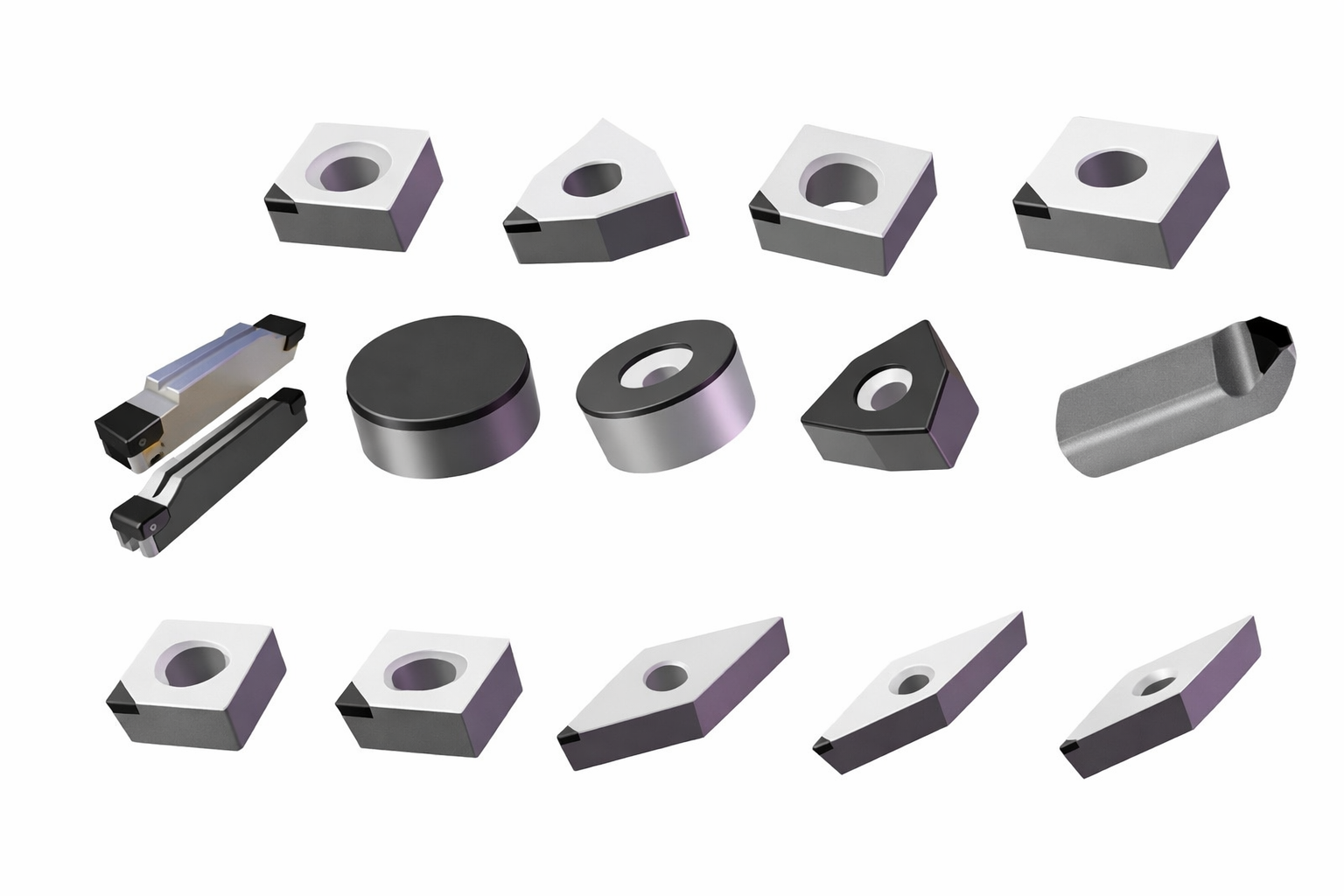
UN Inserto PCD, abbreviazione di Inserto in Diamante Policristallino, è un utensile da taglio CNC ad alte prestazioni realizzato in particelle di diamante sintetico che sono sinterizzati insieme sotto temperature e pressioni estreme. Durante questo processo di sinterizzazione, i microscopici cristalli di diamante si legano in una struttura densa, strato di taglio ultra duro.
Nella maggior parte dei modelli, lo strato di taglio PCD è permanentemente legato a un substrato di carburo di tungsteno. Questa struttura combina:
IL estrema durezza e resistenza all'usura di diamante
IL tenacità e resistenza agli urti di carburo
Questa struttura ibrida consente agli inserti PCD di fornire prestazioni di taglio eccezionali pur rimanendo meccanicamente stabili durante la lavorazione ad alta velocità.
Caratteristiche principali degli inserti PCD
Durezza estremamente elevata (di gran lunga superiore al carburo)
Eccezionale resistenza all'usura abrasiva
Eccellente nitidezza e ritenzione dei bordi
Attrito molto basso durante il taglio
Lungo, durata prevedibile dell'utensile
Operazioni di lavorazione tipiche
Gli inserti PCD sono ampiamente utilizzati in:
Noioso
Perforazione
Alesatura
Sono particolarmente efficaci durante la lavorazione metalli non ferrosi e materiali abrasivi, dove gli strumenti convenzionali si usurano rapidamente.
Settori di applicazione comuni
Gli inserti PCD sono ampiamente adottati in:
Produzione automobilistica
Componenti aerospaziali
Componenti elettronici e semiconduttori
Dispositivi medici
Lavorazione dell'alluminio di precisione
Lavorazione compositi e plastici
Vantaggi dell'utilizzo degli inserti PCD
Maggiore durata dell'utensile
Uno dei vantaggi più significativi degli inserti PCD è la loro durata dell'utensile eccezionalmente lunga. Rispetto agli utensili in metallo duro, Gli inserti PCD possono durare 10 A 90 volte più a lungo, a seconda del materiale e delle condizioni di taglio.
Questo li rende ideali per:
Produzione ad alto volume
Linee di lavorazione automatizzate
Produzione a luci spente
Significa anche una maggiore durata dell'utensile meno modifiche allo strumento, che riduce direttamente le interruzioni della produzione.
Capacità di lavorazione ad alta velocità
Gli inserti PCD possono funzionare a velocità di taglio molto più elevate rispetto agli utensili convenzionali in metallo duro. Il basso attrito e l'elevata stabilità termica consentono loro di mantenere l'integrità del taglio anche in condizioni di lavorazione aggressive.
I benefici includono:
Tempi di ciclo più brevi
Maggiore produttività della macchina
Aumento della capacità produttiva senza aggiunta di macchine
Eccellente precisione e finitura superficiale
Gli inserti PCD mantengono a tagliente affilato per periodi prolungati, che consente ai produttori di raggiungere:
Tolleranze dimensionali strette
Formazione minima di bave
Finiture superficiali lisce
Qualità delle parti costante su lunghi cicli di produzione
Ciò è particolarmente importante per:
Parti di accoppiamento di precisione
Superfici di sigillatura
Componenti decorativi o visibili
Elevata durabilità e stabilità del processo
Perché gli inserti in PCD resistono efficacemente all'usura abrasiva, forniscono stabile, prestazioni di lavorazione prevedibili. Questa stabilità si riduce:
Scheggiatura dell'utensile
Rottura del bordo
Difetti legati alle vibrazioni
Di conseguenza, Le macchine CNC possono funzionare in modo più coerente con meno arresti non pianificati.
Costo totale di proprietà inferiore
Mentre gli inserti in PCD hanno un costo di acquisto iniziale più elevato, in genere ridurre i costi totali di lavorazione nel tempo. Il risparmio sui costi deriva da:
Meno sostituzioni di utensili
Requisiti di inventario inferiori
Tempi di fermo macchina ridotti
Meno scarti causati da utensili usurati
Per applicazioni con volumi elevati o con materiali abrasivi, Gli inserti PCD spesso forniscono il costo per parte più basso.
Tempi di fermo macchina CNC ridotti
I frequenti cambi degli utensili interrompono la produzione e riducono l’utilizzo della macchina. Gli inserti PCD riducono al minimo queste interruzioni, permettendo:
Cicli di lavorazione non presidiati più lunghi
OEE migliorato (Efficacia complessiva dell'attrezzatura)
Migliore utilizzo della manodopera qualificata
Strumenti PCD comuni utilizzati nella lavorazione
La tecnologia PCD è disponibile in più formati di utensili per supportare diverse attività di lavorazione:
Inserti per tornitura PCD
Ideale per operazioni di finitura e semifinitura su alluminio e metalli non ferrosi.
Frese in PCD
Utilizzato per la fresatura ad alta velocità di leghe di alluminio, compositi, e plastica.
Utensili per alesatura PCD
Progettato per lavorazioni interne di precisione in cui le tolleranze strette sono fondamentali.
Punte e alesatori PCD
Utilizzato per la realizzazione di fori ultraprecisi con eccellente finitura superficiale.
Frese PCD
Comunemente applicato nella lavorazione dei compositi, taglio della grafite, e lavorazione della plastica.
Ogni tipo di utensile può essere personalizzato in base alla geometria, preparazione dei bordi, e condizioni di taglio.
Confronto degli inserti PCD con altri utensili da taglio
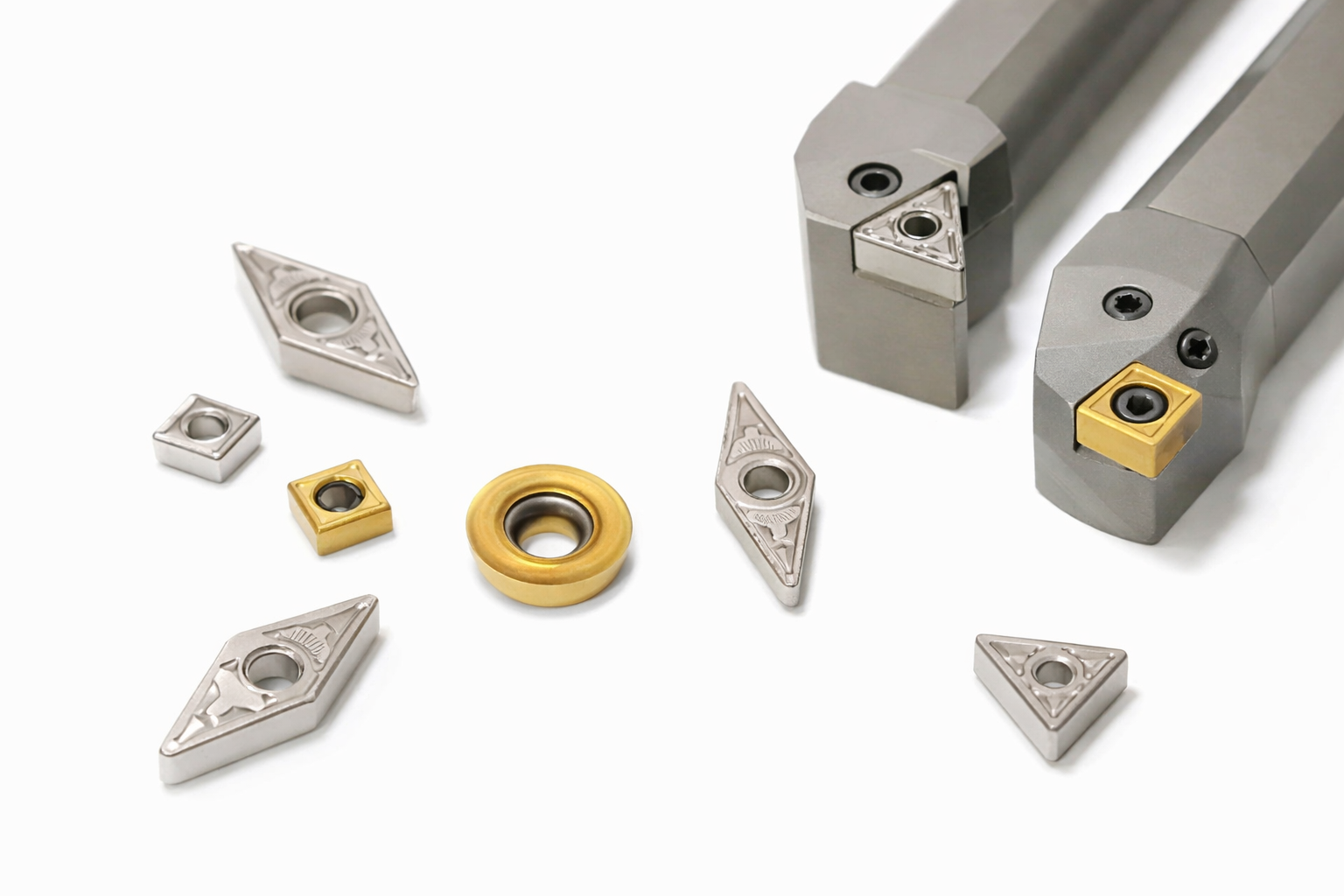
PCD vs. Inserti in carburo
Gli inserti in carburo sono realizzati con particelle di carburo di tungsteno legate con cobalto. Sono versatili ed economici ma si usurano relativamente rapidamente durante la lavorazione di materiali abrasivi.
PCD vs. Riepilogo del carburo:
Il PCD offre una durata dell'utensile significativamente più lunga
Il PCD produce una migliore finitura superficiale
Il carburo ha un costo iniziale inferiore
Il PCD ha costi a lungo termine inferiori nelle applicazioni ad alto volume
PCD vs. CBN (Nitruro di boro cubico)
Il CBN è il secondo materiale da taglio più duro dopo il diamante. Eccelle nella lavorazione materiali ferrosi e temprati.
Differenze chiave:
Il PCD è il migliore per materiali non ferrosi e abrasivi
Il CBN è migliore per l'acciaio temprato e la ghisa
Entrambi offrono un'eccellente resistenza all'usura, ma per materiali diversi
PCD vs. Utensili da taglio in ceramica
Gli strumenti in ceramica funzionano bene alle alte temperature, applicazioni di taglio a secco, soprattutto sui metalli duri.
Punti salienti del confronto:
Il PCD è molto più duro e resistente all'usura della ceramica
Ceramica sono migliori per materiali ferrosi e taglio a secco
Il PCD è superiore per l'alluminio, compositi, e plastica
Come scegliere l'inserto PCD giusto
La scelta del giusto inserto PCD richiede la valutazione di diversi fattori tecnici.
Materiale del pezzo
Gli inserti PCD offrono le migliori prestazioni su:
Leghe di alluminio e alluminio
Rame e ottone
Leghe di magnesio
Materie plastiche e polimeri
Grafite
Materiali compositi (CFRP, GFRP)
Sono sconsigliato per metalli ferrosi, poiché il ferro provoca una rapida usura chimica.
Applicazione del prodotto finale
Considera se la tua applicazione lo richiede:
Lavorazione grezza
Semifinitura
Finitura ad alta precisione
Gli inserti PCD sono particolarmente preziosi per la finitura superficiale, precisione, e la coerenza sono fondamentali.
Forma e geometria del pezzo
La geometria dell'inserto deve corrispondere al design della parte. Le forme comuni degli inserti PCD includono:
CCMT
DCGT
CCGT
Per la finitura sono preferibili gli inserti in PCD a spigolo vivo, mentre i bordi smussati garantiscono una migliore durata per condizioni di taglio variabili.
Parametri di taglio e stabilità della macchina
Gli strumenti PCD richiedono:
Macchine CNC stabili
Fissaggio adeguato
Velocità e avanzamenti ottimizzati
La rigidità della macchina è essenziale per evitare vibrazioni, che può danneggiare anche i taglienti super duri.
Quando utilizzare un inserto PCD
Gli inserti PCD sono la scelta migliore quando:
Produzione di grandi volumi di parti non ferrose
Lavorazione di materiali abrasivi
La qualità della finitura superficiale è fondamentale
La durata dell'utensile e la stabilità del processo superano il costo iniziale dell'utensile
Ridurre i tempi di inattività è una priorità
Considerazioni finali
Per officine CNC e produttori che lavorano l'alluminio, compositi, o altri materiali abrasivi, Gli inserti in PCD rappresentano spesso la soluzione più economica ed affidabile nel tempo.
Se stai valutando inserti PCD per la tua linea di produzione, lavorare con un partner esperto in attrezzature o lavorazioni meccaniche può aiutare a garantire la giusta geometria, parametri di taglio, e il rapporto costi-prestazioni per la vostra applicazione.
Domande frequenti
1. Perché i miei utensili in metallo duro si consumano così rapidamente durante la lavorazione di alluminio o materiali compositi??
Gli utensili in metallo duro si usurano rapidamente su leghe di alluminio e materiali compositi a causa della particelle abrasive, bordo di costruzione, e calore legato all'attrito. Gli inserti PCD sono progettati specificatamente per resistere all'usura abrasiva e ridurre l'adesione del materiale, che prolunga notevolmente la durata dell'utensile in queste applicazioni.
2. Gli inserti PCD valgono il costo iniziale più elevato?
SÌ, nella maggior parte delle applicazioni con volumi elevati o con materiali abrasivi. Sebbene gli inserti PCD inizialmente costino di più, si riducono notevolmente frequenza di cambio utensile, fermo macchina, tassi di scarto, e intervento del lavoro, risultando molto più basso costo per parte col tempo.
3. Gli inserti PCD possono essere utilizzati su acciaio o acciaio inossidabile?
NO. Gli inserti PCD lo sono sconsigliato per materiali ferrosi come acciaio al carbonio o acciaio inossidabile. Il ferro reagisce chimicamente con il diamante ad alte temperature, causando una rapida usura dell'utensile. Per materiali ferrosi, Sono più adatti utensili in CBN o ceramica.
4. Gli inserti PCD richiedono macchine o configurazioni CNC speciali?
Gli inserti PCD non richiedono macchine speciali, ma funzionano meglio su rigido, Attrezzatura CNC ben mantenuta con fissaggio stabile. Velocità adeguate, mangimi, e il controllo delle vibrazioni sono essenziali per realizzare appieno i vantaggi in termini di prestazioni e durata dell'utensile.
5. In che modo gli inserti PCD migliorano la finitura superficiale e la consistenza delle parti?
Gli inserti PCD mantengono a tagliente affilato per lungo tempo, che riduce al minimo le sbavature, Chatter, e rottura dei bordi. Questo porta a finiture superficiali omogenee, tolleranze più strette, e qualità uniforme su lunghi cicli di produzione, particolarmente importante per parti di precisione o cosmetiche.
6. Quali sono i settori che traggono i maggiori vantaggi dall’utilizzo degli inserti PCD?
Industrie che lavorano frequentemente materiali non ferrosi o abrasivi Beneficiare di più, compreso quello automobilistico, aerospaziale, elettronica, dispositivi medici, e produzione di compositi. Qualsiasi operazione che privilegia un rendimento elevato, precisione, e tempi di inattività ridotti possono guadagnare valore dagli utensili PCD.
7. Come scelgo la geometria dell'inserto PCD corretta per la mia applicazione?
La geometria corretta dipende da Tipo di materiale, condizioni di taglio, e progettazione delle parti. Le geometrie a spigolo vivo sono le migliori per la finitura, mentre i bordi smussati o rinforzati garantiscono una migliore durata per tagli variabili o interrotti. La consultazione di esperti di utensili o di lavorazione può aiutare a ottimizzare la selezione degli inserti.


