



La prototipazione rapida trasforma rapidamente un modello CAD in una parte fisica, spesso entro poche ore o giorni, in modo da poter testare un progetto prima di impegnarsi nella produzione degli strumenti. Convalida l'idoneità, funzione, aspetto, materiali, e producibilità attraverso la stampa 3D, Lavorazione CNC, Casting a vuoto, o attrezzaggio rapido. Ecco cosa devi sapere.
Come funziona la prototipazione rapida?
La prototipazione rapida inizia con un modello 3D e termina con una parte fisica che puoi testare.
- Costruisci un modello CAD 3D della parte.
- Scegli il processo e il materiale.
- Realizza la parte stampandola, lavorazione, fusione, o stampaggio.
- Testare e misurare il risultato.
- Itera il progetto e ripeti.
La prototipazione rapida riduce i tempi e i costi delle modifiche alla progettazione perché convalida la parte prima di impegnarsi nella produzione degli strumenti.
Quali sono i principali tipi di prototipi rapidi?
Scegli il tipo di prototipo che corrisponde a ciò di cui hai bisogno per apprendere il design.
| Tipo di prototipo | Cosa convalida | Processo tipico |
| Prototipo concettuale | Forma e idea di base | FDM, SLA |
| Prototipo visivo | Aspetto, misurare, ergonomia | SLA, PolyJet |
| Prototipo funzionale | Adatto, assemblaggio, funzione meccanica | CNC, SLS, mjf |
| Prototipo ingegneristico | Materiale, tolleranza, prestazione | Lavorazione CNC |
| Prototipo di pre-produzione | Progettazione della produzione e producibilità | CNC, modellazione rapida |
Il processo dovrebbe seguire ciò che convalidi. Un prototipo visivo non necessita di materiale di qualità produttiva. Un prototipo di ingegneria funzionale potrebbe necessitare della stessa lega, tolleranza, e finitura superficiale prevista per la produzione.
Quali sono i principali metodi di prototipazione rapida?
I metodi di prototipazione rapida rientrano nell’additivo, sottrattivo, e famiglie con strumenti soft.
3D Stampa
3La stampa D costruisce le parti strato dopo strato. È ideale per geometrie complesse e controlli di progettazione iniziali.
- FDM è a basso costo per prototipi concettuali e funzionali.
- La SLA offre superfici lisce e dettagli raffinati.
- SLS fornisce parti in nylon durevoli con geometria complessa.
- MJF fornisce prototipi polimerici funzionali e piccoli lotti.
- La stampa 3D in metallo è adatta a parti metalliche complesse difficili da lavorare.
Lavorazione CNC. La lavorazione CNC taglia le parti da materiale solido. Produce prototipi funzionali in metallo e plastica con proprietà simili alla produzione.
Casting a vuoto. La fusione sotto vuoto utilizza uno stampo in silicone per realizzare parti ripetute simili alla plastica. Si adatta a piccoli lotti di 10 A 50 copie.
Stampaggio ad iniezione rapida. Lo stampaggio a iniezione rapida utilizza stampi in alluminio morbido per realizzare parti stampate simili alla produzione. Si adatta alle quantità ponte prima della piena produzione.
Fabbricazione di lamiere. La lavorazione della lamiera taglia e piega lamiere per involucri, parentesi, e pannelli.
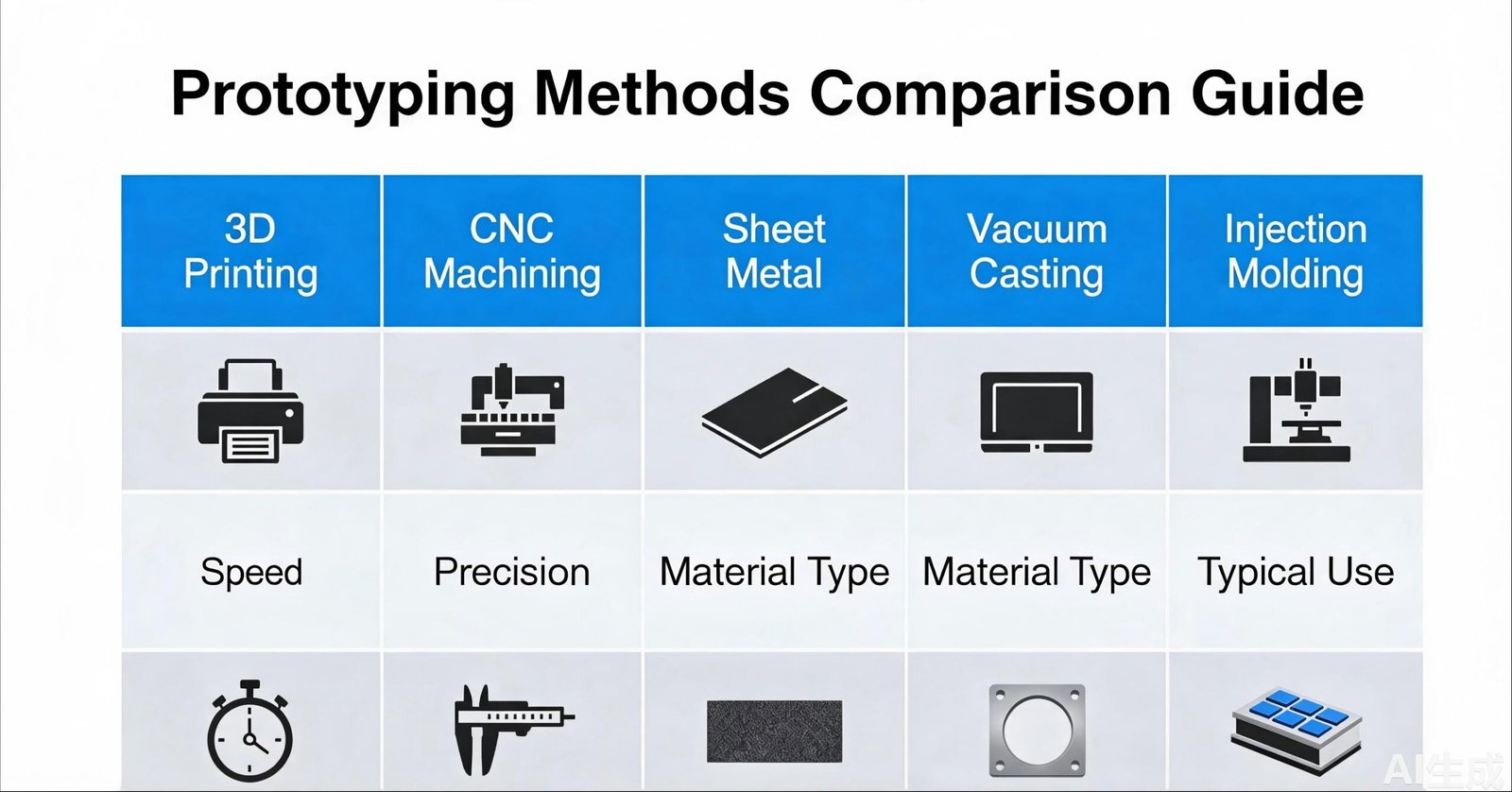
Come confrontare i metodi di prototipazione rapida?
| Metodo | Meglio per | Fedeltà materiale | Utensili richiesti | Quantità tipica | Limitazione principale |
| FDM / SLA | Modelli concettuali e visivi | Basso medio | NO | 1-20 | Le proprietà possono differire dalla produzione |
| SLS / mjf | Parti in plastica funzionali | Medio-Alto | NO | 1-100+ | Opzioni limitate di superficie e materiali |
| Lavorazione CNC | Prototipi funzionali in metallo e plastica | Alto | Nessun utensile duro | 1-100+ | Limiti geometrici e costi di lavorazione |
| Casting a vuoto | Parti ripetute simili alla plastica | Medio | Stampo in silicone | 10-50 | Durata dello stampo ed equivalenza dei materiali |
| Stampaggio ad iniezione rapida | Pezzi stampati simili alla produzione | Molto alto | È necessario uno stampo | Da decine a migliaia | Costo iniziale degli utensili più elevato |
| Fabbricazione di lamiere | Staffe e custodie | Alto | Solitamente minimo | 1 a centinaia | Limitato alla geometria del foglio |
Quali materiali vengono utilizzati per la prototipazione rapida?
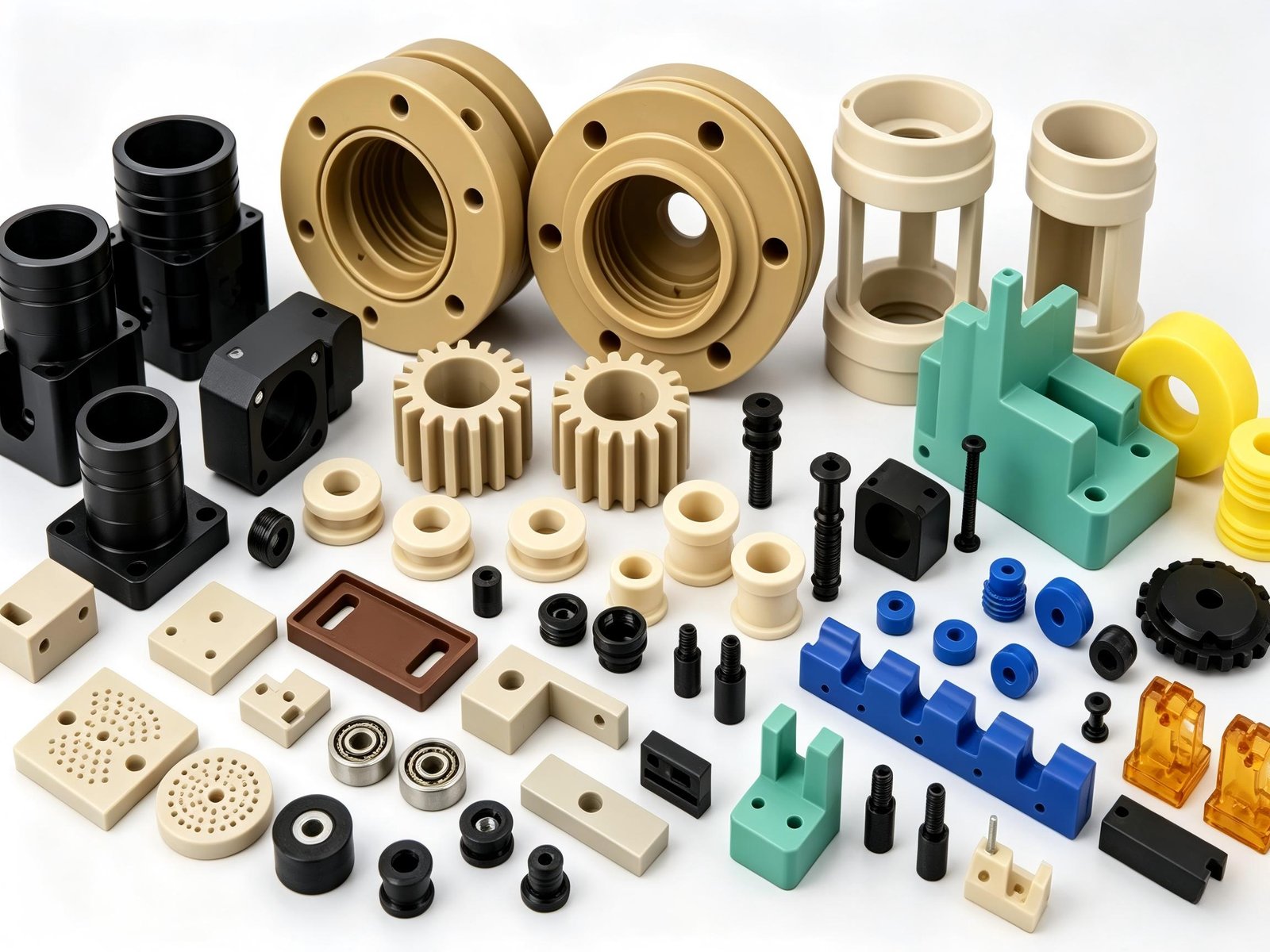
La plastica copre la maggior parte dei prototipi. I metalli sono comuni quando il test deve corrispondere alla produzione.
- Plastica: addominali, nylon, SBIRCIARE, acrilico, policarbonato, e resine calcinabili.
- Metalli: alluminio, acciaio, acciaio inossidabile, e titanio.
- Compositi e ceramiche per test specialistici.
Per prototipi funzionali e ingegneristici, utilizzare il materiale di produzione finale, o uno con meccanica comparabile, termico, e proprietà chimiche, quando pratico. Per prototipi concettuali o visivi, potrebbero essere sufficienti materiali sostitutivi a basso costo.
La selezione del materiale dovrebbe dipendere da ciò che convalidi: adattamento dimensionale, resistenza meccanica, Resistenza alla temperatura, resistenza chimica, aspetto superficiale, comportamento di assemblaggio, proprietà elettriche, o esposizione ambientale. Vedere Materiali per la lavorazione CNC per confrontare le opzioni.
Prototipazione rapida, stampa 3D e utensili rapidi
| Termine | Senso |
| Prototipazione rapida | Produzione rapida di parti per la convalida del progetto |
| 3Stampa D | Un processo additivo comunemente utilizzato per i prototipi |
| Attrezzaggio rapido | Produzione rapida di stampi, muore, o attrezzature per la produzione di prototipi o ponti |
La prototipazione rapida descrive l'approccio allo sviluppo. 3La stampa D descrive un processo di produzione. 3La stampa D è un modo per produrre prototipi rapidi, ma lavorazione CNC, Casting a vuoto, fabbricazione di lamiere, e vengono utilizzati anche lo stampaggio rapido.
Quali sono i vantaggi della prototipazione rapida?
La prototipazione rapida comprime il ciclo di progettazione e riduce i rischi.
- Consegna i pezzi in pochi giorni invece che in settimane.
- Supporta iterazioni di progettazione veloci.
- Rileva gli errori prima degli impegni con gli strumenti.
- Fornisce alle parti interessate una parte fisica da rivedere.
- Permette test funzionali con materiali idonei.
- Può produrre piccoli volumi di ponti prima della produzione.
Quali sono i limiti della prototipazione rapida?
Un prototipo non è sempre identico a una parte di produzione.
- 3Le parti stampate in D possono differire in resistenza e superficie dalle parti stampate.
- I materiali del prototipo potrebbero non corrispondere alla qualità di produzione finale.
- I costi del singolo pezzo sono superiori rispetto alla produzione di massa.
- Volumi molto elevati sono meglio serviti dai processi produttivi.
Interpretare i risultati dei test in base alla corrispondenza del prototipo con il materiale e il processo di produzione. Un materiale di qualità produttiva lavorato a CNC può fornire una forte convalida funzionale. Un sostituto stampato in 3D potrebbe essere migliore per la geometria o per i test in fase iniziale.
Dove viene utilizzata la prototipazione rapida?
| Applicazione | Esempio tipico | Metodo comune |
| Sviluppo del prodotto | Custodie per l'elettronica | 3Stampa D o CNC |
| Dispositivi medici | Modelli adatti e funzionali | 3Stampa D o CNC |
| Settore automobilistico | Staffe e pannelli | CNC o stampaggio rapido |
| Automazione industriale | Utensili di fine braccio | FDM o SLS |
| Marketing | Guarda i modelli | SLA |
| Bridging produttivo | Volumi iniziali bassi | Stampaggio ad iniezione rapida |
Come scegliere un metodo di prototipazione rapida
Scegli il processo in base a questi sei fattori.
- Cosa stai convalidando?? Aspetto, adatto, tolleranza, forza, prestazione termica, o fattibilità della produzione.
- L’equivalenza materiale è importante?? Se sì, scegli la lavorazione CNC o lo stampaggio di tipo produttivo.
- Quanto è complessa la geometria? I processi additivi si adattano a canali interni e forme difficili da lavorare.
- Quali tolleranze sono richieste? Requisiti dimensionali rigorosi possono favorire la lavorazione CNC.
- Di quante parti hai bisogno?? Un prototipo e 200 le parti del ponte hanno economie diverse.
- Il design cambierà di nuovo? Evitare strumenti dedicati quando sono probabili revisioni importanti.
Per parti metalliche, Nostro Prototipazione CNC il servizio produce parti da stock solido. Leggi il nostro Guida alla lavorazione dei prototipi CNC E come realizzare un prototipo in metallo per maggiori dettagli.
Suggerimenti DFM per la prototipazione rapida
Tieni a mente questi punti prima di inviare un disegno prototipo.
- Evitare tolleranze strette non necessarie.
- Identificare le dimensioni critiche sul disegno 2D.
- Specificare il materiale, grado, e temperamento dove la funzione dipende da loro.
- Evitare cavità molto profonde e pareti sottili durante la lavorazione.
- Requisiti superficiali estetici e funzionali separati.
- Specificare gli inserti filettati, discussioni, e interfacce di accoppiamento.
- Indicare quali dimensioni richiedono rapporti di ispezione.
- Spiega al fornitore cosa intende convalidare il prototipo.
La condivisione dello scopo del test previsto consente al produttore di consigliare un processo che soddisfi i requisiti tecnici senza aumentare inutilmente i costi.
Quanto costa la prototipazione rapida?
Il costo dipende dal metodo, materiale, misurare, complessità, quantità, e finire.
| Fattore di costo | Perché cambia il prezzo |
| Dimensione della parte | Più materiale e tempo di lavorazione o di costruzione |
| Geometria | Le funzionalità complesse aumentano i tempi di elaborazione |
| Materiale | I tecnopolimeri e i metalli speciali costano di più |
| Tolleranza | Tolleranze più strette richiedono una produzione e un'ispezione più controllate |
| Finitura superficiale | Lucidatura, anodizzazione, e la pittura aggiunge le operazioni |
| Quantità | Il costo di installazione è distribuito su più pezzi |
| Utensileria | La fusione e lo stampaggio sotto vuoto richiedono stampi |
| Tempi di consegna | La consegna urgente può limitare le opzioni del processo |
Un preventivo ti fornisce il numero reale per la tua parte specifica.
Prototipazione rapida CNC per parti funzionali
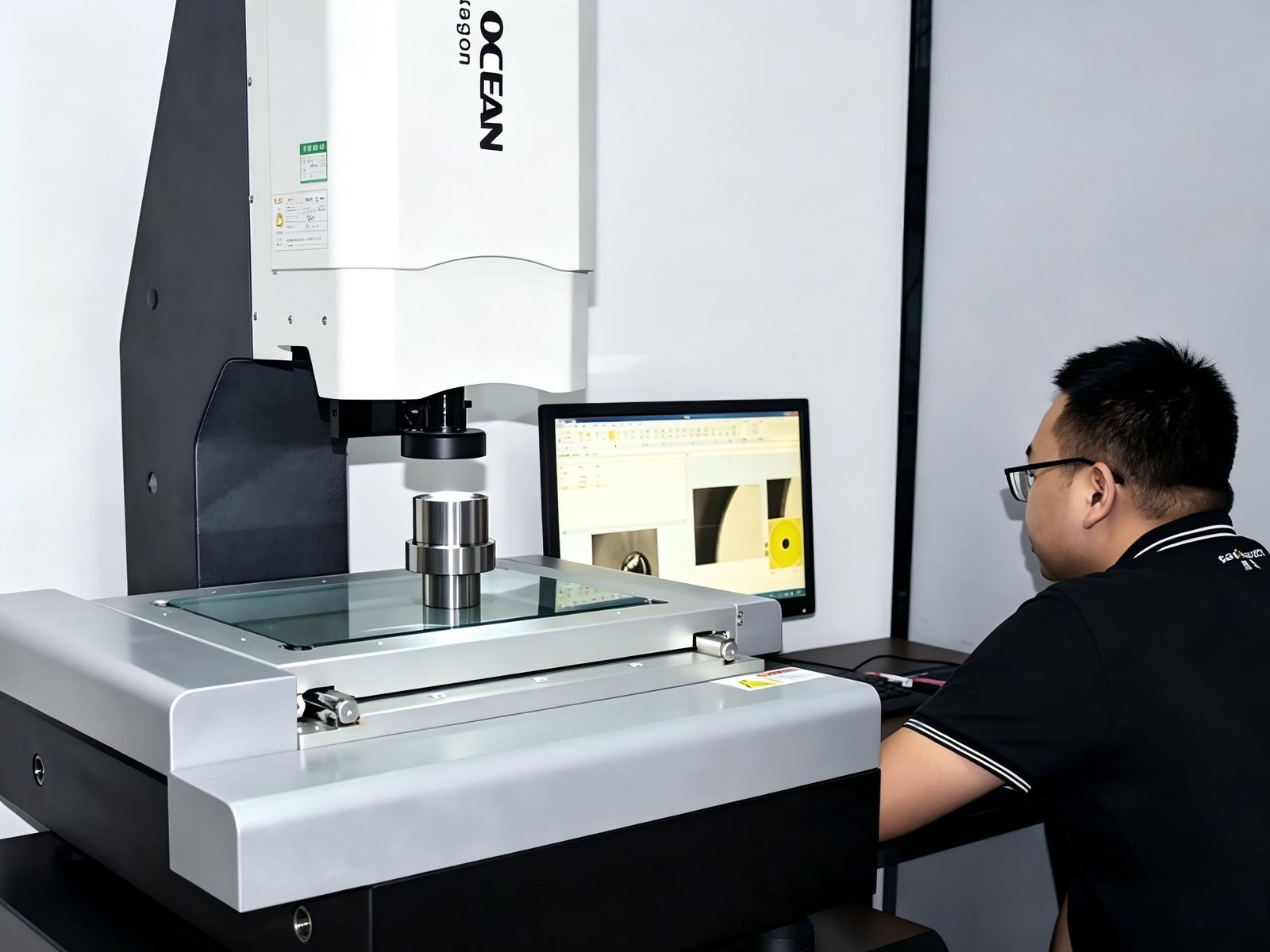
Per prototipi funzionali in metallo e tecnoplastica, TOPS Precision utilizza la fresatura e la tornitura CNC per produrre pezzi direttamente da materiale solido. Questo approccio funziona quando il prototipo necessita di proprietà del materiale di livello produttivo, stretto controllo dimensionale, discussioni, interfacce di accoppiamento, o finiture superficiali rappresentative della produzione.
Lavoriamo 100+ metalli e plastiche secondo la norma ISO 9001:2015 sistema di qualità. Per progetti adatti, i prototipi funzionali vengono generalmente completati 1-3 giorni. L'invio di un disegno avvia una revisione DFM gratuita e consigli sul processo.
Domande frequenti
A cosa serve la prototipazione rapida?
Viene utilizzato per testare la forma, adatto, funzione, aspetto, e producibilità prima degli strumenti di produzione.
La stampa 3D è equivalente alla prototipazione rapida?
NO. 3La stampa D è un metodo di prototipazione rapida. Lavorazione CNC, Casting a vuoto, e lo stampaggio rapido sono altri.
Quanto tempo richiede la prototipazione rapida?
Tipicamente giorni. Il tempo esatto dipende dal metodo, materiale, complessità, e quantità.
Quanto costa la prototipazione rapida?
Dipende dalle dimensioni, geometria, materiale, tolleranza, fine, quantità, e utensili. Una citazione fornisce il numero reale.
Qual è la differenza tra prototipazione rapida e utensili rapidi??
La prototipazione rapida realizza parti campione. L'attrezzaggio rapido realizza rapidamente stampi o matrici per la produzione di prototipi o ponti.
Quale metodo di prototipazione rapida è il migliore per le parti metalliche?
La lavorazione CNC è solitamente la migliore per i prototipi funzionali in metallo perché utilizza materiale di qualità produttiva e mantiene tolleranze strette.
Ottieni un preventivo per il tuo prototipo
Invia il tuo file CAD 3D, 2disegno D, materiale, quantità, e requisiti di finitura. I nostri ingegneri esamineranno il progetto, consigliare il metodo affidabile più veloce, e cita il tuo prototipo prima di impegnarti nella realizzazione degli strumenti.


