



Comparado com o padrão 304 aço inoxidável, 321 o aço inoxidável oferece melhor resistência à corrosão intergranular após exposição a temperaturas elevadas. Isso o torna um material popular para componentes aeroespaciais, sistemas de exaustão, equipamento de processamento químico, trocadores de calor, vasos de pressão, e outras aplicações de alta temperatura.
Para fabricantes e engenheiros, no entanto, selecionar o tipo certo de aço inoxidável é apenas o primeiro passo. O desempenho final de um 321 componente de aço inoxidável também depende do processo de fabricação, incluindo usinagem CNC, soldagem, formação, tratamento térmico, e acabamento superficial.
Este guia explica o 321 propriedades do aço inoxidável, composição química, vantagens, aplicações, considerações de usinagem, e métodos de fabricação para ajudar engenheiros e equipes de compras a determinar se este material é adequado para seu próximo projeto.
O que é 321 Aço inoxidável?
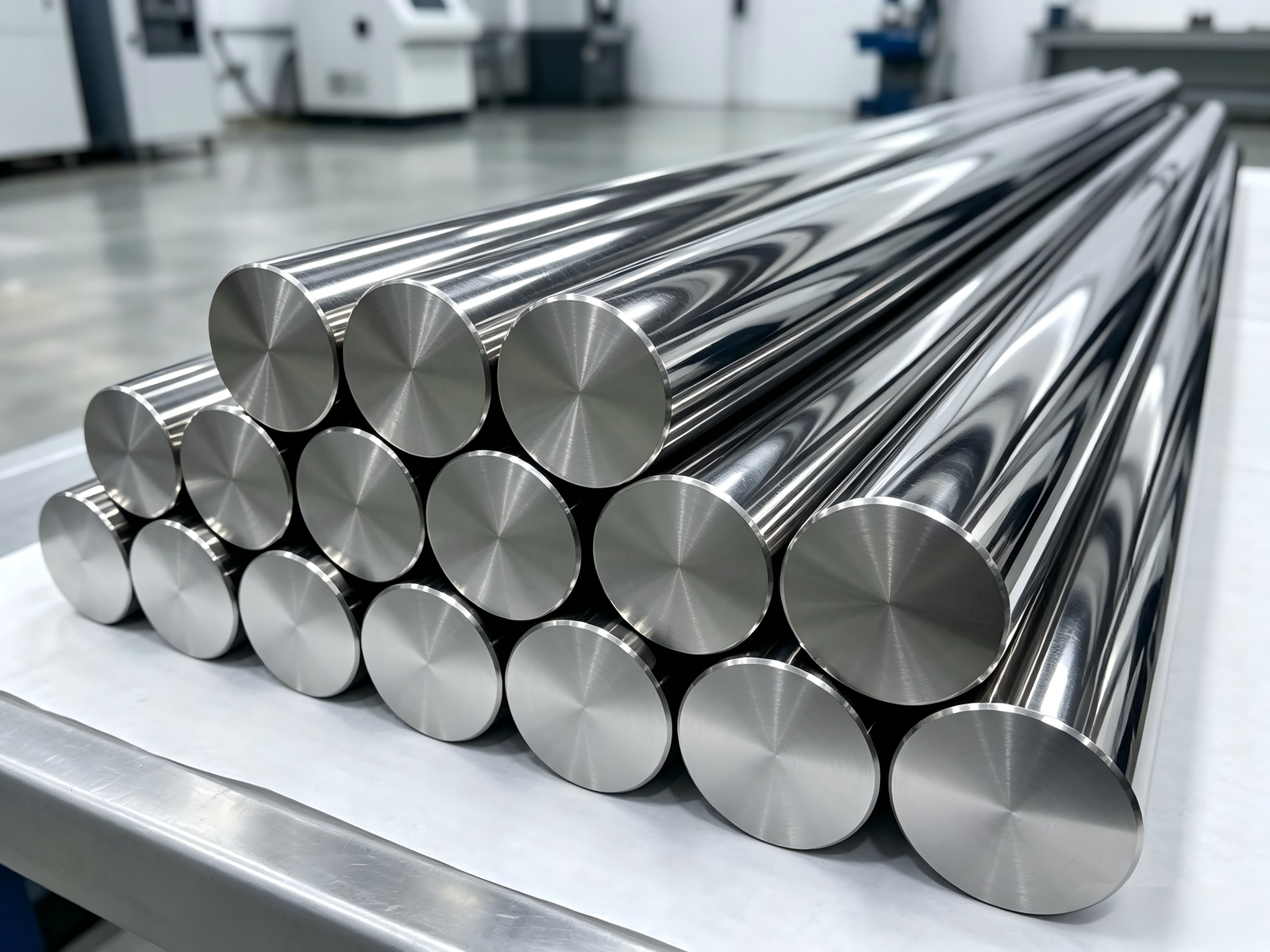
321 aço inoxidável, Também conhecido como EUA S32100, é um aço inoxidável austenítico contendo cromo e níquel, com titânio adicionado como elemento estabilizador.
A adição de titânio é a característica definidora do Grade 321. Durante a exposição a altas temperaturas, carbono em aço inoxidável pode combinar-se com cromo para formar carbonetos de cromo, particularmente ao longo dos limites dos grãos. Este fenômeno pode reduzir a resistência à corrosão em certos ambientes e aumentar o risco de corrosão intergranular.
O titânio tem uma afinidade mais forte pelo carbono do que o cromo. Combinando preferencialmente com carbono, o titânio ajuda a reduzir a formação de carbonetos de cromo nos limites dos grãos.
Isso faz 321 aço inoxidável particularmente útil para componentes que:
- Operar continuamente em temperaturas elevadas
- Experimente ciclos repetidos de aquecimento e resfriamento
- Exigem boa resistência à oxidação e incrustação
- Precisa de resistência à corrosão após a soldagem
- Exigem boa resistência mecânica e estabilidade dimensional
- Estão expostos ao estresse térmico
A combinação de desempenho em alta temperatura, resistência à corrosão, soldabilidade, e durabilidade faz 321 aço inoxidável, um importante material de engenharia para aplicações industriais exigentes.
321 Composição Química do Aço Inoxidável
A composição química exata pode variar ligeiramente dependendo do padrão de material aplicável e da forma do produto, mas nota típica 321 aço inoxidável contém:
| Elemento | Função Típica |
| Cromo | Fornece resistência à corrosão e oxidação |
| Níquel | Estabiliza a estrutura austenítica e melhora a tenacidade |
| Titânio | Estabiliza o carbono e reduz a precipitação de carboneto de cromo |
| Carbono | Contribui para a força, mas deve ser controlado |
| Manganês | Melhora o processamento e contribui para a força |
| Silício | Ajuda na desoxidação e resistência à oxidação |
| Ferro | Balanço primário da liga |
A estabilização do titânio é especialmente importante quando o material é submetido a temperaturas elevadas ou soldagem.
Para aplicações críticas, os compradores devem sempre especificar o padrão e a certificação do material exigido. Dependendo do projeto, isso pode incluir requisitos para ASTM, ASME, EM, ou outras especificações aplicáveis.
321 Propriedades do aço inoxidável
Compreender as propriedades físicas e mecânicas de 321 o aço inoxidável é essencial ao selecioná-lo para usinagem CNC ou fabricação personalizada.
Propriedades típicas incluem:
| Propriedade | Valor típico |
| Tipo de material | Aço inoxidável austenítico |
| Densidade | Aproximadamente 7.9 g/cm³ |
| Força de rendimento mínima | Aproximadamente 205 MPa |
| Resistência Mínima à Tração | Aproximadamente 515 MPa |
| Alongamento | Aproximadamente 40% |
| Dureza | Normalmente até aproximadamente 217 HB |
| Condutividade térmica | Aproximadamente 16 W/m·K a 100°C |
| Comportamento Magnético | Geralmente não magnético na condição recozida |
As propriedades mecânicas reais dependem da especificação aplicável, formulário do produto, tratamento térmico, e condição de fabricação.
Para usinagem CNC de precisão, a condição do material também pode influenciar o desempenho de corte e a estabilidade dimensional. Portanto, os fabricantes devem considerar não apenas o tipo de aço inoxidável, mas também o certificação de materiais, dureza, condição de estoque, e tolerâncias finais exigidas.
Por que é 321 Aço inoxidável adequado para aplicações de alta temperatura?
A maior vantagem de 321 o aço inoxidável é sua capacidade de manter um desempenho confiável em ambientes de temperatura elevada.
Quando os aços inoxidáveis austeníticos convencionais são expostos a determinadas faixas de temperatura por longos períodos, precipitação de carboneto de cromo pode ocorrer nos limites dos grãos. Isto pode reduzir a concentração de cromo em torno desses limites e potencialmente tornar o material mais suscetível à corrosão intergranular..
321 o aço inoxidável resolve esse problema por meio da estabilização do titânio.
O titânio combina preferencialmente com carbono, ajudando a evitar que o cromo se esgote nos limites dos grãos. Como resultado, 321 o aço inoxidável proporciona maior resistência à corrosão intergranular após exposição a temperaturas elevadas.
Esta característica é particularmente valiosa para:
- Conjuntos soldados
- Componentes de escape
- Trocadores de calor
- Equipamento de forno
- Componentes aeroespaciais
- Tubulação de alta temperatura
- Equipamento de processamento químico
321 o aço inoxidável é, portanto, frequentemente selecionado quando um componente deve manter a resistência à corrosão e a integridade estrutural durante exposição térmica prolongada.
Principais benefícios de 321 Aço inoxidável
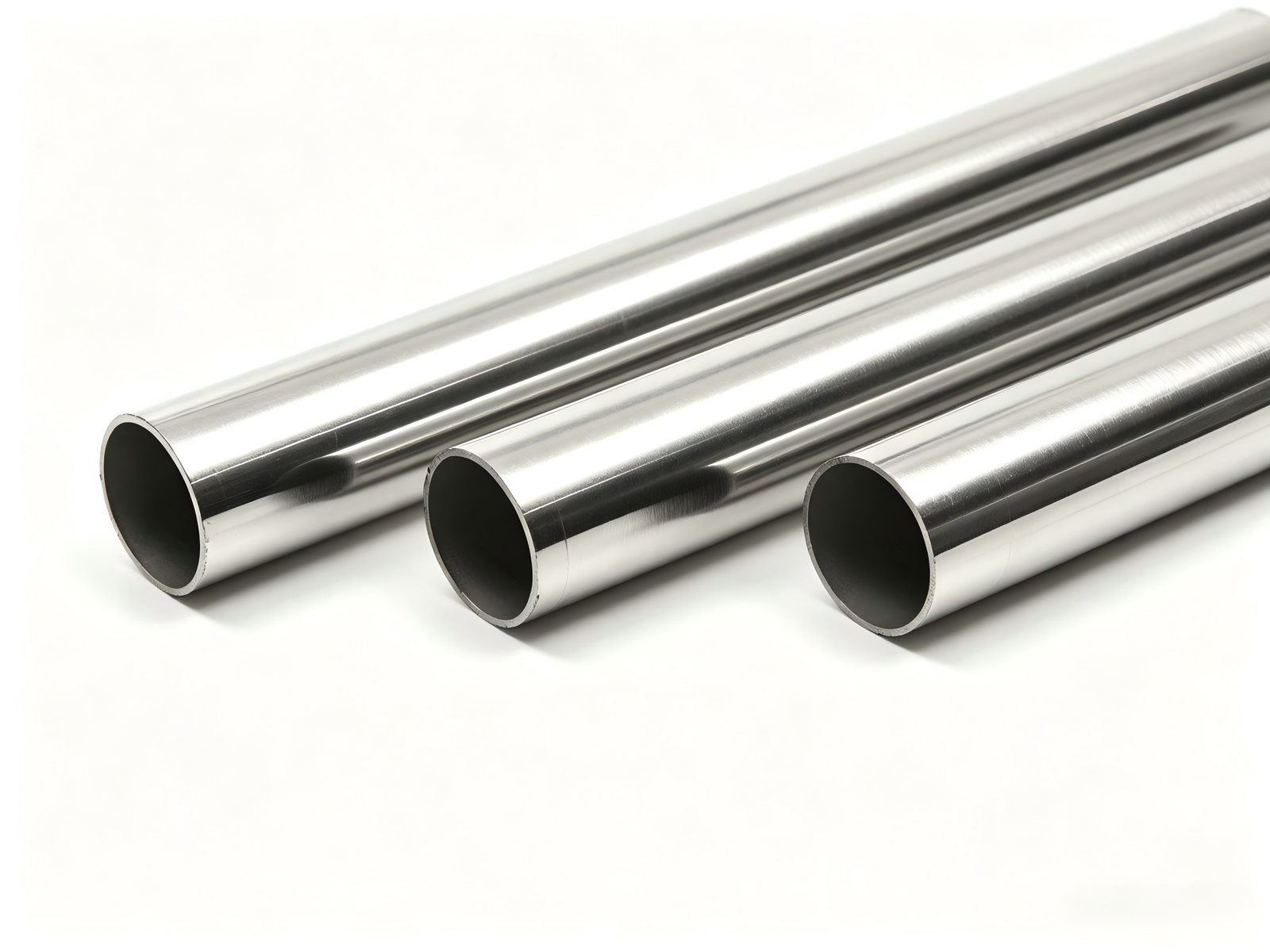
1. Excelente desempenho em altas temperaturas
321 o aço inoxidável foi projetado para aplicações onde os componentes são expostos a temperaturas elevadas e ciclos térmicos.
Oferece boa resistência à oxidação e mantém propriedades mecânicas úteis sob condições térmicas exigentes. Isso o torna adequado para componentes como sistemas de exaustão, luminárias de forno, peças de motor de aeronaves, e equipamentos de processamento de alta temperatura.
Para engenheiros, a principal vantagem não é simplesmente a capacidade de suportar altas temperaturas por um curto período. A consideração mais importante é como o material funciona durante exposição a longo prazo, ciclagem térmica repetida, e estresse térmico.
2. Boa resistência à corrosão
321 o aço inoxidável oferece boa resistência geral à corrosão em muitos ambientes industriais.
Sua estrutura estabilizada com titânio também melhora a resistência à corrosão intergranular após exposição a certas temperaturas elevadas.
No entanto, 321 o aço inoxidável não é universalmente a melhor escolha para todos os ambientes corrosivos. Para aplicações que envolvem exposição severa a cloretos ou meios químicos altamente agressivos, outros tipos de aço inoxidável ou ligas resistentes à corrosão podem ser mais apropriados.
A seleção de materiais deve, portanto, considerar:
- Concentração química
- Temperatura operacional
- Exposição ao cloreto
- Umidade
- Pressão
- Produtos químicos de limpeza
- Requisitos de vida útil
3. Excelente durabilidade
321 aço inoxidável combina resistência à corrosão, força, dureza, e estabilidade térmica.
Isto o torna adequado para componentes que devem operar de forma confiável por longos períodos sob condições exigentes.
Para compradores industriais, maior durabilidade pode fornecer vários benefícios práticos:
- Maior vida útil dos componentes
- Manutenção reduzida
- Menor frequência de substituição
- Maior confiabilidade do equipamento
- Tempo de inatividade reduzido
A vida útil final, no entanto, depende do ambiente operacional real e da qualidade de fabricação.
4. Boa soldabilidade
321 o aço inoxidável geralmente tem boa soldabilidade e pode ser fabricado usando processos comuns de soldagem de aço inoxidável.
A sua estabilização com titânio torna-o particularmente útil para componentes soldados expostos a temperaturas elevadas.
Os processos de soldagem típicos podem incluir:
- Soldagem TIG
- Soldagem MIG
- Soldagem a arco de gás tungstênio
- Soldagem a arco de metal a gás
- Soldagem por resistência
Para aplicações críticas, os procedimentos de soldagem devem ser cuidadosamente controlados para evitar distorções, contaminação, e defeitos.
Depois de soldar, limpeza e passivação apropriadas também podem ser necessárias para restaurar a resistência à corrosão da superfície.
5. Boa formabilidade
Como um aço inoxidável austenítico, 321 o aço inoxidável oferece boa ductilidade e pode ser moldado em vários formatos.
Pode ser usado para:
- Tubos
- Tubos
- Componentes de chapa metálica
- Suportes
- Capas
- Conjuntos fabricados sob medida
No entanto, como outros aços inoxidáveis austeníticos, pode sofrer endurecimento por trabalho durante a conformação e usinagem. Os parâmetros de fabricação devem, portanto, ser selecionados cuidadosamente.
6. Resistência à oxidação e incrustações
321 o aço inoxidável oferece boa resistência à oxidação e incrustação em temperaturas elevadas.
Esta propriedade é particularmente útil em:
- Componentes do forno
- Equipamento de tratamento térmico
- Sistemas de escape
- Dutos de alta temperatura
- Equipamento de processamento térmico
Uma superfície estável ajuda a manter a integridade dos componentes e reduz o risco de degradação prematura.
321 Aplicações em aço inoxidável
Devido à sua combinação de resistência à corrosão, estabilidade térmica, e desempenho mecânico, 321 o aço inoxidável é usado em vários setores exigentes.
1. Indústria aeroespacial
As aplicações aeroespaciais geralmente exigem materiais que possam suportar altas temperaturas, ciclagem térmica, vibração, e ambientes corrosivos.
321 aço inoxidável pode ser usado para:
- Componentes de exaustão de aeronaves
- Componentes do motor
- Componentes relacionados à combustão
- Coletores de escape
- Dutos de alta temperatura
- Componentes estruturais expostos a temperaturas elevadas
A capacidade do material em altas temperaturas e a resistência à corrosão intergranular o tornam atraente para aplicações aeroespaciais.
Para projetos aeroespaciais, no entanto, rastreabilidade e certificação de materiais são particularmente importantes. Os fabricantes devem ser capazes de fornecer certificados de materiais apropriados e documentação de qualidade quando necessário.
2. Equipamento de processamento químico
Equipamentos de processamento químico geralmente operam sob combinações de calor, pressão, e produtos químicos corrosivos.
321 aço inoxidável pode ser usado para:
- Trocadores de calor
- Componentes do reator
- Vasos de pressão
- Tubulação
- Equipamento de processo
- Tanques de alta temperatura
Sua resistência à corrosão intergranular pode ser particularmente benéfica para equipamentos soldados expostos a temperaturas elevadas.
A adequação do grau 321 deve sempre ser verificado em relação ao ambiente químico específico porque a resistência à corrosão varia significativamente dependendo do meio químico e das condições operacionais.
3. Indústria de Petróleo e Gás
O setor de petróleo e gás utiliza componentes de aço inoxidável em equipamentos expostos a altas temperaturas e condições operacionais exigentes.
As aplicações potenciais incluem:
- Equipamento de refinaria
- Componentes do forno
- Tubulação de alta temperatura
- Trocadores de calor
- Equipamento de processo
- Sistemas de exaustão e combustão
A capacidade do material de manter o desempenho durante a exposição térmica o torna uma opção útil para aplicações selecionadas de refinaria e processamento..
4. Indústria automobilística
321 o aço inoxidável é frequentemente associado a componentes automotivos de alta temperatura, especialmente sistemas relacionados ao escapamento.
Os aplicativos podem incluir:
- Coletores de escape
- Tubos de escape
- Componentes do silenciador
- Componentes relacionados ao turbocompressor
- Componentes do conversor catalítico
- Suportes e suportes para alta temperatura
Comparado com materiais convencionais, 321 o aço inoxidável pode fornecer maior resistência à oxidação e ao ciclo térmico.
Isso pode ajudar a prolongar a vida útil dos componentes em ambientes de exaustão exigentes.
5. Equipamento de tratamento térmico
Equipamentos de tratamento térmico requerem materiais capazes de operar em temperaturas elevadas sem deformação excessiva, oxidação, ou degradação.
321 aço inoxidável pode ser usado para:
- Componentes do forno
- Recozimento de coberturas
- Dispositivos de tratamento térmico
- Componentes de proteção de termopar
- Bandejas de alta temperatura
- Suportes e suportes
Sua resistência à incrustação e ao estresse térmico o torna adequado para aplicações selecionadas de tratamento térmico.
6. Geração de energia e equipamentos industriais
Aplicações adicionais podem incluir sistemas industriais e de geração de energia selecionados onde os componentes enfrentam temperaturas elevadas e ambientes corrosivos.
Exemplos incluem:
- Componentes relacionados à caldeira
- Sistemas de recuperação de calor
- Equipamento de processamento térmico
- Sistemas de aquecimento industrial
- Componentes de tubulação de alta temperatura
A adequação exata depende da temperatura, pressão, condições de corrosão, e padrões industriais aplicáveis.
321 Aço inoxidável vs.. 304: Qual é a diferença?
A comparação entre 321 e 304 o aço inoxidável é uma das questões mais comuns na seleção de materiais.
Ambos são aços inoxidáveis austeníticos e oferecem boa resistência à corrosão, conformabilidade, e soldabilidade. A principal diferença é que 321 aço inoxidável é titânio estabilizado, enquanto 304 não é.
| Recurso | 304 Aço inoxidável | 321 Aço inoxidável |
| Estrutura Básica | Austenítico | Austenítico |
| Estabilização de Titânio | Não | Sim |
| Resistência Geral à Corrosão | Excelente | Excelente |
| Aplicações de alta temperatura | Bom | Mais adequado |
| Resistência à corrosão intergranular após exposição térmica | Mais baixo | Melhorou |
| Soldabilidade | Excelente | Excelente |
| Formabilidade | Excelente | Bom |
| Custo típico | Geralmente mais baixo | Geralmente mais alto |
| Aplicativos comuns | Fabricação geral, comida, arquitetônico | Aplicações térmicas e de alta temperatura |
Quando você deve escolher 304?
Escolher 304 aço inoxidável quando:
- A aplicação opera em temperaturas moderadas
- A resistência geral à corrosão é o principal requisito
- O custo é uma consideração importante
- Excelentes características de conformação são necessárias
- A estabilização de alta temperatura não é necessária
Quando você deve escolher 321?
321 o aço inoxidável pode ser uma escolha melhor quando:
- O componente opera em temperaturas elevadas
- O componente experimenta ciclos térmicos repetidos
- The component is welded and subsequently exposed to high temperatures
- Resistance to intergranular corrosion is important
- Long-term thermal stability is required
The best material depends on the actual operating conditions rather than simply choosing the more expensive grade.
321 Aço inoxidável vs.. 316
316 aço inoxidável is widely recognized for its excellent resistance to chloride-induced corrosion due to the addition of molybdenum.
321 aço inoxidável, por outro lado, is primarily selected for its titanium stabilization and high-temperature performance.
A simplified comparison is:
- 321:Better suited to many high-temperature applications and thermal cycling
- 316:Often preferred for chloride-rich and marine environments
- 304:A cost-effective choice for many general-purpose applications
If the main challenge is alta temperatura, 321 may be the better option.
If the main challenge is chloride corrosion, 316 pode ser mais apropriado.
For demanding projects, engineers should evaluate both the operating environment and temperature before selecting the material.
321 Aço inoxidável vs.. 347
321 e 347 stainless steels are both stabilized austenitic stainless steels designed for applications where resistance to intergranular corrosion after elevated-temperature exposure is important.
The key difference is the stabilization element:
- 321 stainless steel uses titânio
- 347 stainless steel uses nióbio (columbium)
Both grades can be used in high-temperature environments, but their specific performance, disponibilidade, and manufacturing requirements may differ.
Material selection should consider:
- Temperatura operacional
- Welding requirements
- Material availability
- Ambiente de corrosão
- Industry specifications
- Project cost
É 321 Aço inoxidável fácil de usinar?
321 stainless steel can be CNC machined, but it is generally considered more challenging to machine than free-machining materials.
Like many austenitic stainless steels, it can experience endurecimento por trabalho durante a usinagem.
If cutting conditions are not properly controlled, the machined surface can become harder, making subsequent cutting more difficult.
Common machining challenges include:
- Endurecimento por trabalho
- Heat generation
- Desgaste da ferramenta
- Controle de chips
- Surface damage
- Dimensional instability caused by thermal expansion
Para usinagem CNC de precisão, selecting the correct cutting parameters is therefore critical.
Usinagem CNC 321 Aço inoxidável: Considerações importantes
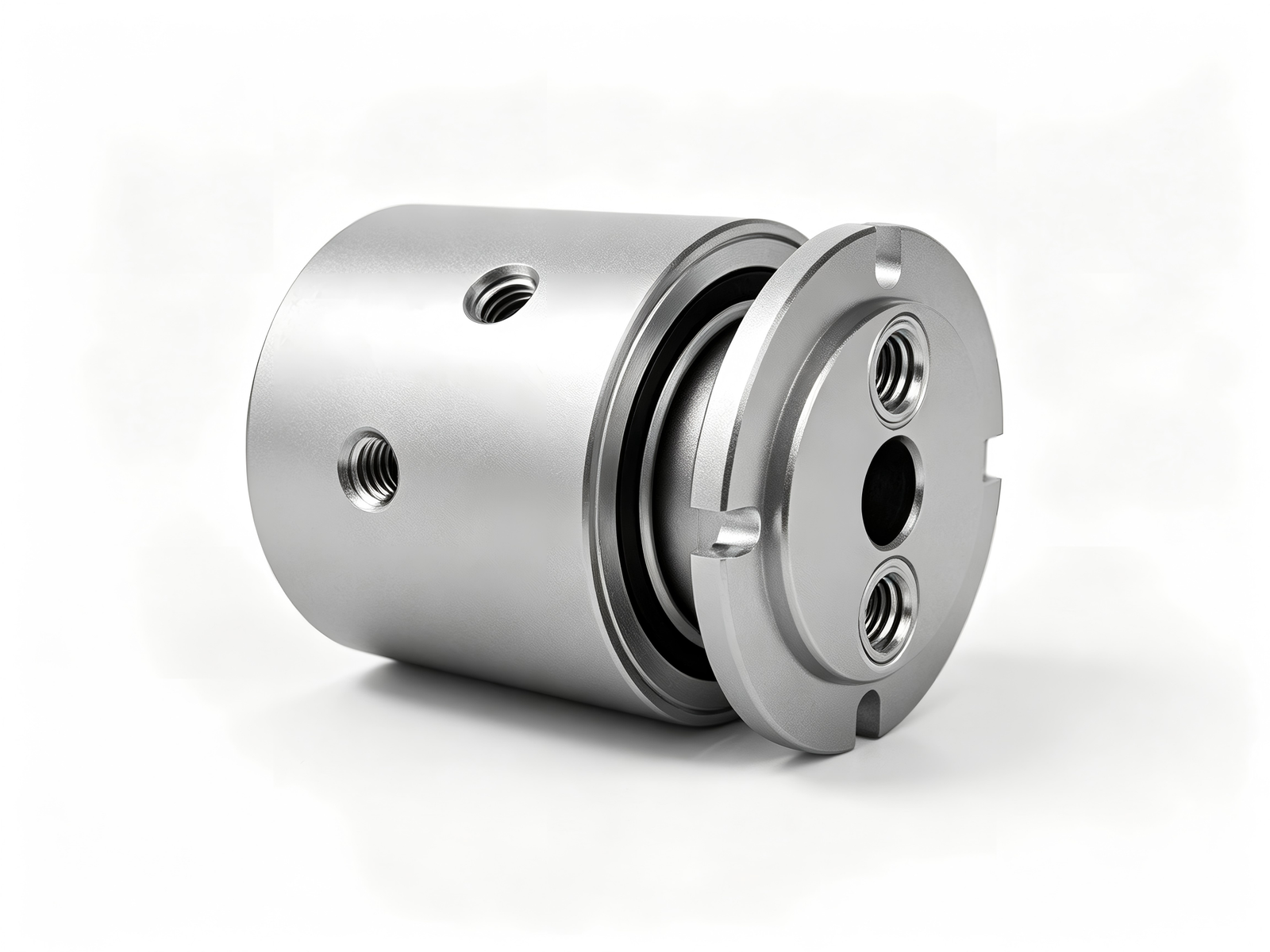
Ao usinar 321 aço inoxidável, the goal is to remove material efficiently while controlling heat, endurecimento por trabalho, Desgaste da ferramenta, and dimensional variation.
1. Use ferramentas de corte afiadas
Sharp cutting edges help reduce unnecessary friction and heat generation.
Carbide tools are commonly considered for production machining because they provide good wear resistance and can maintain cutting performance under appropriate conditions.
The correct tool geometry depends on the operation, geometria de parte, and required surface finish.
2. Evite permanência excessiva da ferramenta
Allowing the cutting tool to remain stationary while contacting the material can generate excessive heat and promote work hardening.
A stable cutting process with consistent feed and engagement is generally preferable.
3. Mantenha condições de corte adequadas
Cutting speed and feed rate should be optimized based on:
- Material da ferramenta
- Diâmetro da ferramenta
- Rigidez da máquina
- Geometria da peça
- Material condition
- Depth of cut
- Coolant strategy
There is no single cutting parameter that works for every 321 stainless steel CNC machining project.
Experienced machinists typically optimize parameters through tooling recommendations and production trials.
4. Use refrigerante e lubrificação eficazes
Coolant can help control heat and improve tool life.
Para componentes de precisão, proper coolant delivery can also help improve chip evacuation and reduce the risk of chips damaging the finished surface.
The exact coolant type should be compatible with the machining process and subsequent surface treatment requirements.
5. Controlar o endurecimento do trabalho
Work hardening is one of the main challenges when machining 321 aço inoxidável.
To reduce the risk:
- Maintain a consistent feed
- Evite esfregar a ferramenta contra o material
- Use ferramentas afiadas
- Evite a permanência desnecessária da ferramenta
- Mantenha profundidade de corte suficiente quando apropriado
- Otimizar caminhos de ferramentas
Uma estratégia de usinagem estável pode melhorar significativamente a produtividade e a qualidade das peças.
Processos de usinagem CNC para 321 Aço inoxidável
321 o aço inoxidável pode ser processado usando vários métodos de fabricação CNC.
Torneamento CNC
Torneamento CNC é adequado para produzir:
- Eixos
- Buchas
- Mangas
- Alfinetes
- Acessórios
- Flanges
- Componentes cilíndricos
O torneamento CNC do tipo suíço pode ser considerado para pequenas, longo, ou componentes altamente precisos.
Fresagem CNC
Fresamento CNC é adequado para geometrias complexas, Incluindo:
- Caixas
- Suportes
- Componentes de montagem
- Peças aeroespaciais
- Acessórios personalizados
- Componentes industriais de precisão
3-eixo, 4-eixo, e usinagem CNC de 5 eixos podem ser selecionadas dependendo dos requisitos de geometria e tolerância.
Perfuração e rosqueamento CNC
321 aço inoxidável pode ser perfurado e rosqueado, mas a seleção da ferramenta e as condições de corte devem ser cuidadosamente controladas.
Más condições de usinagem podem levar a:
- Quebra de ferramenta
- Endurecimento por trabalho
- Má qualidade da linha
- Calor excessivo
- Imprecisões dimensionais
Retificação CNC
Grinding may be used when extremely tight dimensional tolerances or specific surface finishes are required.
Grinding parameters should be carefully selected to control heat generation and prevent surface damage.
321 Opções de acabamento de superfície de aço inoxidável
After CNC machining or fabrication, 321 stainless steel components can be processed using various finishing methods.
Acabamento escovado
A brushed finish creates a directional surface texture and is commonly used when appearance and surface uniformity are important.
It can also help reduce the visual impact of minor surface marks.
Acabamento Polido
Polishing produces a smoother and more reflective surface.
It may be selected for:
- Componentes decorativos
- Equipment requiring smooth surfaces
- Certain sanitary applications
- Components where surface appearance is important
Acabamento fosco
Matte finishes provide a non-reflective appearance and are often preferred for industrial applications.
Depending on the required result, processes such as bead blasting may be considered.
Passivação
Passivation is commonly used for stainless steel components to improve the cleanliness and corrosion resistance of the surface by removing free iron and other contaminants introduced during manufacturing.
For precision stainless steel components, passivation can be an important post-machining process when corrosion resistance and surface cleanliness are critical.
Eletropolismo
Electropolishing removes a controlled amount of material from the surface and can improve surface smoothness and cleanliness.
It may be considered for applications where:
- Low surface roughness is required
- Cleanability is important
- Surface contamination must be minimized
- A high-quality surface finish is required
The appropriate finishing method should be selected based on the component’s function rather than appearance alone.
Perguntas frequentes sobre 321 Aço inoxidável
O que é 321 aço inoxidável?
321 stainless steel is a titanium-stabilized austenitic stainless steel designed for applications requiring good corrosion resistance and reliable performance at elevated temperatures.
É 321 aço inoxidável bom para aplicações de alta temperatura?
Sim. 321 stainless steel is widely used in high-temperature applications because of its titanium stabilization, resistance to intergranular corrosion after thermal exposure, and good resistance to oxidation and scaling.
Qual é a diferença entre 304 e 321 aço inoxidável?
The primary difference is titanium stabilization. 321 stainless steel is stabilized with titanium, making it particularly suitable for certain high-temperature applications and thermal cycling. 304 stainless steel is generally more economical and is widely used for general-purpose corrosion-resistant applications.
É 321 aço inoxidável fácil de usinar?
321 stainless steel can be CNC machined, but it requires careful process control. Its tendency to work harden can increase tool wear and machining difficulty. Sharp tools, stable cutting conditions, effective coolant, and appropriate machining parameters are important.
É 321 aço inoxidável adequado para soldagem?
Sim. 321 stainless steel generally has good weldability and is widely used in welded components that operate at elevated temperatures.
É 321 magnético em aço inoxidável?
321 stainless steel is generally non-magnetic in the annealed condition. No entanto, cold working can increase its magnetic response to some degree.
Para quais acabamentos de superfície estão disponíveis 321 aço inoxidável?
Common options include brushed, polido, fosco, bead-blasted, ground, passivated, and electropolished finishes. The appropriate finish depends on the component’s functional and aesthetic requirements.
É 321 aço inoxidável resistente à corrosão?
Sim. 321 stainless steel provides good corrosion resistance in many environments. Its titanium stabilization also improves resistance to intergranular corrosion after certain high-temperature exposures. No entanto, the exact environment should always be evaluated before material selection.
Quais indústrias usam 321 aço inoxidável?
321 stainless steel is commonly used in aerospace, automotivo, processamento químico, petróleo e gás, geração de energia, tratamento térmico, and industrial equipment applications.
Como faço para escolher entre 321, 304, 316, e 347 aço inoxidável?
The choice depends on the application. 304 is a versatile general-purpose grade, 316 is often selected for improved chloride resistance, 321 is well suited to many high-temperature applications, e 347 is another stabilized austenitic grade used in certain high-temperature environments.
Considerações Finais: É 321 Aço inoxidável ideal para o seu projeto?
Its titanium-stabilized composition makes it particularly valuable for components exposed to elevated temperatures and thermal cycling. This is why it is widely considered for aerospace components, sistemas de exaustão, equipamento de processamento químico, trocadores de calor, furnace components, and other demanding industrial applications.
No entanto, choosing the right material is only part of the engineering process. The quality of the final component also depends on the manufacturing method, estratégia de usinagem, tolerâncias, acabamento superficial, requisitos de inspeção, e controle de qualidade.
Need custom 321 stainless steel parts? Envie seu 2D desenho, 3D CAD model, required quantity, material specification, e requisitos de tolerância para uma revisão e cotação profissional do DFM. Our engineering team can evaluate your project and recommend the most suitable Usinagem CNC or fabrication process for your application.


