



O ponto mais importante a entender é que 925 o aço inoxidável geralmente não é um tipo de aço inoxidável padrão. A designação 925 tradicionalmente se refere a 925 prata de lei, uma liga contendo 92.5% prata em massa. Aço inoxidável, por contraste, é uma família de ligas à base de ferro identificadas por graus como 304, 316, 316eu, 410, e 17-4 PH.
Esta distinção é importante ao selecionar o material para um componente usinado, peça fabricada, produto de joalheria, dispositivo médico, ou aplicação industrial. Escolher o material errado com base em um nome de classe incorreto pode afetar a resistência à corrosão, força, maquinabilidade, acabamento superficial, custo, e vida útil.
Neste guia, explicamos o que significa “aço inoxidável 925”, como 925 prata esterlina difere do aço inoxidável, as propriedades e aplicações de ambos os materiais, e como escolher o tipo certo de aço inoxidável para peças personalizadas.
O que é 925 Aço inoxidável?
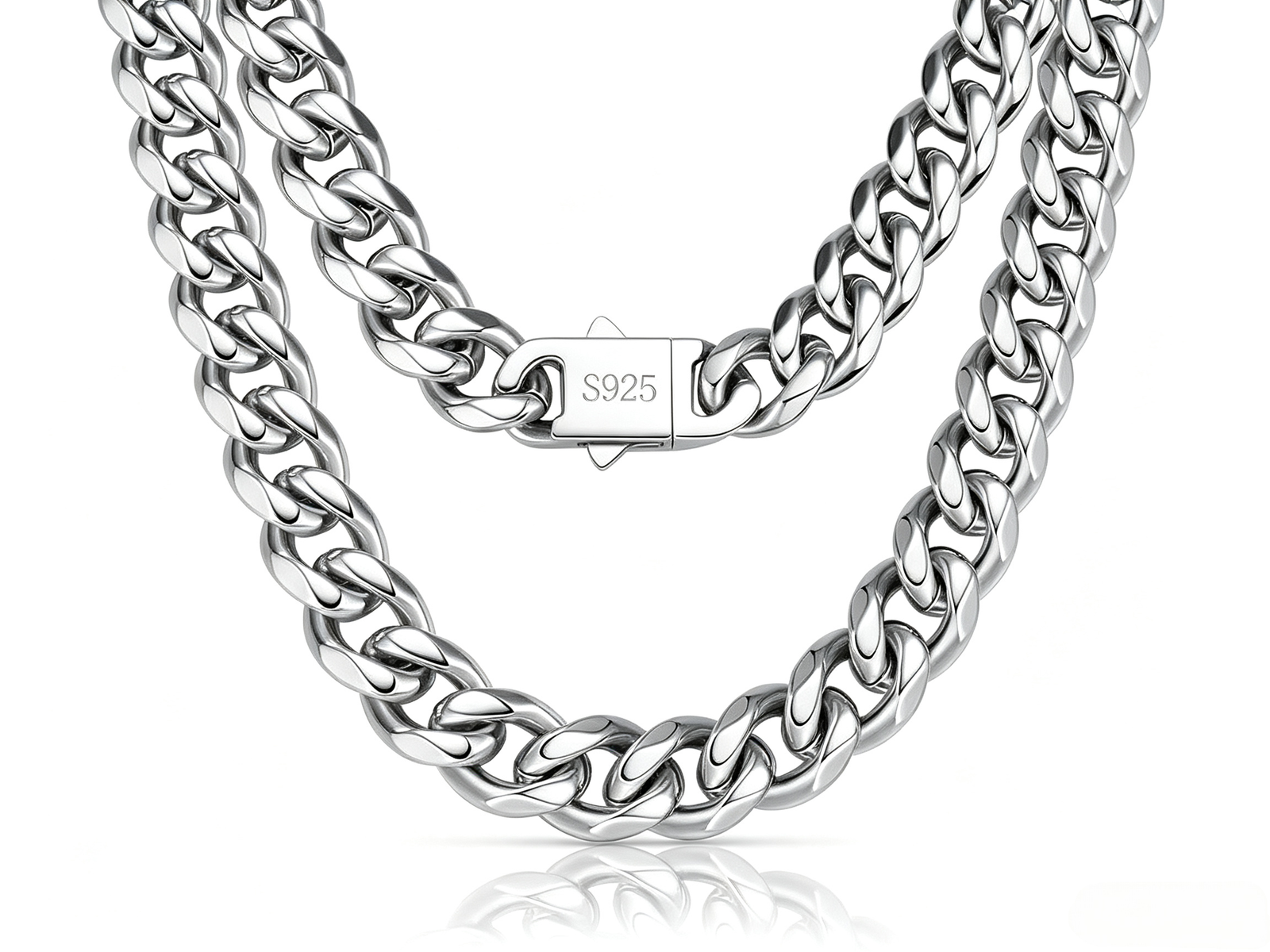
É 925 Aço inoxidável, um verdadeiro tipo de aço inoxidável?
A rigor, “Aço inoxidável 925” não é um tipo de aço inoxidável padrão comumente reconhecido.
O número 925 está principalmente associado a prata de lei. A 925 liga de prata esterlina contém aproximadamente:
- 5% prata
- 5% outros elementos de liga, comumente cobre
O objetivo da adição de elementos de liga é melhorar a dureza e a durabilidade da prata pura., que é relativamente macio.
O aço inoxidável é uma família de materiais completamente diferente. Os aços inoxidáveis são ligas à base de ferro contendo pelo menos aproximadamente 10.5% cromo, que permite a formação de uma fina, camada passiva rica em cromo que fornece resistência à corrosão. Diferentes tipos de aço inoxidável adicionam elementos como níquel, molibdênio, manganês, azoto, carbono, ou outros elementos de liga para obter propriedades específicas.
Portanto, se um fornecedor, lista de produtos, desenho, ou artigo on-line refere-se a “Aço inoxidável 925,” é importante confirmar qual material é realmente pretendido.
Pode referir-se a:
- 925 prata de lei
- Um produto de aço inoxidável descrito incorretamente como “aço inoxidável 925”
- Uma designação proprietária ou comercial que não seja um tipo de aço inoxidável reconhecido
- Um produto que combina aço inoxidável com um 925 componente ou acabamento prateado
Para aplicações de engenharia e fabricação, especifique sempre o grau de material reconhecido e padrão aplicável em vez de confiar apenas no termo “aço inoxidável 925”.
O que é 925 Prata de lei?
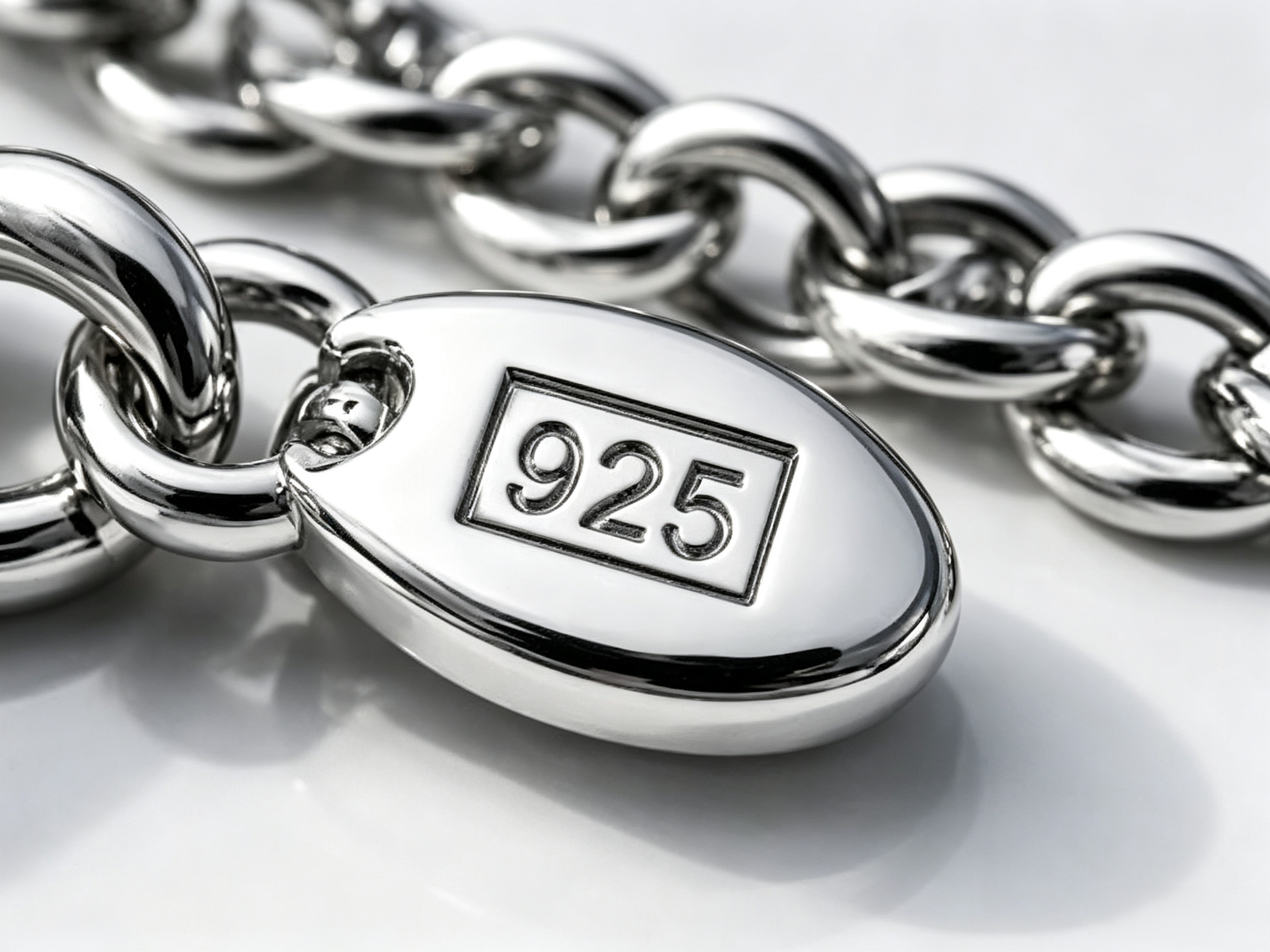
925 a prata esterlina é uma liga de metal precioso que contém 92.5% prata e aproximadamente 7.5% outros metais.
A prata pura tem excelente condutividade elétrica e térmica e uma aparência atraente, mas é relativamente macio. A liga da prata com outros metais aumenta sua dureza e a torna mais prática para produtos que precisam suportar o manuseio diário.
Características típicas de 925 Prata de lei
- Alto teor de prata
- Aparência metálica brilhante
- Boa condutividade elétrica
- Excelente condutividade térmica
- Ductilidade relativamente boa
- Mais fácil de moldar do que muitos aços inoxidáveis
- Pode ser polido com alto brilho
- Pode desenvolver manchas com o tempo
A prata esterlina é particularmente comum em:
- Anéis
- Colares
- Pulseiras
- Brincos
- Objetos decorativos
- Talheres
- Colecionáveis
- Componentes elétricos especiais
925 Prata esterlina versus aço inoxidável
A maior diferença é sua composição fundamental.
| Propriedade | 925 Prata de lei | Aço inoxidável |
| Família de materiais | Liga de prata | Liga à base de ferro |
| Elemento principal | 92.5% prata | Ferro |
| Cromo | Normalmente não é o elemento definidor | Pelo menos ~10,5% em aço inoxidável |
| Notas/designações típicas | 925 | 304, 316, 316eu, 410, 17-4 PH, etc.. |
| Comportamento de corrosão | Pode manchar | Geralmente excelente resistência à corrosão |
| Força | Relativamente moderado | Varia muito de acordo com a série |
| Dureza | Relativamente macio | Geralmente mais alto |
| Aparência | Prata brilhante | Prata/metálico |
| Manutenção | Limpeza regular pode ser necessária | Geralmente baixa manutenção |
| Custo | Maior devido ao teor de prata | Geralmente mais econômico |
| Usos típicos | Joias e produtos decorativos | Industrial, médico, automotivo, produtos arquitetônicos e de consumo |
O aço inoxidável não deve ser tratado como um único material. Diferentes classes têm propriedades mecânicas e de corrosão substancialmente diferentes. Por exemplo, graus austeníticos, como 304 têm excelente conformabilidade e resistência à corrosão, enquanto 316 fornece maior resistência em ambientes contendo cloreto mais exigentes devido ao seu conteúdo de molibdênio.
Propriedades de 925 Prata de lei
Se o seu projeto realmente requer 925 prata de lei, as seguintes propriedades são relevantes.
Propriedades físicas
925 prata esterlina tem um brilho, aparência metálica atraente e pode ser polido até obter um acabamento de alto brilho.
Seu alto teor de prata também proporciona excelente condutividade elétrica e térmica em comparação com a maioria dos tipos de aço inoxidável..
Isto torna a prata esterlina particularmente valiosa quando a condutividade elétrica ou térmica é importante, além da aparência..
Propriedades mecânicas
A prata pura é relativamente macia, então 925 prata esterlina é ligada para melhorar a dureza e durabilidade.
Comparado com aço inoxidável, no entanto, a prata esterlina é geralmente menos adequada para componentes expostos a altas cargas mecânicas, abrasão severa, ou impacto repetido.
Por esta razão, o aço inoxidável é normalmente a melhor escolha de engenharia quando a resistência e a longa vida útil são os requisitos principais.
Mancha e corrosão
Um equívoco comum é que a prata esterlina “enferruja”.
A prata não enferruja da mesma forma que o aço à base de ferro. Em vez de, lata de prata esterlina manchar, resultando em uma superfície mais escura ou descolorida.
A mancha pode ser acelerada pela exposição a:
- Compostos contendo enxofre
- Umidade
- Cosméticos
- Transpiração
- Produtos químicos domésticos
- Ambientes poluídos
A limpeza regular e o armazenamento adequado podem ajudar a manter sua aparência.
Propriedades do aço inoxidável
O aço inoxidável oferece uma combinação diferente de propriedades e é amplamente utilizado em componentes de engenharia.
1. Resistência à corrosão
A resistência à corrosão é uma das características que definem o aço inoxidável.
O cromo reage com o oxigênio para formar uma camada extremamente fina, camada passiva rica em cromo na superfície. Esta camada protege o metal subjacente e pode reformar-se quando danificada, desde que condições ambientais adequadas estejam presentes.
No entanto, o aço inoxidável não é completamente à prova de corrosão.
O desempenho contra corrosão depende:
- Classe de aço inoxidável
- Concentração de cloreto
- Temperatura
- Exposição química
- Condição da superfície
- Fendas e juntas
- Contaminação de fabricação
- Procedimentos de limpeza
Por exemplo, 316 o aço inoxidável é geralmente mais apropriado do que 304 quando a exposição ao cloreto é uma preocupação significativa.
2. Força e durabilidade
As classes de aço inoxidável oferecem uma ampla gama de propriedades mecânicas.
Dependendo do grau e condição, aço inoxidável pode fornecer:
- Alta resistência à tração
- Bom rendimento
- Boa resistência
- Resistência ao desgaste
- Resistência ao impacto
- Longa vida útil
Isso torna o aço inoxidável adequado para componentes estruturais, bem como pequenas peças usinadas com precisão.
3. Resistência ao Calor
Algumas classes de aço inoxidável mantêm propriedades mecânicas e de corrosão úteis em temperaturas elevadas.
No entanto, o desempenho da temperatura varia significativamente entre as classes.
Se o seu componente operar continuamente em temperaturas elevadas, o material deve ser selecionado de acordo com:
- Temperatura operacional
- Ciclismo térmico
- Carregamento mecânico
- Condições de oxidação
- Vida útil necessária
4. Fabricação e Usinabilidade
O aço inoxidável pode ser processado usando vários métodos de fabricação, Incluindo:
- Fresamento CNC
- Torneamento CNC
- Usinagem CNC suíça
- Corte a laser
- Fabricação de chapa metálica
- Estampagem
- Dobrando
- Soldagem
- Esmerilhamento
- Polimento
- Passivação
- Eletropolismo
No entanto, nem todas as classes de aço inoxidável são usinadas da mesma maneira.
Por exemplo, alguns aços inoxidáveis austeníticos podem endurecer durante a usinagem. Isso torna os parâmetros de corte, ferramentas, estratégia de refrigeração, fixação de trabalho, e controle de cavacos particularmente importante.
Para componentes CNC de precisão, a seleção do material deve, portanto, ser considerada em conjunto com o processo de fabricação.
Aplicações comuns de 925 Prata de lei
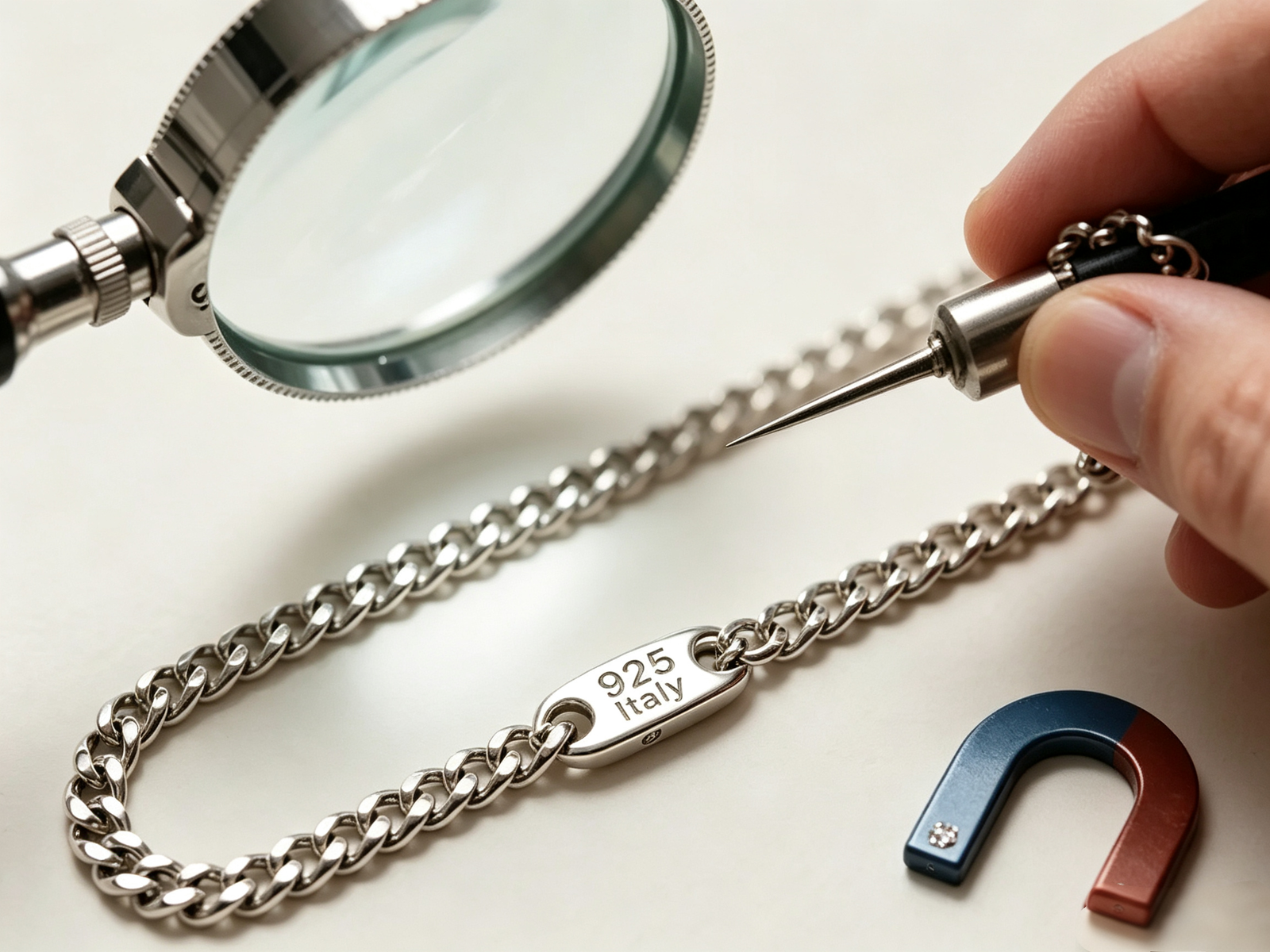
Joia
As joias são a aplicação mais reconhecida de 925 prata de lei.
É comumente usado para:
- Anéis
- Brincos
- Pulseiras
- Colares
- Pingentes
- Encantos
- Acessórios decorativos
Sua combinação de aparência, trabalhabilidade, e o conteúdo de metais preciosos o torna particularmente adequado para a fabricação de joias.
Produtos Decorativos
925 a prata esterlina também é usada para itens decorativos onde a aparência e o valor do material são importantes.
Exemplos incluem:
- Ornamentos
- Colecionáveis
- Componentes decorativos
- Acessórios de luxo
Aplicações Elétricas
A prata tem uma condutividade elétrica muito alta, então as ligas de prata podem ser usadas em aplicações elétricas e eletrônicas especializadas.
No entanto, a seleção do material depende da condutividade necessária, propriedades mecânicas, comportamento de contato, ambiente operacional, e custo.
Aplicações comuns de aço inoxidável
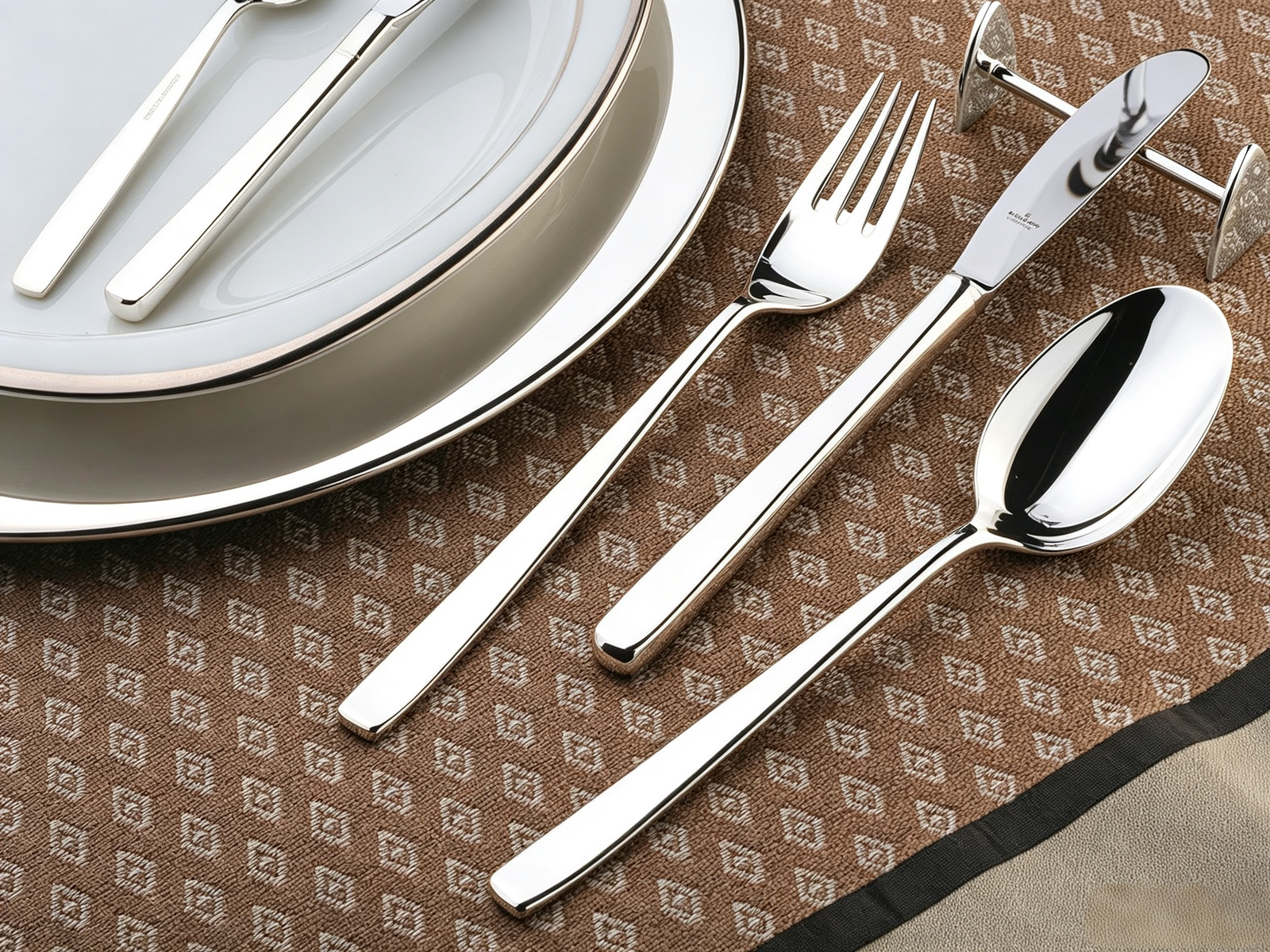
O aço inoxidável tem uma gama de aplicações de engenharia muito mais ampla.
Utensílios de cozinha e equipamentos alimentares
304 o aço inoxidável é comumente usado em muitas aplicações domésticas e relacionadas a alimentos devido à sua resistência à corrosão, facilidade de limpeza, e durabilidade.
Os produtos típicos incluem:
- Equipamento de cozinha
- Componentes de processamento de alimentos
- Pias
- Recipientes
- Aparelhos
- Equipamento de catering comercial
Equipamento médico
O aço inoxidável é amplamente utilizado em equipamentos médicos e de saúde porque os graus apropriados podem fornecer resistência à corrosão, durabilidade, facilidade de limpeza, e compatibilidade com processos de esterilização.
As aplicações incluem:
- Instrumentos cirúrgicos
- Equipamento médico
- Instrumentos dentários
- Bandejas cirúrgicas
- Dispositivos médicos
O grau exato e a condição da superfície devem ser selecionados de acordo com os requisitos regulamentares e funcionais do dispositivo.
Componentes Automotivos
O aço inoxidável pode ser usado em:
- Componentes de escape
- Suportes
- Fixadores
- Componentes de acabamento
- Peças mecânicas de precisão
- Componentes resistentes ao calor
A nota deve ser selecionada com base na temperatura, exposição à corrosão, cargas mecânicas, e requisitos de fabricação.
Construção e Arquitetura
O aço inoxidável é amplamente utilizado em:
- Corrimãos
- Painéis arquitetônicos
- Revestimento
- Componentes estruturais
- Fixadores
- Elementos decorativos
Sua resistência à corrosão e aparência superficial tornam-no particularmente atraente para aplicações arquitetônicas.
Equipamento industrial
As aplicações industriais incluem:
- Componentes da máquina
- Eixos
- Buchas
- Jogos
- Fixadores
- Componentes da bomba
- Válvulas
- Equipamento de processamento químico
- Peças usinadas em CNC personalizadas
Para aplicações exigentes, a escolha entre 304, 316, 17-4 PH, duplex em aço inoxidável, e outras classes podem afetar significativamente o desempenho do produto.
925 Prata esterlina vs. 304 Aço inoxidável
304 o aço inoxidável é um dos tipos de aço inoxidável austenítico mais amplamente utilizados.
É comumente associado a aproximadamente 18% cromo e 8% níquel, embora a composição real dependa da especificação aplicável. Oferece boa resistência à corrosão, ductilidade, conformabilidade, e soldabilidade.
| Recurso | 925 Prata de lei | 304 Aço inoxidável |
| Material principal | Liga de prata | Liga à base de ferro |
| Resistência à corrosão | Bom, mas pode manchar | Excelente para muitos ambientes |
| Força | Moderado | Geralmente mais alto |
| Dureza | Relativamente baixo | Mais alto |
| Aparência | Prata brilhante | Metálico, polido ou escovado |
| Condutividade elétrica | Muito alto | Muito mais baixo |
| Custo | Mais alto | Geralmente mais baixo |
| Usinagem | Relativamente viável | Requer ferramentas e parâmetros apropriados |
| Aplicações comuns | Joia, produtos decorativos | Produtos industriais e de consumo |
Escolher 925 prata de lei quando o teor de metais preciosos, aparência, e condutividade elétrica são importantes.
Escolher 304 aço inoxidável quando força, resistência à corrosão, durabilidade, e a eficiência de custos são mais importantes.
316 Aço inoxidável vs. 925 Prata de lei
316 aço inoxidável é outro importante material de engenharia.
Seu conteúdo de molibdênio melhora a resistência à corrosão, particularmente em ambientes onde cloretos e produtos químicos agressivos são preocupações.
| Recurso | 925 Prata de lei | 316 Aço inoxidável |
| Família de materiais | Liga de prata | Aço inoxidável austenítico |
| Objetivo principal | Aparência e aplicações de metais preciosos | Desempenho de engenharia |
| Resistência à corrosão | Bom, mas pode manchar | Excelente, particularmente em comparação com muitas classes padrão |
| Força | Moderado | Alto |
| Resistência ao cloreto | Não é sua principal vantagem | Mais adequado para condições ricas em cloreto |
| Aplicações industriais | Limitado | Extenso |
| Custo típico | Mais alto | Moderado |
| Aplicações comuns | Joia | Marinho, médico, químico, equipamentos alimentares e industriais |
Para componentes industriais expostos à umidade, produtos químicos, ou ambientes contendo cloreto, 316 o aço inoxidável é geralmente um material de engenharia muito mais apropriado do que 925 prata de lei.
316L Aço Inoxidável vs. 925 Prata de lei
316L é a versão de baixo carbono do 316 aço inoxidável.
O menor teor de carbono ajuda a reduzir o risco de sensibilização associado à soldagem e torna o 316L particularmente útil para componentes fabricados que requerem juntas soldadas..
As aplicações típicas incluem:
- Equipamento médico
- Equipamento farmacêutico
- Equipamento de processamento de alimentos
- Equipamento de processamento químico
- Componentes marítimos
- Componentes de precisão
- Componentes de joias e relógios
A decisão entre 316L e 925 a prata esterlina deve, portanto, basear-se nos requisitos funcionais da aplicação e não simplesmente na aparência.
Como escolher o tipo certo de aço inoxidável
Se você estiver desenvolvendo uma peça de metal personalizada, selecionar um material genérico de “aço inoxidável” geralmente não é suficiente.
Considere os seguintes fatores.
1. Ambiente de corrosão
Perguntar:
- O componente entrará em contato com água?
- Está exposto à água salgada?
- Entrará em contato com produtos químicos?
- É usado ao ar livre?
- A exposição ao cloreto é esperada?
Para ambientes mais agressivos, 316 ou outras classes especializadas podem ser mais apropriadas do que 304.
2. Requisitos Mecânicos
Considerar:
- Resistência à tracção
- Força de escoamento
- Dureza
- Resistência ao impacto
- Resistência ao desgaste
- Requisitos de fadiga
Um componente que suporta cargas mecânicas pode exigir um aço inoxidável de maior resistência em vez de um aço de uso geral.
3. Processo de manufatura
A seleção do material deve ser compatível com o método de fabricação.
Por exemplo:
- Usinagem CNC
- Torneamento CNC
- Fresagem
- Estampagem
- Desenho profundo
- Soldagem
- Corte a laser
- Esmerilhamento
- Polimento
Um material com bom desempenho em serviço pode não ser necessariamente o material mais fácil de fabricar.
4. Acabamento de superfície
Para componentes visíveis, determinar se você precisa:
- Acabamento escovado
- Mirror Polish
- Acabamento acetinado
- Passivação
- Eletropolismo
- Bedia de contas
- Tratamento de superfície personalizado
Os requisitos de superfície devem ser comunicados antes da produção porque podem afetar as tolerâncias de usinagem, tolerâncias, e inspeção final.
5. Tolerância Dimensional
Para componentes de precisão, definir:
- Dimensões críticas
- Tolerâncias gerais
- GD&Requisitos T
- Rugosidade da superfície
- Planicidade
- Concentricidade
- Requisitos de thread
A seleção de materiais e a estratégia de usinagem devem ser avaliadas em conjunto.
6. Volume de produção
O processo mais econômico pode diferir dependendo do volume de produção.
Por exemplo:
- Protótipo → Usinagem CNC
- Baixo volume → Usinagem CNC ou fabricação de chapas metálicas
- Volume médio → Usinagem CNC, estampagem, ou formando
- Alto volume → Estampagem, formação, fundição, ou ferramentas dedicadas
Um parceiro de fabricação pode ajudar a determinar o método de produção mais econômico.
Fabricação de aço inoxidável e peças personalizadas
Para empresas que compram componentes personalizados de aço inoxidável, a seleção de materiais é apenas uma parte do processo de fabricação.
Um fabricante competente também deve ser capaz de avaliar:
Usinagem CNC
Adequado para componentes de precisão com geometrias complexas e tolerâncias restritas.
As operações comuns incluem:
- Fresamento CNC
- Torneamento CNC
- Usinagem com vários eixos
- Perfuração
- Rosqueamento
- Alargamento
- Tedioso
- Acabamento superficial
Fabricação de chapas metálicas
Adequado para:
- Gabinetes
- Suportes
- Painéis
- Capas
- Quadros
- Componentes estruturais
Os processos típicos incluem corte a laser, flexão, soldagem, moagem, e acabamento.
Estampagem
Para produção de alto volume, estampagem pode fornecer:
- Alta velocidade de produção
- Dimensões consistentes
- Repetibilidade
- Menor custo unitário em volumes suficientes
Tratamento de superfície
Dependendo da aplicação, peças de aço inoxidável podem exigir:
- Polimento
- Escovação
- Passivação
- Eletropolismo
- Decapagem
- Bedia de contas
A decapagem e a passivação podem ajudar a remover contaminantes e apoiar a formação de um filme passivo contínuo rico em cromo.
Prós e contras de 925 Prata de lei
Vantagens
Aparência atraente
925 prata esterlina tem um brilho, aparência premium que é particularmente adequada para joias e produtos decorativos.
Alto teor de prata
Isso é 92.5% o teor de prata fornece ao material as características esperadas de uma liga de metal precioso.
Excelente condutividade
A prata fornece condutividade elétrica e térmica excepcionalmente alta.
Boa trabalhabilidade
Prata esterlina pode ser formada, polido, e fabricados em projetos detalhados.
Desvantagens
Pode manchar
Ao contrário do aço inoxidável, a prata esterlina pode desenvolver manchas na superfície com o tempo.
Menor força
Geralmente é menos adequado que o aço inoxidável de engenharia para componentes mecânicos fortemente carregados.
Maior custo de material
Porque contém uma alta porcentagem de prata, seu custo de material é normalmente muito mais alto do que os tipos comuns de aço inoxidável.
Requer mais manutenção
Produtos decorativos de prata esterlina podem exigir limpeza e polimento regulares para manter sua aparência.
Prós e contras do aço inoxidável
Vantagens
Excelente resistência à corrosão
O cromo cria uma camada protetora passiva que confere ao aço inoxidável sua característica resistência à corrosão.
Alta durabilidade
Muitas classes de aço inoxidável proporcionam excelente resistência, dureza, e resistência ao desgaste.
Ampla seleção de material
Existem muitos tipos de aço inoxidável projetados para diferentes requisitos.
Baixa manutenção
O aço inoxidável adequadamente selecionado geralmente requer relativamente pouca manutenção em comparação com muitos materiais alternativos.
Excelentes opções de fabricação
O aço inoxidável pode ser usinado, carimbado, formado, soldado, polido, e acabado para uma ampla variedade de aplicações.
Longa vida útil
Quando a nota correta é selecionada para o ambiente de serviço, o aço inoxidável pode proporcionar uma longa vida operacional.
Desvantagens
Custo mais alto que o aço carbono
O aço inoxidável é geralmente mais caro que o aço carbono comum.
A usinagem pode ser desafiadora
Algumas classes podem endurecer ou gerar calor de corte significativo, aumentando a dificuldade de usinagem.
A seleção de notas é crítica
304 pode ser excelente para uma aplicação, mas inadequado para outra. Ambientes mais exigentes podem exigir 316, duplex, endurecimento por precipitação, ou outras classes especializadas.
Não totalmente à prova de corrosão
O aço inoxidável ainda pode sofrer corrosão, corrosão em fendas, corrosão sob tensão, ou outras formas de corrosão sob condições desfavoráveis.
925 Aço inoxidável: Qual material você realmente deve escolher?
Se você está considerando “Aço inoxidável 925” para um produto ou projeto de engenharia, primeiro determine qual material você realmente precisa.
Escolher 925 Prata esterlina quando:
- Você está fabricando joias
- O conteúdo de metais preciosos é importante
- Aparência é uma grande prioridade
- Alta condutividade elétrica é benéfica
- A aplicação não requer alta resistência mecânica
Escolher 304 Aço inoxidável quando:
- Você precisa de um aço inoxidável de uso geral
- É necessária boa resistência à corrosão
- Resistência e durabilidade são importantes
- O produto é para uso industrial ou de consumo
- Você precisa de uma solução econômica em aço inoxidável
Escolher 316 Aço inoxidável quando:
- A exposição ao cloreto é esperada
- O componente é usado próximo à água do mar
- A resistência química é importante
- É necessária maior resistência à corrosão
Escolha 316L quando:
- A soldagem está envolvida
- Aço inoxidável de baixo carbono é preferido
- Médico, farmacêutico, ou aplicações higiênicas estão envolvidas
- A resistência à corrosão e o desempenho de fabricação são importantes
Escolha um tipo de aço inoxidável especializado quando:
- É necessária alta resistência
- A resistência ao desgaste é crítica
- Altas temperaturas estão envolvidas
- O componente opera em um ambiente altamente corrosivo
- Magnético específico, mecânico, ou propriedades químicas são necessárias
Perguntas frequentes sobre 925 Aço inoxidável
É 925 aço inoxidável, um verdadeiro tipo de aço inoxidável?
Geralmente, não. 925 é principalmente uma designação para prata esterlina contendo 92.5% prata. O aço inoxidável é normalmente identificado por classes reconhecidas, como 304, 316, 316eu, 410, ou 17-4 PH.
O que faz 925 significa em metal?
O 925 designação normalmente significa que uma liga contém 92.5% prata em massa, com o restante 7.5% consistindo em outros elementos de liga.
É 925 prata igual ao aço inoxidável?
Não. 925 prata esterlina é uma liga à base de prata, enquanto o aço inoxidável é uma liga à base de ferro contendo pelo menos aproximadamente 10.5% cromo.
Faz 925 ferrugem de prata esterlina?
Não, a prata esterlina não enferruja da mesma forma que o aço à base de ferro. No entanto, pode manchar e descolorir devido a reações químicas com compostos no meio ambiente.
O aço inoxidável mancha?
O aço inoxidável geralmente não mancha da mesma maneira que a prata esterlina. Sua resistência à corrosão vem de uma camada passiva rica em cromo. No entanto, o aço inoxidável ainda pode manchar ou corroer em ambientes agressivos.
É 316 aço inoxidável melhor do que 925 prata?
Nenhum dos materiais é universalmente “melhor”. Eles são projetados para finalidades diferentes.
Para joias e aplicações decorativas, 925 prata esterlina pode ser preferível.
Para componentes industriais que exigem resistência, durabilidade, e resistência à corrosão, 316 aço inoxidável é geralmente mais apropriado.
É 304 ou 316 aço inoxidável melhor?
Depende do aplicativo.
304 é um excelente aço inoxidável de uso geral.
316 é geralmente preferido quando é necessária maior resistência a ambientes contendo cloreto ou mais agressivos.
O aço inoxidável pode ser usinado CNC?
Sim. O aço inoxidável é amplamente utilizado em componentes usinados em CNC. No entanto, classes diferentes têm características de usinagem diferentes, então ferramentas de corte, Feeds, velocidades, refrigerante, fixação de trabalho, e os processos de acabamento devem ser selecionados de acordo com o grau específico.
Qual aço inoxidável é melhor para peças usinadas personalizadas?
Não existe uma única “melhor” nota.
As escolhas comuns incluem:
- 304para componentes de uso geral
- 316/316eupara melhor resistência à corrosão
- 17-4 PHpara aplicações de alta resistência
- 410/420onde a dureza e a resistência ao desgaste são importantes
- Outras classes especializadas para alta temperatura, marinho, químico, ou aplicações altamente exigentes
A melhor nota depende do ambiente operacional real e dos requisitos de desempenho.
Conclusão: 925 Aço inoxidável vs.. 925 Prata de lei
O termo “Aço inoxidável 925” pode ser enganoso.
Se você vir “925”, a primeira pergunta deverá ser se o produto realmente se refere a 925 prata de lei. A prata esterlina contém 92.5% prata, enquanto o aço inoxidável é uma família de ligas à base de ferro definida pelo teor de cromo e classes específicas de materiais.
Para joias e aplicações decorativas, 925 prata de lei oferece uma aparência atraente e alto teor de metais preciosos.
Para aplicações de engenharia e industriais, 304, 316, 316eu, 17-4 PH, e outras classes de aço inoxidável fornecer uma gama muito mais ampla de força, resistência à corrosão, maquinabilidade, e características de desempenho do serviço.
Para peças personalizadas, não selecione o material com base apenas no nome de um produto como “aço inoxidável 925”. Em vez de, especifique o grau exato do material, ambiente de aplicação, requisitos mecânicos, tolerâncias, acabamento superficial, volume de produção, e processo de fabricação.
Se você tem um 2D desenho, 3Arquivo CAD D, necessidade de materiais, ou peça de amostra, Precisão máxima-um fabricante de precisão qualificado pode avaliar a aplicação e recomendar o tipo de aço inoxidável e o processo de fabricação apropriados antes da produção.
Principais conclusões
- 925 o aço inoxidável geralmente não é um tipo de aço inoxidável padrão.
- 925 normalmente se refere à prata esterlina contendo 92.5% prata.
- As classes de aço inoxidável incluem 304, 316, 316eu, 410, 420, e 17-4 PH, entre muitos outros.
- A resistência à corrosão do aço inoxidável vem principalmente de sua camada passiva rica em cromo.
- 304é um aço inoxidável de uso geral comum.
- 316/316eusão mais adequados para muitos ambientes ricos em cloreto ou mais agressivos.
- O aço inoxidável pode ser processado através Usinagem CNC, girando, fresagem, estampagem, fabricação de chapas metálicas, soldagem, polimento, e passivação.
- Para peças personalizadas de aço inoxidável, A seleção de materiais deve ser baseada no aplicativo, ambiente, requisitos mecânicos, tolerâncias, acabamento superficial, e volume de produção.


