



Entre todas as suas propriedades materiais, o ponto de fusão do polipropileno é um dos fatores mais importantes que influenciam o design do produto, processos de fabricação, desempenho térmico, e confiabilidade a longo prazo. Engenheiros, Designers de produtos, e os fabricantes devem entender como o polipropileno se comporta sob temperaturas elevadas para garantir desempenho ideal e produção eficiente.
Neste guia abrangente, exploraremos a temperatura de fusão do polipropileno, fatores que o influenciam, métodos de teste, recomendações de processamento, e aplicações industriais.
Qual é o ponto de fusão do polipropileno?
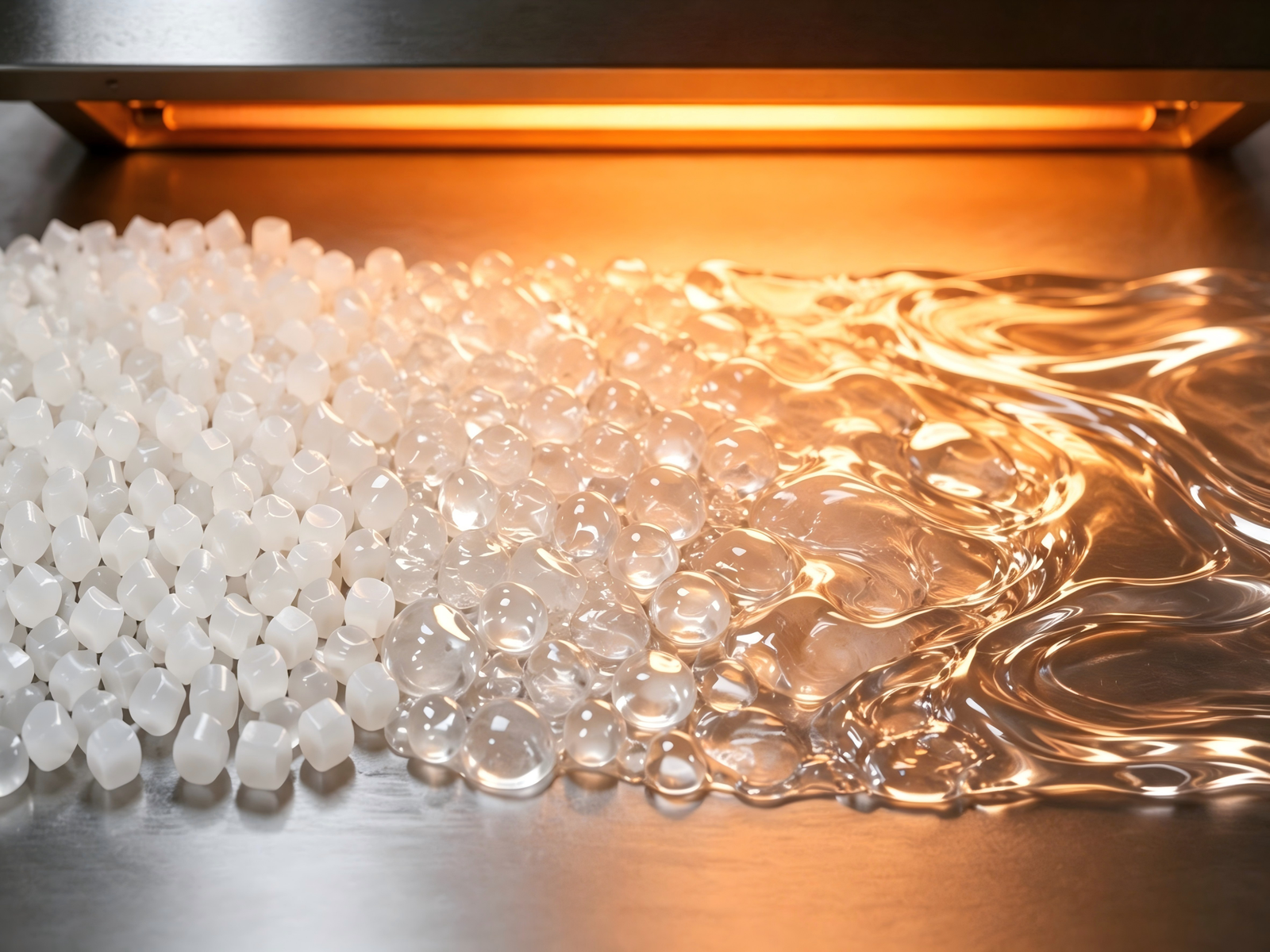
O ponto de fusão típico do polipropileno varia entre:
160°C a 170 °C (320°F a 338°F)
No entanto, a temperatura exata de fusão depende de vários fatores, Incluindo:
Estrutura polimérica
Nível de cristalinidade
Peso molecular
Aditivos e enchimentos
Composição do copolímero
Histórico de processamento
Ao contrário dos plásticos amorfos que amolecem gradualmente em uma ampla faixa de temperatura, o polipropileno é um polímero semicristalino. Isso significa que tem um ponto de fusão relativamente bem definido onde suas regiões cristalinas fazem a transição de sólido para líquido..
Temperaturas de fusão típicas de diferentes tipos de polipropileno
| Tipo Polipropileno | Ponto de fusão |
| Homopolímero PP | 165°C – 170°C |
| Copolímero Aleatório PP | 140°C – 160°C |
| Copolímero em Bloco PP | 150°C – 165°C |
| PP preenchido com vidro | 165°C – 175°C |
Ponto de fusão vs.. Ponto de Amolecimento
Muitas pessoas usam erroneamente ponto de fusão e ponto de amolecimento de forma intercambiável.
No entanto, eles descrevem diferentes comportamentos térmicos.
Ponto de fusão
A temperatura na qual as regiões cristalinas do polipropileno derretem completamente e se tornam líquidas.
Ponto de Amolecimento
A temperatura na qual o material começa a perder rigidez e começa a deformar sob carga.
Para polipropileno:
Temperatura de amolecimento: 120°C-150 °C
Temperatura de fusão: 160°C-170 °C
Compreender esta distinção é essencial ao projetar produtos expostos ao calor.
Principais propriedades térmicas do polipropileno
| Propriedade | Valor típico |
| Ponto de fusão | 160–170ºC |
| Temperatura de transição vítrea | -10°C a 0 °C |
| Temperatura de deflexão térmica | 90–120ºC |
| Temperatura de serviço contínuo | 80–100ºC |
| Condutividade térmica | 0.1–0,22 W/m·K |
| Capacidade Específica de Calor | 1.8–2,0 kJ/kg·K |
Estas propriedades térmicas tornam o polipropileno adequado para aplicações que exigem resistência moderada ao calor, mantendo ao mesmo tempo um desempenho leve..
Por que o ponto de fusão do polipropileno é importante
Eficiência de Fabricação
O ponto de fusão afeta diretamente:
Parâmetros de moldagem por injeção
Temperaturas de extrusão
Operações de moldagem por sopro
Processos de soldagem
Condições de termoformação
Configurações incorretas de temperatura podem causar:
Mau enchimento do molde
Defeitos superficiais
Deformação
Degradação térmica
Confiabilidade do Produto
Os produtos que operam perto de temperaturas elevadas devem manter a integridade estrutural.
Exemplos incluem:
Componentes do compartimento do motor automotivo
Carcaças elétricas
Contentores industriais
Bandejas de esterilização médica
Conhecer o comportamento de fusão do polipropileno ajuda os engenheiros a evitar falhas prematuras do produto.
Seleção de Materiais
O ponto de fusão ajuda a determinar se o polipropileno é o material certo em comparação com alternativas como:
Polietileno (EDUCAÇAO FISICA)
abdômen
Nylon (PA)
PVC
Para muitas aplicações, o polipropileno fornece o equilíbrio ideal entre custo e desempenho térmico.
Fatores que afetam o ponto de fusão do polipropileno
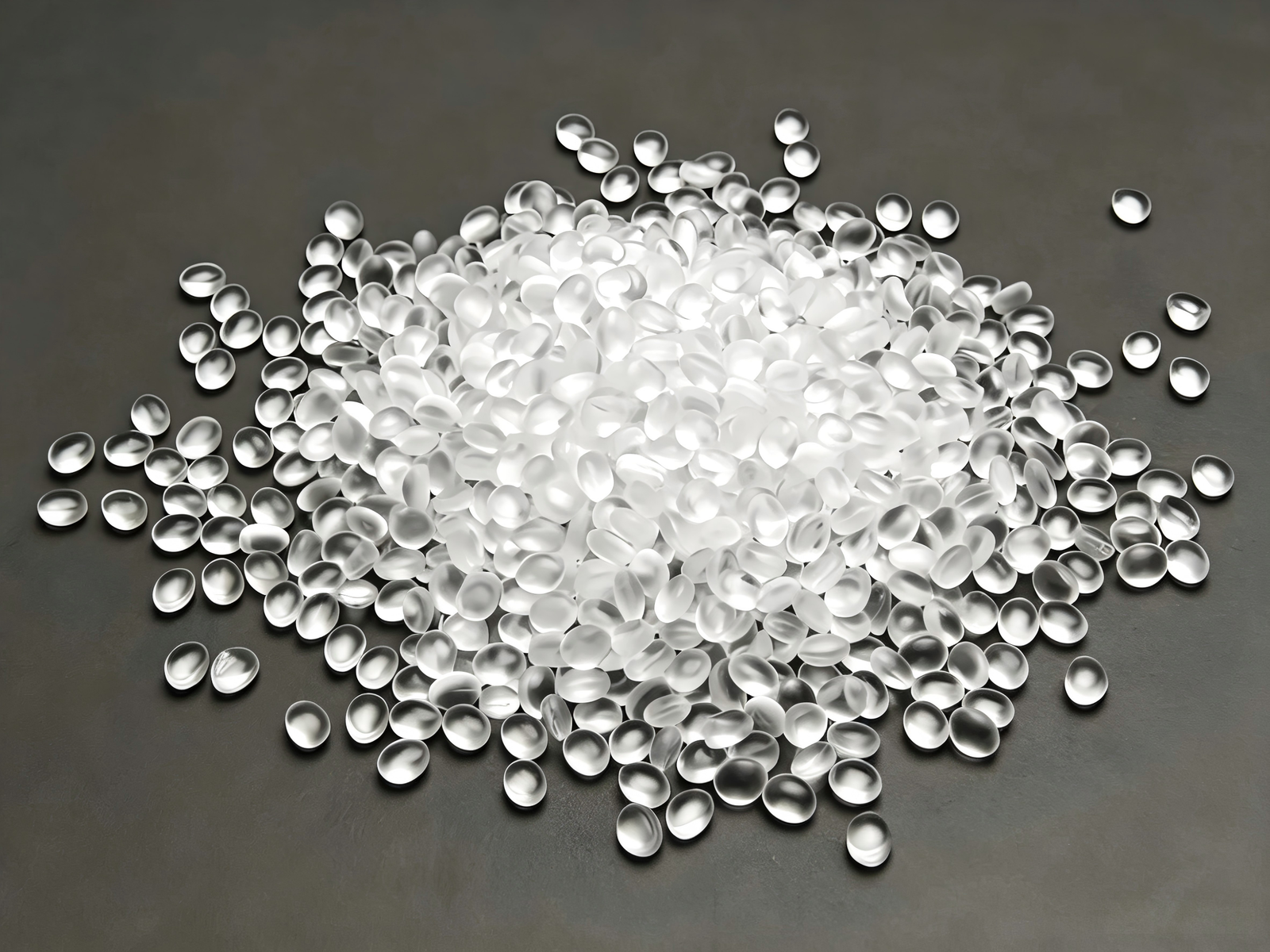
Cristalinidade
A cristalinidade é o fator mais significativo que afeta a temperatura de fusão do polipropileno.
O polipropileno contém ambos:
Regiões cristalinas
Regiões amorfas
As regiões cristalinas requerem mais energia para derreter.
Maior cristalinidade resulta em:
Maior ponto de fusão
Maior rigidez
Melhor resistência química
Estabilidade dimensional melhorada
Resultados de menor cristalinidade:
Ponto de fusão mais baixo
Maior flexibilidade
Melhor transparência
Rigidez reduzida
Os fabricantes muitas vezes ajustam a cristalinidade para atingir metas específicas de desempenho.
Peso molecular
O peso molecular refere-se ao comprimento das cadeias poliméricas.
Cadeias poliméricas mais longas criam:
Ligação intermolecular mais forte
Maior estabilidade térmica
Temperaturas de fusão mais altas
Graus de polipropileno de peso molecular mais alto normalmente oferecem:
Melhor resistência ao impacto
Maior durabilidade
Melhor resistência ao calor
No entanto, eles também podem exigir temperaturas de processamento mais altas.
História Térmica
A forma como o polipropileno foi aquecido e resfriado anteriormente afeta significativamente sua estrutura cristalina.
Resfriamento rápido
O resfriamento rápido cria:
Cristais menores
Regiões mais amorfas
Temperaturas de fusão mais baixas
Resfriamento Lento
O resfriamento lento promove:
Estruturas cristalinas maiores
Maior cristalinidade
Temperaturas de fusão mais altas
Isto é particularmente importante em operações de moldagem por injeção e extrusão..
Aditivos e Modificadores
Os fabricantes modificam frequentemente as formulações de polipropileno usando aditivos.
Aditivos comuns incluem:
Plastificantes
Antioxidantes
Estabilizadores UV
Retardadores de chama
Modificadores de impacto
Alguns aditivos interrompem a formação de cristais e diminuem o ponto de fusão, enquanto outros melhoram a estabilidade térmica.
Composição do Copolímero
Nem todos os materiais de polipropileno são idênticos.
Polipropileno Homopolímero
Ofertas:
Ponto de fusão mais alto
Maior rigidez
Melhor resistência química
Polipropileno Copolímero Aleatório
Ofertas:
Transparência aprimorada
Melhor flexibilidade
Temperatura de fusão mais baixa
Polipropileno Copolímero em Bloco
Ofertas:
Melhor resistência ao impacto
Melhor desempenho em baixas temperaturas
Temperatura de fusão moderada
Selecionar o grau de PP apropriado é fundamental para alcançar o desempenho desejado do produto.
Como medir o ponto de fusão do polipropileno
Calorimetria de Varredura Diferencial (DSC)
A técnica mais amplamente utilizada para medir a temperatura de fusão do polipropileno é a Calorimetria Diferencial de Varredura. (DSC).
Como funciona o DSC
Uma pequena amostra de polipropileno é aquecida a uma taxa controlada.
O instrumento mede:
Fluxo de calor
Transições térmicas
Comportamento de cristalização
Temperatura de fusão
O pico observado na curva DSC indica o ponto de fusão.
Vantagens do DSC
Altamente preciso
Resultados repetíveis
É necessário um pequeno tamanho de amostra
Método de teste padrão da indústria
Análise Termomecânica (TMA)
TMA mede mudanças dimensionais à medida que a temperatura aumenta.
Ajuda os engenheiros a avaliar:
Comportamento suavizante
Características de expansão
Deformação térmica
Análise Mecânica Dinâmica (DMA)
DMA fornece insights sobre:
Rigidez do material
Propriedades de amortecimento
Comportamento mecânico dependente da temperatura
Este método é particularmente útil para aplicações de engenharia avançada.
Temperaturas de processamento recomendadas para polipropileno
Moldagem por injeção
O polipropileno é um dos termoplásticos mais comumente moldados por injeção.
Parâmetros recomendados
| Parâmetro | Faixa Típica |
| Temperatura de fusão | 200–260ºC |
| Temperatura do Molde | 20–80ºC |
| Temperatura do barril | 180–250 ° C. |
| Temperatura do bico | 200–250 ° C. |
O controle adequado da temperatura garante:
Excelente fluxo
Enchimento completo do molde
Tempos de ciclo reduzidos
Acabamento superficial de alta qualidade
Processamento de Extrusão
As temperaturas de extrusão típicas incluem:
| Zona | Temperatura |
| Zona de alimentação | 180–200ºC |
| Zona de compressão | 200–220ºC |
| Zona de Medição | 220–240ºC |
| Morrer | 220–250 ° C. |
As aplicações de extrusão incluem:
Tubos
Folhas
Filmes
Perfis
Moldagem por sopro
A moldagem por sopro geralmente requer:
Temperaturas de fusão entre 200°C e 240°C
Distribuição uniforme de fusão
Taxas de resfriamento controladas
Este processo é amplamente utilizado para contêineres e embalagens industriais.
Como melhorar a resistência ao calor do polipropileno
Agentes Nucleantes
Agentes nucleantes aceleram a formação de cristais.
Os benefícios incluem:
Maior cristalinidade
Rigidez melhorada
Resistência térmica aprimorada
Ciclos de moldagem mais curtos
Reforço de fibra de vidro
O polipropileno preenchido com vidro pode melhorar significativamente:
Resistência ao calor
Resistência estrutural
Estabilidade dimensional
As aplicações incluem:
Componentes automotivos
Carcaças elétricas
Peças de máquinas industriais
Polipropileno Cheio de Talco
Talco melhora:
Desempenho térmico
Rigidez
Resistência ao empenamento
Muitas peças internas automotivas usam compostos de polipropileno preenchidos com talco.
Engenharia de Copolímeros
Tecnologias avançadas de copolímero permitem que os fabricantes personalizem:
Resistência ao calor
Força de impacto
Processabilidade
Aparência superficial
Esses materiais especializados geralmente superam os tipos convencionais de PP.
Polipropileno versus outros plásticos comuns
Comparação de desempenho térmico
| Material | Ponto de fusão |
| Polipropileno (PP) | 160–170ºC |
| PEAD | 120–130ºC |
| PEBD | 105–115ºC |
| Nylon 6 | 220°C |
| Policarbonato | 230°C |
| abdômen | Nenhum verdadeiro ponto de fusão |
| PVC | Começa a degradar-se antes de derreter |
Por que escolher o polipropileno?
As vantagens incluem:
Menor custo
Construção leve
Excelente resistência química
Boa estabilidade térmica
Processamento fácil
Esses benefícios tornam o PP um dos termoplásticos de engenharia mais versáteis disponíveis atualmente..
Aplicações Industriais do Polipropileno Baseadas no Seu Ponto de Fusão
Indústria automobilística
Aplicações comuns incluem:
Estojos de bateria
Painéis de acabamento interno
Dutos de ar
Reservatórios de fluido
A resistência térmica do material permite um desempenho confiável sob temperaturas elevadas.
Indústria de embalagens
O polipropileno é amplamente utilizado em:
Recipientes de comida
Tampas de garrafas
Filmes para embalagens flexíveis
Embalagem própria para micro-ondas
Seu ponto de fusão proporciona excelente tolerância ao calor durante o processamento e armazenamento de alimentos.
Indústria Médica
O polipropileno de grau médico é usado para:
Seringas
Recipientes de amostra
Equipamento de laboratório
Bandejas de esterilização
Sua estabilidade térmica suporta vários métodos de esterilização.
Produtos de consumo
Exemplos incluem:
Caixas de armazenamento
Aparelhos domésticos
Componentes de móveis
Recipientes reutilizáveis
Elétrica e Eletrônica
As aplicações incluem:
Carcaças de conectores
Componentes de isolamento de cabos
Caixas de junção
Gabinetes de bateria
Sua combinação de isolamento elétrico e resistência térmica o torna altamente valioso em sistemas eletrônicos.
Problemas comuns de processamento relacionados à temperatura de fusão
Tiros curtos
Causas
Temperatura de fusão muito baixa
Fluxo de material ruim
Soluções
Aumentar a temperatura de fusão
Melhorar o design do portão
Deformação
Causas
Resfriamento irregular
Encolhimento excessivo
Soluções
Otimize os canais de resfriamento
Ajustar a temperatura do molde
Marcas de pia
Causas
Pressão de embalagem inadequada
Seções de parede espessas
Soluções
Aumentar a pressão de retenção
Melhore o design da peça
Degradação Térmica
Causas
Temperaturas de processamento excessivas
Longos tempos de residência
Soluções
Temperatura mais baixa do barril
Reduza os tempos de ciclo
Tendências Futuras em Materiais de Polipropileno de Alta Temperatura
A demanda por compostos avançados de polipropileno continua a crescer.
As principais tendências do setor incluem:
Componentes automotivos leves
Os fabricantes de veículos substituem cada vez mais componentes metálicos por polipropileno reforçado para reduzir peso e melhorar a eficiência de combustível.
Aplicações em veículos elétricos
Os sistemas de bateria requerem materiais leves com excelente desempenho térmico.
Compostos modificados de polipropileno estão se tornando cada vez mais importantes em projetos de veículos elétricos.
Polipropileno Sustentável
As tecnologias de polipropileno reciclado estão melhorando rapidamente, ajudando os fabricantes a cumprir as metas ambientais, mantendo o desempenho.
Compósitos Reforçados Avançados
Novas gerações de:
Fibra de vidro PP
PP com enchimento mineral
PP reforçado com fibra longa
estão possibilitando aplicações anteriormente reservadas para plásticos de engenharia.
Conclusão
O ponto de fusão do polipropileno, normalmente variando de 160°C a 170°C, é uma das propriedades mais importantes que influenciam a seleção de materiais, design de produto, e desempenho de fabricação. Fatores como cristalinidade, peso molecular, aditivos, e o histórico de processamento contribuem para variações no comportamento térmico.
Ao compreender as características de fusão do polipropileno e as condições de processamento recomendadas, os fabricantes podem melhorar a qualidade do produto, reduzir defeitos de produção, e maximizar o desempenho a longo prazo.
Esteja você projetando componentes automotivos, produtos de embalagem, dispositivos médicos, ou peças industriais, selecionar o grau de polipropileno e os parâmetros de processamento corretos é essencial para obter resultados ideais. Contate-nos Para maiores informações.
FQAé
1.Qual é o ponto exato de fusão do polipropileno?
A maioria dos tipos de polipropileno derrete entre 160°C e 170°C, embora as formulações especializadas possam variar ligeiramente.
2.O polipropileno pode suportar água fervente?
Sim. O polipropileno geralmente pode suportar água fervente a 100°C sem derreter, embora a exposição prolongada possa afetar as propriedades mecânicas.
3.A que temperatura o polipropileno começa a amolecer?
O polipropileno normalmente começa a amolecer entre 120°C e 150°C.
4.O polipropileno é seguro para micro-ondas?
Muitos produtos de polipropileno de qualidade alimentar são adequados para micro-ondas porque seu ponto de fusão é significativamente mais alto do que as temperaturas típicas de aquecimento por micro-ondas..
5.Qual temperatura de processamento é usada para moldagem por injeção de polipropileno?
A maioria dos tipos de polipropileno são processados entre 200°C e 260°C durante a moldagem por injeção.
6.Qual grau de polipropileno tem a maior resistência ao calor?
O polipropileno homopolímero geralmente fornece o mais alto ponto de fusão e resistência térmica entre os tipos de PP padrão.
7.Os enchimentos podem aumentar a resistência ao calor do polipropileno?
Sim. Fibra de vidro, talco, e outras cargas minerais podem melhorar significativamente a resistência ao calor e a estabilidade dimensional.
8.O polipropileno é adequado para aplicações automotivas??
Absolutamente. O polipropileno é amplamente utilizado em interiores automotivos, caixas de bateria, dutos de ar, e vários componentes sob o capô devido ao seu excelente equilíbrio de peso, força, e desempenho térmico.


