



1095 carbon steel is the most widely used high-carbon steels. Known for its high hardness, excellent edge retention, and cost-effective performance, it is a preferred material for knife makers, tool manufacturers, and industrial users who need strength and reliability without the high cost of alloy or stainless steels.
With approximately 0.95% carbon content, 1095 sits at the upper end of the plain carbon steel range. This gives it unique mechanical characteristics that make it ideal for blades, springs, and wear-resistant components. In this guide, we take a deep dive into what 1095 carbon steel is, how it performs, its advantages and limitations, and when it is the right material choice for your project.
1. What Is 1095 Carbon Steel?
1095 carbon steel is an AISI high-carbon steel grade composed primarily of iron and carbon, with minimal alloying elements. Unlike stainless steel, it does not contain chromium, which means it prioritizes hardness and cutting performance over corrosion resistance.
Because of its simple chemistry and predictable heat treatment behavior, 1095 has remained popular for decades in both traditional forging and modern industrial manufacturing.
Typical users of 1095 carbon steel include:
Knife and blade manufacturers
Tool and die makers
Spring and mechanical component manufacturers
Agricultural and industrial equipment producers
2. Chemical Composition of 1095 Carbon Steel
The performance of 1095 steel is directly tied to its chemical composition. Each element plays a specific role in determining hardness, strength, machinability, and toughness.
Key Elements and Their Functions
Carbon (0.90–1.03%)
The defining element of 1095 steel. High carbon content significantly increases hardness, wear resistance, and edge retention after heat treatment.
Manganese (0.30–0.50%)
Improves hardenability and tensile strength while helping remove oxygen during steelmaking.
Silicon (0.15–0.35%)
Acts as a deoxidizer and enhances elasticity and overall strength.
Phosphorus (≤ 0.040%)
Increases strength but can reduce toughness if present in excess, so it is tightly controlled.
Sulfur (≤ 0.050%)
Improves machinability, but too much sulfur can lead to brittleness.
Iron (Balance)
Forms the structural matrix of the steel.
This relatively simple composition is one reason 1095 is easy to forge, machine, and heat treat compared to more complex alloy steels.
3. Mechanical and Physical Properties of 1095 Carbon Steel
When properly processed, 1095 carbon steel delivers impressive mechanical performance.
Typical Properties (Heat-Treatment Dependent)
Tensile Strength: ~680–900 MPa
Yield Strength: ~500–590 MPa
Hardness:
Annealed: ~200–270 HB
Hardened: Up to ~60–66 HRC
Elongation at Break: ~10–11%
Modulus of Elasticity: ~190–210 GPa
These properties make 1095 steel very hard and wear-resistant, while still retaining enough toughness for demanding applications when heat treated correctly.
4. Heat Treatment Characteristics
One of the biggest advantages of 1095 carbon steel is how well it responds to heat treatment.
Common Heat Treatment Processes
Annealing:
Softens the steel for machining and forming.
Quenching:
Rapid cooling (usually in oil or water) to achieve high hardness.
Tempering:
Reduces brittleness while maintaining hardness and edge stability.
Why Heat Treatment Matters
Correct heat treatment allows manufacturers to fine-tune the balance between:
Hardness
Toughness
Brittleness
Edge retention
Improper heat treatment, however, can make 1095 excessively brittle, which is why process control and experience are critical.
5. Advantages of 1095 Carbon Steel
5.1 Exceptional Edge Retention
Thanks to its high carbon content, 1095 forms hard carbides that allow blades and tools to stay sharp longer, even under heavy use.
5.2 Easy to Sharpen
Unlike many alloy or stainless steels, 1095 can be sharpened quickly using standard stones or manual tools, making maintenance easier for end users.
5.3 Cost-Effective Performance
1095 delivers high performance at a relatively low material cost, offering an excellent performance-to-price ratio.
5.4 Ideal for Forging and Custom Heat Treatment
Its predictable behavior during forging and heat treatment makes it a favorite among custom manufacturers and blacksmiths.
5.5 Versatile Across Multiple Applications
From fine blades to heavy-duty springs, 1095 offers flexibility across many industries.
6. Limitations and Considerations
Despite its advantages, 1095 carbon steel is not suitable for every application.
Key limitations include:
Low corrosion resistance due to lack of chromium
Requires regular maintenance to prevent rust
Can become brittle if improperly heat treated
Not ideal for marine or highly corrosive environments
Understanding these trade-offs is essential when selecting materials.
7. Common Applications of 1095 Carbon Steel
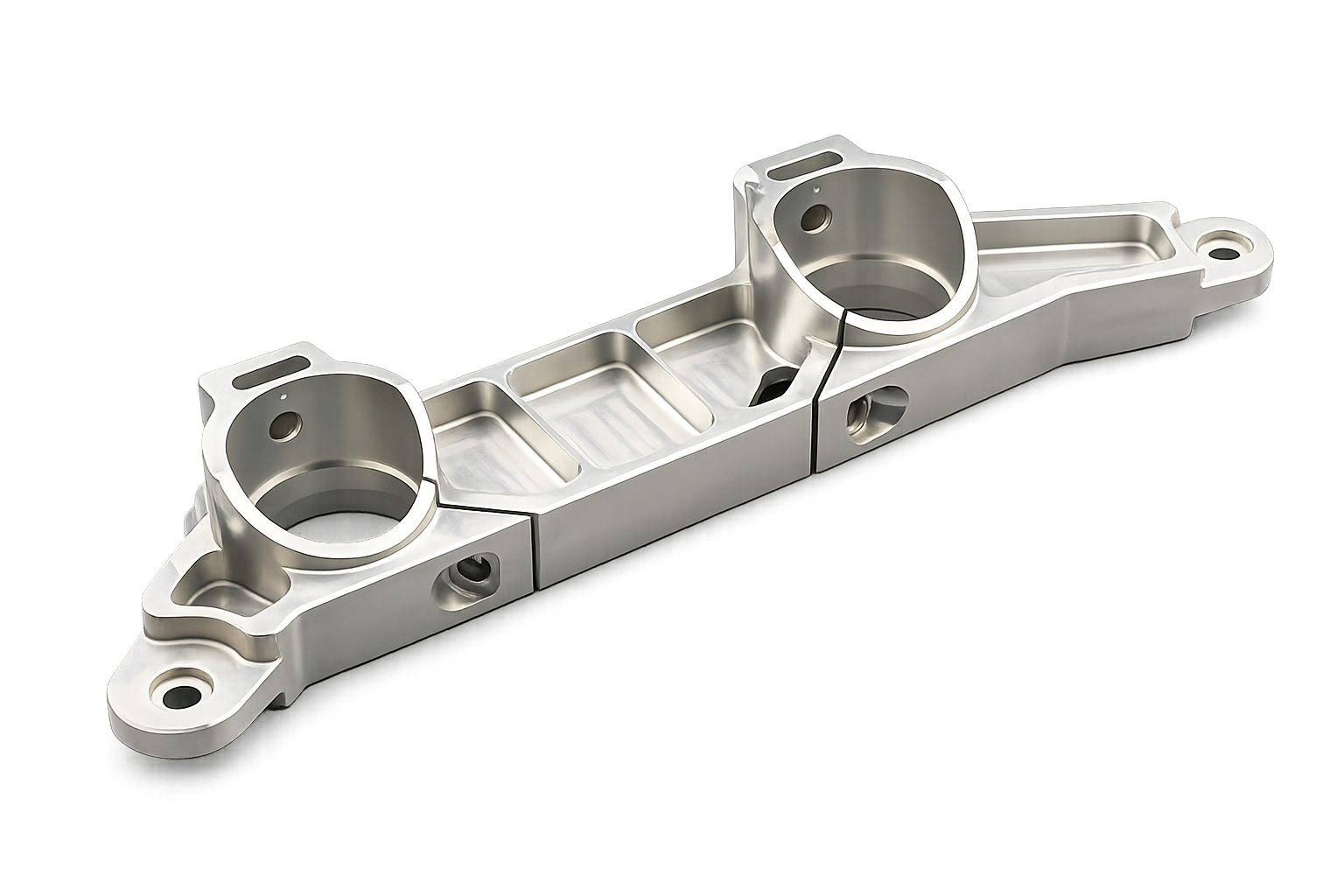
Because of its hardness and durability, 1095 is commonly used in:
Knife and blade manufacturing
Industrial and hand cutting tools
Springs and mechanical components
Swords and historical weapon replicas
Agricultural and industrial tools
These applications benefit from 1095’s ability to maintain sharp edges and withstand repeated stress.
8. Maintenance and Care Guidelines
To maximize service life, proper care is essential.
Best practices include:
Cleaning and drying after use
Applying a light protective oil
Avoiding prolonged exposure to moisture
Storing in dry, controlled environments
With proper maintenance, 1095 components can last for years.
9. 1095 Carbon Steel vs Other Steels
1095 vs Stainless Steel
1095: Better edge retention, lower corrosion resistance
Stainless steel: Better rust resistance, often harder to sharpen
1095 vs Lower-Carbon Steels (e.g., 1045)
1095: Higher hardness and wear resistance
Lower-carbon steels: Better toughness and ductility
Choosing the right steel depends on performance requirements and operating environment.
10. Conclusion
1095 carbon steel remains a top choice for blades, tools, and mechanical components due to its high hardness, excellent edge retention, forgeability, and cost efficiency. While it requires proper heat treatment and regular maintenance to prevent corrosion, its performance advantages often outweigh these drawbacks.
For manufacturers and buyers seeking a reliable, high-performance carbon steel, 1095 is a proven and trusted material.
FAQs
What are the main disadvantages of 1095 carbon steel?
It is prone to rust and can become brittle if heat treated incorrectly.
How does 1095 compare to stainless steel in corrosion resistance?
1095 lacks chromium, making it far less corrosion resistant than stainless steel.
Is 1095 carbon steel suitable for beginners in knife making?
It requires precise heat treatment, but its forging and sharpening characteristics make it popular even among beginners.
How can rust be prevented on 1095 steel?
Regular cleaning, drying, and applying a protective oil coating are essential.
How does heat treatment affect 1095 steel?
Proper heat treatment increases hardness and edge retention, while improper methods can increase brittleness.



1 thought on “Understanding 1095 Carbon Steel: Composition, Properties, Advantages, and Applications”