


When comparing metal materials for jewelry, medical tools, industrial parts, or consumer products, one common question appears again and again:
What is the difference between surgical steel and stainless steel?
Many people use these two terms as if they mean the same thing. In reality, surgical steel is a specific type of stainless steel, but not every stainless steel grade qualifies as surgical steel.
Understanding the difference matters when you are choosing materials for body jewelry, medical instruments, CNC machined parts, food equipment, custom fabrication, or corrosion-resistant components.
In this guide, we explain the real differences between surgical steel and stainless steel, including grades, corrosion resistance, applications, cost, and how to choose the best material for your project.
What Is Stainless Steel?
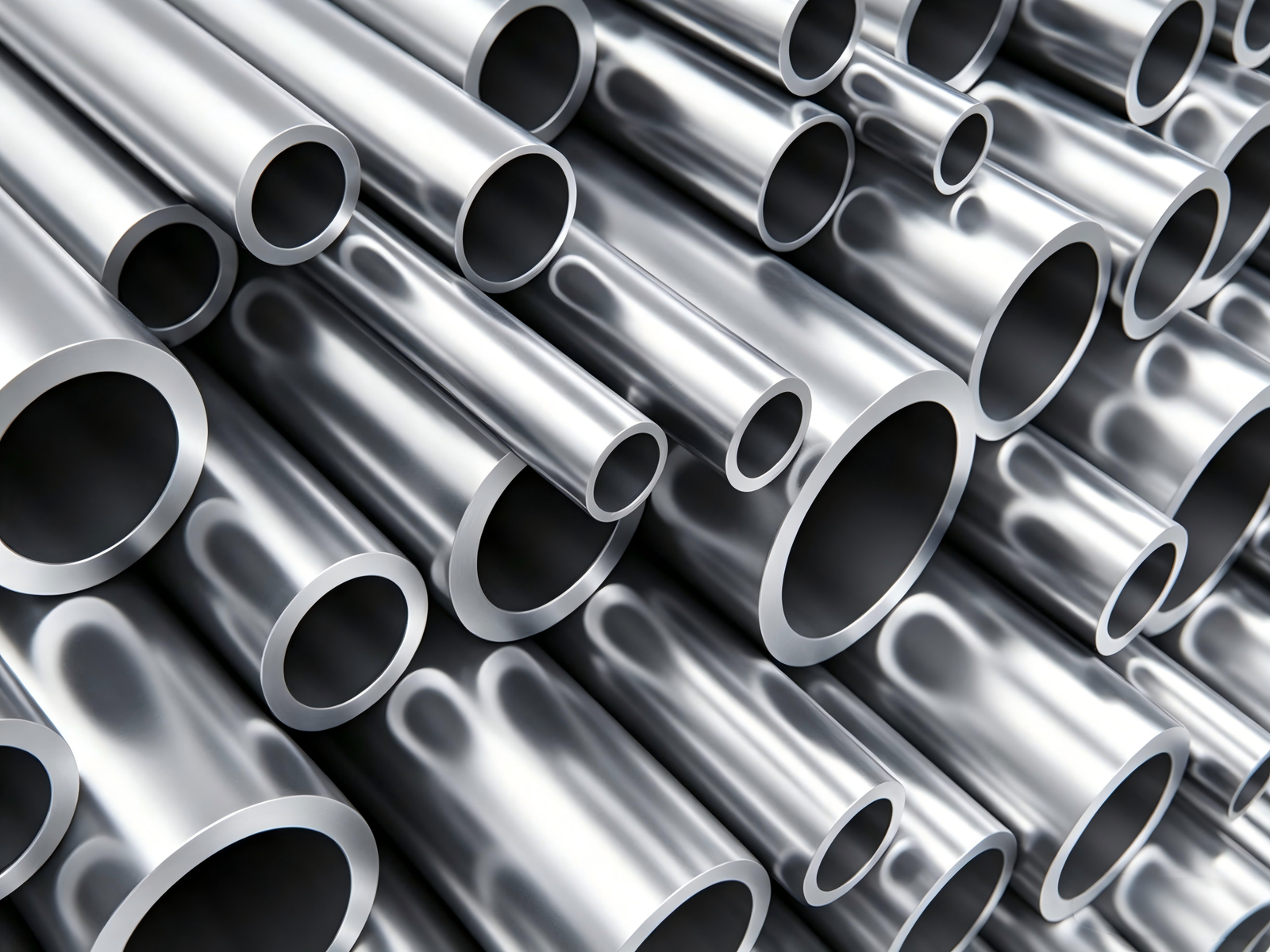
Stainless steel is a family of iron-based alloys containing at least 10.5% chromium, which creates a protective oxide layer on the surface. This passive layer helps resist rust, oxidation, and corrosion.
Depending on the grade, stainless steel may also contain:
Nickel
Molybdenum
Carbon
Manganese
Titanium
Nitrogen
These added elements improve strength, corrosion resistance, weldability, heat resistance, or machinability.
Common Stainless Steel Grades
Some of the most widely used stainless steel grades include:
201 Stainless Steel – economical, indoor use
304 Stainless Steel – versatile and popular
316 Stainless Steel – superior corrosion resistance
430 Stainless Steel – magnetic, lower cost
420 Stainless Steel – high hardness
440 Stainless Steel – very hard, wear resistant
Common Uses of Stainless Steel
Stainless steel is used in:
Kitchen sinks and cookware
Fasteners and hardware
Automotive components
Construction materials
Food processing equipment
Industrial machine parts
Decorative products
Because there are many grades available, stainless steel can be optimized for price, strength, appearance, or corrosion resistance.
What Is Surgical Steel?

Surgical steel is not a separate metal category. It refers to specific stainless steel grades chosen for medical, surgical, hygienic, or body-contact applications.
These materials are selected because they offer:
Excellent corrosion resistance
Good durability
Smooth polished surfaces
Ability to withstand sterilization
Better suitability for skin or body contact
Common Surgical Steel Grades
The most common surgical steel materials include:
316L Stainless Steel
316LVM Stainless Steel (vacuum melted, medical implant quality)
420 Stainless Steel
440 Stainless Steel
Different grades serve different purposes.
For example:
316L is common in jewelry and implants
420 / 440 are used in scalpels, scissors, and cutting instruments because of hardness
Surgical Steel vs Stainless Steel: Main Differences
1. Material Category
This is the most important distinction.
Stainless steel = a broad family of alloys
Surgical steel = selected stainless steel grades with higher standards
So technically:
All surgical steel is stainless steel, but not all stainless steel is surgical steel.
2. Corrosion Resistance
General stainless steel offers good corrosion resistance, but performance varies by grade.
For example:
201 = lower corrosion resistance
304 = very good general resistance
316L = excellent resistance, especially in moisture and chemicals
Surgical steel usually uses premium grades like 316L, making it more resistant to:
Sweat
Saltwater
Cleaning chemicals
Body fluids
Humid environments
This is why surgical steel is preferred in medical and jewelry applications.
3. Biocompatibility and Skin Safety
Most standard stainless steel is designed for structural or industrial use.
Surgical steel is often selected for:
Earrings
Body piercings
Surgical tools
Dental tools
Orthopedic devices
Especially 316L surgical steel, which is widely used because of lower carbon content and better corrosion behavior.
For products involving direct human contact, surgical steel is usually the safer option.
4. Surface Finish and Cleanliness
Surgical steel often requires:
Smoother polishing
Cleaner surfaces
Fewer surface defects
Easier sterilization
This matters because rough surfaces can trap bacteria, moisture, or contaminants.
Industrial stainless steel may not require the same finish quality.
5. Strength and Hardness
Not all surgical steel is softer or harder—the result depends on grade.
Examples:
316L = good toughness, corrosion resistant
420 = harder, used in knives and tools
440C = very hard, excellent edge retention
If cutting performance matters, surgical grades like 420 or 440 are often selected.
6. Price Difference
Surgical steel generally costs more because of:
Higher alloy content
Better corrosion resistance
Tighter quality standards
More polishing/processing
Medical-grade requirements
If your application does not need premium performance, standard stainless steel may be more economical.
Quick Comparison Table
| Feature | Stainless Steel | Surgical Steel |
| Definition | Large alloy family | Selected premium stainless grades |
| Corrosion Resistance | Good to excellent | Higher |
| Human Contact Use | Depends on grade | Preferred |
| Surface Finish | Standard to premium | Usually smoother |
| Medical Use | Limited grades | Common |
| Cost | Lower to moderate | Higher |
| Common Grades | 201, 304, 430 | 316L, 420, 440 |
Common Applications
Stainless Steel Applications
Used for:
Kitchen appliances
Furniture hardware
Automotive trim
Tanks and piping
Fasteners
Structural parts
Consumer products
Surgical Steel Applications
Used for:
Surgical scissors
Forceps
Scalpel handles
Dental tools
Implants
Piercing jewelry
Premium watches
Hygienic instruments
Which One Should You Choose?
Choose Stainless Steel If You Need:
Lower material cost
General corrosion resistance
Household products
Structural components
CNC machining for industrial parts
Large-volume production
Choose Surgical Steel If You Need:
Skin-safe products
Medical tools
Jewelry and piercings
Better corrosion resistance
Premium appearance
Hygienic surfaces
Long-term durability
Important Buying Tip: Ask for the Exact Grade
The term “surgical steel” is sometimes used loosely in marketing.
Always ask suppliers for the exact material grade:
316L
316LVM
420
440A / 440C
This gives you real technical clarity.
For industrial buyers, also request:
Material certificate
RoHS / REACH compliance
Surface finish report
Hardness data
Salt spray testing if needed
Surgical Steel for CNC Machining and Manufacturing
If you need custom parts, surgical steel can be machined into:
Precision medical housings
Orthopedic components
Custom jewelry parts
Hygienic fittings
Corrosion-resistant fasteners
However, some grades such as 316L can be more difficult to machine than standard 304 steel due to toughness.
Working with an experienced CNC machining supplier helps reduce tooling wear and maintain tolerance accuracy.
Why Global Buyers Choose Surgical Steel Parts
OEM buyers often choose surgical steel because it helps create products that offer:
Better market positioning
Premium quality image
Lower corrosion complaints
Better durability
Safer customer experience
For brands selling jewelry, beauty tools, medical accessories, or luxury hardware, this can justify the higher material cost.
Conclusion
The difference between surgical steel and stainless steel is simple:
Stainless steel is a broad material family used in many industries.
Surgical steel is a premium subset selected for stricter applications.
If your priority is affordability and general use, stainless steel is excellent.
If your priority is corrosion resistance, body contact safety, hygiene, and premium performance, surgical steel is the better choice.
The best material always depends on your product requirements, environment, and budget.
Need Custom Stainless Steel or Surgical Steel Parts?
If you need CNC machined components, custom metal fabrication, surgical-grade parts, or OEM stainless steel manufacturing, work with a supplier that can provide:
Exact material grades
Tight tolerances
Surface finishing options
Small batch or mass production
Quality inspection reports
Send us your drawings today for a fast quotation.
FAQ
1.Is surgical steel better than stainless steel?
For medical, jewelry, or skin-contact use, yes. For general industrial use, standard stainless steel may be enough.
2.Does surgical steel rust?
It has excellent corrosion resistance but is not 100% rust-proof under all conditions.
3.Is 316L considered surgical steel?
Yes. 316L is one of the most common surgical steel grades.
4.Can surgical steel be used for jewelry?
Yes. It is widely used for earrings, watches, rings, and body piercing jewelry.
5.Why is surgical steel more expensive?
Because it often uses better alloys, stricter standards, and more finishing work.
6.Is 304 stainless steel surgical steel?
Usually no. 304 is excellent stainless steel, but 316L is more commonly classified as surgical steel.
7.Which is better for outdoor use?
316L surgical steel usually performs better in wet or salty environments.