



A steel structure is not simply a collection of beams and columns. It is an engineered system in which members, connections, bracing, foundations, materials, loads, and fabrication processes work together to transfer forces safely and efficiently.
For project owners, engineers, contractors, OEMs, and procurement teams, understanding how steel structures are designed and fabricated is important when selecting materials, evaluating suppliers, comparing quotations, and controlling project costs.
This guide explains the main types and components of steel structures, structural design principles, steel material selection, fabrication processes, quality control, applications, and the key factors to consider when choosing a steel structure manufacturer.
What Is a Steel Structure?
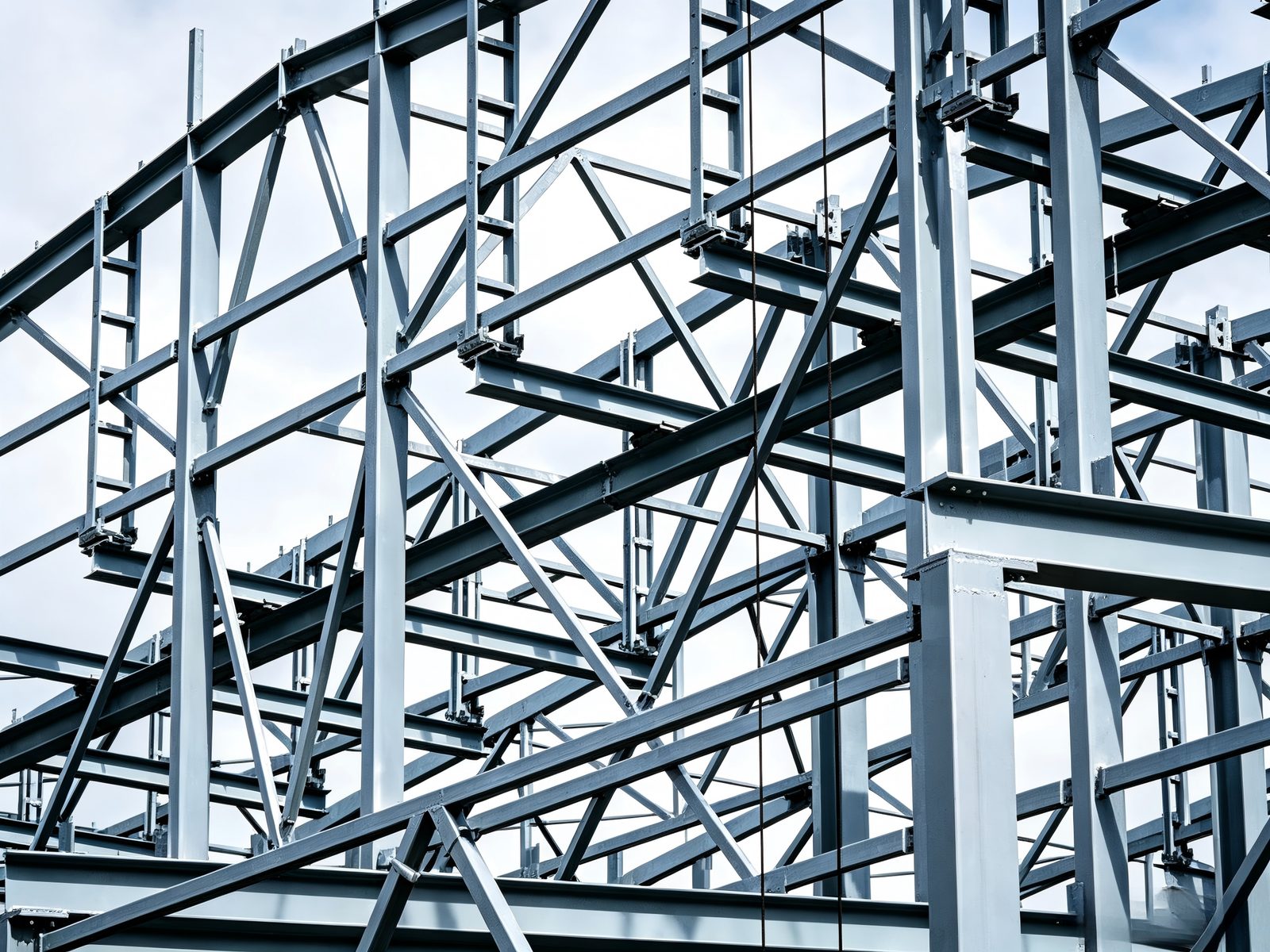
A steel structure is a load-bearing structural system in which steel members are connected to form a framework capable of supporting and transferring applied loads.
Typical members include:
- Beams
- Columns
- Trusses
- Bracing
- Plates
- Base plates
- Gusset plates
- Connection components
The basic load path is critical. Loads acting on floors, roofs, equipment, or other structural elements are transferred through beams and secondary members into columns, braces, connections, and ultimately the foundation.
Structural steel can be fabricated into a wide range of shapes and configurations. AISC, for example, identifies fabricated structural steel elements such as beams, columns, bracing, base plates, connection materials, girders, lintels, posts, and trusses as components of structural frames.
Where Are Steel Structures Used?
Steel structures are commonly found in:
- Industrial buildings
- Manufacturing plants
- Warehouses
- Commercial buildings
- Office buildings
- Bridges
- Sports facilities
- Agricultural buildings
- Equipment platforms
- Energy infrastructure
- Transportation infrastructure
- Modular buildings
- Custom industrial structures
Steel is particularly useful when a project requires long spans, high load capacity, rapid construction, or a customized structural configuration.
Key Components of Steel Structures
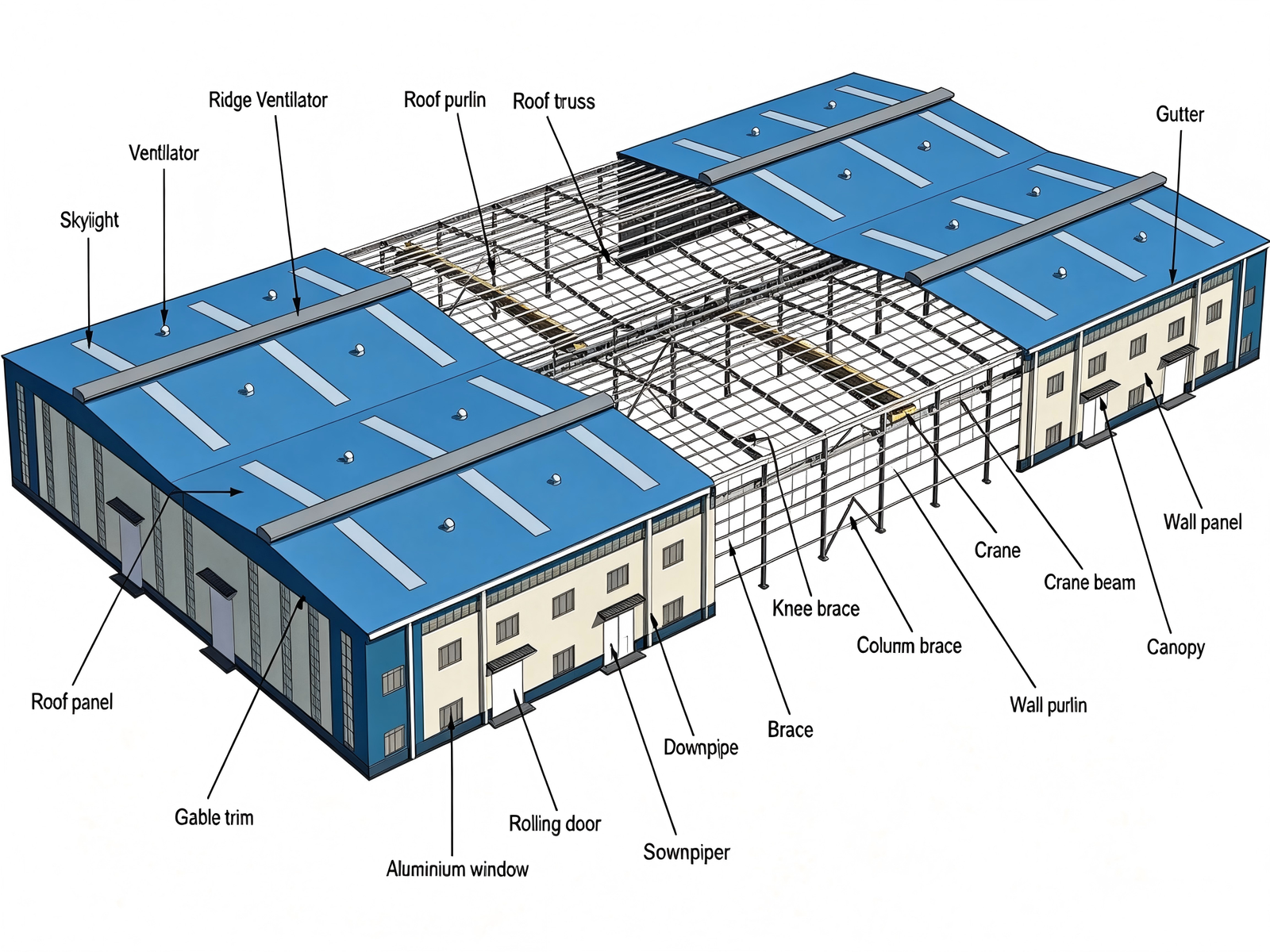
A steel structure consists of multiple components that perform different structural functions. The correct selection and coordination of these components are essential for structural stability and service performance.
Structural Steel Members
Beams
Beams are primarily horizontal structural members that resist bending and transfer loads toward columns, walls, or other supports.
Typical beam applications include:
- Floor systems
- Roof systems
- Platforms
- Mezzanines
- Bridge structures
- Equipment support frames
Beam selection depends on span, loading, deflection requirements, connection design, and the applicable structural standard.
Columns
Columns are primarily vertical compression members that transfer loads from beams and upper structural elements toward the foundation.
Column design must consider:
- Axial compression
- Bending
- Combined loading
- Slenderness
- Buckling
- Connection requirements
- Base-plate design
A column with adequate material strength can still experience instability if its geometry and boundary conditions are not properly considered.
Trusses
A truss is a structural system composed of interconnected members, typically arranged into triangular patterns.
Trusses are particularly useful for long-span applications because the geometry can efficiently distribute loads while limiting the amount of material required.
Typical applications include:
- Roof structures
- Bridges
- Industrial buildings
- Stadiums
- Large-span facilities
Bracing
Bracing provides lateral stability and helps resist horizontal forces.
Depending on the project, bracing may be designed to resist:
- Wind loads
- Seismic loads
- Equipment vibration
- Structural sway
- Buckling-related instability
Bracing systems can use diagonal steel members, cross-bracing, knee bracing, or other configurations.
Steel Connections
Connections determine how forces move from one structural member to another. They therefore deserve the same engineering attention as beams and columns.
Bolted Connections
Bolted connections use structural bolts and connection plates or other components to join steel members.
Advantages include:
- Relatively fast installation
- Convenient field assembly
- Easier replacement or disassembly
- Reduced dependence on field welding
Bolted connections are widely used in structural steel construction and can be designed for shear, tension, moment, or combined forces.
Welded Connections
Welded connections join steel components through a controlled welding process.
They can provide:
- High connection rigidity
- Efficient load transfer
- Compact connection geometry
- Permanent joints
- Design flexibility
However, welding requires appropriate procedures and quality control. Weld imperfections such as cracks, lack of fusion, lack of penetration, porosity, slag inclusions, and undercut can affect joint performance.
For this reason, professional fabrication programs normally control welding procedures, welder qualifications, inspection requirements, and documentation according to the applicable project standards.
Steel Frames
The structural frame provides the primary load-carrying system of many steel buildings.
Rigid Frames
Rigid frames use relatively stiff beam-to-column connections to resist bending and lateral movement.
They are commonly used in:
- Industrial buildings
- Commercial buildings
- Warehouses
- Portal-frame structures
The rigidity of the connection has a direct influence on the behavior of the overall frame.
Braced Frames
Braced frames use diagonal members to increase lateral stiffness.
They can provide an efficient solution when wind or seismic forces are important design considerations.
Bracing can also reduce structural movement and help control member stability.
Other Important Steel Structure Components
Gusset Plates
Gusset plates are steel plates used to connect structural members, especially in braced frames and trusses.
They can connect:
- Braces
- Beams
- Columns
- Truss members
Base Plates
Base plates are typically installed at the bottom of columns to distribute column loads to the foundation.
Their design may involve:
- Axial load
- Moment
- Shear
- Anchor bolts
- Plate thickness
- Concrete bearing
Stiffeners
Stiffeners are additional steel plates or sections used to reinforce structural members and connection regions where local stresses may be significant.
Anchor Bolts
Anchor bolts connect steel columns or base plates to the concrete foundation and provide a critical part of the load-transfer path between the steel structure and foundation.
Common Types of Steel Structures
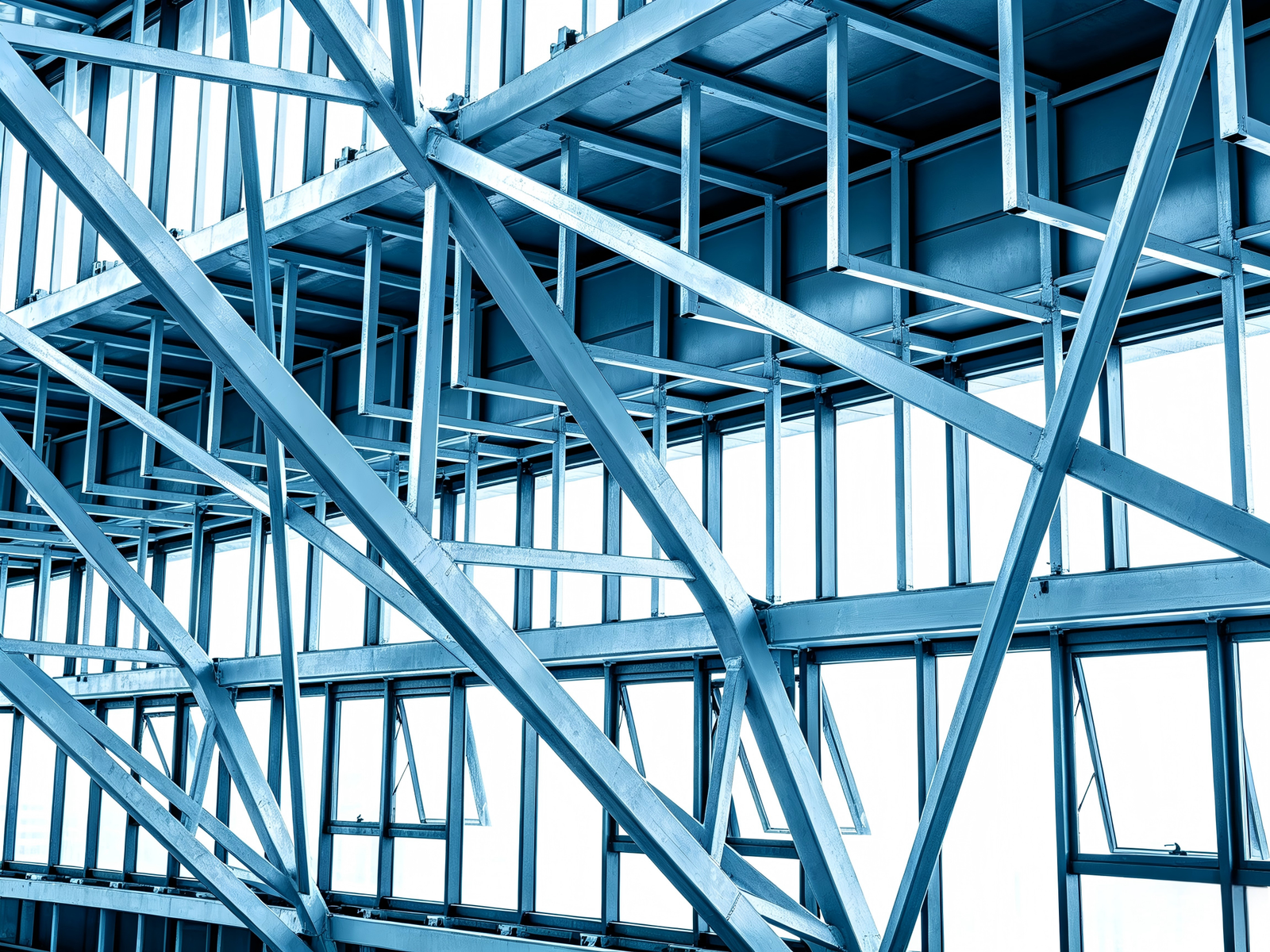
Different structural systems are selected according to span, loading, building function, architectural requirements, and construction method.
Steel Frame Structures
Steel frame structures use beams, columns, and connections to create a primary structural skeleton.
They are common in:
- Commercial buildings
- Industrial buildings
- Offices
- Multi-story structures
Steel Truss Structures
Steel trusses are particularly suitable for long-span applications.
Common uses include:
- Roofs
- Bridges
- Stadiums
- Industrial facilities
- Exhibition halls
Portal Frame Structures
Portal frames typically use rigid beam-to-column connections and are widely used for large clear-span buildings.
Typical applications include:
- Warehouses
- Factories
- Workshops
- Agricultural buildings
They can provide large unobstructed interior spaces without requiring numerous internal columns.
Space Frame Structures
Space frames use three-dimensional structural systems to distribute loads across large areas.
They are suitable for:
- Stadium roofs
- Exhibition halls
- Transportation terminals
- Large architectural structures
Modular and Prefabricated Steel Structures
Modular steel structures use factory-fabricated components that are transported to the project site for assembly.
The main advantages include:
- Better factory process control
- Reduced site labor
- Faster installation
- Repeatable quality
- Improved production planning
For projects with repetitive components, prefabrication can also improve manufacturing efficiency.
Design Principles of Steel Structures
The objective of structural steel design is not simply to make a structure strong enough. Engineers must balance strength, stability, serviceability, durability, manufacturability, safety, and cost.
AISC’s structural steel resources cover areas including flexural members, compression members, tension members, combined forces, bolts, welds, connecting elements, and different types of structural connections.
Load Considerations
Dead Loads
Dead loads are permanent loads associated with the structure itself and permanently installed components.
Examples include:
- Steel members
- Floors
- Roof systems
- Permanent equipment
- Fixed architectural components
Live Loads
Live loads are variable loads that can change during the life of a structure.
Examples include:
- People
- Furniture
- Movable equipment
- Stored materials
- Temporary loads
Environmental Loads
Environmental forces may include:
- Wind
- Snow
- Earthquakes
- Temperature effects
- Rain or water accumulation
The actual loads considered depend on the project’s location, building type, applicable codes, and environmental conditions.
Wind Loads
Wind can create both lateral forces and uplift forces.
Engineers must consider:
- Building height
- Building geometry
- Exposure
- Wind speed
- Roof configuration
- Local pressure effects
Seismic Loads
In seismic regions, the structural system must be designed to resist earthquake-induced forces and movements.
Important considerations include:
- Lateral load-resisting systems
- Ductility
- Bracing
- Connection behavior
- Structural redundancy
Structural Analysis
Structural analysis determines how a steel structure responds to applied loads.
Engineers evaluate factors such as:
- Internal forces
- Stress
- Strain
- Deflection
- Stability
- Buckling
- Connection forces
- Load paths
Stability and Buckling
Buckling is particularly important for slender compression members.
A steel column can have sufficient material strength but still fail through instability if its effective length, cross-section, restraint conditions, or slenderness are not properly considered.
Engineers therefore evaluate:
- Local buckling
- Flexural buckling
- Lateral-torsional buckling
- Member slenderness
- Frame stability
Steel Material Selection
Selecting the right steel grade is an important part of structural design and fabrication.
Common Structural Steel Categories
Depending on the project and applicable standard, structural steel may include:
- Carbon structural steel
- High-strength structural steel
- Weathering steel
- Stainless steel
- Hollow structural sections
Hollow Structural Sections, or HSS, are commonly manufactured in circular, square, and rectangular forms and are used for columns, bracing, trusses, and architecturally exposed structures.
Key Steel Properties
When selecting structural steel, engineers may consider:
Yield Strength
Yield strength determines the stress level at which permanent plastic deformation begins.
Tensile Strength
Tensile strength represents the maximum tensile stress the material can withstand before fracture.
Ductility
Ductility allows steel to deform before failure and is important in many structural applications.
Toughness
Toughness becomes particularly important where structures may experience impact, low temperatures, or dynamic loading.
Weldability
Steel grade and chemical composition can influence welding requirements and fabrication procedures.
Corrosion Resistance
For aggressive environments, the steel grade and protective system must be selected together.
Steel Structure Fabrication Process
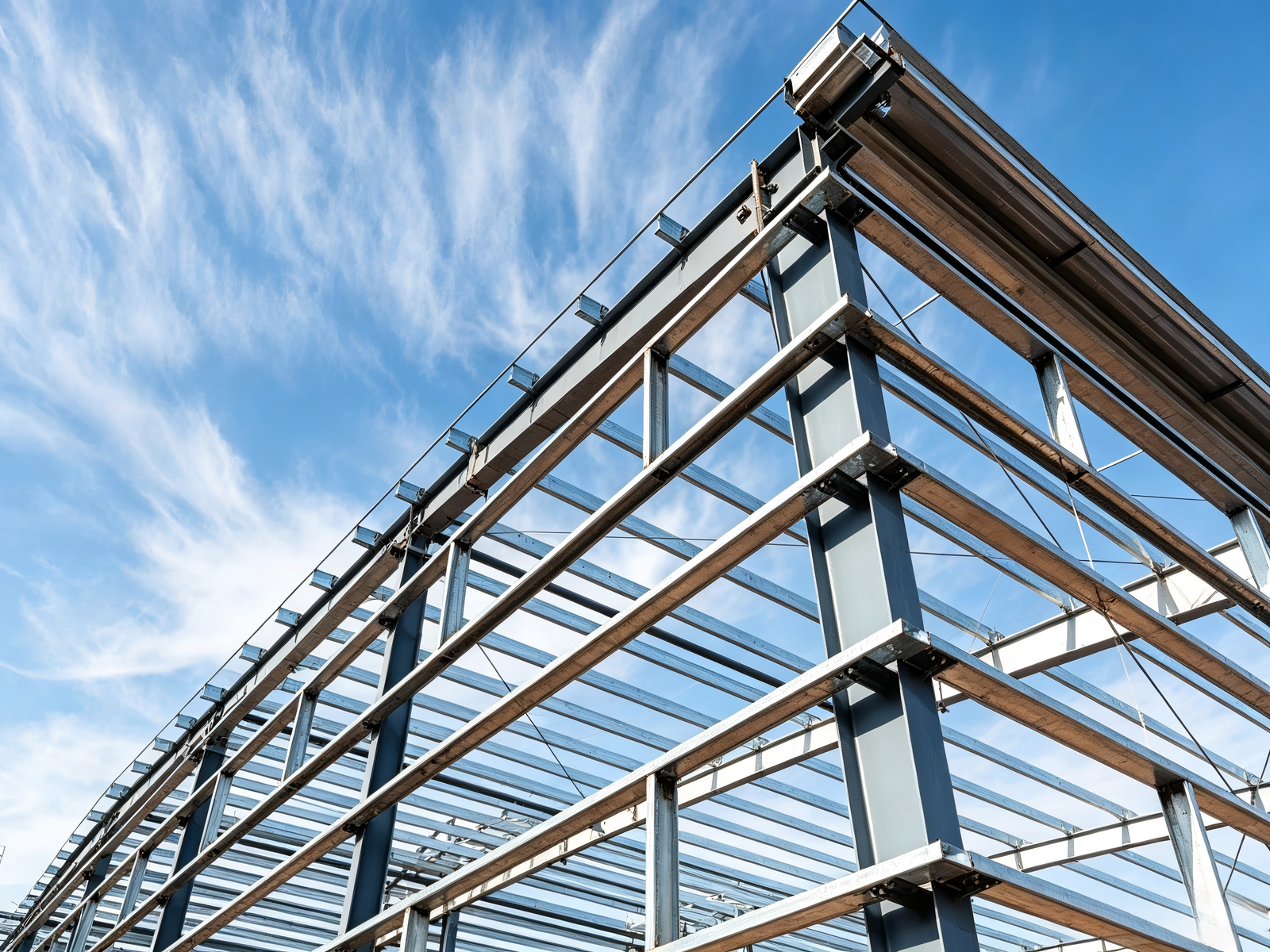
Engineering design is only one part of a successful steel project. The fabrication process must accurately convert engineering information into physical components.
Step 1: Engineering and Design Review
Before fabrication begins, the manufacturer reviews:
- 2D drawings
- 3D CAD models
- Structural calculations
- Material specifications
- Welding requirements
- Tolerances
- Surface treatment
- Quantity
- Packaging requirements
A detailed manufacturability review can identify potential problems before material is cut.
Step 2: Material Procurement and Inspection
The manufacturer purchases steel according to the specified grade and dimensions.
Incoming inspection may verify:
- Material grade
- Thickness
- Dimensions
- Surface condition
- Heat or batch number
- Material certificates
Material traceability is particularly important for projects with strict quality documentation requirements.
Step 3: CNC Cutting
Steel plates and sections may be cut using:
- Laser cutting
- Plasma cutting
- Oxy-fuel cutting
- Band sawing
- Other CNC cutting processes
The appropriate process depends on thickness, geometry, production volume, and dimensional requirements.
Step 4: Drilling and Machining
Structural components may require:
- Bolt holes
- Slots
- Counterbores
- Edge preparation
- Precision-machined interfaces
CNC machining can be used where tighter dimensional requirements or complex geometries are involved.
Step 5: Forming
Depending on the design, steel components may be:
- Bent
- Rolled
- Press formed
- Straightened
Forming parameters must be controlled to avoid unwanted deformation or damage.
Step 6: Welding
Welding joins fabricated components into assemblies.
A controlled welding process should address:
- Welding procedure
- Joint preparation
- Welding sequence
- Heat input
- Preheating where required
- Welder qualification
- Visual inspection
- NDT where specified
Welding is one of the most quality-sensitive operations in structural steel fabrication because defects can require rework and may affect structural performance.
Step 7: Assembly
Fabricated components are assembled using:
- Fixtures
- Jigs
- Temporary supports
- Bolted connections
- Welding
Dimensional verification during assembly helps ensure that components will fit correctly during final installation.
Step 8: Surface Treatment
Steel structures require appropriate surface preparation and protective treatment based on the service environment.
Common options include:
- Primer and paint
- Epoxy coatings
- Polyurethane systems
- Powder coating for suitable components
- Hot-dip galvanizing
- Specialized corrosion-protection systems
Protective coating selection should be considered during the design and fabrication stages rather than treated as an afterthought.
Step 9: Final Inspection
Final inspection may include:
- Dimensional inspection
- Weld inspection
- Surface inspection
- Coating inspection
- Assembly verification
- Documentation review
The final inspection criteria should be based on the project drawings, specifications, applicable standards, and customer requirements.
Steel Structure Fabrication vs. On-Site Fabrication
Factory fabrication and on-site fabrication each have different advantages.
| Factor | Factory Fabrication | On-Site Fabrication |
| Working environment | Controlled | Weather dependent |
| Dimensional control | Generally easier | More challenging |
| Equipment availability | High | Variable |
| Quality inspection | Easier to standardize | More difficult |
| Labor efficiency | Generally higher | Lower for repetitive work |
| Site installation time | Reduced | Increased |
| Transportation | Required | Reduced |
| Production planning | Easier | More dependent on site conditions |
For many projects, fabricating major steel components in a controlled factory environment and then transporting them to the site can reduce site work and improve production consistency.
However, transportation dimensions, weight restrictions, site access, lifting capacity, and assembly sequence must be considered during design.
Advantages of Steel Structures
High Strength-to-Weight Ratio
Steel provides high structural strength relative to its weight, allowing engineers to design efficient structural systems.
Durability
When correctly designed, fabricated, protected, and maintained, steel structures can provide long service lives.
Design Flexibility
Steel can be fabricated into:
- Beams
- Columns
- Plates
- Tubes
- Trusses
- Curved members
- Custom assemblies
Architecturally exposed structural steel demonstrates how steel can be fabricated into complex shapes, tapered forms, curves, and different finishes while remaining part of the structural system.
Fast Construction
Steel components can be prefabricated before arriving at the construction site.
This can reduce:
- Site labor
- Installation time
- On-site fabrication
- Construction disruption
Recyclability
Steel is a recyclable material, which can contribute to material recovery and circular construction strategies when appropriate recycling infrastructure is available.
Precision Manufacturing
Modern fabrication equipment allows manufacturers to produce complex components with repeatable dimensions and controlled processes.
Challenges of Steel Structures
Steel structures also require careful engineering and manufacturing.
Corrosion
Steel can corrode when exposed to moisture, oxygen, salts, chemicals, or other aggressive environments.
Corrosion protection may involve:
- Paint systems
- Protective coatings
- Hot-dip galvanizing
- Material selection
- Proper drainage
- Inspection and maintenance
The appropriate system depends on the service environment and expected durability.
Fire Protection
Steel does not burn, but its mechanical properties can deteriorate as temperature increases.
Depending on the building and fire-resistance requirements, protection may include:
- Intumescent coatings
- Spray-applied fire protection
- Fire-resistant board
- Concrete or other encasement systems
The required protection should be determined by the applicable building code and fire-resistance design.
Initial Cost
Steel projects involve more than raw material costs.
The total project cost can include:
- Engineering
- Material
- Cutting
- Machining
- Welding
- Surface treatment
- Quality inspection
- Packaging
- Transportation
- Site erection
A low unit material price does not necessarily produce the lowest total project cost.
Transportation and Handling
Large steel members can create logistical challenges.
Important considerations include:
- Maximum transport dimensions
- Weight restrictions
- Container utilization
- Lifting points
- Packaging
- Corrosion protection during transportation
- Site unloading requirements
Welding and Fabrication Quality
Poor welding, incorrect dimensions, excessive distortion, or inadequate inspection can result in costly rework.
A quality-controlled fabrication process should therefore integrate inspection into production rather than relying only on final inspection.
Steel Structure Applications
Industrial Buildings
Steel is widely used for:
- Factories
- Manufacturing plants
- Workshops
- Production facilities
- Equipment support structures
Industrial buildings often require large clear spans, overhead equipment, heavy loads, and future expansion flexibility.
Warehouses
Steel warehouse structures typically include:
- Columns
- Roof beams
- Portal frames
- Bracing
- Purlins
- Connection systems
The structural design depends on building dimensions, storage requirements, environmental loads, and local regulations.
Commercial Buildings
Steel frames can be used for:
- Offices
- Retail buildings
- Commercial facilities
- Mixed-use structures
Bridges
Steel beams and trusses are widely used in bridge construction because of their strength and ability to span significant distances.
Bridge applications place additional emphasis on fatigue, corrosion protection, connection design, inspection, and maintenance.
Energy and Infrastructure
Steel fabrication can support:
- Solar structures
- Equipment platforms
- Power infrastructure
- Industrial support frames
- Access platforms
- Maintenance structures
Custom OEM Steel Fabrication
For industrial OEM customers, steel fabrication is not limited to complete buildings.
Manufacturers can produce custom:
- Machine frames
- Equipment bases
- Structural brackets
- Platforms
- Guards
- Supports
- Welded assemblies
- Industrial enclosures
- Custom structural components
For these projects, the manufacturer needs to understand both the engineering drawing and the component’s actual function.
Steel Structure Quality Control
Quality control should be integrated throughout the fabrication process.
Incoming Material Inspection
Verify:
- Material grade
- Thickness
- Dimensions
- Surface condition
- Material certificates
- Traceability
Dimensional Inspection
Inspect critical dimensions after:
- Cutting
- Forming
- Welding
- Assembly
This helps identify distortion before it becomes a larger problem.
Welding Inspection
Depending on project requirements, welding inspection may include:
- Visual testing
- Magnetic particle testing
- Ultrasonic testing
- Dye penetrant testing
- Other approved NDT methods
The appropriate method depends on the joint, material, loading condition, specification, and applicable standard.
Surface Treatment Inspection
Inspection may cover:
- Surface preparation
- Coating thickness
- Adhesion where specified
- Color
- Surface defects
- Galvanizing condition
Final Assembly Inspection
Before shipment, verify:
- Overall dimensions
- Hole positions
- Connection interfaces
- Component identification
- Surface condition
- Packaging
A documented inspection process reduces the risk of receiving components that cannot be assembled correctly at the project site.
Frequently Asked Questions About Steel Structures
What is a steel structure?
A steel structure is an engineered load-bearing system made primarily from interconnected steel members such as beams, columns, trusses, braces, plates, and connections.
What are the main components of a steel structure?
The main components include beams, columns, trusses, bracing, bolted or welded connections, base plates, gusset plates, stiffeners, and anchor systems.
What are the different types of steel structures?
Common types include steel frame structures, portal frames, truss structures, space frames, braced frames, and modular or prefabricated steel structures.
What are the advantages of steel structures?
Key advantages include high strength-to-weight ratio, design flexibility, prefabrication capability, fast construction, durability, and suitability for complex structural configurations.
What are the disadvantages of steel structures?
Common challenges include corrosion, fire protection requirements, transportation of large members, welding and fabrication quality control, and potentially significant initial engineering and fabrication costs.
What types of steel are used for structural applications?
The appropriate steel depends on the design and governing standard. Common categories include carbon structural steels, high-strength steels, weathering steels, stainless steels, and hollow structural sections.
How are steel structures manufactured?
A typical process includes engineering review, material procurement, cutting, drilling, forming, welding, assembly, surface treatment, inspection, packaging, and delivery.
What is the difference between bolted and welded steel connections?
Bolted connections use structural bolts and are convenient for assembly and potential disassembly. Welded connections create permanent joints and can provide high rigidity and compact connection designs. The correct solution depends on structural design, fabrication conditions, installation requirements, and applicable standards.
How is corrosion prevented in steel structures?
Corrosion can be controlled through appropriate steel selection, protective coatings, hot-dip galvanizing, suitable detailing, drainage, inspection, and maintenance.
How are steel structures protected from fire?
Depending on the required fire resistance, protection may include intumescent coatings, spray-applied fire protection, fire-resistant boards, or other approved protection systems.
What information is needed for a steel fabrication quotation?
At minimum, provide the drawing or model, material grade, dimensions, thickness, quantity, welding requirements, surface treatment, tolerances, application, and delivery requirements.
Can steel structures be custom fabricated?
Yes. Steel structures and fabricated components can be customized according to engineering drawings, structural requirements, dimensions, material grades, connection designs, surface finishes, and production quantities.
How can I choose a reliable steel fabrication manufacturer?
Evaluate the supplier’s engineering capability, fabrication equipment, welding expertise, quality system, inspection capability, production capacity, surface-treatment options, certifications, export experience, and previous experience with similar projects.
Conclusion
For building and infrastructure projects, beams, columns, trusses, bracing, base plates, gusset plates, and connections must work together to create a stable load path. For custom industrial applications, the same principles apply to equipment frames, platforms, machine bases, supports, and welded steel assemblies.
For procurement teams and OEM buyers, the best supplier is not necessarily the one offering the lowest initial price. A reliable steel structure manufacturer should be able to support the project from engineering review and material selection through fabrication, quality inspection, surface treatment, packaging, and delivery.
If you are sourcing a custom steel structure, steel frame, welded assembly, equipment platform, or fabricated steel component, send us your 2D drawing, 3D CAD file, material specification, quantity, surface treatment requirements, and delivery target. Our engineering team can review the project, evaluate manufacturability, identify key production considerations, and prepare a customized quotation.


