


A360 aluminum alloy is widely used in die-casting materials in manufacturing. Known for its excellent fluidity, pressure tightness, and corrosion resistance, A360 is extensively used in industries that demand both performance and precision.
Whether you are designing automotive components, sourcing materials for industrial applications, or optimizing production processes, understanding A360 aluminum alloy can help you make better engineering and purchasing decisions.
In this guide, we will break down its composition, properties, advantages, and real-world applications, while also providing insights to help you select the right material and manufacturing partner.
What is A360 Aluminum Alloy?
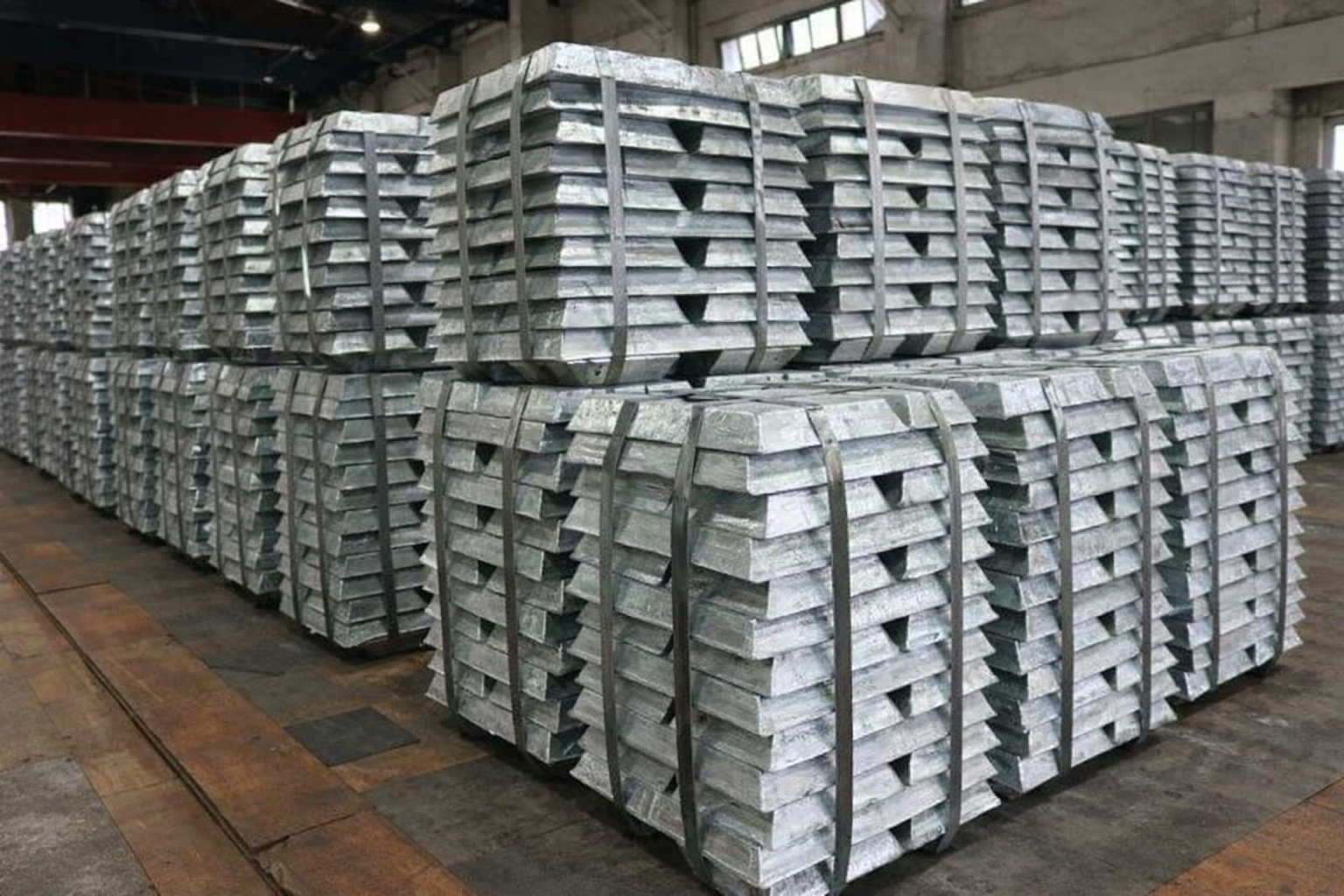
A360 aluminum alloy is a high-silicon aluminum casting alloy primarily used in die casting processes. It is engineered to deliver a combination of:
High strength-to-weight ratio
Excellent corrosion resistance
Superior pressure tightness
Good thermal and electrical conductivity
Compared to other aluminum alloys, A360 stands out for its ability to fill complex molds with high precision, making it ideal for intricate components.
Key Characteristics:
Optimized for die casting and precision casting
Suitable for thin-wall and complex geometries
Performs well in harsh environments
Because of these properties, A360 is widely used by engineers in automotive, aerospace, electronics, and industrial sectors.
Chemical Composition of A360 Aluminum Alloy
The performance of A360 aluminum alloy is directly influenced by its chemical composition. Each element plays a specific role in enhancing mechanical and physical properties.
Typical Composition:
| Element | Content (%) |
| Aluminum (Al) | 85.8 – 90.6 |
| Silicon (Si) | 9.0 – 10.0 |
| Copper (Cu) | 0.6 |
| Iron (Fe) | 1.3 |
| Magnesium (Mg) | 0.35 |
| Zinc (Zn) | 0.5 |
| Manganese (Mn) | 0.35 |
| Nickel (Ni) | 0.5 |
| Tin (Sn) | 0.15 |
| Others | 0.25 |
How Composition Affects Performance
Silicon (Si)
Improves fluidity and castability, allowing molten metal to fill complex molds efficiently.
Copper (Cu)
Enhances strength and corrosion resistance.
Magnesium (Mg)
Improves hardness and mechanical performance.
Iron (Fe)
Increases wear resistance but must be controlled to avoid brittleness.
Engineering Insight:
The relatively high silicon content in A360 makes it particularly suitable for high-pressure die casting, where flow behavior is critical.
Physical Properties of A360 Aluminum Alloy
Understanding the physical properties of A360 is essential for material selection and product design.
1. Density
2.63 – 2.75 g/cm³
This lightweight characteristic makes A360 ideal for applications where reducing weight is critical, such as automotive and aerospace components.
2. Melting Point
~577°C
A lower melting point enables:
Faster casting cycles
Reduced energy consumption
Improved manufacturing efficiency
3. Thermal Conductivity
110 – 113 W/m·K
This allows efficient heat dissipation, making A360 suitable for:
Engine components
Electronic housings
Heat exchangers
4. Electrical Conductivity
~29% IACS
Although not as conductive as pure aluminum, it is sufficient for:
Electrical enclosures
Conductive housings
5. Coefficient of Thermal Expansion
~21 µm/m·K
This ensures dimensional stability under temperature fluctuations, which is critical for precision components.
Advantages of A360 Aluminum Alloy
A360 is widely adopted across industries due to its balanced combination of performance and cost-efficiency.
1. Superior Mechanical Properties
A360 offers:
High tensile strength
Good elongation
Strong structural integrity
This makes it suitable for load-bearing and high-stress components.
2. Excellent Corrosion Resistance
Its chemical composition provides resistance to:
Moisture
Chemicals
Saltwater environments
This is why it is commonly used in marine and outdoor applications.
3. Outstanding Castability
Thanks to its high silicon content, A360:
Flows easily into molds
Reduces casting defects
Supports complex geometries
4. High Thermal Conductivity
Efficient heat transfer ensures stable performance in:
High-temperature environments
Thermal management systems
5. Good Ductility and Resilience
A360 can:
Withstand deformation without cracking
Adapt to complex shapes
Maintain durability over time
6. Cost-Effective for Mass Production
Compatible with high-volume die casting
Reduces machining requirements
Minimizes material waste
7. Environmentally Friendly
Fully recyclable
Lower energy consumption during processing
Applications of A360 Aluminum Alloy

Due to its versatility, A360 is used across multiple industries.
1. Automotive Industry
A360 is widely used for:
Engine components (cylinder heads, housings)
Transmission parts
Structural brackets
Why it works:
Lightweight reduces fuel consumption
Thermal conductivity supports heat management
2. Aerospace Industry
Applications include:
Aircraft housings
Structural components
Engine parts
Key benefits:
High strength-to-weight ratio
Corrosion resistance
3. Marine Industry
Used in:
Propulsion systems
Deck hardware
Structural components
Advantage:
Resist to saltwater corrosion
4. Electronics Industry
Common uses:
Enclosures
Heat sinks
Connective components
Key reason:
Thermal and electrical conductivity
5. Industrial Applications
A360 is also used for:
Heat exchangers
Machinery parts
Frames and brackets
A360 vs A380 Aluminum: What’s the Difference?
This is one of the most frequently asked questions by engineers and buyers.
| Feature | A360 | A380 |
| Castability | Slightly lower | Better |
| Strength | Higher | Moderate |
| Corrosion Resistance | Better | Good |
| Application | High-performance parts | General-purpose casting |
Key Takeaway:
Choose A360 for performance-critical applications
Choose A380 for cost-sensitive, high-volume production
How to Choose the Right Aluminum Alloy for Your Project
When selecting between A360 and other alloys, consider:
Mechanical requirements
Environmental conditions
Complexity of design
Production volume
Cost constraints
Practical Tip:
Material selection should always align with both engineering performance and manufacturing feasibility.
Conclusion
A360 aluminum alloy is a high-performance material that combines strength, corrosion resistance, and excellent castability. Its unique composition makes it suitable for a wide range of demanding applications across multiple industries.
However, achieving the best results with A360 requires more than just selecting the material—it requires the right combination of design expertise, manufacturing precision, and quality control.
FAQs
1. What is the equivalent of A360 aluminum?
A360 is often compared to A380, though A360 offers better corrosion resistance and strength.
2. Is A360 suitable for die casting?
Yes, it is specifically designed for die casting, especially for complex and high-performance components.
3. What industries use A360 aluminum?
Automotive, aerospace, marine, electronics, and industrial manufacturing.
4. Is A360 aluminum corrosion-resistant?
Yes, it performs well in harsh environments, including marine applications.
Looking for a Reliable A360 Aluminum Casting Partner?
If you are developing a new project or optimizing an existing design, working with an experienced manufacturer can make a significant difference.
Contact us today to get:
Expert material recommendations
Custom die casting solutions
Fast quotation and technical support


