



What Is Anodized Magnesium?
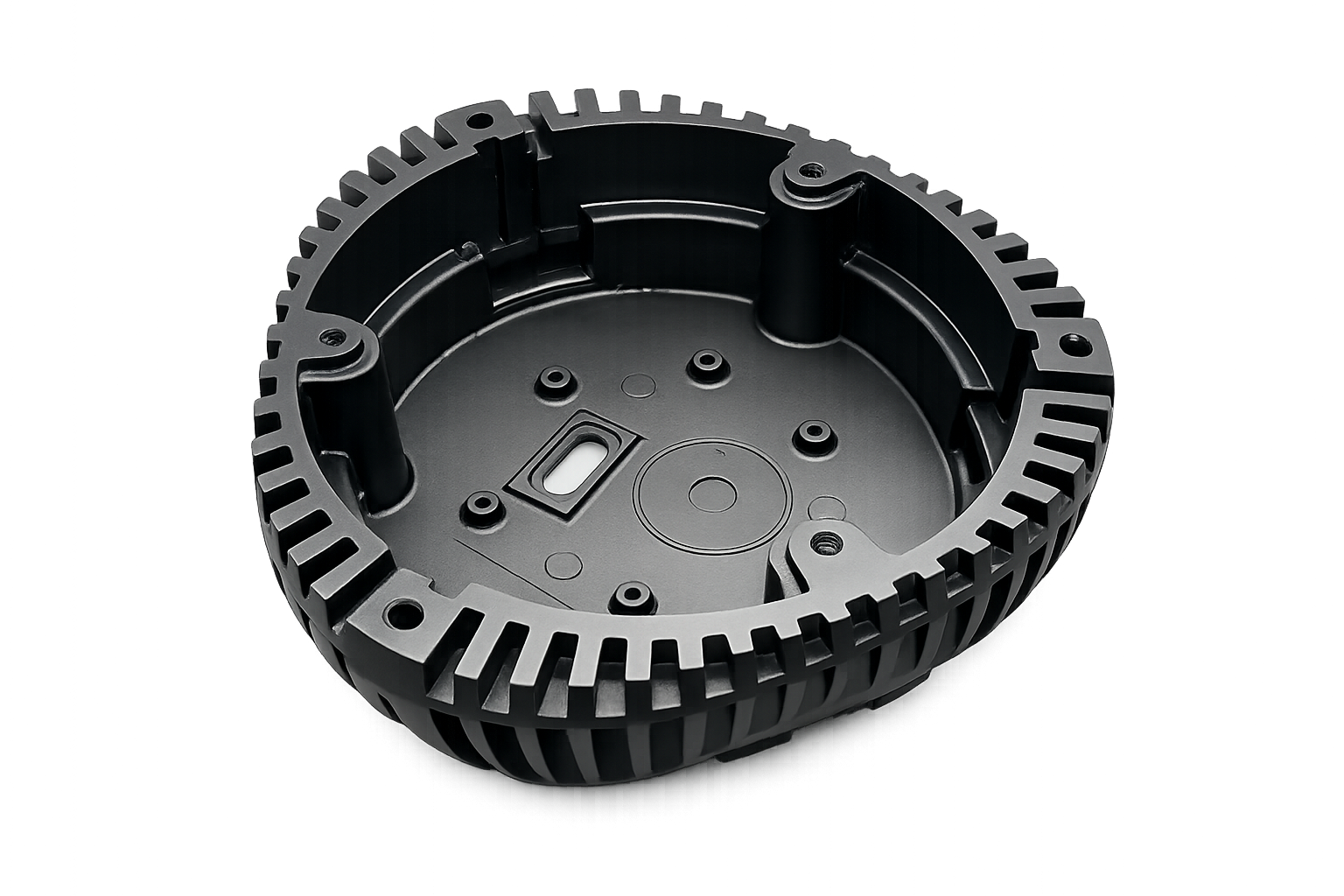
Anodized magnesium refers to magnesium metal that has undergone an electrochemical surface treatment called anodizing, forming a protective oxide layer on its surface. This oxide layer significantly enhances the material’s corrosion resistance, surface hardness, coating adhesion, and aesthetic appearance, while maintaining its lightweight advantage.
In simple terms, anodizing transforms magnesium from a highly reactive metal into a durable, application-ready engineering material suitable for demanding industries such as aerospace, automotive, and electronics.
Why Magnesium Needs Anodizing
Magnesium is one of the lightest structural metals available, with an excellent strength-to-weight ratio. However, despite its advantages, it has several inherent limitations that restrict its direct use.
Key Challenges of Raw Magnesium
High Chemical Reactivity
Magnesium readily reacts with oxygen and moisture, leading to rapid oxidation.
Poor Corrosion Resistance
Especially vulnerable in humid, marine, or salt-rich environments.
Low Surface Hardness
Easily scratched, worn, or damaged under mechanical stress.
Limited Coating Compatibility
Paints and coatings do not adhere well without surface treatment.
How Anodizing Solves These Problems
Anodizing directly addresses these issues by creating a controlled oxide layer that:
Acts as a barrier against corrosion
Improves surface hardness and wear resistance
Provides a porous structure for strong coating adhesion
Enables decorative finishes and color options
For engineers and OEM buyers, anodizing is not optional—it is often a critical step to make magnesium viable in real-world applications.
Magnesium Anodizing Process (Step-by-Step)
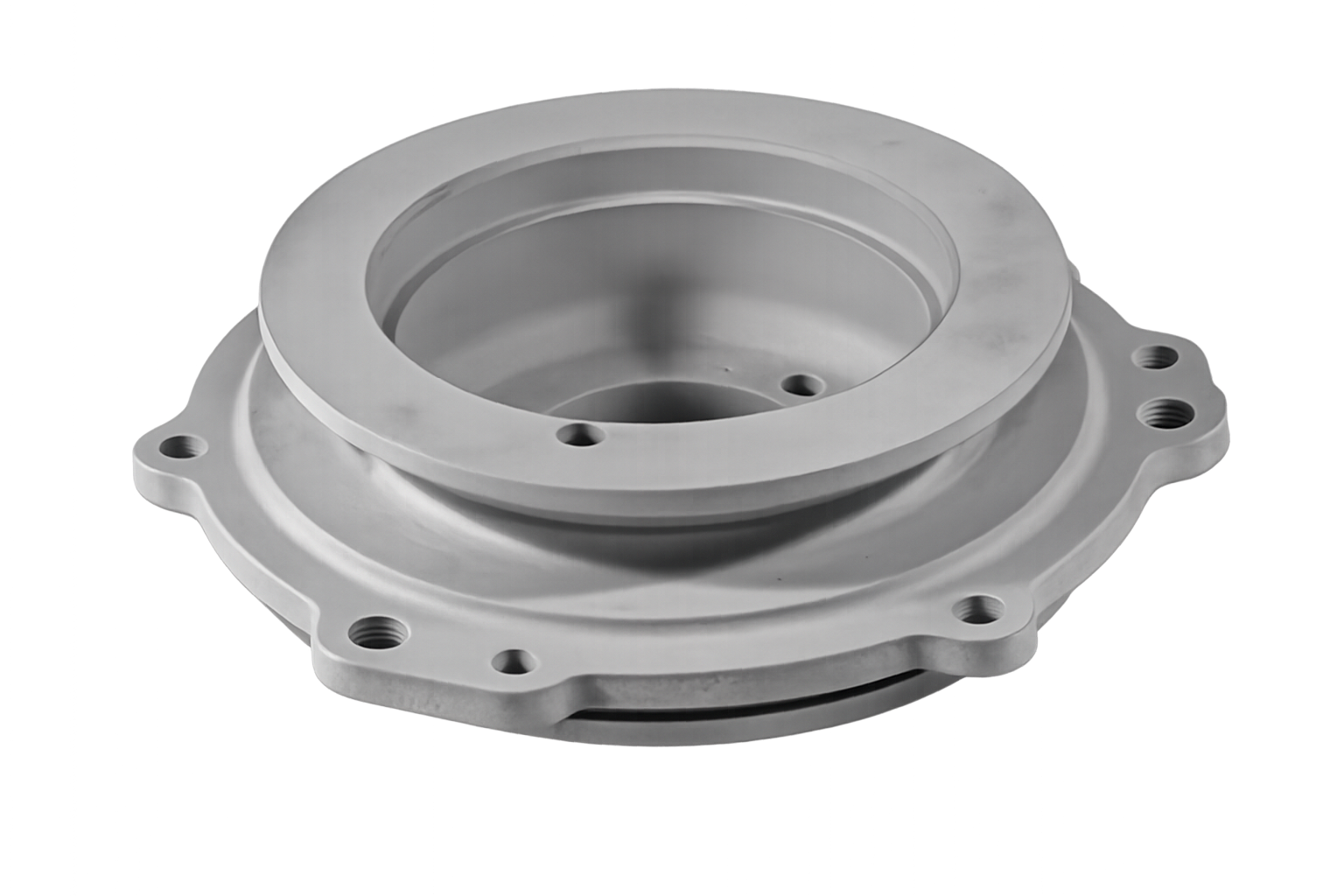
The anodizing of magnesium is more complex than aluminum due to its higher reactivity. It requires precise control of chemistry and electrical parameters.
Step 1: Surface Preparation
Proper preparation is essential for achieving a uniform and defect-free anodized layer.
Key steps include:
Degreasing – Removes oils and contaminants
Acid Pickling – Eliminates natural oxide films
Rinsing – Prevents contamination carryover
Any surface impurity at this stage can lead to coating defects or poor adhesion.
Step 2: Electrolyte Bath Setup
The cleaned magnesium part is immersed in a specially formulated electrolyte solution.
Common electrolyte systems include:
Chromate-based solutions (traditional, high protection)
Phosphate-based systems (environmentally safer)
Fluoride-containing electrolytes (enhanced coating formation)
Critical parameters:
Voltage: Typically higher than aluminum anodizing
Temperature: Carefully controlled to avoid burning
pH level: Maintained for stable reactions
Step 3: Electrochemical Reaction
Magnesium acts as the anode in the circuit.
When current is applied:
Oxygen ions react with magnesium
A magnesium oxide (MgO) layer forms on the surface
The coating grows both inward and outward
This oxide layer is:
Hard
Porous
Strongly bonded to the substrate
Step 4: Sealing & Post-Treatment
After anodizing, the surface may undergo additional treatments:
Sealing – Closes pores to improve corrosion resistance
Dyeing – Adds color for aesthetic applications
Coating/Painting – Enhances durability and appearance
Post-treatment significantly impacts final performance and lifespan.
Key Benefits of Anodized Magnesium
1. Superior Corrosion Resistance
The anodized oxide layer acts as a protective barrier, preventing exposure to:
Moisture
Oxygen
Salt spray
This makes anodized magnesium suitable for:
Outdoor environments
Marine conditions
High-humidity applications
2. Increased Surface Hardness & Wear Resistance
Anodizing transforms magnesium’s relatively soft surface into a hard, wear-resistant layer.
Benefits include:
Reduced scratching and abrasion
Improved durability in moving parts
Lower maintenance requirements
3. Excellent Coating Adhesion
The porous structure of anodized magnesium allows:
Strong mechanical interlocking with coatings
Better paint durability
Improved bonding for adhesives
This is critical for industries requiring multi-layer surface systems.
4. Aesthetic Flexibility (Color & Finish)
Anodized magnesium can be dyed into various colors, including:
Black
Gold
Blue
Custom finishes
Unlike paint, anodized colors:
Do not peel
Are more resistant to fading
Maintain a premium metallic look
5. Lightweight Advantage Maintained
Unlike plating or thick coatings, anodizing:
Adds minimal thickness
Does not significantly increase weight
This is crucial for:
Aerospace
Electric vehicles
Portable electronics
Anodized Magnesium vs Anodized Aluminum
Many engineers compare magnesium with aluminum when selecting materials.
Key Differences
| Property | Magnesium | Aluminum |
| Reactivity | High | Moderate |
| Weight | Lighter | Heavier |
| Anodizing Complexity | More complex | Easier |
| Corrosion Resistance | Requires treatment | Naturally better |
| Cost | Potentially higher processing cost | Lower |
When to Choose Magnesium
When weight reduction is critical
When performance outweighs processing complexity
When advanced surface treatment is available
When Aluminum May Be Better
Cost-sensitive projects
Simpler manufacturing requirements
Moderate performance environments
Industrial Applications of Anodized Magnesium
1. Aerospace & Aviation
Used in:
Structural housings
Interior components
Engine-related parts
Benefits:
Reduced aircraft weight
Improved fuel efficiency
Enhanced durability under extreme conditions
2. Automotive Industry
Applications include:
Transmission housings
Steering components
EV battery enclosures
Advantages:
Weight reduction → better fuel economy
Corrosion resistance → longer lifespan
3. Consumer Electronics
Widely used in:
Laptop casings
Smartphone frames
Camera bodies
Why manufacturers choose it:
Lightweight for portability
Premium metallic appearance
Strong and durable
4. Medical Devices
Applications:
Surgical instruments
Implantable components
Key benefits:
Biocompatibility
Corrosion resistance
Lightweight for patient comfort
5. Industrial Equipment
Used in:
Gearboxes
Structural frames
Machine housings
Advantages:
Wear resistance
Reduced equipment weight
Improved efficiency
6. Sports & Recreational Equipment
Examples:
Bicycle frames
Golf clubs
Outdoor gear
Benefits:
Enhanced performance
Corrosion resistance in outdoor use
Aesthetic customization
Challenges in Magnesium Anodizing
Despite its benefits, anodizing magnesium presents technical challenges.
Key Issues
High Reactivity
Requires precise process control
Process Sensitivity
Small variations can cause defects
Cost Considerations
More complex than aluminum anodizing
Environmental Concerns
Some electrolytes require careful handling
👉 This is why choosing an experienced supplier is critical.
Best Practices for Maintaining Anodized Magnesium
To maximize lifespan:
Use non-abrasive cleaning agents
Avoid harsh chemicals
Conduct regular inspections
Store in dry, controlled environments
Proper maintenance ensures long-term performance stability.
FAQs
1. Why is magnesium anodized?
To improve corrosion resistance, hardness, and coating adhesion, making it suitable for industrial use.
2. Can anodized magnesium be colored?
Yes. The porous oxide layer allows dye absorption for various colors.
3. How long does anodized magnesium last?
With proper sealing and maintenance, it can last for many years even in harsh environments.
4. Is anodized magnesium better than coated magnesium?
Yes. Anodizing creates an integral layer bonded to the metal, unlike coatings that may peel.
5. What industries benefit most from anodized magnesium?
Aerospace, automotive, electronics, and medical industries.
How to Choose the Right Magnesium Anodizing Supplier
For OEM buyers, supplier selection directly impacts product performance.
Key Evaluation Criteria
Process Capability
Advanced anodizing lines
Ability to handle complex geometries
Quality Control
ISO certifications
Corrosion testing (salt spray, etc.)
Industry Experience
Proven track record in your sector
Engineering Support
Design-for-manufacturing guidance
Material recommendations
Questions You Should Ask
What anodizing standards do you follow?
Can you provide test reports?
Do you offer custom finishes or colors?
What is your typical lead time?
Conclusion: Is Anodized Magnesium Right for Your Application?
Anodized magnesium combines ultra-lightweight properties with enhanced durability, making it a powerful solution for modern engineering challenges.
By applying anodizing, manufacturers can overcome magnesium’s natural weaknesses and unlock:
Superior corrosion resistance
Improved wear performance
Strong coating compatibility
High-end aesthetic finishes
For industries where performance, weight, and reliability are critical, anodized magnesium is not just an option—it is a competitive advantage.
Request a Quote / Engineering Support
Looking to use anodized magnesium in your next project?
Send us your drawings
Get expert material recommendations
Receive a fast, competitive quote
👉 Contact our engineering team today to discuss your requirements.


