



When it comes to manufacturing, one often overlooked aspect is mold texturing. Whether you’re working with plastics, metals, or other materials, the texture of your mold plays a crucial role in both the aesthetic appeal and functionality of the finished product. In this comprehensive guide, we’ll explore what mold texturing is, its different methods, the standards that govern the process, and the benefits it offers for manufacturers like you.
What is Mold Texturing?
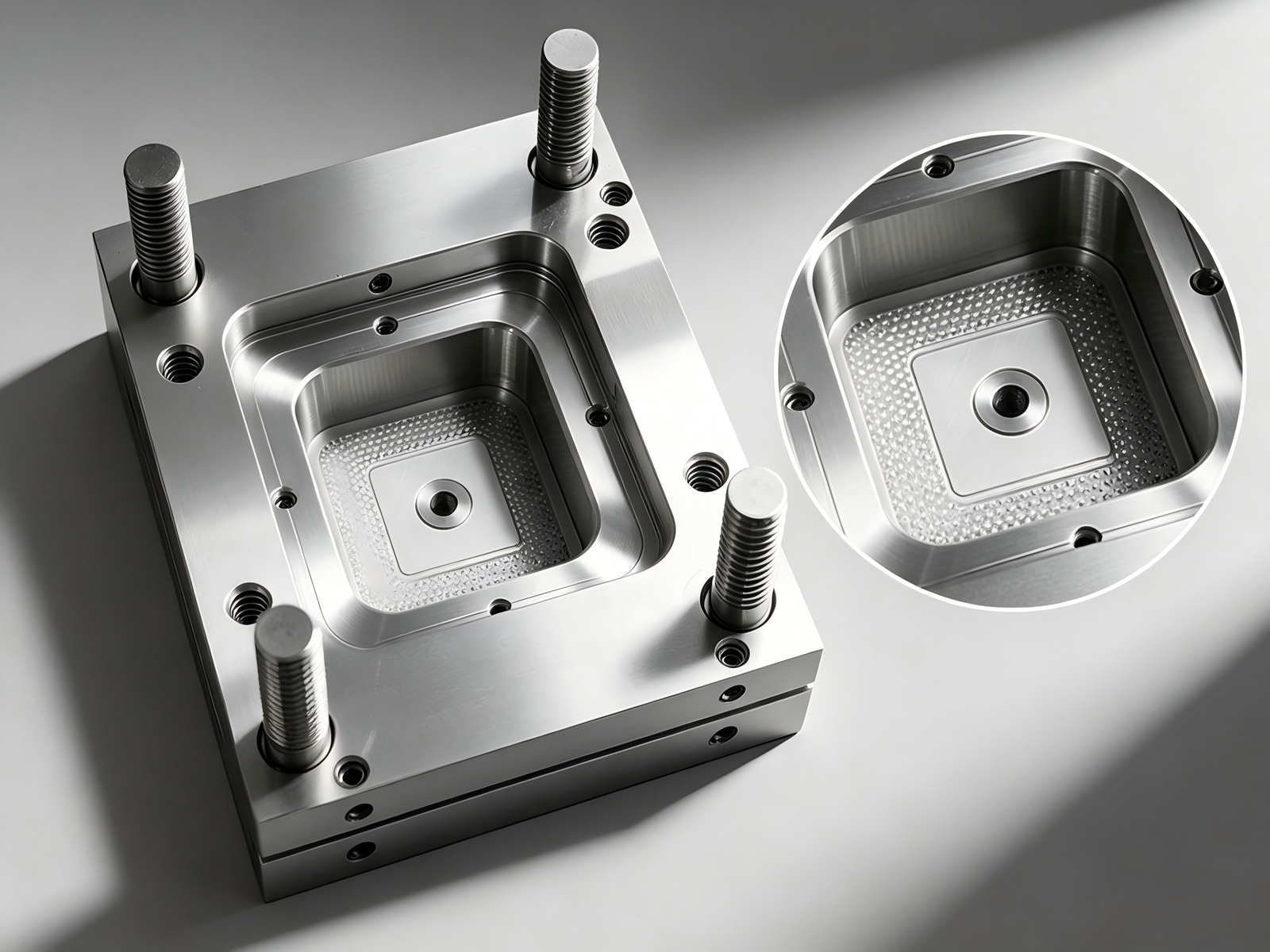
Mold texturing, also known as “graining,” is a process used to create a variety of surface finishes on molds. This process applies specific patterns or textures to the mold’s surface, significantly impacting the final appearance and functionality of the molded product. These patterns range from smooth, glossy finishes to more rugged and matte textures.
The primary purpose of mold texturing is to enhance the product’s aesthetics, improve durability, and sometimes, even optimize the function of the molded material. Mold texturing not only improves the visual appeal of molded plastics and metals but also provides practical benefits such as improved grip, longevity, and resistance to damage.
Types of Mold Texturing
There are several methods used in the mold texturing process, each with unique characteristics suited for different applications. Here’s a detailed breakdown:
1. Mold Texturing by Polishing
Polishing remains one of the most common and aesthetic methods of mold texturing. It involves using a rotary tool to polish the mold’s surface in an irregular, random motion. This results in a sleek, mirror-like finish that looks uniform from every angle. This method is classified as Category A by the Society of Plastics Industry (SPI), which is ideal for high-end, aesthetically-driven applications where a flawless, smooth surface is needed.
Use case: Ideal for products requiring high-gloss finishes such as high-end consumer goods and automotive parts.
Pros: Beautiful, shiny surface; increases aesthetic appeal.
Cons: More expensive and time-consuming.
2. Mold Texturing with Sandpaper
Using sandpaper to texture molds is a more affordable method that results in a semi-gloss finish, classified as Category B by SPI. This technique involves a back-and-forth motion to create a slightly rougher, yet visually appealing texture. While it doesn’t achieve the mirror-like finish of polishing, it is still attractive and can hide many imperfections on the mold’s surface.
Use case: Common for products that don’t need the extreme smoothness of polished surfaces but still require an attractive finish.
Pros: Affordable, practical for concealing flaws.
Cons: Rougher texture, less durable than polished finishes.
3. Mold Texturing with Grit
This method uses grit stones or sandstones to create rougher textures, resulting in a matte finish. Texturing with grit is one of the fastest ways to remove tooling marks from molds. The end result is a surface that is both visually appealing and highly functional, particularly for products that need to hide imperfections or have a matte look.
Use case: Often used for functional parts that require durability over aesthetic appeal, such as industrial components and automotive parts.
Pros: Quick, effective for removing tooling marks.
Cons: Rougher surface finish may not be suitable for all products.
4. Mold Texturing by Abrasive Blasting
Abrasive blasting involves using sand or glass beads to create a random, rough finish on the mold. This method is more abrasive than using grit stones, resulting in a texture that is classified as Category D by SPI, the roughest finish in their classification. It’s often used for molds that require extra durability and resistance.
Use case: Used for molds where durability is more critical than aesthetics, such as heavy machinery and functional industrial components.
Pros: Strong, durable surface.
Cons: Rough, sometimes unattractive finish.
5. Mold Surface Textures Made with Satin
Satin finishes are flat yet durable, offering a smooth appearance with a slightly softer texture than other finishes. Satin can be used to conceal weld marks and is often used when the mold surface requires a more lasting, flat finish that also improves durability.
Use case: Ideal for products that need a matte yet durable surface, such as appliances or household items.
Pros: Conceals flaws like weld marks, durable.
Cons: Less glossy than other finishes.
6. Mold Surface Textures Made with EDM (Electric Discharge Machining)
EDM involves eroding or melting the surface of the mold using electricity, which creates either smooth or eroded finishes depending on the discharge rate. EDM is highly precise and is often used to create intricate patterns on molds.
Use case: Ideal for precision molds or products with complex designs such as medical devices and electronics.
Pros: Highly precise, great for complex patterns.
Cons: Can be slow and costly.
7. Laser Etching
Laser etching uses advanced 3D modeling combined with 5-axis motion control to create detailed patterns on mold surfaces. This method is perfect for molding curved or intricate surfaces and allows manufacturers to achieve high precision with minimal error.
Use case: Perfect for intricate designs or when the mold needs to fit complex geometries.
Pros: High precision, great for complex designs.
Cons: Expensive and time-consuming.
8. Chemical Etching
Chemical etching uses acids to erode a mold’s surface to create fine, consistent patterns. This method is ideal for high-precision finishes and is often used for materials that require a more uniform texture.
Use case: Common in applications requiring high detail and fine finishes, such as electronics.
Pros: Produces fine, regular finishes.
Cons: Requires careful handling of chemicals and equipment.
Mold Texturing Standards
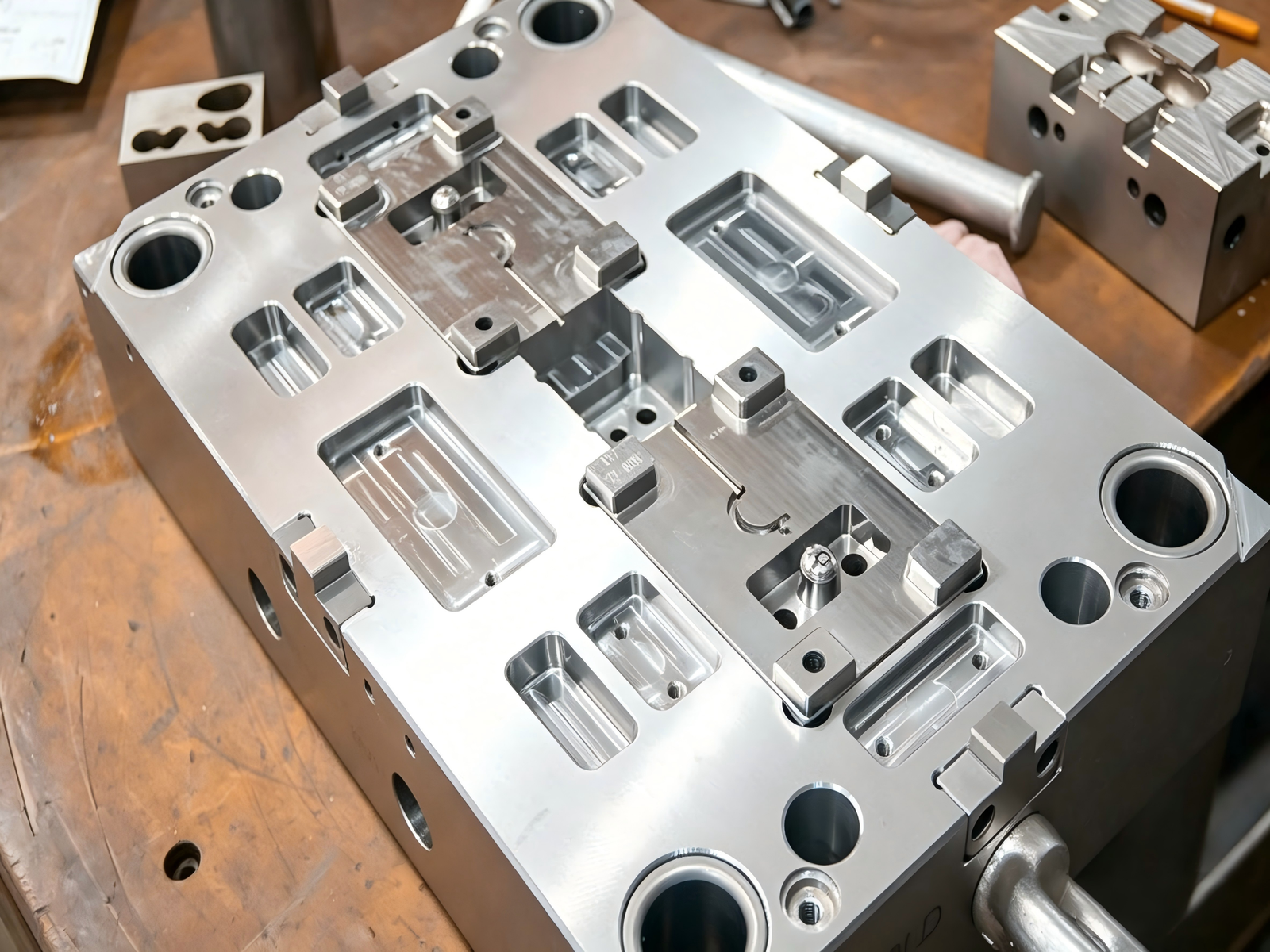
To ensure consistency and quality in mold texturing, several standards have been established to guide manufacturers. These standards help classify textures, ensuring that molds are finished to meet industry expectations.
1. VDI 3400 Standard
A German standard that classifies textures from #0 to #45, with #0 being the finest and #45 being the coarsest. VDI 3400 is mainly used for electrical texturing methods and ensures that molds meet high standards of precision and finish.
2. MT Standard
Developed by Mold-Tech, the MT standard is known for its creativity, offering a variety of unique design patterns, such as wood grain and leather grain. This standard is ideal for products that require a more distinctive appearance.
3. SPI Standard
The SPI standard categorizes textures based on the finish required for plastic molds. It classifies finishes into four classes: A (high gloss), B (semi-gloss), C (matte), and D (rough). Each class has different subclasses that define the level of gloss or roughness.
Benefits of Mold Texturing
Mold texturing provides numerous benefits to manufacturers, including:
Aesthetic Appeal: Adding texture improves the visual appeal of your molds and products, making them more attractive to consumers. This is especially suitable for outdoor decorative items like LED garden lights, with textured die-cast aluminum housings boosting visual appeal and ornamental value.
Durability: Textured molds are often more durable and resistant to wear and tear, which prolongs their lifespan.
Functionality: The textured surfaces can enhance the grip of products, making them easier to handle and safer to use.
Conceals Flaws: Texturing can hide imperfections, scratches, and tooling marks on the mold surface.
Cost-Effectiveness: While some methods can be costly, mold texturing is often a more affordable option than other finishing techniques, and it can help you achieve a higher quality product without significantly raising production costs.
Conclusion
Mold texturing is a powerful process that enhances the aesthetics, functionality, and longevity of molded products. Whether you’re working with plastic, metal, or other materials, understanding the different texturing methods and standards available will help you choose the best technique for your specific needs. With the right texture, you can improve the visual appeal, grip, and durability of your products, giving you a competitive edge in the market.
FAQs
Why Do I Need to Texture Plastics?
Texturing improves the look and feel of plastic products while making them more durable and easier to handle. It also hides flaws and gives a more professional finish.
How Do I Know Which Mold Texturing Method to Use?
Choose the method based on your product’s requirements. Consider factors such as appearance, functionality, cost, and maintenance. For high-end products, go for polishing; for durability, consider grit or abrasive blasting.


