


From automotive engine housings and transmission cases to consumer electronics and industrial equipment, ADC12 offers an ideal balance of performance, manufacturing efficiency, and cost-effectiveness.
Whether you are an engineer selecting materials for a new project, a purchasing manager sourcing aluminum die cast parts, or a product designer comparing different aluminum alloys, understanding the characteristics of ADC12 can help you make informed decisions.
In this comprehensive guide, we’ll explore:
- What ADC12 aluminum alloy is
- Chemical composition
- Physical and mechanical properties
- Key advantages and limitations
- Manufacturing processes
- Common industrial applications
- ADC12 vs. other aluminum alloys
- Frequently asked questions
What Is ADC12 Aluminum Alloy?
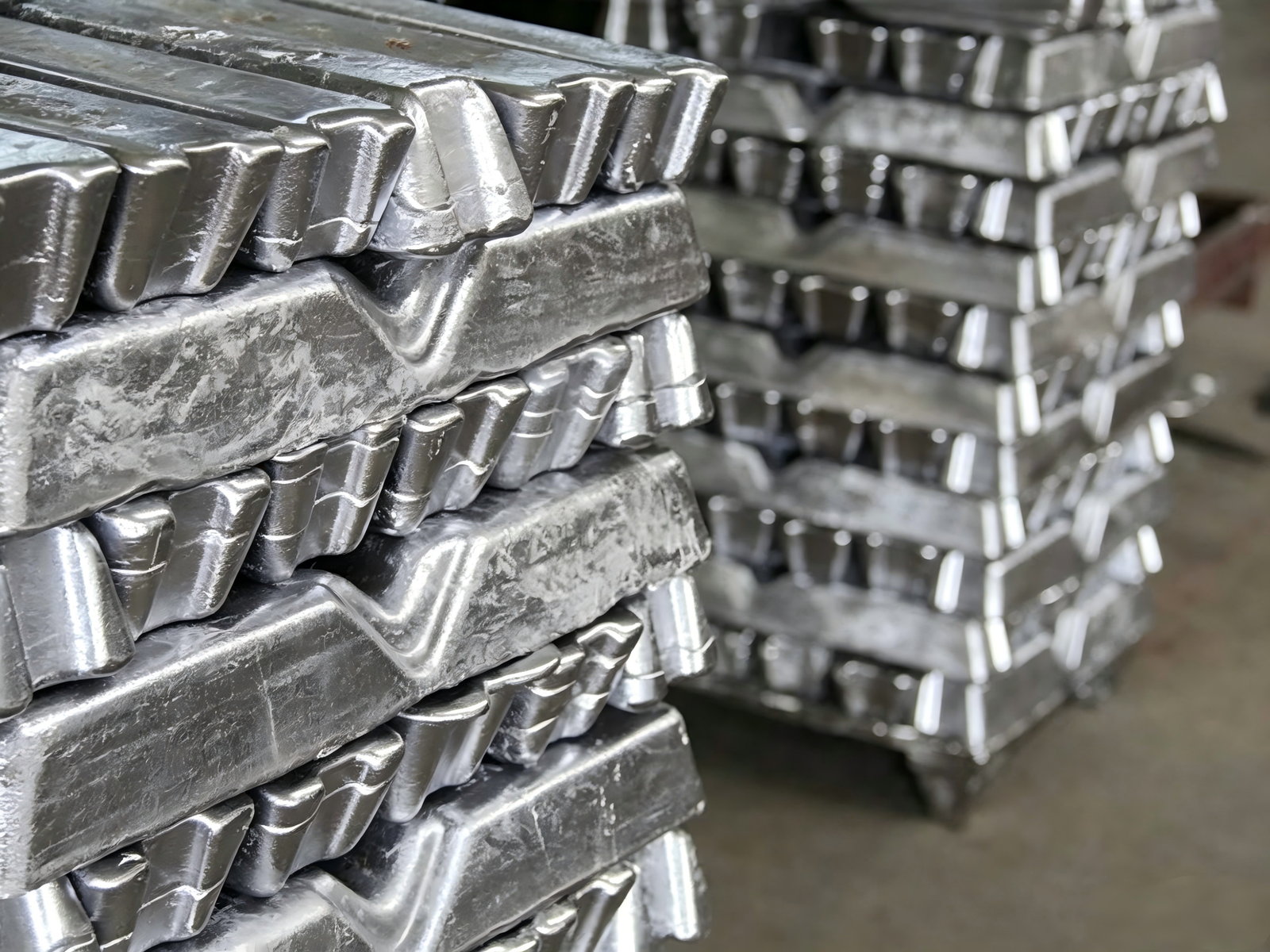
ADC12 is a Japanese Industrial Standard (JIS) aluminum-silicon-copper casting alloy specifically developed for high-pressure die casting (HPDC). It belongs to the Al-Si-Cu family of aluminum alloys and is recognized worldwide for its excellent casting performance.
The alloy contains approximately 10% silicon and 2–3% copper, providing excellent fluidity during casting while maintaining high mechanical strength after solidification.
Because of these characteristics, ADC12 is one of the most commonly specified materials for manufacturing complex aluminum die cast parts with thin walls and tight dimensional tolerances.
Internationally, ADC12 is comparable to several equivalent aluminum grades.
| Standard | Equivalent Grade |
| JIS | ADC12 |
| ASTM | A383 |
| GB (China) | YL113 |
| EN | EN AC-46000 (similar) |
Although slight chemical differences exist between these standards, their overall casting performance and mechanical properties are very similar.
ADC12 Aluminum Alloy Chemical Composition
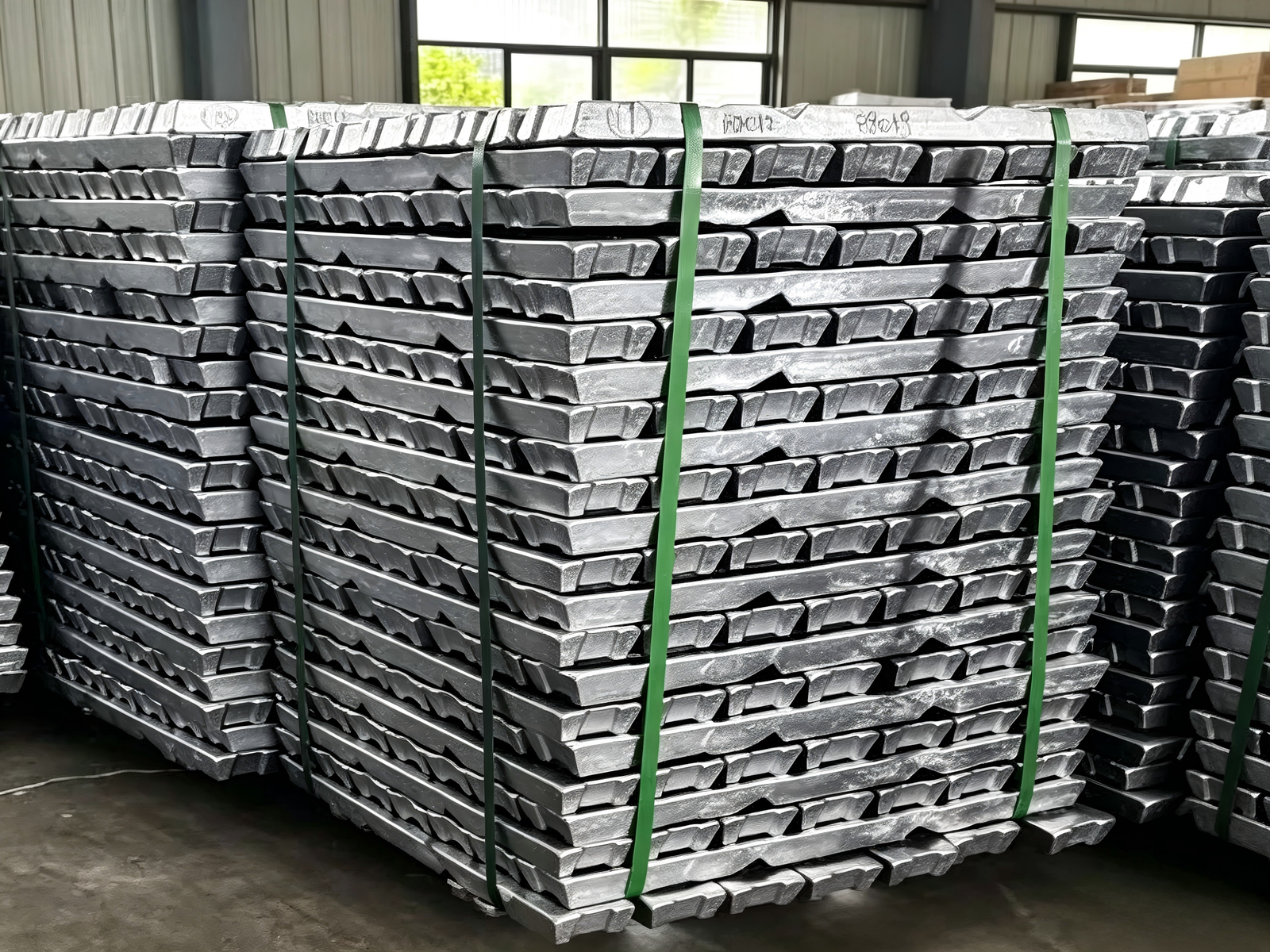
The exceptional performance of ADC12 comes from its carefully balanced chemical composition. Each alloying element contributes to specific mechanical, thermal, or manufacturing characteristics.
| Element | Typical Content (%) | Function |
| Silicon (Si) | 9.5–11.5 | Improves fluidity and wear resistance |
| Copper (Cu) | 2.0–3.0 | Increases strength and hardness |
| Iron (Fe) | ≤1.3 | Prevents die sticking during casting |
| Zinc (Zn) | ≤3.0 | Enhances strength |
| Magnesium (Mg) | 0.1–0.3 | Improves hardness |
| Manganese (Mn) | ≤0.5 | Improves structural stability |
| Nickel (Ni) | ≤0.5 | Enhances heat resistance |
| Tin (Sn) | ≤0.15 | Controlled impurity |
| Aluminum (Al) | Balance | Base material |
Why Silicon Matters
Silicon is the most important alloying element in ADC12. Its relatively high content significantly improves molten metal fluidity, allowing manufacturers to produce intricate geometries with thin walls and minimal casting defects.
This makes ADC12 especially suitable for high-volume die casting production.
The Role of Copper
Copper enhances tensile strength, hardness, and fatigue resistance. Compared with high-silicon aluminum alloys containing little copper, ADC12 offers superior mechanical performance, making it ideal for structural components subjected to continuous loading.
Physical Properties of ADC12 Aluminum Alloy
The physical characteristics of ADC12 contribute directly to its performance in demanding industrial environments.
| Property | Typical Value |
| Density | 2.68–2.74 g/cm³ |
| Melting Range | 515–580°C |
| Thermal Conductivity | Approximately 96 W/m·K |
| Electrical Conductivity | Approximately 22% IACS |
| Specific Heat Capacity | 963 J/kg·K |
| Thermal Expansion | 21 ×10⁻⁶ /K |
Lightweight Design
With a density approximately one-third that of steel, ADC12 enables manufacturers to reduce component weight without sacrificing structural integrity. This is particularly valuable in automotive and aerospace applications where weight reduction directly improves fuel efficiency and system performance.
Excellent Heat Transfer
ADC12 provides relatively high thermal conductivity, making it suitable for products that require efficient heat dissipation, such as:
- Motor housings
- Heat sinks
- LED lighting components
- Electrical enclosures
- Electronic cooling systems
Mechanical Properties of ADC12 Aluminum Alloy
Mechanical properties determine how a material performs under load, impact, and long-term service conditions.
Typical values include:
| Property | Typical Value |
| Tensile Strength | 280–330 MPa |
| Yield Strength | 160–220 MPa |
| Hardness | 75–90 HB |
| Elongation | 2–4% |
| Elastic Modulus | Approximately 71 GPa |
Actual values vary depending on casting process, wall thickness, mold design, and post-processing operations.
High Strength-to-Weight Ratio
One of ADC12’s greatest advantages is its ability to deliver excellent mechanical strength while maintaining low weight. This makes it an ideal material for components that must withstand vibration, pressure, and repetitive loading without adding unnecessary mass.
Key Advantages of ADC12 Aluminum Alloy
1. Outstanding Die Casting Performance
ADC12 is specifically engineered for high-pressure die casting.
Its excellent molten metal fluidity allows manufacturers to produce:
- Thin-wall components
- Intricate geometries
- Complex internal cavities
- High-volume precision parts
The alloy fills molds efficiently while minimizing shrinkage defects, resulting in excellent dimensional accuracy and repeatability.
2. Excellent Machinability
Although ADC12 is primarily a die casting alloy, it also performs well during secondary machining operations.
Typical machining processes include:
- CNC milling
- CNC turning
- Drilling
- Tapping
- Reaming
- Thread machining
Its balanced silicon content reduces cutting resistance and helps achieve smooth surface finishes while extending tool life.
3. Superior Dimensional Stability
Manufacturers prefer ADC12 because it maintains excellent dimensional accuracy after casting.
Benefits include:
- Lower rejection rates
- Improved assembly consistency
- Reduced post-processing
- Better interchangeability between production batches
This stability is particularly important for precision housings and mechanical assemblies with tight tolerances.
4. Good Corrosion Resistance
ADC12 naturally forms a thin oxide layer that protects the material from environmental corrosion.
It performs well in:
- Outdoor environments
- Industrial facilities
- Humid climates
- General atmospheric conditions
For more demanding applications, additional surface treatments such as powder coating, painting, or chromate conversion can further improve corrosion resistance and durability.
5. Excellent Cost Efficiency
Compared with many alternative aluminum alloys, ADC12 offers lower production costs while maintaining excellent mechanical performance.
Its high castability reduces:
- Machining time
- Material waste
- Production defects
- Manufacturing costs
This makes ADC12 one of the most economical choices for large-scale aluminum die casting projects.
Limitations of ADC12 Aluminum Alloy
Although ADC12 is one of the most versatile aluminum casting alloys, understanding its limitations is just as important as knowing its strengths. Selecting the right material requires evaluating both the advantages and trade-offs for your specific application.
Lower Ductility Compared to Wrought Aluminum
ADC12 offers excellent strength and hardness, but its elongation is relatively low, typically between 2% and 4%. This means the material is less suitable for applications requiring significant bending, stretching, or plastic deformation after casting.
For products that require extensive forming or high impact resistance, wrought aluminum alloys such as 6061 or 5052 may be more appropriate.
Not Recommended for Welding
Due to its high silicon and copper content, ADC12 is generally considered difficult to weld. Welding may lead to:
- Increased porosity
- Hot cracking
- Reduced mechanical strength
- Poor weld appearance
If welding is unavoidable, specialized filler materials and experienced welding techniques are required. However, most manufacturers prefer designing ADC12 components as one-piece die castings to eliminate the need for welding.
Limited Anodizing Performance
Unlike 6061 aluminum, ADC12 does not produce an attractive decorative anodized finish. The relatively high silicon content often results in a darker, uneven surface after anodizing.
For this reason, manufacturers commonly choose alternative finishing methods, including:
- Powder coating
- Wet painting
- Chromate conversion coating
- Electrophoretic coating (E-coating)
- Sand blasting
- Shot blasting
- Polishing
These finishes provide excellent corrosion protection while enhancing the appearance of the final product.
Moderate High-Temperature Performance
Although ADC12 performs well under normal operating conditions, prolonged exposure to temperatures above approximately 200°C can gradually reduce its mechanical strength.
Applications involving continuous high-temperature service may require specialized heat-resistant aluminum alloys instead.
Common Manufacturing Processes for ADC12 Aluminum Alloy
One of the biggest reasons ADC12 has become the industry’s preferred die casting alloy is its excellent manufacturability. It performs exceptionally well throughout the entire production process, from casting to final finishing.
High-Pressure Die Casting (HPDC)
High-pressure die casting is the primary manufacturing method for ADC12 components.
During this process, molten aluminum is injected into a hardened steel mold at extremely high pressure. The metal rapidly fills every cavity inside the mold before solidifying within seconds.
This manufacturing method offers several advantages:
- High production efficiency
- Excellent repeatability
- Tight dimensional tolerances
- Smooth surface finish
- Minimal material waste
- Lower production costs for high-volume manufacturing
Typical products manufactured using ADC12 die casting include:
- Automotive transmission housings
- Engine covers
- Electric motor housings
- Gearbox casings
- Pump bodies
- Lighting fixtures
- Electronic enclosures
Because the tooling cost is distributed across large production volumes, HPDC is particularly cost-effective for medium- to high-volume manufacturing projects.
CNC Machining
Although die casting produces near-net-shape components, many precision parts require additional machining to achieve critical dimensions.
Common CNC machining operations include:
- Face milling
- Precision drilling
- Boring
- Thread tapping
- Pocket milling
- Reaming
- Surface finishing
ADC12’s excellent machinability allows manufacturers to maintain tight tolerances while reducing machining time and tool wear.
Secondary machining is commonly used to produce:
- Bearing seats
- Threaded holes
- Precision mounting surfaces
- Sealing faces
- Alignment features
Combining die casting with CNC machining provides an ideal balance between production efficiency and precision.
Surface Finishing Options
Surface treatment not only improves appearance but also enhances corrosion resistance, wear resistance, and product lifespan.
Popular finishing options for ADC12 include:
Powder Coating
Powder coating creates a durable protective layer with excellent resistance to scratching, UV exposure, and chemicals. It is widely used for outdoor equipment and automotive components.
Painting
Industrial painting provides both decorative and protective finishes while allowing manufacturers to match customer-specific color requirements.
Chromate Conversion Coating
Often used as a pretreatment before painting, chromate conversion coating significantly improves corrosion resistance while enhancing paint adhesion.
Shot Blasting
Shot blasting removes casting residue, improves surface consistency, and creates a uniform matte appearance.
Sand Blasting
Sand blasting produces a clean, textured surface that improves coating adhesion and gives the product a premium finish.
Electrophoretic Coating (E-Coating)
E-coating provides excellent corrosion protection by applying a uniform coating through an electrochemical process, making it ideal for automotive and industrial applications.
Common Applications of ADC12 Aluminum Alloy
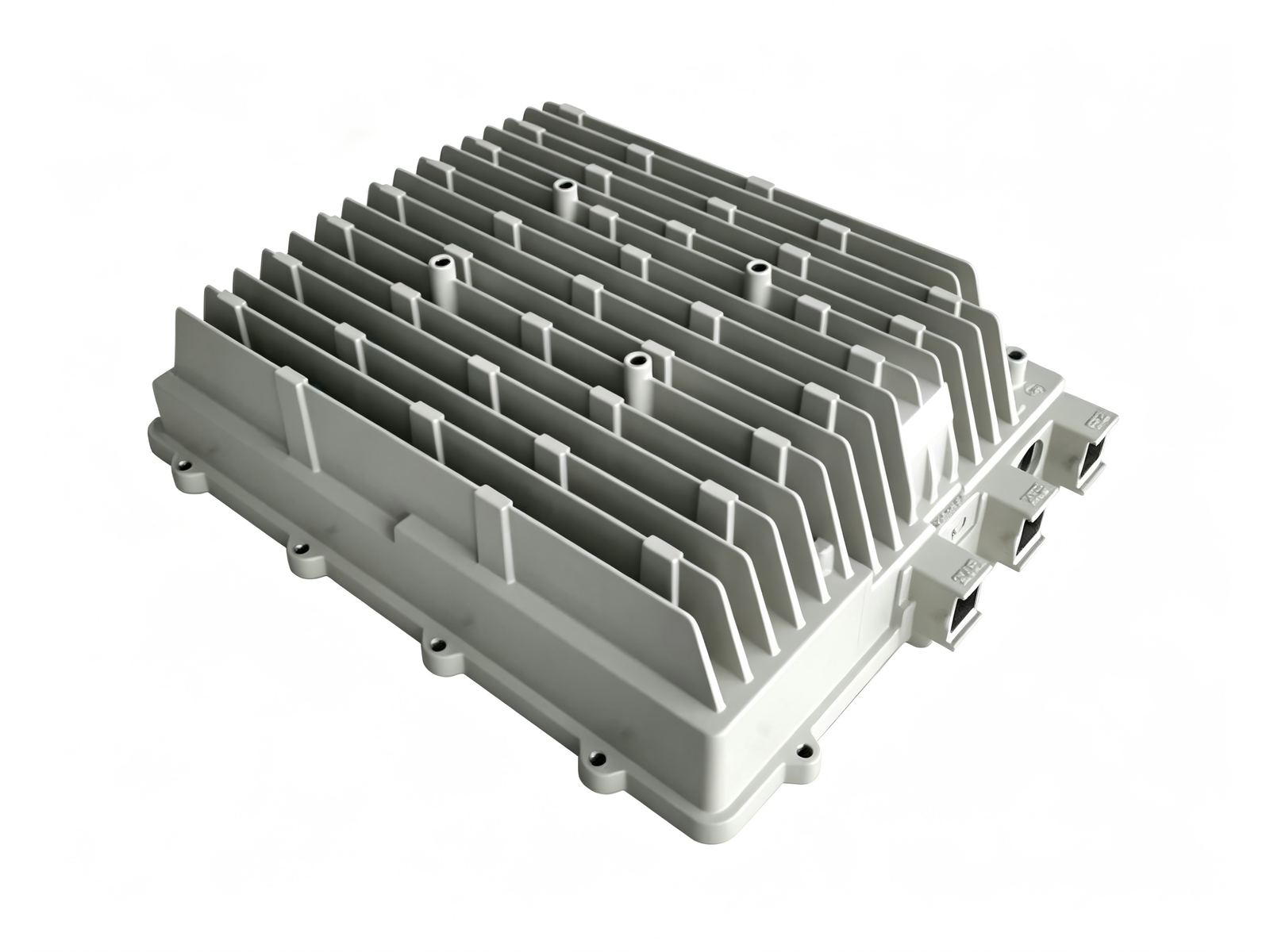
Thanks to its outstanding combination of strength, lightweight performance, and excellent castability, ADC12 is used across numerous industries.
Automotive Industry
The automotive sector is the largest consumer of ADC12 aluminum alloy.
Automotive manufacturers increasingly replace steel components with aluminum to reduce vehicle weight, improve fuel efficiency, and meet stringent emissions regulations.
Common automotive components include:
- Engine blocks
- Cylinder heads
- Oil pans
- Transmission housings
- Clutch housings
- Water pump bodies
- Alternator housings
- Motor brackets
- Suspension components
- Electric vehicle battery housings
The alloy’s ability to withstand vibration, thermal cycling, and mechanical stress makes it particularly suitable for demanding automotive applications.
Consumer Electronics
As electronic devices become smaller and more powerful, efficient heat dissipation becomes increasingly important.
ADC12 offers excellent thermal conductivity while maintaining lightweight construction.
Typical electronic applications include:
- Laptop chassis
- Tablet housings
- Smartphone frames
- LED lighting housings
- Heat sinks
- Power supply enclosures
- Communication equipment housings
Its superior dimensional stability also ensures precise assembly of electronic components.
Industrial Machinery
Industrial equipment often operates under heavy loads and continuous use.
ADC12 provides sufficient strength and wear resistance for many mechanical components, including:
- Pump housings
- Compressor bodies
- Gearbox casings
- Hydraulic valve bodies
- Bearing supports
- Machine frames
- Pneumatic equipment housings
Its corrosion resistance also makes it suitable for equipment operating in humid or chemically exposed environments.
Household Appliances
Many modern home appliances rely on ADC12 die cast components because they combine durability with attractive appearance.
Examples include:
- Washing machine motor housings
- Vacuum cleaner components
- Refrigerator compressor parts
- Air conditioner compressor housings
- Electric fan frames
- Kitchen appliance bases
These products benefit from ADC12’s excellent dimensional accuracy and high-volume manufacturing efficiency.
Telecommunications Equipment
Communication infrastructure requires lightweight yet durable enclosures capable of protecting sensitive electronics.
ADC12 is commonly used for:
- Base station housings
- Signal amplifier enclosures
- Outdoor communication cabinets
- Antenna brackets
- Optical communication components
Its thermal conductivity also helps dissipate heat generated by electronic systems.
Medical Equipment
Although not typically used for implantable devices, ADC12 is widely employed in medical equipment housings and support structures.
Typical examples include:
- Diagnostic instrument housings
- Medical imaging equipment frames
- Laboratory equipment enclosures
- Monitoring device casings
The alloy’s precision casting capability enables manufacturers to produce complex medical components with consistent quality.
ADC12 vs. Other Popular Aluminum Alloys
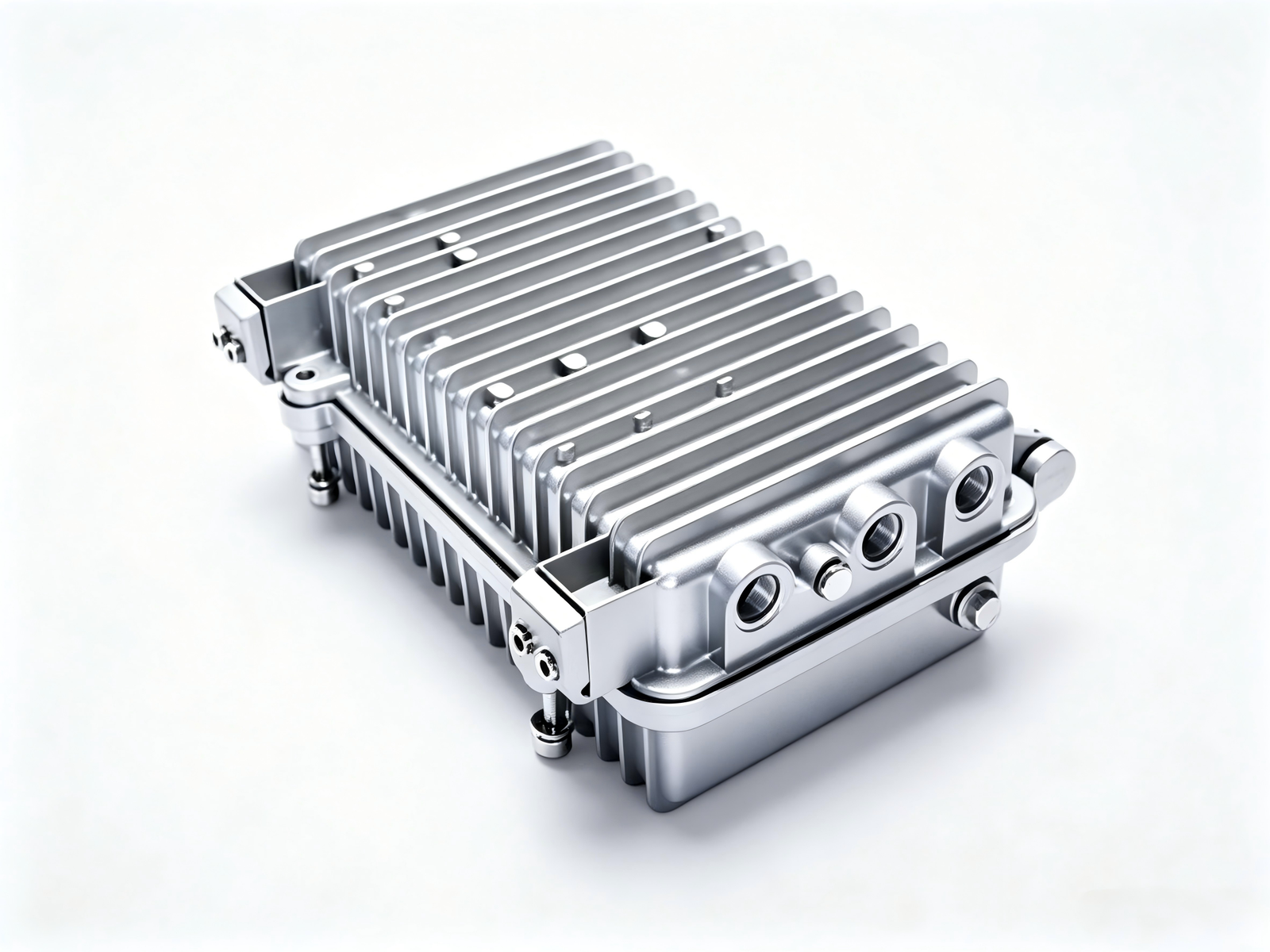
Selecting the right aluminum alloy often involves comparing ADC12 with other commonly used die casting materials.
| Property | ADC12 | A380 | A383 | ADC10 |
| Castability | Excellent | Excellent | Excellent | Very Good |
| Strength | High | Medium-High | High | Very High |
| Fluidity | Excellent | Good | Excellent | Good |
| Machinability | Excellent | Good | Excellent | Good |
| Corrosion Resistance | Good | Good | Good | Moderate |
| Dimensional Stability | Excellent | Good | Excellent | Good |
| Cost | Competitive | Competitive | Slightly Higher | Similar |
When Should You Choose ADC12?
ADC12 is often the preferred choice when your project requires:
- Complex die cast geometries
- High production volumes
- Good mechanical strength
- Excellent dimensional accuracy
- Reliable machining performance
- Cost-effective manufacturing
If your design prioritizes structural performance, manufacturing efficiency, and long-term reliability, ADC12 offers one of the best overall value propositions among aluminum die casting alloys.
How to Choose ADC12 Aluminum Alloy for Your Project
Selecting the right aluminum alloy is critical to ensuring product performance, manufacturing efficiency, and long-term reliability. While ADC12 is one of the most widely used die casting alloys, it’s important to evaluate whether it aligns with your project’s technical and commercial requirements.
Below are the key factors to consider when specifying ADC12 for your next project.
1. Evaluate Mechanical Performance Requirements
Start by identifying the mechanical properties your component must achieve.
ADC12 is an excellent choice when your application requires:
- High strength-to-weight ratio
- Good hardness and wear resistance
- Moderate impact resistance
- Excellent dimensional stability
If your design requires significant bending, stretching, or post-forming operations, a wrought aluminum alloy such as 6061 may be more appropriate.
2. Consider the Manufacturing Process
ADC12 is specifically designed for high-pressure die casting (HPDC). It performs exceptionally well in large-volume production where consistency and efficiency are priorities.
ADC12 is ideal if your project requires:
- Thin-wall components
- Complex geometries
- Tight dimensional tolerances
- Repeatable high-volume production
- Low per-unit manufacturing costs
If your production volume is relatively low, sand casting, gravity casting, or CNC machining from wrought aluminum may offer a more economical solution.
3. Review Surface Finish Requirements
Surface treatment can significantly influence both the appearance and durability of the finished product.
ADC12 supports a wide range of finishing processes, including:
- Powder coating
- Wet painting
- Chromate conversion coating
- Electrophoretic coating (E-coating)
- Shot blasting
- Sand blasting
If a decorative anodized finish is a key requirement, another aluminum alloy with lower silicon content may provide better cosmetic results.
4. Consider the Operating Environment
Environmental conditions directly affect material selection.
ADC12 performs well in:
- Indoor industrial environments
- Outdoor equipment
- Automotive applications
- Moderate humidity
- General atmospheric conditions
For applications exposed to seawater, highly acidic chemicals, or continuous high-temperature service, additional protective coatings or alternative aluminum alloys may be recommended.
5. Work with an Experienced Manufacturing Partner
Even the best alloy cannot compensate for poor manufacturing practices.
An experienced die casting supplier can help optimize:
- Part design
- Wall thickness
- Draft angles
- Rib structure
- Gate design
- Mold flow
- Machining allowance
- Surface finish selection
Early design collaboration often reduces tooling costs, shortens lead times, and improves overall product quality.
FAQs
1.Is ADC12 suitable for CNC machining?
Yes. ADC12 offers excellent machinability and is commonly used for secondary CNC operations such as drilling, milling, boring, tapping, and precision finishing. Its balanced silicon content contributes to stable cutting performance and good surface quality.
2.Can ADC12 be anodized?
ADC12 can be anodized, but it is generally not recommended for decorative anodizing. The high silicon content often results in a darker and less uniform appearance compared to alloys such as 6061.
For most commercial applications, powder coating, painting, or chromate conversion coating are preferred.
3.Is ADC12 stronger than A380?
In many applications, ADC12 provides slightly higher hardness and mechanical strength than A380 while maintaining similar casting performance.
However, the best choice depends on the component’s design, required mechanical properties, and manufacturing process.
4.What is the hardness of ADC12 aluminum alloy?
The typical Brinell hardness of ADC12 ranges from approximately 75 to 90 HB, depending on the casting process and heat treatment.
5.Can ADC12 be welded?
ADC12 is generally considered difficult to weld due to its relatively high silicon and copper content. Most manufacturers avoid welding by designing one-piece die cast components or using mechanical fastening methods.
6.Is ADC12 corrosion resistant?
Yes. ADC12 naturally forms a protective oxide layer that provides good resistance to atmospheric corrosion.
Additional surface treatments such as powder coating or E-coating can further improve corrosion protection in harsh environments.
7.What industries commonly use ADC12?
ADC12 is widely used in:
- Automotive manufacturing
- Consumer electronics
- Industrial machinery
- Telecommunications
- Household appliances
- Medical equipment
- Power tools
- Renewable energy systems
Its versatility makes it one of the most commonly specified die casting alloys worldwide.
8.What is the density of ADC12 aluminum alloy?
The density of ADC12 is typically 2.68–2.74 g/cm³, making it significantly lighter than steel while maintaining excellent structural strength.
9.Why is ADC12 ideal for die casting?
ADC12 combines several characteristics that are essential for high-pressure die casting:
- Excellent molten metal fluidity
- Low casting shrinkage
- High dimensional accuracy
- Good mechanical strength
- Excellent machinability
- High production efficiency
These advantages enable manufacturers to produce complex, high-quality components with consistent repeatability.
10.What surface finishes are available for ADC12 parts?
Common finishing options include:
- Powder coating
- Wet painting
- Sand blasting
- Shot blasting
- Chromate conversion coating
- Electrophoretic coating
- Polishing
- CNC-machined finishes
The appropriate finish depends on the intended application, appearance requirements, and environmental conditions.
11.Can ADC12 replace steel components?
In many applications, yes.
Because ADC12 offers a high strength-to-weight ratio, many manufacturers replace steel parts with ADC12 die castings to reduce weight, improve energy efficiency, and simplify manufacturing.
This is particularly common in the automotive and electronics industries.
12.How long do ADC12 die cast components last?
When properly designed, manufactured, and finished, ADC12 components can provide many years of reliable service.
Their durability depends on factors such as:
- Operating environment
- Mechanical loading
- Surface treatment
- Maintenance
- Product design
For many industrial and automotive applications, ADC12 delivers excellent long-term performance.
Conclusion
Its excellent fluidity allows manufacturers to produce complex components with tight tolerances, while its high strength-to-weight ratio makes it an ideal choice for industries ranging from automotive and electronics to industrial machinery and telecommunications.
Although ADC12 has certain limitations—such as lower ductility and limited decorative anodizing performance—its overall advantages make it the preferred material for countless die-cast products worldwide.
If you’re developing a new aluminum component, selecting the right alloy and manufacturing partner can significantly impact product quality, production efficiency, and long-term costs.
At Tops Precision, we specialize in custom aluminum die casting and CNC machining services for customers worldwide. From material selection and mold design to precision machining, surface finishing, and final inspection, our experienced engineering team provides complete manufacturing solutions tailored to your specifications.
Contact us today to discuss your project, request a quotation, or learn how our custom manufacturing capabilities can help bring your designs to life.