



Compared with aluminum, brass, and steel, Zamak offers a unique balance of strength, surface quality, and manufacturing efficiency. Its low melting point enables fast production cycles, making it ideal for high-volume die casting without sacrificing precision or durability.
In this guide, you’ll learn what Zamak alloy is, its chemical composition, the differences between common Zamak grades, key mechanical properties, manufacturing advantages, applications, and how to choose the right alloy for your next project.
What Is Zamak Alloy?
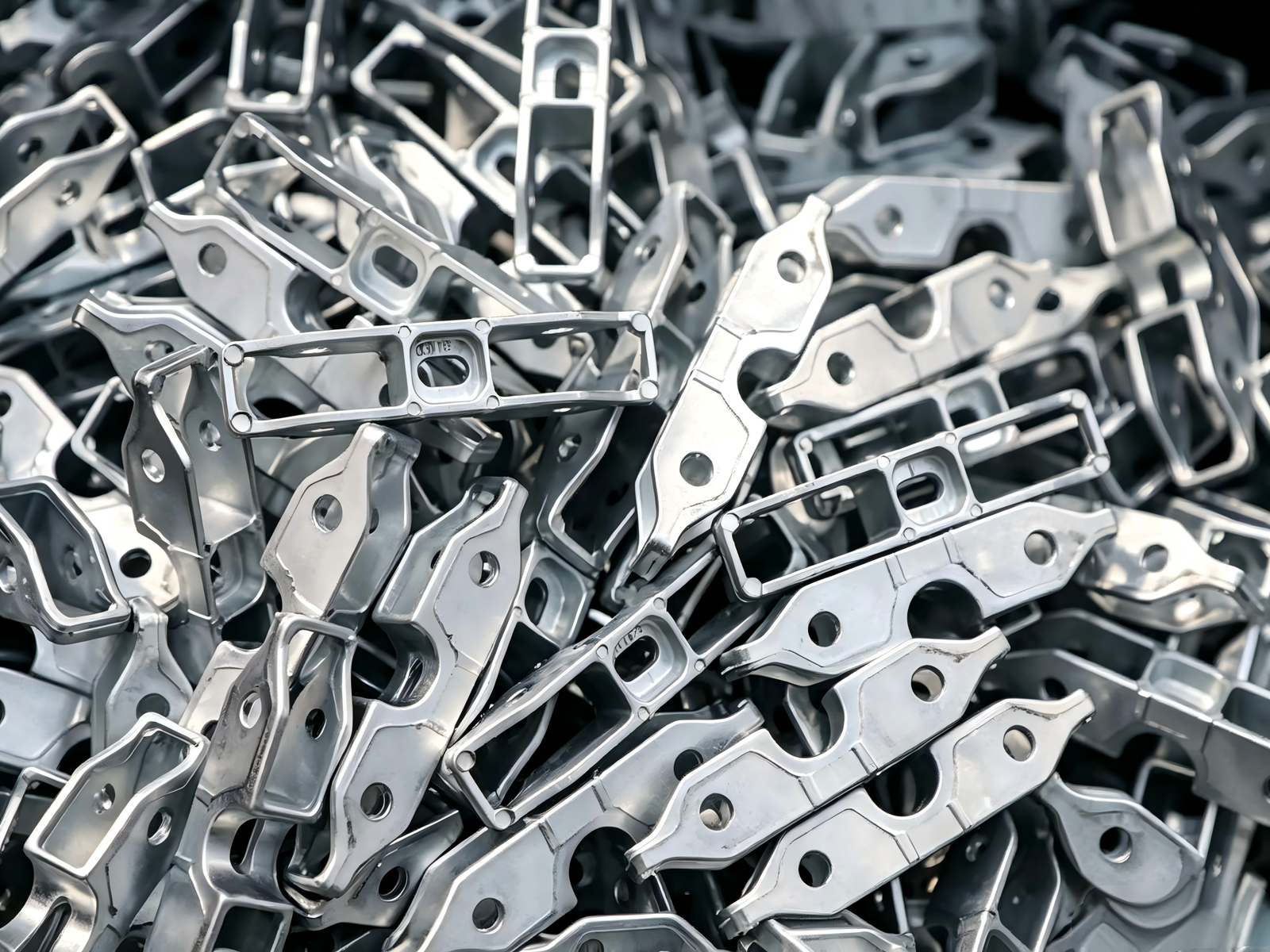
Zamak is a family of zinc-based alloys primarily composed of zinc, aluminum, magnesium, and copper. The name “Zamak” originates from the German names of its alloying elements:
- Z– Zinc (Zink)
- A– Aluminum
- MA– Magnesium
- K– Kupfer (Copper)
Developed in the 1920s, Zamak quickly became the industry standard for zinc die casting due to its excellent casting characteristics and reliable mechanical performance.
Unlike pure zinc, which is relatively soft and unsuitable for structural applications, Zamak alloys offer significantly improved strength, hardness, and corrosion resistance. These properties allow manufacturers to produce complex parts with thin walls, intricate geometries, and tight tolerances while minimizing secondary machining.
Today, Zamak alloys are used across a wide range of industries, including automotive, electronics, medical devices, furniture hardware, industrial equipment, and consumer products.
Chemical Composition and Common Zamak Grades
Although all Zamak alloys are zinc-based, small changes in aluminum, copper, and magnesium content result in different mechanical properties and applications.
Typical Chemical Composition
| Element | Typical Content | Primary Function |
| Zinc (Zn) | 95–96% | Base metal providing excellent castability |
| Aluminum (Al) | 3.5–4.3% | Improves strength, hardness, and corrosion resistance |
| Magnesium (Mg) | 0.03–0.06% | Enhances dimensional stability and reduces brittleness |
| Copper (Cu) | 0–1.25% | Increases tensile strength and wear resistance |
| Iron, Lead & Cadmium | Trace amounts | Strictly controlled to maintain quality and meet environmental standards |
Comparison of Common Zamak Grades
| Alloy | Main Feature | Typical Applications |
| Zamak 2 | Highest strength and hardness | Industrial components, gears, wear-resistant parts |
| Zamak 3 | Best overall balance of performance and cost | General die cast components, automotive, electronics |
| Zamak 5 | Higher strength than Zamak 3 | Automotive hardware, mechanical parts, locks |
| Zamak 7 | Superior fluidity and surface finish | Thin-wall components and decorative products |
Zamak 3
Zamak 3 is the most widely used zinc die casting alloy worldwide. It provides excellent dimensional stability, corrosion resistance, and surface finish while remaining easy to cast and machine. It is suitable for most commercial and industrial applications.
Zamak 5
Zamak 5 contains more copper than Zamak 3, resulting in greater strength, hardness, and wear resistance. It is commonly selected for automotive components and mechanical parts subjected to higher loads.
Zamak 2
With the highest copper content among standard grades, Zamak 2 offers exceptional hardness and creep resistance. It is often used for tooling, gears, and precision industrial components.
Zamak 7
Zamak 7 improves casting fluidity and surface appearance, making it ideal for thin-wall designs and decorative products requiring premium finishes.
Mechanical and Physical Properties
The popularity of Zamak alloys comes from their excellent balance of mechanical strength and manufacturing performance.
| Property | Typical Value |
| Tensile Strength | 280–410 MPa |
| Yield Strength | 210–330 MPa |
| Hardness | 82–120 HB |
| Density | 6.6–6.8 g/cm³ |
| Melting Point | 380–390°C |
| Thermal Conductivity | Approx. 110 W/m·K |
| Electrical Conductivity | Approx. 27% IACS |
| Corrosion Resistance | Excellent in indoor and moderately humid environments |
These properties enable Zamak components to withstand repeated mechanical loads while maintaining dimensional accuracy. The alloy also offers excellent vibration damping and impact resistance, making it suitable for mechanical assemblies and automotive hardware.
Its relatively low melting temperature reduces energy consumption during production and extends die life, lowering manufacturing costs.
Why Zamak Is Ideal for Die Casting
Zamak alloys are specifically designed for high-pressure die casting, making them one of the most efficient materials for mass production.
Excellent Fluidity
Molten Zamak fills complex molds quickly, allowing manufacturers to produce intricate shapes with thin walls and fine details.
High Dimensional Accuracy
Die cast Zamak parts achieve tight tolerances, reducing or eliminating secondary machining operations.
Outstanding Surface Finish
The smooth surface produced by die casting is suitable for polishing, chrome plating, powder coating, painting, or electroplating, improving both appearance and corrosion resistance.
High Production Efficiency
Because Zamak melts at a relatively low temperature, production cycles are shorter than many other casting materials. This enables manufacturers to produce large quantities of parts quickly while reducing energy costs.
Excellent Machinability
Although many Zamak components require little post-processing, drilling, milling, tapping, and CNC machining can be performed efficiently when tighter tolerances or additional features are required.
Sustainability
Zamak alloys are 100% recyclable. Scrap generated during production can be remelted and reused without significant loss of material properties, reducing waste and supporting sustainable manufacturing.
Advantages and Limitations of Zamak Alloys
Advantages
Cost-Effective Production
The combination of low melting temperature, fast cycle times, and minimal machining makes Zamak one of the most economical materials for die casting.
Exceptional Precision
Complex geometries, thin walls, and detailed features can be produced with remarkable accuracy, reducing assembly issues and improving product quality.
Excellent Surface Quality
Zamak parts are well suited for decorative finishes such as chrome plating, nickel plating, painting, and powder coating.
Good Mechanical Strength
While not as strong as steel, Zamak provides sufficient strength for many structural and mechanical applications.
Corrosion Resistance
The aluminum content enhances corrosion resistance, making Zamak suitable for indoor environments and many outdoor applications with proper surface treatment.
Environmentally Friendly
Its full recyclability supports sustainable manufacturing while lowering raw material costs.
Limitations
Despite its advantages, Zamak is not suitable for every application.
- It is not recommended for continuous service above approximately 100–120°C because mechanical properties decrease at elevated temperatures.
- Zamak is heavier than aluminum, making it less suitable for applications where lightweight design is critical.
- It cannot match the structural strength of steel for heavily loaded components.
- For highly corrosive marine or chemical environments, additional surface protection is recommended.
Selecting the right material depends on your application’s mechanical, environmental, and cost requirements.
Common Applications of Zamak Alloys
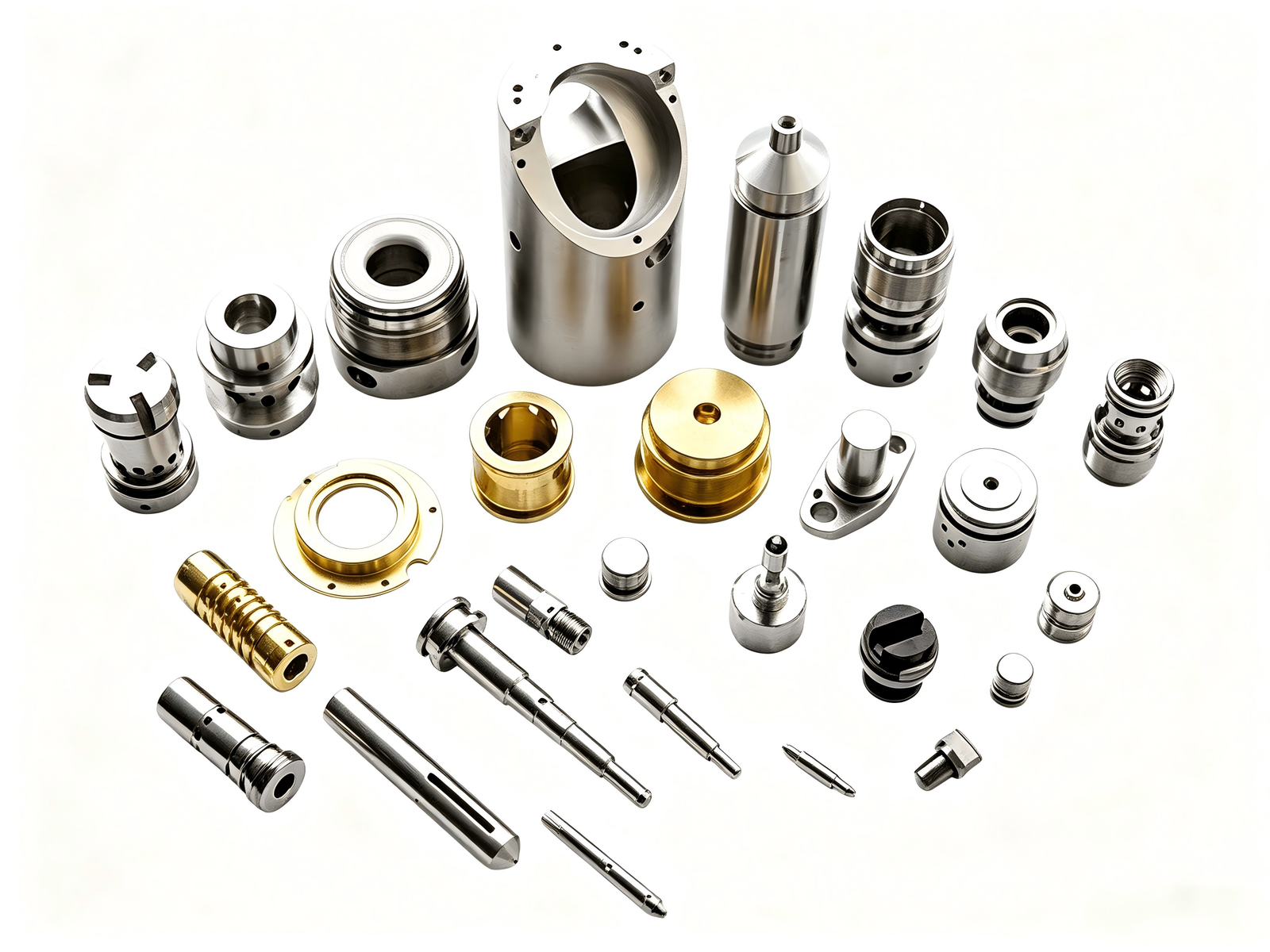
The versatility of Zamak makes it suitable for a wide variety of industries.
Automotive Industry
Automotive manufacturers use Zamak for door handles, lock components, brackets, emblems, mirror housings, and interior hardware because of its strength, precision, and excellent surface finish.
Consumer Electronics
Electronic products often use Zamak for connector housings, camera components, speaker parts, and shielding enclosures thanks to its dimensional stability and attractive appearance.
Furniture and Architectural Hardware
Cabinet handles, hinges, locks, drawer pulls, bathroom accessories, and decorative hardware frequently use Zamak due to its durability and ability to accept premium surface finishes.
Industrial Equipment
Precision housings, machine components, control knobs, gears, and fastening systems benefit from Zamak’s wear resistance and dimensional accuracy.
Consumer Products
Zamak is commonly found in power tools, lighting fixtures, kitchen appliances, sporting goods, and decorative products that require both strength and aesthetic appeal.
How to Choose the Right Zamak Alloy
Choosing the appropriate alloy depends on your product’s performance requirements.
| Requirement | Recommended Alloy |
| Best overall performance | Zamak 3 |
| Higher strength and wear resistance | Zamak 5 |
| Maximum hardness | Zamak 2 |
| Thin-wall or decorative parts | Zamak 7 |
When selecting a material, engineers should consider:
- Mechanical load
- Operating temperature
- Corrosion environment
- Surface finish requirements
- Production volume
- Manufacturing cost
Consulting an experienced die casting manufacturer during the design stage can help optimize material selection and reduce production costs.
Why Choose TOPS Precision for Custom Zamak Parts?
At TOPS Precision, we provide complete manufacturing solutions for custom Zamak alloy components, from prototype development to high-volume production.
Our capabilities include:
- Custom zinc die casting
- Precision mold design and manufacturing
- CNC machining for secondary operations
- Thread tapping, drilling, milling, and turning
- Surface treatments including powder coating, painting, anodizing, and electroplating
- Strict dimensional inspection and quality control
- Assembly and customized packaging
- Global shipping support
Our engineering team works closely with customers to optimize designs for manufacturability, improve production efficiency, and reduce overall project costs. Whether you require a small prototype batch or large-scale production, we can deliver precision components that meet your quality and performance expectations.
If you have drawings or 3D CAD files, contact us today for a free engineering review and competitive quotation.
Frequently Asked Questions
1. What is Zamak alloy?
Zamak is a zinc-based alloy containing aluminum, magnesium, and copper, widely used for high-pressure die casting because of its strength, precision, and excellent castability.
2. What is the difference between Zamak 3 and Zamak 5?
Zamak 5 contains more copper, giving it higher strength and hardness, while Zamak 3 offers better castability and is the most commonly used grade.
3. Is Zamak stronger than aluminum?
Not necessarily. Some aluminum alloys have higher strength-to-weight ratios, but Zamak generally provides better dimensional accuracy, superior surface finish, and lower manufacturing costs for die-cast components.
4. Can Zamak parts be CNC machined?
Yes. Zamak offers excellent machinability and can be drilled, milled, tapped, or turned to achieve tighter tolerances or additional features.
5. Does Zamak rust?
No. Since Zamak is zinc-based, it does not rust like steel. However, protective coatings can further improve corrosion resistance in demanding environments.
6. Can Zamak be chrome plated?
Yes. Zamak accepts chrome plating, nickel plating, powder coating, and painting exceptionally well, making it popular for decorative applications.
7. Is Zamak environmentally friendly?
Yes. Zamak is fully recyclable and can be remelted multiple times without significant loss of quality, making it a sustainable material for manufacturing.
8. Which industries use Zamak alloys?
Zamak is widely used in automotive, electronics, furniture hardware, industrial machinery, medical devices, lighting, consumer products, and architectural hardware.
9. What is the melting point of Zamak?
Most Zamak alloys melt between 380°C and 390°C, making them ideal for high-pressure hot chamber die casting.
10. Why choose Zamak for die casting?
Zamak offers an excellent combination of precision, strength, corrosion resistance, fast production cycles, outstanding surface finish, and cost-effectiveness, making it one of the best materials for manufacturing complex die-cast components.


