


Zamak alloys are a family of zinc-based die-casting materials widely used in precision manufacturing due to their excellent balance of strength, cost-efficiency, and castability. Among them, Zamak 7 stands out as a high-purity variant designed for superior ductility and surface finish.
Compared to standard zinc alloys, Zamak 7 offers:
Improved formability and elongation
Better surface quality for plating and finishing
Enhanced corrosion resistance due to reduced impurities
These characteristics make it particularly suitable for:
Thin-walled components
Complex geometries
High-precision industrial and electronic parts
Typical users include:
Mechanical engineers
Product designers
OEM sourcing managers
Procurement teams in automotive and electronics industries
What is Zamak 7?
Zamak 7 is a high-purity zinc alloy composed primarily of zinc with aluminum, magnesium, and trace nickel additions. It is specifically engineered to provide enhanced ductility, excellent casting fluidity, and superior surface finish compared to other Zamak alloys.
It is widely used in:
Precision die-cast components
Electronic housings
Automotive parts
Decorative and plated products
Chemical Composition of Zamak 7
Typical Composition
| Element | Content (%) | Function |
| Zinc (Zn) | Balance | Base metal, ensures castability |
| Aluminum (Al) | 3.5–4.3% | Strength, hardness, corrosion resistance |
| Copper (Cu) | ≤ 0.25% | Improves strength (controlled to maintain ductility) |
| Magnesium (Mg) | 0.005–0.02% | Grain refinement, strength |
| Nickel (Ni) | 0.005–0.02% | Improves corrosion resistance |
| Iron (Fe) | ≤ 0.075% | Impurity, may reduce ductility |
| Lead (Pb) | ≤ 0.003% | Impurity, environmental concern |
| Cadmium (Cd) | ≤ 0.002% | Impurity, corrosion risk |
| Tin (Sn) | ≤ 0.001% | Impurity, brittleness risk |
Role of Alloying Elements (Engineering Insight)
Zinc (Zn): Provides excellent fluidity and enables high-speed die casting
Aluminum (Al): Enhances mechanical strength and corrosion resistance
Magnesium (Mg): Refines grain structure, improving toughness
Nickel (Ni): Key differentiator in Zamak 7—boosts corrosion resistance and surface stability
Copper (Cu): Carefully limited to maintain ductility
👉 Key takeaway: Zamak 7 is optimized for ductility + surface quality, not maximum strength.
Physical Properties of Zamak 7
| Property | Value |
| Density | 6.6 g/cm³ |
| Melting Point | 381–387°C |
| Thermal Conductivity | 113 W/m·K |
| Electrical Conductivity | 27–30% IACS |
Engineering Interpretation
Moderate density: Heavier than aluminum but lighter than steel—ideal for structural balance
Low melting point: Enables energy-efficient die casting and faster production cycles
Good thermal conductivity: Suitable for heat-dissipating components
Moderate electrical conductivity: Not ideal for high-current applications, but useful for shielding and grounding
Mechanical Properties of Zamak 7
| Property | Value |
| Tensile Strength | ~283 MPa |
| Yield Strength | ~221 MPa |
| Elongation | ~13% |
| Brinell Hardness | ~80 HB |
| Castability | Excellent |
Performance Analysis
High ductility (13% elongation):
Enables bending, crimping, and post-processing without cracking
Balanced strength:
Suitable for structural and semi-load-bearing components
Surface durability:
Hardness ensures resistance to wear in consumer and industrial parts
Exceptional castability:
Ideal for:
Thin-wall parts
Intricate geometries
High-volume production
Key Benefits of Zamak 7 Alloy
Enhanced Ductility
Zamak 7 offers significantly better elongation than Zamak 3 and Zamak 5, making it ideal for components requiring post-casting deformation.
Superior Surface Finish
Smooth surfaces directly from die casting
Excellent for:
Electroplating
Powder coating
Decorative finishes
Excellent Corrosion Resistance
Thanks to its high purity and nickel addition:
Performs well in indoor and controlled environments
Reduces long-term maintenance costs
Non-Sparking Property
A critical advantage for:
Hazardous environments
Oil & gas applications
Industrial safety components
High Strength-to-Weight Ratio
Provides:
Structural reliability
Reduced overall product weight
Cost Efficiency
Low melting temperature → reduced energy cost
High die-casting efficiency → lower unit cost
Minimal machining required
Zamak 7 vs Other Zamak Alloys
Comparison Table
| Property | Zamak 3 | Zamak 5 | Zamak 7 |
| Strength | Medium | High | Medium |
| Ductility | Good | Lower | Best |
| Surface Finish | Good | Good | Excellent |
| Corrosion Resistance | Moderate | Better | Best |
| Castability | Excellent | Good | Superior |
Selection Guide
Choose Zamak 7 when:
You need thin-wall or complex parts
Surface finish is critical (plating, aesthetics)
Post-processing (bending/crimping) is required
Choose Zamak 5 when:
Higher mechanical strength is needed
Choose Zamak 3 when:
General-purpose, cost-sensitive production is sufficient
Applications of Zamak 7
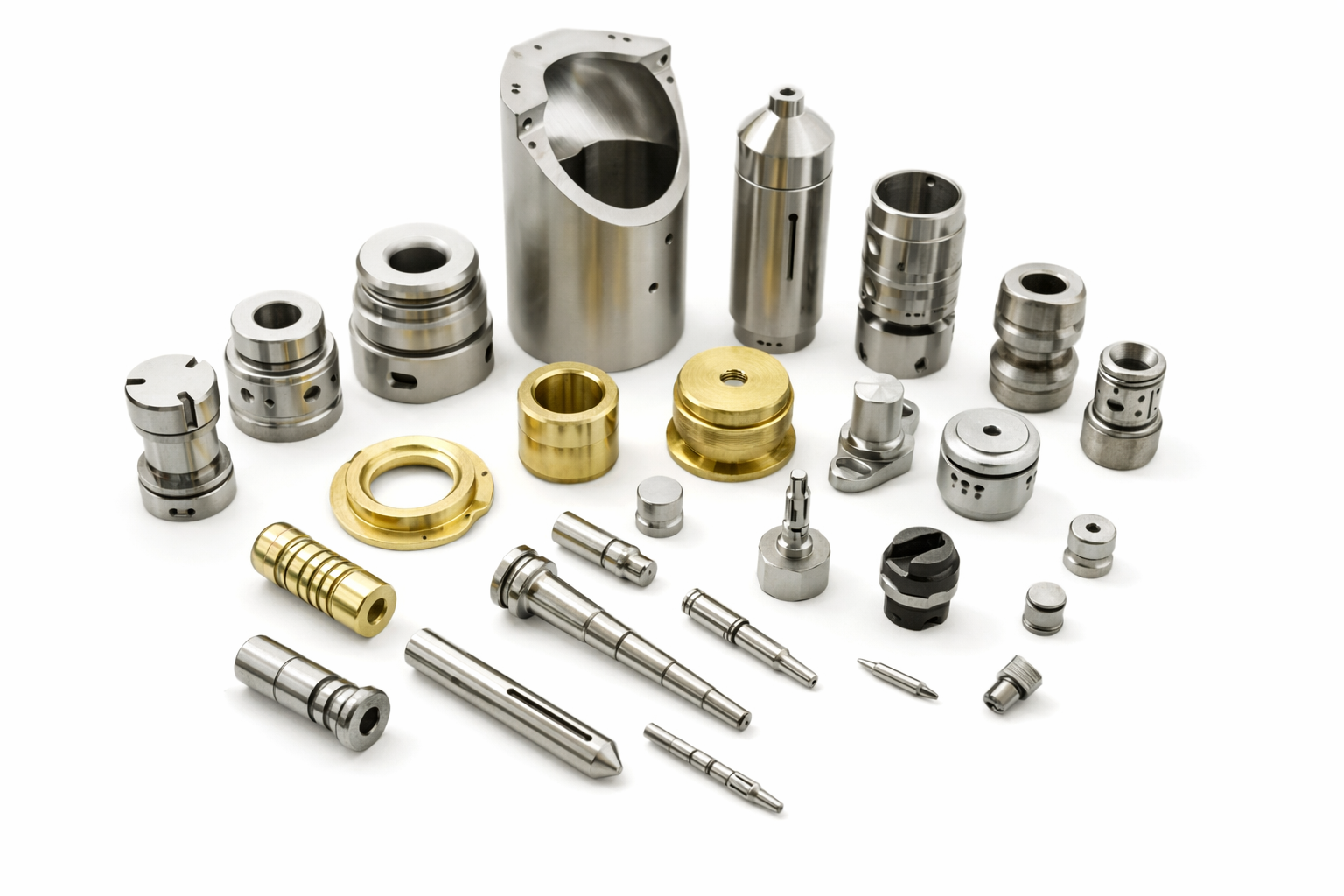
Automotive Industry
Precision brackets
Interior components
Lightweight structural parts
Electronics Industry
Connector housings
Shielding enclosures
Heat-dissipating components
👉 Particularly relevant for terminal and connector manufacturers
Industrial Equipment
Mechanical fittings
Tool components
Small precision parts
Consumer Products
Decorative hardware
Locks and handles
Wear-resistant housings
Manufacturing Considerations
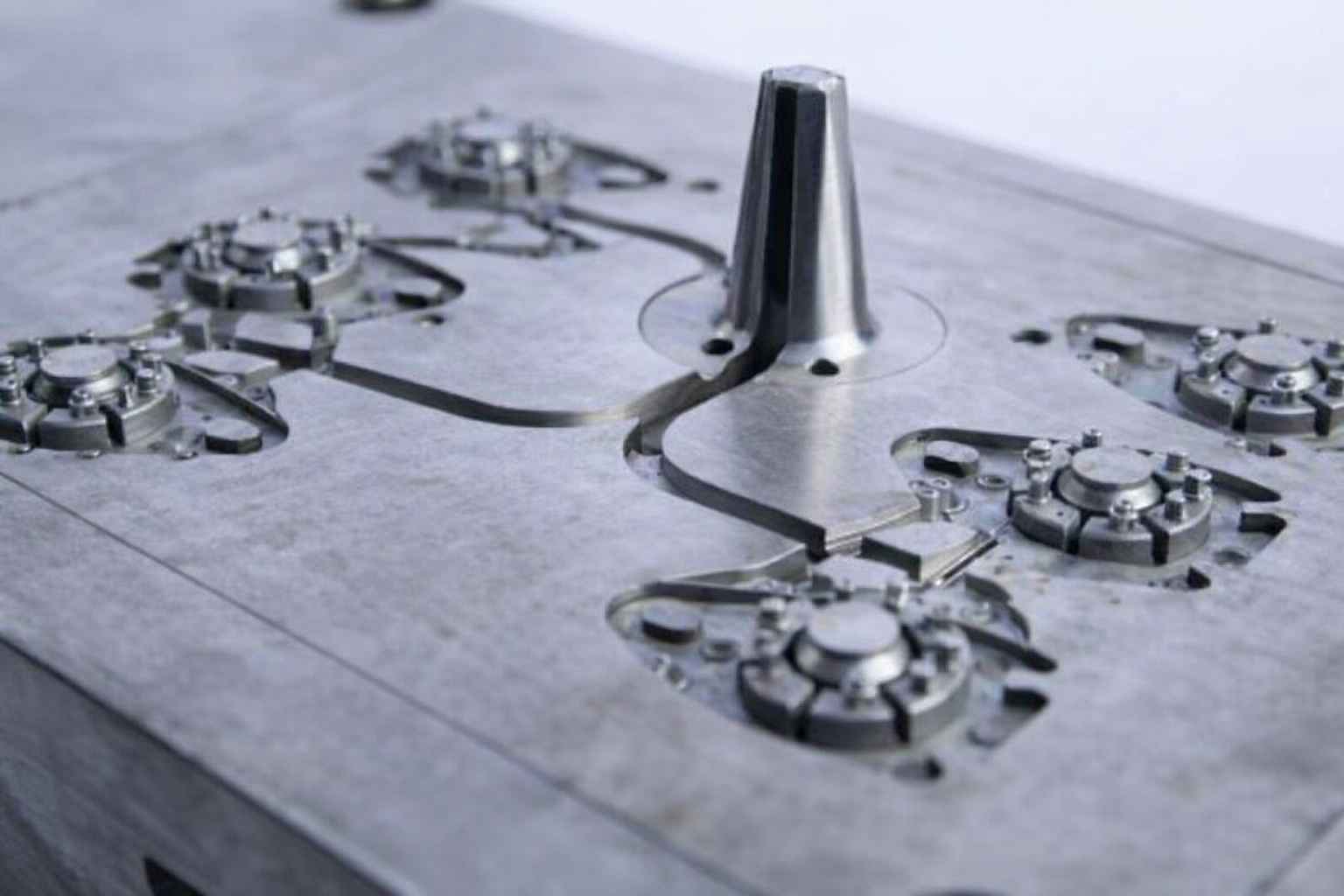
Die Casting Advantages
High-speed mass production
Excellent dimensional accuracy
Minimal post-processing
Machining & Finishing
Easy to machine
Excellent plating adhesion
Supports multiple finishing options
Thin-Wall Capability
Zamak 7 is ideal for:
Complex geometries
Lightweight designs
Cost-efficient material usage
Limitations of Zamak 7
For engineering decision-making, it’s critical to understand limitations:
Not suitable for high-temperature environments
Lower electrical conductivity than copper/aluminum
Moderate creep resistance under long-term load
👉 This ensures proper material selection and avoids failure risks.
How to Choose the Right Zamak Alloy
Decision Factors
| Requirement | Recommended Alloy |
| High ductility | Zamak 7 |
| High strength | Zamak 5 |
| Cost-effective general use | Zamak 3 |
| Best surface finish | Zamak 7 |
Quick Checklist
Do you need post-processing (bending/crimping)? → Zamak 7
Is plating quality critical? → Zamak 7
Is strength the priority? → Zamak 5
Conclusion
Zamak 7 offers a unique combination of ductility, castability, corrosion resistance, and surface quality, making it one of the best choices for precision die-cast components.
It is especially valuable for:
Complex geometries
Thin-wall designs
High-end surface finishing applications
For engineers and sourcing managers, Zamak 7 represents a cost-effective and reliable material solution for modern manufacturing needs.
Get Custom Zamak 7 Parts
If you are developing precision components, connector parts, or custom metal housings, choosing the right manufacturing partner is just as important as selecting the material.
We support:
Custom Zamak 7 die casting
CNC machining & secondary processing
Surface finishing (plating, coating, polishing)
Low-volume prototyping to mass production
Send us your drawings or specifications today to get:
Fast quotation
DFM (Design for Manufacturing) feedback
Cost optimization suggestions
👉 Contact us now to start your project.
FAQs
Q1: What is Zamak 7 used for?
Zamak 7 is used for precision die-cast components, especially in electronics, automotive parts, and decorative applications requiring high surface quality.
Q2: Is Zamak 7 better than Zamak 5?
Zamak 7 offers better ductility and surface finish, while Zamak 5 provides higher strength. The choice depends on application requirements.
Q3: Is Zamak 7 corrosion resistant?
Yes, Zamak 7 has enhanced corrosion resistance due to its high purity and nickel content.