



Pour les entreprises de dispositifs médicaux, cependant, Le choix d'un fournisseur d'usinage CNC ne se limite pas à la précision de l'usinage.. Traçabilité des matières, inspection, contrôle de processus, documentation, traitement de surface, exigences réglementaires, et la gestion de la qualité des fournisseurs peuvent tous affecter le succès d'un composant médical.
Ce guide explique comment Usinage CNC est utilisé dans la fabrication médicale, quels matériaux et applications sont les plus courants, quelles sont les exigences de qualité qui comptent, et comment évaluer un fournisseur d'usinage CNC médical.
Qu'est-ce que l'usinage CNC pour les dispositifs médicaux?
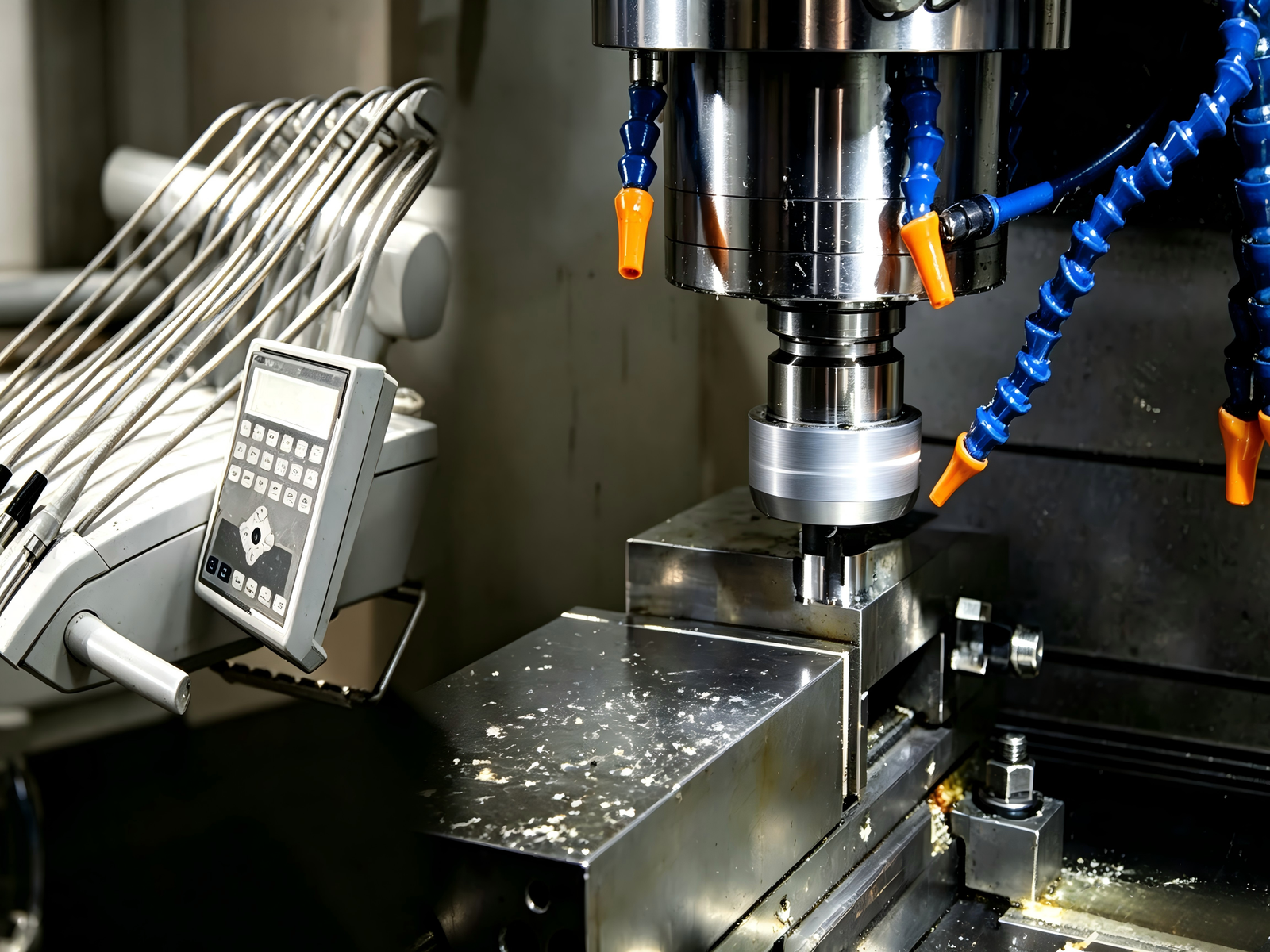
CNC, ou commande numérique par ordinateur, l'usinage utilise des machines-outils contrôlées par ordinateur pour enlever de la matière d'une pièce selon des instructions programmées.
Le flux de production de base est simple:
Modèle CAO → programmation CAM → usinage CNC → inspection → finition de surface → inspection finale
Contrairement à l'usinage manuel, L'usinage CNC utilise des parcours d'outils à commande numérique pour obtenir des dimensions et des géométries reproductibles.. Cela le rend particulièrement adapté aux composants médicaux où la cohérence dimensionnelle est importante..
L'usinage CNC peut traiter une large gamme de métaux, plastiques d'ingénierie, et matériaux composites. L'article source souligne également son adéquation à la fois à la production en faible volume et à la production personnalisée, car elle ne nécessite pas nécessairement un outillage de production dédié pour chaque nouveau composant..
Pourquoi l'usinage CNC est-il important pour l'industrie médicale?
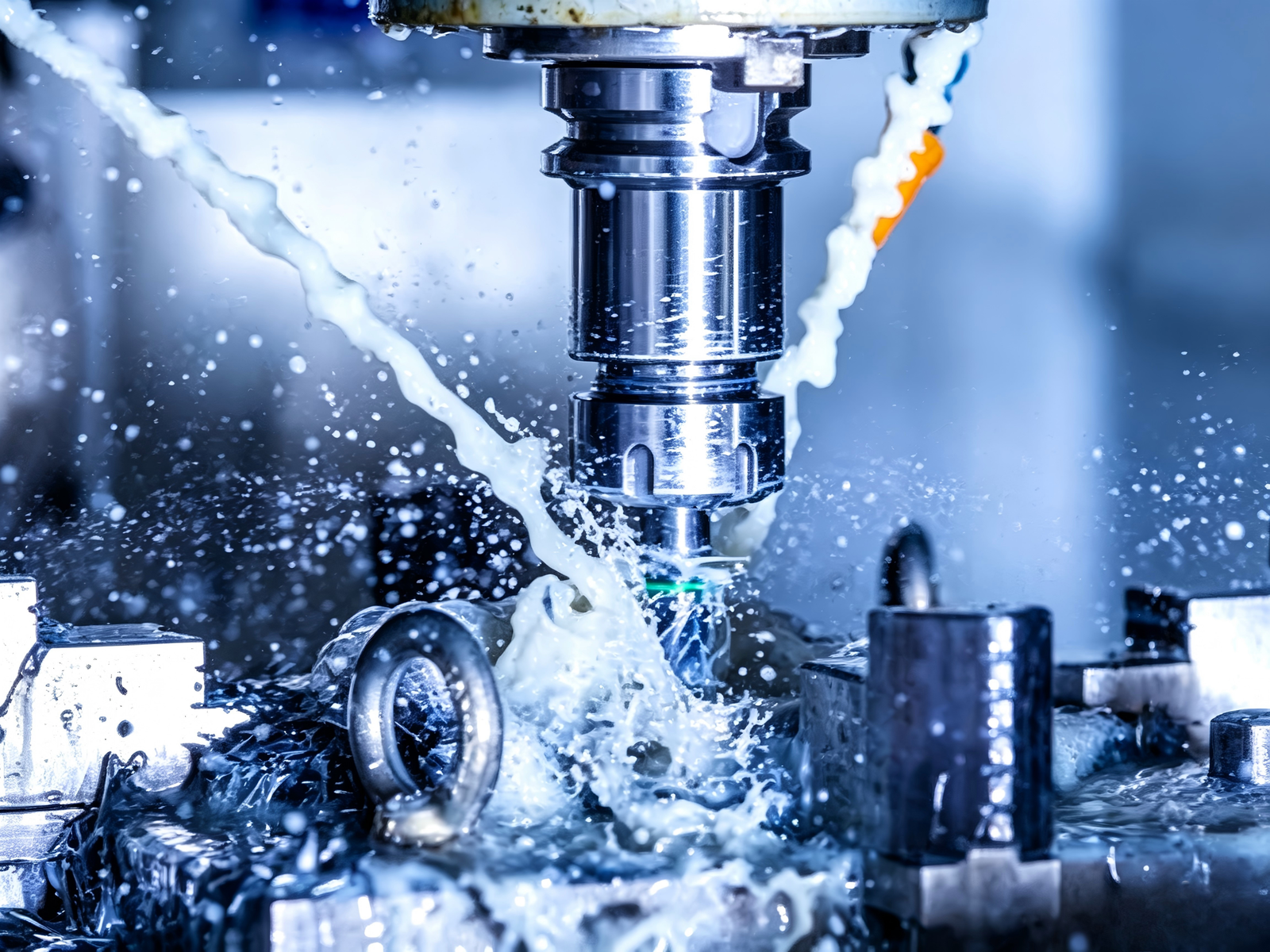
L'industrie médicale impose des exigences exceptionnelles en matière de qualité de fabrication. Une erreur dimensionnelle dans un produit de consommation peut être gênante; dans un volet médical, cela peut affecter l'assemblage, performances mécaniques, stérilisation, ou à terme la sécurité des appareils.
L'usinage CNC offre plusieurs avantages qui répondent à ces défis.
1. Haute précision et précision dimensionnelle
La précision est l'une des raisons les plus importantes pour lesquelles les fabricants de produits médicaux utilisent l'usinage CNC.
Les composants médicaux peuvent contenir:
Alésages de précision
Sujets
Surfaces de contact
Petites fentes
Murs fins
Contours complexes
Tolérances de position serrées
L'équipement CNC moderne peut produire des caractéristiques hautement reproductibles lorsque la machine, outillage, matériel, porte-pièce, programmation, et les processus d'inspection sont correctement contrôlés.
Par exemple, un instrument chirurgical peut nécessiter un accouplement précis entre plusieurs composants. De la même manière, un implant orthopédique peut nécessiter un contrôle dimensionnel précis pour obtenir l'ajustement souhaité.
Cependant, il est important de faire la distinction entre capacité de la machine et tolérance garantie des pièces. Un fournisseur doit évaluer le dessin, matériel, géométrie, empilement de tolérance, processus d'usinage, et méthode d'inspection avant de promettre une tolérance spécifique.
2. Personnalisation et fabrication spécifique au patient
La fabrication médicale nécessite de plus en plus de produits personnalisés.
Implants spécifiques au patient, composants prothétiques, dispositifs dentaires, et les produits orthopédiques peuvent être basés sur des données anatomiques individuelles.
Un flux de travail numérique typique peut impliquer:
3Analyse D / imagerie médicale → modèle numérique → conception CAO → programmation CAM → usinage CNC → inspection
L'usinage CNC peut donc relier directement la conception numérique à la fabrication physique..
L'article source identifie la personnalisation comme l'un des principaux avantages de l'usinage CNC, car les données spécifiques au patient peuvent être traduites en composants médicaux personnalisés..
3. Formes complexes et caractéristiques internes
Certains composants médicaux nécessitent des géométries difficiles à produire en fabrication conventionnelle.
L'usinage CNC peut créer:
Surfaces courbes
Poches
Machines à sous
Cavités internes
Trous de précision
Canaux
Fonctionnalités à plusieurs niveaux
Contours 3D complexes
5-L'usinage des axes peut être particulièrement utile lorsque plusieurs surfaces ou orientations doivent être usinées sans repositionner le composant à plusieurs reprises..
Cependant, une géométrie très complexe doit être évaluée au cours Conception de la fabrication (DFM). Cavités profondes, fonctionnalités internes inaccessibles, rapports d'aspect extrêmes, et les contre-dépouilles peuvent nécessiter un outillage spécialisé ou des processus supplémentaires.
4. Prototypage rapide
Le développement de dispositifs médicaux implique souvent plusieurs itérations d'ingénierie.
L'usinage CNC permet aux concepteurs de fabriquer des prototypes fonctionnels directement à partir de données CAO.
Un cycle de développement typique peut être:
Créer le modèle CAO initial.
Examiner la conception pour la fabricabilité.
Fabriquer le prototype.
Inspecter les dimensions.
Test d'ajustement et de fonction.
Identifier les améliorations de conception.
Mettre à jour le modèle CAO.
Fabriquer la prochaine révision.
Cela réduit la distance entre concept de conception et validation physique.
L'article original met en avant le prototypage rapide comme un avantage important de la CNC, car les ingénieurs peuvent évaluer la conception., ajuster, et fonctionner avant de s'engager dans la production complète.
5. Sélection flexible des matériaux
Les composants médicaux peuvent nécessiter des propriétés matérielles très différentes.
Selon l'application, les ingénieurs peuvent envisager:
Force
Dureté
Résistance à la corrosion
Poids
Résistance à l'usure
Résistance chimique
Stabilité thermique
Biocompatibilité
Compatibilité de stérilisation
L'usinage CNC prend en charge une large gamme de matériaux, permettant aux ingénieurs de sélectionner les matériaux en fonction des exigences fonctionnelles du composant plutôt que de se limiter à un seul processus de fabrication.
6. Flexibilité de production et contrôle des coûts
L'usinage CNC peut être économiquement intéressant pour:
Prototypes
Échantillons d'ingénierie
Production à faible volume
Composants personnalisés
Production en volume moyen
Composants de remplacement
Contrairement aux processus qui nécessitent des outils dédiés coûteux, L'usinage CNC peut souvent passer d'un composant à un autre simplement en changeant le programme CNC., outillage, et dispositif de serrage.
Cette flexibilité peut réduire les investissements en outillage lors des premières étapes du développement de dispositifs médicaux..
Applications de l'usinage CNC dans les dispositifs médicaux
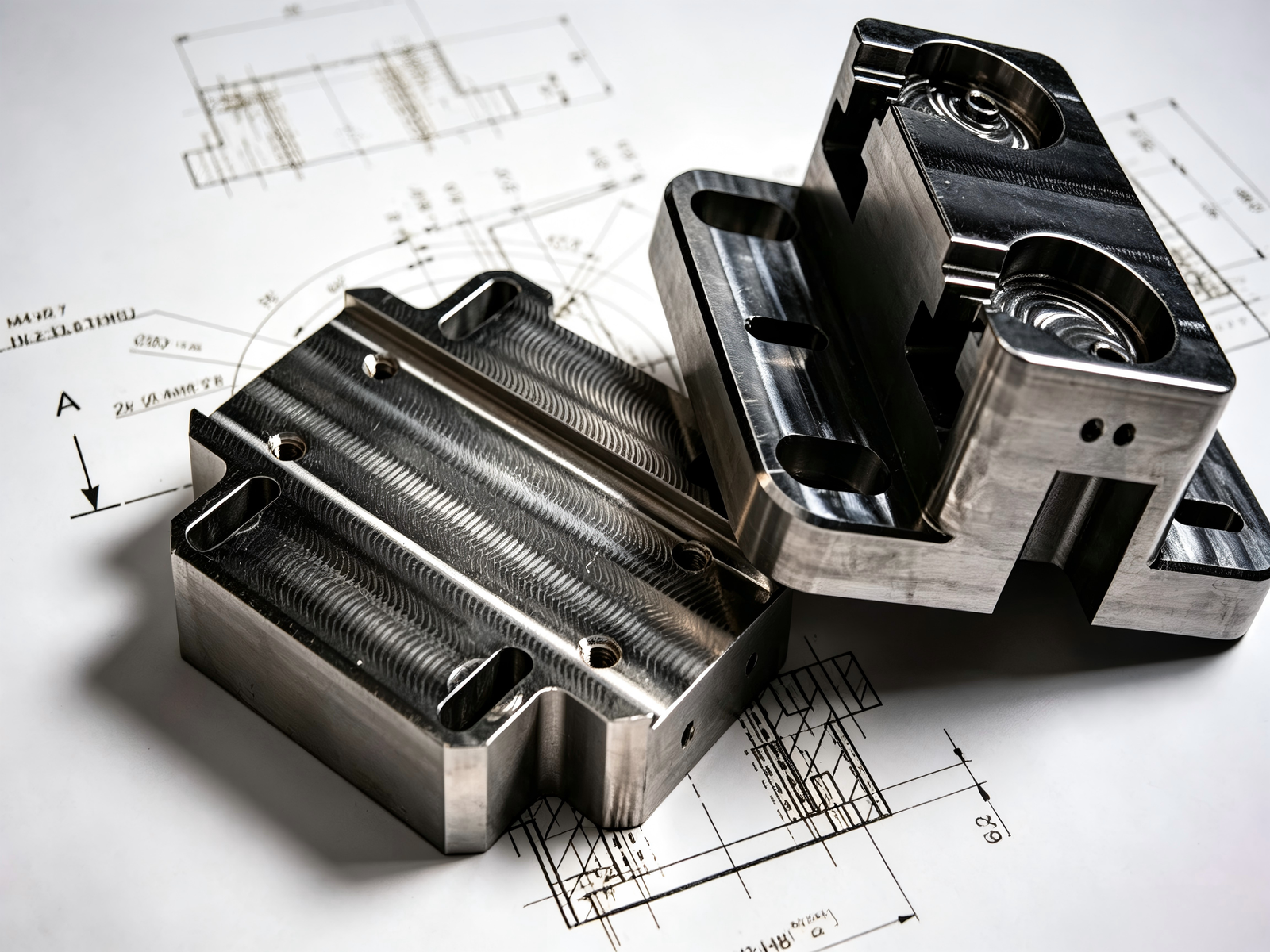
L'usinage CNC est utilisé dans de nombreux domaines de la fabrication médicale.
1. Instruments chirurgicaux usinés CNC
Les instruments chirurgicaux nécessitent des dimensions précises, performances mécaniques fiables, et caractéristiques de surface appropriées.
Les exemples incluent:
Poignées chirurgicales
Forceps
Écarteurs
Composants du scalpel
Pinces
Corps d'instruments chirurgicaux
Composants chirurgicaux robotisés
Des contours complexes peuvent également être produits à l'aide d'un usinage CNC multi-axes.
La source originale identifie les outils chirurgicaux comme l'une des principales applications médicales de l'usinage CNC, car ces composants nécessitent souvent des géométries complexes et une précision dimensionnelle élevée..
2. Implants médicaux usinés CNC
Les implants médicaux représentent l'une des applications les plus exigeantes.
Les exemples incluent:
Composants orthopédiques
Composants d'implant de hanche
Composants d'implant de genou
Implants dentaires
Composants de la colonne vertébrale
Implants spécifiques au patient
Ces pièces peuvent nécessiter un contrôle dimensionnel précis, caractéristiques de surface contrôlées, et des matériaux soigneusement sélectionnés.
Alliages de titane, Par exemple, sont fréquemment envisagés pour les applications où un rapport résistance/poids élevé et une résistance à la corrosion sont importants.
Parce que les applications d’implants sont très réglementées, le processus d'usinage doit être considéré comme faisant partie d'un système de fabrication contrôlé plus large plutôt que comme une simple opération d'usinage.
3. Prothèses et orthèses
L'usinage CNC peut fabriquer sur mesure:
Composants prothétiques
Supports orthopédiques
Supports
Connecteurs
Composants structurels
Composants des appareils de mobilité
Les modèles numériques spécifiques au patient peuvent être convertis en composants mécaniques personnalisés.
Cela rend l'usinage CNC particulièrement utile lorsque la géométrie diffère d'un patient ou d'un produit à l'autre..
4. Microdispositifs médicaux
La technologie médicale est de plus en plus miniaturisée.
L'usinage CNC peut être utilisé pour fabriquer de petits composants pour:
Biocapteurs
Systèmes de diagnostic
Appareils microfluidiques
Systèmes d'administration de médicaments
Instruments peu invasifs
Les petits composants nécessitent un contrôle minutieux de l'outillage, précision de la machine, porte-pièce, paramètres de coupe, formation de bavures, et inspection.
Pour composants miniatures, le processus de fabrication doit être conçu autour de la plus petite caractéristique critique plutôt que simplement autour des dimensions globales de la pièce..
5. Boîtiers et boîtiers pour dispositifs médicaux
L'usinage CNC est également largement applicable aux équipements médicaux non implantables.
Les exemples incluent les boîtiers pour:
Matériel de diagnostic
Systèmes de surveillance
Dispositifs médicaux portables
Matériel de laboratoire
Instruments médicaux électroniques
Ces composants peuvent nécessiter:
Trous de montage précis
Inserts filetés
Poches internes
Ouvertures de connecteur
Caractéristiques de dissipation thermique
Tolérances d'assemblage serrées
L'usinage CNC de l'aluminium est souvent intéressant pour de telles applications car il allie faible poids et bonne usinabilité..
6. Composants d'équipement de diagnostic
L'équipement de diagnostic dépend de composants mécaniques précis.
L'usinage CNC peut produire des pièces utilisées dans:
Systèmes d'imagerie
Analyseurs de laboratoire
Équipement de test
Mécanismes de manipulation des échantillons
Appareils au point de service
La cohérence dimensionnelle est particulièrement importante lorsque plusieurs composants mécaniques ou électroniques doivent fonctionner ensemble.
7. Instruments chirurgicaux mini-invasifs
La chirurgie mini-invasive nécessite des instruments de plus en plus petits et sophistiqués.
L'usinage CNC peut produire des composants pour:
Instruments laparoscopiques
Instruments endoscopiques
Systèmes de chirurgie robotisée
Mécanismes d'articulation chirurgicaux
Conseils pour les instruments de précision
Ces pièces combinent souvent de petites dimensions, géométrie complexe, tolérances étroites, et des exigences de surface exigeantes.
8. Réadaptation et appareils fonctionnels
L'usinage CNC peut également prendre en charge les produits de rééducation et les équipements d'assistance.
Les applications incluent:
Supports
Prise en charge
Mécanismes prothétiques
Composants de mobilité
Appareils orthopédiques sur mesure
La possibilité de personnaliser la géométrie rend l'usinage CNC utile pour les produits qui doivent s'adapter à différents utilisateurs.
Matériaux utilisés pour l'usinage CNC de pièces médicales
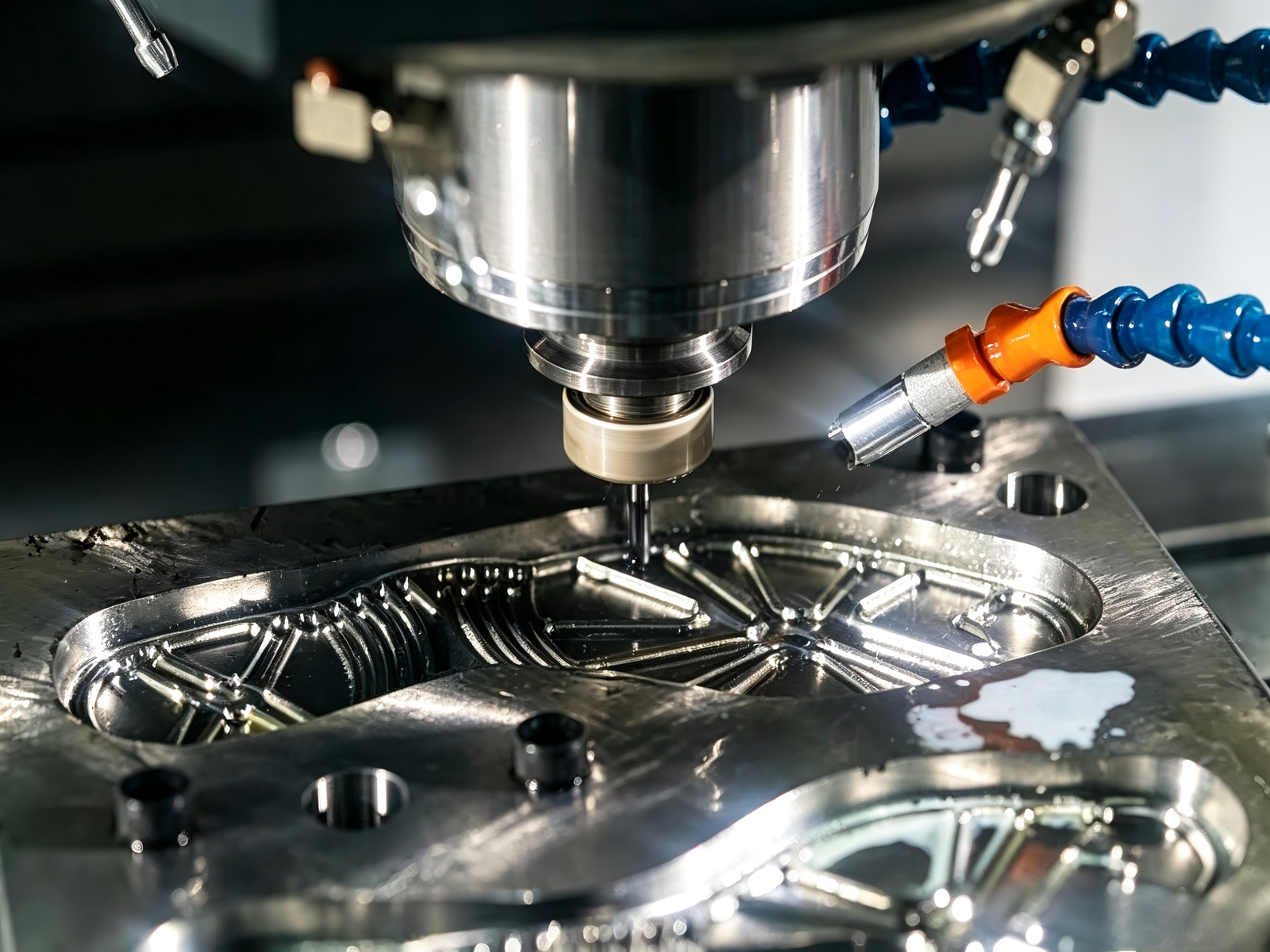
La sélection des matériaux doit être basée sur l'application réelle plutôt que sur la simple usinabilité..
Acier inoxydable
L'acier inoxydable est largement utilisé là où la résistance, résistance à la corrosion, durabilité, et la nettoyabilité sont importantes.
Les applications potentielles incluent:
Instruments chirurgicaux
Composants mécaniques
Pièces d'équipement médical
Assemblages de précision
La qualité exacte doit être sélectionnée en fonction des caractéristiques mécaniques, chimique, stérilisation, et les exigences réglementaires.
Titane
Le titane est particulièrement important pour les applications médicales exigeantes.
Ses caractéristiques peuvent inclure:
Rapport résistance/poids élevé
Résistance à la corrosion
Faible densité
Bonnes performances dans des environnements exigeants
Le titane peut être plus difficile à usiner que l'aluminium, faire la sélection des outils, paramètres de coupe, gestion de la chaleur, et le contrôle des processus est important.
Aluminium
L'aluminium est utile lorsque le faible poids et l'usinabilité sont des priorités.
Les applications courantes incluent:
Boîtiers d'équipement
Composants structurels
Calendrier
Pièces d'équipement de diagnostic
Composants du dispositif non implantable
Différents alliages d'aluminium offrent différentes combinaisons de résistance, usinabilité, et résistance à la corrosion.
Plastiques techniques de qualité médicale
Les polymères techniques peuvent être utilisés pour l'isolation électrique, faible poids, résistance chimique, ou d'autres propriétés spécifiques sont requises.
Les matériaux potentiels comprennent:
Autres polymères techniques
Pour applications médicales, cependant, la phrase “medical-grade plastic” should not be treated as a universal material qualification. The material grade, intended application, exigences réglementaires, and sterilization environment should all be verified.
Exigences d'usinage CNC pour les composants médicaux
Medical machining requires more than simply producing dimensions that appear correct on a drawing.
Tolérances strictes et répétabilité
The supplier should understand:
Tolérances dimensionnelles
Tolérances géométriques
DG&T
Datum structures
Position tolerances
Concentricity/runout requirements
Assembly tolerances
Not every dimension needs an extremely tight tolerance. Applying unnecessarily tight tolerances can increase machining costs without improving product performance.
A good CNC supplier should therefore review the drawing and identify critical-to-function dimensions.
Finition de surface
Surface finish can affect:
Friction
Porter
Cleanability
Résistance à la corrosion
Assemblée
Apparence
Functional performance
CNC machining can produce good surface finishes, but some applications may require additional processes such as:
Polissage
Affûtage
Débarquant
Anodisation
Passivation
Électropolition
Other specified surface treatments
The appropriate process depends on the material and intended application.
Contrôle des bavures et des bords
Burrs can create significant problems in precision medical components.
Selon l'application, burrs can:
Interfere with assembly
Affect moving mechanisms
Damage mating parts
Create contamination risks
Affect dimensional accuracy
Medical CNC manufacturing should therefore define deburring and edge-break requirements rather than relying on an unspecified “standard” process.
Contrôle dimensionnel
Inspection methods should correspond to the drawing requirements.
Possible equipment includes:
MMT
Optical measurement systems
Micromètres
Vernier calipers
Height gauges
Pin gauges
Jauges de filetage
Testeurs de rugosité de surface
For complex medical components, CMM inspection can be particularly useful for verifying multiple geometric characteristics against the CAD model or drawing.
Traçabilité des matériaux
La traçabilité des matériaux devient particulièrement importante lorsque le matériau lui-même fait partie des spécifications du produit..
En fonction des exigences clients et réglementaires, la documentation peut inclure:
Certificats de matériaux
Numéros de chaleur/lot
Dossiers des fournisseurs
Informations sur les lots de production
Dossiers d'inspection
Certificat de conformité
Le dossier de documentation exact doit être convenu avant la production.
CNC Usining VS. Autres procédés de fabrication médicale
L'usinage CNC est puissant, mais ce n'est pas la meilleure méthode de fabrication pour chaque composant médical.
|
Processus |
Idéal pour |
Principal avantage |
|
Usinage CNC |
Pièces de précision en métal/plastique |
Flexibilité et précision |
|
Moulage par injection |
Composants en plastique à grand volume |
Faible coût unitaire à grande échelle |
|
Moulage sous pression |
Composants métalliques en grand volume |
Efficacité de production élevée |
|
3D Impression |
Prototypes complexes et géométries personnalisées |
Liberté de conception |
|
Estampillage |
Composants de tôlerie en grand volume |
Vitesse de production élevée |
Le processus correct dépend de:
Volume annuel
Géométrie de la pièce
Matériel
Tolérance
Finition de surface
Budget outillage
Stade de développement
Calendrier de production
Par exemple, L'usinage CNC peut être idéal pour 20 prototypes mais inefficaces pour plusieurs millions de composants plastiques identiques. inversement, le moulage par injection peut nécessiter des investissements substantiels en matière d'outillage, difficiles à justifier au cours des premières étapes du développement du produit..
Une stratégie de fabrication hybride peut parfois fournir le meilleur résultat.
Limites de l'usinage CNC dans l'industrie médicale
L'usinage CNC offre des avantages significatifs, mais il a aussi des limites.
Géométrie complexe
Cavités très profondes, fonctionnalités internes inaccessibles, et des contre-dépouilles importantes peuvent nécessiter un outillage spécialisé, usinage multi-axes, GED, ou des procédés de fabrication alternatifs.
L'article source identifie spécifiquement les contre-dépouilles, Cavités profondes, et fonctionnalités internes inaccessibles comme défis potentiels d'usinage CNC.
Matériaux difficiles à usiner
Certains matériaux peuvent nécessiter:
Outils de coupe spécialisés
Vitesses de coupe inférieures
Stratégies avancées de refroidissement
Opérations multiples
Porte-pièce spécial
Les matériaux sensibles à la chaleur peuvent également subir des déformations si les paramètres d'usinage ne sont pas correctement contrôlés..
Vitesse de production
L'usinage CNC peut être plus lent que les processus de fabrication dédiés à gros volumes.
Ceci est particulièrement pertinent lorsque:
Les volumes de production sont très élevés
Le composant nécessite de nombreuses opérations d'usinage
Les temps de cycle sont longs
Une inspection approfondie est nécessaire
L’article source identifie également la vitesse de production comme l’une des limites de l’usinage CNC pour la fabrication médicale en grand volume..
Taille de la machine
Chaque machine CNC a une enveloppe de travail maximale.
Les gros composants d'équipement médical peuvent nécessiter:
Centres d'usinage grand format
Plusieurs configurations
Luminaires spécialisés
Procédés de fabrication alternatifs
Exigences de finition de surface
L'usinage seul ne permet pas toujours d'obtenir l'état de surface requis.
Des processus de finition supplémentaires peuvent augmenter:
Délai de mise en œuvre
Coût
Exigences de manipulation
Exigences de contrôle de qualité
Expertise qualifiée en ingénierie et en usinage
L'usinage CNC médical nécessite plus que le fonctionnement de la machine.
Le fournisseur peut avoir besoin d'une expertise dans:
DFM
DG&T
Programmation FAO
Sélection d'outils
Collaboration
Optimisation des processus
Inspection
Documentation
L'article original identifie également les compétences et la formation des opérateurs comme une limitation de l'usinage CNC..
Tendances futures de l'usinage CNC pour les dispositifs médicaux
L’avenir de l’usinage CNC médical sera influencé par la numérisation, automation, miniaturisation, matériaux avancés, et des produits de plus en plus personnalisés.
Automatisation et IA
Robotique, manutention automatisée des matériaux, surveillance des outils, et l'analyse des données peut réduire les interventions manuelles et améliorer la cohérence de la fabrication.
L'article source identifie l'automatisation, IA, apprentissage automatique, CAO/FAO, simulation, et surveillance en temps réel comme tendances futures importantes.
Fabrication numérique
L'intégration de:
GOUJAT + CAME + CNC + inspection + données de production
peut créer un flux de production plus connecté.
La fabrication numérique peut contribuer à réduire le transfert manuel de données et à améliorer le contrôle des révisions.
Dispositifs spécifiques au patient
À mesure que l’imagerie médicale et la numérisation 3D sont de plus en plus intégrées au développement de produits, les dispositifs médicaux personnalisés deviendront de plus en plus importants.
L'usinage CNC peut fournir la flexibilité de fabrication requise pour ces applications.
Miniaturisation
Les dispositifs médicaux sont de plus en plus petits et sophistiqués.
Les applications futures pourraient nécessiter:
Composants plus petits
Chaînes plus petites
Des fonctionnalités plus fines
Micro-usinage
Précision dimensionnelle supérieure
Cette tendance augmentera l’importance de l’outillage de précision, stabilité de la machine, contrôle de processus, et inspection avancée.
Matériaux avancés
Les nouveaux matériaux médicaux créeront de nouveaux défis d’usinage.
Les fournisseurs devront s’améliorer continuellement:
Technologie des outils
Stratégies de coupe
Gestion du liquide de refroidissement
Finition de surface
Méthodes de contrôle
Usinage CNC + 3D Impression
L'usinage CNC et la fabrication additive sont des technologies de plus en plus complémentaires plutôt que concurrentes..
3L'impression D peut produire des structures complexes de forme proche du net, tandis que l'usinage CNC peut terminer les interfaces critiques, trous, surfaces de contact, et fonctionnalités de précision.
Cette approche hybride peut être particulièrement intéressante pour les composants médicaux personnalisés.
Foire aux questions sur l'usinage CNC pour les dispositifs médicaux
Quelles pièces médicales peuvent être usinées CNC?
L'usinage CNC peut fabriquer des instruments chirurgicaux, composants d'implants, composants prothétiques, pièces d'équipement de diagnostic, boîtiers pour dispositifs médicaux, composants chirurgicaux mini-invasifs, et bien d'autres pièces mécaniques de précision.
Quels matériaux sont couramment utilisés pour l'usinage CNC médical?
Les choix courants incluent les aciers inoxydables, alliages de titane, alliages d'aluminium, COUP D'OEIL, PTFE, POM, et autres matériaux d'ingénierie. Le matériau approprié dépend des caractéristiques fonctionnelles de l'appareil., environnemental, stérilisation, et les exigences réglementaires.
Quelle est la précision de l'usinage CNC pour les composants médicaux?
La précision dépend de la machine, matériel, géométrie, spécification de tolérance, outillage, processus, et méthode d'inspection. Au lieu de supposer une tolérance universelle, les fabricants doivent examiner le dessin technique réel et identifier les dimensions critiques.
L'usinage CNC est-il adapté aux prototypes médicaux?
Oui. L'usinage CNC est particulièrement utile pour les prototypes car il permet de produire des pièces fonctionnelles directement à partir de données CAO sans nécessiter d'outillage de production dédié..
L'usinage CNC peut-il produire des dispositifs médicaux personnalisés?
Oui. L'usinage CNC est bien adapté aux composants personnalisés car la géométrie peut être modifiée numériquement et fabriquée sans créer de nouveau moule pour chaque conception..
Quelles machines CNC sont utilisées pour les pièces médicales?
En fonction du composant, les fabricants peuvent utiliser 3 axes, 4-axe, ou centres d'usinage 5 axes, Centres de tournage CNC, Machines de type suisse, rectifieuses, et équipements spécialisés.
Un fournisseur d'usinage CNC a-t-il besoin d'ISO 13485 certification?
La réponse dépend du rôle du fournisseur, les exigences de qualité du client, et le cadre réglementaire applicable. QMSR de la FDA, à compter de février 2, 2026, intègre l'ISO 13485:2016 aux États-Unis. cadre qualité des dispositifs médicaux. (NOUS. Administration des aliments et des médicaments)
Donc, les fabricants de dispositifs médicaux devraient déterminer les exigences appropriées en matière de qualification des fournisseurs et de système qualité pour chaque projet plutôt que de traiter la certification comme une simple case à cocher.
Que dois-je fournir lors d'une demande de devis pour des pièces CNC médicales?
Pour un devis précis, fournir:
2Dessin technique D
3Modèle CAO D
Spécification matérielle
Quantité annuelle ou commandée
Finition de surface
Tolérances
Certifications requises
Exigences d'inspection
Exigences d'emballage
Calendrier de livraison cible
Fournir des informations techniques complètes permet au fournisseur d'évaluer la fabricabilité et de proposer un devis plus précis..
Conclusion: Choisir le bon partenaire CNC pour la fabrication médicale
Pour les ingénieurs en dispositifs médicaux et les équipes d’approvisionnement, le meilleur fournisseur n'est donc pas nécessairement l'entreprise proposant le prix d'usinage CNC le plus bas. Le choix le plus judicieux est un partenaire de fabrication capable de démontrer un processus contrôlé depuis Examen DFM et prototypage par inspection, production, documentation, et livraison.
Si vous recherchez coutume Composants médicaux usinés CNC, fournir votre dessin 2D, 3Fichier CAO D, matériel, quantité, tolérance, et les exigences en matière de finition de surface permettront Précision au sommet pour évaluer le projet et fournir un devis plus précis.


