


Que vous conceviez un nouveau projet de moulage sous pression ou que vous vous approvisionniez en composants en aluminium de précision, comprendre les caractéristiques de l'aluminium A380 peut vous aider à choisir le bon matériau tout en réduisant les coûts de fabrication et en améliorant les performances du produit.
Dans ce guide complet, vous apprendrez tout sur l'alliage d'aluminium de l'A380, y compris sa composition chimique, propriétés mécaniques et physiques, avantages, limites, processus de fabrication, et comment il se compare à d'autres alliages de moulage sous pression populaires.
Qu'est-ce que l'alliage d'aluminium A380?
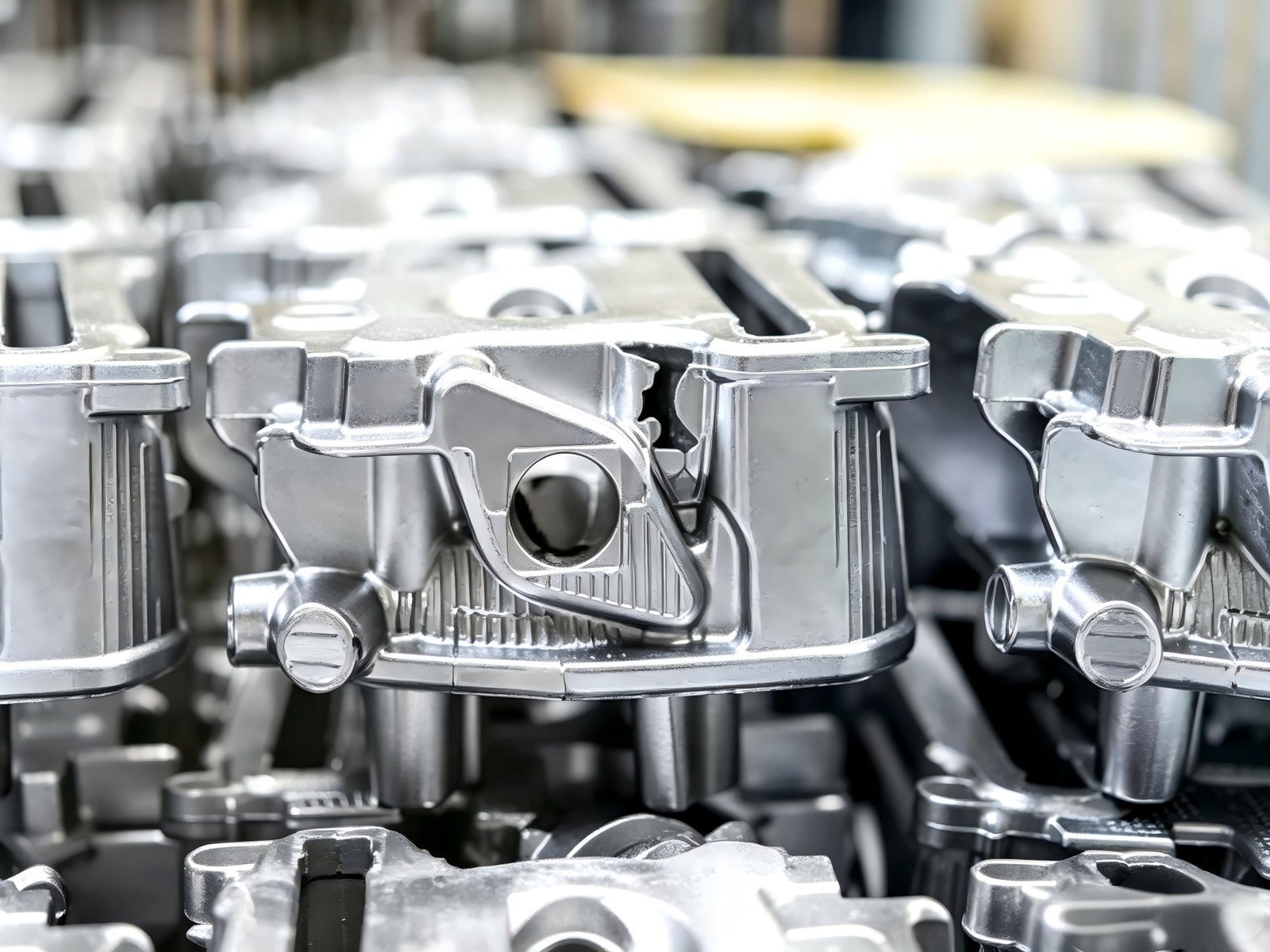
L'alliage d'aluminium A380 est un alliage haute performance aluminium-silicium-cuivre (Al-Si-Cu) alliage de coulée spécialement développé pour casting à haute pression (HPDC). Il est désigné sous l'Association de l'Aluminium (AA) standard et est devenu la référence de l'industrie pour la fabrication de composants complexes en aluminium avec une excellente précision dimensionnelle.
Les fabricants utilisent l'A380 pour produire des composants à parois minces, géométries complexes, et des tolérances serrées tout en maintenant une excellente efficacité de production. L'alliage remplit rapidement les cavités complexes du moule lors du moulage sous pression., réduire les défauts tels que le retrait, porosité, et remplissage incomplet.
Aujourd'hui, L'aluminium A380 est largement utilisé dans les industries, notamment:
Automobile
Véhicules électriques (VÉ)
Électronique grand public
Télécommunications
Automatisation industrielle
Matériel médical
Appareils électroménagers
Robotique
Éclairage LED
Outils électriques
Sa polyvalence en fait l'un des premiers choix de matériaux pour les ingénieurs développant des composants en aluminium légers mais durables..
Composition chimique de l'aluminium A380
La composition chimique typique est indiquée ci-dessous.
| Élément | Contenu typique | Fonction principale |
| Aluminium (Al) | Équilibre | Métal de base léger résistant à la corrosion |
| Silicium (Et) | 7.5–9,5% | Améliore la fluidité, résistance à l'usure, et coulabilité |
| Cuivre (Cu) | 3.0–4,0% | Augmente la résistance et la dureté |
| Fer (Fe) | Jusqu'à 1.3% | Réduit le collage de la matrice et améliore le démoulage |
| Zinc (Zn) | Jusqu'à 3.0% | Contribue à la force |
| Magnésium (Mg) | Jusqu'à 0.10% | Améliore la dureté et la résistance mécanique |
| Manganèse (Mn) | Jusqu'à 0.50% | Améliore la ténacité et réduit la fragilité |
| Nickel, Étain, Titane & Autres | Tracer | Améliorer les caractéristiques de performance spécialisées |
Aluminium (Al)
L'aluminium sert d'élément principal, représentant environ 80 à 90 % de l'alliage. Il offre les caractéristiques de légèreté qui rendent l'aluminium idéal pour remplacer l'acier dans de nombreuses applications d'ingénierie..
La couche d'oxyde d'aluminium formée naturellement offre également une bonne résistance à la corrosion dans de nombreux environnements d'exploitation..
Silicium (Et)
Le silicium est l'élément d'alliage le plus important de l'A380.
Ses principaux avantages comprennent:
Flux de métal fondu amélioré
Meilleur remplissage du moule
Retrait de coulée réduit
Résistance à l'usure plus élevée
Stabilité dimensionnelle améliorée
La teneur relativement élevée en silicium permet aux fabricants de produire des composants moulés sous pression très détaillés avec des parois minces et des caractéristiques internes complexes..
Cuivre (Cu)
Le cuivre augmente considérablement la résistance mécanique de l’alliage.
Les avantages:
Résistance à la traction plus élevée
Dureté accrue
Meilleure résistance à la fatigue
Performances améliorées à haute température
Bien qu'une teneur plus élevée en cuivre puisse réduire légèrement la résistance à la corrosion par rapport à certains alliages à faible teneur en cuivre, le compromis offre des performances structurelles beaucoup plus solides.
Fer (Fe)
Le fer est intentionnellement contrôlé dans une plage spécifique.
Sa fonction principale est de réduire la soudure entre l'aluminium fondu et les matrices en acier lors du moulage sous pression..
Fer excessif, cependant, peut réduire la ductilité et augmenter la fragilité, rendant essentiel un contrôle précis de la composition.
Magnésium (Mg)
Bien que le magnésium soit présent en quantités relativement faibles, cela contribue à:
Dureté accrue
Meilleure force
Résistance à l’usure améliorée
Son effet complète le renforcement apporté par le cuivre.
Zinc (Zn)
Le zinc apporte un renforcement supplémentaire tout en conservant une bonne coulabilité.
Les fabricants contrôlent soigneusement la teneur en zinc, car des quantités excessives peuvent affecter négativement les performances de corrosion à long terme..
Manganèse (Mn)
Le manganèse contribue à améliorer la ténacité et affine la structure interne du grain.
Il minimise également les effets nocifs d'un excès de fer en modifiant les phases intermétalliques au sein de l'alliage..
Propriétés mécaniques de l'aluminium A380
| Propriété | Valeur typique |
| Résistance à la traction | 310–345 MPa |
| Limite d'élasticité | 140–170 MPa |
| Élongation | 1–3% |
| Dureté Brinell | 80–95 HB |
| Densité | 2.71 g/cm³ |
| Module élastique | Environ 71 GPa |
| Résistance au cisaillement | Environ 180 MPa |
| Résistance à la fatigue | Autour 140 MPa |
Ces propriétés rendent l'A380 adapté aux applications structurelles qui nécessitent des performances mécaniques fiables tout en minimisant le poids global..
Propriétés physiques de l'alliage d'aluminium A380
En plus de ses excellentes performances mécaniques, L'alliage d'aluminium A380 offre un ensemble bien équilibré de propriétés physiques qui le rendent adapté aux applications d'ingénierie exigeantes. Ces caractéristiques contribuent à une gestion efficace de la chaleur, stabilité dimensionnelle, et une durabilité à long terme dans une large gamme d'environnements d'exploitation.
| Propriété | Valeur typique |
| Densité | 2.71 g/cm³ |
| Plage de fusion | 555–595°C (1,031–1 103°F) |
| Conductivité thermique | 96–105 W/m·K |
| Conductivité électrique | Environ 23 à 28 % du SIGC |
| Coefficient de dilatation thermique | 21–22 × 10⁻⁶ /°C |
| Capacité thermique spécifique | Environ 960 J/kg·K |
Ces finitions améliorent considérablement la résistance à la corrosion en milieu humide, côtier, ou environnements chimiquement agressifs.
Pourquoi l'A380 est l'alliage d'aluminium préféré pour le moulage sous pression
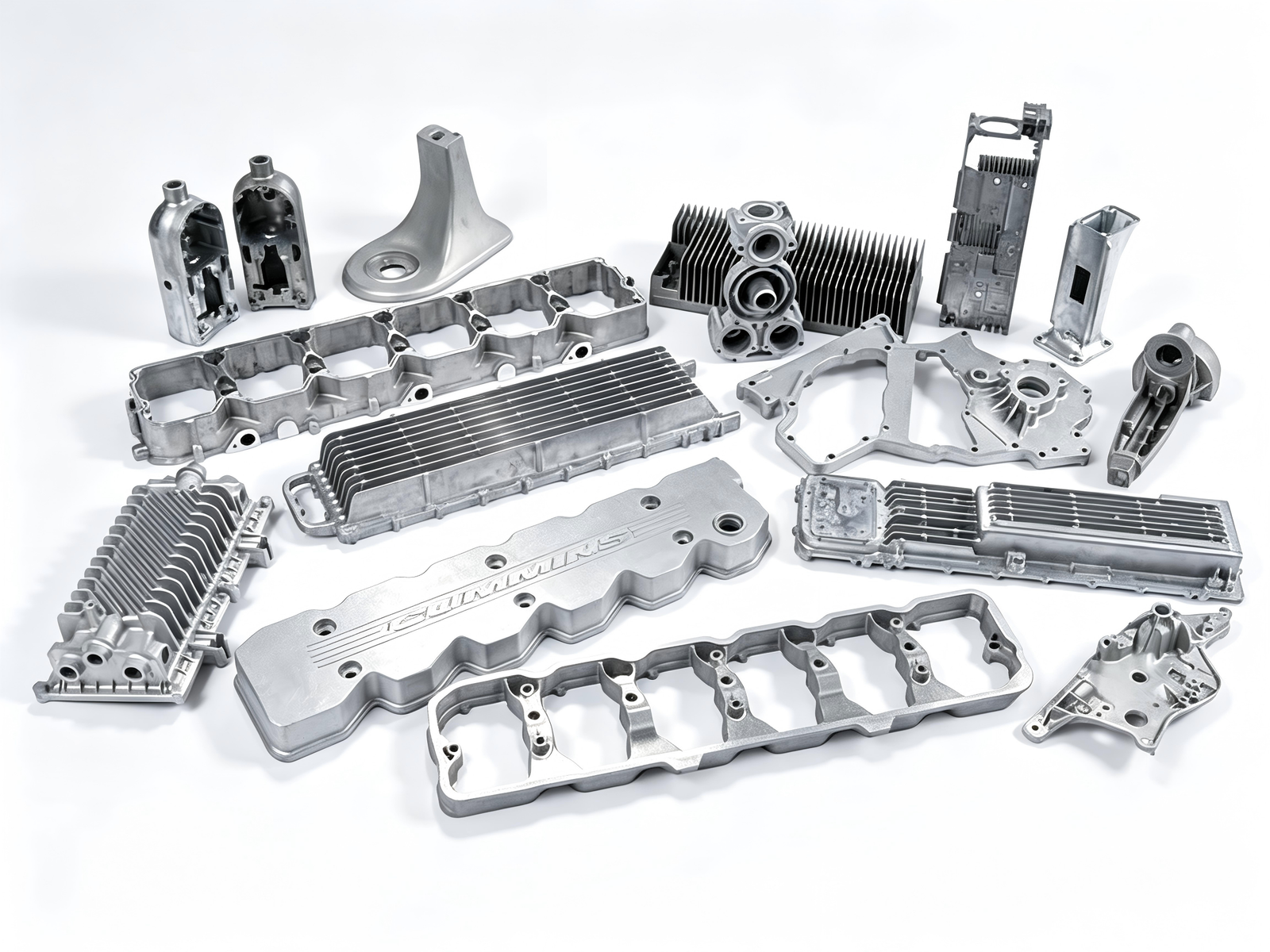
Parmi des centaines d'alliages d'aluminium disponibles aujourd'hui, L'A380 reste la norme industrielle pour le moulage sous pression haute pression.
Sa popularité n’est pas fortuite. L'alliage offre un équilibre exceptionnel entre l'efficacité de fabrication, performances mécaniques, et coût de production.
Fluidité de coulée exceptionnelle
L’un des plus grands atouts de l’A380 est son excellente fluidité à l’état fondu..
Lors du moulage sous pression à haute pression, l'aluminium fondu doit rapidement remplir les cavités complexes du moule avant que la solidification ne commence.
La forte teneur en silicium de l’A380 lui permet de:
Remplir des sections extrêmement fines
Reproduire des géométries complexes
Formez des côtes et des bosses complexes
Minimiser les arrêts à froid
Réduire les erreurs d'exécution
Cela donne aux concepteurs une plus grande liberté lors du développement de composants légers et hautement intégrés..
Excellentes performances de remplissage de matrices
Le moulage sous pression haute pression implique souvent des composants avec:
Murs fins
Cavités profondes
Plusieurs fonctionnalités de montage
Canaux de refroidissement internes
Nervures structurelles complexes
L'A380 s'écoule en douceur sous la pression d'injection, garantissant un remplissage complet du moule, même dans des matrices compliquées.
Par conséquent, Les fabricants atteignent:
Des taux de rendement plus élevés
Meilleure finition de surface
Taux de défauts inférieurs
Efficacité de production accrue
Faible retrait pendant la solidification
Le retrait de coulée est une source majeure de défauts dans les composants métalliques.
Parce que l'A380 présente un retrait de solidification relativement faible, les fabricants rencontrent moins de problèmes tels que:
Porosité interne
Marques d'évier en surface
Distorsion
Variation dimensionnelle
Cette caractéristique contribue directement à l’amélioration de la qualité des pièces et à la réduction des taux de rebut.
Excellente usinabilité
Bien que de nombreux composants moulés sous pression nécessitent un post-traitement minimal, certaines fonctionnalités nécessitent encore un usinage secondaire.
Les exemples incluent:
Trous de précision
Sièges de roulement
Trous filetés
Surfaces d'étanchéité
Faces de montage critiques
L'A380 usine facilement à l'aide d'un équipement CNC conventionnel.
Sa bonne usinabilité offre plusieurs avantages:
Vitesses de coupe plus rapides
Durée de vie de l'outil plus longue
Meilleure finition de surface
Coûts d’usinage réduits
Cela en fait un excellent choix pour les composants de précision nécessitant des tolérances serrées..
Efficacité de production élevée
Pour la production de masse, peu de matériaux égalent la productivité de l'A380.
Le moulage sous pression haute pression combiné à l'A380 permet:
Temps de cycle de seulement quelques secondes par pièce
Excellente répétabilité
Déchets de matériaux minimaux
Capacité d'automatisation élevée
Coûts de main-d'œuvre réduits
Ces avantages rendent l'A380 idéal pour fabriquer des centaines de milliers, voire des millions, de composants identiques chaque année..
Avantages de l'alliage d'aluminium A380
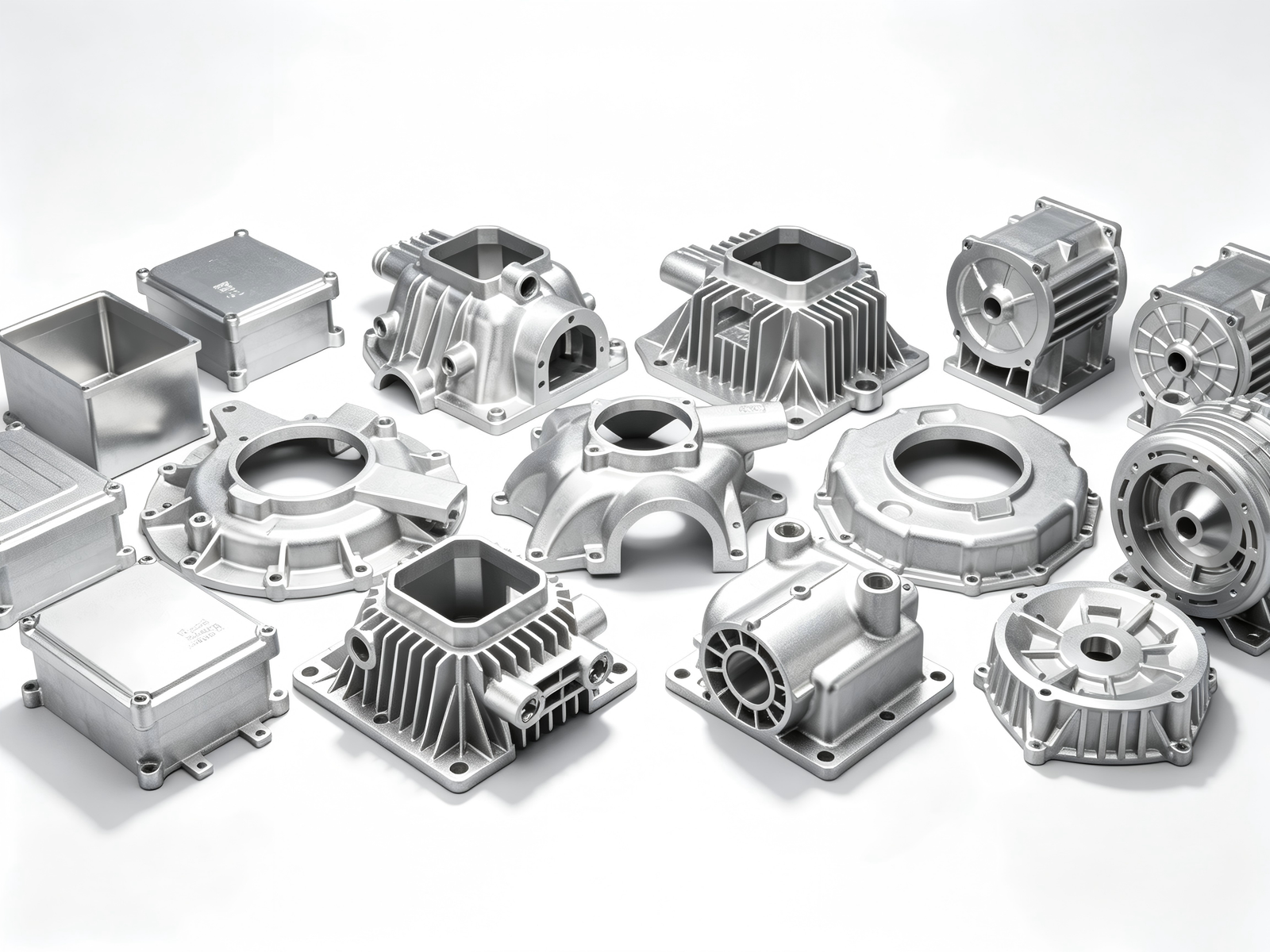
La combinaison d'excellentes caractéristiques de moulage et de propriétés mécaniques fiables a fait de l'A380 le matériau préféré de nombreuses industries..
1. Excellent rapport force / poids
L'A380 offre une résistance mécanique impressionnante tout en restant léger.
Par rapport aux composants en acier, les pièces moulées en aluminium peuvent réduire considérablement le poids total du produit sans compromettre l'intégrité structurelle.
Les avantages:
Économie de carburant améliorée
Coûts de transport réduits
Installation plus facile
Meilleure efficacité des équipements
2. Castabilité supérieure
L'A380 est spécialement conçu pour le moulage sous pression à haute pression.
Ses excellentes caractéristiques d'écoulement permettent aux fabricants de produire:
Composants à paroi mince
Géométries complexes
Structures internes complexes
Surfaces lisses
Précision dimensionnelle élevée
Cela réduit les besoins d'usinage et raccourcit le temps de production.
3. Excellente finition de surface
L'alliage produit des surfaces de coulée lisses directement à partir de la matrice.
Par conséquent, de nombreux composants nécessitent peu ou pas de finition supplémentaire avant la peinture ou le revêtement.
Une meilleure finition de surface améliore également l'apparence du produit et améliore l'adhérence du revêtement..
4. Bonne résistance à l'usure
Grâce à sa teneur en silicium, L'A380 offre une meilleure résistance à l'usure que de nombreux autres alliages d'aluminium.
Cela le rend adapté aux composants exposés à des frottements ou à des contacts mécaniques répétés, tel que:
Carters d'engrenages
Corps de pompage
Capots moteur
Équipement industriel
5. Dissipation thermique fiable
Les appareils électroniques modernes génèrent des quantités importantes de chaleur.
L'A380 transfère efficacement la chaleur des composants sensibles, le rendre idéal pour:
Éclairage LED
Batteries
Electronique de puissance
Contrôleurs de moteur
Chauffer
6. Fabrication rentable
L'A380 est l'un des matériaux de moulage sous pression en aluminium les plus économiques disponibles..
Les économies de coûts proviennent de plusieurs facteurs:
Efficacité de production élevée
Excellent remplissage du moule
Faible taux de rebut
Usinage réduit
Longue durée de vie
Matériau recyclable
Pour une production en grand volume, ces avantages peuvent réduire considérablement le coût global par pièce.
7. Excellente précision dimensionnelle
La précision est essentielle dans des secteurs tels que l'automobile, robotique, et électronique.
L'A380 produit systématiquement des composants avec:
Tolérances étroites
Excellente planéité
Dimensions stables
Qualité reproductible
Cela minimise les problèmes d'assemblage et améliore la fiabilité globale du produit..
8. Hautement recyclable
Comme la plupart des alliages d'aluminium, L'A380 est entièrement recyclable.
L'aluminium recyclé ne nécessite qu'une fraction de l'énergie nécessaire à la production d'aluminium primaire., ce qui en fait un choix respectueux de l'environnement pour une fabrication durable.
Limites de l'alliage d'aluminium A380
Même si l'A380 est très polyvalent, aucun matériau n'est parfait. Comprendre ses limites aide les ingénieurs à sélectionner l'alliage le plus adapté à chaque application.
Ductilité limitée
Par rapport aux alliages d'aluminium corroyés, L'A380 a un allongement relativement faible.
Il fonctionne bien sous des charges statiques mais est moins adapté aux applications nécessitant une déformation ou une résistance aux chocs importante..
Pas idéal pour le soudage
En raison de sa teneur en silicium et en cuivre, L'A380 n'est généralement pas recommandé pour le soudage structurel.
Les joints soudés peuvent subir:
Résistance réduite
Porosité accrue
Craquage
Performances de fatigue réduites
Pour structures soudées, les alliages d'aluminium forgé tels que les séries 5xxx ou 6xxx sont souvent de meilleurs choix.
Résistance modérée à la corrosion
Bien que l'A380 résiste bien à la corrosion dans la plupart des environnements industriels, ce n'est pas la meilleure option pour une exposition continue à l'eau de mer ou à des produits chimiques hautement corrosifs.
Dans de telles conditions, les revêtements de surface protecteurs sont fortement recommandés.
Capacité de traitement thermique limitée
Contrairement à certains alliages de coulée, L'A380 est principalement utilisé à l'état brut de coulée..
Même si certains traitements thermiques sont possibles, l'alliage ne répond pas aussi efficacement que les alliages tels que l'A356, spécialement conçus pour le traitement thermique.
Partie suivante: A380 contre. A360 contre. A383 contre. ADC12, Processus de fabrication, Options de finition de surface, Applications, Conseils de conception, FAQ, et conclusion.
A380 contre. A360 contre. A383 contre. ADC12
Choisir le bon alliage d'aluminium est l'une des décisions les plus importantes dans un projet de moulage sous pression. Alors que l'A380 est souvent considéré comme le standard de l'industrie, d'autres alliages tels que l'A360, A383, et ADC12 présentent chacun des avantages uniques en fonction de l'application.
La comparaison suivante peut aider les ingénieurs et les responsables des achats à sélectionner l'alliage le plus approprié en fonction de ses performances., fabrication, et le coût.
| Propriété | A380 | A360 | A383 | ADC12 |
| Étalon primaire | ASTM | ASTM | ASTM | Il est |
| Castabilité | Excellent | Bien | Excellent | Excellent |
| Fluidité | Excellent | Bien | Remarquable | Excellent |
| Résistance mécanique | Haut | Haut | Moyen-élevé | Moyen-élevé |
| Résistance à la corrosion | Bien | Excellent | Bien | Bien |
| Étanchéité à la pression | Excellent | Excellent | Très bien | Bien |
| Usinabilité | Excellent | Bien | Excellent | Excellent |
| Dissipation de chaleur | Bien | Bien | Bien | Bien |
| Applications typiques | Automobile, électronique, machinerie | Marin, aérospatial, pièces étanches à la pression | Pièces moulées à paroi mince | Électronique grand public, automobile |
Processus de fabrication des pièces en aluminium de l'A380
L'une des raisons pour lesquelles l'A380 reste si populaire est sa compatibilité avec plusieurs processus de fabrication.. Bien que le moulage sous pression à haute pression soit la principale méthode de production, plusieurs opérations secondaires sont généralement effectuées pour atteindre les spécifications finales.
Moulage sous pression haute pression
Casting à haute pression (HPDC) est le procédé de fabrication préféré pour l'alliage d'aluminium A380.
Pendant ce processus:
L'aluminium est fondu dans un four.
Le métal en fusion est injecté dans une matrice en acier trempé sous haute pression.
Le métal se solidifie rapidement à l'intérieur du moule.
Le casting est éjecté.
Portes, coureurs, et le flash sont coupés.
La pièce passe à un usinage secondaire ou à une finition si nécessaire.
Avantages du HPDC
Vitesse de production élevée
Excellente précision dimensionnelle
Finition de surface lisse
Capacité à paroi mince
Faible coût par pièce en production de masse
Excellente répétabilité
Ces avantages rendent HPDC idéal pour produire de grandes quantités de composants de précision en aluminium..
Usinage CNC
Bien que le moulage sous pression produise des pièces de forme presque nette, de nombreux composants nécessitent encore un usinage de précision.
Les opérations d'usinage courantes comprennent:
Fraisage
Tournant
Forage
Alésage
Ennuyeux
Taraudage
Caractéristiques critiques telles que les sièges de roulement, trous filetés, surfaces d'étanchéité, et les faces de montage de précision sont généralement finies par usinage CNC.
Forage et tapotement
De nombreux composants de l'A380 nécessitent des trous filetés pour l'assemblage.
Grâce à son excellente usinabilité, L'A380 permet:
Positionnement précis du trou
Formation de fils propre
Usure réduite des outils
Efficacité d'usinage élevée
Cela rend l'alliage particulièrement adapté aux composants assemblés avec des vis, boulons, ou inserts.
Broyage de surface
Le meulage de surface est utilisé lorsque des surfaces d'étanchéité ou de montage exceptionnellement plates sont requises.
Les applications typiques incluent:
Corps de pompe
Corps de vannes hydrauliques
Composants du compresseur
Équipement de précision
Le meulage améliore la planéité et garantit une bonne performance d'étanchéité.
Options de finition de surface pour l'aluminium A380
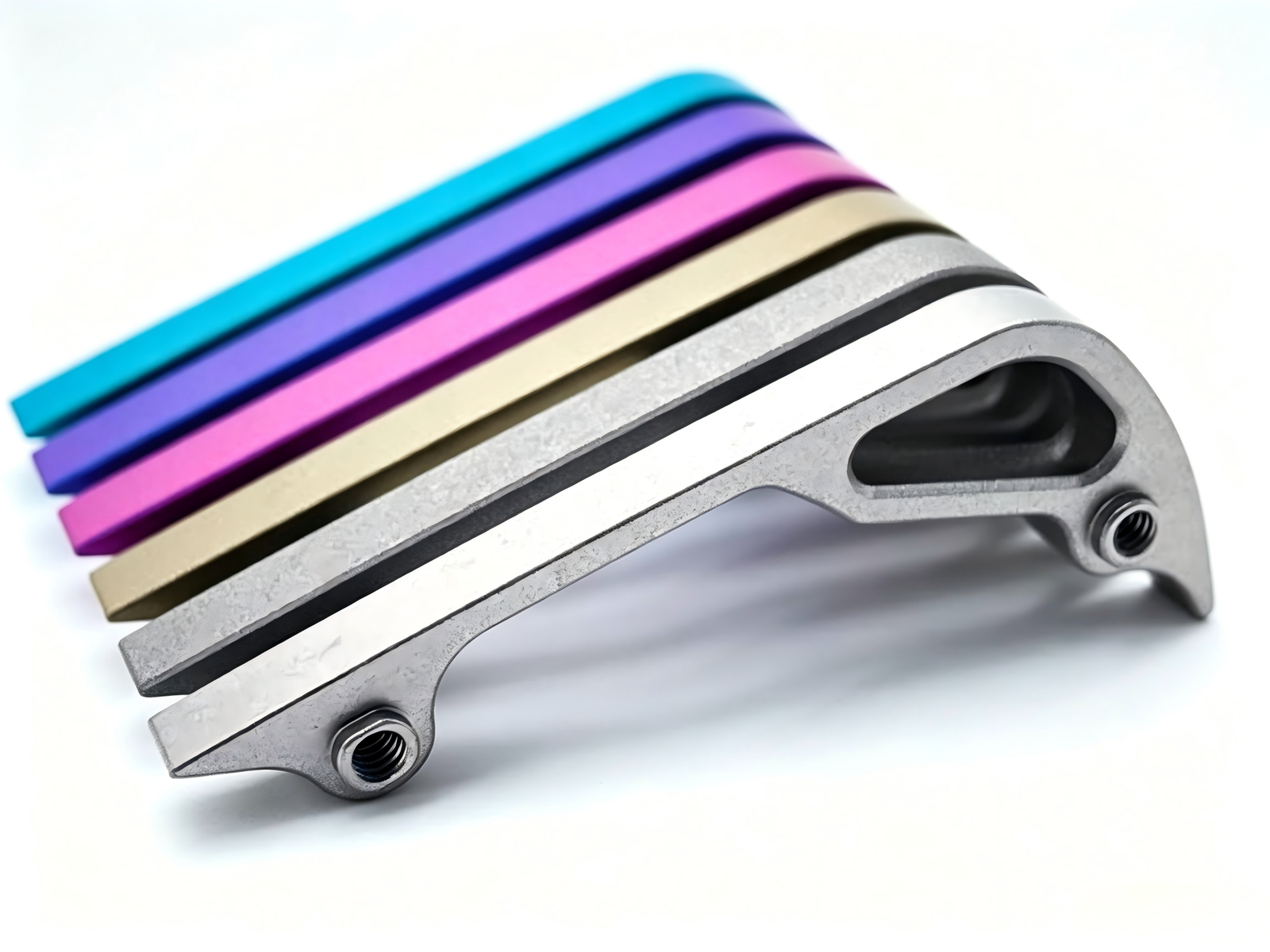
Même si l'A380 résiste naturellement à la corrosion, de nombreux produits nécessitent un traitement de surface supplémentaire pour améliorer l'apparence, durabilité, ou résistance environnementale.
Revêtement en poudre
Le revêtement en poudre est l'une des méthodes de finition les plus courantes.
Les avantages incluent:
Excellente résistance à la corrosion
Aspect attrayant
Durabilité élevée
Large gamme de couleurs
Bonne résistance aux chocs
Il est largement utilisé pour les pièces automobiles, équipement industriel, et produits d'extérieur.
Peinture
La peinture liquide offre des finitions décoratives et protectrices tout en permettant aux fabricants de répondre aux exigences de couleur spécifiques des clients..
Les applications incluent:
Boîtiers d'appareils
Produits de consommation
Équipement industriel
Composants automobiles
Revêtement électrophorétique (Revêtement électronique)
Le revêtement électronique crée une couche protectrice très uniforme, Même sur les géométries complexes.
Ses avantages incluent:
Excellente protection contre la corrosion
Épaisseur de revêtement uniforme
Forte adhérence
Processus respectueux de l'environnement
Il est couramment utilisé pour les applications automobiles et industrielles.
Revêtement de conversion chimique
Également connu sous le nom de revêtement de conversion chromate ou trivalent, cette finition:
Améliore la résistance à la corrosion
Améliore l'adhérence de la peinture
Fournit une conductivité électrique pour les applications de mise à la terre
Il est largement utilisé pour enclos électroniques et matériel de communication.
Placage autocatalytique au nickel
Le nickelage fournit:
Résistance à l'usure supérieure
Résistance à la corrosion améliorée
Dureté améliorée
Aspect métallique attrayant
Il est souvent choisi pour les composants industriels de précision soumis à une usure répétée..
Grenaillage
Le grenaillage élimine les imperfections de la surface tout en créant une texture mate uniforme.
Les avantages:
Apparence améliorée
Meilleure adhérence du revêtement
Élimination du flash et de l'oxyde
Qualité de surface constante
Polissage
Pour applications décoratives, le polissage produit une surface plus lisse et plus attrayante.
Bien que l'A380 ne puisse pas obtenir la finition miroir de certains alliages d'aluminium forgé, le polissage améliore considérablement l'esthétique du produit avant la peinture ou le revêtement.
Dans le dernière partie, nous couvrirons:
Applications courantes de l'alliage d'aluminium A380
Conseils de conception pour les pièces moulées sous pression de l’A380
15 FAQ optimisées pour le référencement
Conclusion avec un puissant appel à l'action B2B pour la conversion des demandes
Applications courantes de l'alliage d'aluminium A380
Composants automobiles
L'industrie automobile est le plus gros consommateur d'alliage d'aluminium A380. Alors que les constructeurs automobiles continuent de réduire le poids pour améliorer le rendement énergétique et étendre l’autonomie des véhicules électriques (VÉ), les moulages sous pression en aluminium remplacent les composants traditionnels en acier et en fer.
Les applications automobiles typiques incluent:
Supports de moteur
Boîtiers de transmission
Couvercles de boîte de vitesses
Corps de pompe à huile
Carters moteur
Carters d'alternateur
Composants du système de direction
ÉCU (Unité de contrôle électronique) logements
Boîtiers de batteries
Embouts de moteur de véhicule électrique
L’excellent rapport résistance/poids de l’A380 permet aux constructeurs de réduire le poids du véhicule sans compromettre les performances structurelles.
Electronique grand public
Les appareils électroniques modernes génèrent une chaleur importante tout en nécessitant un format compact, boîtiers légers. L'aluminium A380 offre une excellente conductivité thermique et une précision dimensionnelle, ce qui le rend idéal pour les composants électroniques de précision.
Les applications courantes incluent:
Chauffer
Boîtiers d'éclairage LED
Boîtiers d'alimentation
Boîtiers pour équipements de communication
Boîtiers pour appareils réseau
Composants matériels informatiques
Enceintes pour équipements audio
Sa capacité à dissiper efficacement la chaleur contribue à améliorer la fiabilité et la durée de vie des produits électroniques..
Machines industrielles
Les équipements industriels fonctionnent souvent dans des conditions exigeantes impliquant des vibrations, charges mécaniques, et des températures élevées. L'aluminium A380 offre la durabilité et la stabilité nécessaires à ces environnements.
Les applications industrielles typiques incluent:
Corps de pompe
Corps de vannes
Composants du compresseur
Équipement hydraulique
Carters d'engrenages
Pièces du système pneumatique
Châssis d'équipement d'automatisation
Carters de moteurs industriels
L'excellente usinabilité de l'alliage facilite également la production de surfaces de montage et de caractéristiques filetées de précision..
Véhicules électriques (VÉ)
À mesure que le marché des véhicules électriques se développe, L'aluminium A380 est devenu de plus en plus important pour les composants légers de gestion structurelle et thermique..
Les applications courantes des véhicules électriques incluent:
Composants du boîtier de batterie
Boîtiers d'onduleur
Boîtiers de système de charge
Carters de moteurs électriques
Composants du système de refroidissement
Unités de distribution d'énergie
Boîtiers de convertisseur DC/DC
Sa combinaison de construction légère et de dissipation efficace de la chaleur contribue à améliorer les performances du véhicule et l'efficacité de la batterie..
Appareils électroménagers
De nombreux appareils électroménagers contiennent des pièces en aluminium moulé sous pression car elles allient durabilité et aspect attrayant..
Les exemples incluent:
Châssis de machine à laver
Boîtiers de compresseur de climatiseur
Pièces de compresseur de réfrigérateur
Composants de machine à café
Boîtiers d'aspirateur
Cadres pour appareils de cuisine
L'A380 permet aux fabricants de produire des pièces complexes avec une excellente cohérence dans le cadre d'une production en grand volume.
Robotique et automatisation
Les robots industriels nécessitent des composants structurels légers mais rigides pour atteindre des vitesses élevées., mouvement précis.
Les applications typiques incluent:
Articulations du bras du robot
Carters de servomoteurs
Supports d'effecteur terminal
Châssis d'équipement d'automatisation
Boîtiers pour système de vision
La stabilité dimensionnelle de l'alliage garantit une précision de positionnement constante lors d'un fonctionnement à long terme.
Conseils de conception pour les pièces moulées sous pression de l’A380
La sélection du bon alliage n'est qu'une partie d'un projet de moulage sous pression réussi. Une bonne conception des pièces joue un rôle tout aussi important dans l’obtention de pièces moulées de haute qualité, minimiser les défauts, et réduire les coûts de production.
Vous trouverez ci-dessous plusieurs recommandations de conception clés lorsque vous travaillez avec l'alliage d'aluminium A380..
Maintenir une épaisseur de paroi uniforme
L'épaisseur de paroi uniforme favorise un écoulement uniforme du métal et un refroidissement constant pendant la solidification.
De grandes variations dans l’épaisseur des parois peuvent entraîner:
Porosité de retrait
Marques d'évier
Gauchissement
Stress résiduel
Chaque fois que possible, les concepteurs doivent maintenir une épaisseur de paroi constante dans toute la pièce.
Ajouter des angles de dépouille appropriés
Les angles de dépouille permettent à la pièce moulée d'être éjectée en douceur de la matrice sans endommager le composant ou le moule.
Les projets de recommandations typiques sont:
Surfaces externes: 1–2°
Surfaces internes: 2–3°
Un tirage adéquat prolonge également la durée de vie de la matrice et réduit les coûts de maintenance.
Utiliser des rayons de congé généreux
Les coins internes pointus concentrent les contraintes et limitent le flux de métal en fusion.
L'ajout de congés aide:
Améliorer le flux de métal
Réduire les fissures
Augmenter la résistance à la fatigue
Prolonger la durée de vie des matrices
Les transitions arrondies produisent généralement des moulages plus solides et plus fiables.
Renforcez avec des nervures au lieu de murs épais
L'augmentation de l'épaisseur des parois n'est pas toujours le meilleur moyen d'améliorer la résistance..
Plutôt, les concepteurs utilisent souvent des nervures de renforcement, qui fournissent:
Rigidité plus élevée
Utilisation réduite des matériaux
Poids réduit
Meilleure qualité de coulée
Cette approche minimise également les défauts de retrait.
Concevoir les patrons avec soin
Les bossages sont couramment utilisés pour les vis, inserts, et attaches.
Une bonne conception du patron doit inclure:
Support mural adéquat
Transitions fluides
Angles de dépouille appropriés
Espacement suffisant des murs extérieurs
Cela aide à prévenir les fissures et améliore le remplissage du moule..
Minimiser l'usinage secondaire
Le moulage sous pression A380 peut atteindre une excellente précision dimensionnelle. Chaque fois que possible, les ingénieurs doivent concevoir des pièces qui minimisent les opérations de post-usinage.
La réduction de l'usinage permet de réduire:
Coûts de production
Délai de fabrication
Usure
Déchets de matériaux
Une collaboration précoce entre l'équipe de conception et le fabricant de moulage sous pression peut optimiser la géométrie des pièces pour le moulage et l'usinage..
FQAs
1. Qu'est-ce que l'alliage d'aluminium A380?
L'A380 est un alliage aluminium-silicium-cuivre spécialement développé pour le moulage sous pression haute pression.. Il offre une excellente combinaison de force, coulabilité, résistance à la corrosion, et machinabilité.
2. Pourquoi l'A380 est-il l'alliage de moulage sous pression le plus populaire?
L'A380 offre un équilibre exceptionnel de propriétés mécaniques, efficacité de fabrication, et le coût, ce qui le rend adapté à une grande variété d’industries et d’applications.
3. L'A380 est-il plus résistant que l'A383?
En général, Oui. L'A380 offre généralement une résistance mécanique plus élevée, tandis que l'A383 offre une meilleure fluidité pour les pièces moulées à paroi mince et très complexes..
4. Quel est l'équivalent de l'aluminium A380?
Les équivalents courants incluent:
ADC10 (Norme japonaise JIS)
LM24 (Norme britannique)
Bien que semblable, les compositions chimiques exactes et les caractéristiques de performance peuvent varier en fonction de la norme applicable.
5. L'aluminium A380 peut-il être usiné CNC?
Oui. L'A380 a une excellente usinabilité et est généralement usiné après la coulée pour produire des trous de précision, fils de discussion, surfaces d'étanchéité, et caractéristiques de montage.
6. L'aluminium A380 peut-il être soudé?
En général, L'A380 n'est pas recommandé pour le soudage structurel en raison de sa teneur relativement élevée en silicium et en cuivre., ce qui peut augmenter le risque de porosité et de fissuration.
7. L'aluminium A380 peut-il être anodisé?
L'A380 peut être anodisé, mais en raison de sa teneur relativement élevée en silicium, la finition est généralement plus foncée et moins décorative que les alliages forgés anodisés tels que 6061 ou 6063. Le revêtement en poudre ou le nickelage autocatalytique sont souvent préférés lorsque l’apparence est importante.
8. L'A380 est-il adapté aux applications extérieures?
Oui. L'A380 offre une bonne résistance à la corrosion dans les environnements extérieurs. Pour une exposition prolongée à l’humidité, brouillard salin, ou produits chimiques, l'application d'un revêtement de surface approprié est recommandée pour maximiser la durabilité.
9. Quelles industries utilisent l'alliage d'aluminium A380?
L'A380 est largement utilisé dans:
Automobile
Véhicules électriques
Électronique
Machines industrielles
Télécommunications
Matériel médical
Appareils grand public
Robotique
Éclairage LED
10. L'aluminium de l'A380 est-il recyclable?
Oui. Comme la plupart des alliages d'aluminium, L'A380 est 100% recyclable. Le recyclage de l'aluminium consomme beaucoup moins d'énergie que la production d'aluminium primaire., ce qui en fait un choix de matériau respectueux de l'environnement.
Conclusion
Si vous envisagez un nouveau projet de moulage sous pression, le partenariat avec un fabricant expérimenté est tout aussi important que la sélection du bon alliage. Un fournisseur expérimenté peut fournir une assistance avec optimisation de la conception, développement de moisissures, moulage sous pression, Usinage CNC, finition de surface, et contrôle qualité, vous aider à réduire les coûts, raccourcir les délais, et garantir une qualité de produit constante.
Vous recherchez un fabricant fiable de moulage sous pression en aluminium A380 personnalisé? Contactez notre équipe d’ingénierie dès aujourd’hui pour discuter de votre projet. Nous proposons des solutions de fabrication à guichet unique, de la revue de conception et de l'outillage à l'usinage et à la finition de précision, garantir que vos composants répondent aux normes de qualité et de performance les plus élevées.


