



Par rapport à l'aluminium, laiton, et de l'acier, Zamak offre un équilibre unique de force, qualité de surface, et l'efficacité de la fabrication. Son faible point de fusion permet des cycles de production rapides, ce qui le rend idéal pour le moulage sous pression de grands volumes sans sacrifier la précision ou la durabilité.
Dans ce guide, vous apprendrez ce qu'est l'alliage Zamak, sa composition chimique, les différences entre les qualités communes de Zamak, propriétés mécaniques clés, avantages de fabrication, candidatures, et comment choisir le bon alliage pour votre prochain projet.
Qu'est-ce que l'alliage Zamak?
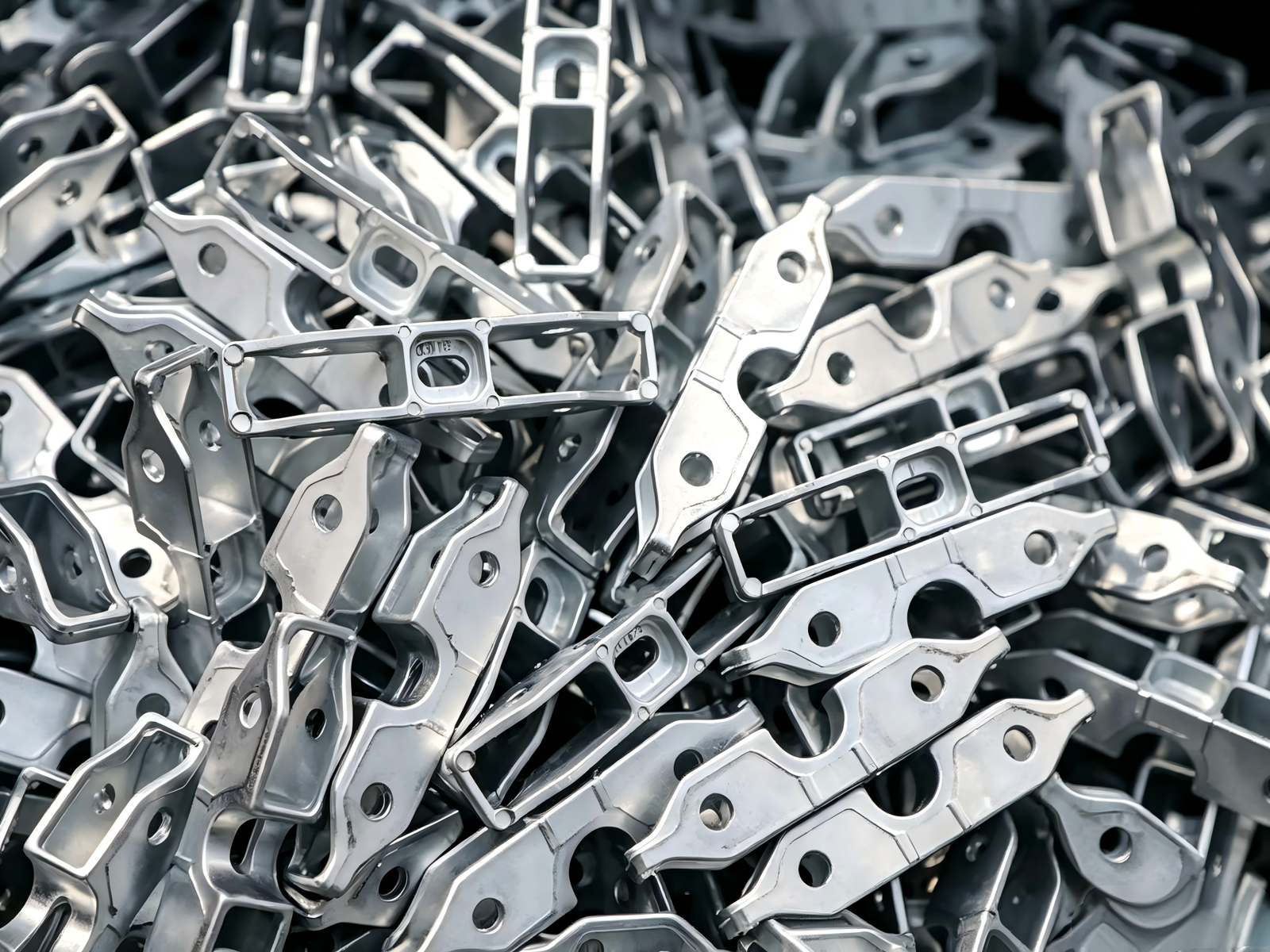
Le Zamak est une famille d'alliages à base de zinc principalement composé de zinc, aluminium, magnésium, et du cuivre. Le nom « Zamak » provient des noms allemands de ses éléments d'alliage.:
- Z– Zinc (Zinc)
- UN– Aluminium
- MA– Magnésium
- K- Cuivre (Cuivre)
Développé dans les années 1920, Le Zamak est rapidement devenu la norme de l'industrie pour moulage sous pression de zinc en raison de ses excellentes caractéristiques de coulée et de ses performances mécaniques fiables.
Contrairement au zinc pur, qui est relativement mou et inadapté aux applications structurelles, Les alliages Zamak offrent une résistance considérablement améliorée, dureté, et résistance à la corrosion. Ces propriétés permettent aux industriels de produire des pièces complexes à parois fines, géométries complexes, et des tolérances serrées tout en minimisant l'usinage secondaire.
Aujourd'hui, Les alliages Zamak sont utilisés dans un large éventail d'industries, y compris l'automobile, électronique, Équipement médical, quincaillerie pour meubles, équipement industriel, et produits de consommation.
Composition chimique et qualités courantes de Zamak
Bien que tous les alliages Zamak soient à base de zinc, petits changements dans l'aluminium, cuivre, et la teneur en magnésium entraînent différentes propriétés mécaniques et applications.
Composition chimique typique
| Élément | Contenu typique | Fonction principale |
| Zinc (Zn) | 95–96% | Métal de base offrant une excellente coulabilité |
| Aluminium (Al) | 3.5–4,3% | Améliore la force, dureté, et résistance à la corrosion |
| Magnésium (Mg) | 0.03–0,06% | Améliore la stabilité dimensionnelle et réduit la fragilité |
| Cuivre (Cu) | 0–1,25% | Augmente la résistance à la traction et à l'usure |
| Fer, Plomb & Cadmium | Des traces | Strictement contrôlé pour maintenir la qualité et répondre aux normes environnementales |
Comparaison des qualités courantes de Zamak
| Alliage | Caractéristique principale | Applications typiques |
| les fardeaux 2 | Résistance et dureté les plus élevées | Composants industriels, engrenages, pièces de l'usure |
| les fardeaux 3 | Meilleur équilibre global entre performances et coût | Composants généraux moulés sous pression, automobile, électronique |
| les fardeaux 5 | Résistance supérieure à celle du Zamak 3 | Quincaillerie automobile, pièces mécaniques, serrures |
| les fardeaux 7 | Fluidité et finition de surface supérieures | Composants à parois minces et produits décoratifs |
les fardeaux 3
les fardeaux 3 est l’alliage de zinc moulé sous pression le plus utilisé dans le monde. Il offre une excellente stabilité dimensionnelle, résistance à la corrosion, et finition de surface tout en restant facile à couler et à usiner. Il convient à la plupart des applications commerciales et industrielles.
les fardeaux 5
les fardeaux 5 contient plus de cuivre que Zamak 3, résultant en une plus grande force, dureté, et résistance à l'usure. Il est couramment sélectionné pour les composants automobiles et les pièces mécaniques soumis à des charges plus élevées..
les fardeaux 2
Avec la teneur en cuivre la plus élevée parmi les qualités standards, les fardeaux 2 offre une dureté et une résistance au fluage exceptionnelles. Il est souvent utilisé pour l'outillage, engrenages, et composants industriels de précision.
les fardeaux 7
les fardeaux 7 améliore la fluidité de la coulée et l'aspect de la surface, ce qui le rend idéal pour les conceptions à parois minces et les produits décoratifs nécessitant des finitions haut de gamme.
Propriétés mécaniques et physiques
La popularité des alliages Zamak vient de leur excellent équilibre entre résistance mécanique et performances de fabrication..
| Propriété | Valeur typique |
| Résistance à la traction | 280–410 MPa |
| Limite d'élasticité | 210–330 MPa |
| Dureté | 82–120 HB |
| Densité | 6.6–6,8 g/cm³ |
| Point de fusion | 380–390°C |
| Conductivité thermique | Environ. 110 W/m·K |
| Conductivité électrique | Environ. 27% SIGC |
| Résistance à la corrosion | Excellent dans les environnements intérieurs et modérément humides |
Ces propriétés permettent aux composants Zamak de résister à des charges mécaniques répétées tout en conservant la précision dimensionnelle. L'alliage offre également un excellent amortissement des vibrations et une excellente résistance aux chocs, ce qui le rend adapté aux assemblages mécaniques et à la quincaillerie automobile.
Sa température de fusion relativement basse réduit la consommation d'énergie pendant la production et prolonge la durée de vie de la matrice., réduire les coûts de fabrication.
Pourquoi Zamak est idéal pour le moulage sous pression
Les alliages Zamak sont spécialement conçus pour le moulage sous pression à haute pression, ce qui en fait l'un des matériaux les plus efficaces pour la production de masse.
Excellente fluidité
Le Zamak fondu remplit rapidement des moules complexes, permettant aux fabricants de produire des formes complexes avec des parois fines et des détails fins.
Précision dimensionnelle élevée
Les pièces en Zamak moulées sous pression atteignent des tolérances serrées, réduire ou supprimer les opérations d'usinage secondaires.
Finition de surface exceptionnelle
La surface lisse produite par moulage sous pression convient au polissage, placage chromé, revêtement en poudre, peinture, ou galvanoplastie, améliorant à la fois l’apparence et la résistance à la corrosion.
Efficacité de production élevée
Parce que le Zamak fond à une température relativement basse, les cycles de production sont plus courts que ceux de nombreux autres matériaux de coulée. Cela permet aux fabricants de produire rapidement de grandes quantités de pièces tout en réduisant les coûts énergétiques..
Excellente usinabilité
Bien que de nombreux composants Zamak nécessitent peu de post-traitement, forage, fraisage, tapotement, et l'usinage CNC peut être effectué efficacement lorsque des tolérances plus strictes ou des fonctionnalités supplémentaires sont requises.
Durabilité
Les alliages Zamak sont 100% recyclable. Les déchets générés pendant la production peuvent être refondus et réutilisés sans perte significative des propriétés du matériau, réduire les déchets et soutenir une fabrication durable.
Avantages et limites des alliages Zamak
Avantages
Production rentable
La combinaison d'une faible température de fusion, temps de cycle rapide, et un usinage minimal font du Zamak l'un des matériaux les plus économiques pour le moulage sous pression.
Précision exceptionnelle
Géométries complexes, parois minces, et des caractéristiques détaillées peuvent être produites avec une précision remarquable, réduire les problèmes d’assemblage et améliorer la qualité des produits.
Excellente qualité de surface
Les pièces en Zamak conviennent bien aux finitions décoratives telles que le chromage, placage nickel, peinture, et revêtement en poudre.
Bonne résistance mécanique
Bien qu'il ne soit pas aussi résistant que l'acier, Zamak offre une résistance suffisante pour de nombreuses applications structurelles et mécaniques.
Résistance à la corrosion
La teneur en aluminium améliore la résistance à la corrosion, ce qui rend le Zamak adapté aux environnements intérieurs et à de nombreuses applications extérieures avec un traitement de surface approprié.
Respectueux de l'environnement
Sa recyclabilité totale favorise une fabrication durable tout en réduisant les coûts des matières premières.
Limites
Malgré ses avantages, Le Zamak ne convient pas à toutes les applications.
- Il n'est pas recommandé pour un service continu au-dessus d'environ 100-120°C car les propriétés mécaniques diminuent à des températures élevées..
- Le Zamak est plus lourd que l'aluminium, ce qui le rend moins adapté aux applications où une conception légère est essentielle.
- Il ne peut pas égaler la résistance structurelle de l'acier pour les composants fortement chargés.
- Pour environnements marins ou chimiques très corrosifs, une protection de surface supplémentaire est recommandée.
La sélection du bon matériau dépend des caractéristiques mécaniques de votre application., environnemental, et les exigences en matière de coûts.
Applications courantes des alliages Zamak
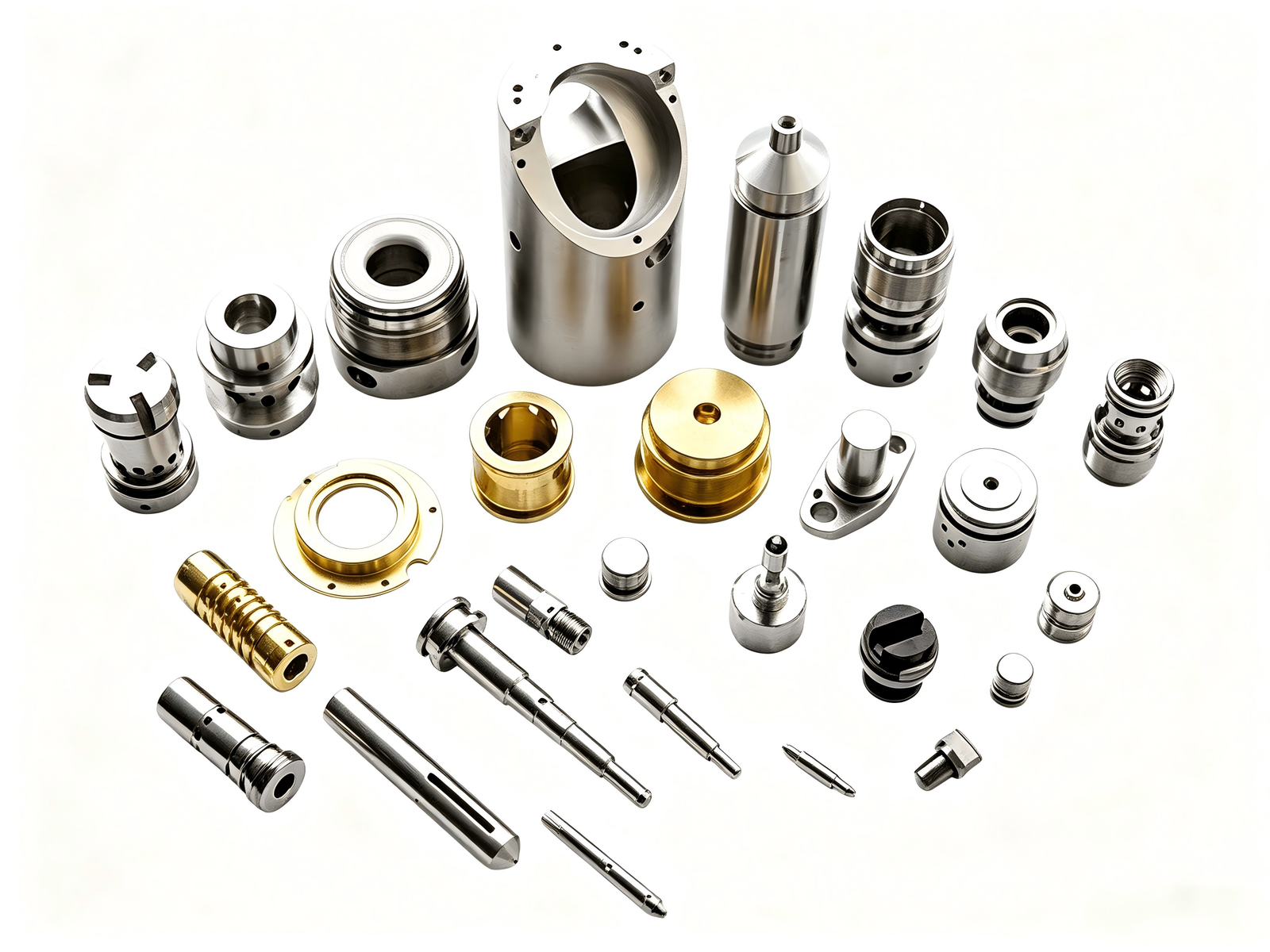
La polyvalence du Zamak le rend adapté à une grande variété d’industries.
Industrie automobile
Les constructeurs automobiles utilisent le Zamak pour les poignées de porte, composants de verrouillage, supports, emblèmes, boîtiers de rétroviseurs, et quincaillerie intérieure en raison de sa solidité, précision, et une excellente finition de surface.
Electronique grand public
Les produits électroniques utilisent souvent du Zamak pour les boîtiers de connecteurs, composants de la caméra, pièces de haut-parleur, et des boîtiers de blindage grâce à sa stabilité dimensionnelle et son aspect attrayant.
Meubles et quincaillerie architecturale
Poignées d'armoire, charnières, serrures, poignées de tiroir, accessoires de salle de bain, et la quincaillerie décorative utilisent fréquemment le Zamak en raison de sa durabilité et de sa capacité à accepter des finitions de surface de qualité supérieure..
Équipement industriel
Boîtiers de précision, composants de la machine, boutons de commande, engrenages, et les systèmes de fixation bénéficient de la résistance à l’usure et de la précision dimensionnelle du Zamak.
Produits de consommation
Le Zamak est couramment trouvé dans les outils électriques, luminaires, appareils de cuisine, produits de sport, et produits décoratifs qui nécessitent à la fois résistance et attrait esthétique.
Comment choisir le bon alliage Zamak
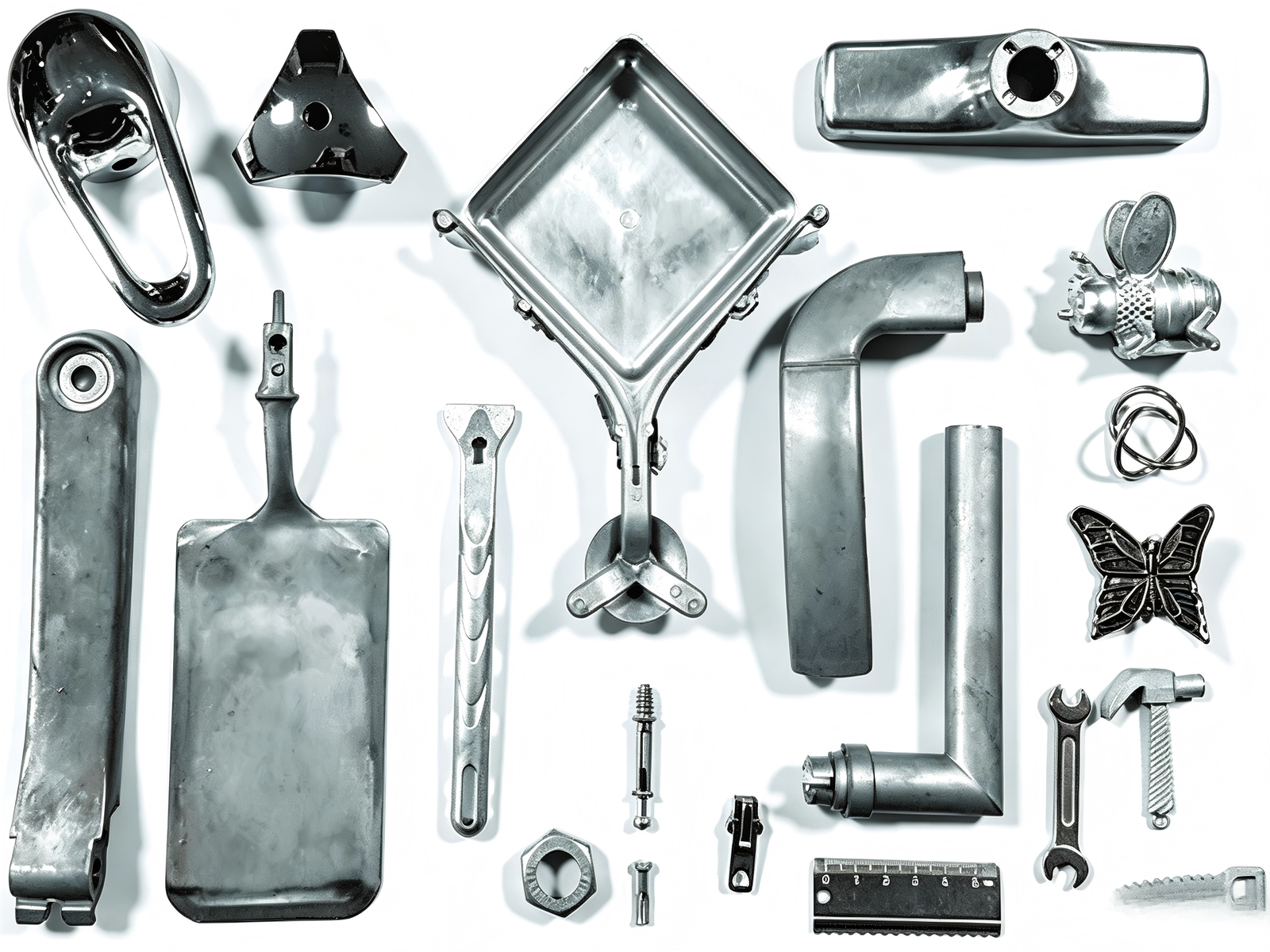
Le choix de l’alliage approprié dépend des exigences de performance de votre produit.
| Exigence | Alliage recommandé |
| Meilleures performances globales | les fardeaux 3 |
| Résistance et résistance à l'usure supérieures | les fardeaux 5 |
| Dureté maximale | les fardeaux 2 |
| Pièces à parois minces ou décoratives | les fardeaux 7 |
Lors de la sélection d'un matériau, les ingénieurs devraient considérer:
- Charge mécanique
- Température de fonctionnement
- Environnement corrosif
- Exigences de finition de surface
- Volume de production
- Coût de fabrication
Consulter un fabricant de moulage sous pression expérimenté pendant la phase de conception peut aider à optimiser la sélection des matériaux et à réduire les coûts de production..
Pourquoi choisir TOPS Precision pour les pièces Zamak personnalisées?
À Précision HAUTS, nous fournissons des solutions de fabrication complètes pour les composants personnalisés en alliage Zamak, du développement de prototypes à la production en grande série.
Nos capacités incluent:
- Moulage sous pression de zinc sur mesure
- Conception et fabrication de moules de précision
- Usinage CNC pour les opérations secondaires
- Taraudage, forage, fraisage, et tournant
- Traitements de surface, y compris revêtement en poudre, peinture, anodisation, et galvanoplastie
- Inspection dimensionnelle stricte et contrôle de qualité
- Assemblage et emballage personnalisé
- Assistance pour l'expédition mondiale
Notre équipe d'ingénierie travaille en étroite collaboration avec les clients pour optimiser les conceptions en vue de la fabricabilité, améliorer l'efficacité de la production, et réduire les coûts globaux du projet. Que vous ayez besoin d'un petit lot de prototypes ou d'une production à grande échelle, nous pouvons fournir des composants de précision qui répondent à vos attentes en matière de qualité et de performances.
Si vous avez des dessins ou des fichiers CAO 3D, contactez-nous dès aujourd'hui pour un examen technique gratuit et un devis compétitif.
Questions fréquemment posées
1. Qu'est-ce que l'alliage Zamak?
Le Zamak est un alliage à base de zinc contenant de l'aluminium, magnésium, et du cuivre, largement utilisé pour le moulage sous pression à haute pression en raison de sa résistance, précision, et une excellente coulabilité.
2. Quelle est la différence entre Zamak 3 et Zamak 5?
les fardeaux 5 contient plus de cuivre, lui donnant une résistance et une dureté plus élevées, tandis que Zamak 3 offre une meilleure coulabilité et est la qualité la plus couramment utilisée.
3. Le Zamak est-il plus résistant que l'aluminium?
Pas nécessairement. Certains alliages d'aluminium ont des rapports résistance/poids plus élevés, mais Zamak offre généralement une meilleure précision dimensionnelle, finition de surface supérieure, et des coûts de fabrication réduits pour les composants moulés sous pression.
4. Les pièces en Zamak peuvent-elles être usinées CNC?
Oui. Le Zamak offre une excellente usinabilité et peut être percé, moulu, exploité, ou tourné pour obtenir des tolérances plus strictes ou des fonctionnalités supplémentaires.
5. Le Zamak rouille-t-il?
Non. Puisque le Zamak est à base de zinc, ça ne rouille pas comme l'acier. Cependant, les revêtements de protection peuvent encore améliorer la résistance à la corrosion dans des environnements exigeants.
6. Le Zamak peut-il être chromé?
Oui. Zamak accepte le chromage, placage nickel, revêtement en poudre, et peindre exceptionnellement bien, ce qui le rend populaire pour les applications décoratives.
7. Le Zamak est-il respectueux de l'environnement?
Oui. Le Zamak est entièrement recyclable et peut être refondu plusieurs fois sans perte significative de qualité, ce qui en fait un matériau durable pour la fabrication.
8. Quelles industries utilisent les alliages Zamak?
Le Zamak est largement utilisé dans l'automobile, électronique, quincaillerie pour meubles, machinerie industrielle, Équipement médical, éclairage, produits de consommation, et quincaillerie architecturale.
9. Quel est le point de fusion du Zamak?
La plupart des alliages Zamak fondent entre 380°C et 390°C, ce qui les rend idéaux pour le moulage sous pression en chambre chaude à haute pression.
10. Pourquoi choisir Zamak pour le moulage sous pression?
Zamak offre une excellente combinaison de précision, force, résistance à la corrosion, cycles de production rapides, finition de surface exceptionnelle, et rentable, ce qui en fait l'un des meilleurs matériaux pour la fabrication de composants complexes moulés sous pression.


