



La galvanisation est une méthode efficace et économique pour protéger l’acier de la corrosion. En enduisant l'acier ou le fer d'une couche de zinc, les fabricants peuvent prolonger considérablement la durée de vie des composants métalliques tout en réduisant les coûts de maintenance. Aujourd'hui, l'acier galvanisé est largement utilisé dans la construction, automobile, agriculture, transmission de puissance, télécommunications, et la fabrication industrielle en raison de sa durabilité et de sa rentabilité exceptionnelles.
Ce guide explique le fonctionnement de la galvanisation, les différentes méthodes de galvanisation, leurs avantages et leurs limites, normes de l'industrie, et comment choisir le bon processus pour votre projet.
1. Qu'est-ce que la galvanisation?
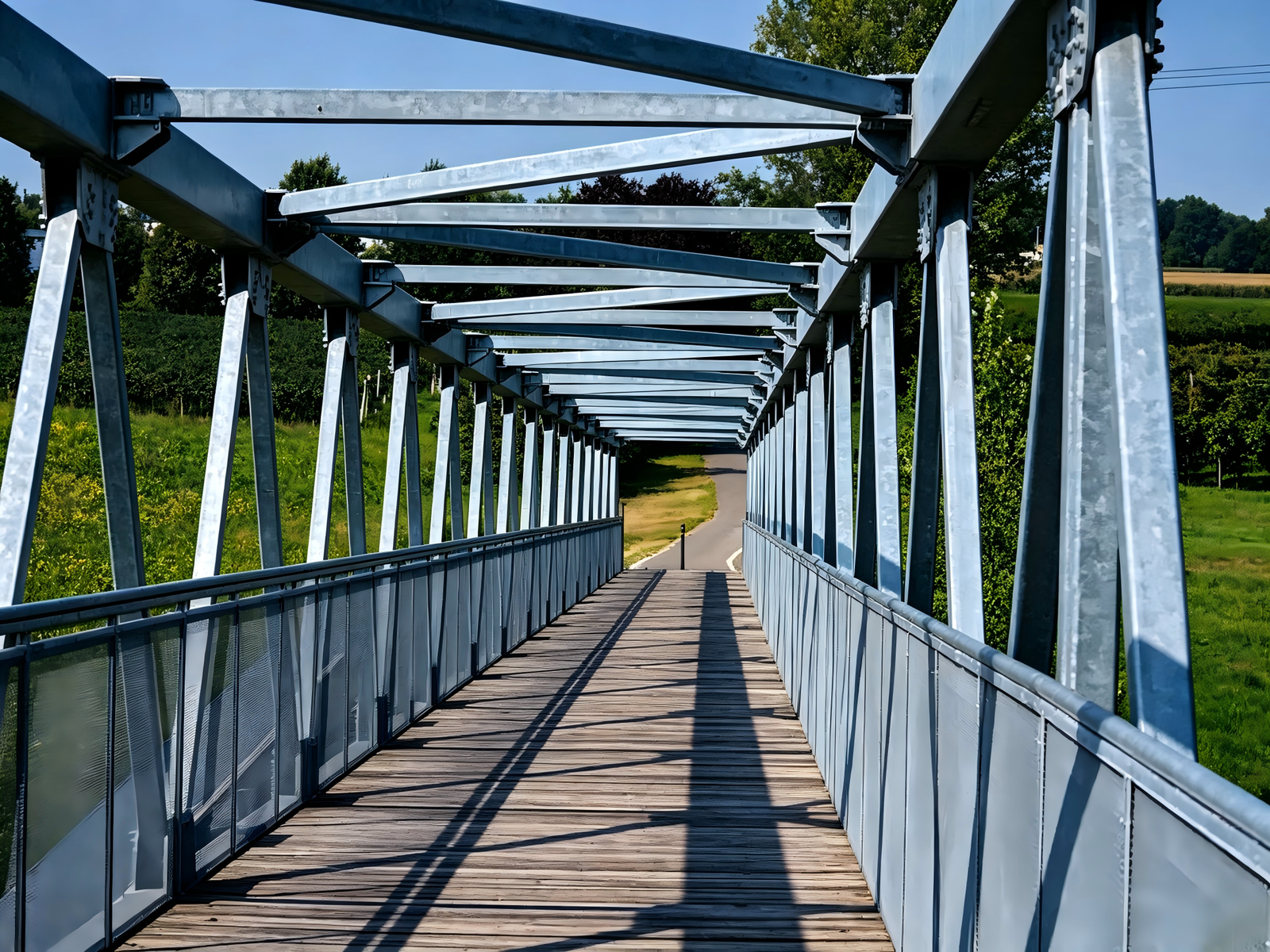
Contrairement à la peinture, qui recouvre simplement la surface, la galvanisation forme un lien métallurgique avec le métal de base, rendant le revêtement très durable et résistant au pelage ou à l'écaillage.
Les avantages clés comprennent:
- Excellente résistance à la corrosion
- Durée de vie du produit plus longue
- Entretien réduit
- Coûts de cycle de vie réduits
- Durabilité mécanique améliorée
2. Pourquoi la galvanisation est-elle importante?
L'acier rouille naturellement lorsqu'il est exposé à l'humidité et à l'oxygène. La corrosion peut affaiblir les structures, augmenter les coûts de maintenance, et raccourcir la durée de vie du produit.
Galvanizing résout ces problèmes en fournissant:
- Protection supérieure contre la corrosionen environnement extérieur et industriel.
- Durabilité à long terme, qui durent souvent des décennies en fonction de l'environnement de service.
- Coûts de maintenance réduitsparce que les composants galvanisés nécessitent un entretien minimal.
- Performances fiablesmême dans des conditions climatiques difficiles.
- Protection durable, réduisant le besoin de repeindre ou de remplacer fréquemment.
Pour de nombreuses applications industrielles, la galvanisation offre l'un des coûts totaux de possession les plus bas par rapport aux revêtements de protection alternatifs.
3. Comment fonctionne la galvanisation?
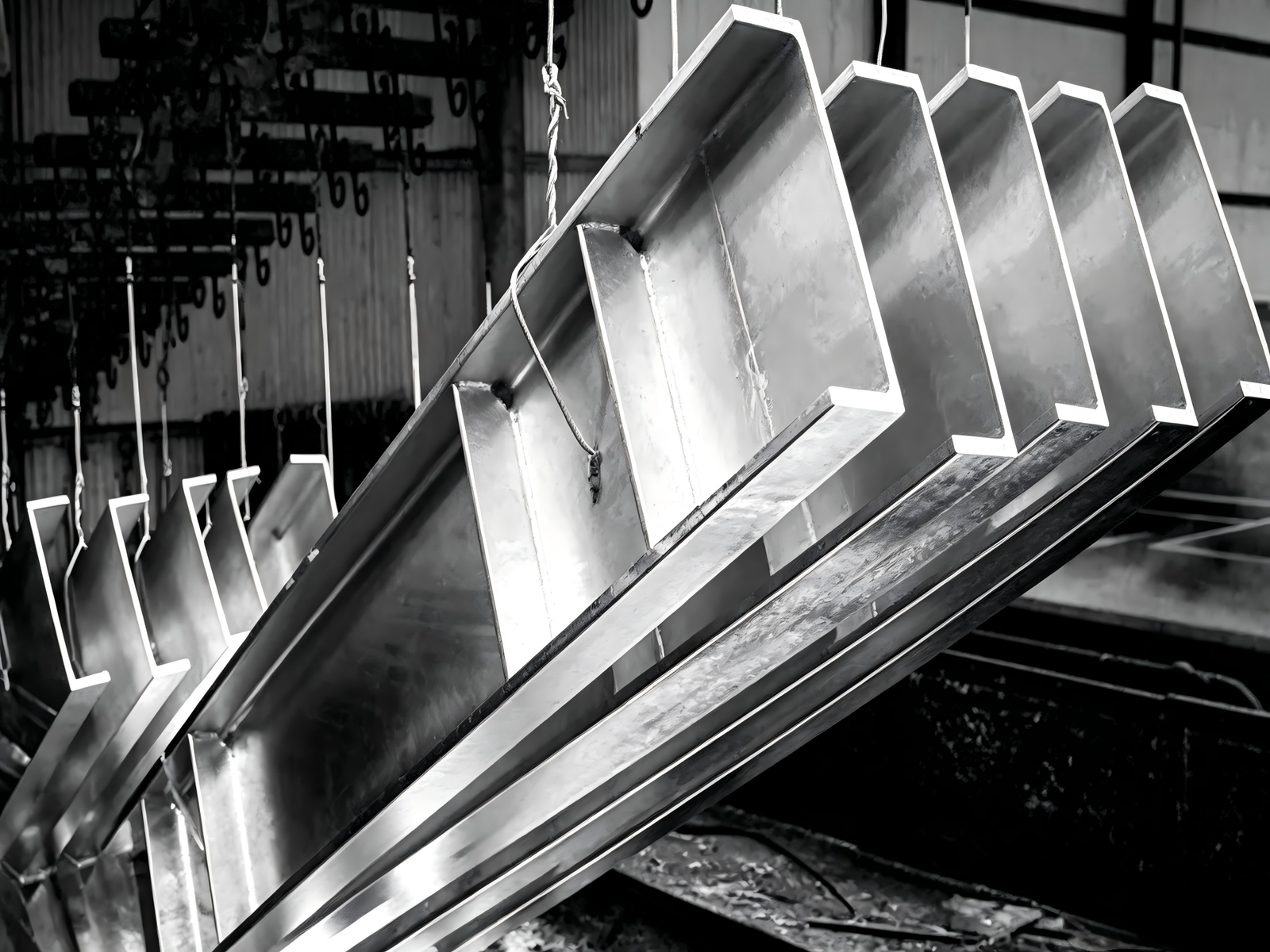
L'efficacité de la galvanisation provient de deux mécanismes de protection.
Protection contre les barrières
Le revêtement de zinc isole l'acier de l'air et de l'humidité, empêchant l'oxydation et la formation de rouille.
Protection sacrificielle
Le zinc est chimiquement plus actif que l’acier. Même si le revêtement est rayé, le zinc environnant se corrode en premier, protéger l'acier exposé par action cathodique.
Cette double protection est l'une des principales raisons pour lesquelles l'acier galvanisé fonctionne exceptionnellement bien dans les environnements exigeants..
4. Types de galvanisation
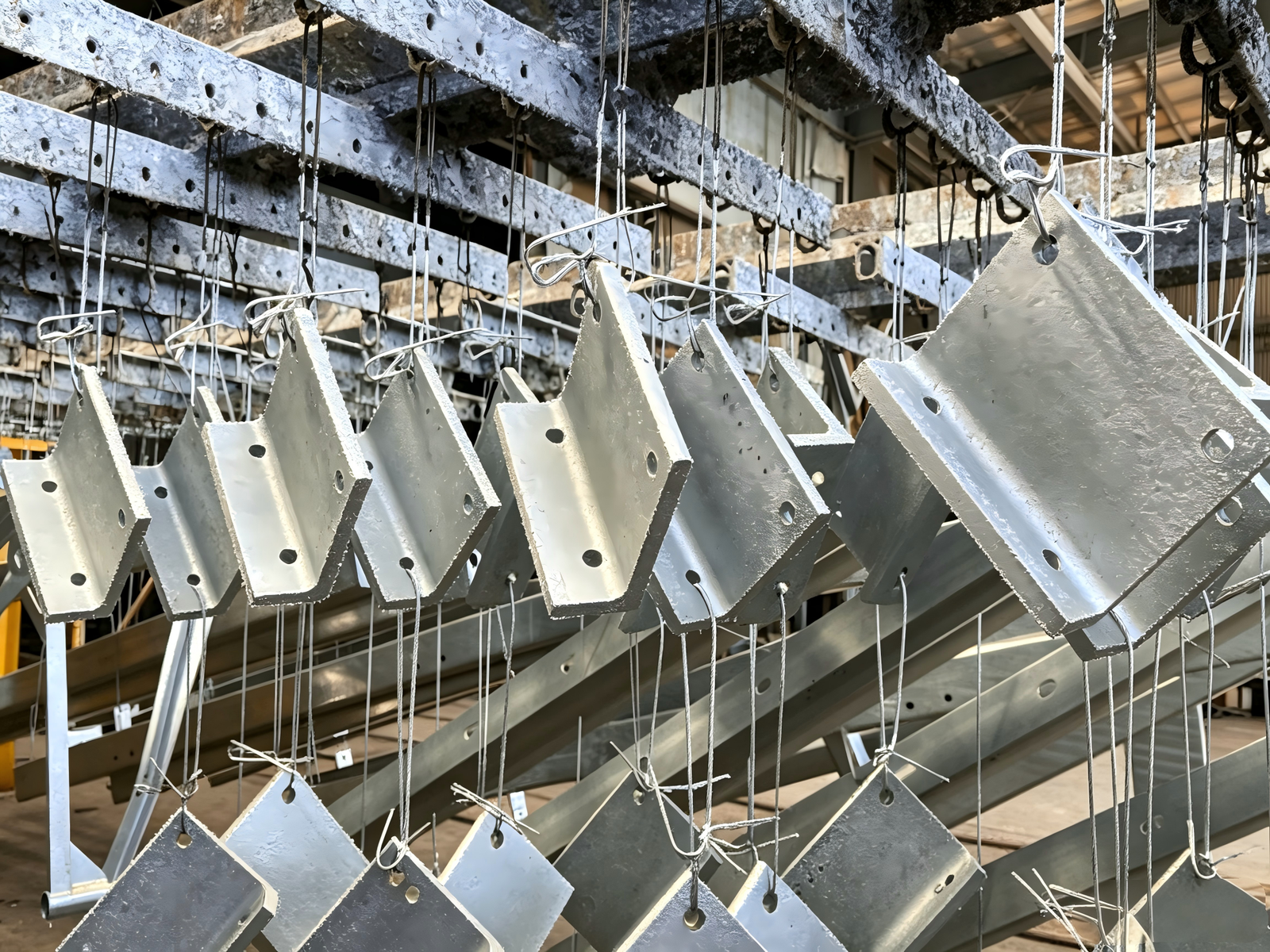
Galvanisation à chaud
Les composants en acier sont immergés dans du zinc fondu à environ 450°C, produire un revêtement épais et durable.
Avantages
- Excellente résistance à la corrosion
- Longue durée de vie
- Convient aux grandes pièces structurelles
Applications
Ponts, tours de transmission, acier de construction, escrime, et garde-corps.
Électrogalvanisation
Également connu sous le nom de galvanoplastie du zinc, ce processus dépose du zinc à l'aide d'un courant électrique.
Avantages
- Finition de surface lisse
- Épaisseur de revêtement précise
- Idéal pour les pièces décoratives
Applications
Composants automobiles, appareils électroménagers, et matériel électronique.
Shérardisation
Les pièces en acier sont chauffées avec de la poudre de zinc, permettant au zinc de se diffuser dans la surface.
Avantages
- Revêtement uniforme
- Excellente couverture du fil
- Risque réduit de fragilisation par l’hydrogène
Applications
Attaches, engrenages, et composants de précision.
Pré-galvanisation
La tôle d'acier passe dans un bain de zinc fondu continu avant la fabrication.
Avantages
- Efficacité de production élevée
- Revêtement uniforme
- Rentable pour les produits en feuilles
Applications
Panneaux de toiture, Conduits CVC, et tubes en acier.
Galvanisation Mécanique
La poudre de zinc est liée mécaniquement aux petites pièces sans chaleur.
Applications
Boulons, des vis, rondelles, et autres attaches.
5. Processus de galvanisation à chaud étape par étape
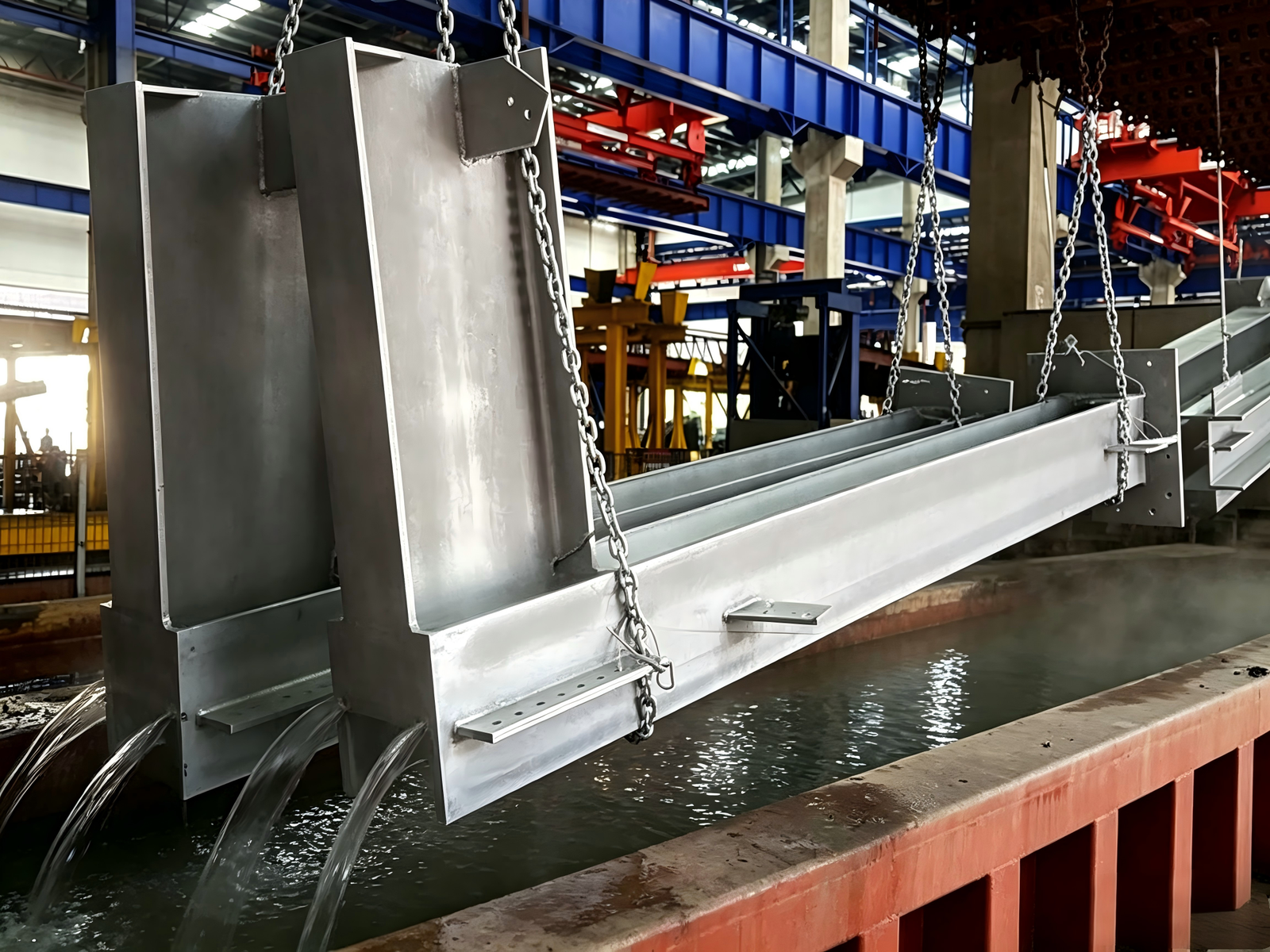
Un processus typique de galvanisation à chaud comprend les étapes suivantes:
- Inspection– Vérifiez la surface en acier pour les défauts.
- Dégraissant– Enlever l'huile, graisse, et contaminants.
- Décapage– Éliminer la rouille et la calamine à l’aide d’acide.
- Rinçage– Nettoyer les produits chimiques résiduels.
- Fluxage– Appliquer du flux pour améliorer l’adhérence du zinc.
- Séchage– Préparer la surface pour l’immersion.
- Bain de zinc– Plonger la pièce dans du zinc fondu.
- Refroidissement– Tremper ou refroidir à l'air le composant revêtu.
- Inspection– Vérifier l’épaisseur du revêtement, adhésion, et l'apparence.
6. Normes d'épaisseur de revêtement de zinc
L'épaisseur de revêtement requise dépend de l'application et des normes applicables.
Les normes internationales communes comprennent:
- ASTMA123
- ASTMA153
- OIN 1461
- EN ISO 14713
Les revêtements plus épais offrent généralement une protection contre la corrosion plus longue mais peuvent augmenter les coûts de traitement.. La sélection de la norme appropriée garantit une qualité et des performances constantes.
7. Galvanisation vs autres finitions de surface
| Finition de surface | Résistance à la corrosion | Coût | Apparence | Utilisation typique |
| Galvanisation à chaud | Excellent | Moyen | Industriel | Acier de construction |
| Revêtement en poudre | Bien | Moyen | Décoratif | Produits de consommation |
| Peinture | Modéré | Faible | Couleurs personnalisées | Applications intérieures |
| Galvanoplastie | Modéré | Moyen | Finition lisse | Pièces de précision |
| Acier inoxydable | Excellent | Haut | Prime | Alimentation et matériel médical |
Le choix de la bonne finition dépend des conditions environnementales, budget, et exigences esthétiques.
8. Avantages de la galvanisation
Les principaux avantages incluent:
- Résistance à la corrosion exceptionnelle
- Longue durée de vie
- Faible entretien
- Forte liaison métallurgique
- Couverture complète de la surface
- Excellente résistance aux chocs
- Performances de cycle de vie rentables
- Protection respectueuse de l'environnement
Ces avantages font de la galvanisation une solution privilégiée pour les applications extérieures à long terme.
9. Limites de la galvanisation
Malgré ses avantages, la galvanisation a certaines limites:
- Coût initial plus élevé que la peinture
- La rouille blanche peut se former en cas d'exposition prolongée à l'humidité
- L'apparence de la surface peut varier
- Pas idéal pour certaines pièces usinées avec précision
- Le soudage de l'acier galvanisé nécessite des précautions supplémentaires
Comprendre ces limites aide les ingénieurs à choisir le traitement de surface le plus approprié.
10. Industries qui utilisent de l'acier galvanisé
L'acier galvanisé est largement utilisé dans:
- Construction
- Automobile
- Agriculture
- Infrastructure électrique
- Énergie renouvelable
- Télécommunications
- Transport
- Génie maritime
Sa combinaison de force, durabilité, et sa résistance à la corrosion le rend adapté aux environnements exigeants.
11. Produits galvanisés courants
Les produits galvanisés typiques comprennent:
- Poutres structurelles
- Tubes en acier
- Attaches
- Garde-corps
- Chemins de câbles
- Poteaux électriques
- Clôtures en acier
- Treillis métallique
- Feuilles de toiture
- Équipement industriel
12. Normes et certifications de galvanisation
La galvanisation de qualité suit les normes internationalement reconnues, y compris ASTM A123, ASTMA153, OIN 1461, et EN ISO 14713. Ces spécifications définissent l'épaisseur du revêtement, méthodes d'inspection, et des exigences de qualité pour garantir des performances constantes.
13. Comment inspecter les revêtements galvanisés
Les méthodes d'inspection courantes comprennent:
- Inspection visuelle
- Mesure de l'épaisseur du revêtement
- Test d'adhérence
- Évaluation de l'homogénéité
- Évaluation des défauts de surface
Une inspection régulière garantit le respect des spécifications du projet.
14. Défauts courants de galvanisation et solutions
Les défauts typiques incluent:
- Rouille blanche
- Points nus
- Excès de zinc
- Surfaces rugueuses
- Coule et coule
- Inclusions de cendres
La plupart des défauts peuvent être minimisés grâce à une préparation appropriée de la surface, contrôle de processus, et post-traitement.
15. Combien de temps dure l'acier galvanisé?
La durée de vie de l'acier galvanisé dépend de l'environnement d'exploitation.
- Zones rurales: 50–100 ans
- Zones urbaines: 30–50 ans
- Milieux côtiers: 20–30 ans
- Environnements industriels: Varie en fonction de la pollution et de l'humidité
L'inspection de routine prolonge encore la durée de vie.
16. Combien coûte la galvanisation?
Le coût dépend de plusieurs facteurs:
- Taille du composant
- Épaisseur de l'acier
- Spécification du revêtement
- Volume de production
- Préparation des surfaces
- Transport
- Normes de qualité requises
Bien que l'investissement initial puisse être plus élevé que la peinture, la galvanisation permet souvent de réduire les coûts de durée de vie en raison d'une maintenance réduite.
17. Conseils de conception pour la galvanisation
Pour les meilleurs résultats, les ingénieurs devraient:
- Inclure des trous d'aération et de drainage adéquats.
- Évitez les cavités fermées.
- Tenir compte de l'épaisseur du revêtement lors de la conception.
- Protéger les zones filetées si nécessaire.
- Suivez les directives de conception de galvanisation pour réduire la distorsion.
Une conception appropriée améliore la qualité du revêtement et l’efficacité de la fabrication.
Conclusion
Que ce soit en utilisant la galvanisation à chaud, électrogalvanisation, ou d'autres procédés de revêtement de zinc, la sélection de la méthode appropriée peut améliorer considérablement la durabilité du produit, réduire l'entretien, et des coûts de cycle de vie réduits.
Si votre projet nécessite des composants en acier galvanisé de haute qualité ou une fabrication métallique sur mesure, travailler avec Précision au sommet-un partenaire de fabrication expérimenté garantit le respect des normes internationales, qualité de revêtement constante, et des performances fiables à long terme.
FAQ
1. Quelle est la différence entre la galvanisation et le zingage?
Bien que les deux procédés appliquent un revêtement de zinc sur l'acier, la galvanisation crée généralement une couche protectrice beaucoup plus épaisse et plus durable. La galvanisation à chaud est idéale pour les applications extérieures et structurelles, pendant le zingage (électrogalvanisation) fournit un diluant, finition plus lisse adaptée aux produits d'intérieur et aux composants de précision.
2. L'acier galvanisé peut-il être coupé ou percé après la galvanisation?
Oui. L'acier galvanisé peut être coupé, percé, ou usiné après le processus de revêtement. Cependant, tout acier exposé créé pendant la fabrication doit être réparé avec un revêtement riche en zinc ou une autre méthode de réparation approuvée pour maintenir la protection contre la corrosion..
3. La galvanisation à chaud convient-elle à tous les types d’acier?
La plupart des aciers au carbone peuvent être galvanisés à chaud avec succès. Cependant, la composition chimique de l’acier, en particulier sa teneur en silicium et en phosphore, peut affecter l’épaisseur et l’apparence du revêtement. Consulter votre fournisseur de galvanisation avant de recommander la production.
4. La galvanisation affecte-t-elle les propriétés mécaniques de l'acier?
Dans la plupart des cas, la galvanisation a peu ou pas d'impact sur la résistance, dureté, ou l'intégrité structurelle de l'acier. Des températures de traitement correctement contrôlées garantissent que le matériau de base conserve ses propriétés mécaniques d'origine.
5. L'acier galvanisé peut-il être soudé?
Oui, l'acier galvanisé peut être soudé. Cependant, le revêtement de zinc près de la zone de soudure doit être préalablement retiré, et une ventilation adéquate doit être utilisée car les vapeurs de zinc peuvent être dangereuses. Après soudage, la zone affectée doit être réparée avec un revêtement riche en zinc pour restaurer la résistance à la corrosion.
6. Comment stocker l'acier galvanisé avant l'installation?
Les produits galvanisés doivent être stockés dans un endroit sec, environnement bien ventilé. Évitez d'empiler des composants humides ensemble pendant de longues périodes, car l'humidité emprisonnée peut provoquer le développement de rouille blanche sur la surface du zinc.
7. Quels facteurs influencent la durée de vie de l'acier galvanisé?
La durabilité de l'acier galvanisé dépend de plusieurs facteurs, y compris l'épaisseur du revêtement, conditions environnementales, humidité, exposition au sel, polluants industriels, et un entretien régulier. Les revêtements de zinc plus épais offrent généralement une protection contre la corrosion plus longue.
8. La galvanisation est-elle respectueuse de l'environnement?
Oui. Le zinc est un matériau naturel et recyclable. L'acier galvanisé a une longue durée de vie, nécessite un entretien minimal, et est entièrement recyclable à la fin de son cycle de vie, ce qui en fait une solution de protection contre la corrosion durable.
9. Comment choisir la bonne méthode de galvanisation pour mon projet?
La meilleure méthode de galvanisation dépend de votre application, taille du composant, épaisseur de revêtement requise, apparence, environnement opérationnel, et le budget. La galvanisation à chaud est généralement préférée pour les applications structurelles et extérieures, tandis que l'électrogalvanisation est mieux adaptée aux pièces décoratives ou de précision.
10. Comment puis-je garantir des composants galvanisés de haute qualité?
Travaillez avec un fabricant expérimenté qui suit les normes internationales telles que l'ISO 1461 ou ASTM A123. Un fournisseur fiable doit fournir une préparation de surface appropriée, contrôle cohérent du processus, inspection de l'épaisseur du revêtement, et une assurance qualité complète pour garantir une protection durable contre la corrosion.


